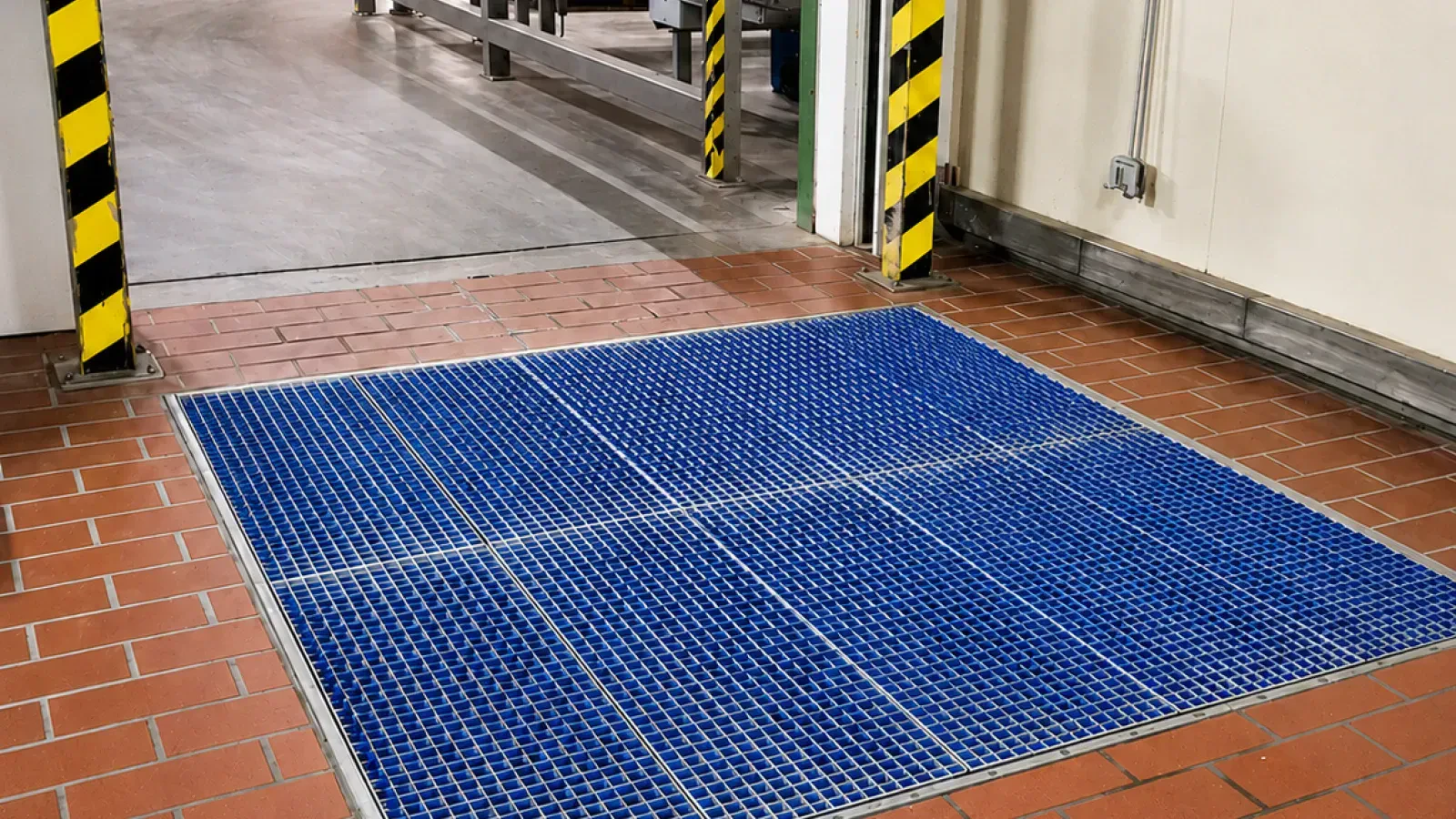
Reduce contamination before it reaches the sensitive area
Cleanliness & Contamination Control

Reduce contamination before it reaches the sensitive area

In factories, warehouses and controlled areas, wheels, soles, trolleys and transported materials carry dirt, particles and moisture from one area into another. The route shows where that transfer can be reduced closer to the source.

View applications
Contamination travels along routes, not only through doorways

Contamination travels along routes, not only through doorways

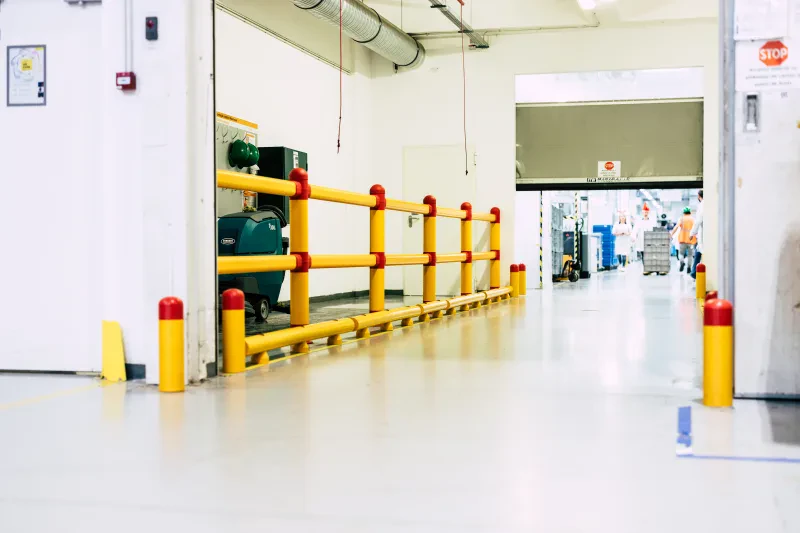
Transfer does not always begin at the main entrance. It may start in goods receiving, a warehouse route, an outdoor loading area, a transition toward production, an AGV/AMR route, a pedestrian route or the entrance to a cleanroom or hygiene-sensitive area.

The useful signals appear along the route: floor marks, dust carried toward production, moisture in the wrong place, particles or audit observations associated with the same crossing.
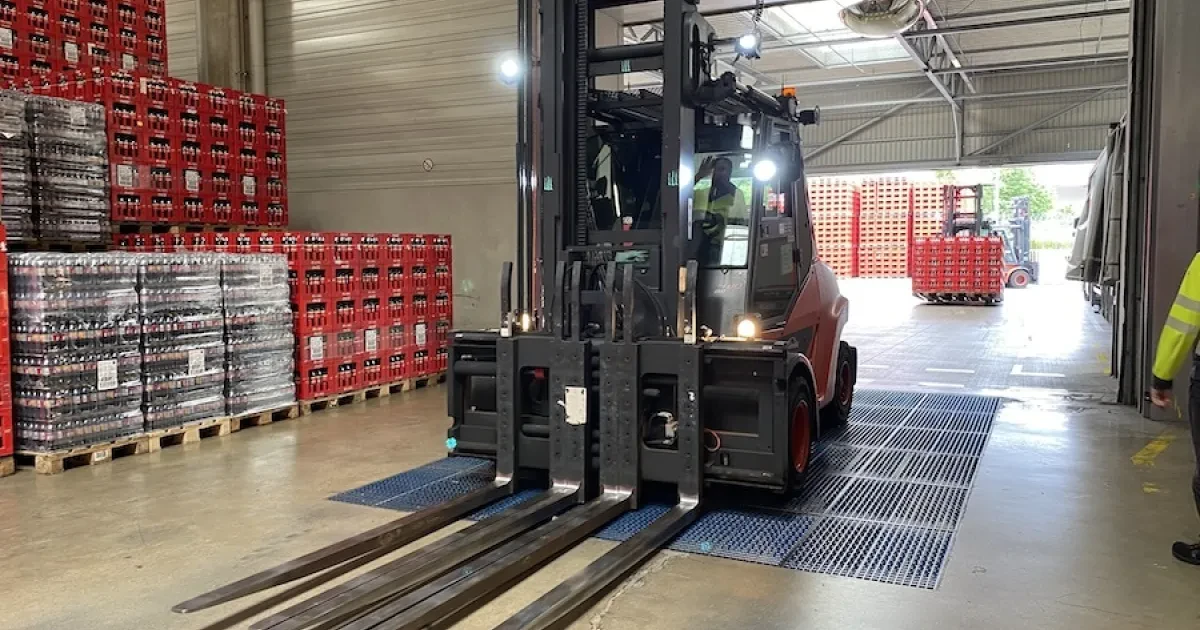
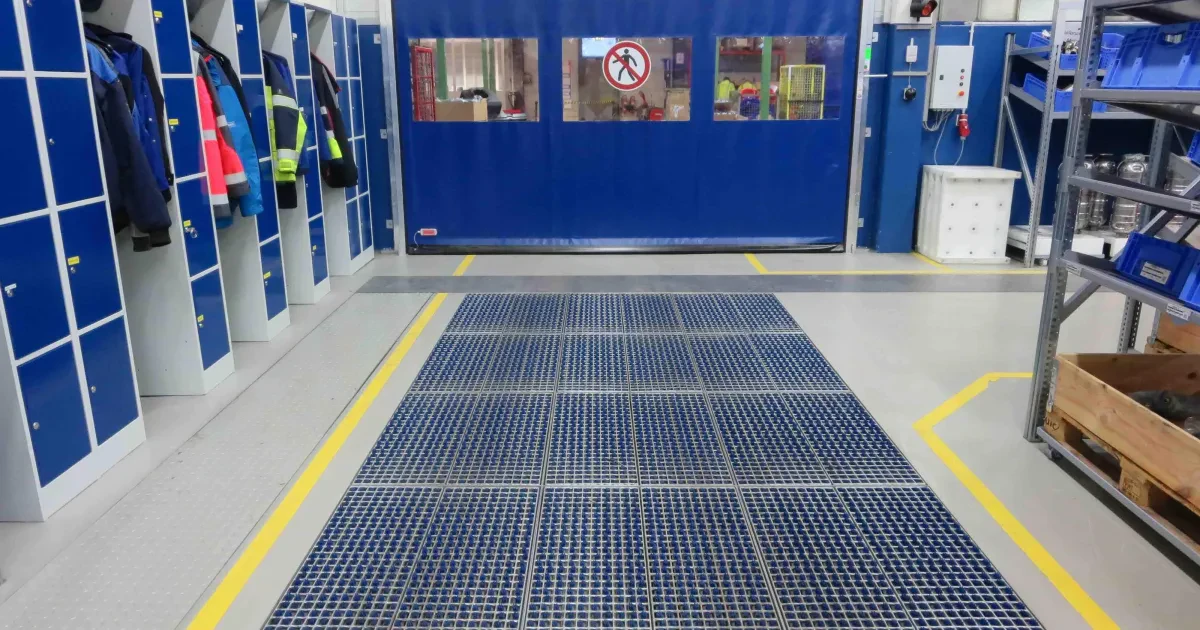
What changes when transfer is reduced closer to the source

Once the route carrying contamination further is clear, measures can be compared by traffic, contamination type and maintenance routine. That makes the sensitive area easier to protect and verify.

Less transferred contamination

Dirt, particles and moisture are reduced closer to the source, before they are carried further by wheels, soles, trolleys or materials.

Clearer cleaning routines

The team knows where transfer occurs, who maintains the selected measure and what needs to be checked every shift.

An area that is easier to verify

The route, method and ownership become clearer during audits, internal observations or quality checks.

Fewer reactive interventions

When transfer is reduced before the sensitive area, cleaning no longer depends only on corrective action after dirt has already moved inside.

Fit with verification procedures

A well-placed measure can support HACCP, IFS, BRCGS, GMP, cleanroom or technical-cleanliness procedures. The operator’s procedure defines the applicable requirements and how results are verified.

A clearer choice between solutions

It becomes easier to compare mechanical cleaning, wet hygiene, polymer matting, route changes or a combination that fits the application.

Choose the application that fits the route

Contamination Carried by Wheels and Footwear
Routes where wheels, soles, rollers or mixed traffic carry contamination toward sensitive areas.
View details
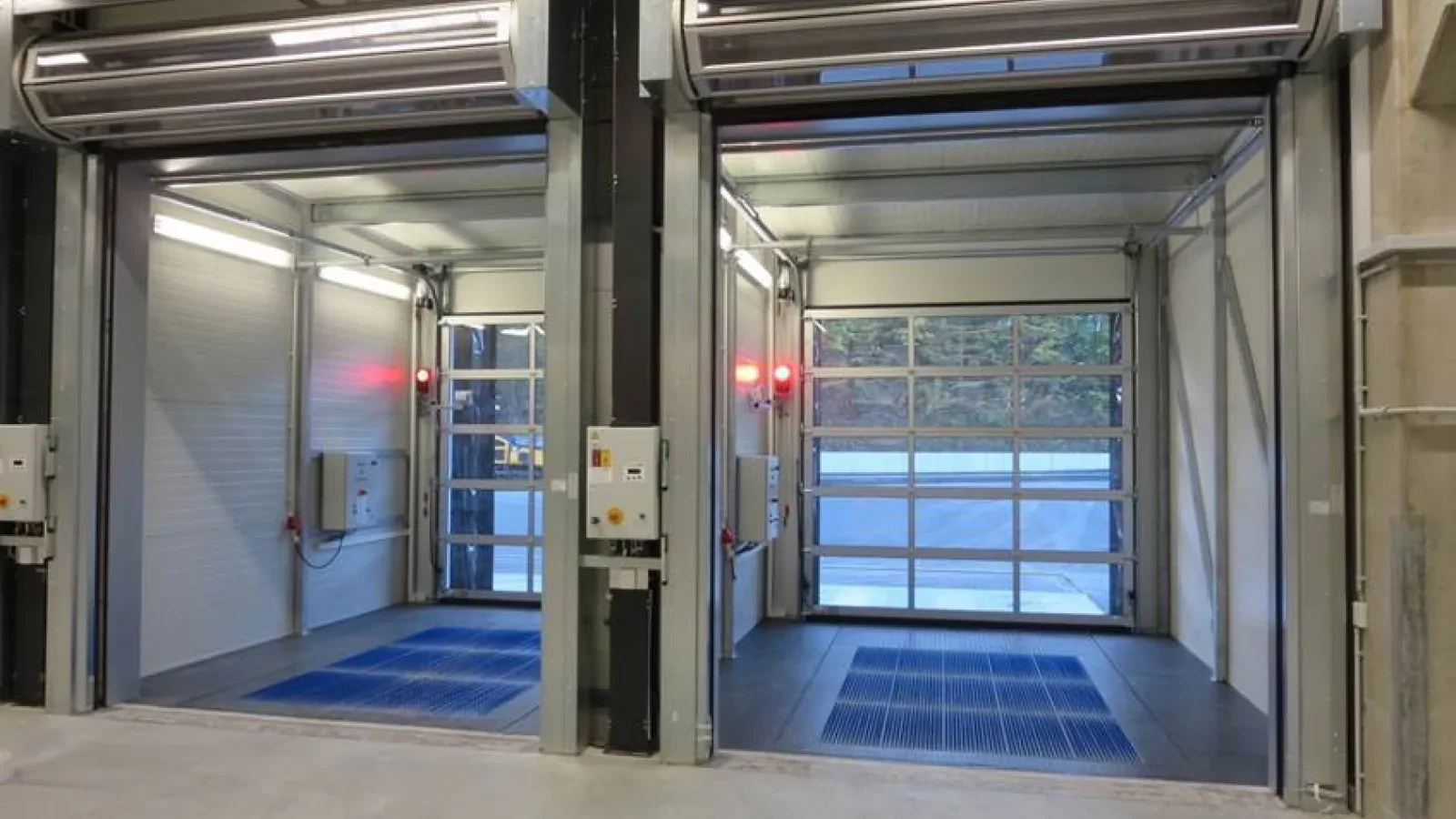
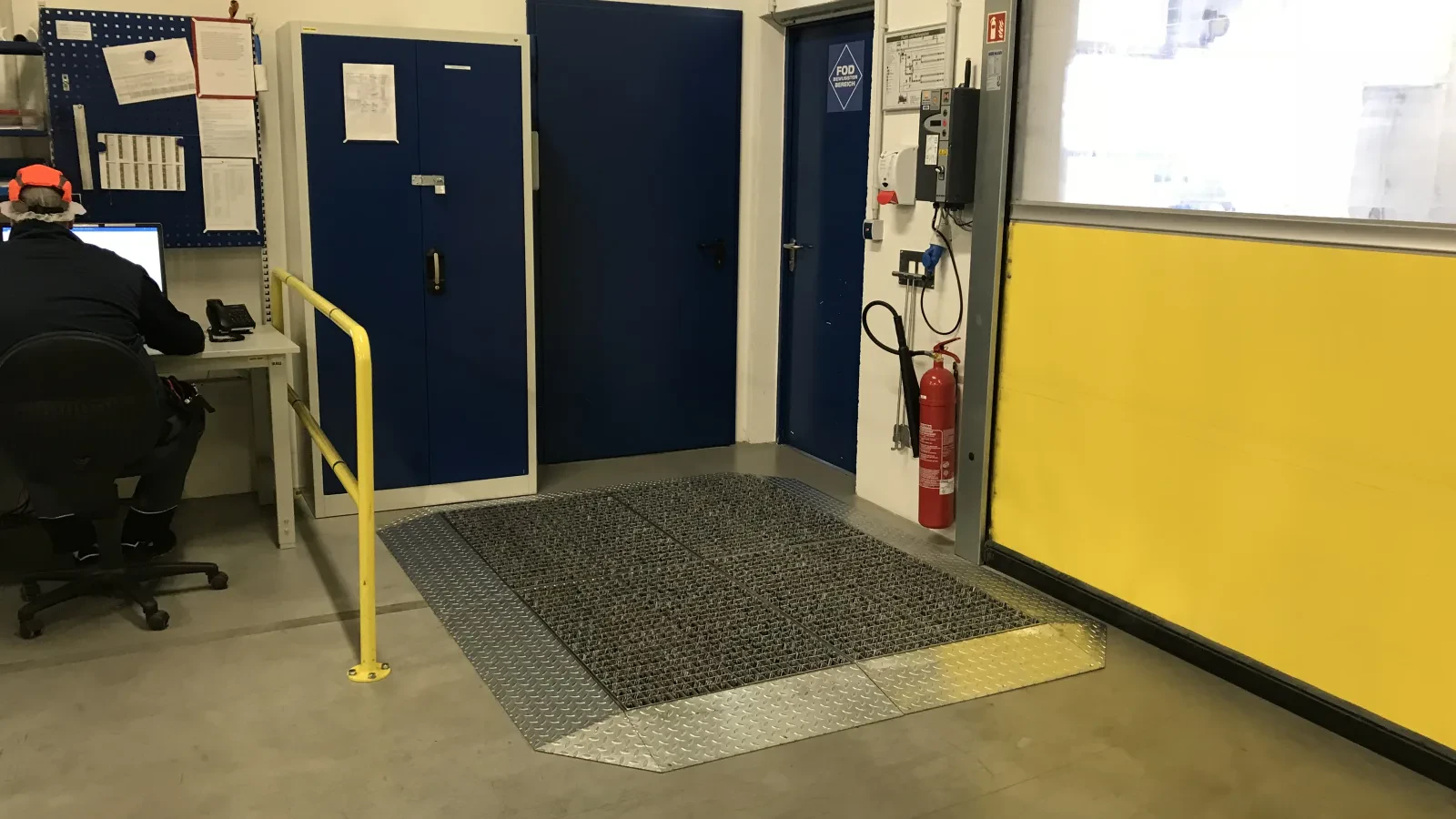
Wheel and tyre cleaning systems
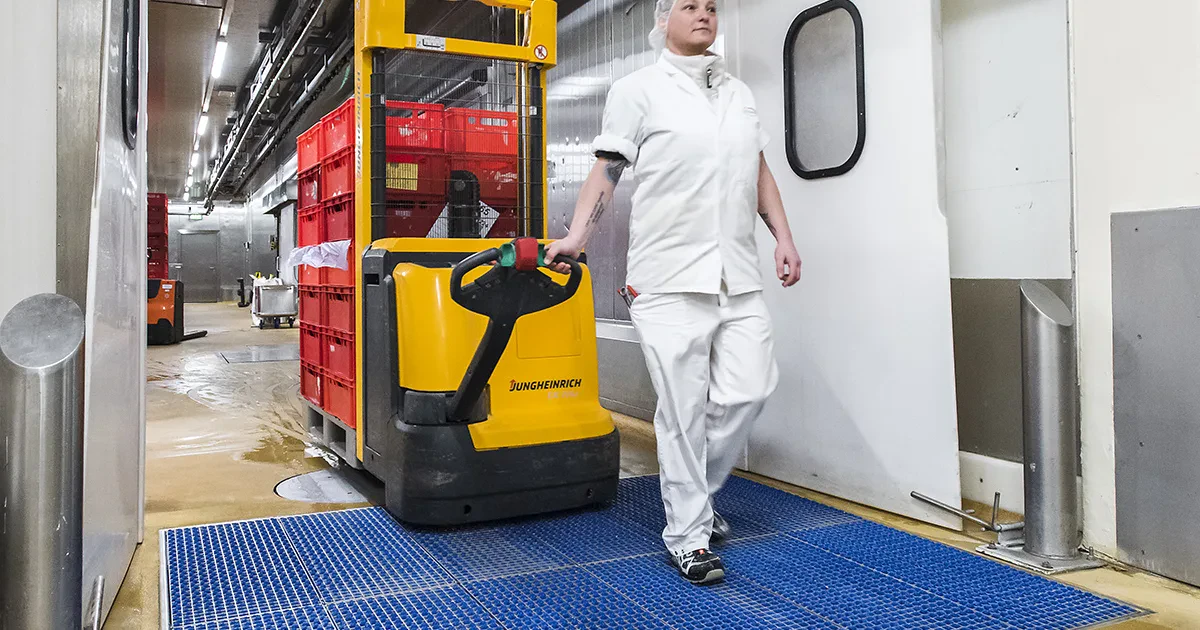
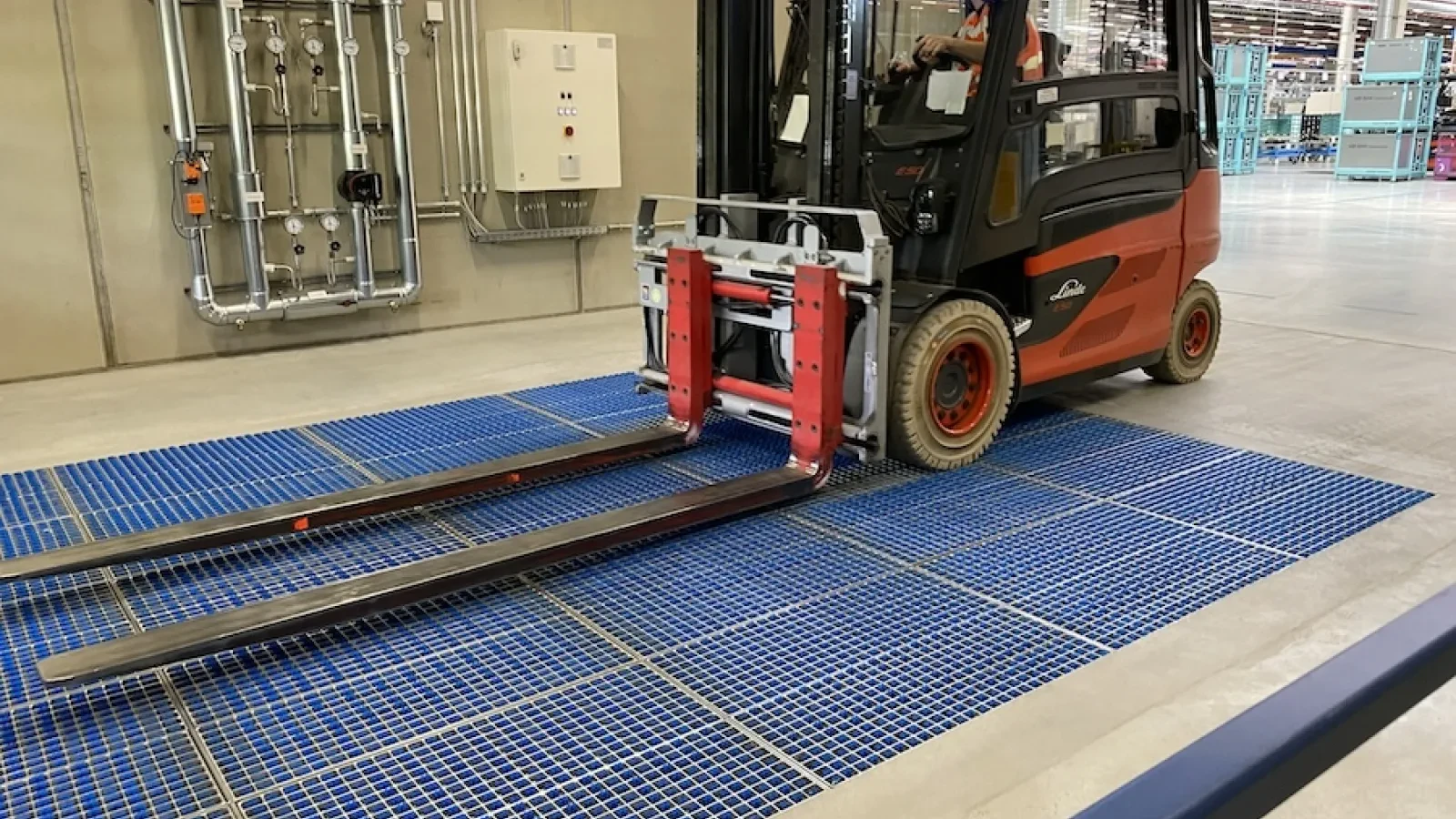
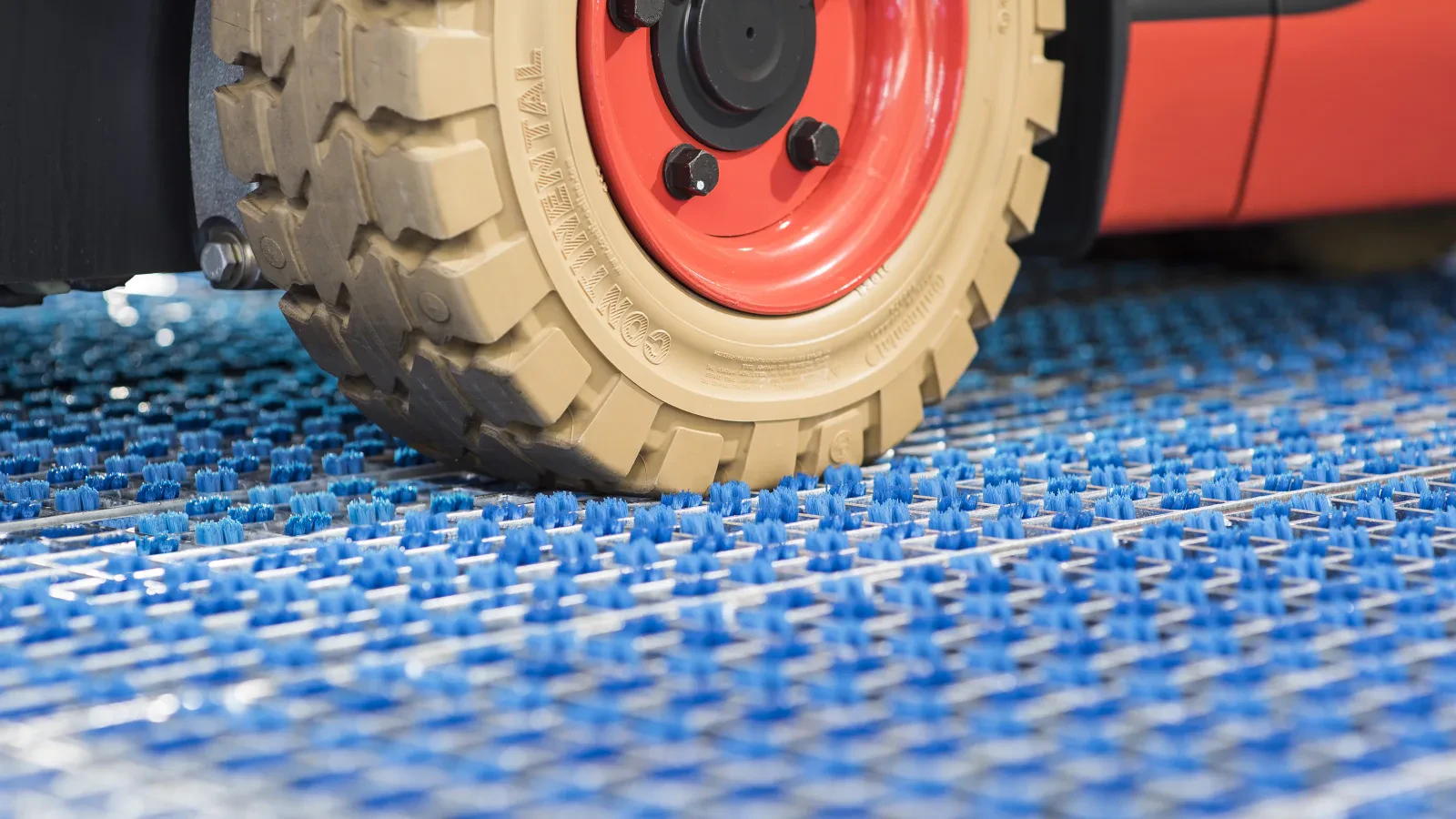
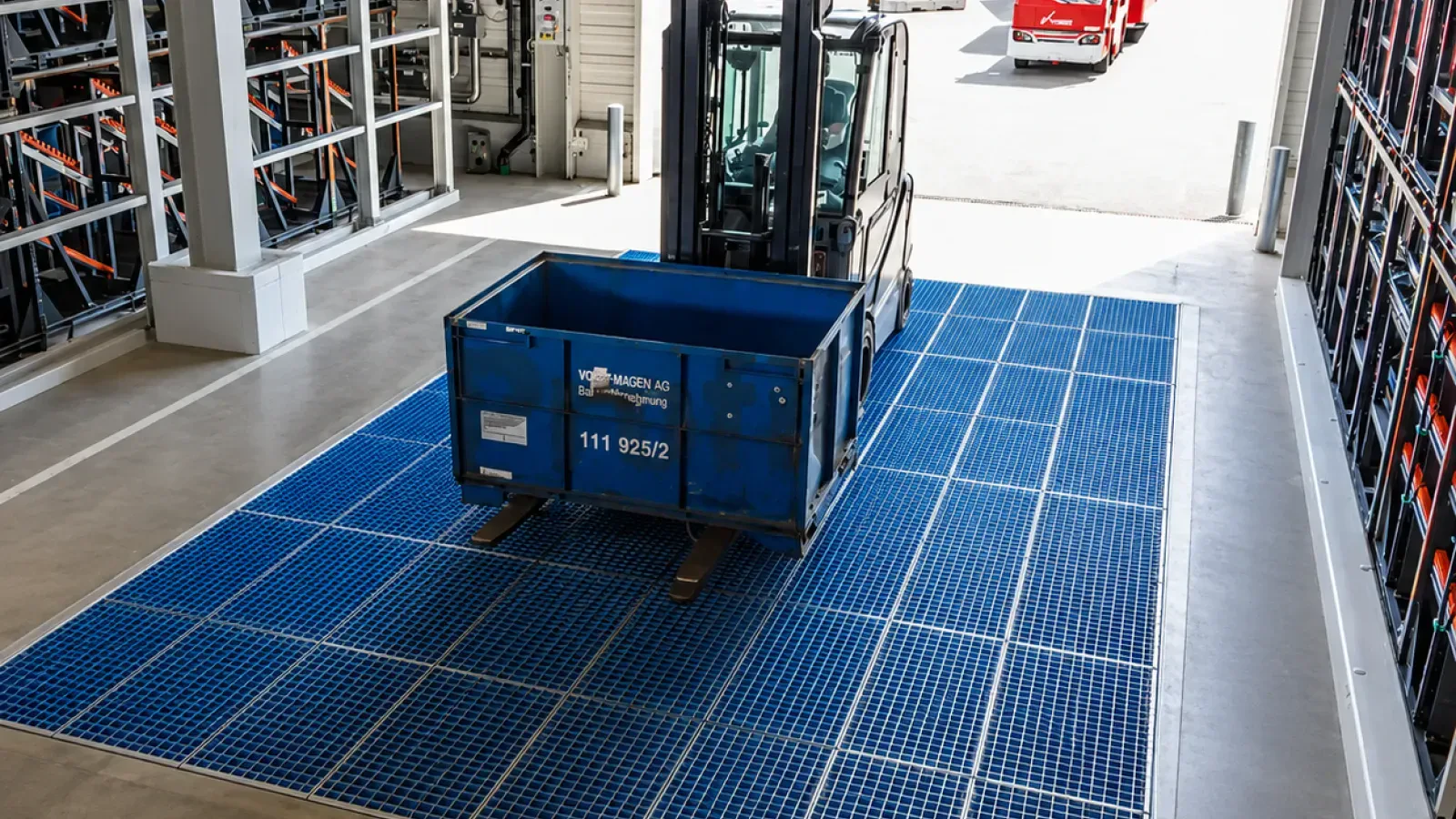
Active systems for reducing dirt, moisture, snow or particles carried by forklift wheels.
View details
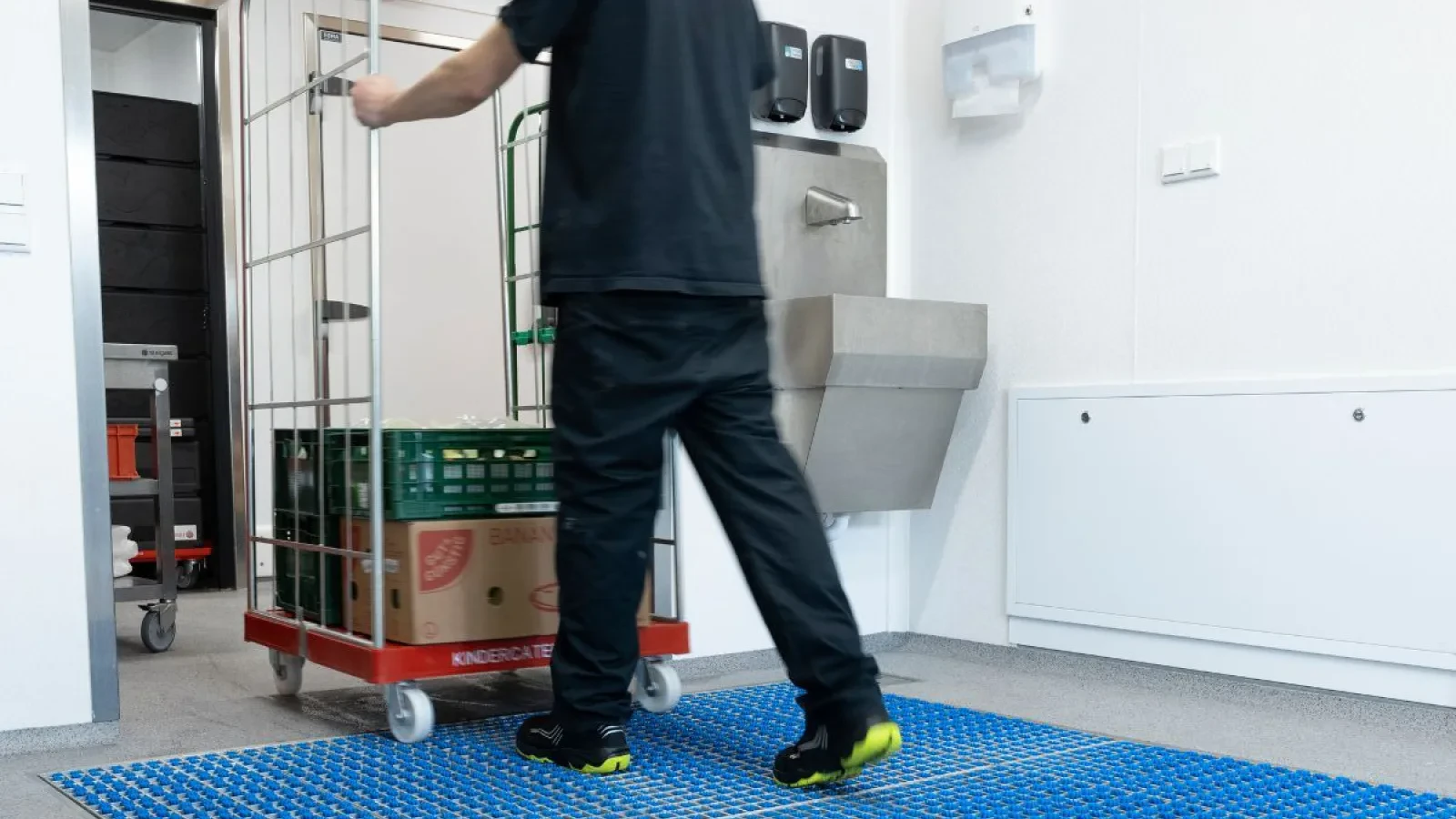
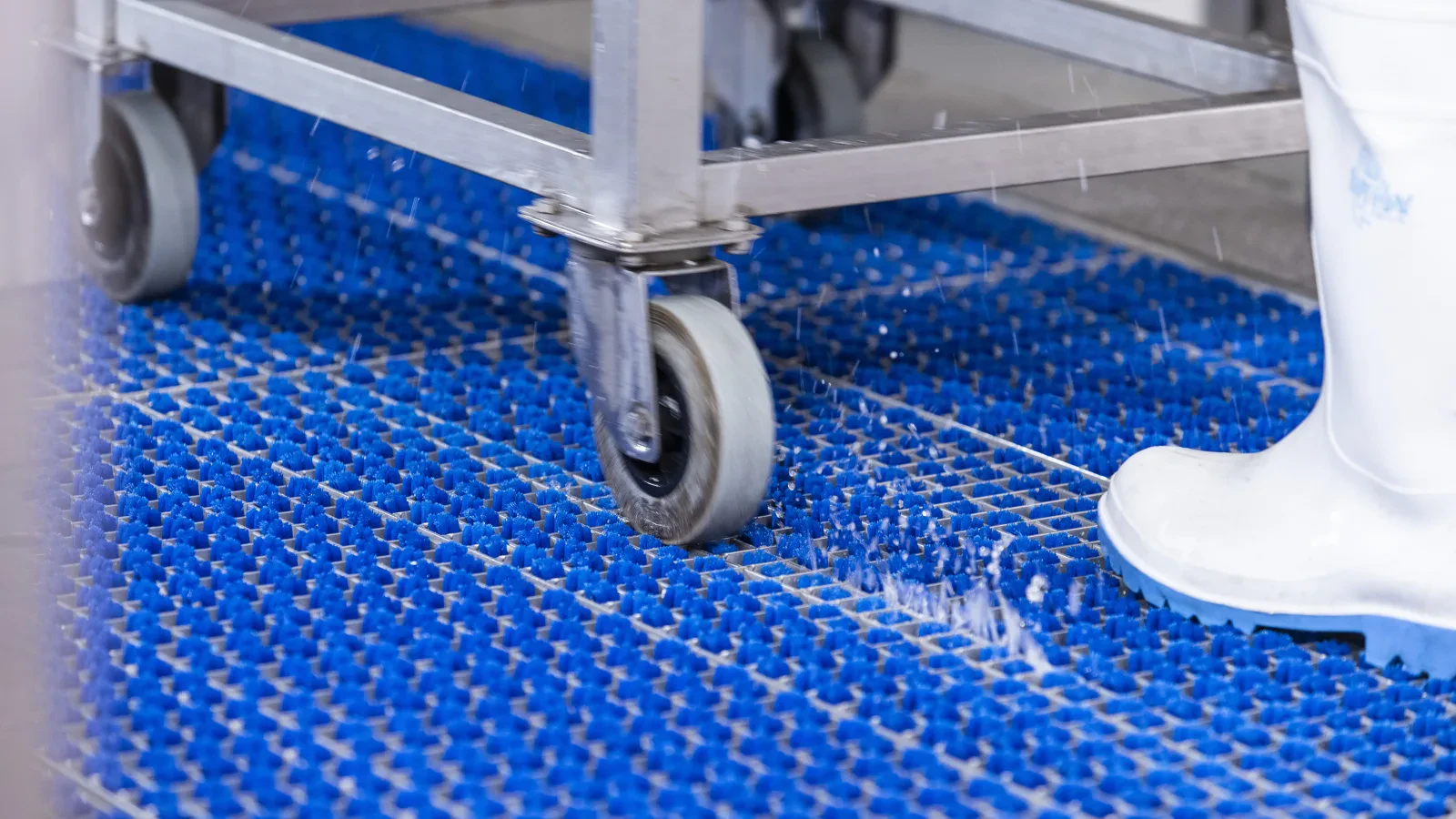
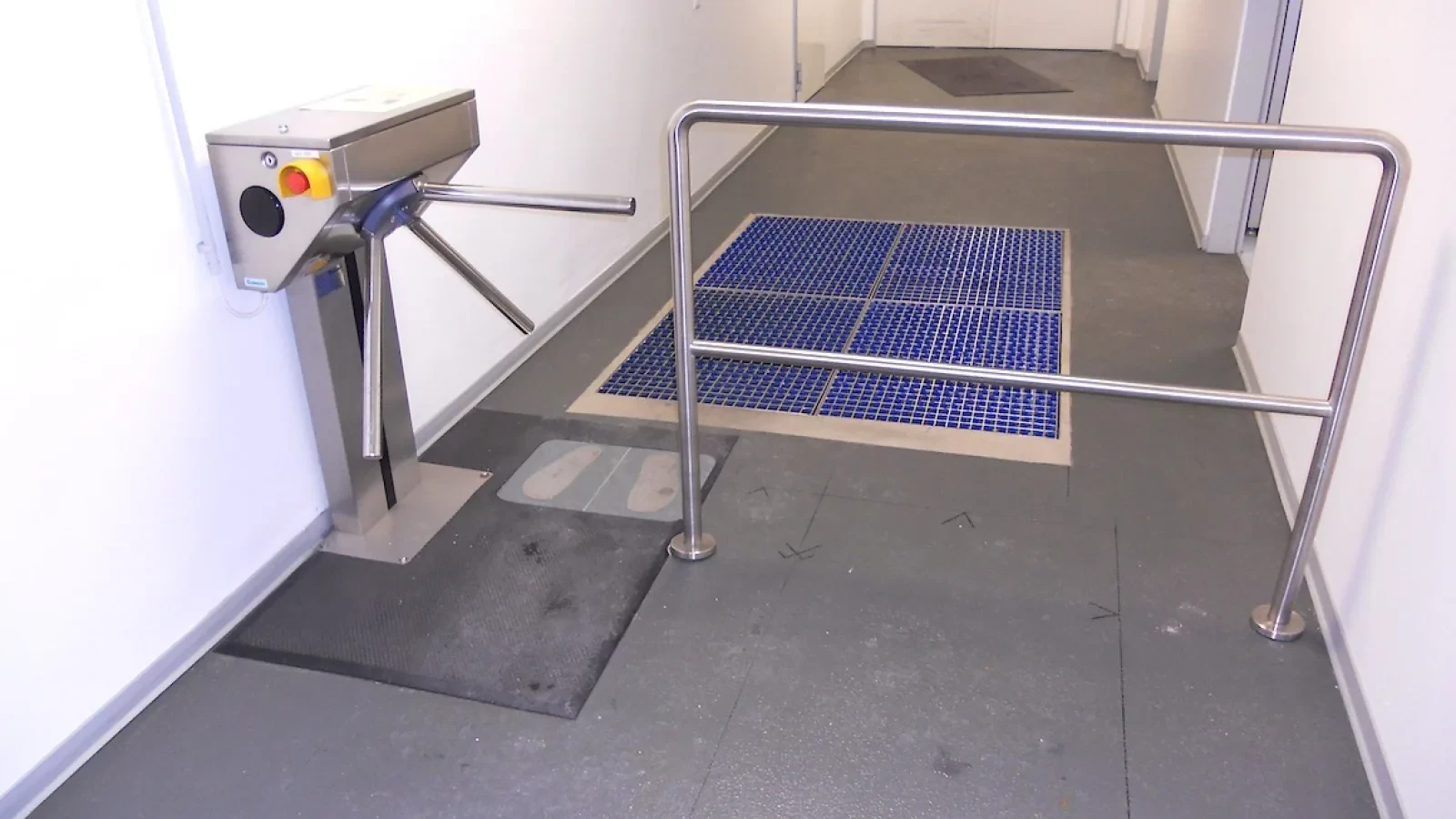
Sole cleaning and hygiene entrances
Cleaning soles, small wheels and trolleys before they enter food-production areas with stricter hygiene requirements.
View details
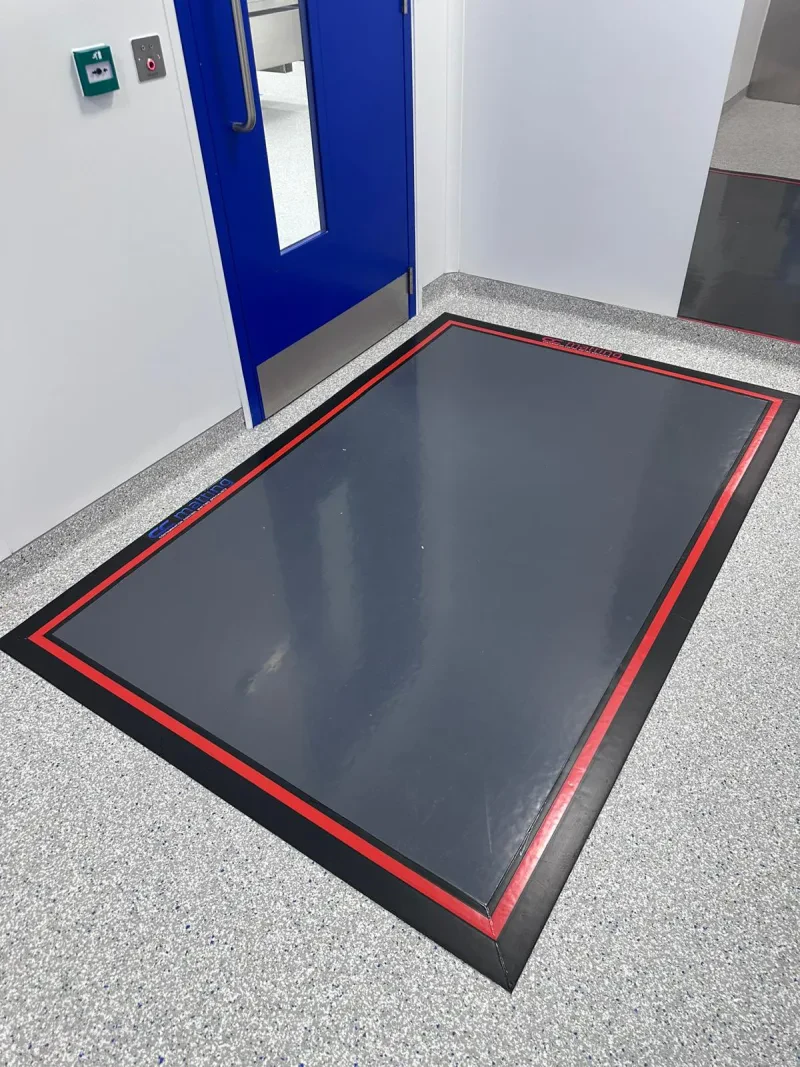
Cleanrooms and Controlled Environments
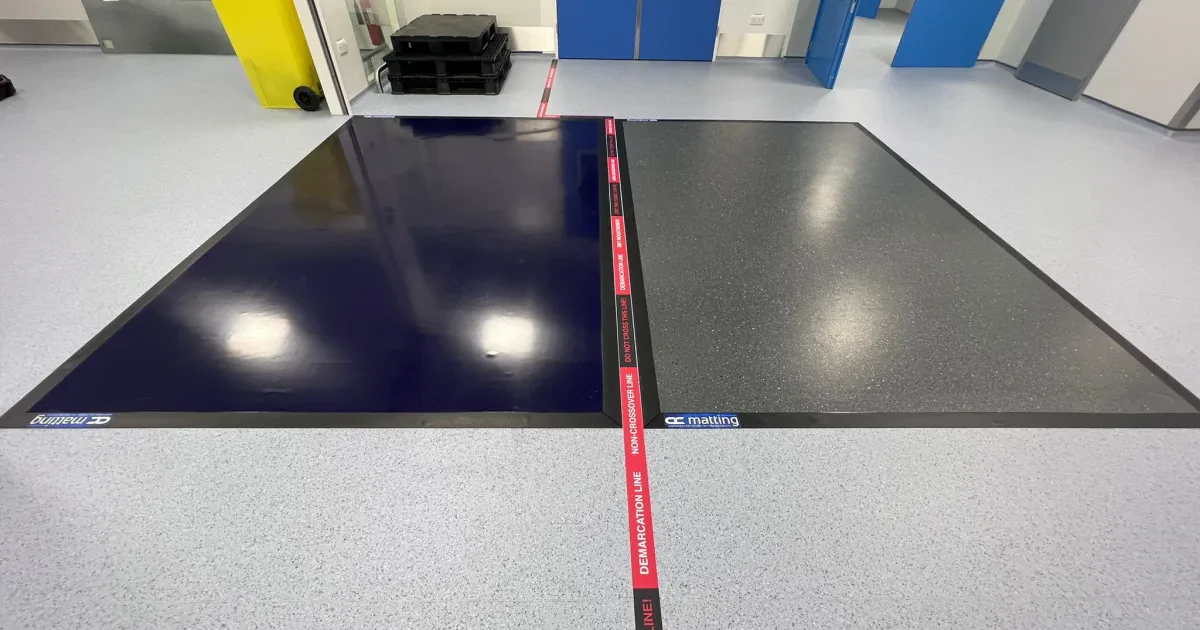
Entrances into cleanrooms and controlled areas.
View details
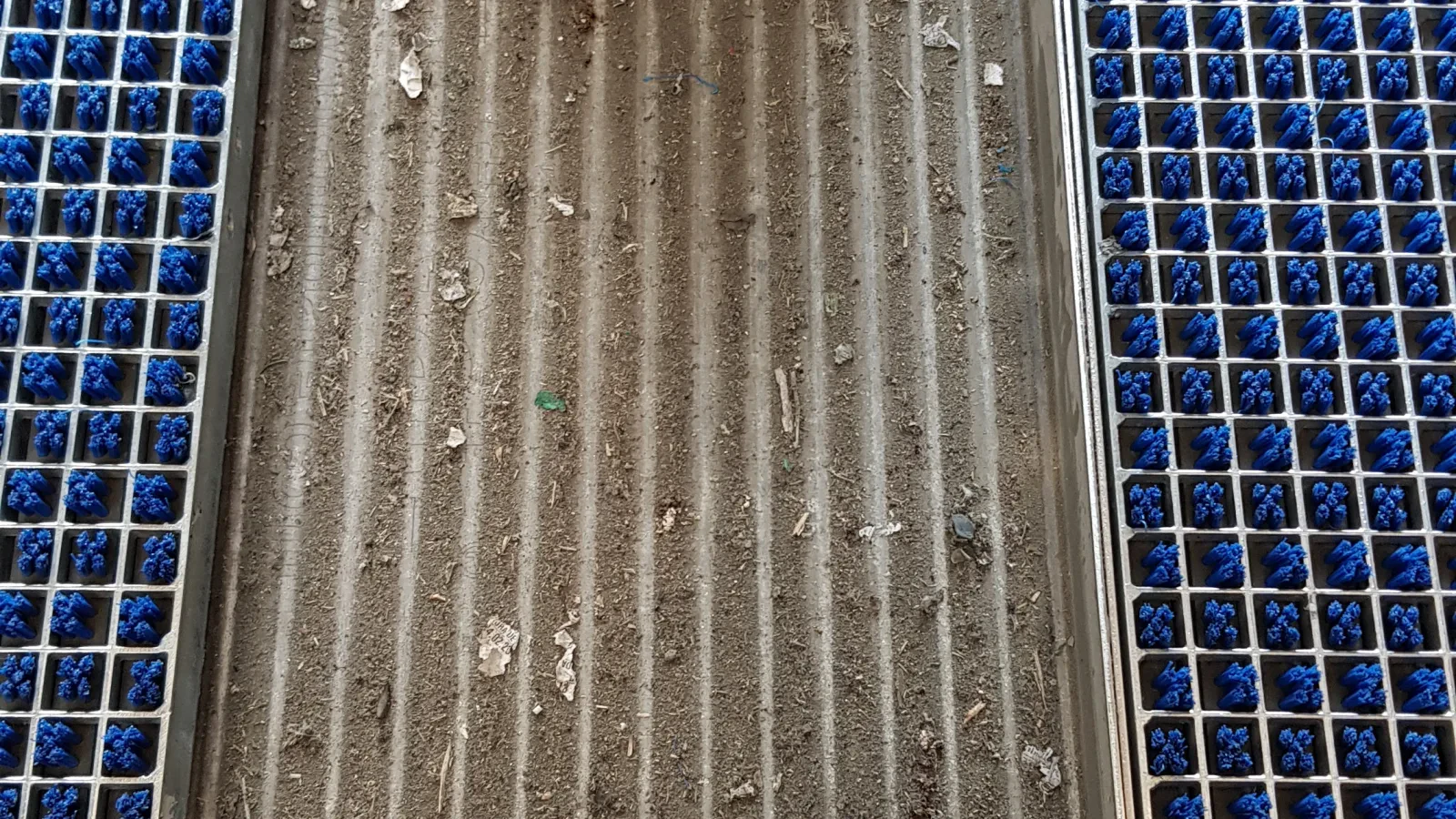
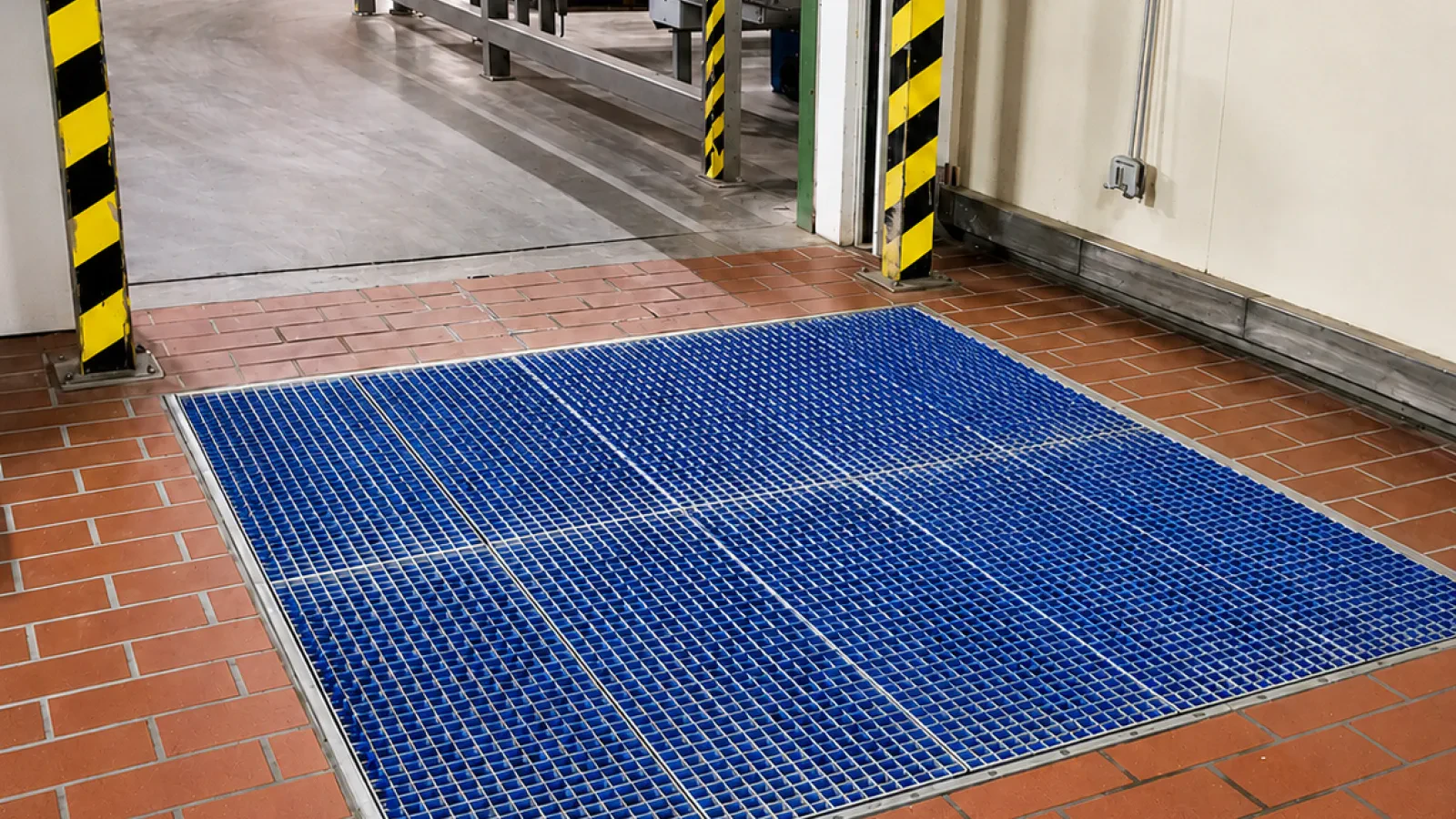
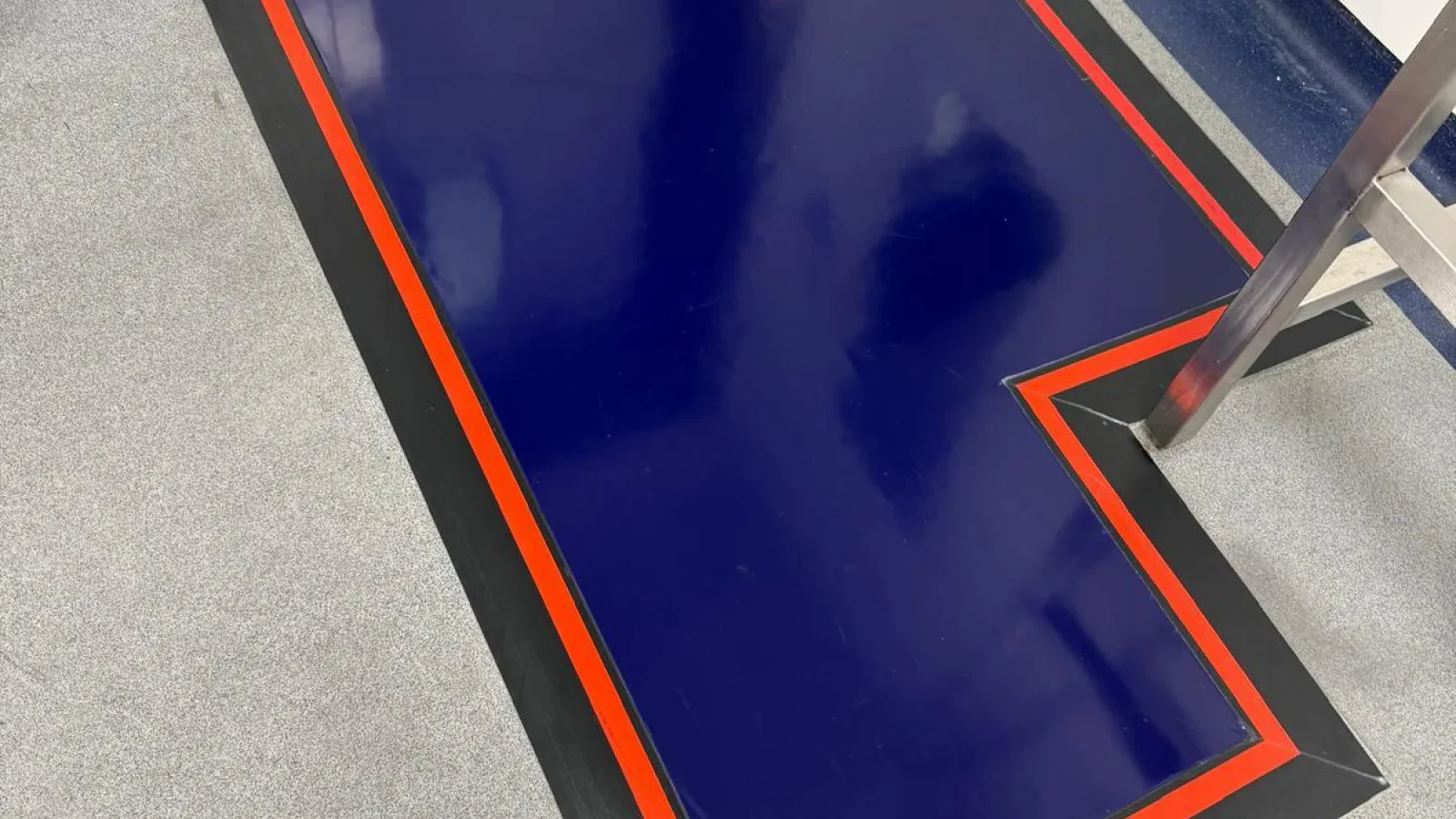
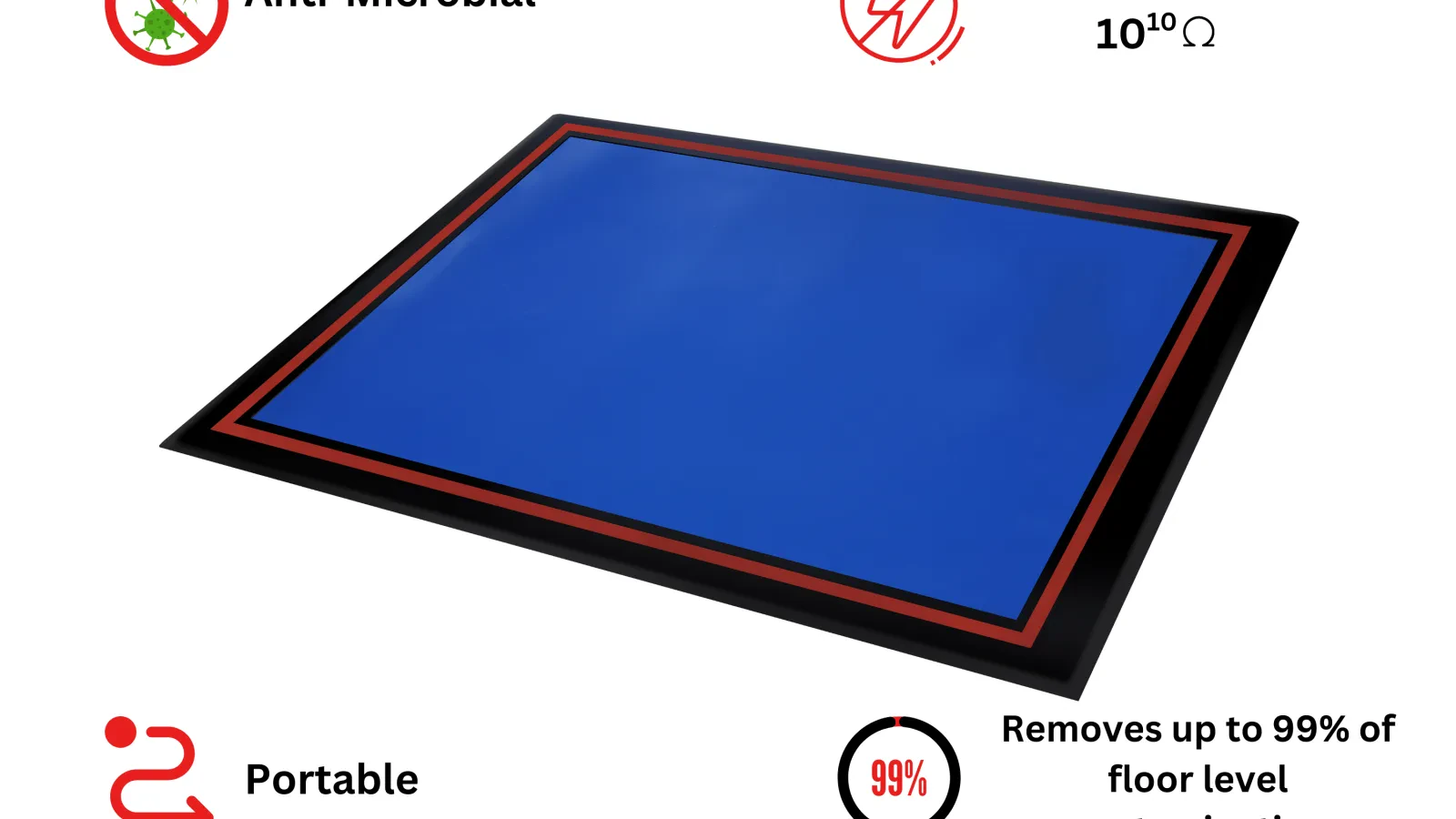
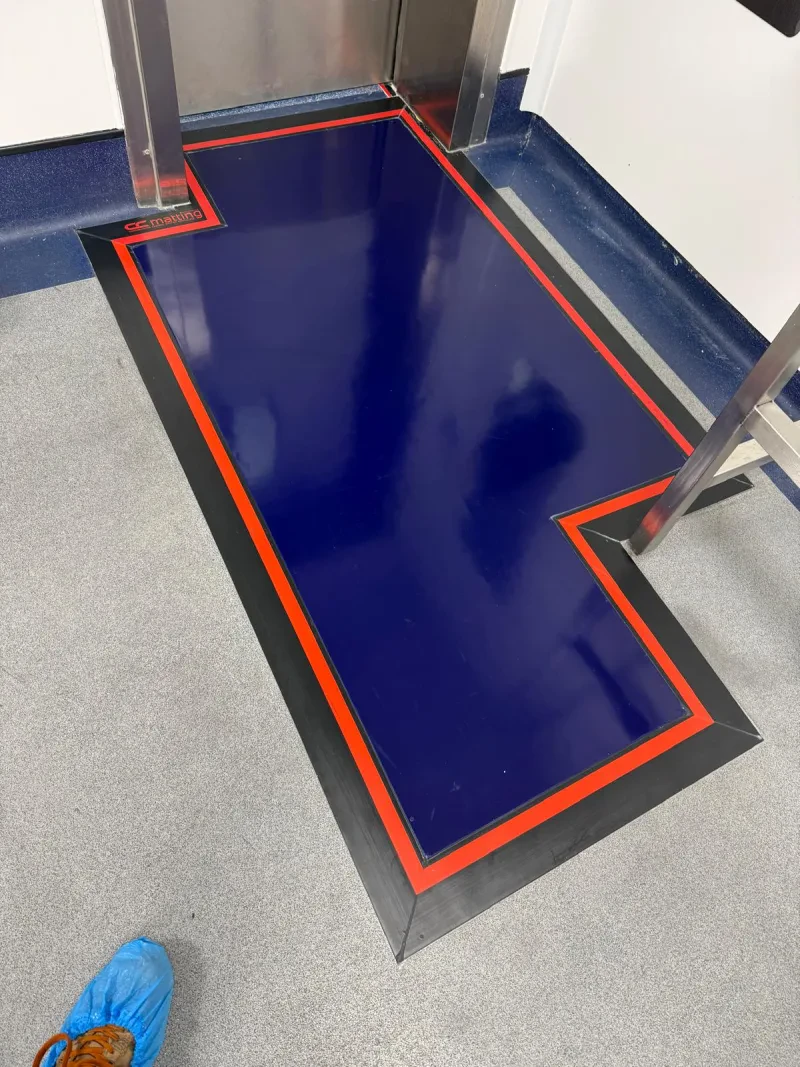
Polymer contamination-control mats
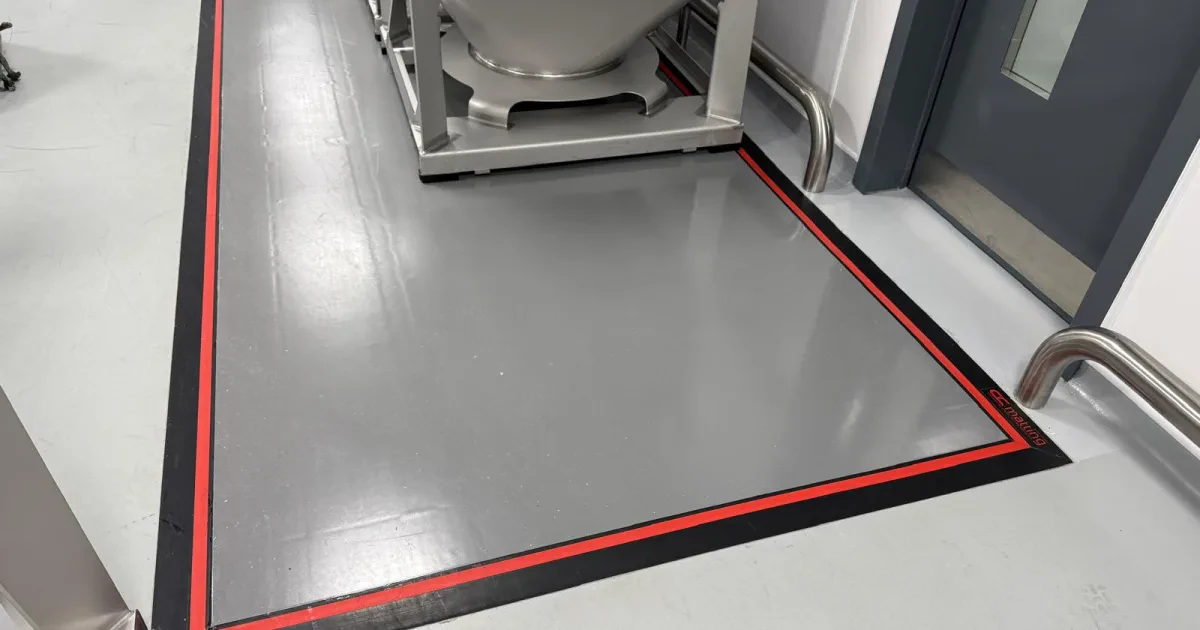
Washable alternatives to peel-off mats.
View details
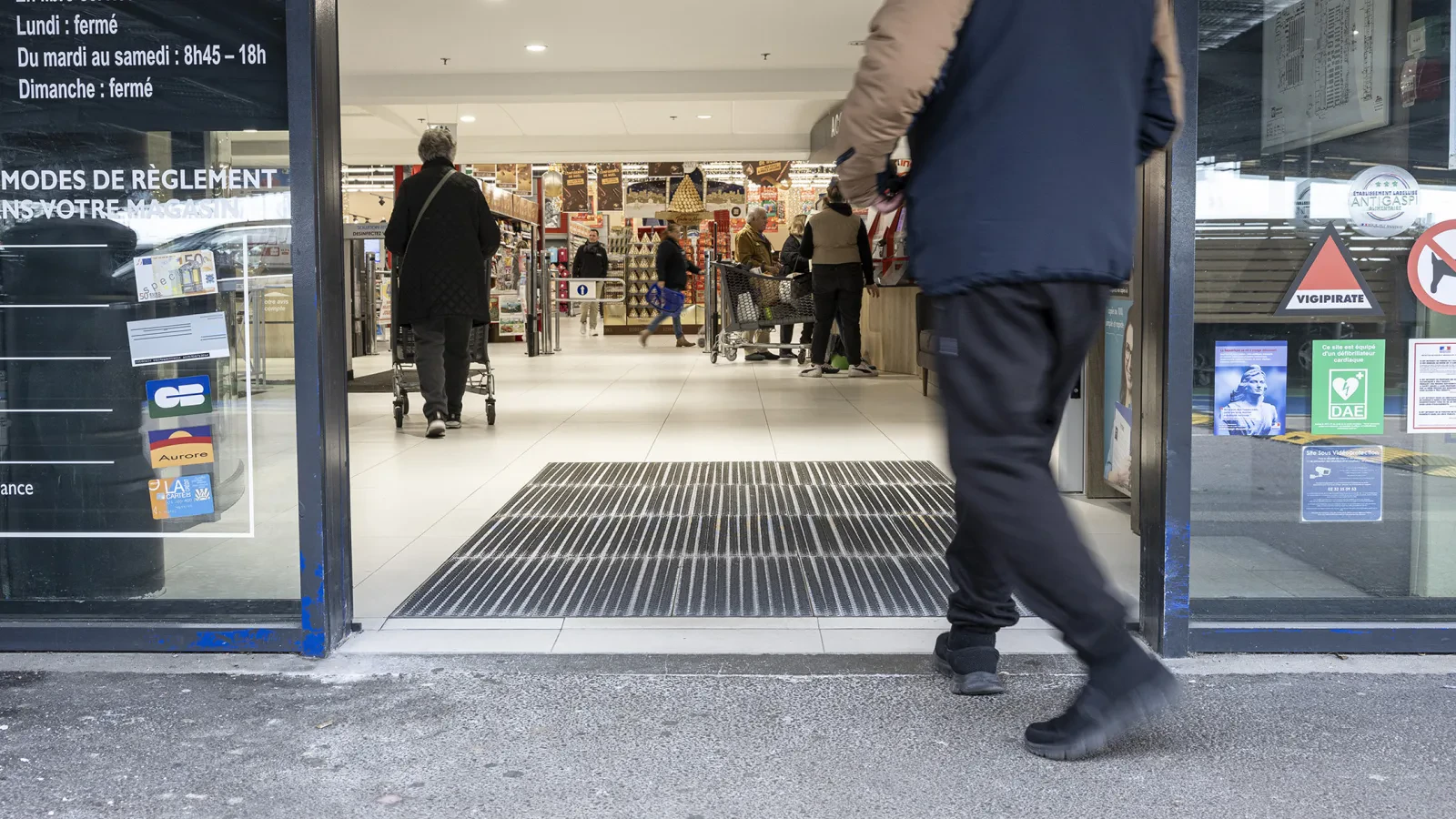
Commercial entrance cleaning systems
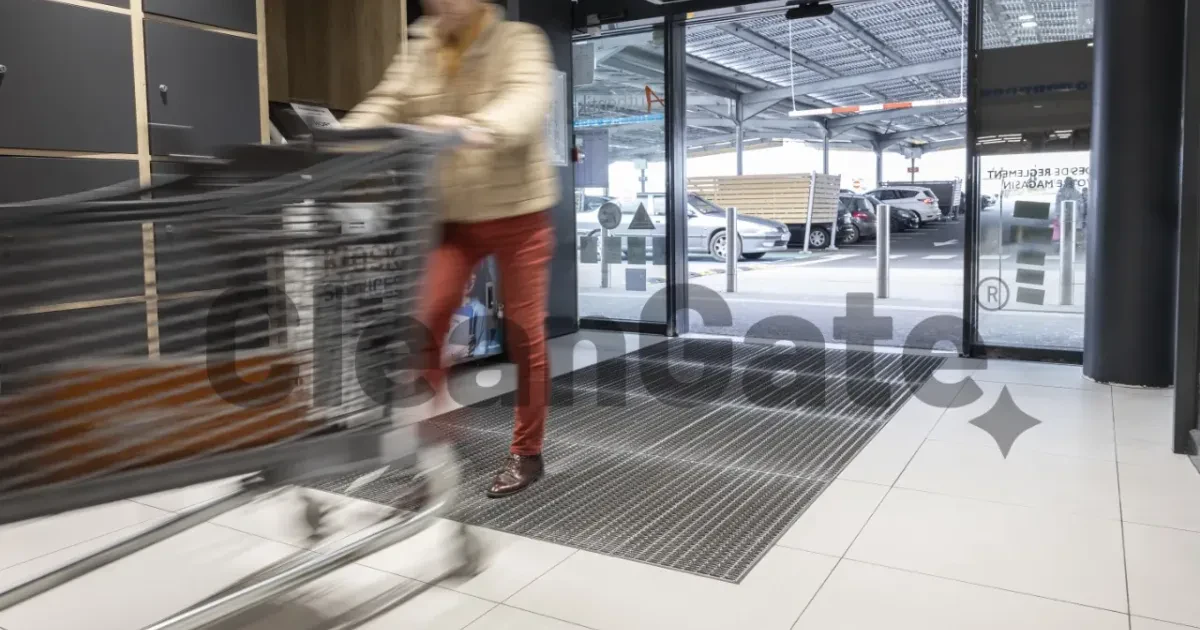
Dirt and moisture carried by traffic, footwear, carts and small wheels.
View details

Useful resources for contamination control

How to choose polymer-mat length and position
Polymer contamination-control mats
How to choose polymer-mat length and position

A guide to choosing polymer-mat length, width and position from successive sole contacts, wheel rotations, traffic and cleaning.

Learn more
Wheel cleaning in a new factory: choose the point before routes and floor details are final
Contamination Control
Wheel cleaning in a new factory: choose the point before routes and floor details are final

A guide to integrating wheel cleaning before doors, floors, drainage and routes are fixed.
Learn more
CC Matting Heavy Duty: when the transfer point needs ISO Class 5 material documentation
Wheel and tyre cleaning systems
CC Matting Heavy Duty: when the transfer point needs ISO Class 5 material documentation

How to use CC Matting Heavy Duty documentation when the area needs ISO Class 5 material, particle control, clear cleaning and quality traceability.

Learn more

Local and international references

  • Audi
  • BMW
  • Bosch
  • Continental
  • HiPP
  • Mercedes-Benz
  • Nestlé
  • OSI
  • Procter & Gamble
  • Siemens
  • Stryker
  • Gilead Sciences
  • AB InBev
  • Abbott
  • AbbVie
  • Airbus
  • Barilla
  • BASF
  • Bavaria
  • Bayer

Are dirt, particles or moisture being carried farther along an operational route?

+36 30 013 5510

Request a route review

Describe the area, route, traffic types and what appears on the floor: dirt, particles, moisture, marks or audit observations. These details help compare mechanical cleaning, hygiene equipment, polymer matting or route correction.

Request a route review

Describe the area, route, traffic types and what appears on the floor: dirt, particles, moisture, marks or audit observations. These details help compare mechanical cleaning, hygiene equipment, polymer matting or route correction.

Frequently asked questions

Cleaning remains necessary, but it often happens after dirt, particles or moisture have already reached the sensitive area. In an industrial flow, the key signal is traffic-borne transfer: wheels, soles, trolleys, materials and packaging carry contamination along routes from one area into another.

The real route drives the choice. Clarify the origin area, the area that needs protection, traffic type, crossing frequency, visible floor signals and how a control point can be cleaned and maintained in the daily routine.

That review may lead to mechanical wheel or sole cleaning, a hygiene station, a washable polymer mat, route changes or a combination of measures.

The critical point is usually where two areas with different cleanliness or hygiene expectations meet. It is not always the main entrance; it may be a side door, a loading bay, a route between warehouse and production, or a corridor shared by people and mobile equipment.

  • routes from goods receiving, a warehouse or an outdoor loading area into production;
  • packaging, processing, cleanroom or controlled-area entrances;
  • routes used by forklifts, pallet trucks, trolleys, AGV/AMR and people;
  • transitions between areas with different hygiene, technical cleanliness or process-discipline requirements.

The route matters. If floor marks, dust, moisture or particles keep appearing along the same route, that point should be treated as a control point.

The signs often appear before the situation becomes hard to control: floor marks, dust carried toward production, moisture where it should not appear, extra cleaning in the same place, particles in cleaner areas or audit observations tied to the same point.

Operational signals matter too: people bypassing the control point, mixed traffic through one door, visibly dirty trolley wheels, pallet trucks moving directly from the warehouse toward processing, or a gap between the written procedure and what happens during a shift.

The goal is not to treat every mark as an emergency. The goal is to see whether there is a recurring cause that can be controlled closer to the source.

The choice depends on what enters the area and what needs to be controlled. For visible dirt, dust, sand, particles or moisture carried by wheels and soles, mechanical cleaning may be the right direction. For transitions with hygiene requirements, a hygiene station may be relevant if the procedure, liquid, drainage and maintenance can be managed properly.

Washable polymer mats become relevant when the site needs a permanent, reusable surface for retaining particles from footwear, small wheels, trolleys or sensitive routes. They are usually better suited to entrance discipline and controlled areas than to coarse dirt from heavy traffic.

Traffic, contamination type, area requirements, maintenance and the available application data determine the right direction.

Standards and audit observations help frame the right questions. In automotive, the discussion may start from technical cleanliness and particle control. In food, from hygiene, zoning and process discipline. In pharma or cleanroom environments, from contamination control strategy, routes, procedures and verification.

In food production, responsibility for hygiene and HACCP-based procedures remains with the food business operator. In cleanrooms, ISO 14644 primarily classifies air cleanliness by particle concentration, so a floor-level control point does not define the ISO class by itself. In pharma, the discussion should fit into a wider contamination control strategy.

Compliance and audit outcomes depend on the operator’s procedure and verification. The right decision connects the operational requirement with a realistic control point: what enters, through which route, how often, how it is cleaned and how the site verifies internally that the point remains under control.

Mixed traffic changes the choice. Soles, small wheels, forklift wheels, rollers and trolleys do not contact the surface in the same way, and they do not carry the same amount or type of contamination further into the site.

Assess each traffic type separately: who or what crosses, how often, whether turning happens, whether bypass is possible and what must be reduced. Sometimes a well-positioned polymer contamination-control mat is enough. In other cases, mechanical cleaning, a wet hygiene point, route separation or moving the control point may be the better direction.

This prevents a common mistake: choosing something that works for footwear but not for wheels, or the other way around.

The cost of contamination is not limited to the finished product. It shows up in extra cleaning, floor repairs, short stops, scrap, complaints, audit preparation, time spent fixing the same area and discussions between production, quality, maintenance and EHS.

A well-chosen control point can reduce uncertainty and make the routine clearer: where contamination is stopped, who cleans, how often it is checked and what data the team tracks when questions arise.

Clarify the full route, not only the place where a product could be installed. Useful observations show where traffic comes from, where it enters, what appears on the floor and whether there is enough space for a control point that people and equipment will naturally use.

  • traffic types: people, forklifts, pallet trucks, trolleys, AGV/AMR, trucks or mobile equipment;
  • crossing frequency and the areas between which traffic moves;
  • observed contamination: dust, mud, moisture, particles, wheel marks or sole marks;
  • the current cleaning process and who would maintain the point after installation;
  • audit observations, internal complaints or areas where dirt, particles or moisture frequently reach the sensitive area.

With those points clear, the comparison between mechanical cleaning, a hygiene station, polymer matting or route correction becomes much more practical.

Sending…