
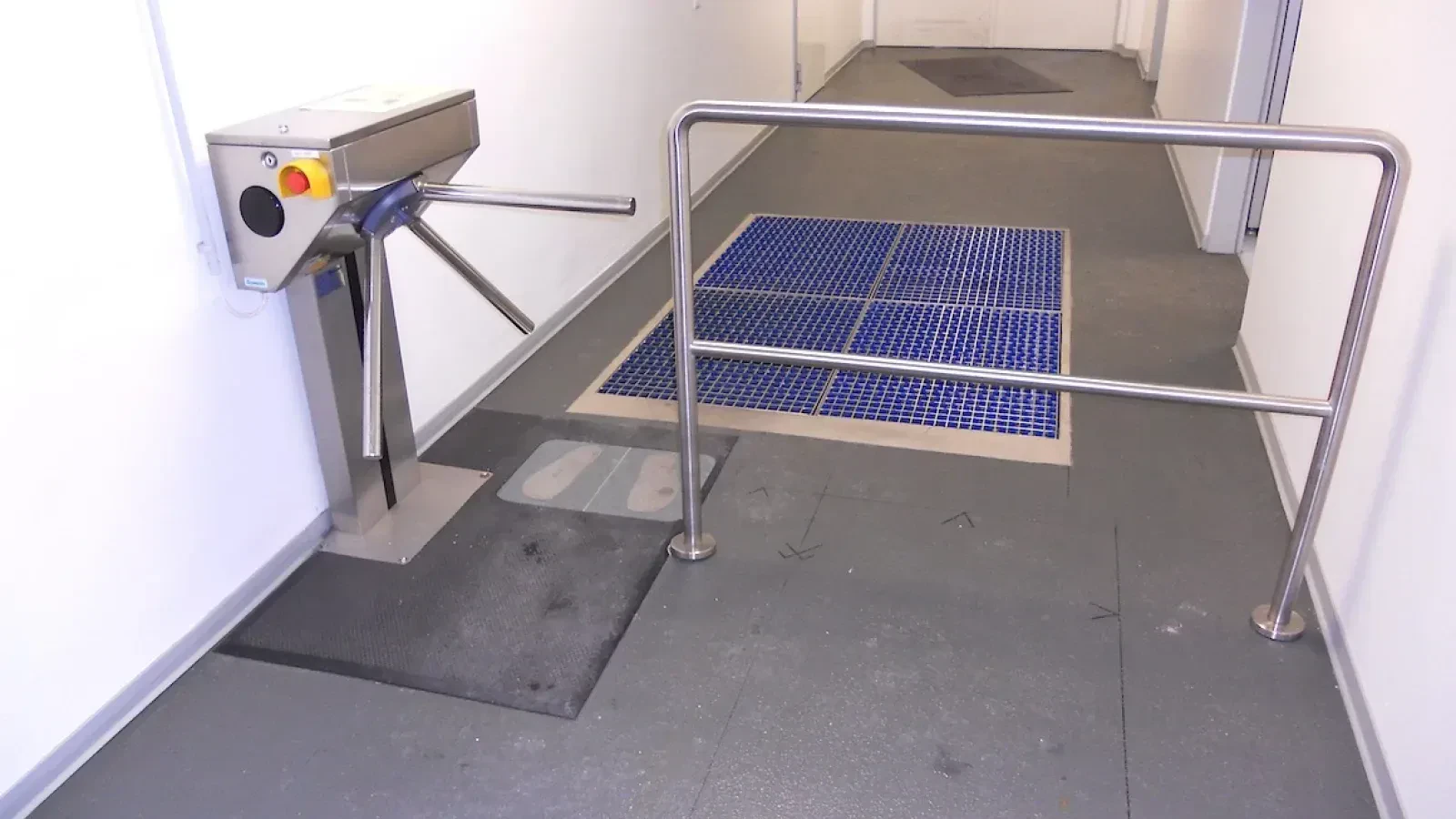
Footwear and soles
For personnel, the control surface should be placed where steps naturally happen before entry. Useful length, route visibility and shift-by-shift discipline all matter.

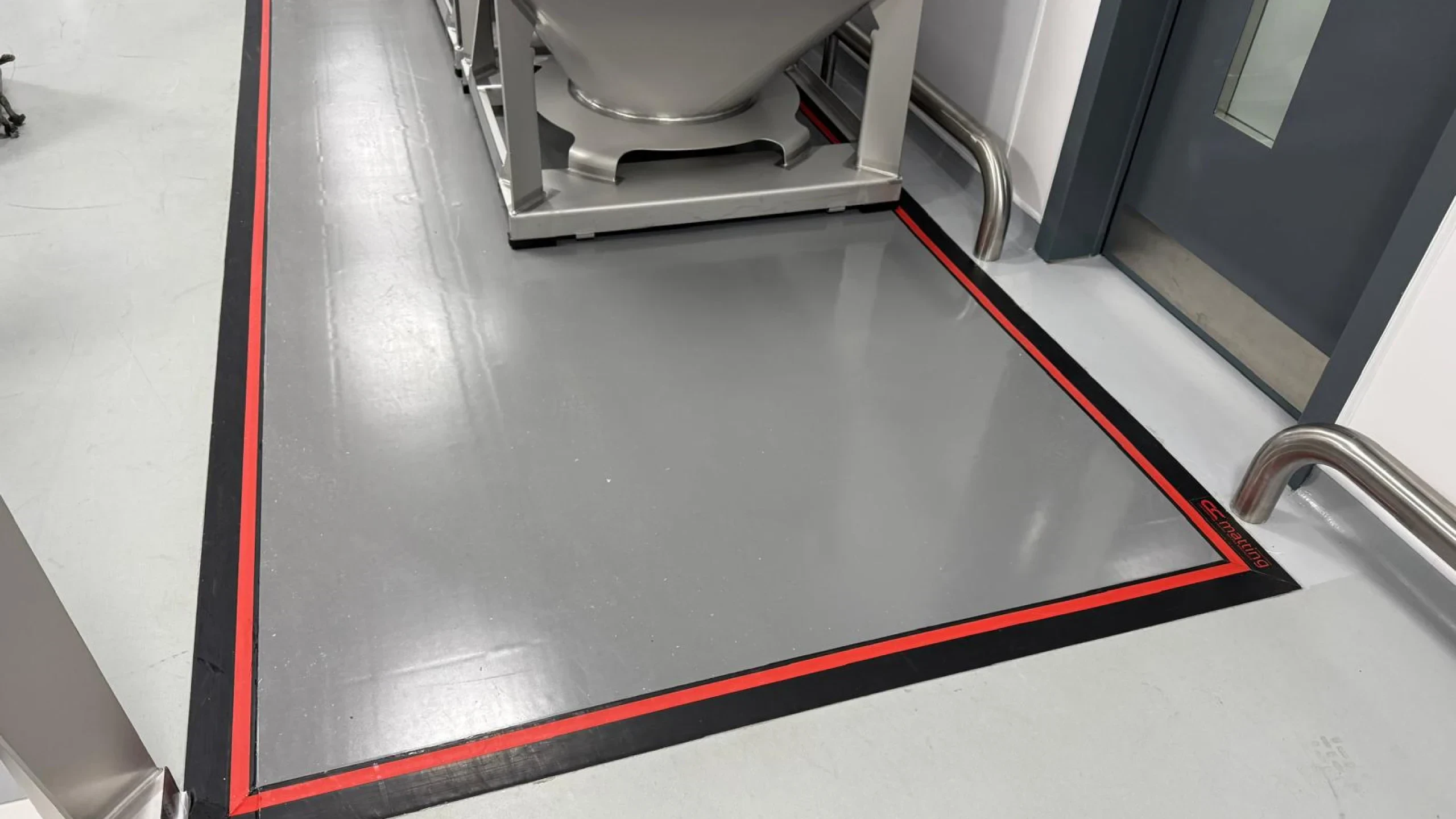
In cleanrooms and controlled zones, particles can also appear on access routes. Soles, wheels, trolleys, packaging and materials matter especially where traffic moves from a regular area into a zone with stricter requirements.
ISO 14644-1 classifies air cleanliness by airborne-particle concentration, while operating a controlled environment requires monitoring, procedures and daily discipline. EU GMP Annex 1 places the focus on contamination control strategy: personnel, materials, equipment, cleaning, monitoring and internal verification.
Cleanroom class and GMP compliance are established through the operator process. At the entry point, selection starts with what reaches floor level on soles, wheels and trolleys before or around an airlock, SAS, air shower or material-transfer area.
Around a cleanroom there may be airlocks, SAS systems, air showers, pass-throughs, UV, HEPA filtration and gowning procedures. For soles, wheels and trolleys, selection starts with floor contact, the real route and the routine the operator can verify every day.
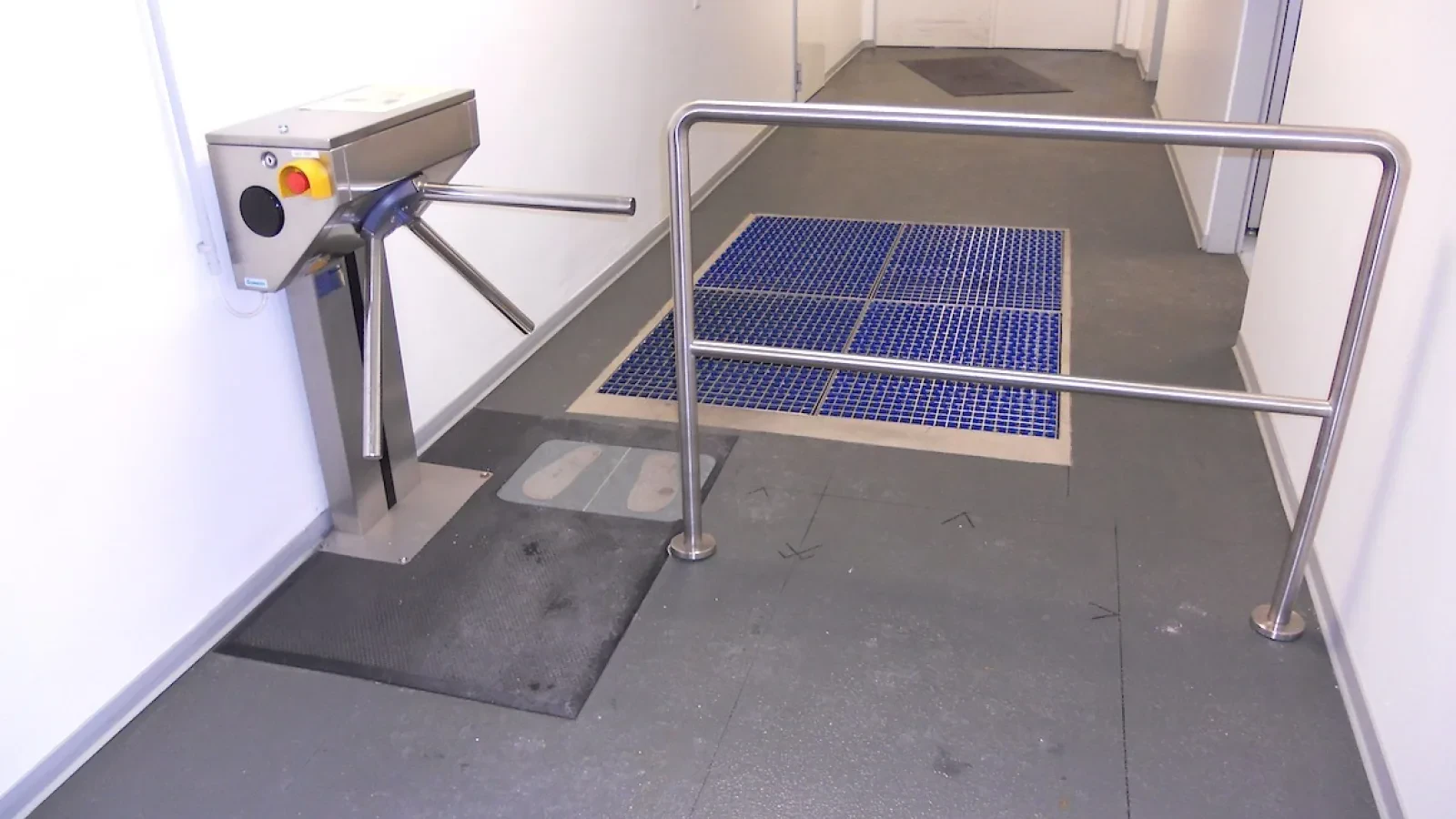
For personnel, the control surface should be placed where steps naturally happen before entry. Useful length, route visibility and shift-by-shift discipline all matter.
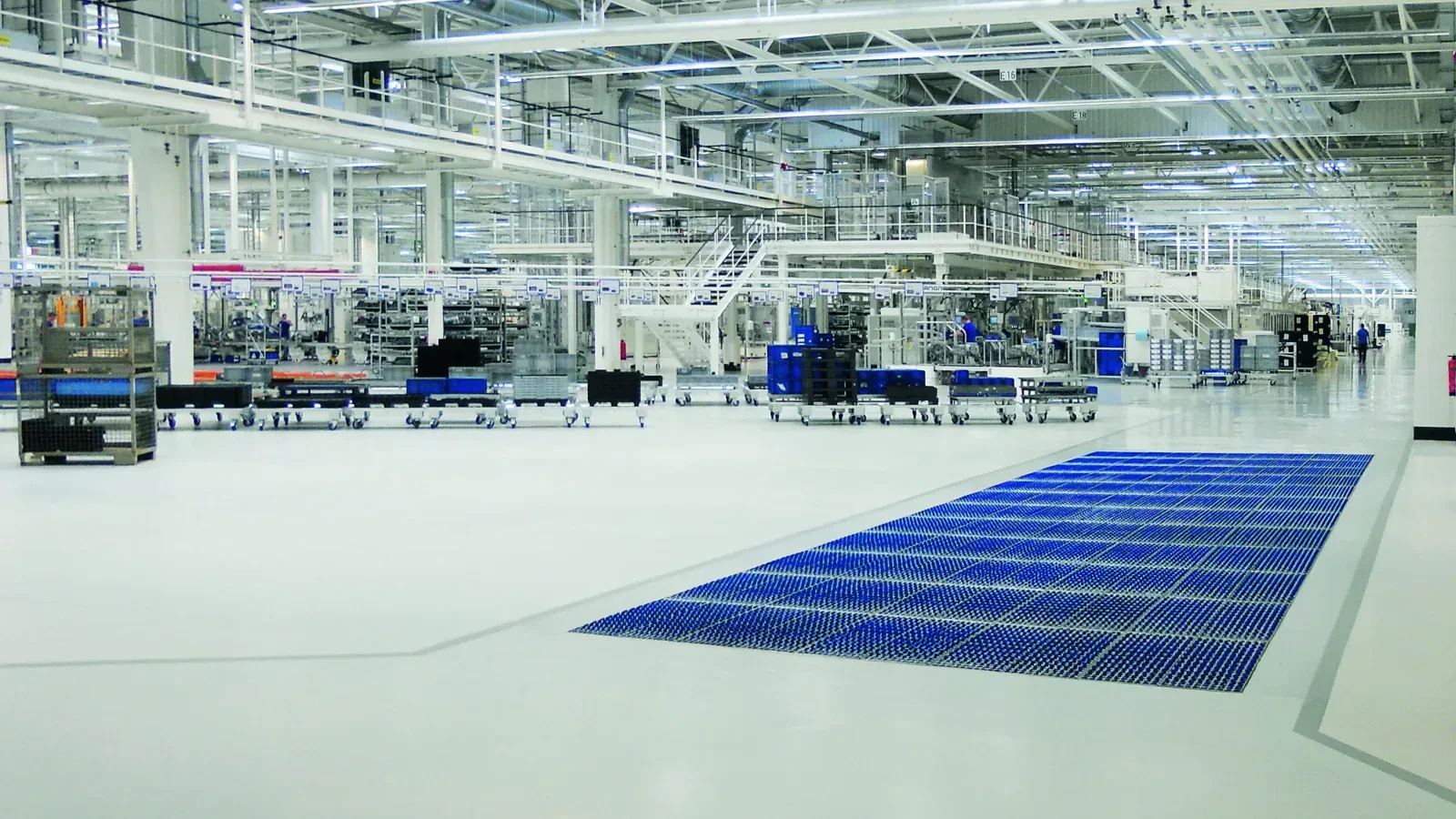
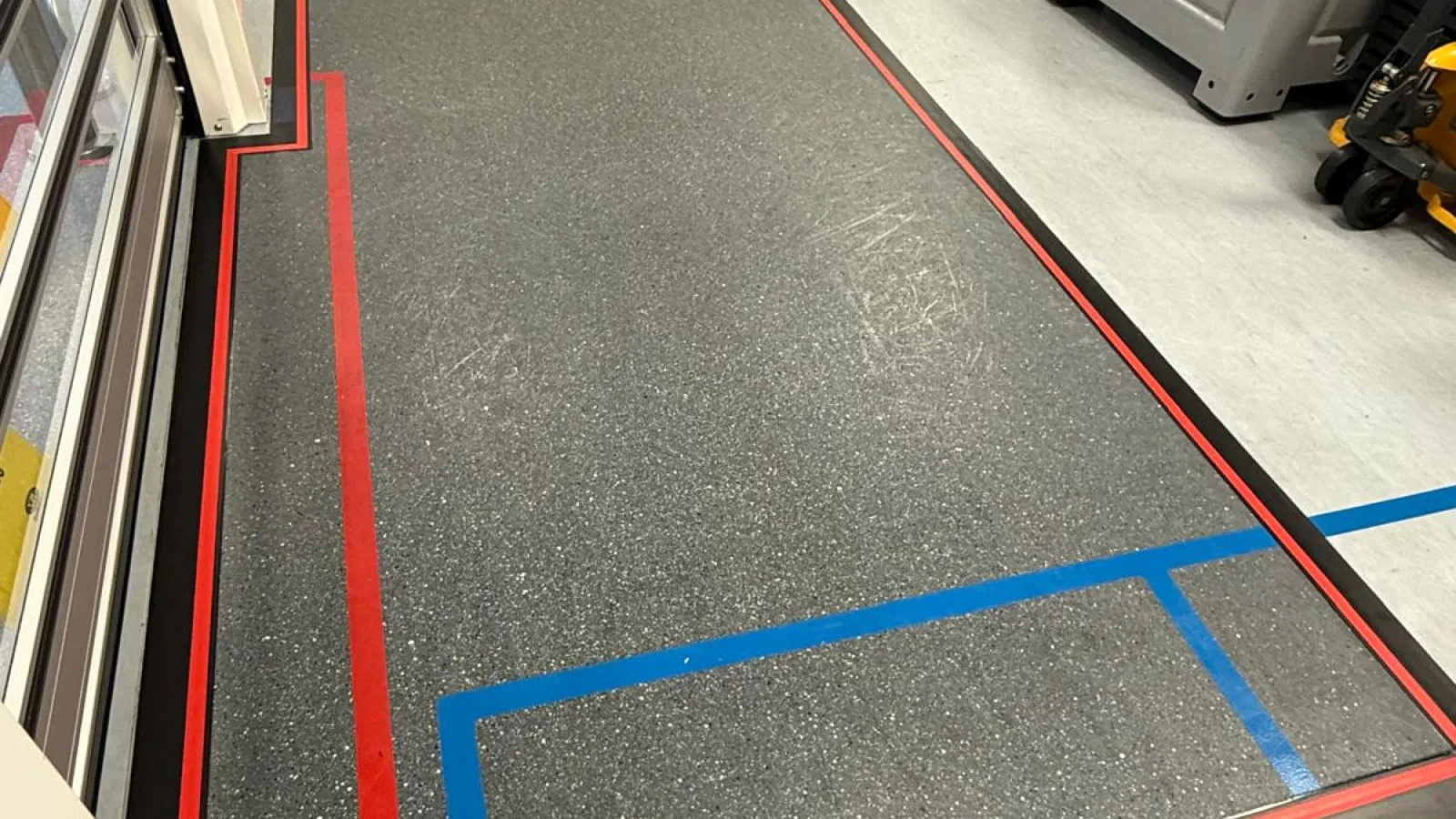
For trolleys, pallet trucks or mobile equipment, wheel type, load, wheel rotations on the surface, visible dirt and resistance to real traffic all matter.
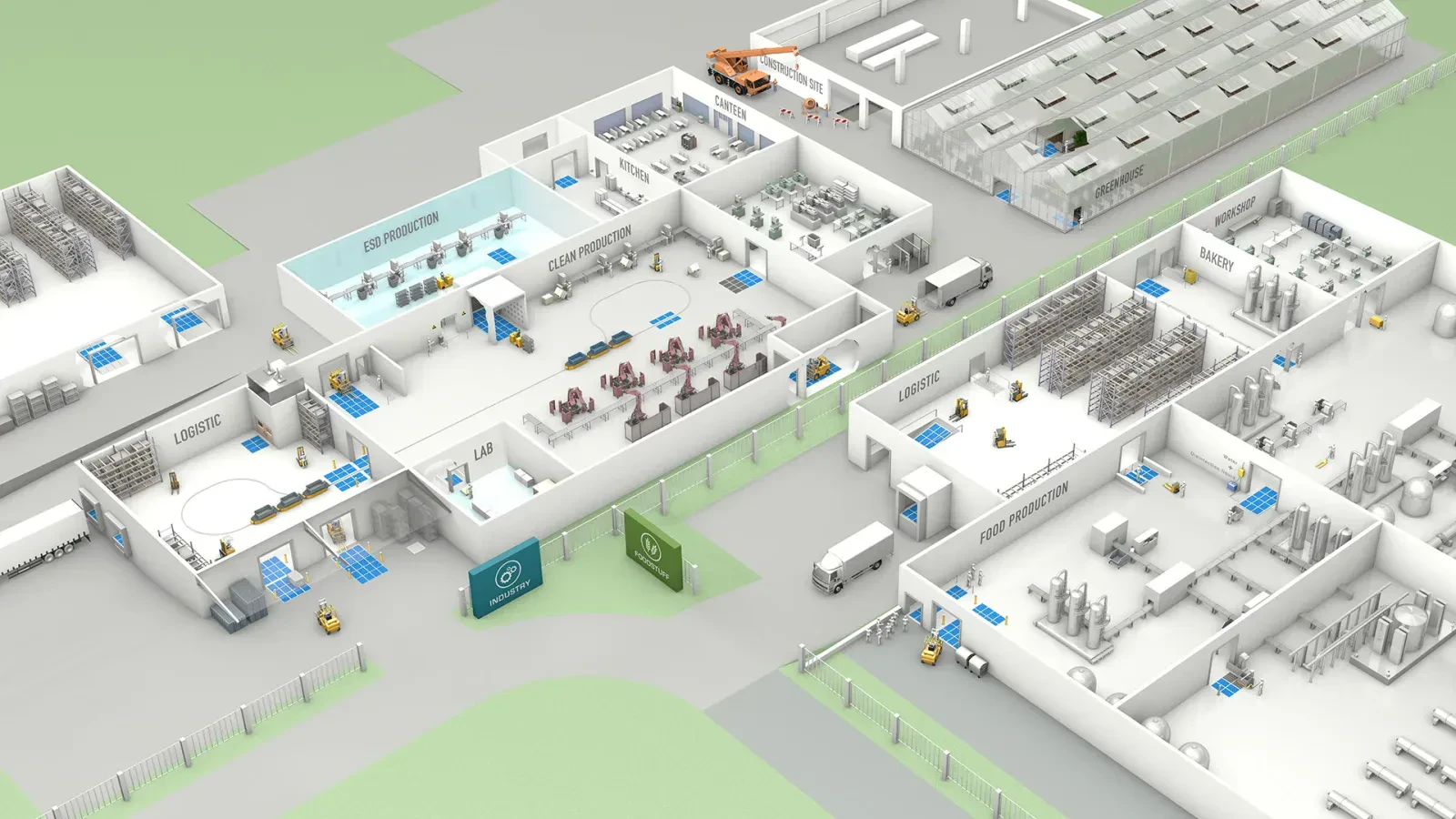
For hygiene, food or pharmaceutical settings, antibacterial properties must be supported by product documentation. For electronics, automotive or other electrostatic-control areas, ESD or antistatic requirements are checked separately. Cleaning method and accepted chemistry remain part of the site routine.
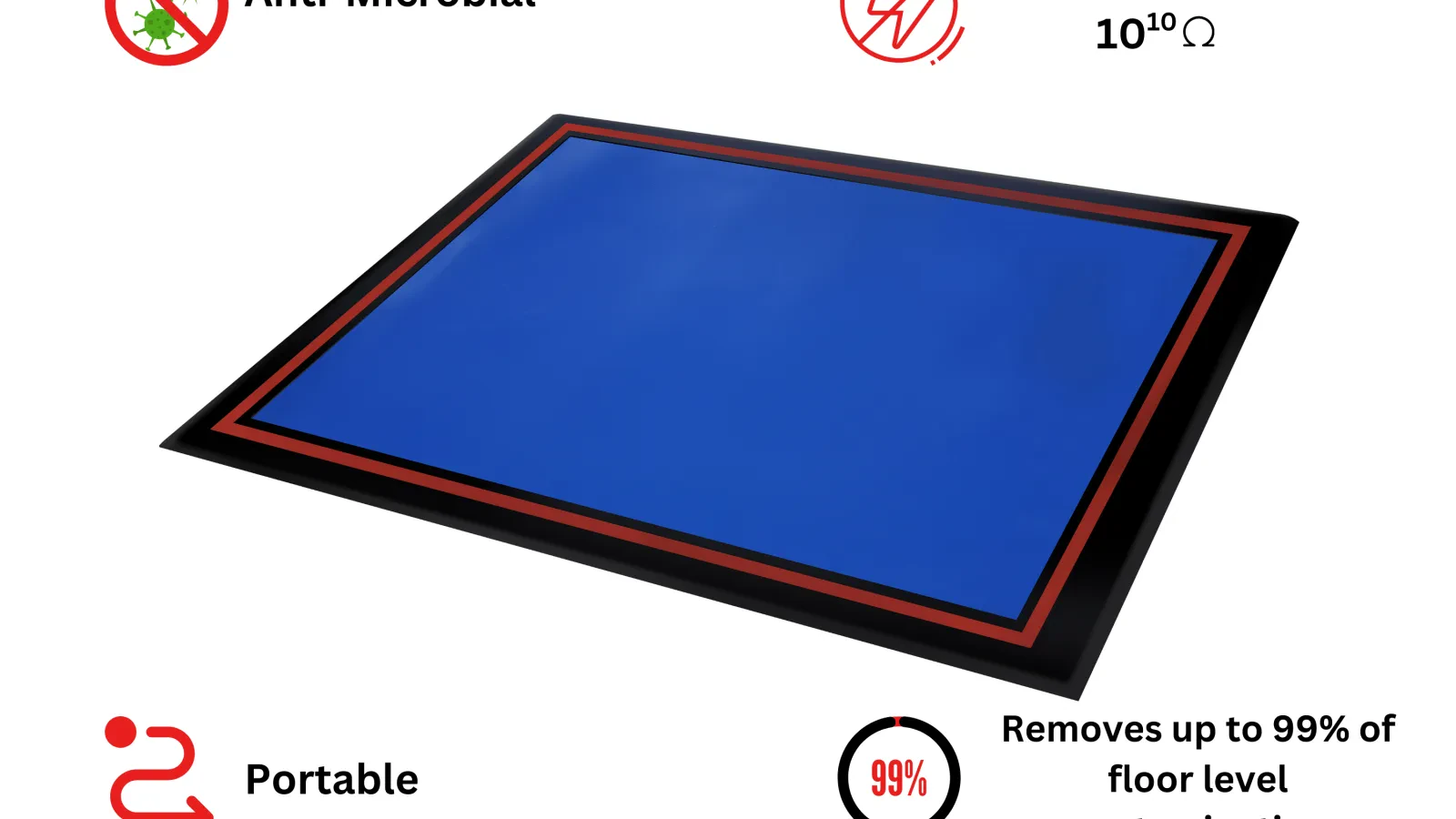
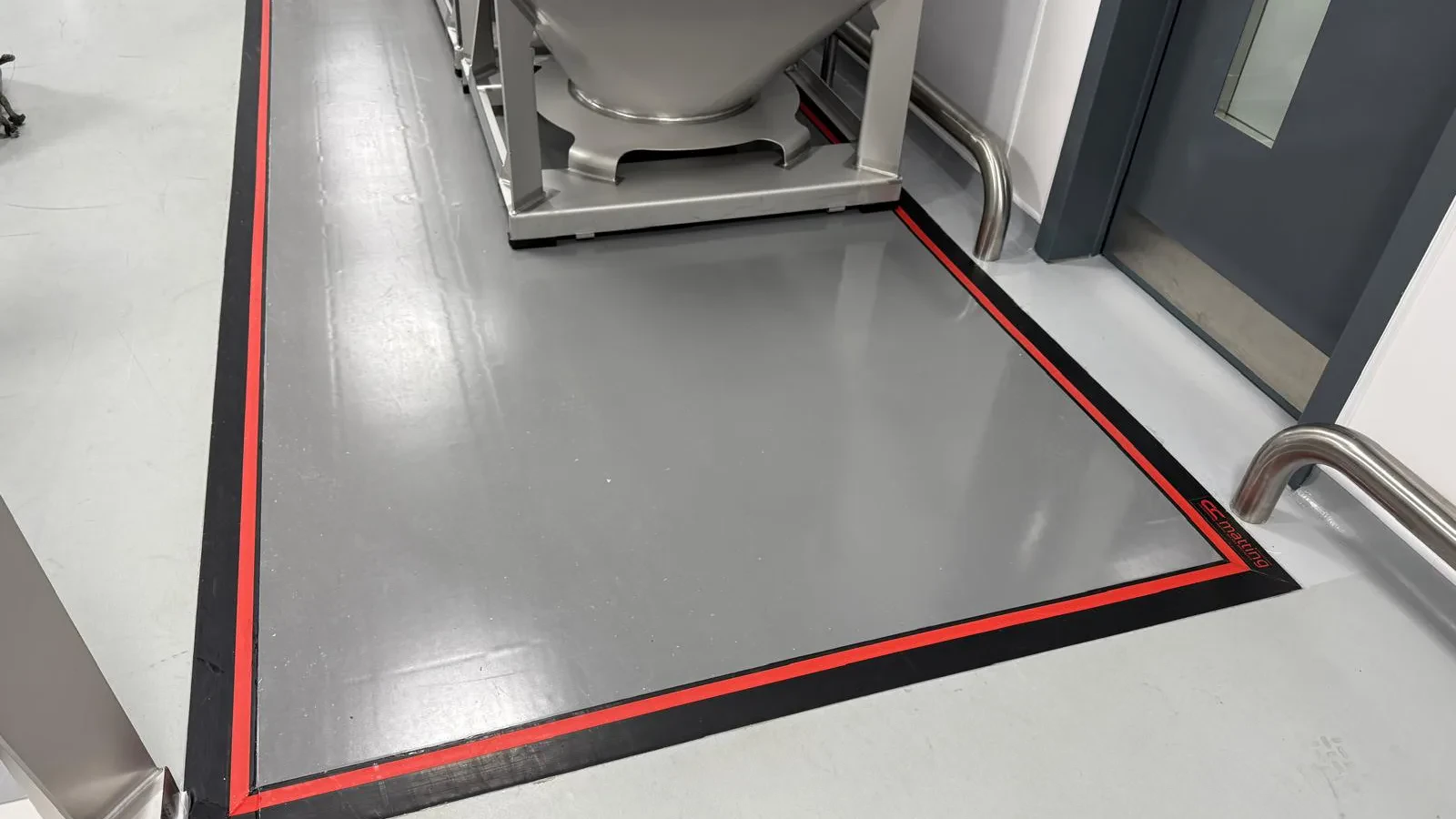
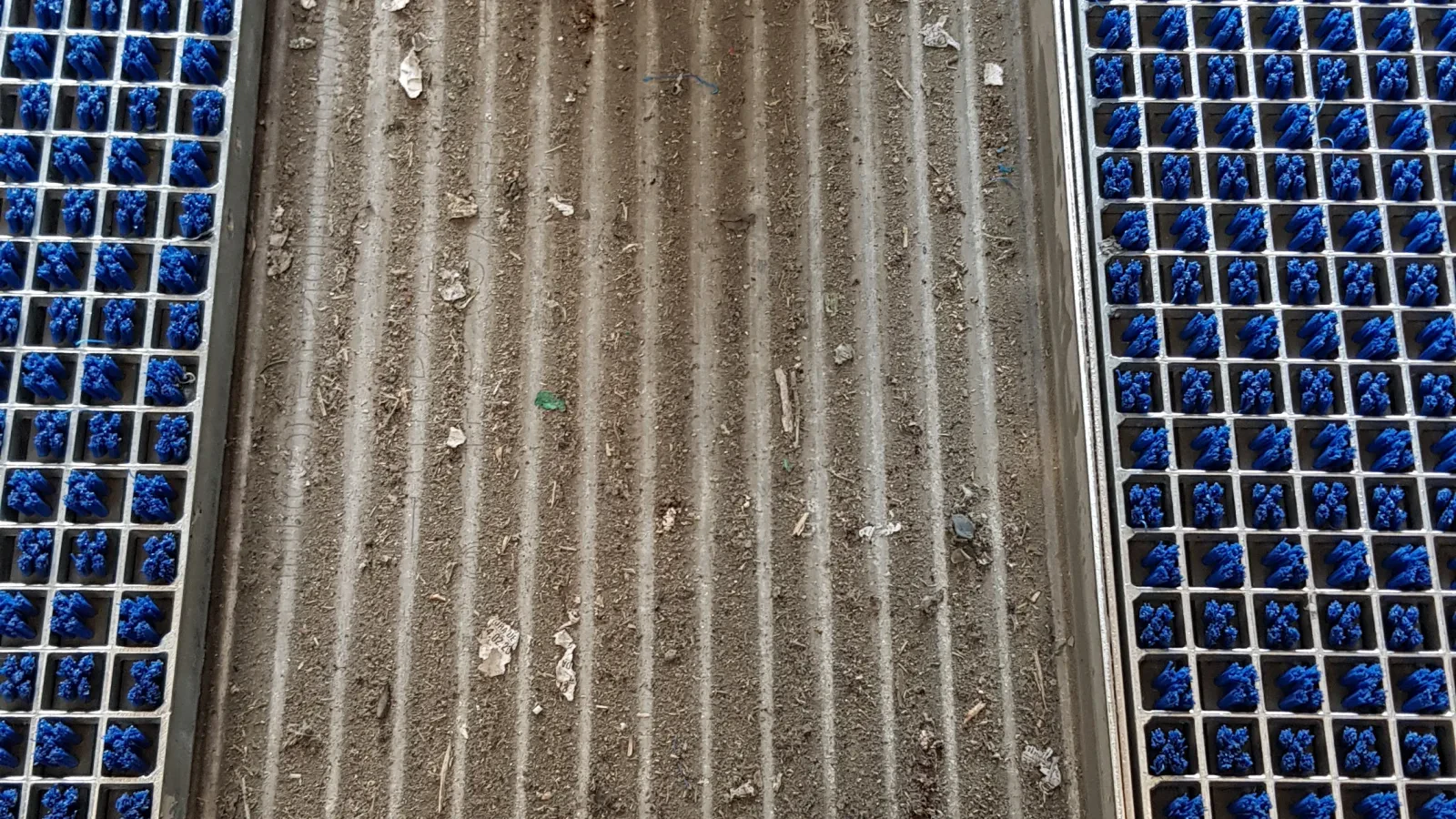
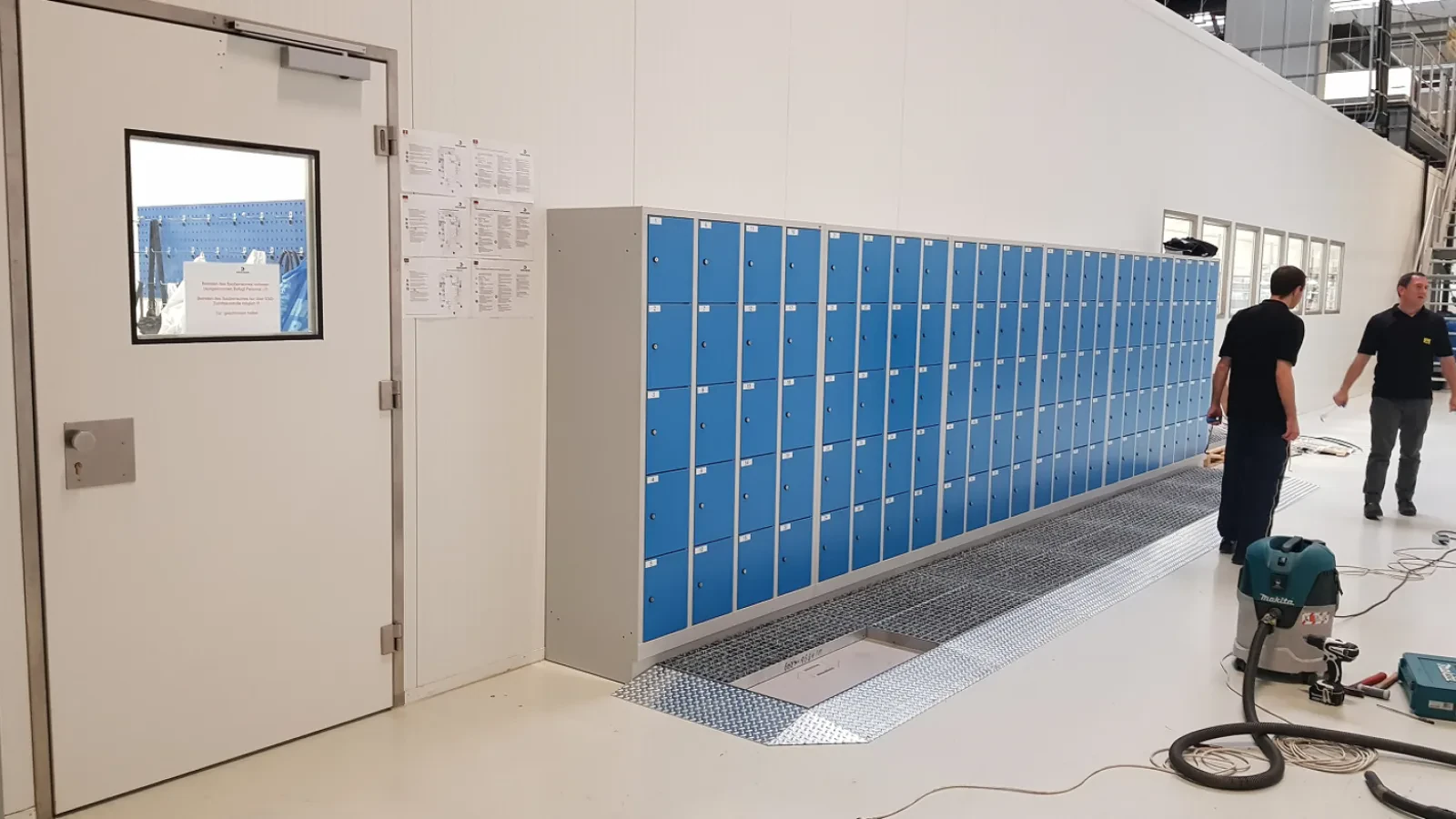
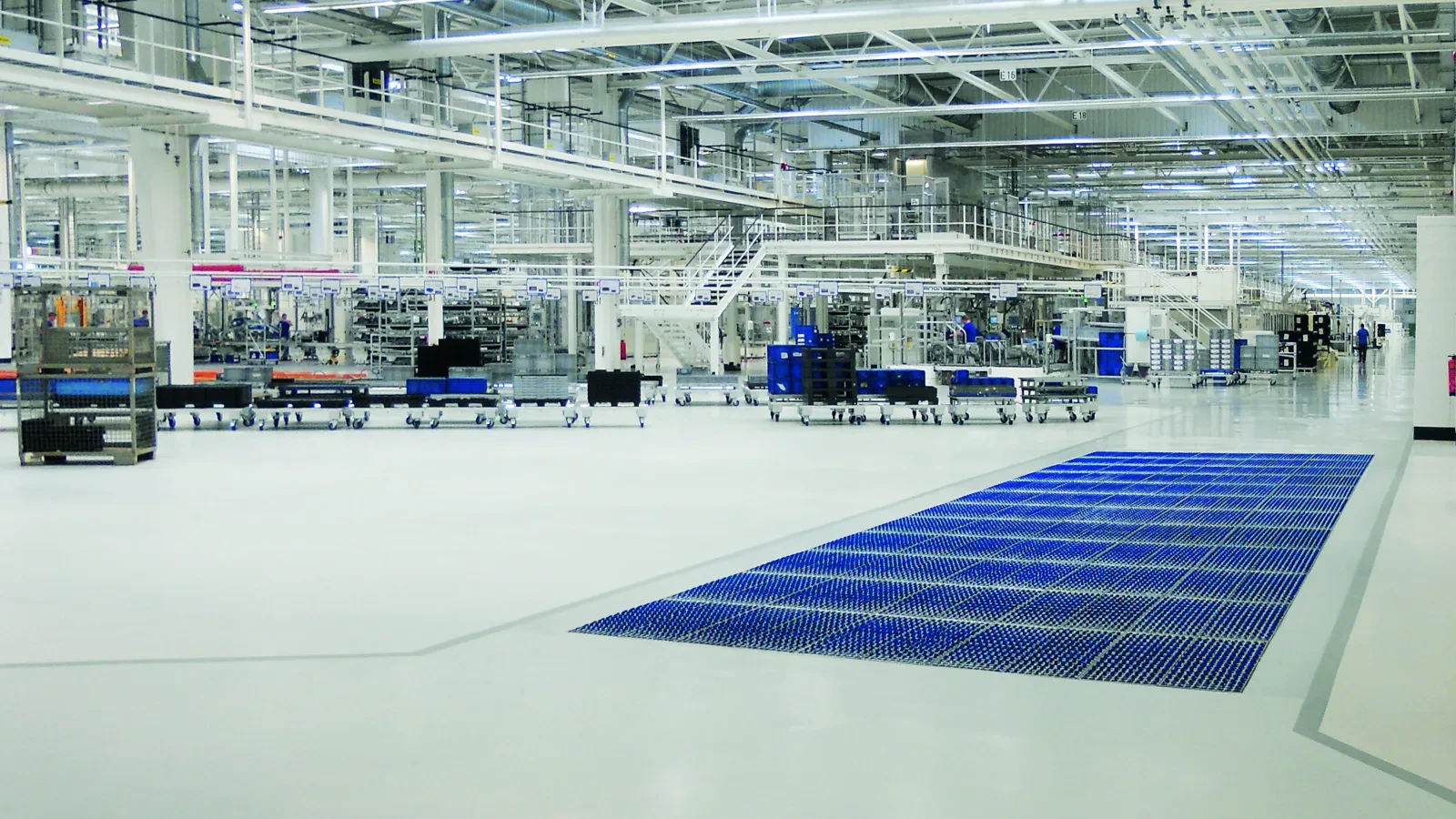
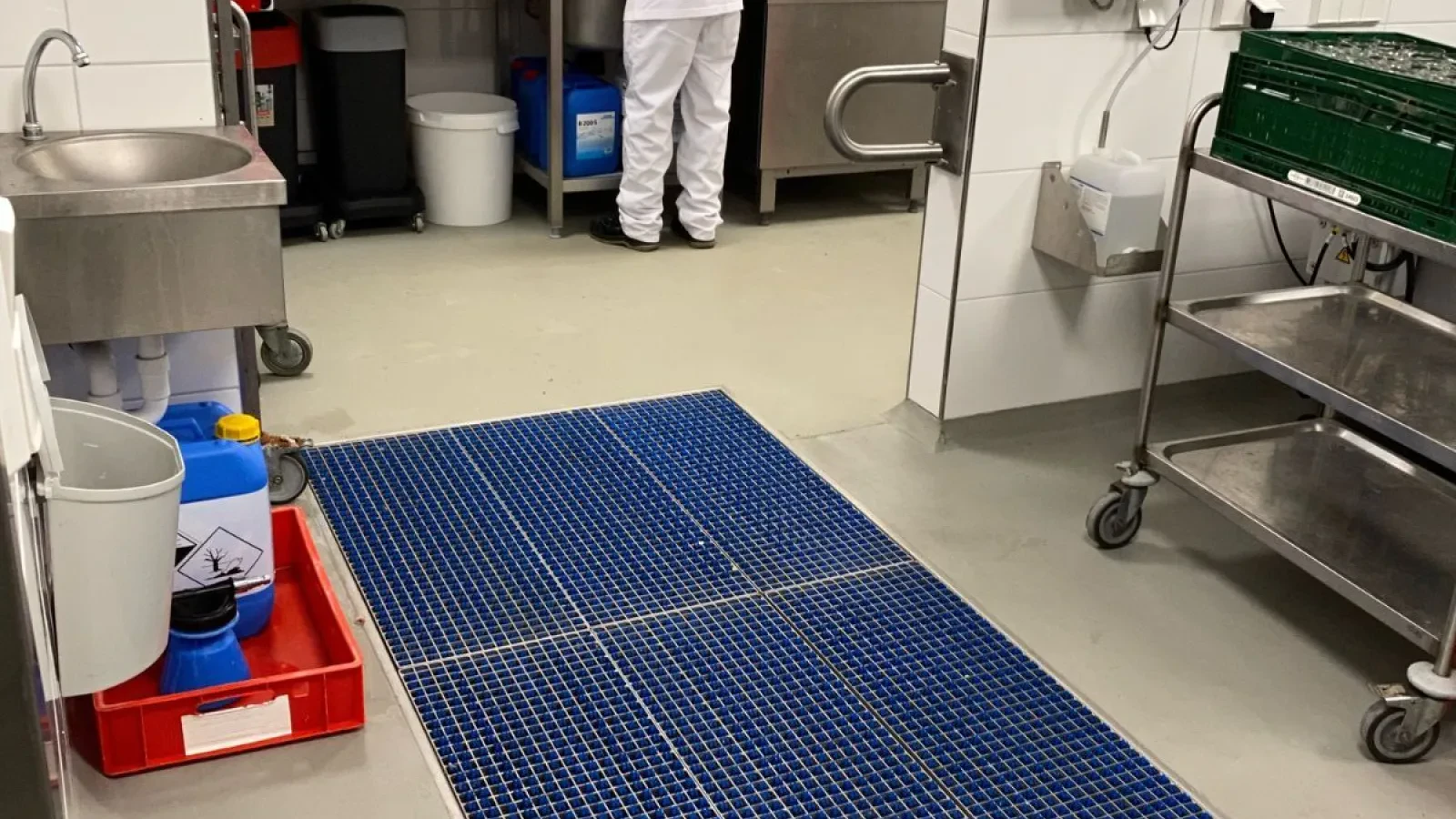
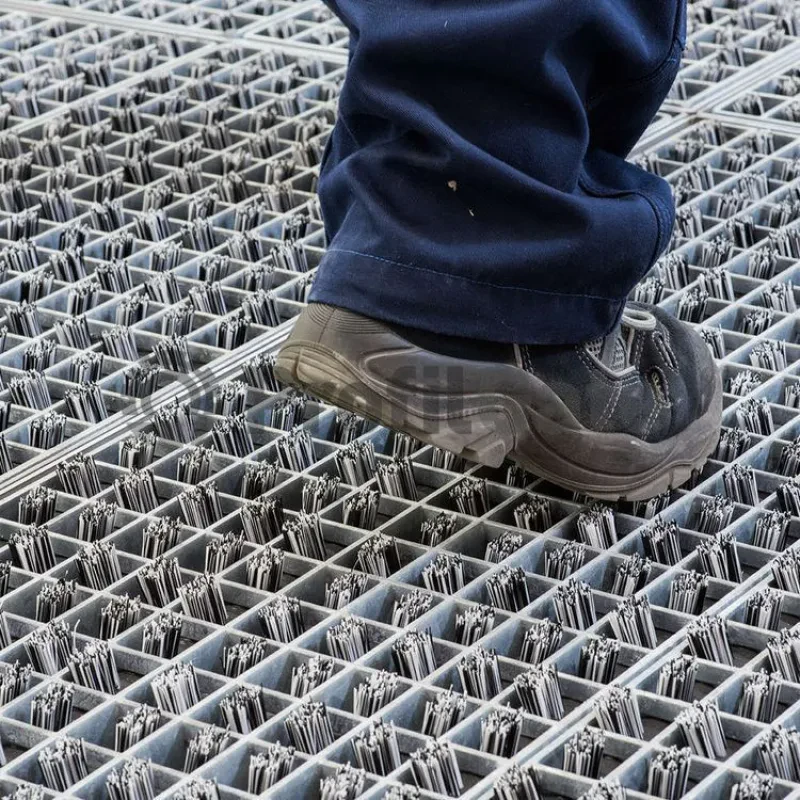
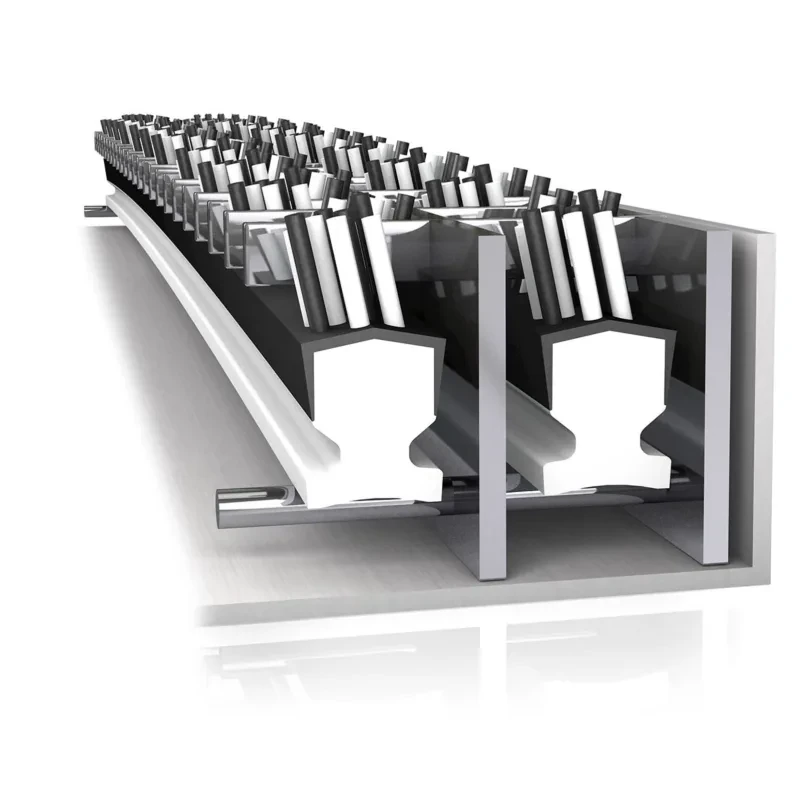
The images separate different jobs: a polymer contamination-control mat, a route used by soles and small wheels, a mechanical-cleaning detail and a personnel entry point.
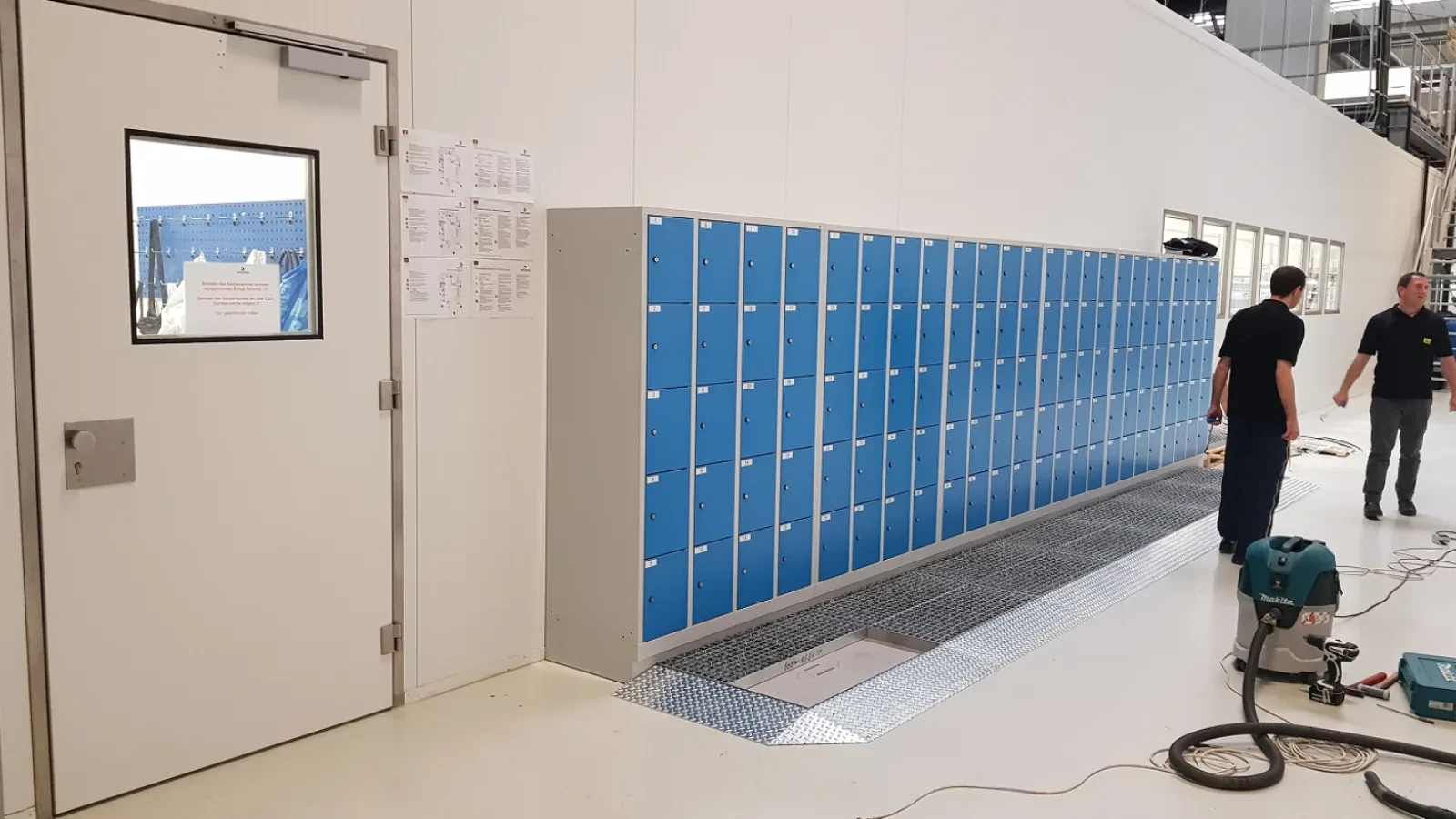
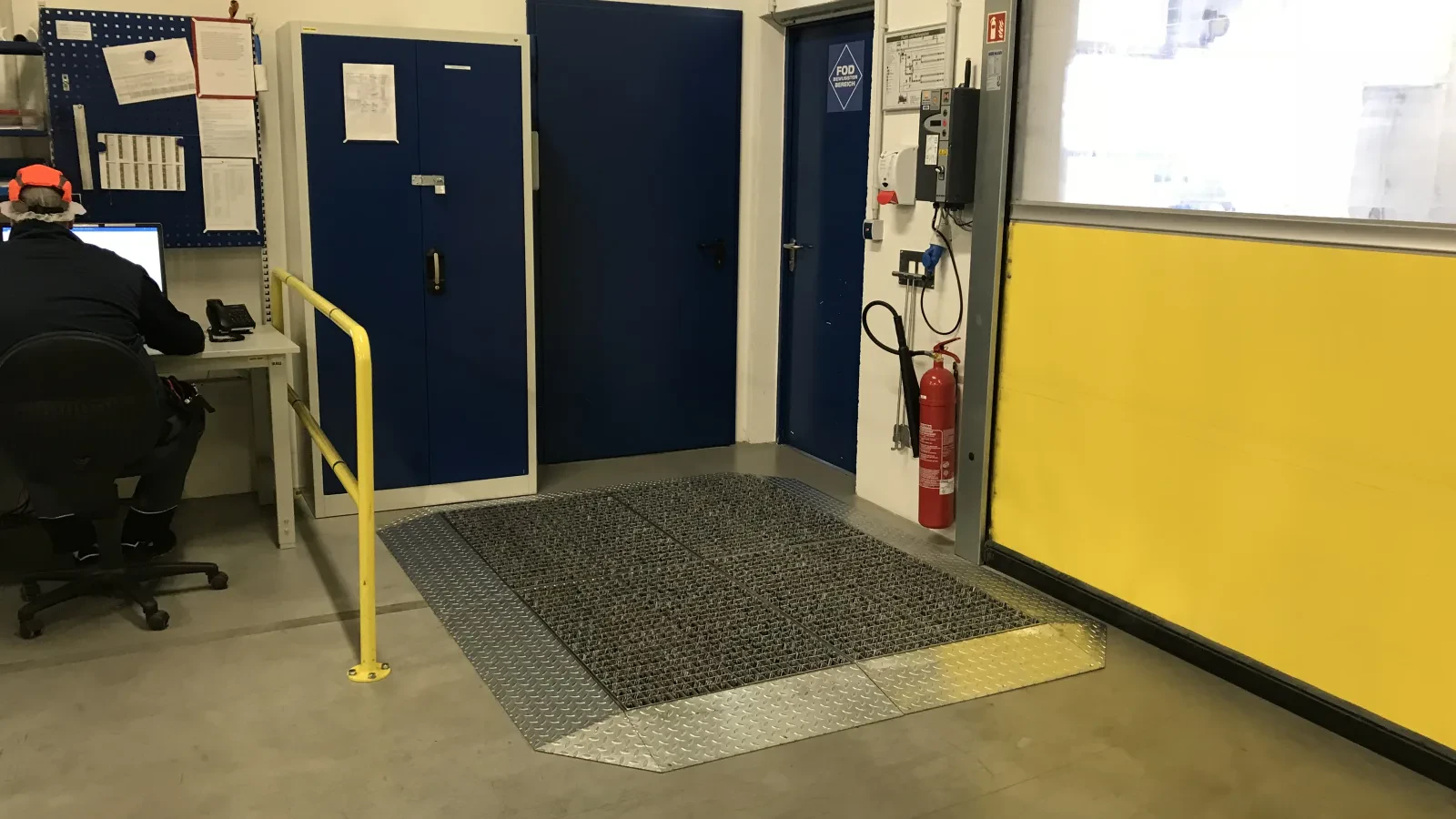
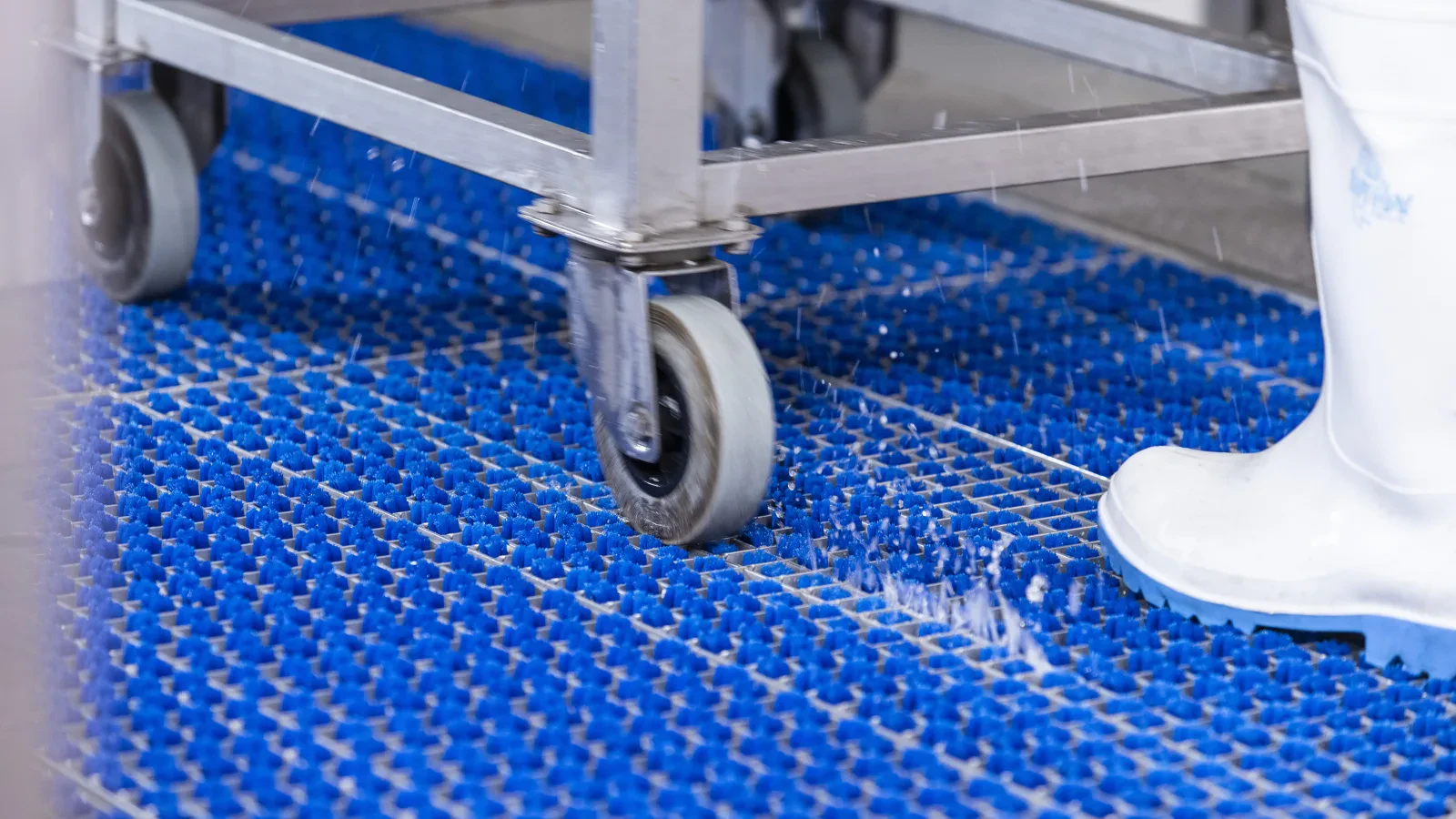
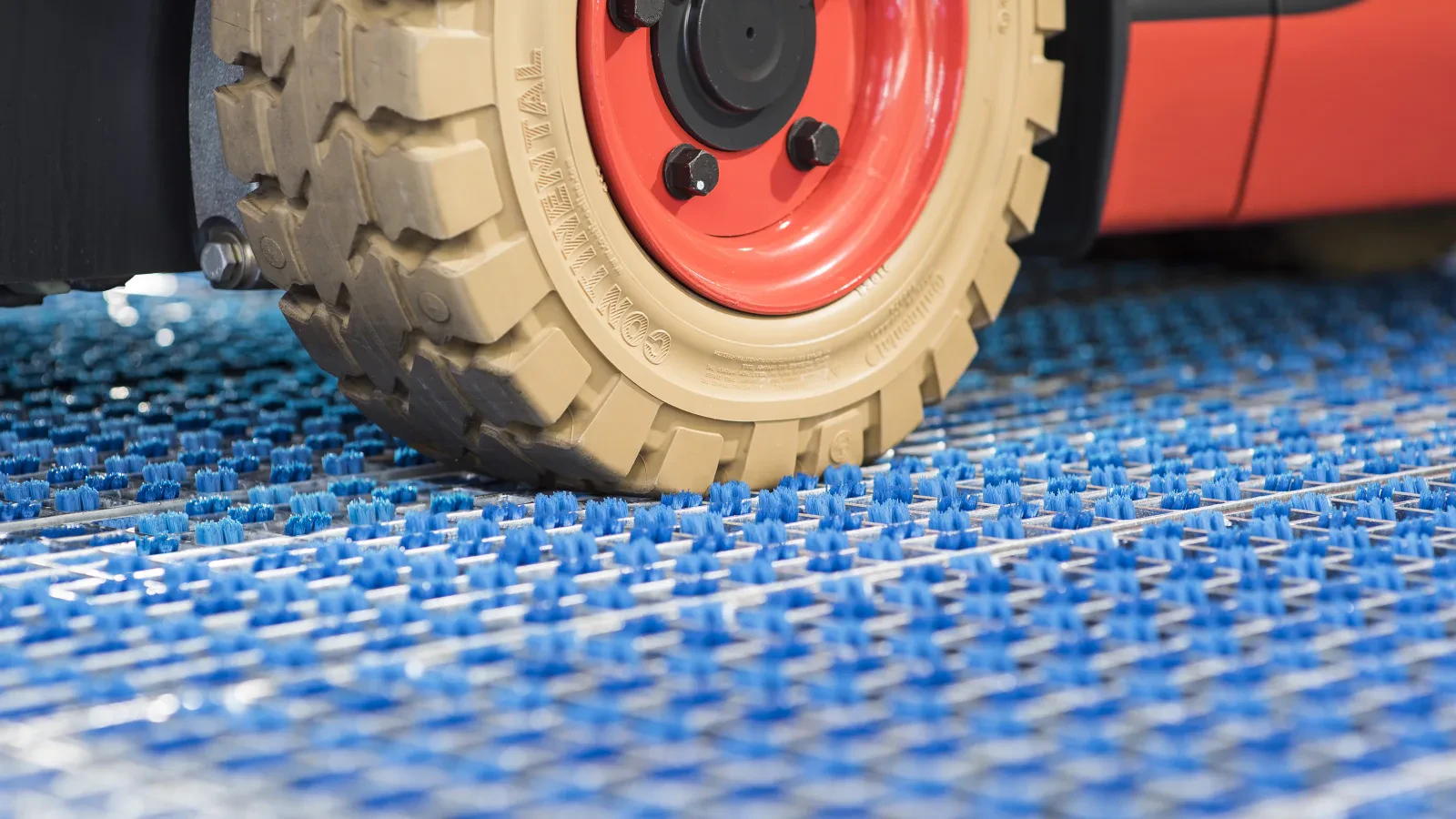
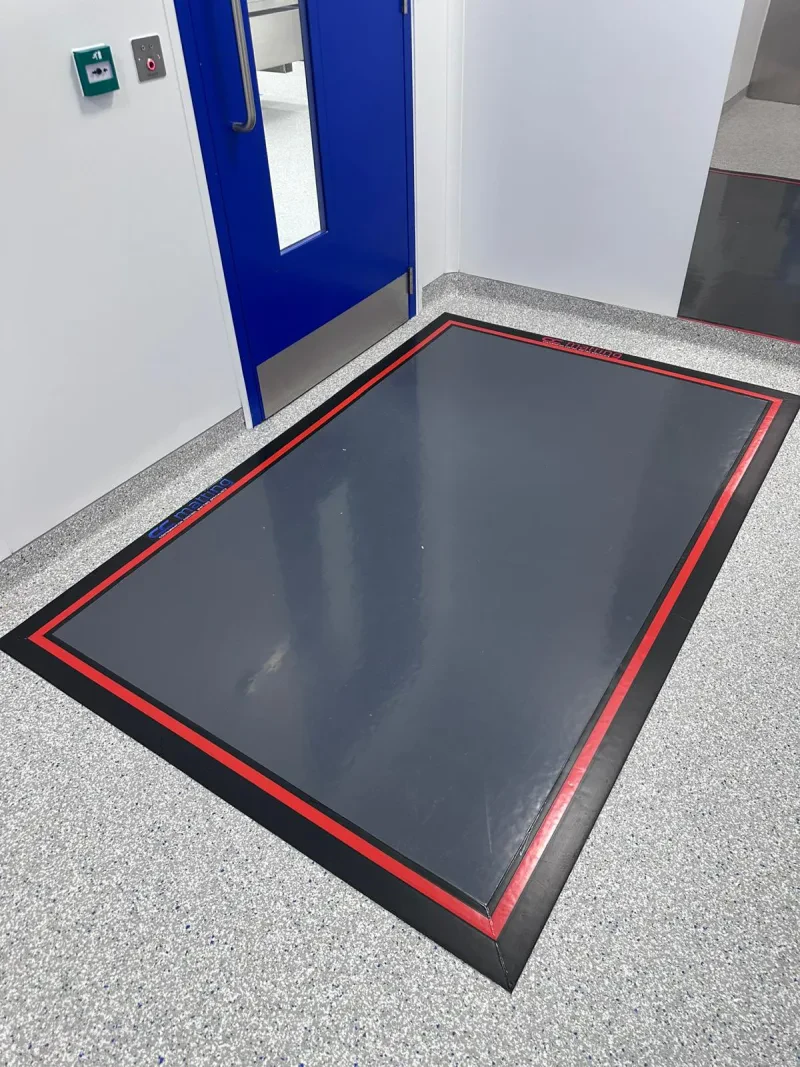
How to use CC Matting Heavy Duty documentation when the area needs ISO Class 5 material, particle control, clear cleaning and quality traceability.
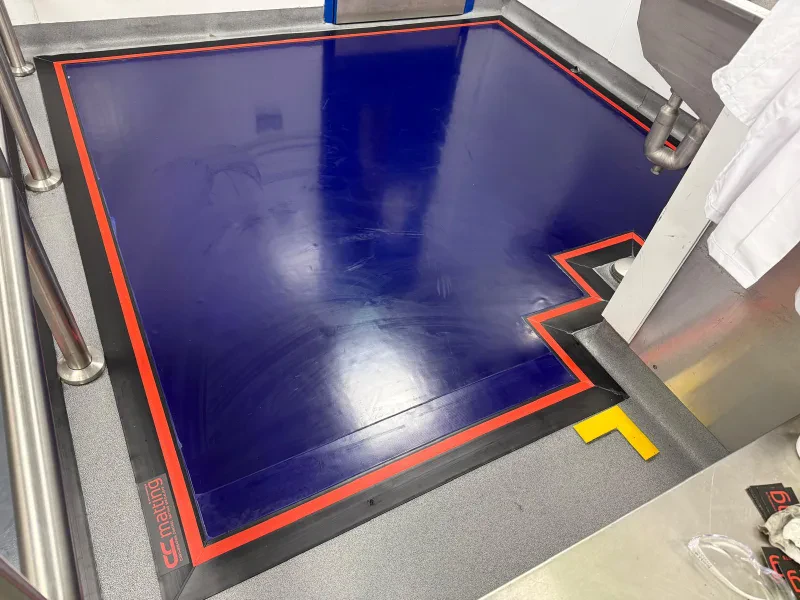
Why SEVENSEAS added CC Matting: washable, reusable polymer contamination-control mats with documentation checked against the application’s hygiene or ESD requirements.
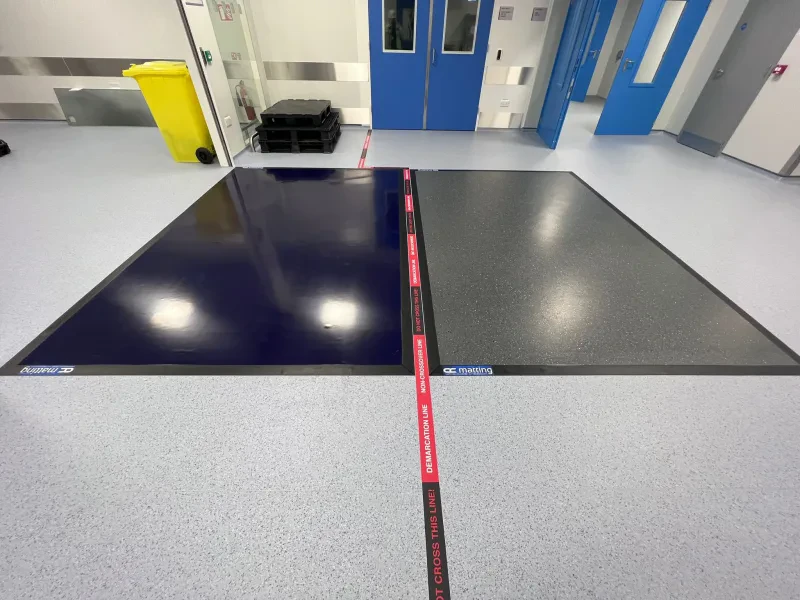
How to choose between peel-off adhesive mats, reusable polymer matting and active route cleaning in cleanrooms and controlled environments.





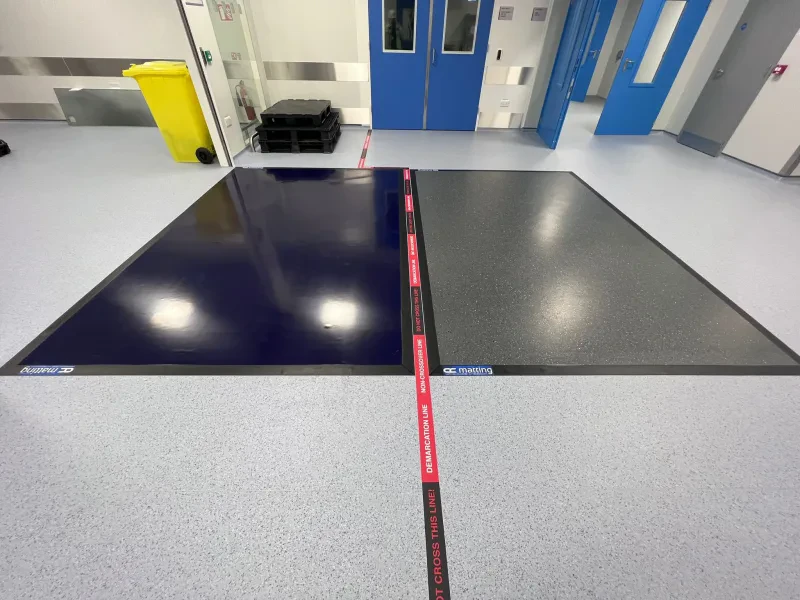
Do you have a controlled area where soles, wheels or trolleys may carry particles further inside?

ISO class depends on the whole system: design, HVAC, filtration, pressure control, operation, monitoring, cleaning and human behaviour. An entry control point should be treated as a measure that supports the operator’s strategy.
Its role is more specific: to reduce particles, visible dirt or moisture carried to floor level on soles, wheels, trolleys or materials. Selection works only when it fits the procedure, route position and internal verification method.
ISO 14644-1 classifies air cleanliness by particle concentration. Other parts of the ISO 14644 family address operations, monitoring, entry and exit of personnel and materials, cleaning, maintenance and consumables. The important point is that a controlled environment is not judged by one entry product alone.
Soles, wheels and trolleys matter because they can bring particles to floor level and add pressure to the cleaning routine. If the route is heavily used or difficult to bypass, the entry point should be reviewed for sufficient contact and a daily procedure the team can maintain.
EU GMP Annex 1 focuses on preventing microbial, particulate and endotoxin/pyrogen contamination through a contamination control strategy. In practice, that includes personnel, materials, equipment, premises, procedures, cleaning, monitoring and internal verification.
Annex 1 is useful here as a decision frame: a surface, mat or cleaning system supports entry control only when it fits the real flow, site procedure and internal verification.
Airlocks, SAS systems, air showers, pass-throughs, UV, HEPA filtration and gowning procedures belong to cleanroom architecture and operating discipline.
The practical review is narrower: what happens at floor level before or around those points. That is where soles, wheels, trolleys, packaging, materials and real routes may need a control surface, mechanical cleaning or a clearer routine.
Polymer contamination-control mats are relevant when pedestrian traffic, trolleys or small wheels move toward a more sensitive area and the site needs a washable, reusable mat. Antibacterial properties apply only in supported hygiene, food or pharmaceutical contexts.
ESD or antistatic requirements are checked separately for supported electronics, automotive or electrostatic-control areas. Fit also depends on traffic, cleaning procedure, position, zone level and product-specific documentation.
Active mechanical cleaning becomes relevant when wheels, pallet trucks, trolleys, forklifts or mobile equipment before the controlled zone bring dust, sand, moisture or visible dirt. It is more relevant for repeated wheel traffic than for pedestrian entry alone.
If the main issue is packaging, work discipline, door position or bypassing the control point, the route and routine should be clarified first. Otherwise, a good system can still be installed in a poorly chosen location.
Bypassing is usually a route and routine signal. It may come from the point location, time pressure, informal door use, weak guidance or a route that does not match the real flow.
Before choosing a solution, check whether the point should be moved, lengthened, integrated into an existing airlock or supported by signage and procedure. A control point works only if people and equipment actually pass through it.
Useful inputs include the zone class or internal requirement, entry-point description, traffic types, cleaning procedure, accepted chemistry, ESD requirements if relevant and photos from both route directions.
Audit, monitoring or quality observations also matter: where marks appear, where cleaning becomes more frequent, what gets bypassed and what must be documented internally. A few clear photos and a simple route sketch often shorten the review.