Available documentation
Selection can start from material, tests and technical sheets, not only from mat size or the habit of using peel-off layers.

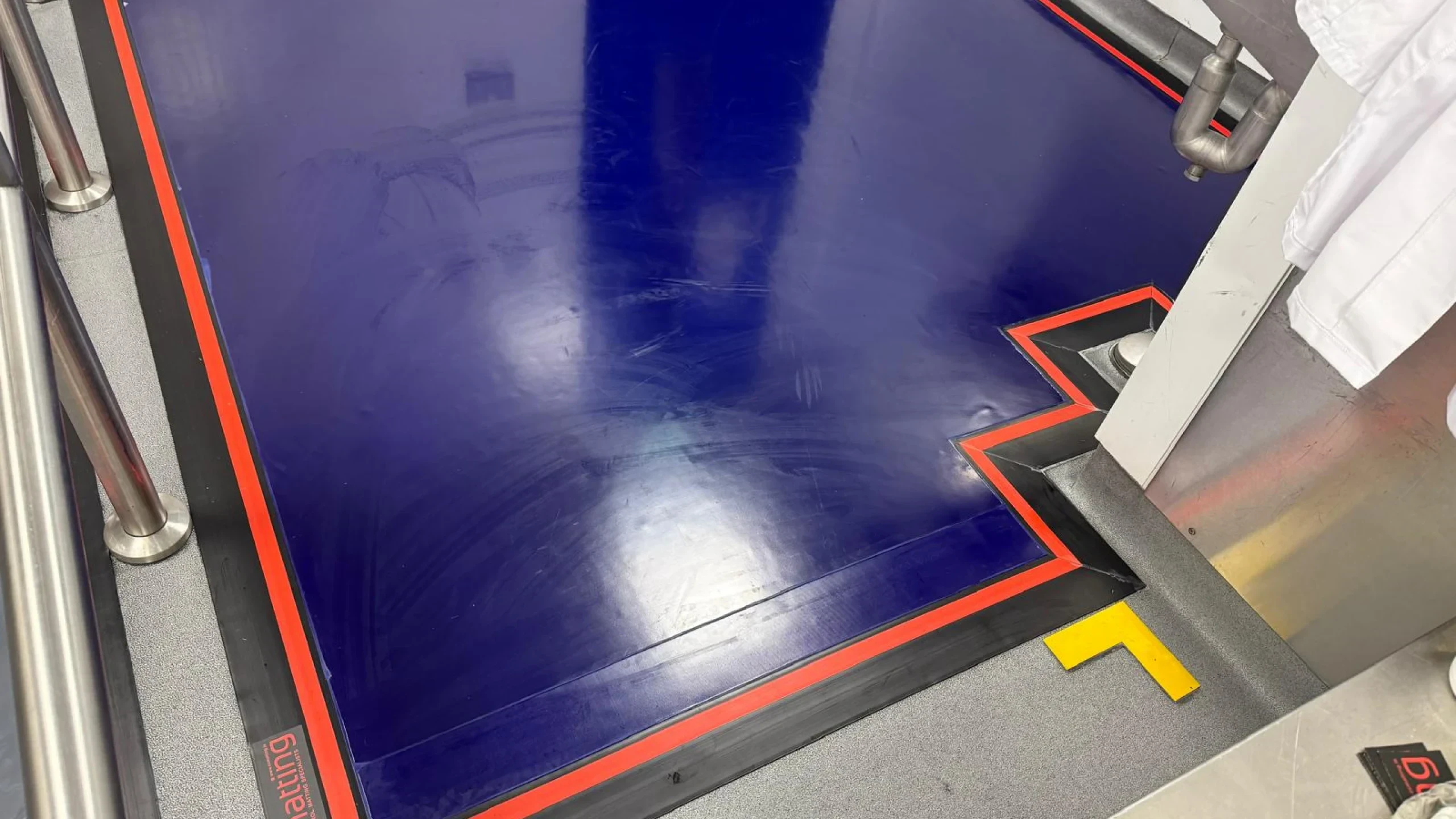
SEVENSEAS has added CC Matting for entrances where a mat should no longer be treated as a simple consumable. In cleanrooms, electronics, medical areas or sensitive packaging, the useful question is whether the surface remains stable in use, can be cleaned, and comes with technical documentation quality teams can use.
Peel-off mats are familiar to many teams, especially where the entrance is simple and traffic is light. When the same transfer is used every day, layer changes create consumables, waste and a routine that depends on timely replacement.
CC Matting brings a different direction: an installed polymer contamination-control mat that is cleaned periodically and stays in the route. That helps when soles, trolleys or small wheels pass through the same area and the team needs clear documents for internal selection.
It complements active cleaning for areas where contact, maintenance and documentation drive the choice, while forklifts, loaded wheels or heavy dirt remain active mechanical-cleaning applications.
The best application is a transfer that people or equipment already use. Then the mat becomes part of the route, not a separate stop.
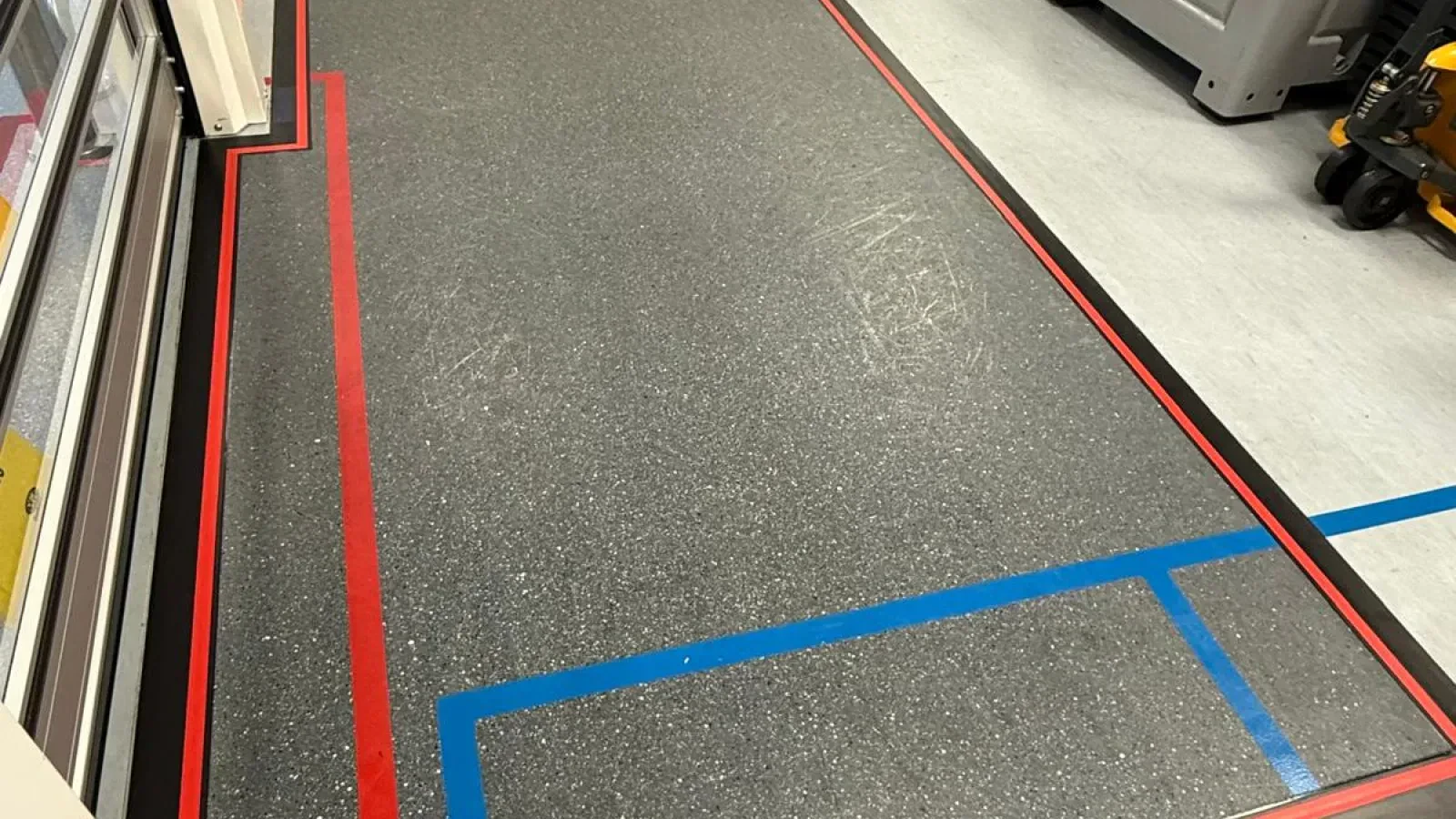
Around airlocks, gowning areas or transfers into clean spaces, the floor-level material must make sense to quality, maintenance and production.
CC Matting helps when the team wants a washable, documented surface that can be included in the area routine.
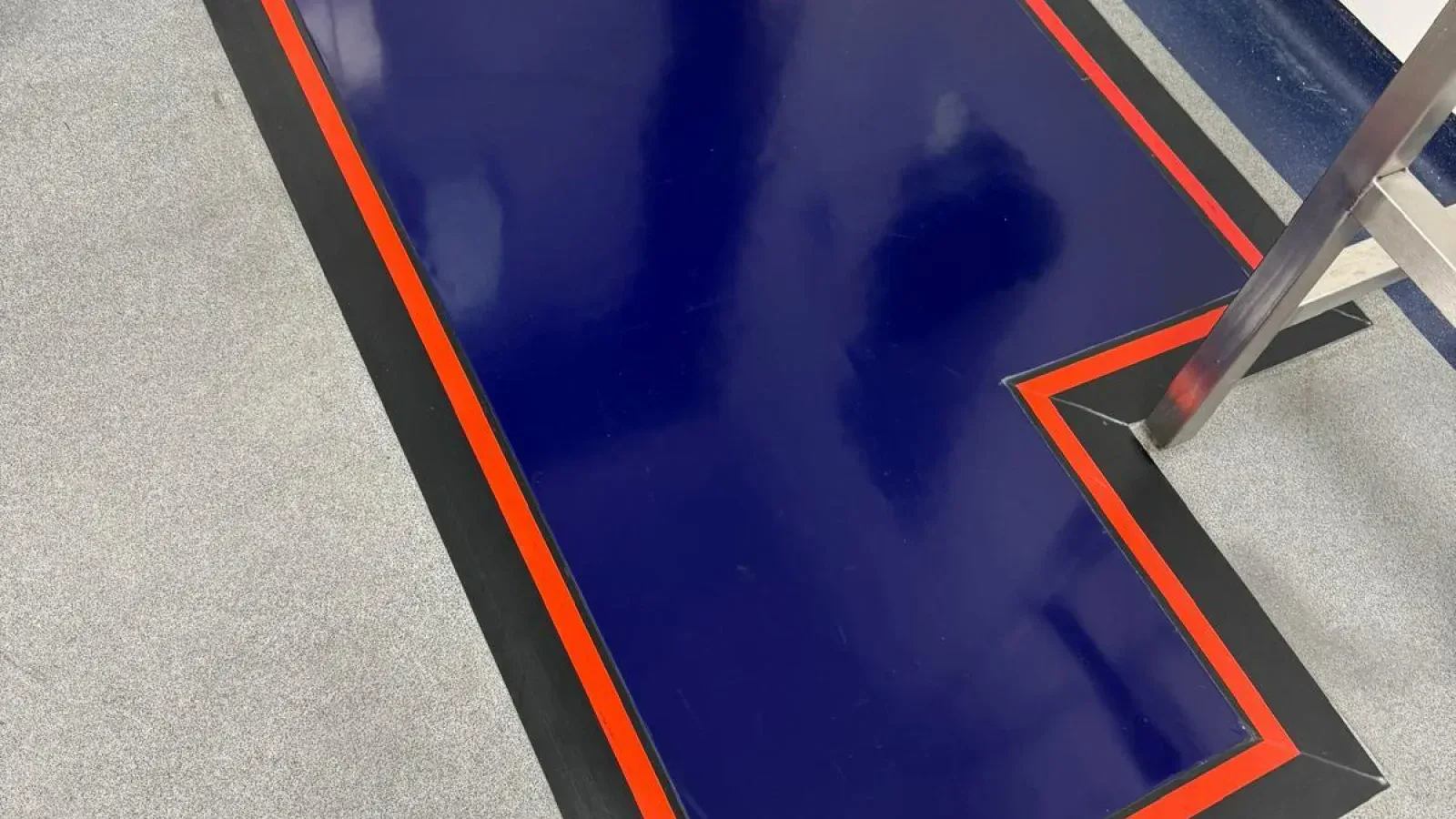
When adhesive layers are changed often, the real cost is not only the product. Waste, replacement time and the risk of saturated layers staying in traffic also matter.
A polymer mat can be a more stable choice when the entrance is permanent and the cleaning routine can be maintained.
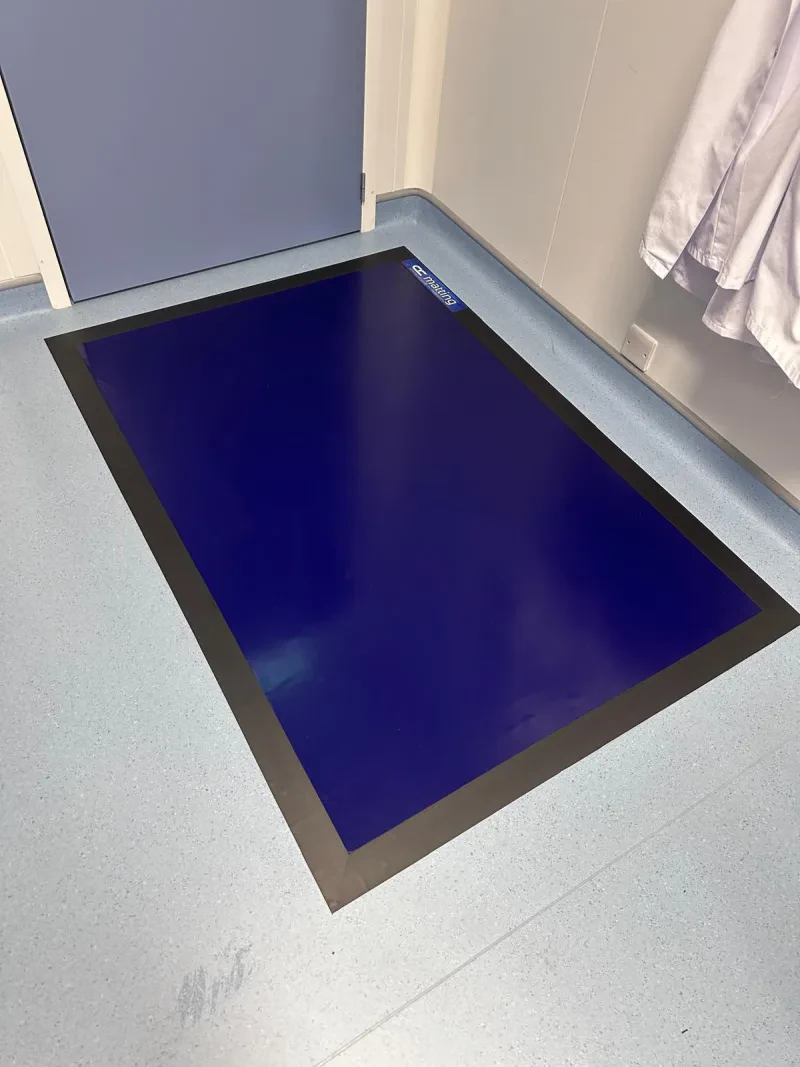
At many entrances, traffic is not only pedestrian. Carts, mobile stands or small wheels can carry particles further than expected.
Useful length, contact with the surface and cleaning at the end of a shift or within the daily routine all matter.
CC Matting documentation supports discussion about material, particles, antistatic properties, antibacterial properties and maintenance. For a quality team, that is clearer than comparing consumables without a technical file.
In sensitive applications, this type of information shortens the route from “which mat?” to “how does this surface fit our procedure?”.
Room class, the ESD programme or GMP acceptance remain part of the operator system. The mat can support the floor-level contamination-control strategy, but position, cleaning and monitoring must fit the existing procedure.
Before choosing, the key points are who crosses the area, how often the surface is cleaned and whether traffic can be guided naturally across the mat.
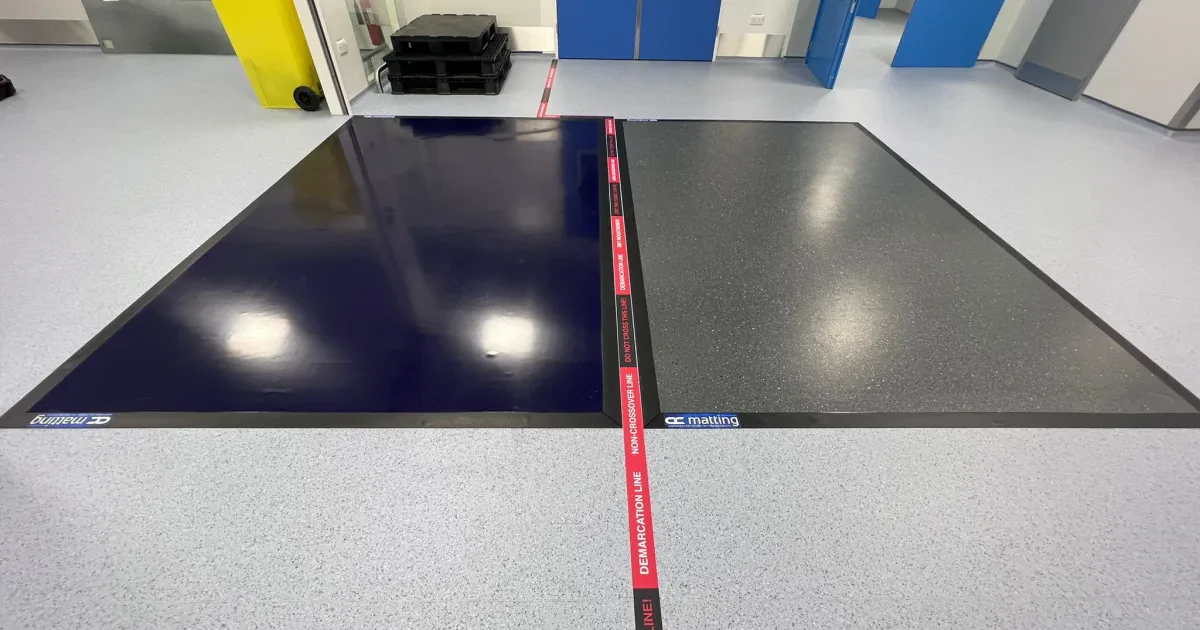
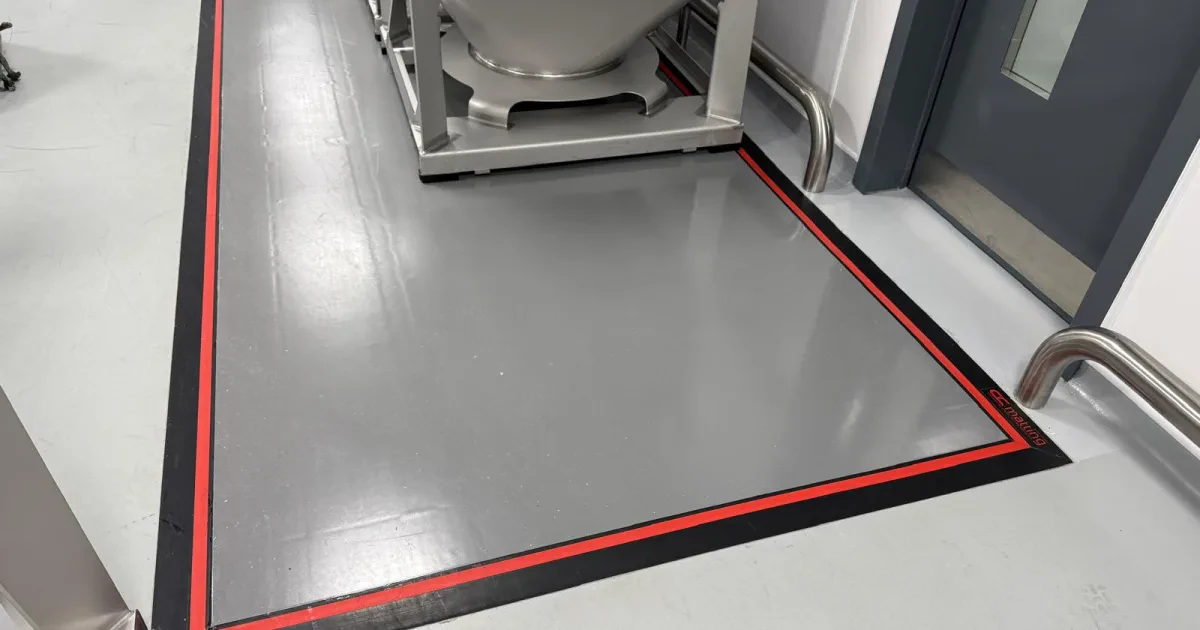
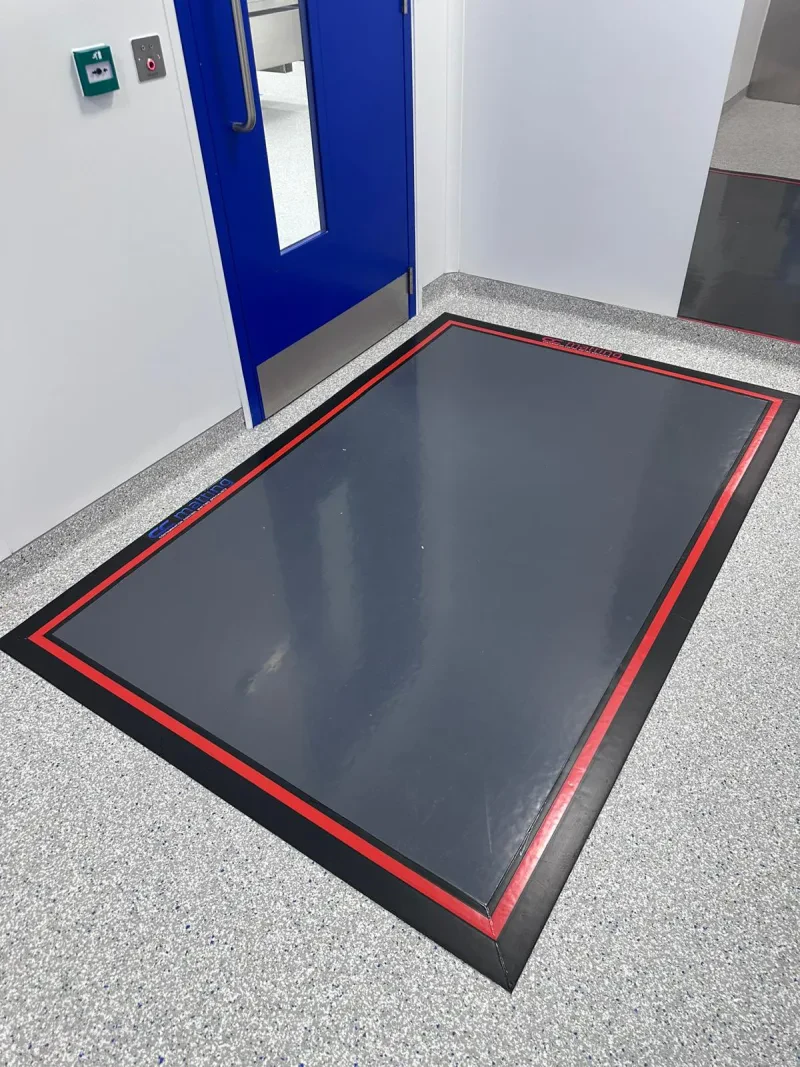
How to use CC Matting Heavy Duty documentation when the area needs ISO Class 5 material, particle control, clear cleaning and quality traceability.
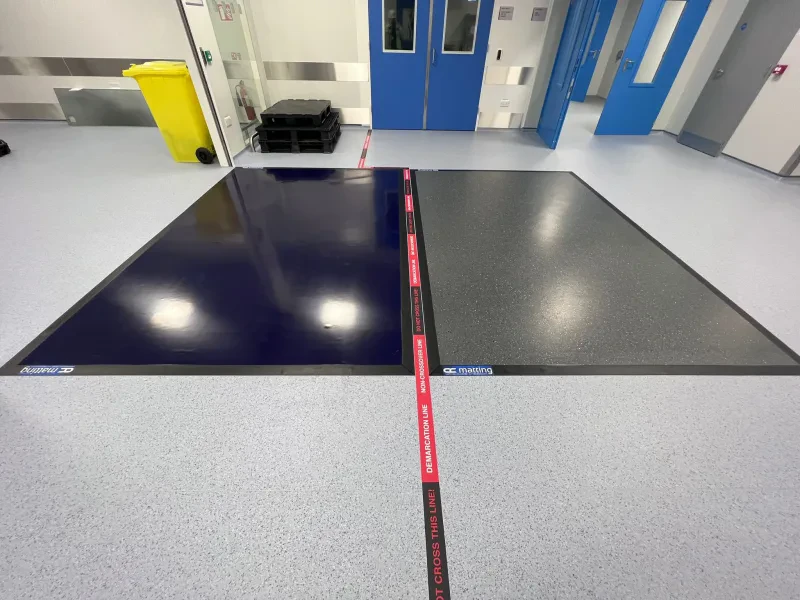
How to choose between peel-off adhesive mats, reusable polymer matting and active route cleaning in cleanrooms and controlled environments.
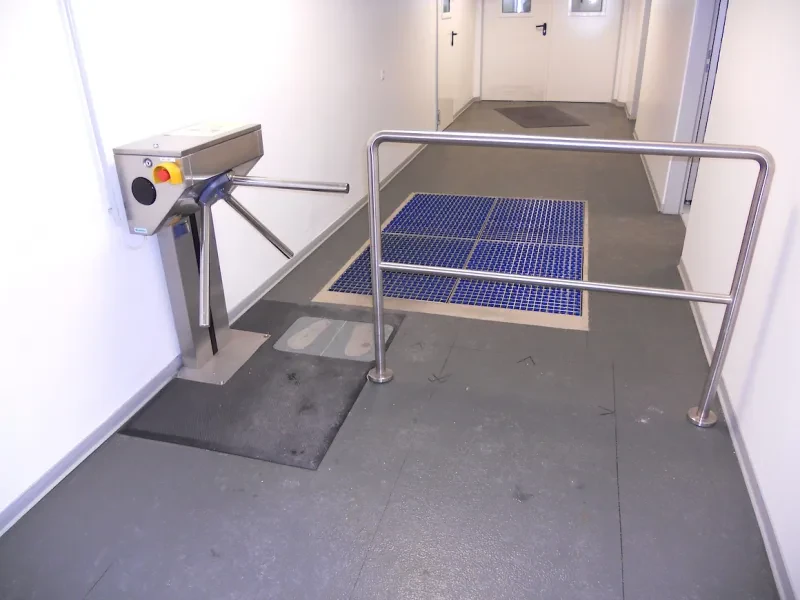
How to connect dirt on soles with access into an EPA area without confusing mechanical sole cleaning with validation of the ESD programme.
Do you have an entrance where peel-off is no longer enough?

CC Matting adds a washable, reusable polymer contamination-control mat for entrances crossed by soles, carts or small wheels.
The update is not only the brand. The important part is that the solution comes with technical documentation and a different logic from peel-off consumables: the surface stays installed, is cleaned and can become part of the area routine.
In clean areas, a quality team does not choose only by price or size. It needs to understand the material entering the area, the declared properties and how the surface can be maintained.
Documentation makes internal validation clearer. The mat can be connected to area requirements, cleaning routine and the operator method for checking results.
CC Matting fits when the entrance is used frequently and a reusable surface is easier to manage than repeatedly changed adhesive layers.
Peel-off can remain an option for occasional or very simple situations. When the transfer is permanent, the discussion moves toward waste, cleaning routine, documentation and total cost of use.
If traffic includes forklifts, loaded wheels, heavy dirt or particles trapped in tyre tread, a polymer mat may not be the main direction.
The comparison should then include active wheel and tyre cleaning. The two directions can coexist: ProfilGate for industrial wheels, CC Matting for soles, carts and lighter wheels in controlled areas.
They support material selection when the area has hygiene, technical cleanliness or ESD requirements. They should be read together with the site procedure, not as a standalone promise.
For the buyer, the practical question is simple: do the material, cleaning routine and mat position support the internal process? If yes, CC Matting documentation can help quality, EHS and maintenance teams compare the options more clearly.
The most useful information is visible in the real area, not only on the building plan. A good photo of the entrance, the route people use and the wheel types quickly show whether the discussion is about polymer matting, active cleaning or a combination.
For a first review, prepare three things: