
Impact protection for machinery and infrastructure
Workplace Safety

Impact protection for machinery and infrastructure

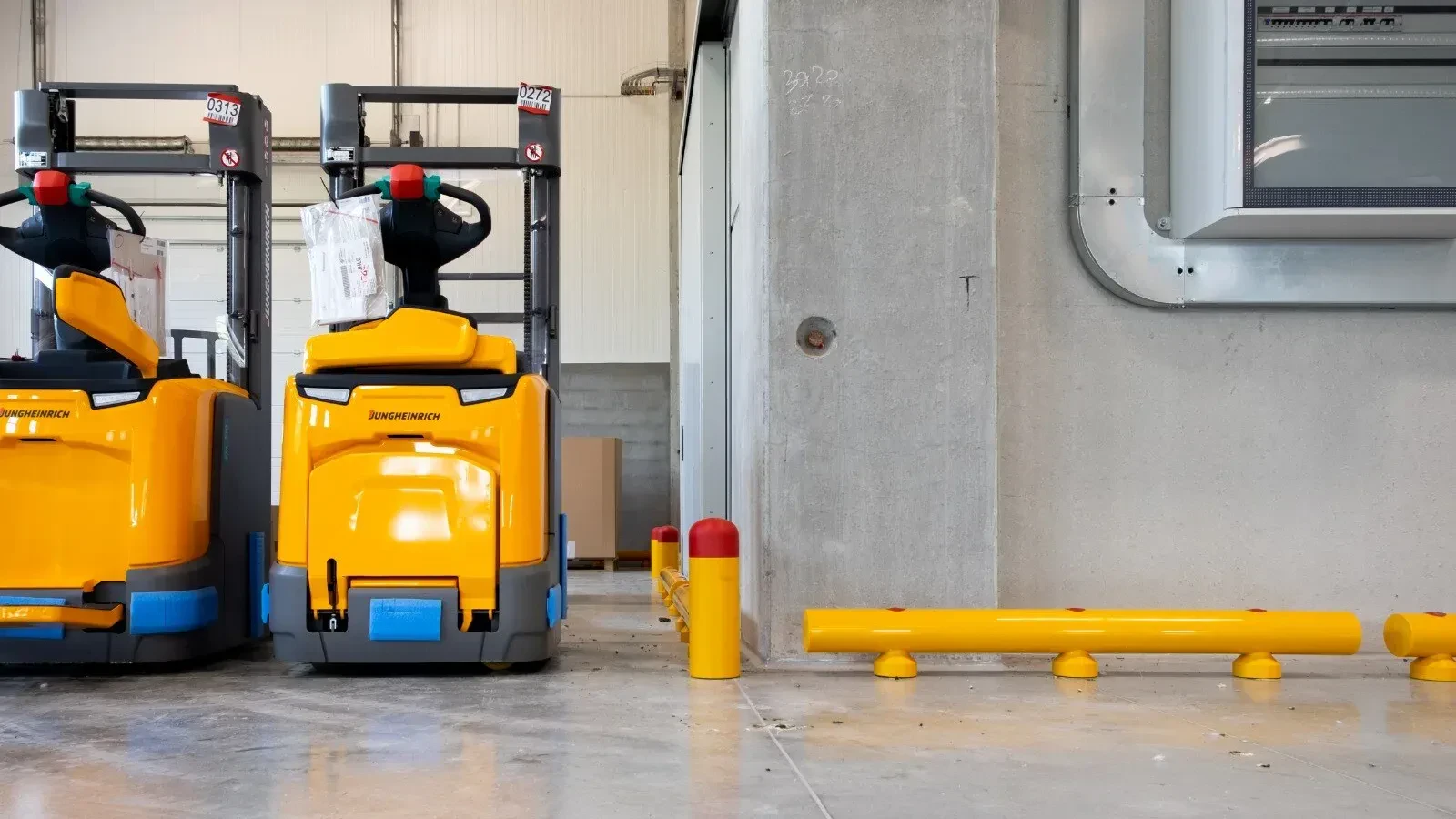
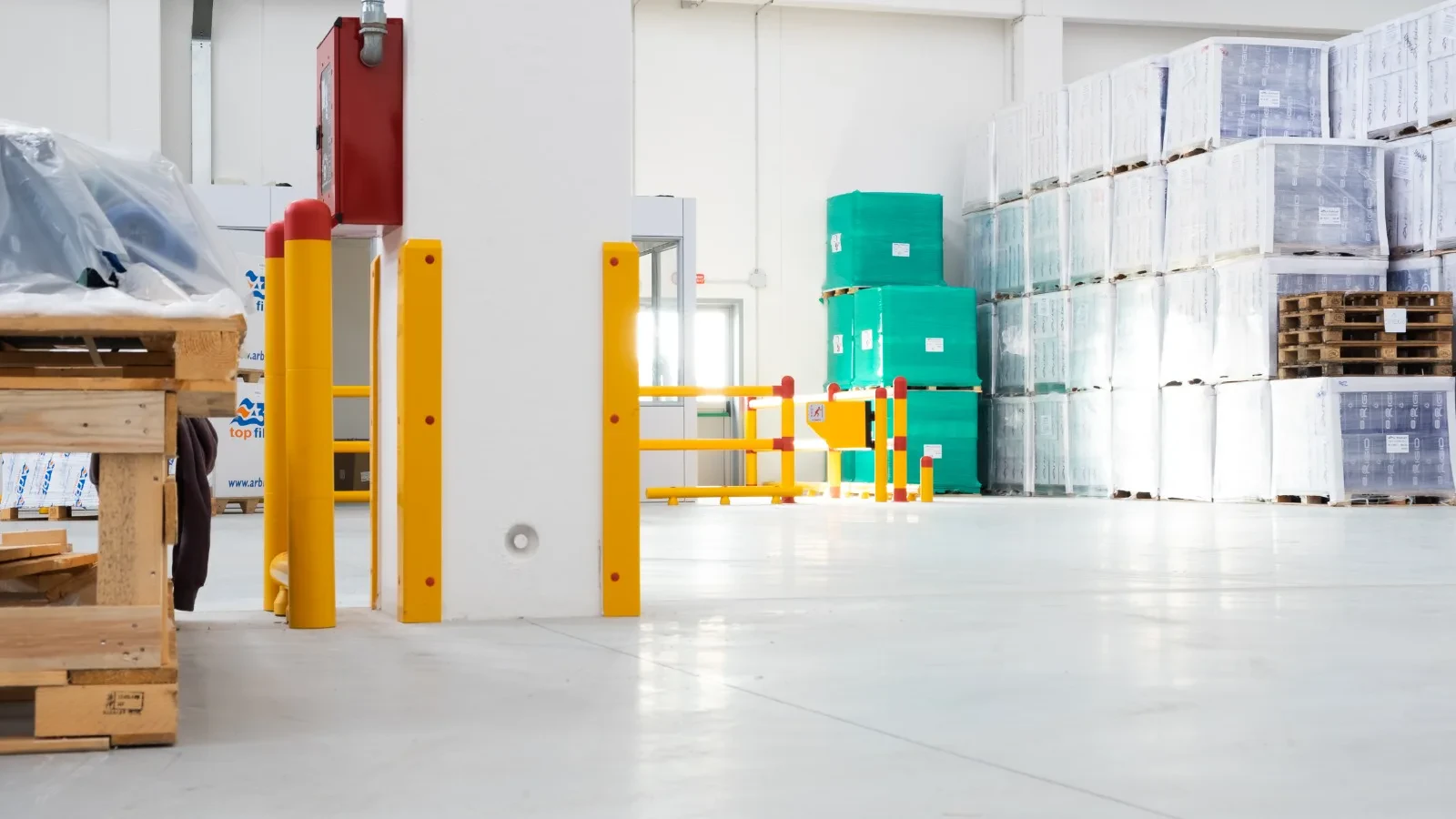
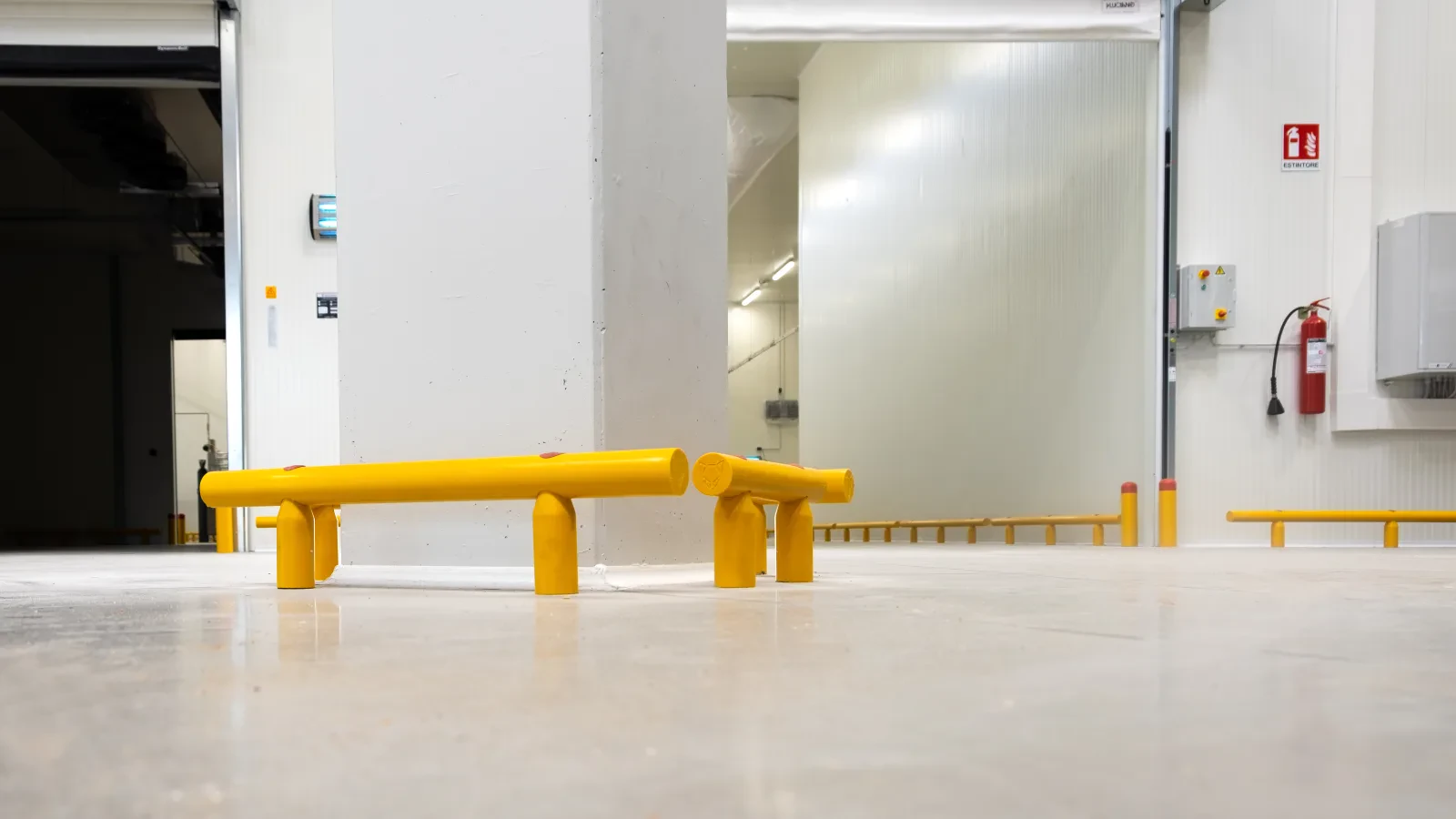
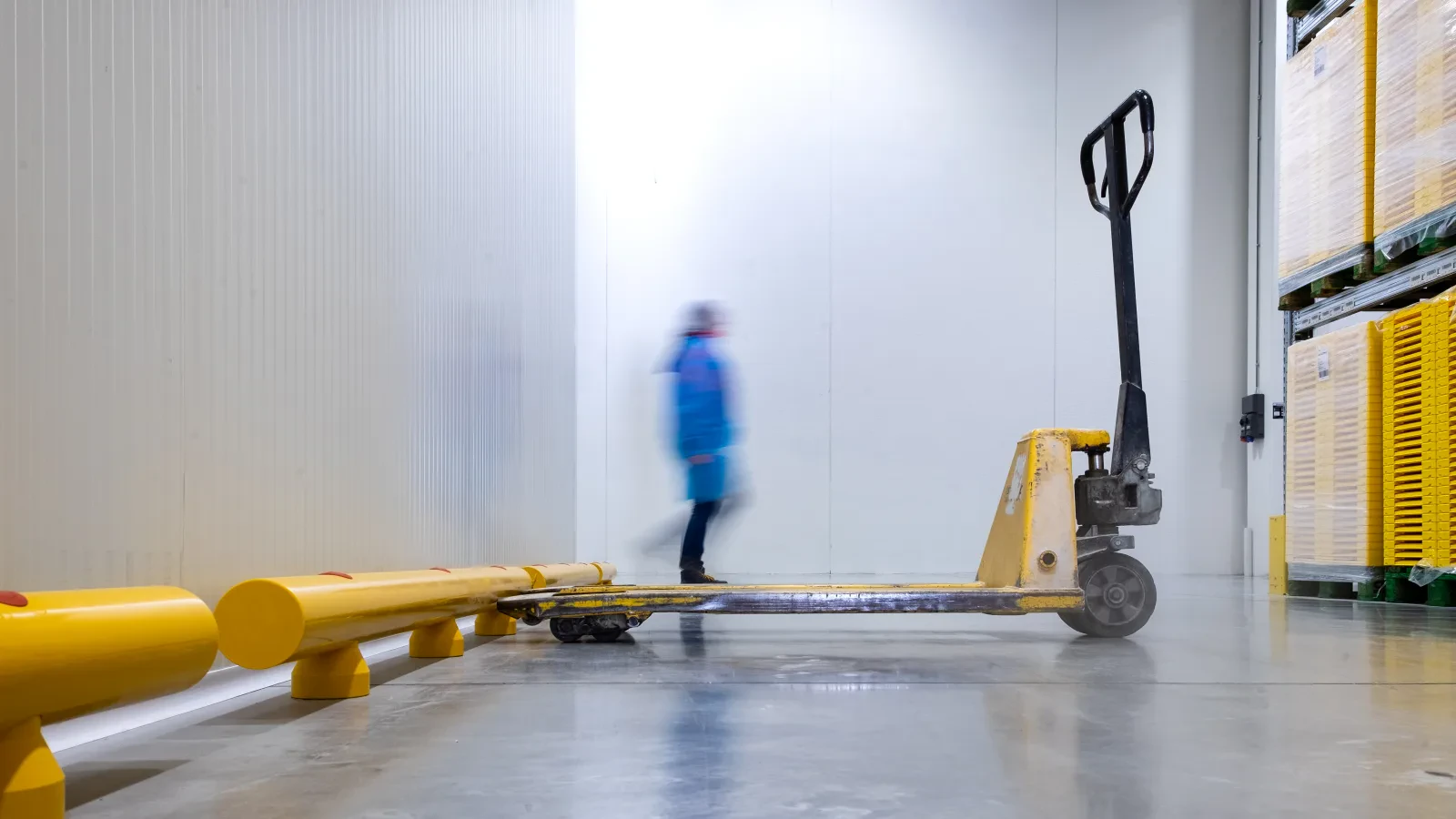
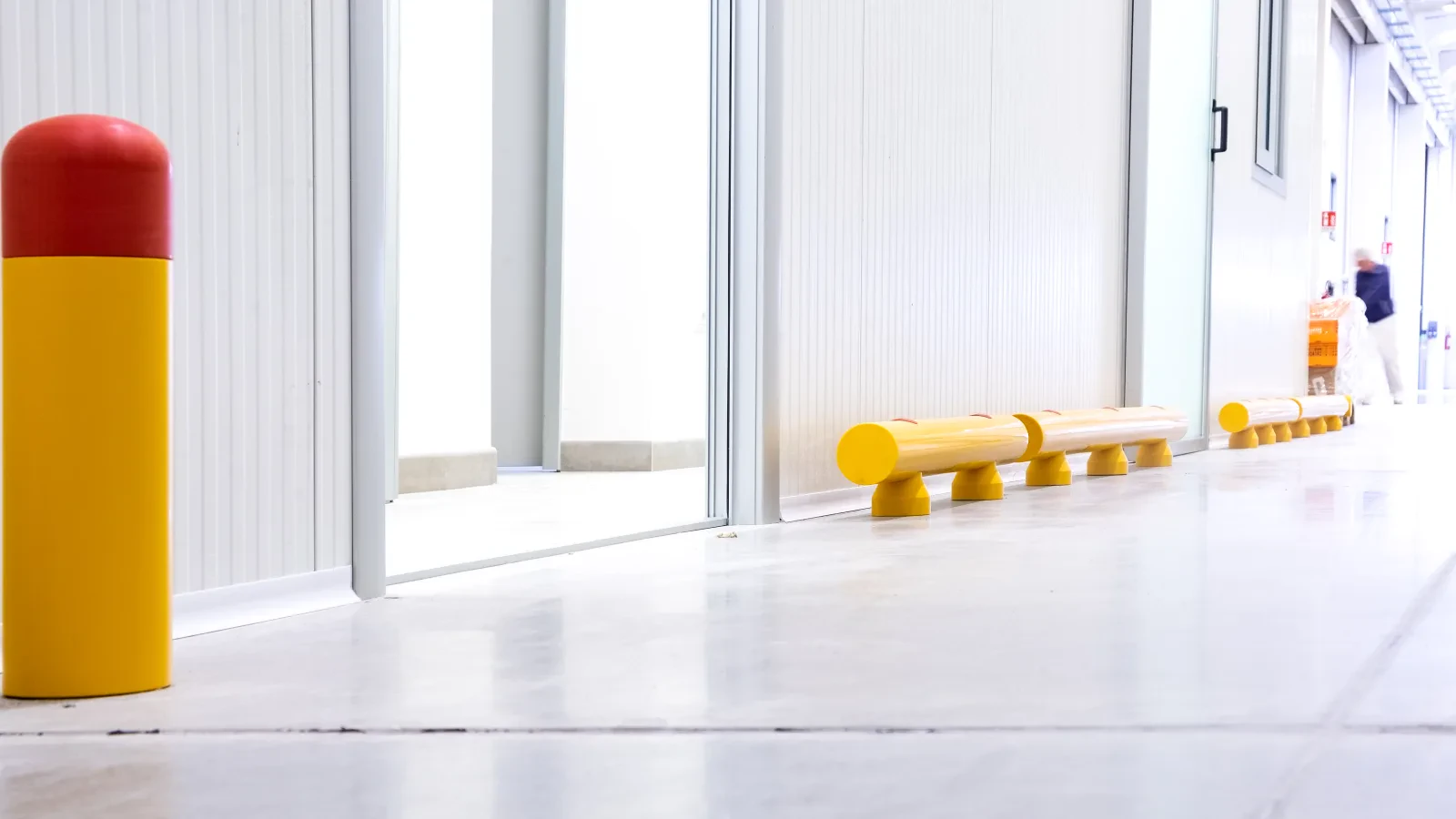
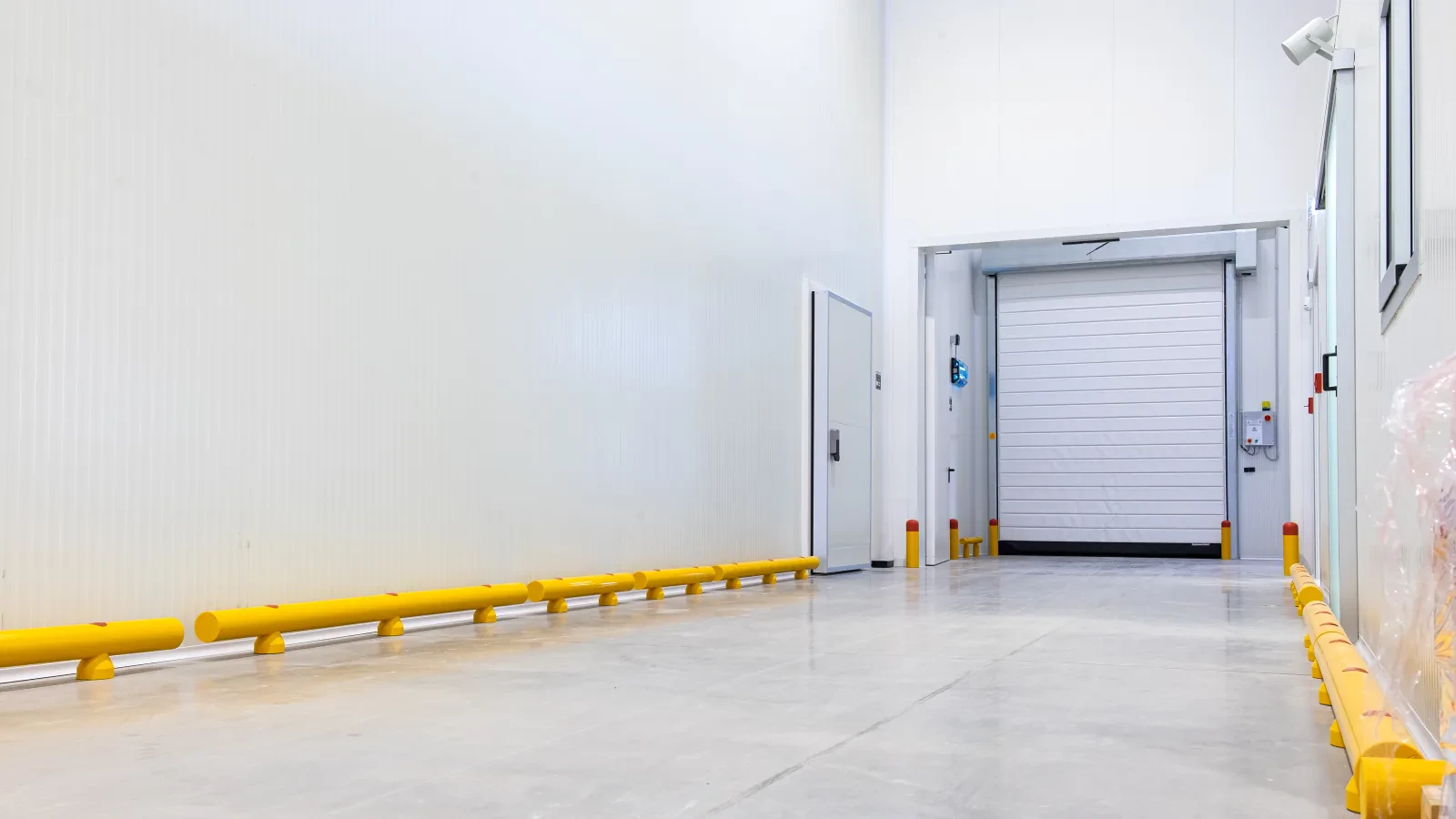
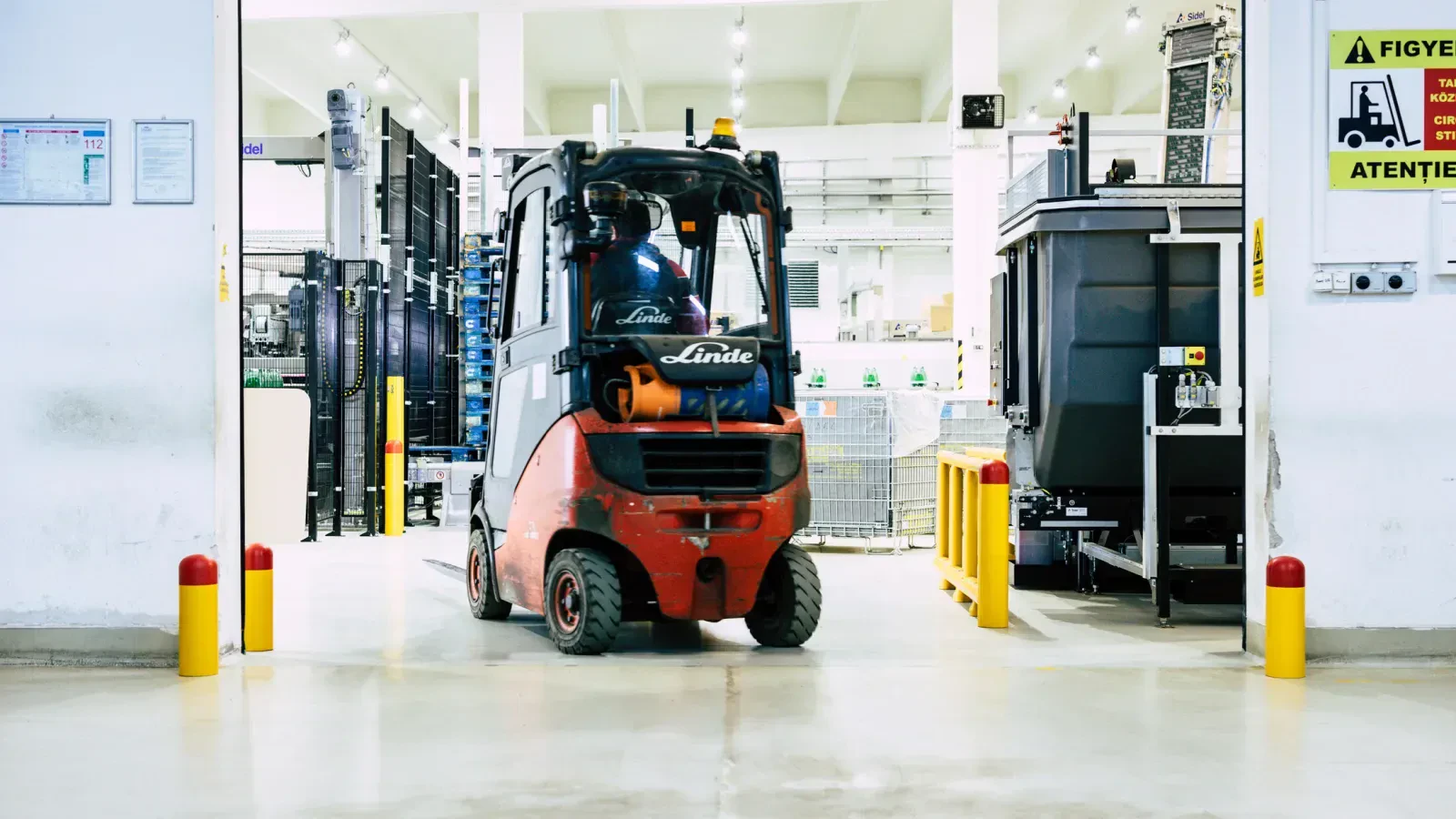
In production and warehousing, an impact on a machine, conveyor, panel, door, column or wall can stop the process before it looks like a major incident. Downtime consequences, the zone’s function and the impact scenario determine the right protection.

View protection products

When infrastructure becomes critical to safety and continuity

Line feeding, internal movement, maintenance access, technical panels, rapid doors and conveyors can all depend on one exposed zone beside a vehicle route.

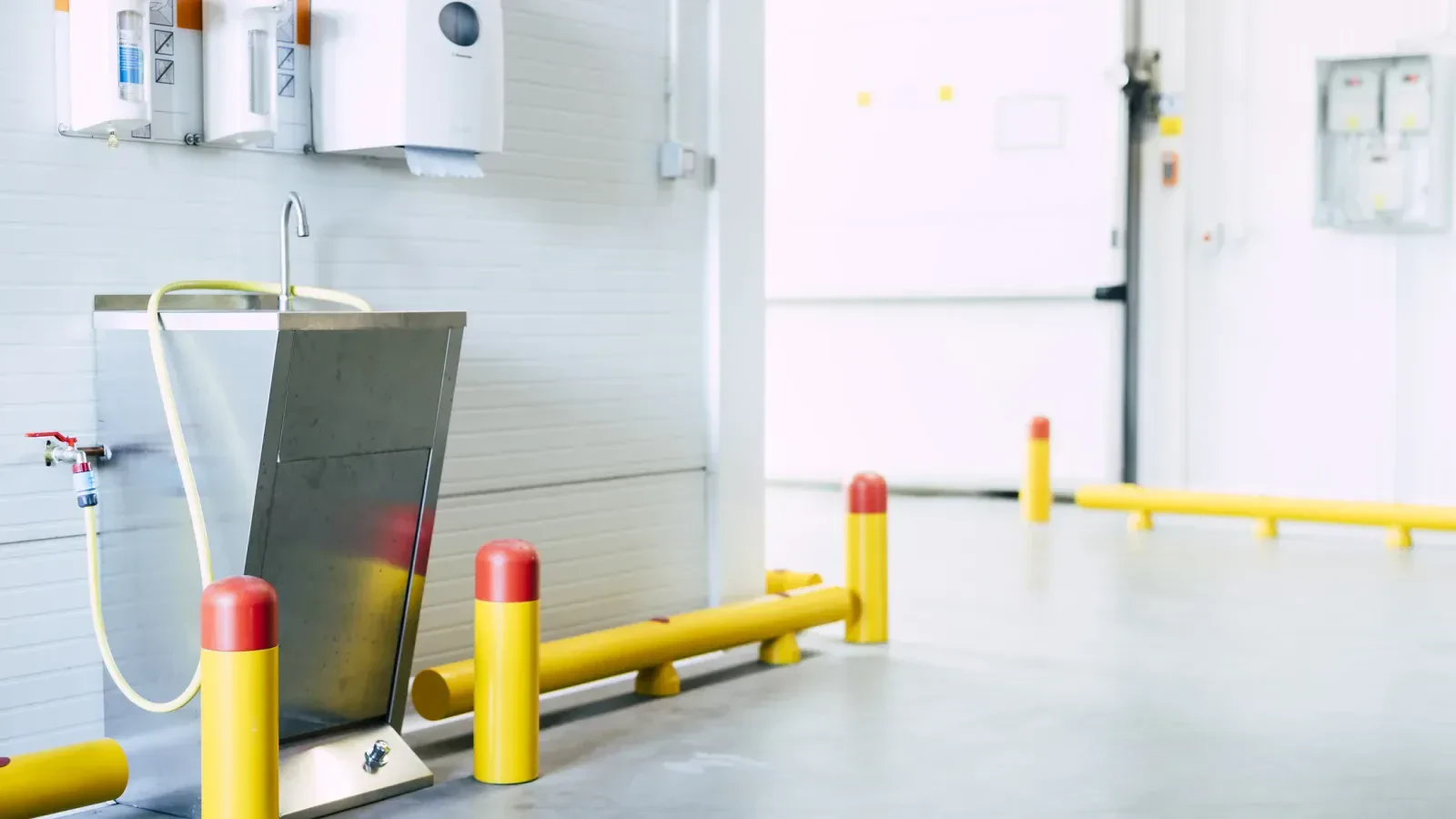
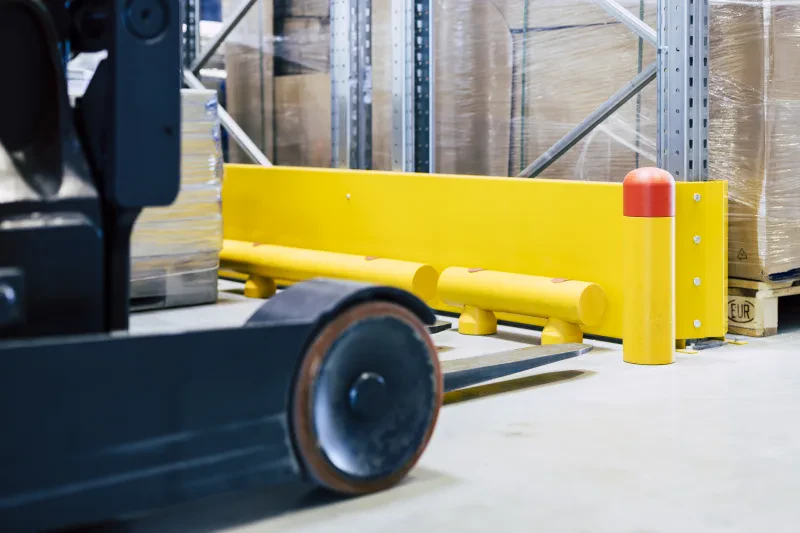
A correctly selected barrier absorbs the impact and prevents damage to the protected area.

Selection should account for the vehicle and load, speed or impact energy, impact angle, protected asset, floor and anchoring, available clearance, and the access required for operation and maintenance.

How to choose protection for technical areas

The right protection depends on what can be struck, how the impact happens and what follows if the area stops.

Which object or process is exposed

Which object or process is exposed

A conveyor, machine, electrical panel or rapid door does not have the same consequence as a wall strike. The function supported by the exposed object and the consequence of damage set the selection direction.

  • machinery and production lines;
  • conveyors and transport equipment;
  • panels, doors, columns and walls;
How the impact happens

How the impact happens

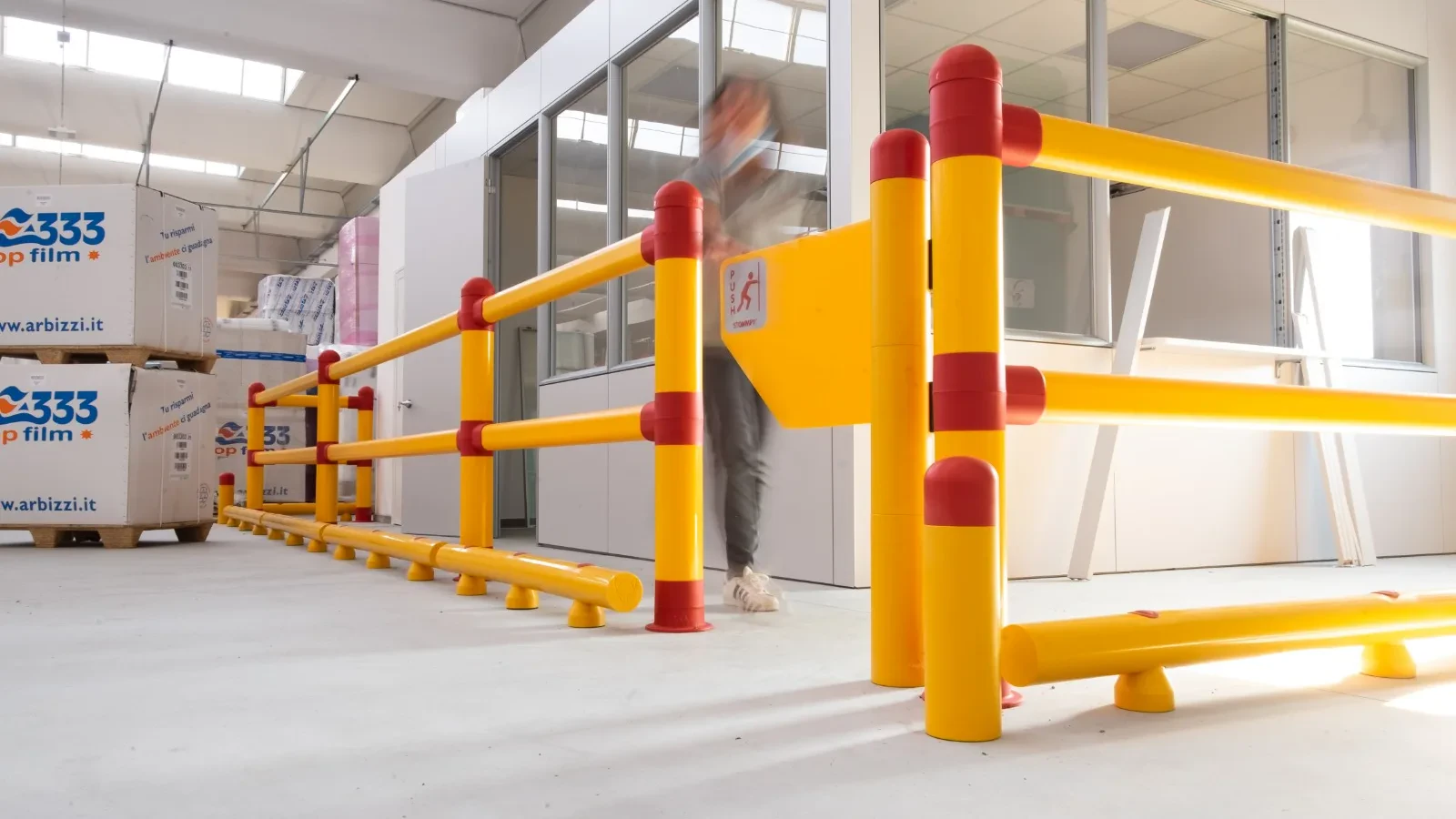
The strike may come from turning, reversing, bulky loads, weak visibility or tight access. A correctly selected barrier absorbs the impact energy and protects the machinery, infrastructure or technical area without blocking operation, cleaning or intervention.

  • vehicle and load involved;
  • speed or impact energy;
  • likely impact angle;
Which access must remain available

Which access must remain available

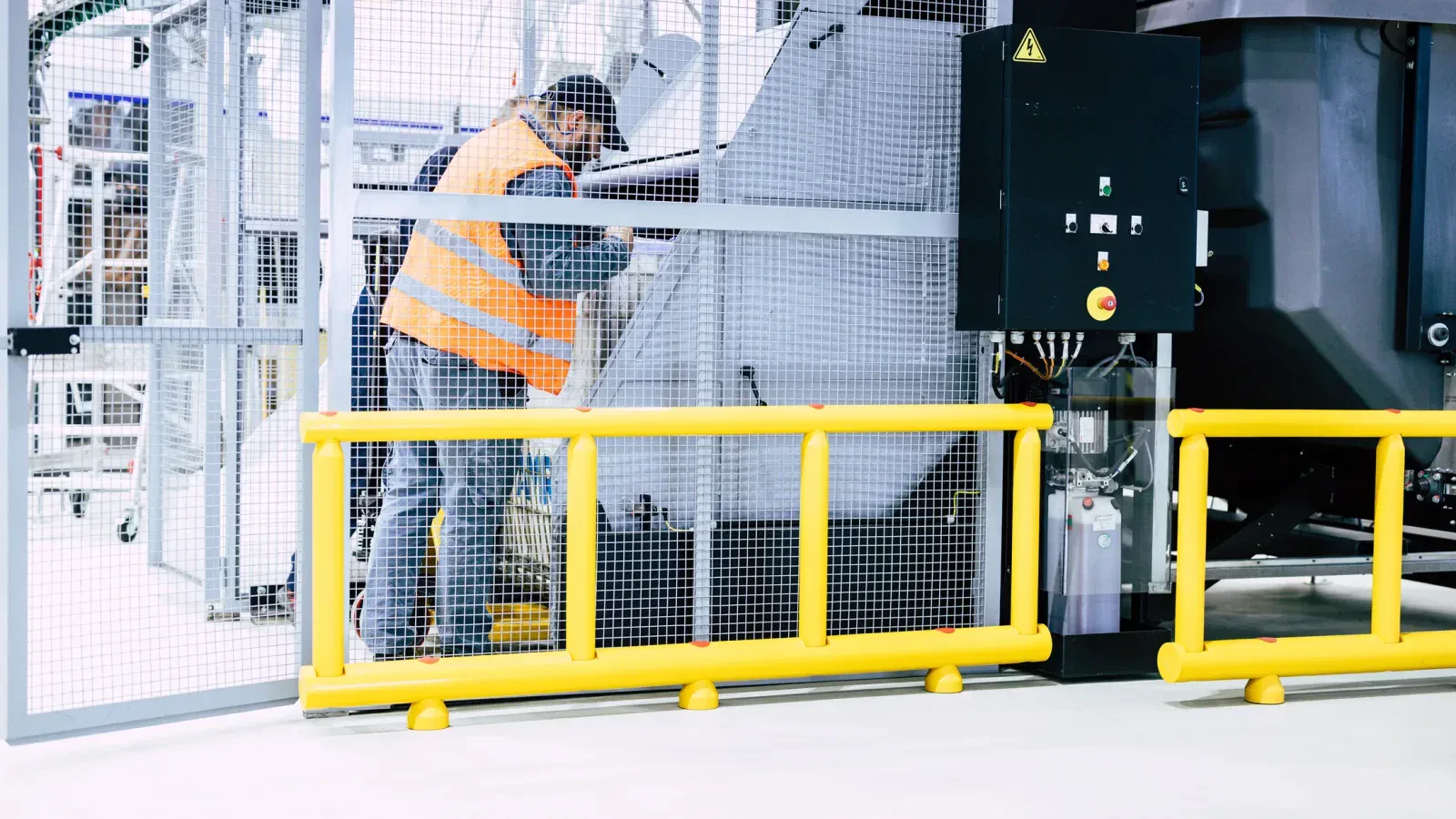
Technical areas need access for maintenance, cleaning, inspection and prompt response. The installation must preserve the necessary working space without compromising protection of the exposed area.

  • floor and anchoring;
  • clearance and access to panels or machinery;
  • cleaning, maintenance and emergency response;

Impact-exposed zones in factories and warehouses

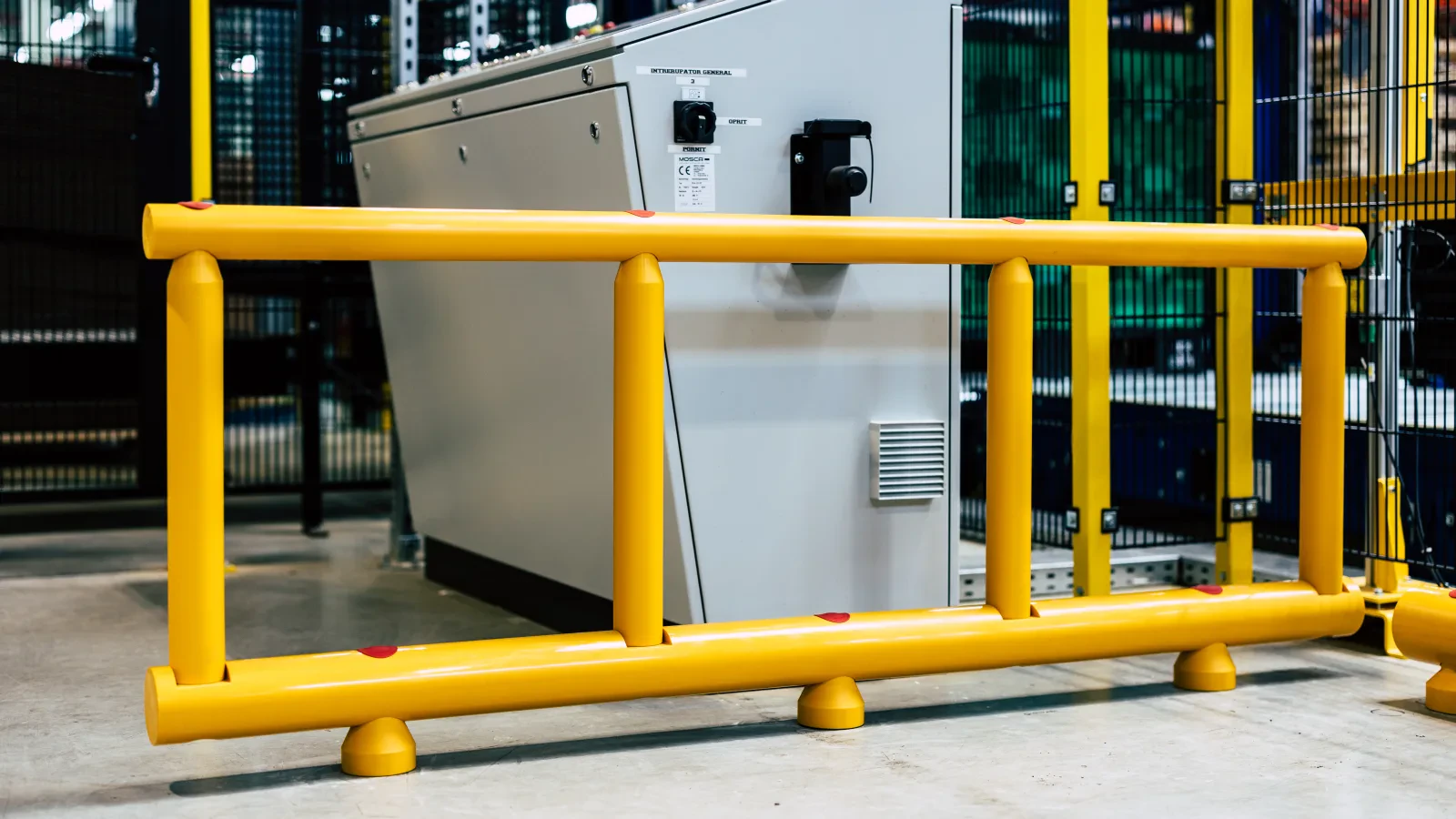
Production machines and equipment

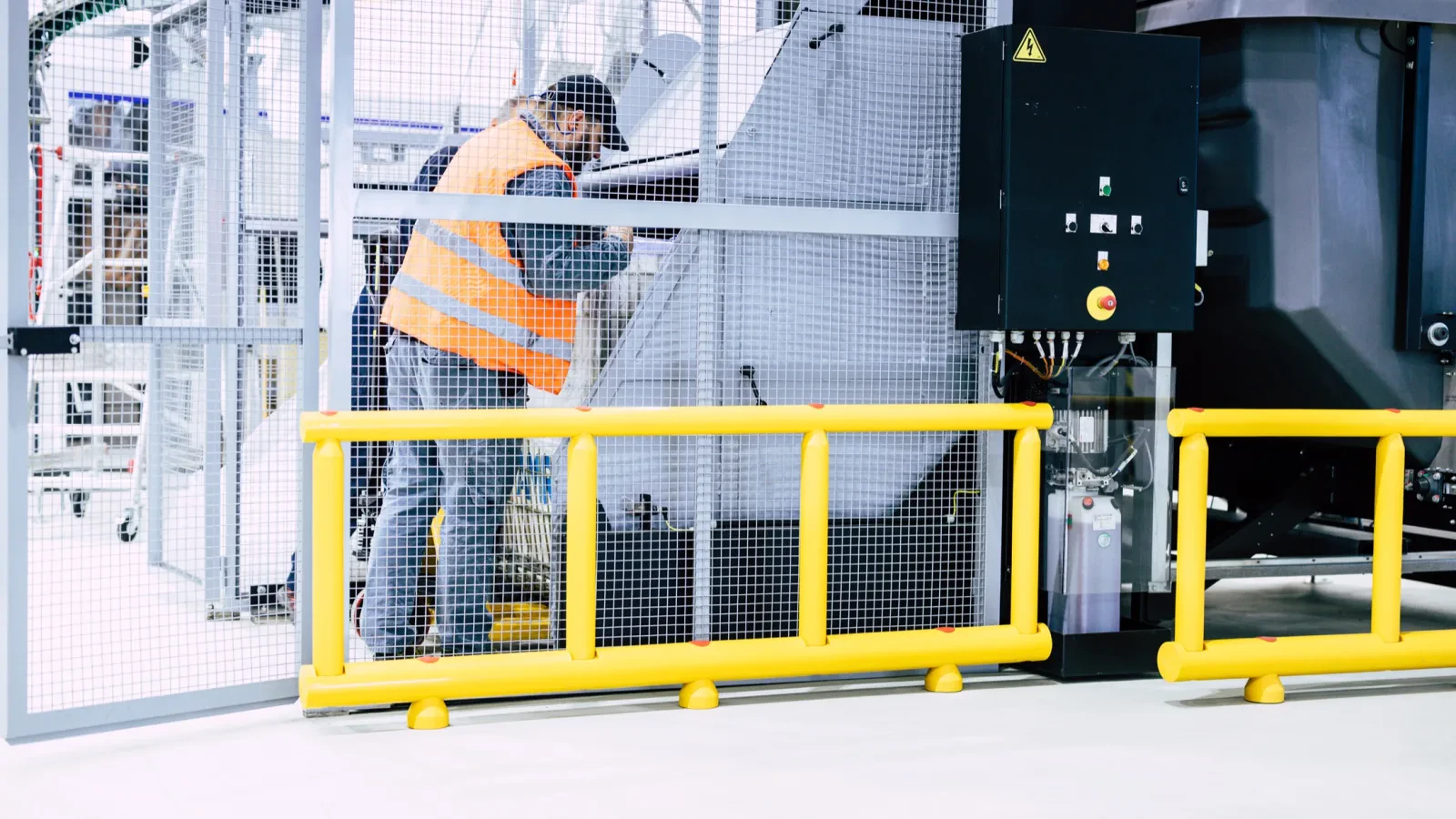
For equipment where impact can stop the line, block feeding or cause costly repairs.

Conveyors, lines and feeding areas

For technical routes near forklifts, pallet trucks, pallets or points where loads pass close to equipment.

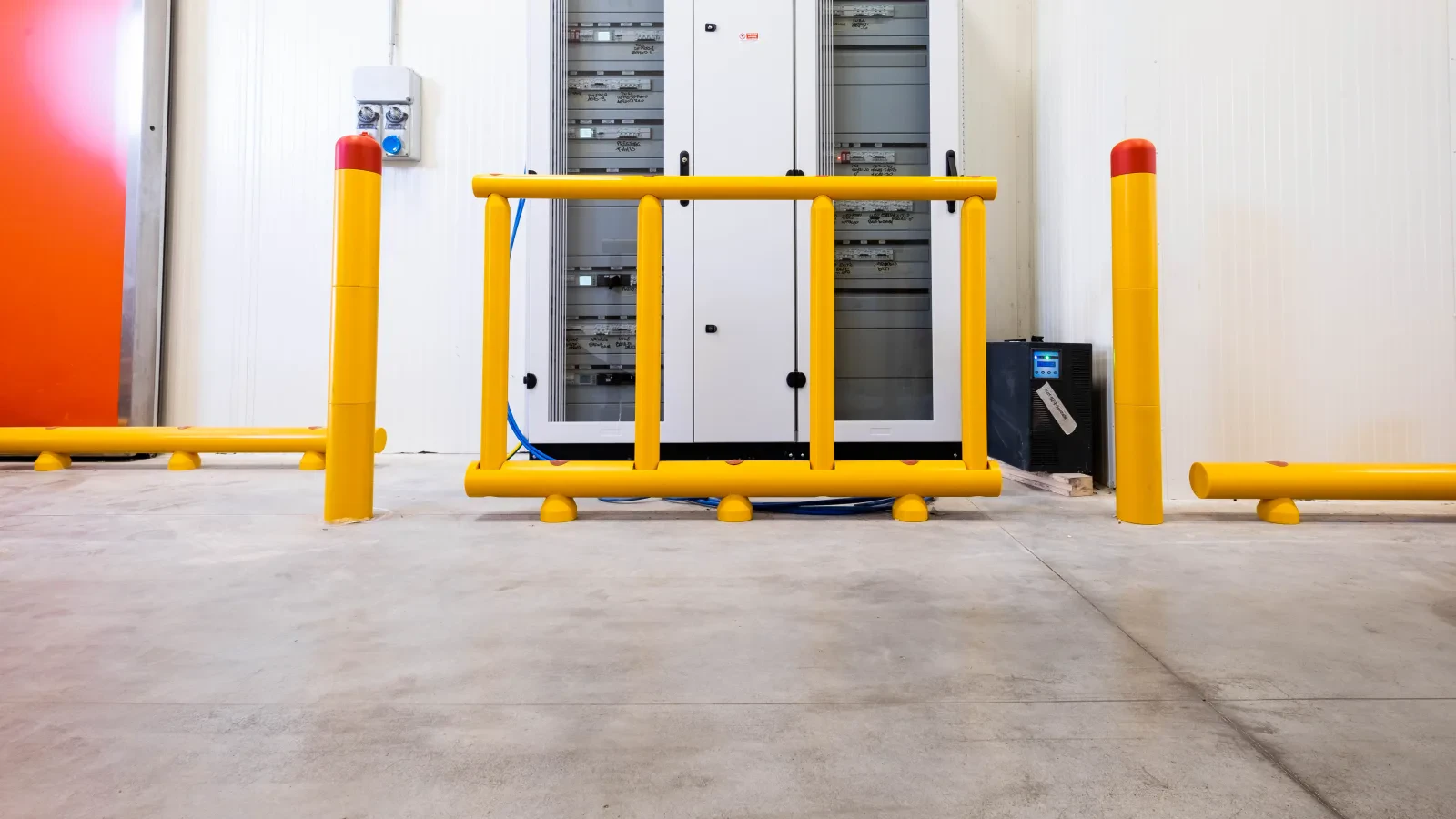
Electrical panels and technical cabinets

For points where technical access must remain while the correctly selected barrier absorbs impact and protects the technical area from damage.

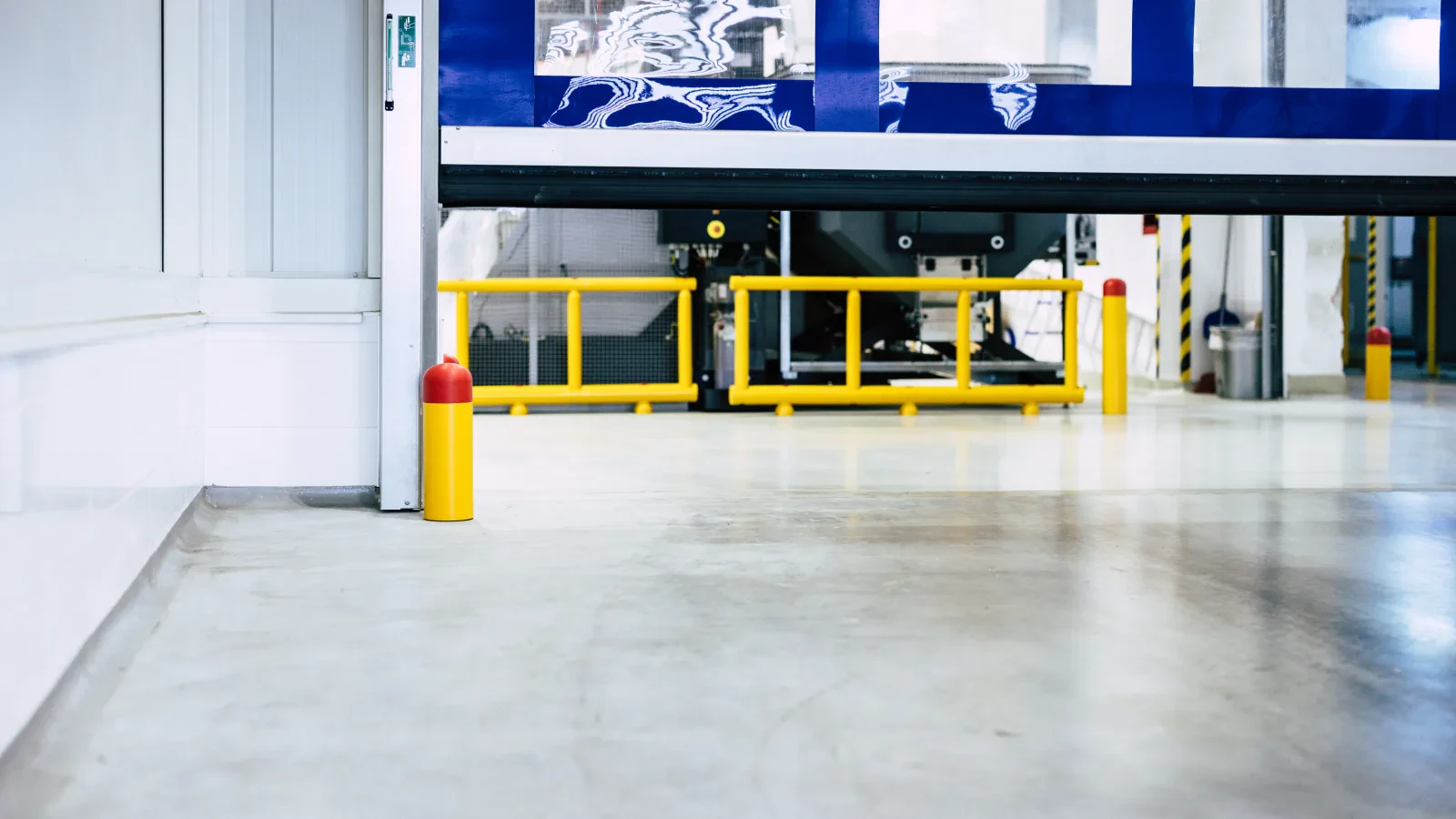
Industrial doors, gates and access openings

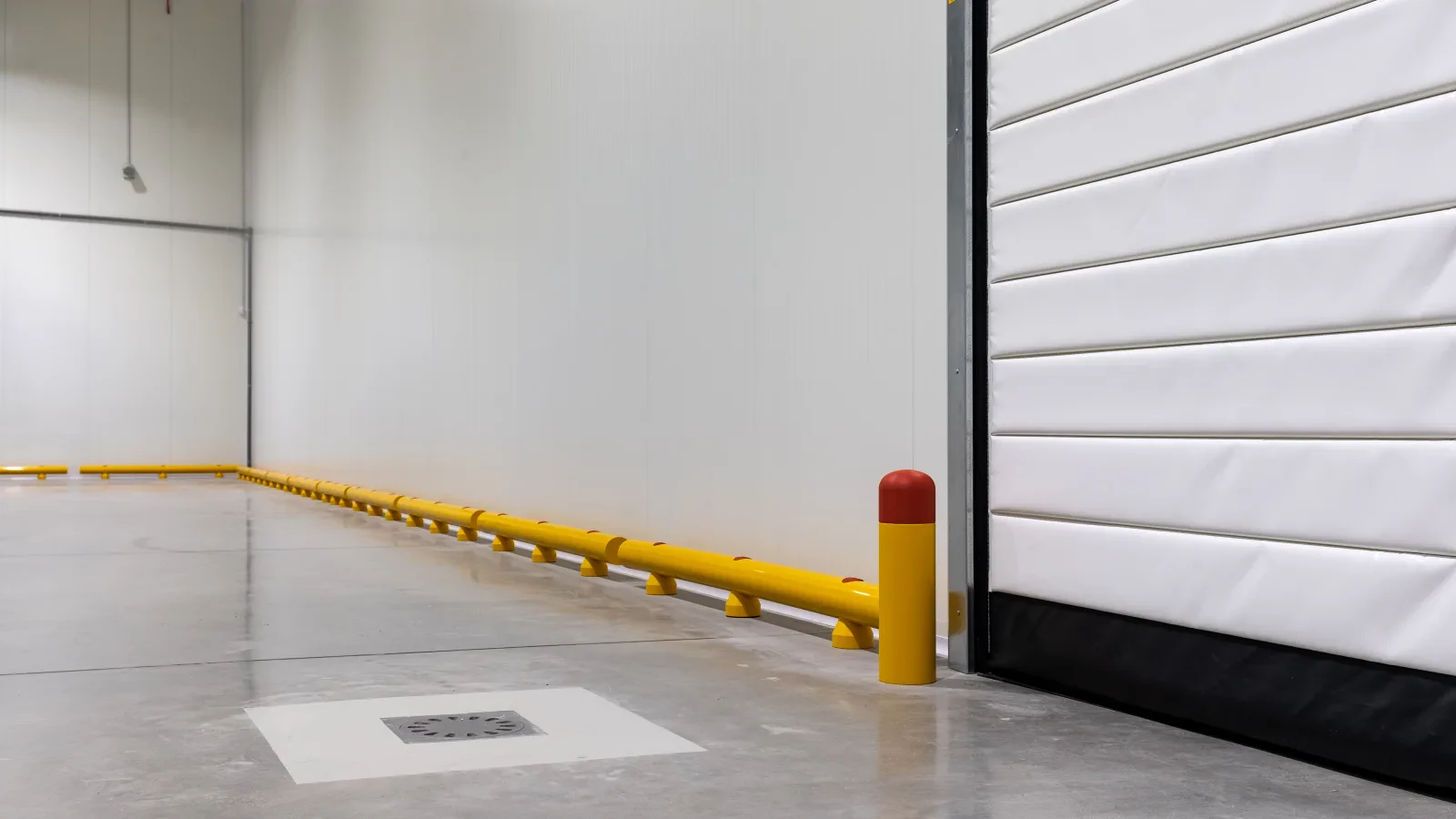
For rapid doors, industrial gates and entrances struck during passage, alignment or frequent manoeuvres.

Columns, walls and exposed corners

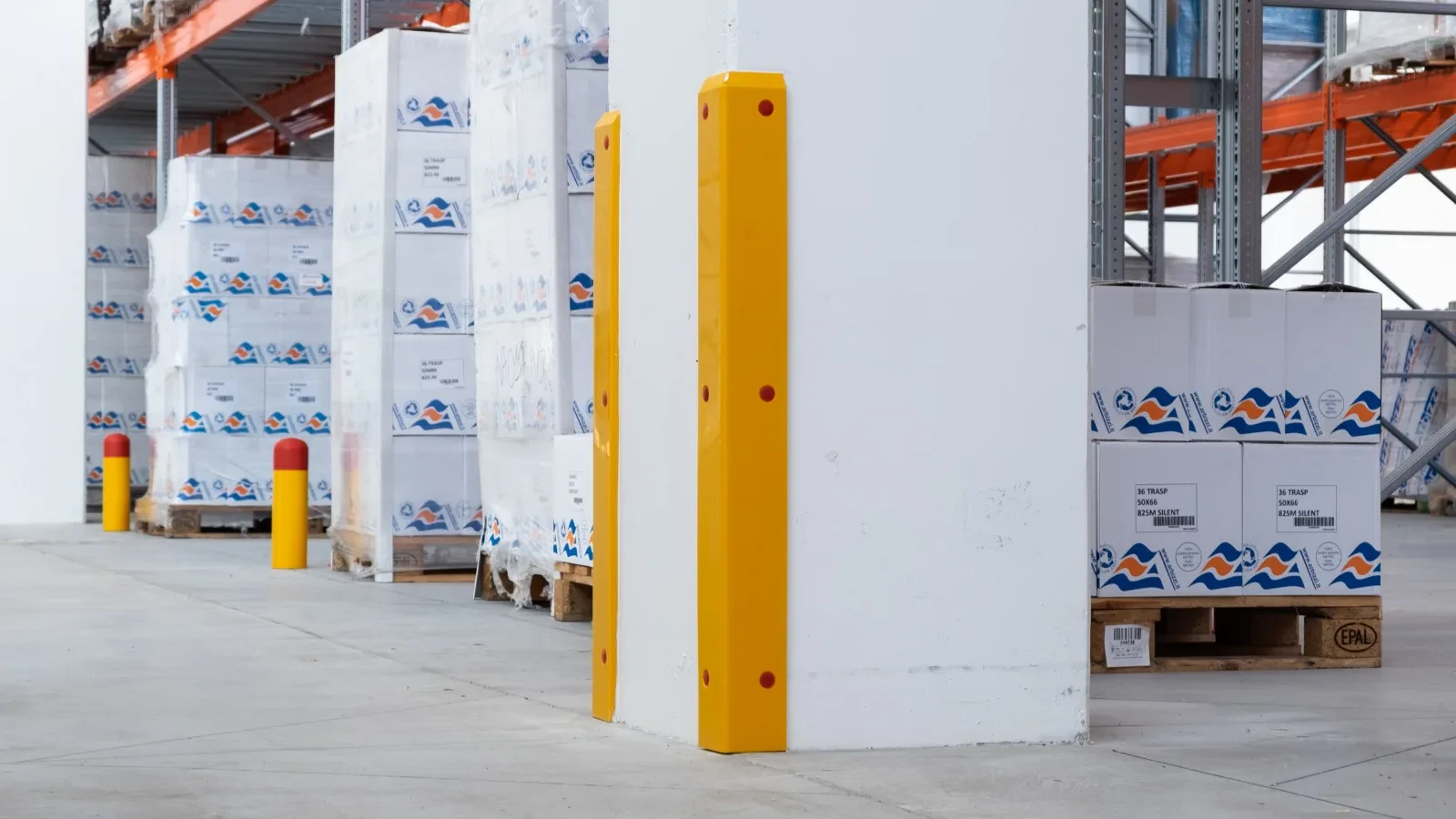
For infrastructure in traffic aisles, route ends, intersections and turning zones.

Maintenance and intervention zones

For areas where protection absorbs impact energy while safe access to equipment remains available for maintenance and intervention.

Useful resources for this category

Loading bays, industrial doors and cold rooms: where protection should be checked
Impact protection systems
Loading bays, industrial doors and cold rooms: where protection should be checked

A practical guide to protecting areas where vehicles approach doors, racks and loading-bay edges.

Learn more
Where to intervene in the flow: cleaning, protection or controlled movement
Impact protection systems
Where to intervene in the flow: cleaning, protection or controlled movement

How to tell whether the intervention belongs at the entrance, near production, at a rack, at a loading bay or in the way a wheeled load is moved.

Learn more
Industrial audits and standards: what to check in the real flow
Impact protection systems
Industrial audits and standards: what to check in the real flow

Standards become useful when connected with visible situations: dirt carried on wheels and footwear, hit zones, exposed pedestrian routes or audit documentation.

Learn more

Local and international references

  • ALPLA
  • Arbizzi
  • Auchan
  • Barilla
  • Bencarni
  • Bristol Myers Squibb
  • Coca-Cola
  • Davines
  • DHL
  • Dolceria Alba
  • Dolcezze Savini
  • Dr. Oetker
  • Dr. Schär
  • Eurotranciatura
  • Fratelli Beretta
  • G. Pfitscher
  • Grandi Salumifici Italiani
  • INEOS
  • ISB Industries
  • Johnson & Johnson

Products for impact protection

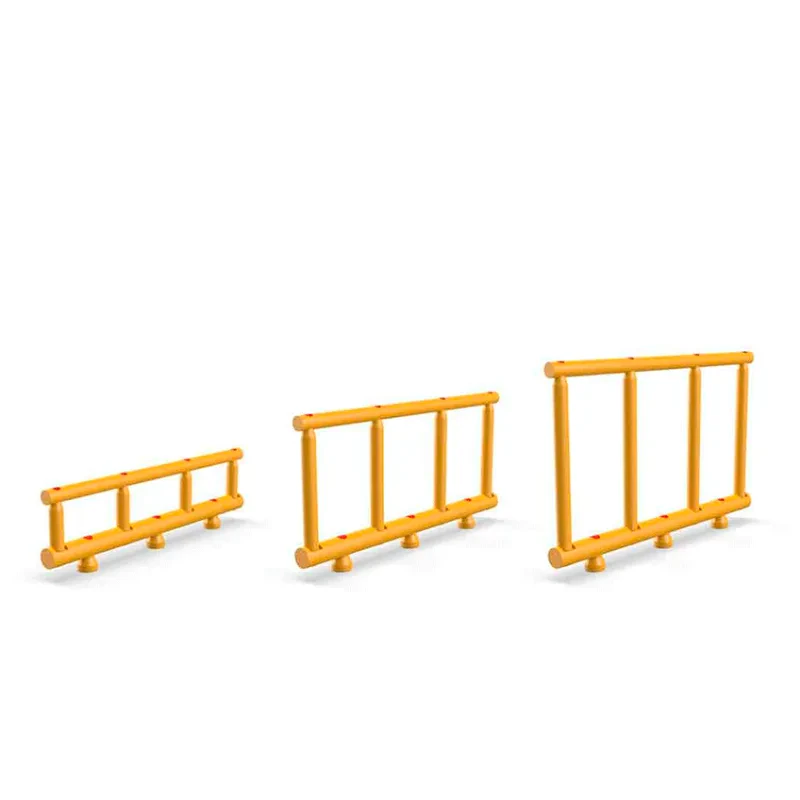
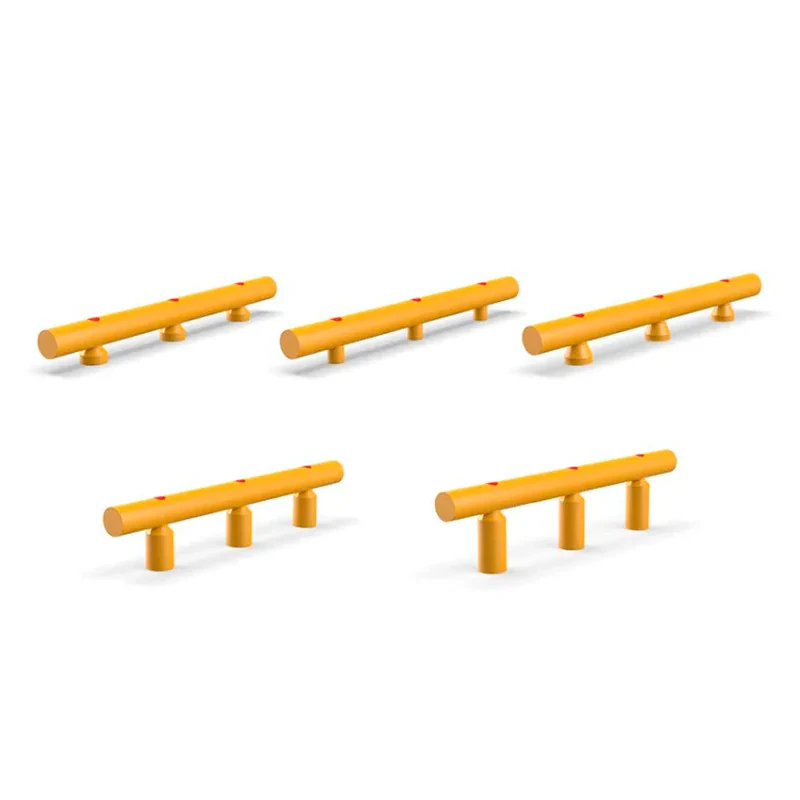
The models below are starting points for protecting equipment, infrastructure and exposed zones. Selection is validated against impact energy, vehicle, mass, speed, angle and anchoring.
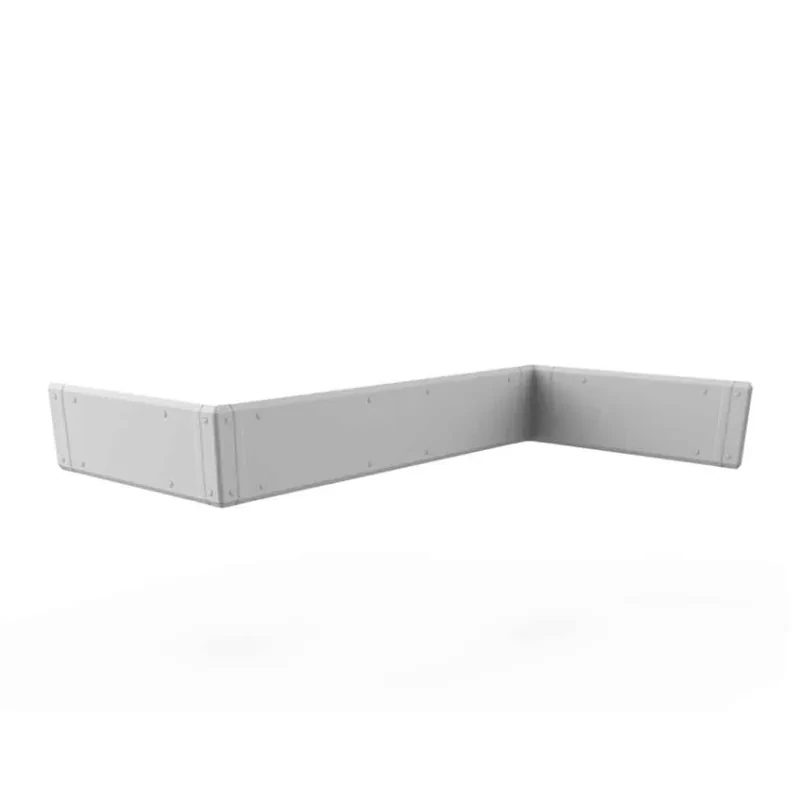
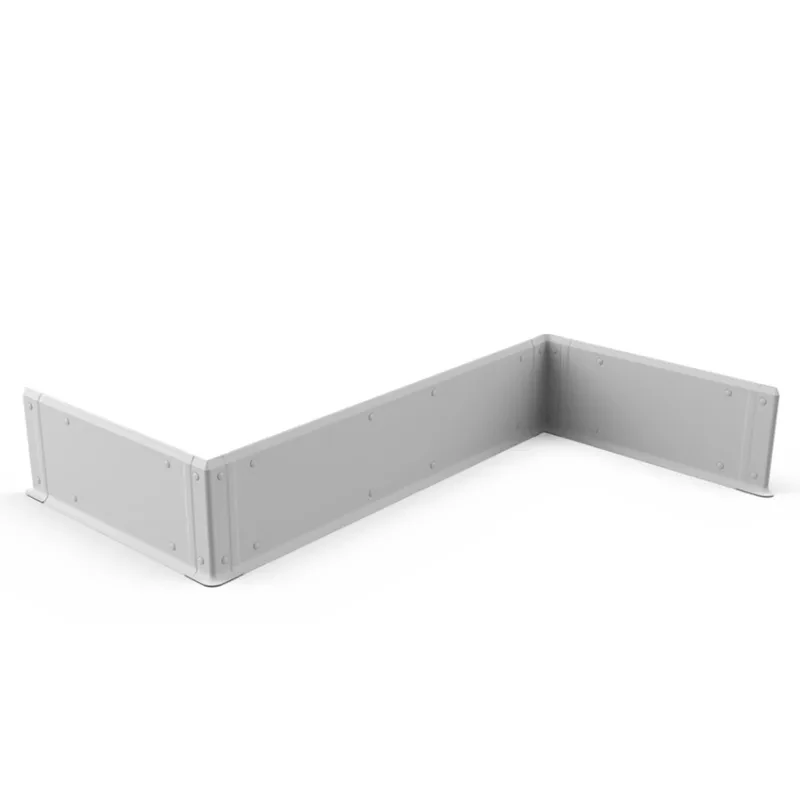
Impact protection panel
Material
Tecklene®
Mounting
Rawlplug screw anchors / Self-tapping screws
Modularity
Yes
Length options
1 000 mm / 1 500 mm
Height options
170 mm / 245 mm / 295 mm / 380 mm / 545 mm / 795 mm / 1 000 mm / 1 500 mm
Impact protection panel with hygienic skirting
Material
Tecklene®
Mounting
Rawlplug screw anchors / Self-tapping screws
Modularity
Yes
Length options
1 000 mm / 1 500 mm
Height options
170 mm / 245 mm / 295 mm / 380 mm / 545 mm / 795 mm / 1 000 mm / 1 500 mm
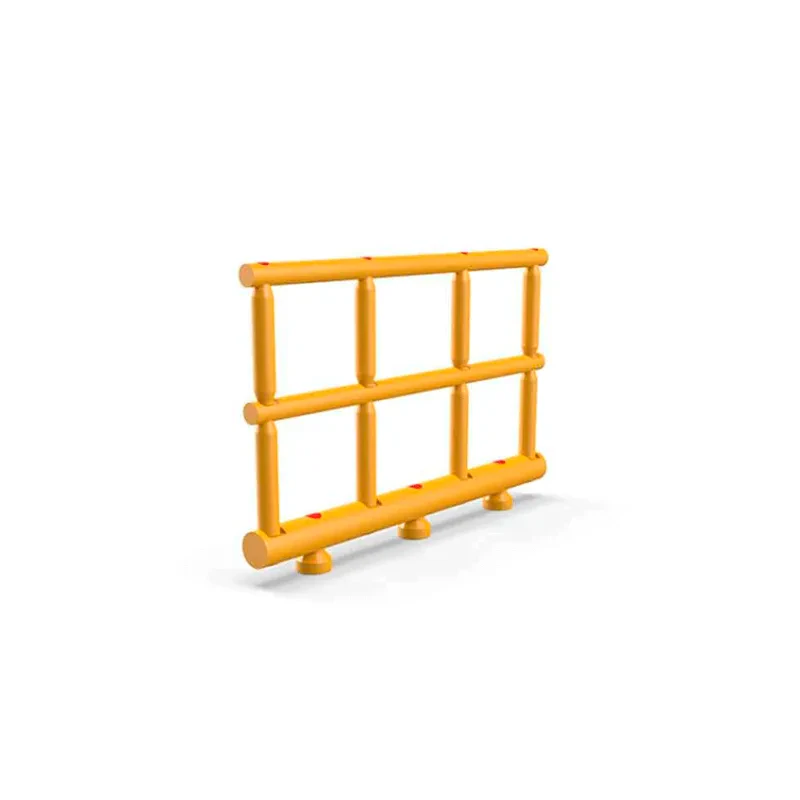
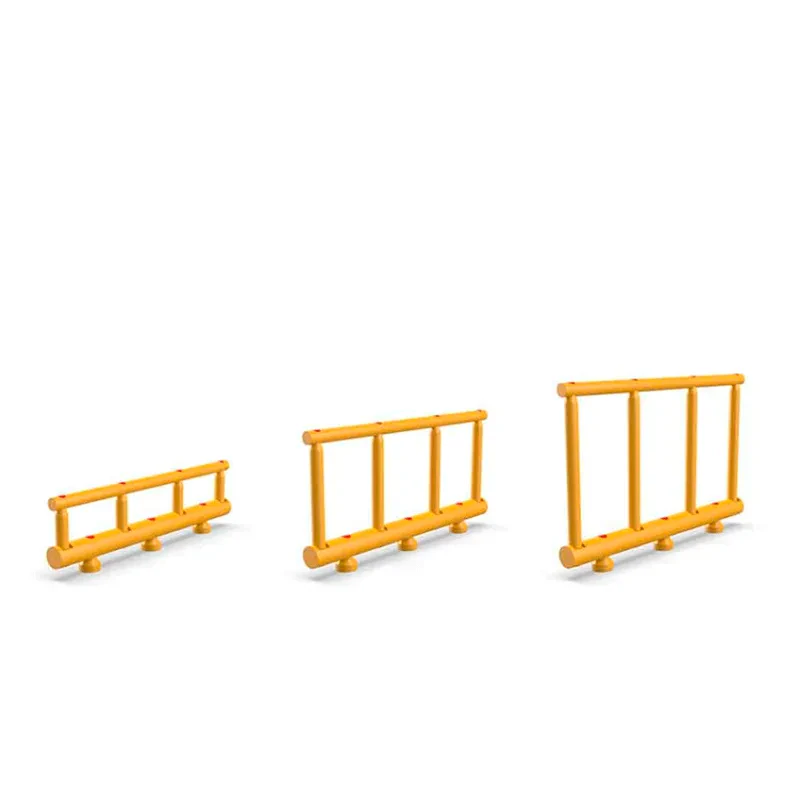
Triple impact safety barrier Ø120/70/70
Height options
1 000 mm
Length options
1 000 mm / 1 500 mm / 2 000 mm
Diameter
120 mm / 70 mm
Mounting
FIXA Block System®
Material
Tecklene®
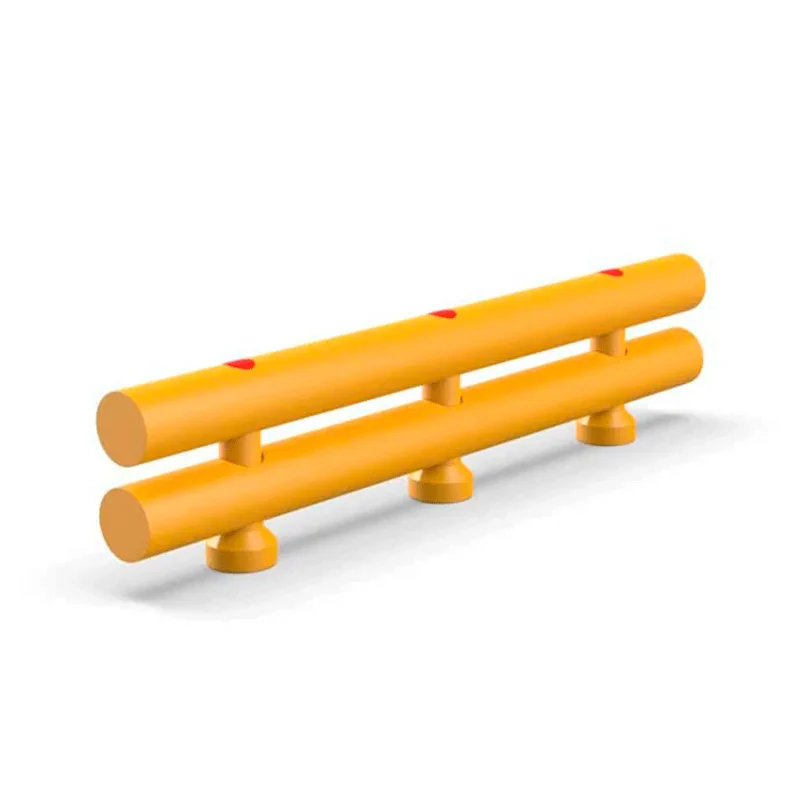
Double impact safety barrier Ø100/70
Height options
440 mm / 770 mm / 1 000 mm
Length options
1 000 mm / 1 500 mm / 2 000 mm
Diameter
100 mm / 70 mm
Mounting
FIXA Block System®
Material
Tecklene®
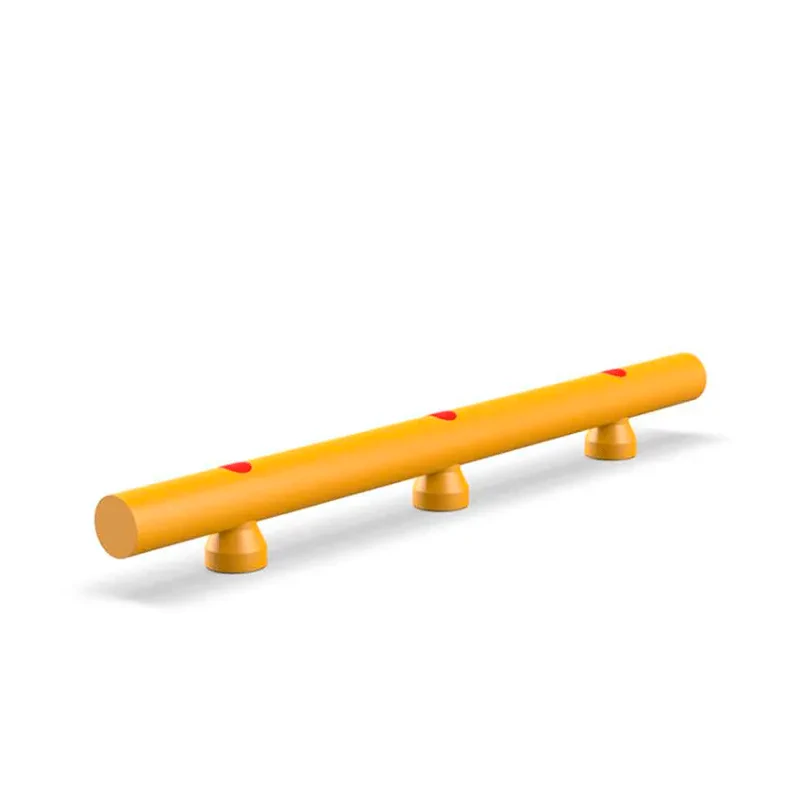
Double impact safety barrier Ø120/120
Tested impact energy
35,000 J
ASI
0.50
Height options
340 mm
Length options
500 mm / 1 000 mm / 1 500 mm / 2 000 mm
Diameter
120 mm
Impact safety barrier Ø120
Tested impact energy
36.750 Jouli
ASI
0,44
Height options
185 mm / 200 mm / 300 mm / 370 mm
Length options
500 mm / 1 000 mm / 1 500 mm / 2 000 mm
Diameter
120 mm
Impact safety barrier Ø100
Tested impact energy
15.980 Jouli
ASI
0,58
Height options
165 mm
Length options
500 mm / 1 000 mm / 1 500 mm / 2 000 mm
Diameter
100 mm
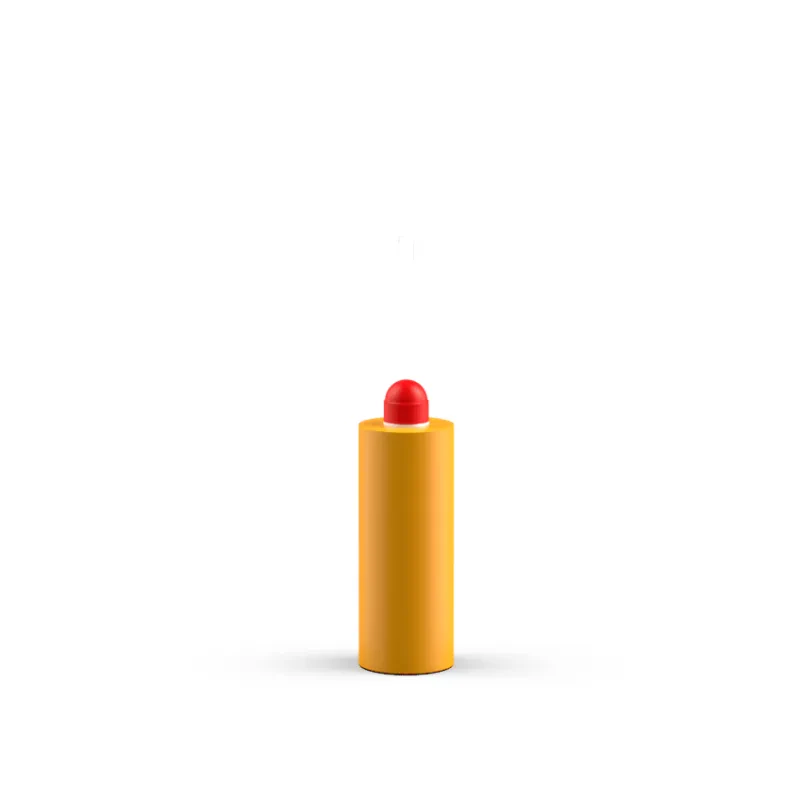
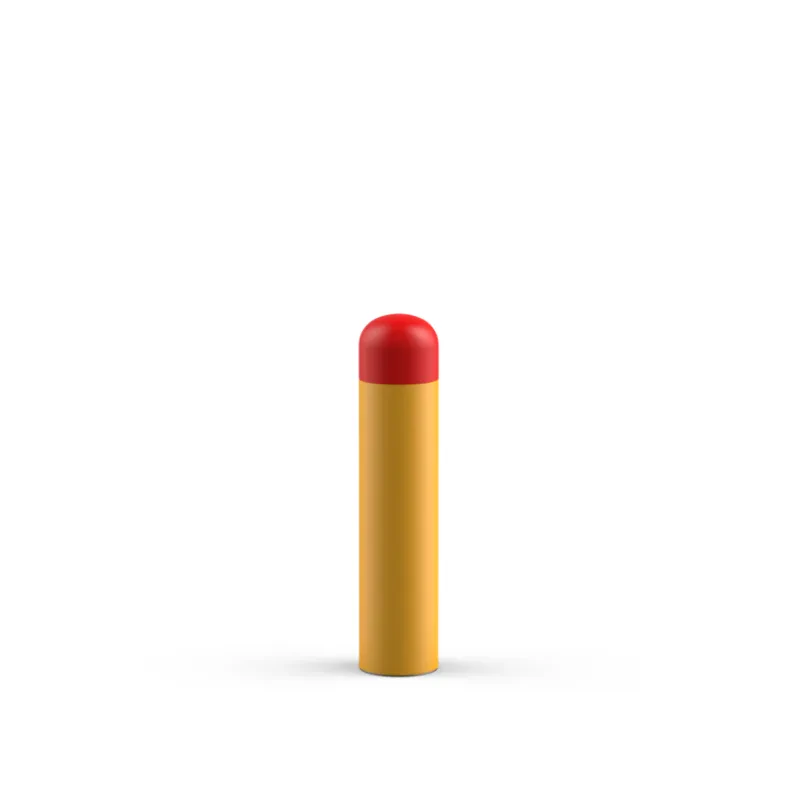
Impact safety bollard Ø140
Tested impact energy
21.000 Jouli
Height options
440 mm / 770 mm / 1 100 mm
Diameter
140 mm
Mounting
FIXA Block System®
Material
Tecklene®
Impact safety bollard Ø120
Tested impact energy
15.950 Jouli
Height options
440 mm / 770 mm / 1 100 mm
Diameter
120 mm
Mounting
FIXA Block System®
Material
Tecklene®
Impact safety bollard Ø118
Height options
356 mm
Diameter
118 mm
Mounting
FIXA Block System®
Material
Tecklene®
Operating temperature
-40 °C – +50 °C
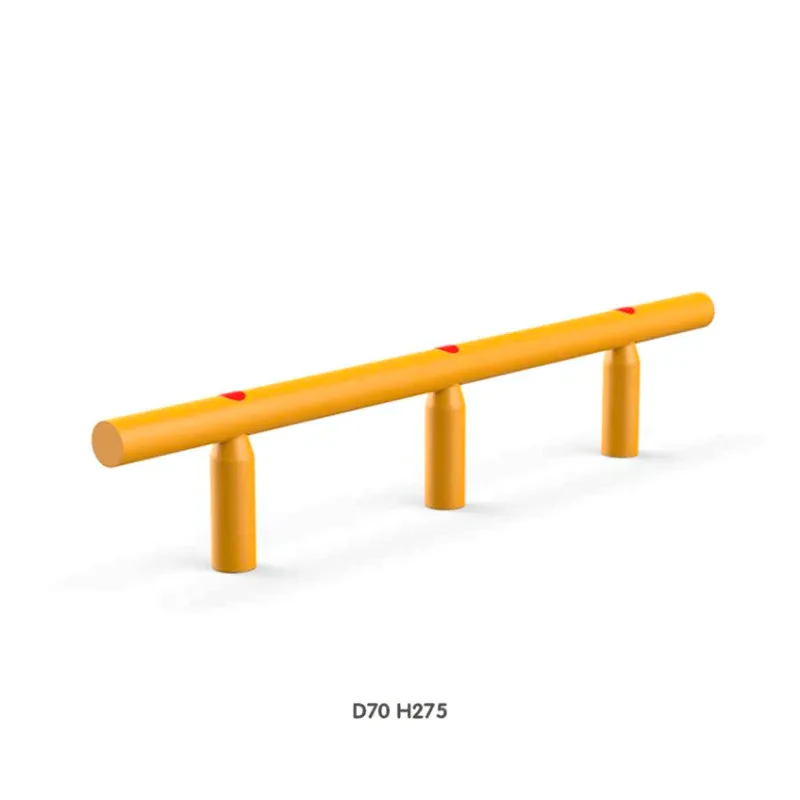
Impact safety barrier Ø70
Tested impact energy
5.810 Jouli
ASI
0,31
Height options
135 mm / 230 mm / 275 mm
Diameter
70 mm
Length options
500 mm / 1 000 mm / 1 500 mm / 2 000 mm
Double impact safety barrier Ø120/70
Height options
440 mm / 770 mm / 1 000 mm
Length options
1 000 mm / 1 500 mm / 2 000 mm
Diameter
120 mm / 70 mm
Mounting
FIXA Block System®
Material
Tecklene®

Do you have machinery, a door or a technical area exposed to impact?

See rack protection +36 30 013 5510

Request an exposed-area review

Send a few details about the exposed machine, conveyor, door, column or technical zone. We review the impact scenario and the access that must remain available.

Request an exposed-area review

Send a few details about the exposed machine, conveyor, door, column or technical zone. We review the impact scenario and the access that must remain available.

Frequently asked questions

Useful questions before choosing protection for machinery, conveyors and exposed infrastructure.

When they are close to vehicle routes, feeding areas, narrow aisles or points where carried loads can drift. The consequence matters: line stoppage, maintenance, lost production or operator risk.

In practice, these areas should be reviewed together with technical access. The barrier needs to absorb impact and protect the exposed area without blocking line feeding, cleaning, maintenance or urgent response.

Rack protection often starts from row ends, uprights and aisles. Infrastructure protection starts from function: door, conveyor, panel, column, machine or technical zone.

Process downtime can be the main consequence. The choice should therefore consider vehicle, load, impact energy, remaining space and access, not only the shape of the protection.

Vehicle, load, turning path, impact angle, space and access determine whether a bollard, barrier, guide, corner protector or combination fits the zone.

For doors and access openings, also check how the zone is used: frequent passages, visibility, alignment, stopping, nearby pedestrians and whether cleaning or maintenance remains possible after installation.

Access for operation, maintenance, cleaning, emergency response and evacuation where relevant must remain practical. Protection that blocks technical access or pushes people into a riskier route should be reconsidered.

Check the remaining working space as well: door opening, panel access, part removal, floor cleaning, pedestrian routes and load handling near the protection.

Photos, layout, vehicle type, carried load, damaged points, available space and access, cleaning or maintenance needs can change the selection direction.

Impact-energy or performance statements require technical data for the selected product. If the area has special requirements, anchoring, floor condition, environment, internal procedure fit and inspection responsibility should also be checked.

Sending…