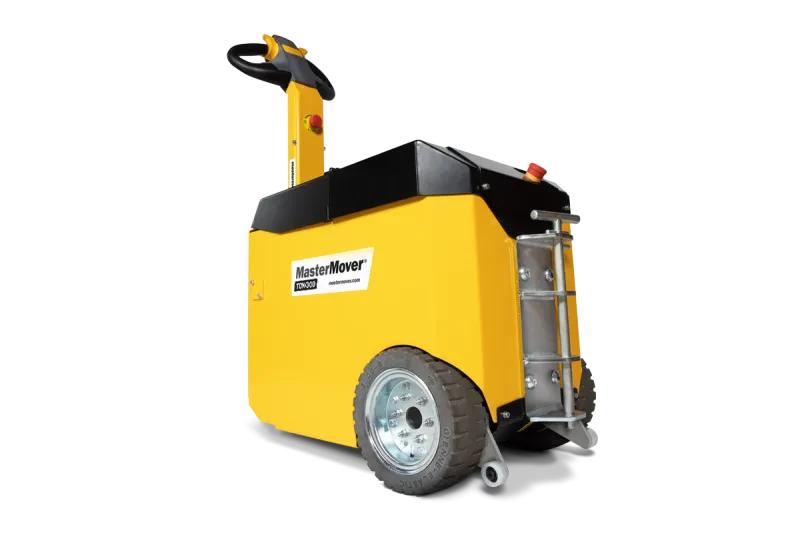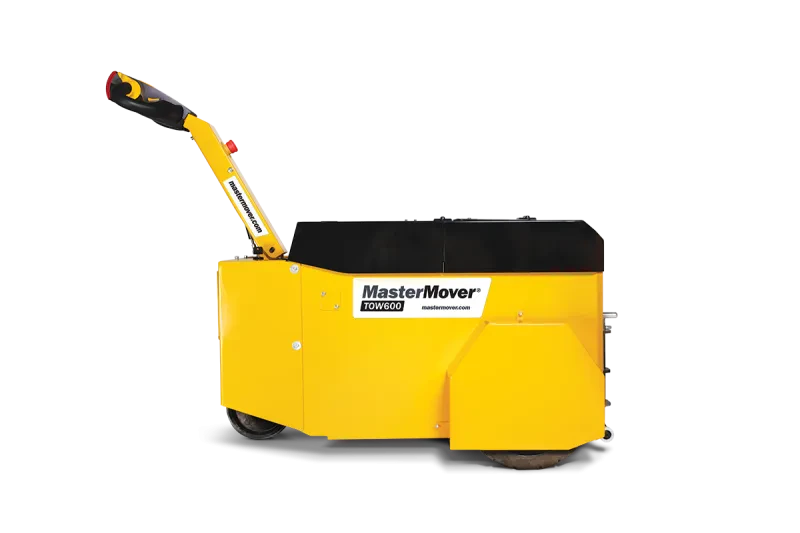
Compact electric tug systems, up to 6,000 kg
Heavy-load movement

Compact electric tug systems, up to 6,000 kg

For carts and wheeled loads moved frequently where control, manoeuvrability and quick coupling matter.

See selection criteria

Compact should mean controlled, not only small

Compact movers become relevant when the load is already on wheels, the route is frequent and people still push, pull or position it manually. Selection starts with wheels, slope, space and coupling, not only with weight.

The compact range in motion

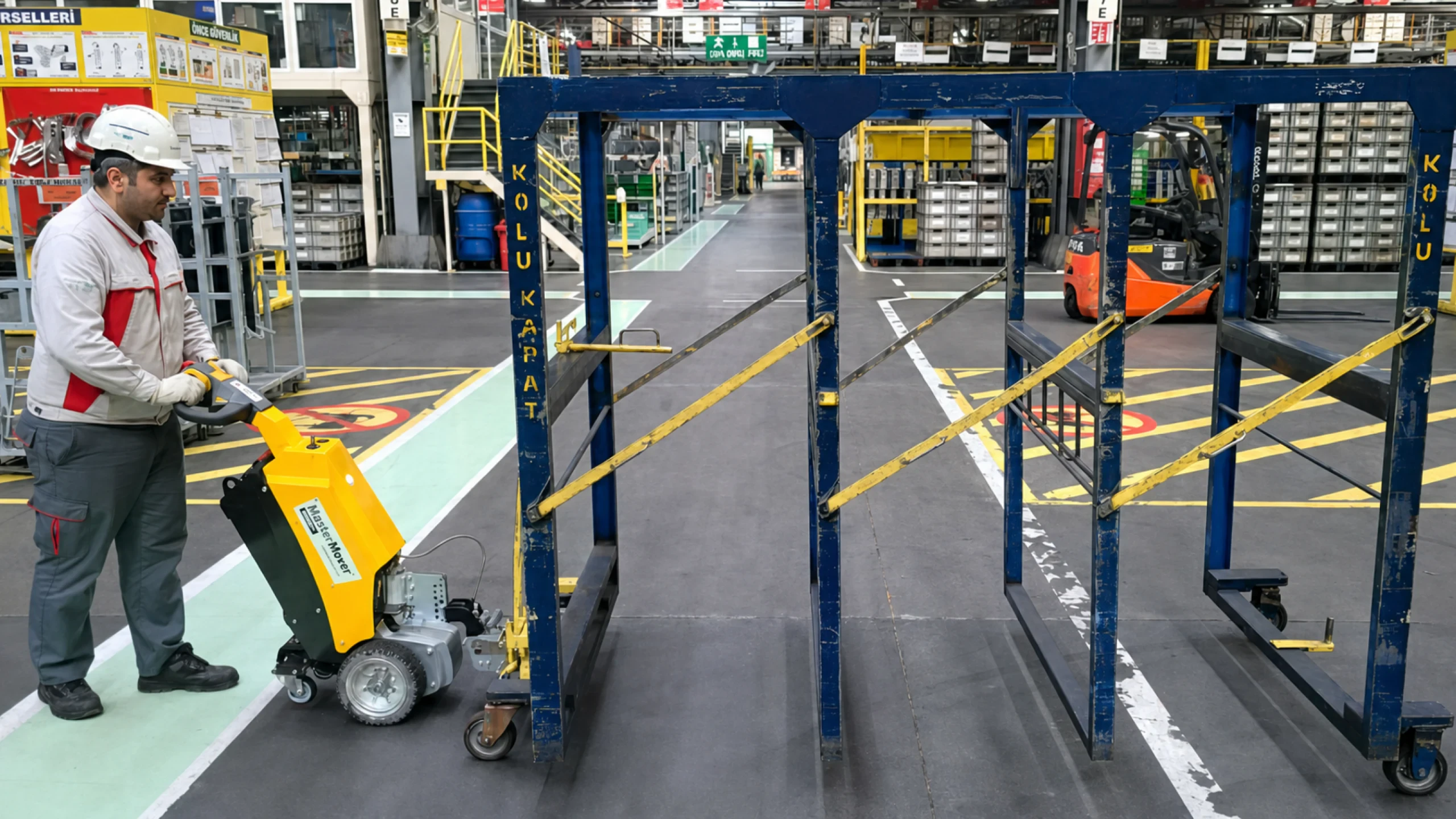
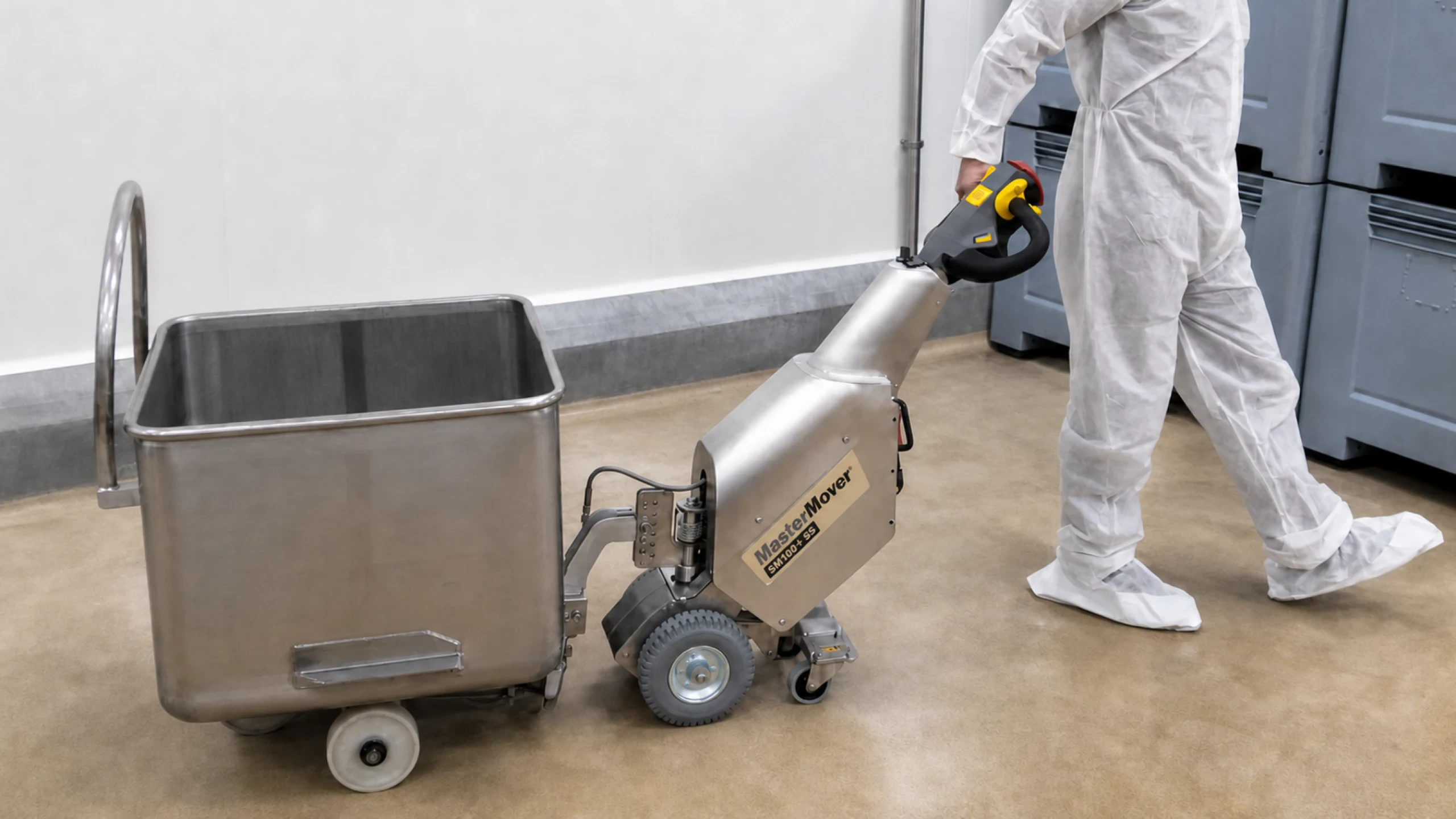
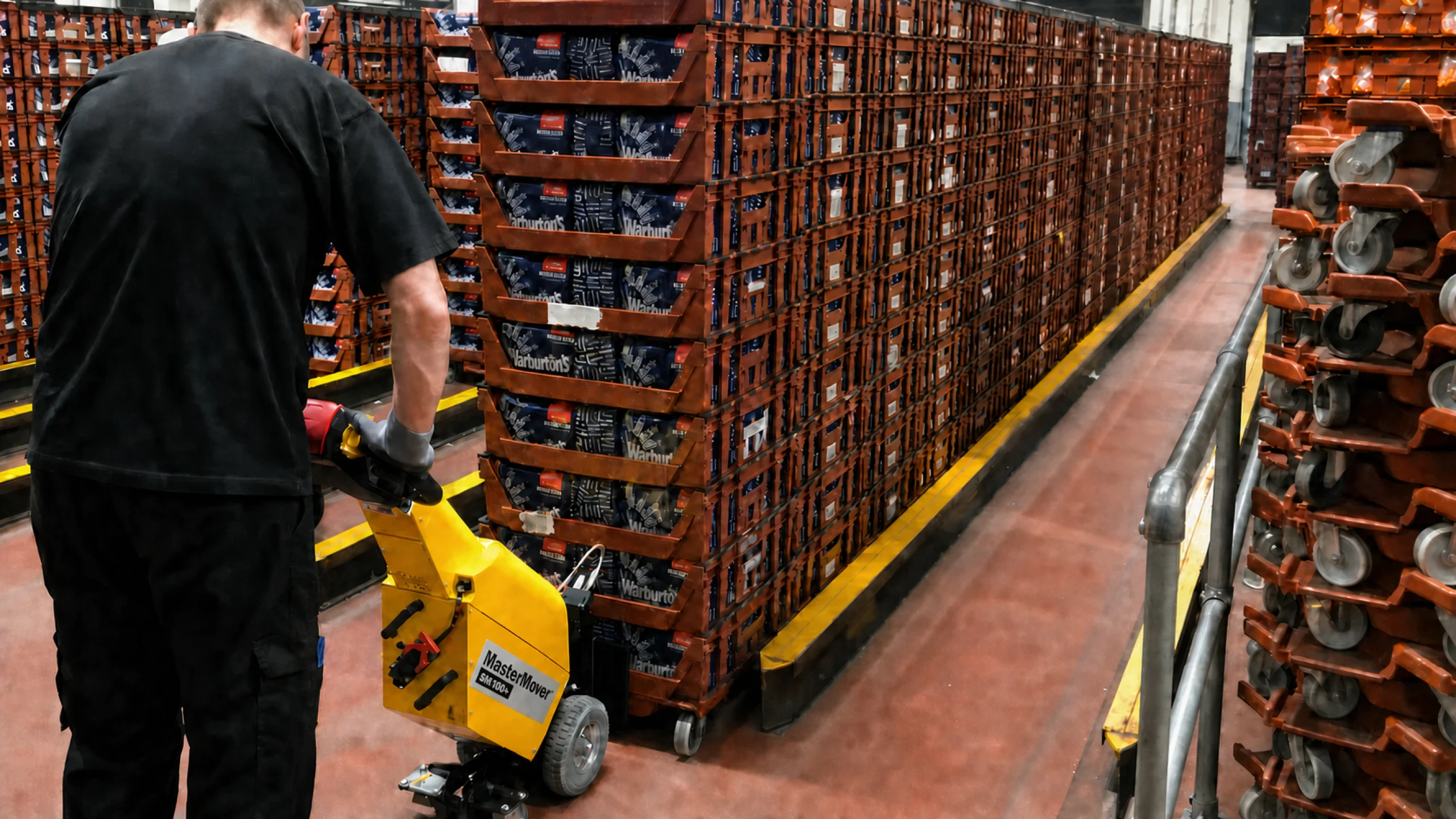
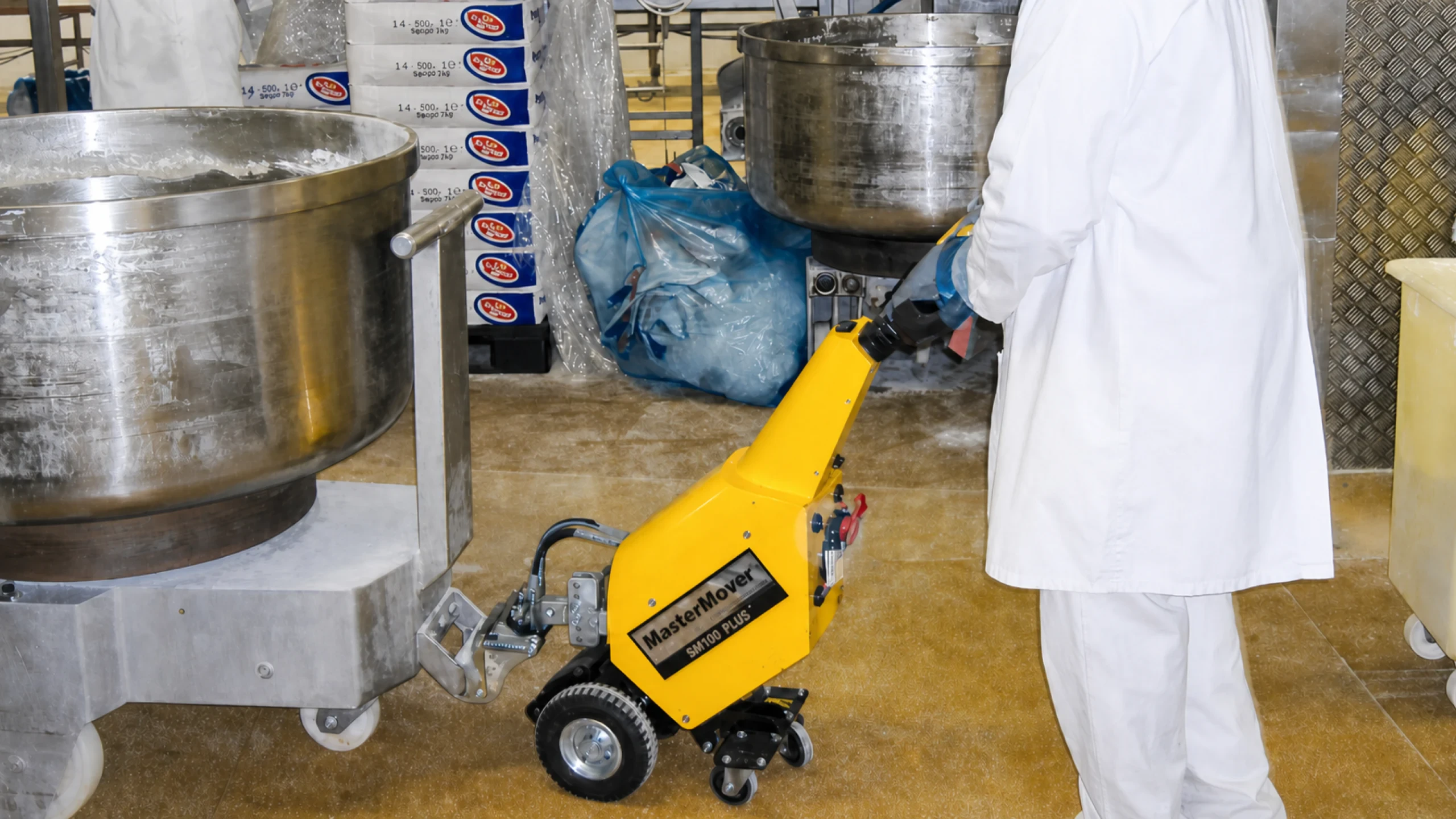
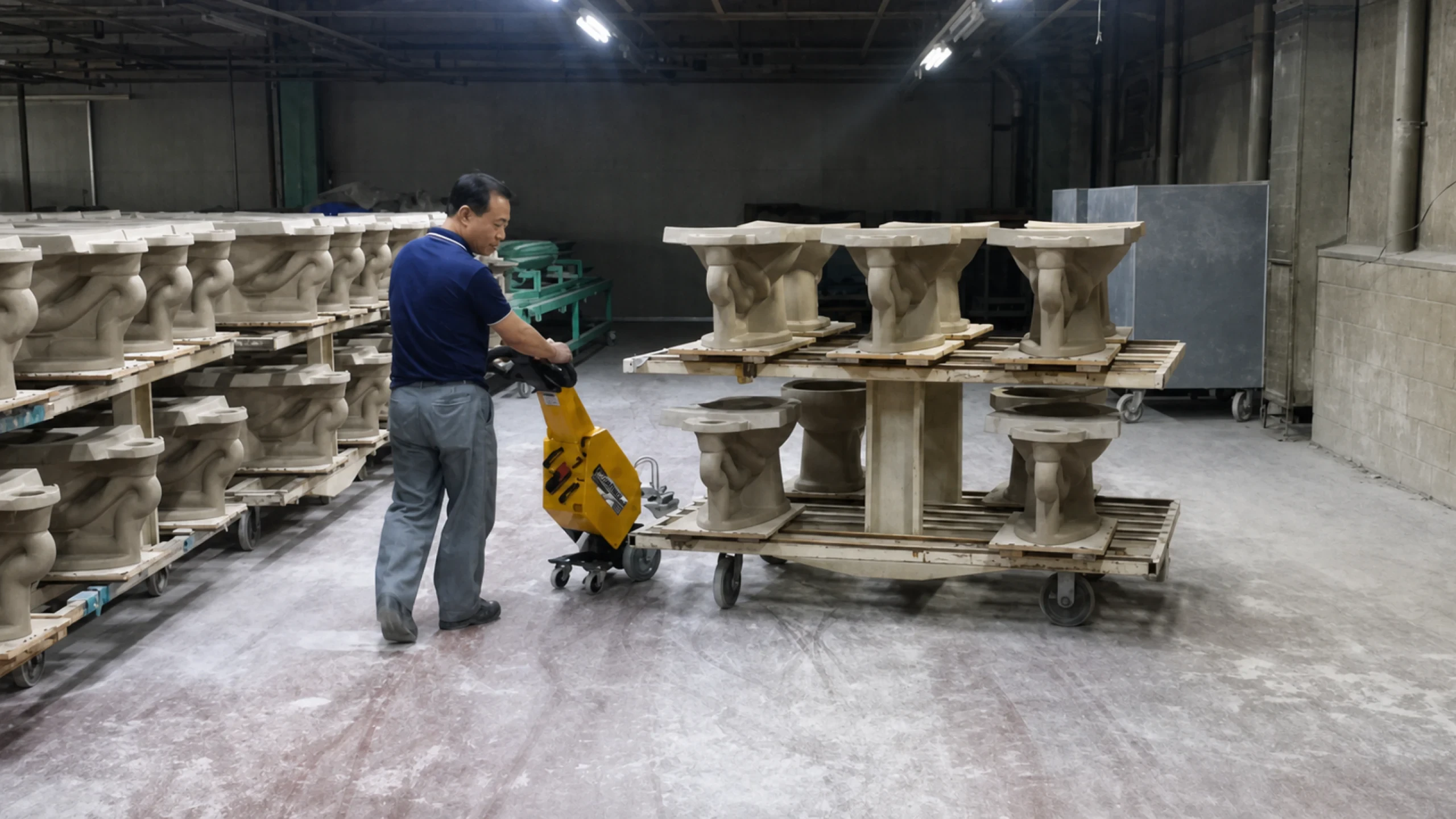
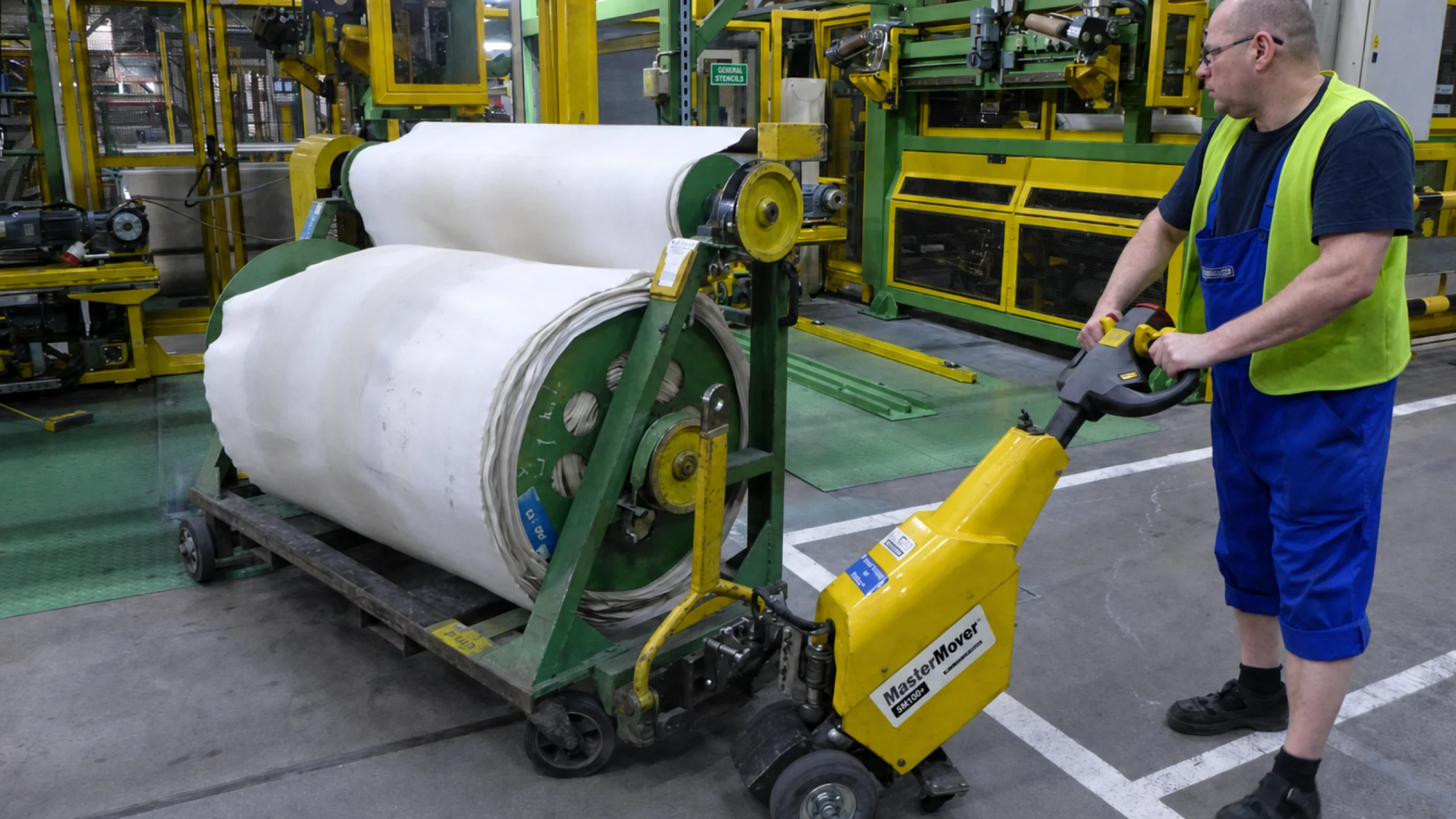
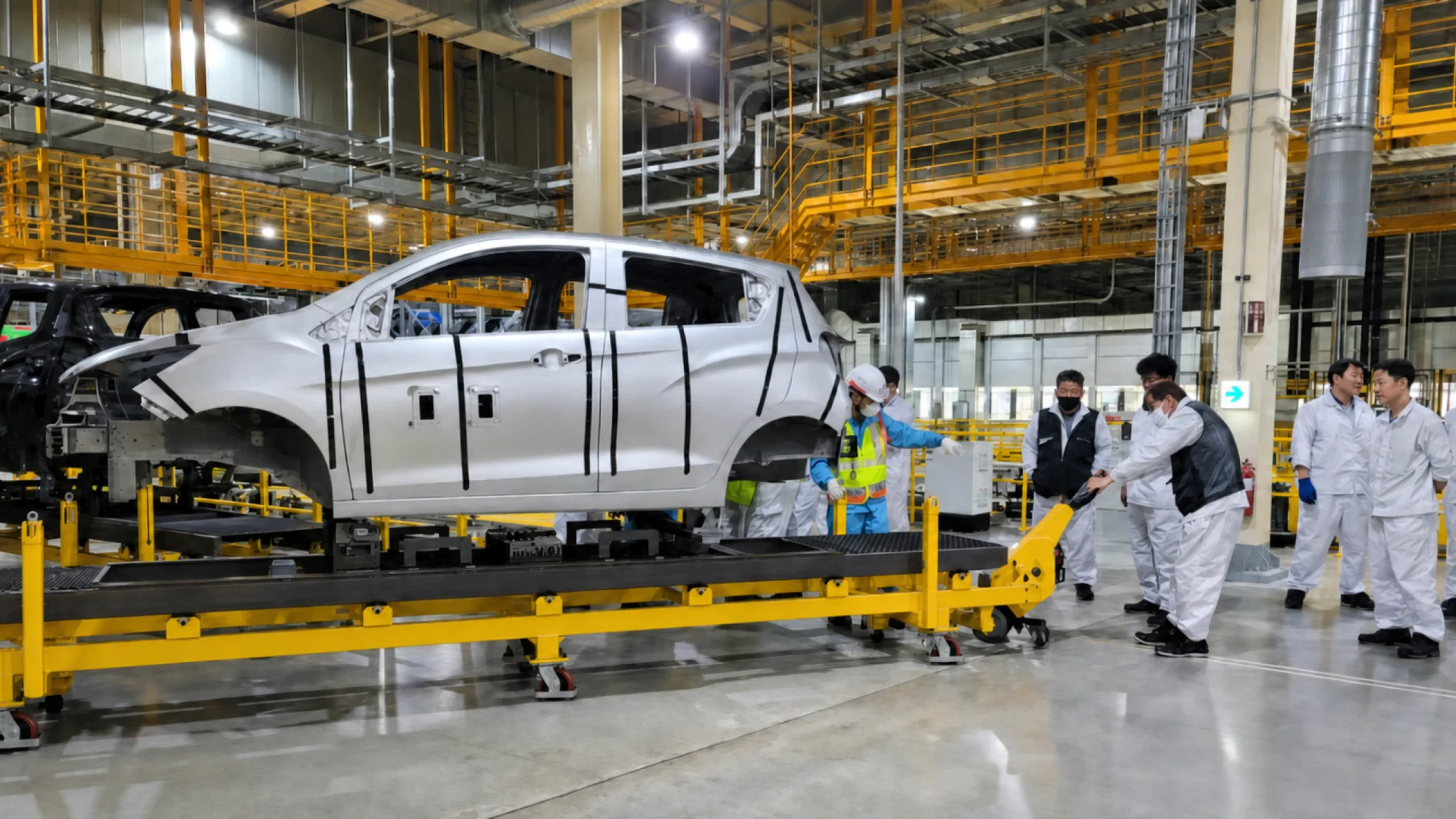
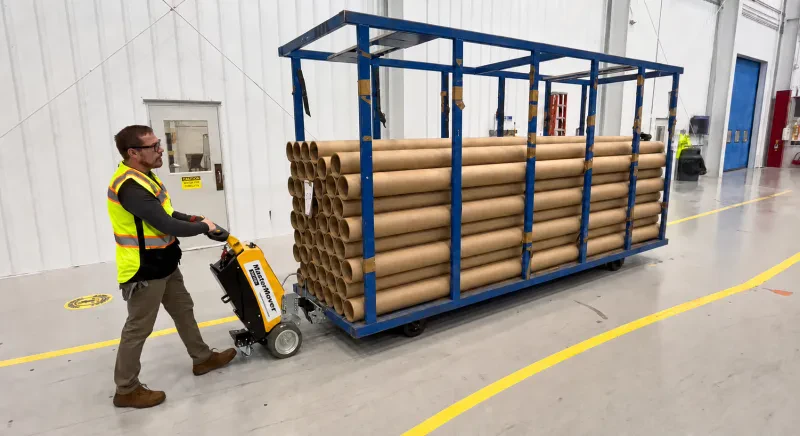
The film shows a wheeled load moving on an indoor route. Total mass, wheels, coupling and the real route still determine the appropriate configuration.

What changes when the mover fits the application

When load, route and coupling are clear, selection becomes more precise and movement becomes easier to control.

Less effort on frequent moves

Operators can move carts, roll cages or wheeled equipment without relying on body force.

Better control in tight spaces

Compact size helps on routes with doors, aisles, production areas and short turns.

Forklifts stay focused on lifting

Loads that do not need lifting can be handled as controlled horizontal movement.

What to check before choosing the mover

These criteria separate compact, heavy-duty, stainless, trailer and adapted configurations.
Light or moderate wheeled loads

Light or moderate wheeled loads

Total mass, wheel condition and centre of gravity show how easily the load starts and stops.
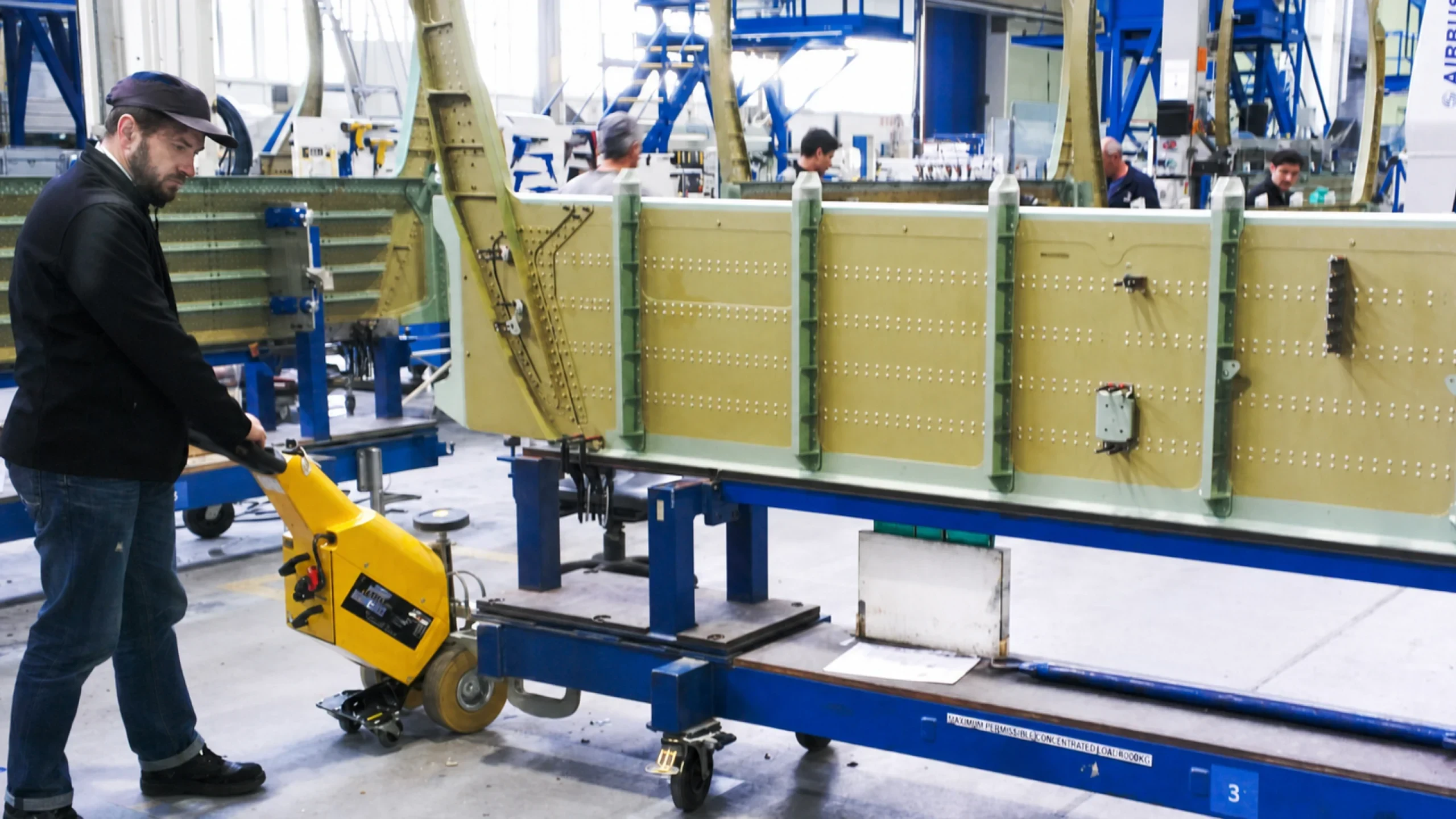
Indoor routes and limited space

Indoor routes and limited space

Aisles, turns, thresholds and operator position decide whether compact remains practical.
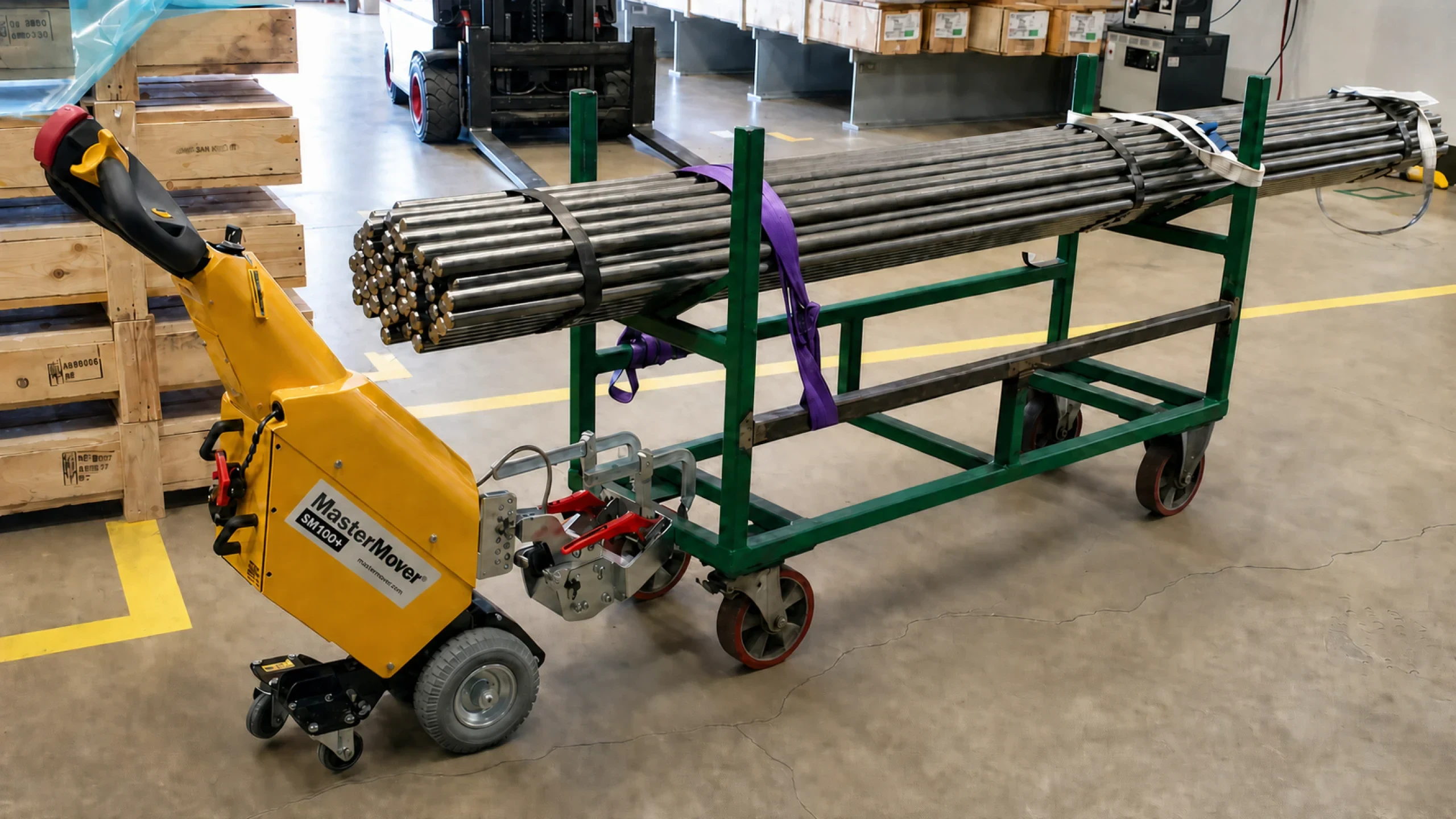
Simple coupling and quick routine

Simple coupling and quick routine

If connection is slow or the load has play, the daily routine becomes harder than the datasheet suggests.
Useful resources for this category

When a wheeled load needs control, not manual force
Compact electric tug systems, up to 6,000 kg
When a wheeled load needs control, not manual force

A guide for wheeled loads that are difficult to start, steer or stop by manual pushing and pulling.
Learn more
Plastic manufacturer: heavy carts moved without manual pushing
Compact electric tug systems, up to 6,000 kg
Plastic manufacturer: heavy carts moved without manual pushing

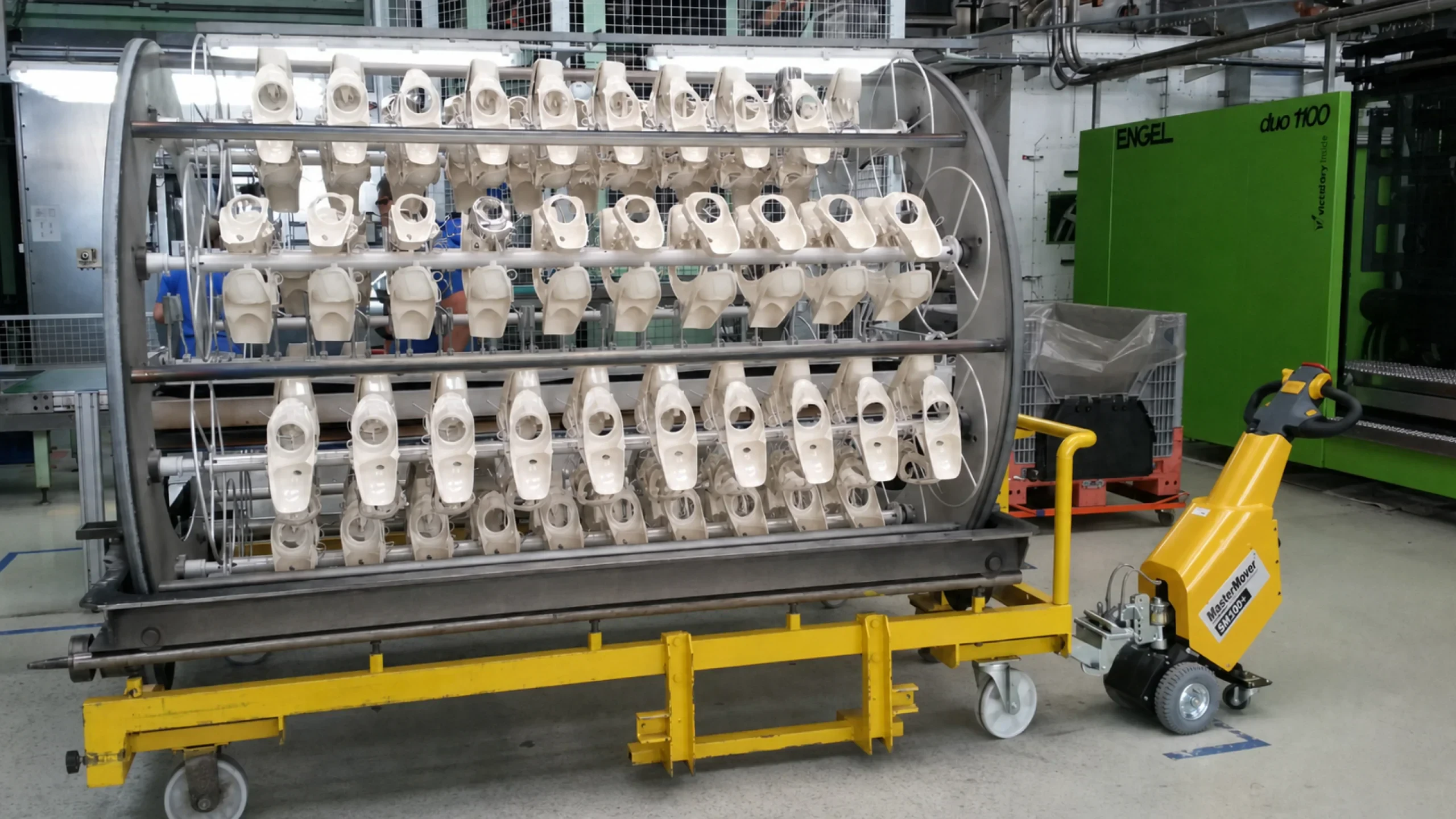
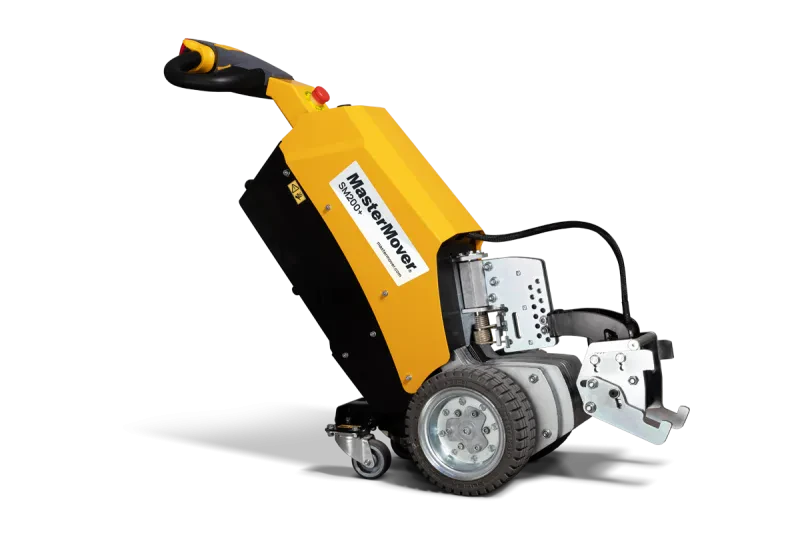
A MasterMover SM200+ case shows how a Fortune 500 plastic packaging manufacturer moved from manual pushing to mechanised movement for heavy carts.
Learn more
Where to intervene in the flow: cleaning, protection or controlled movement
Compact electric tug systems, up to 6,000 kg
Where to intervene in the flow: cleaning, protection or controlled movement

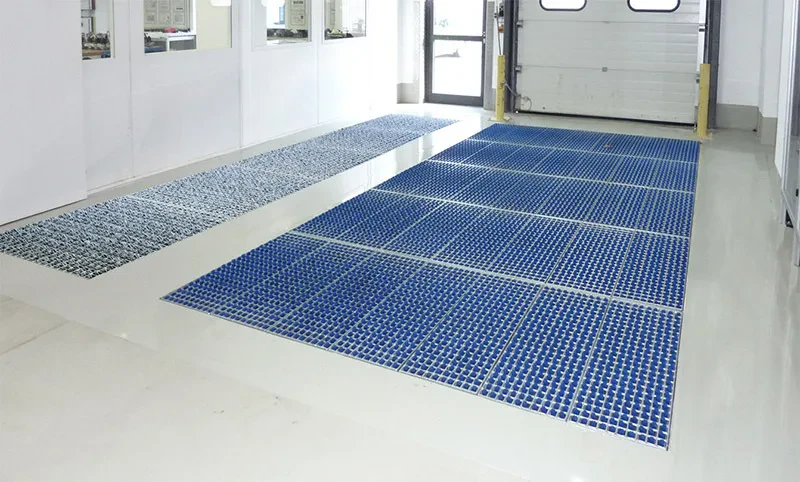
How to tell whether the intervention belongs at the entrance, near production, at a rack, at a loading bay or in the way a wheeled load is moved.


Learn more

Local and international references

  • Amazon
  • Cadbury
  • DHL
  • GSK
  • Pfizer
  • Sodexo
  • Toyotetsu
  • Warburtons

Compact movers for wheeled loads

Compact models are listed here as a starting point. Selection depends on load, slope, wheels, floor and coupling method.
ATP400 - all-terrain electric tug
Traffic type
Exterior / teren variabil
Load capacity
5,000 kg | 80,000 kg
Maximum slope
10º
Runtime
12.1 km | 13.4 km
Charge time
8 h 15 min | 7 h 30 min
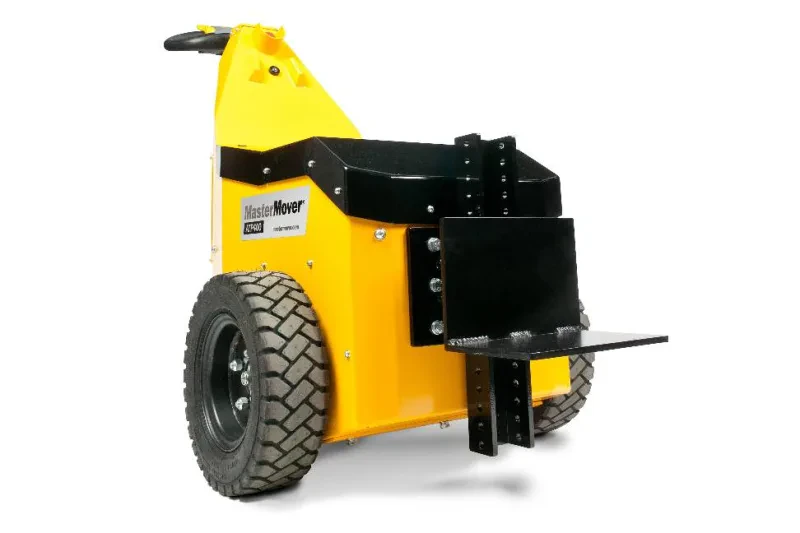
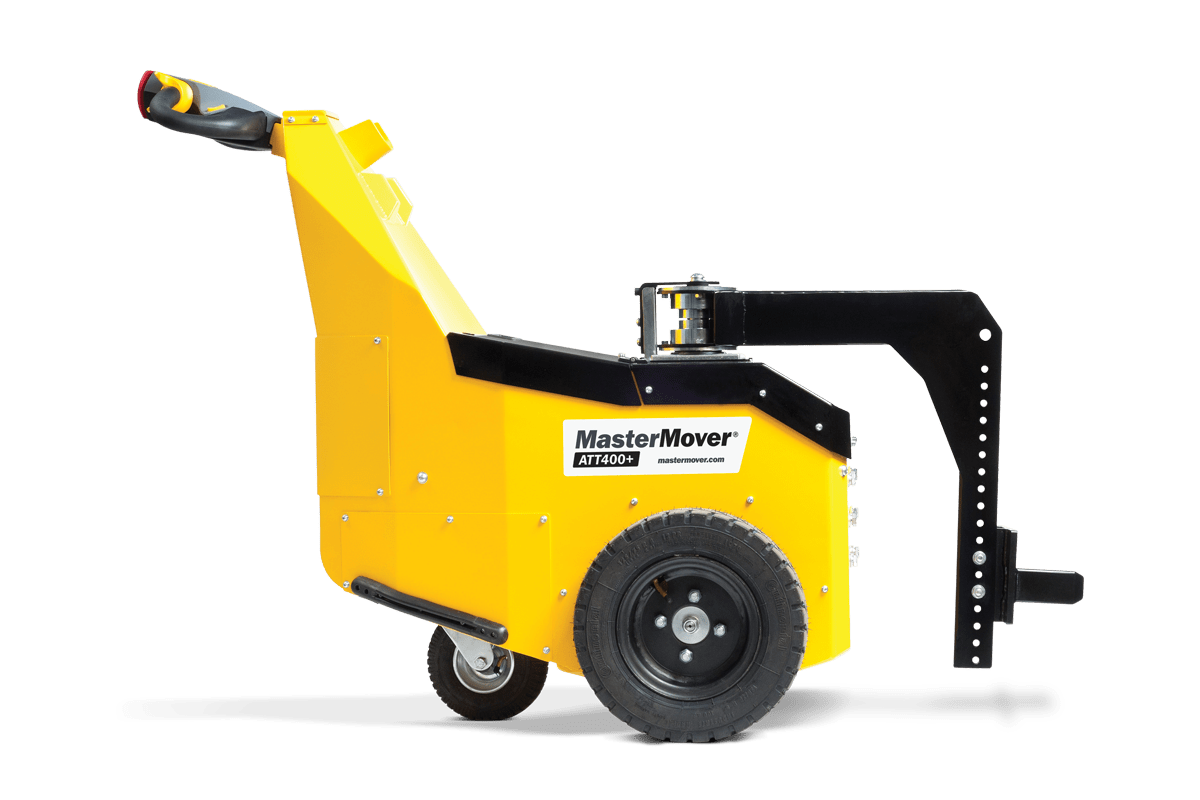
ATT400 - all-terrain electric tug
Traffic type
Exterior / teren variabil
Load capacity
5,000 kg | 40,000 kg
Maximum slope
10º
Runtime
12.1 km | 13.4 km
Charge time
8 h 15 min | 7 h 30 min
LM100 - compact electric tug
Traffic type
Sarcini compacte pe roți; interior / exterior
Load capacity
1,000 kg | 4,000 kg
Maximum slope
30º
Runtime
9.3 km
Charge time
4 h 30 min
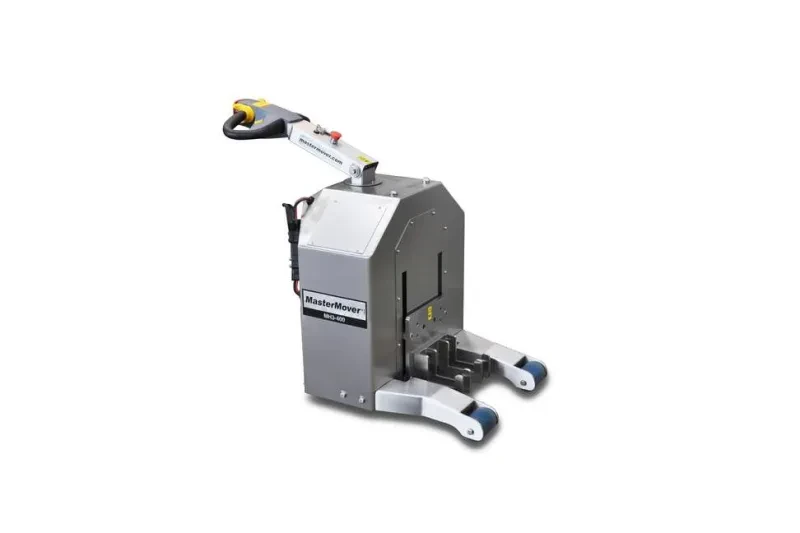
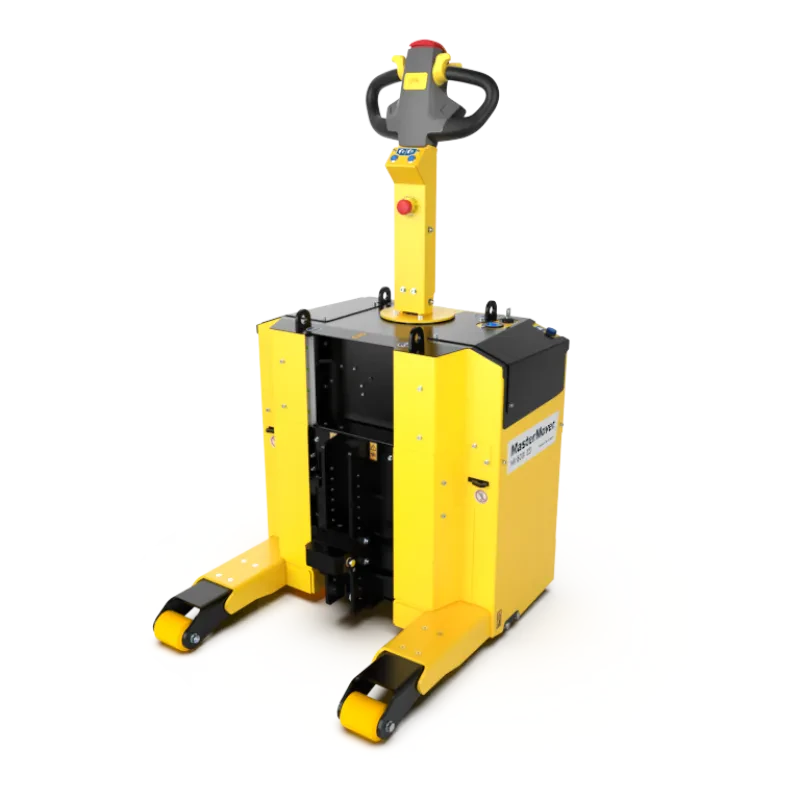
MH400+ - electric handling tug
Traffic type
Manipulare materiale și sarcini speciale
Load capacity
4,000 kg | 16,000 kg
Maximum push/pull force
3,924 N
Machine weight
Custom
Drive type
Electric
MH600+ - electric handling tug
Traffic type
Manipulare materiale și sarcini speciale
Load capacity
6,000 kg | 24,000 kg
Maximum push/pull force
4,119 N
Machine weight
290 I 305 kg
Machine + battery weight
399 I 418 kg
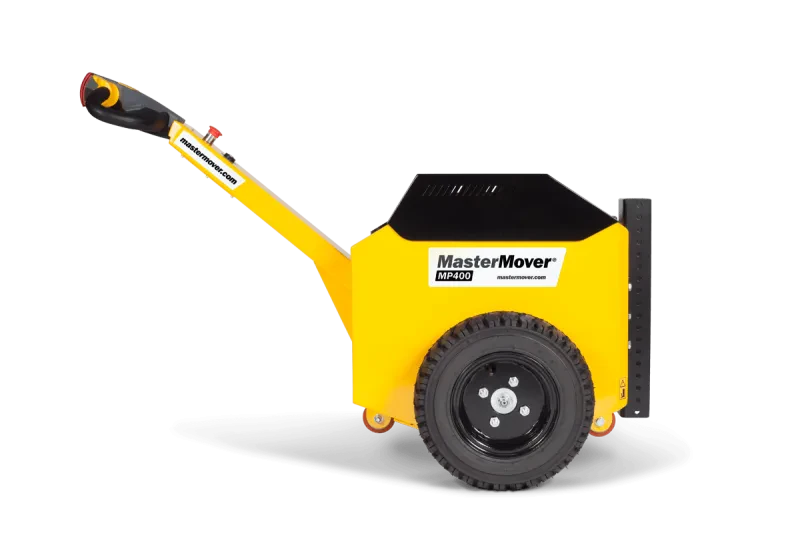
MP400 - all-terrain electric tug
Traffic type
Exterior / teren variabil
Load capacity
5,000 kg | 80,000 kg
Maximum slope
15º
Runtime
13.4 km
Charge time
7 h 30 min
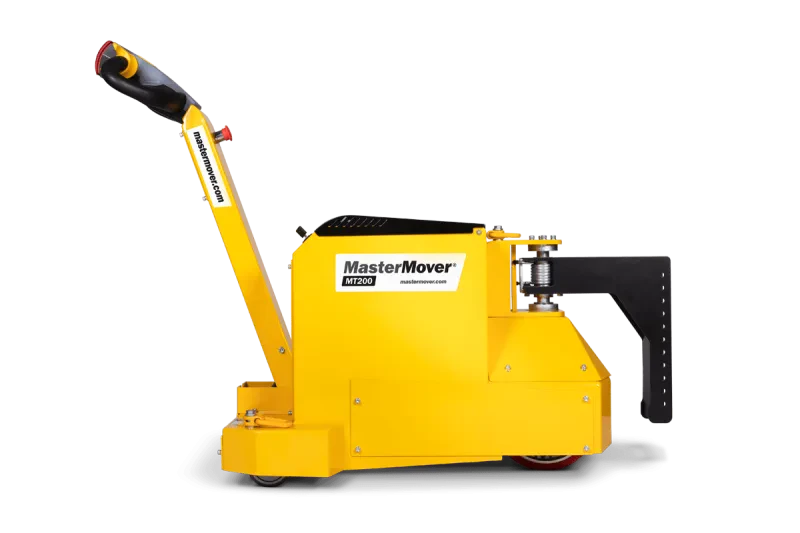
MT200 - electric tug
Traffic type
Sarcini grele pe roți; operare pietonală
Load capacity
2,000 kg | 8,000 kg
Maximum slope
Runtime
10.6 km
Charge time
3 h 45 min
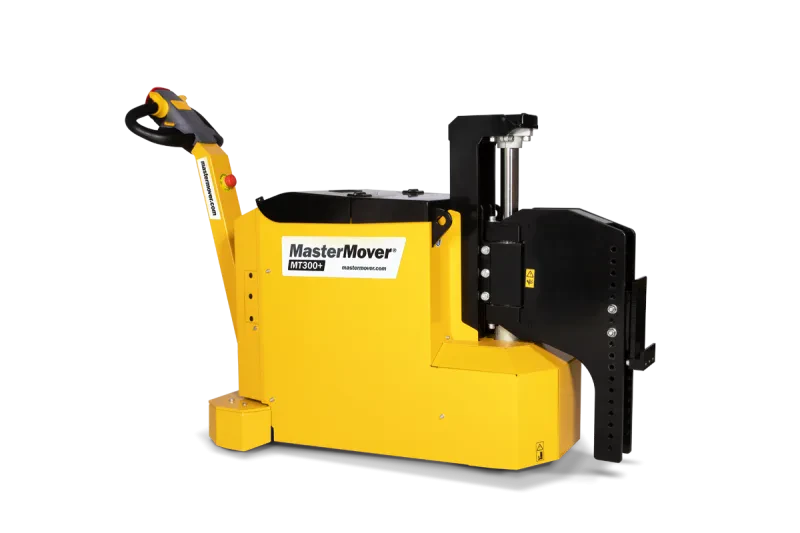
MT300+ - electric tug
Traffic type
Sarcini grele pe roți; operare pietonală
Load capacity
3,000 kg | 12,000 kg
Maximum slope
Runtime
11.7 km | 16.3 km
Charge time
5 h | 7 h
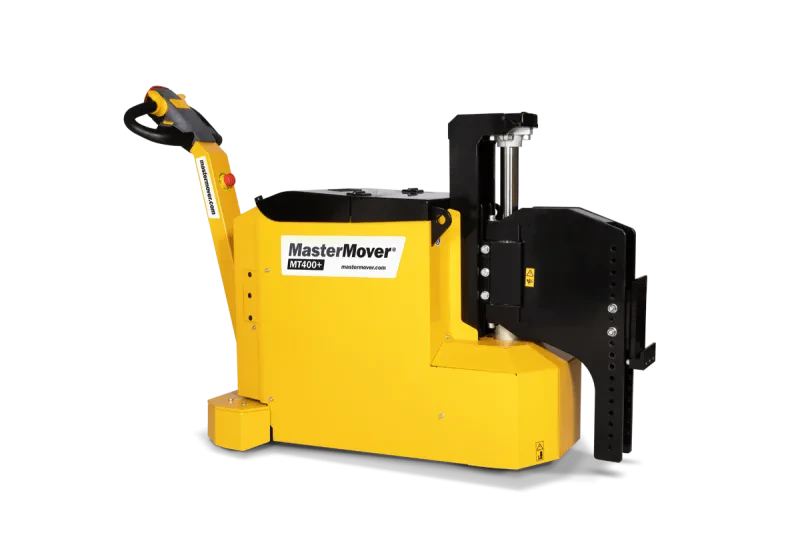
MT400+ - electric tug
Traffic type
Sarcini grele pe roți; operare pietonală
Load capacity
4,000 kg | 16,000 kg
Maximum slope
Runtime
12.2 km | 14.2 km
Charge time
7 h | 8 h 10 min
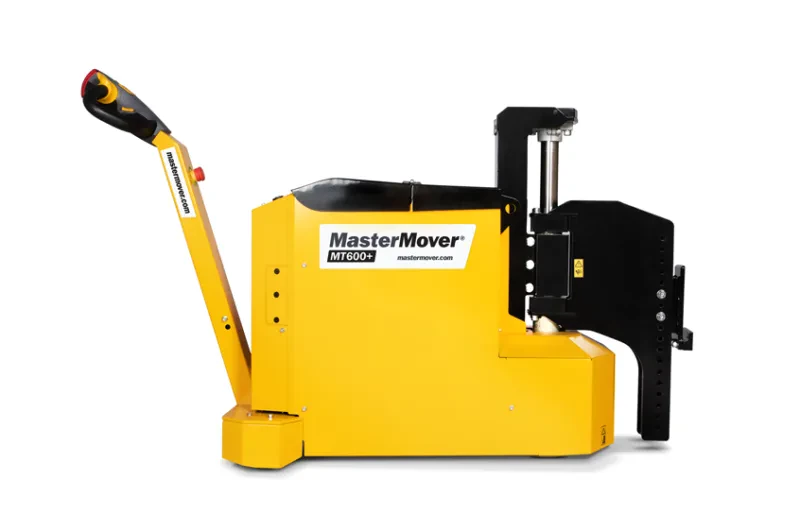
MT600+ - electric tug
Traffic type
Sarcini grele pe roți; operare pietonală
Load capacity
6,000 kg | 24,000 kg
Maximum slope
Runtime
8.4 km | 9.8 km
Charge time
7 h | 8 h 10 min
SM100 TOW - compact electric tug
Traffic type
Sarcini compacte pe roți; interior / exterior
Load capacity
500 kg | 2,000 kg
Maximum slope
10º
Runtime
15.1 km
Charge time
4 h 30 min
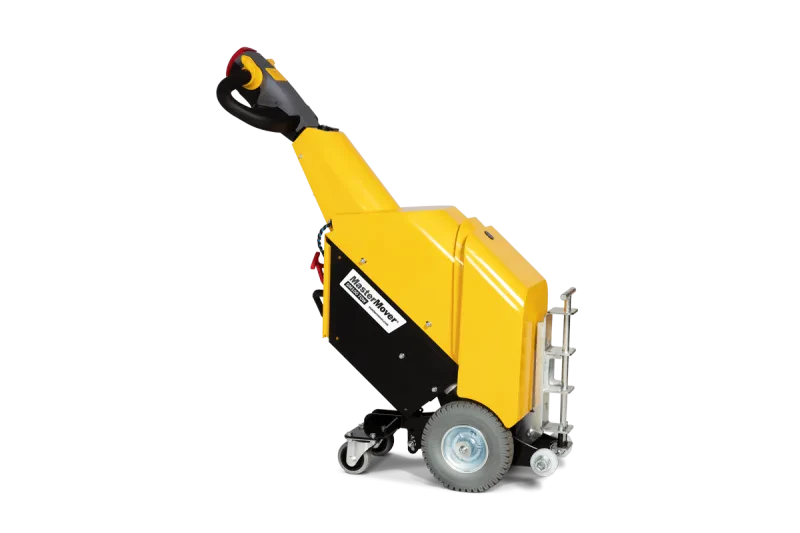
SM100+ - compact electric tug
Traffic type
Sarcini compacte pe roți; interior / exterior
Load capacity
1,200 kg | 4,800 kg
Maximum slope
30º
Runtime
7.7 km
Charge time
4 h 30 min

Do you still move a compact wheeled load by hand?

+36 30 013 5510

Request an application assessment

Send load, route, wheels, floor, coupling and current movement method. We check the right direction before selecting equipment.

Request an application assessment

Send load, route, wheels, floor, coupling and current movement method. We check the right direction before selecting equipment.

Frequently asked questions

Useful questions before choosing equipment for moving wheeled loads.

A compact mover fits loads that roll reasonably well, mainly indoor routes and applications where the difficulty is manual effort, frequency, space or movement control.

If slope, poor flooring, very small wheels, instability or stopping control become dominant, the selection may move toward MasterTug, PowerSteered or an adapted setup.

Selection becomes more precise when it starts from the real application, not only from nominal capacity.

The most useful inputs are:

  • total moved mass, including cart, frame, trailer or carrier;
  • dimensions, centre of gravity and fragile points;
  • wheel type, diameter, material and bearing condition;
  • floor, slope, thresholds, turns, outdoor sections and manoeuvring space;
  • coupling point, frequency and current movement method.

A short video often clarifies how the load starts, turns, resists movement and what the operator does to control it.

The coupling decides how force transfers between the mover and the load. A poor connection can make the load hard to start, loose in turns or difficult to stop.

A good coupling should be secure, realistic for the operator and matched to the load geometry. Some applications fit a standard coupling; others need an adaptor, hydraulic clamp or cart modification.

A small machine helps only if the operator can couple, turn and stop the load on the real route. Check aisle width, doors, thresholds, turning points and operator position beside the load.

Compact size cannot compensate for damaged wheels, weak coupling or an unstable load.

For occasional moves, runtime is a straightforward check. In shift-based flows, cycle count, distance, charging time, battery changes and permitted speed in busy areas all matter.

The coupling and charging routine must fit the schedule, or a correctly sized mover can still create lost time.
Sending…