
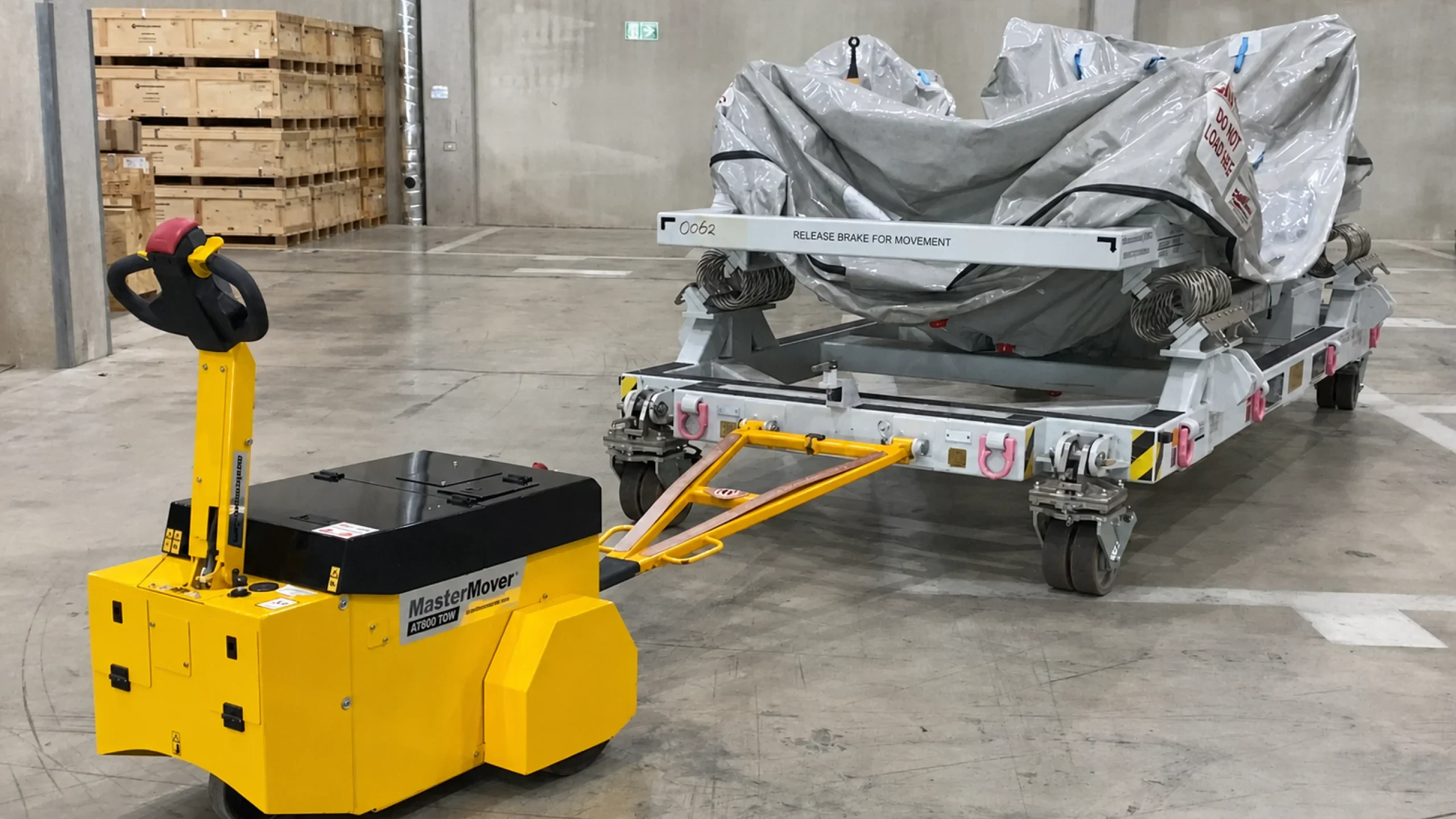
Geometry and stability
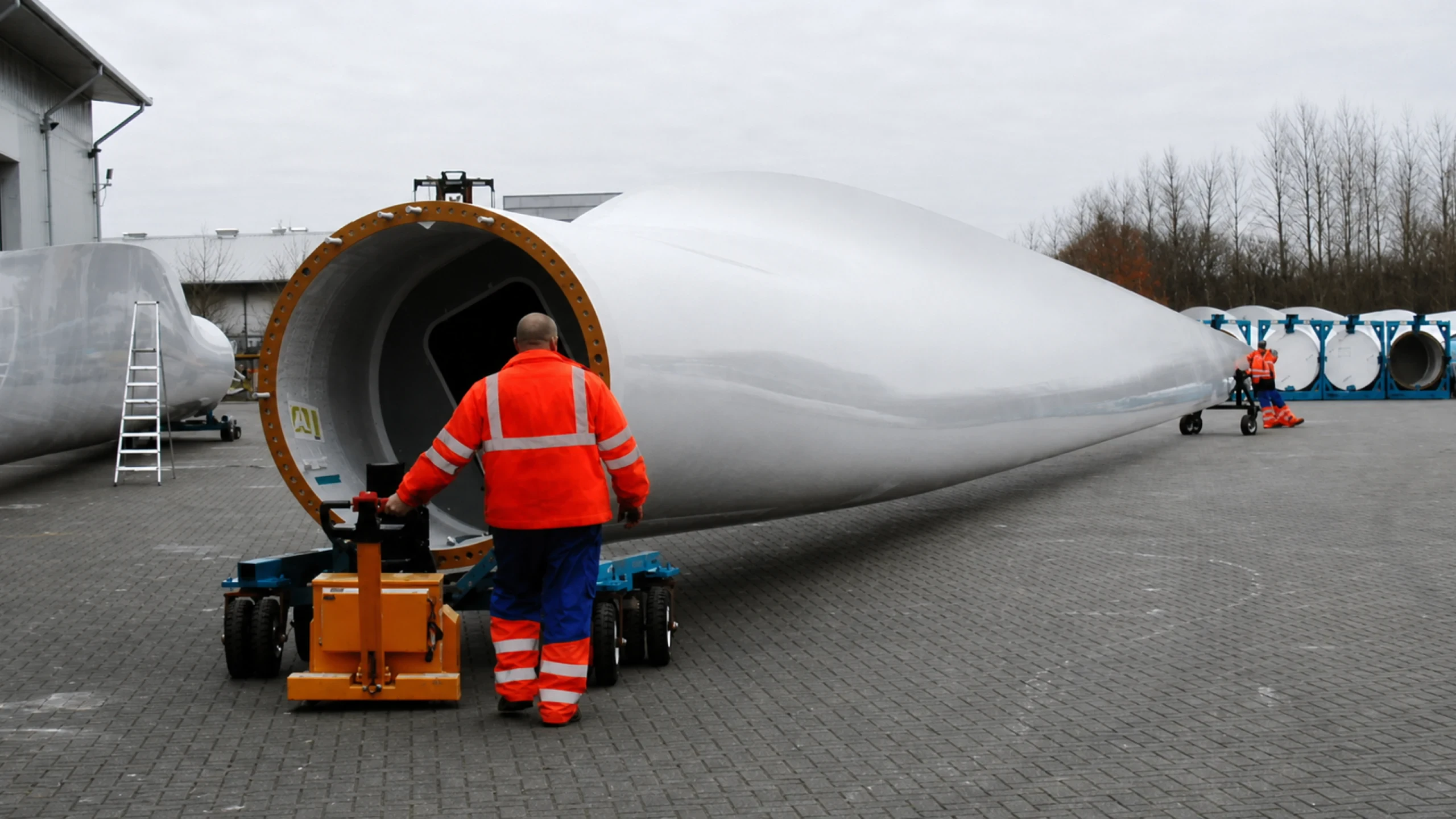
Length, centre of gravity, fragile points and turning behaviour may require a special setup.

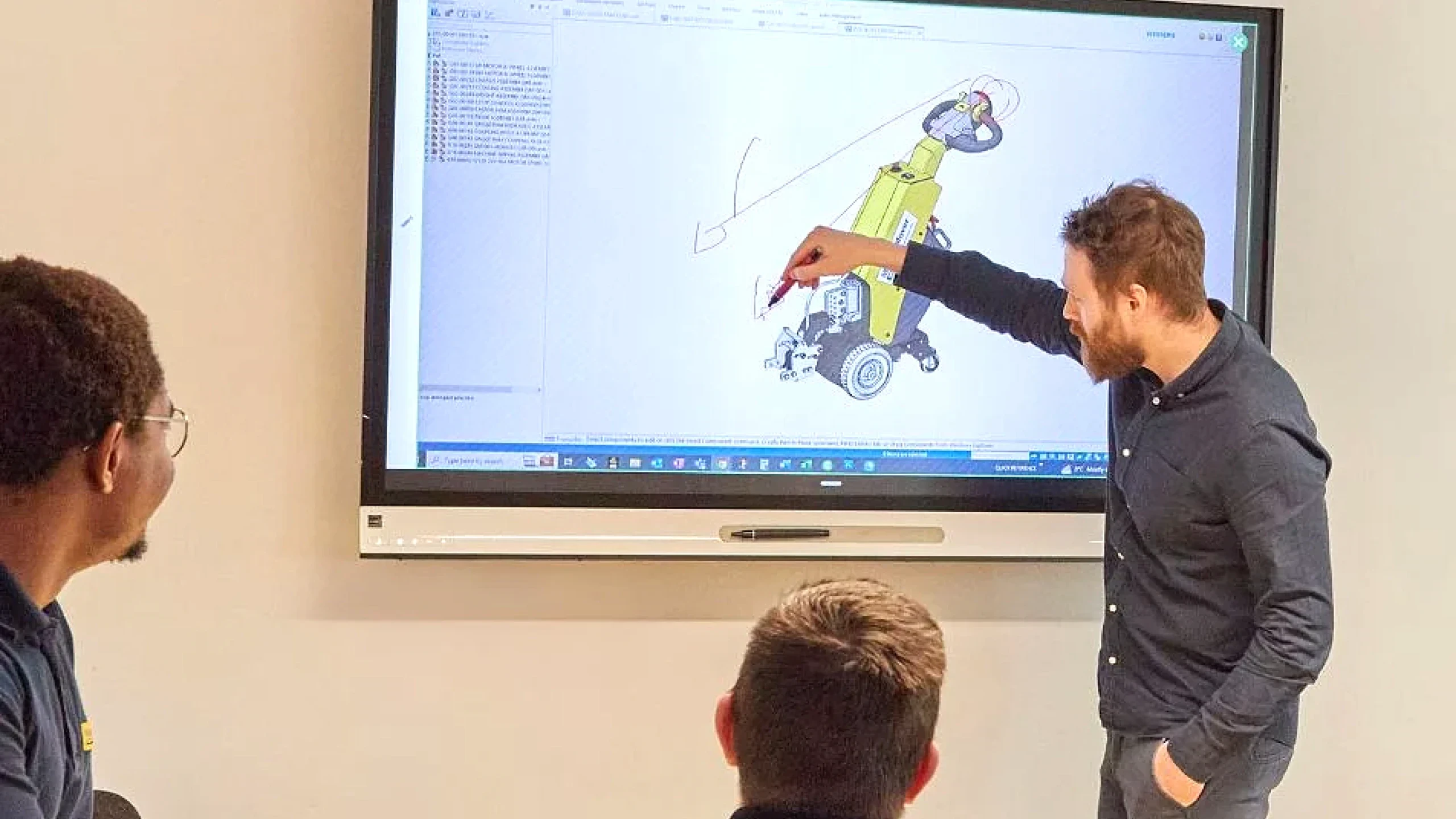
For unusual loads, couplings or routes that require an adapted setup and application-specific verification.
Some applications are not difficult only because of weight. The load may be long, unstable, difficult to couple, hard to see around or tied to a route that needs an adapted configuration.
These criteria separate compact, heavy-duty, stainless, trailer and adapted configurations.
Length, centre of gravity, fragile points and turning behaviour may require a special setup.
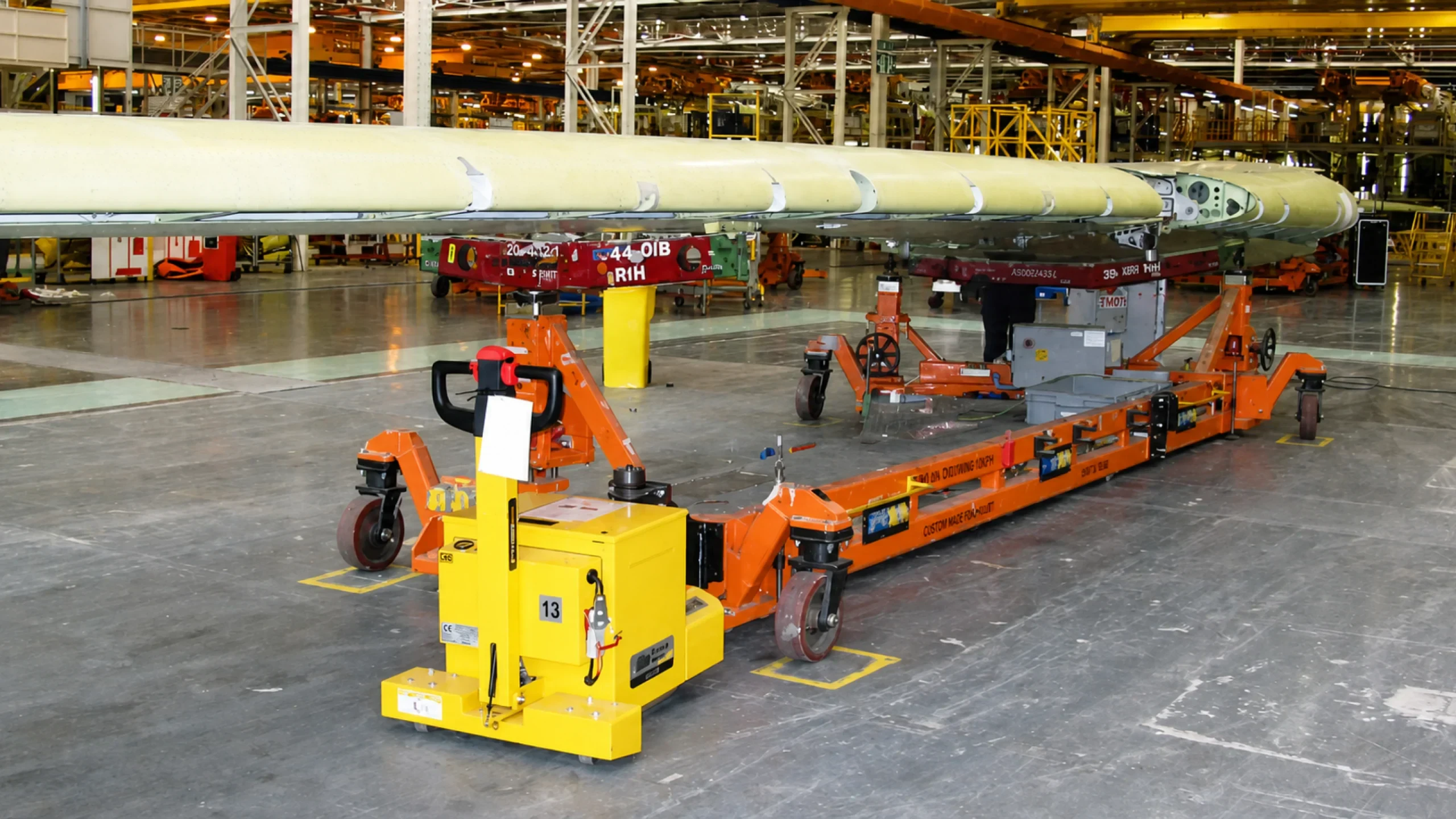
When there is no good connection point, coupling becomes part of the project.
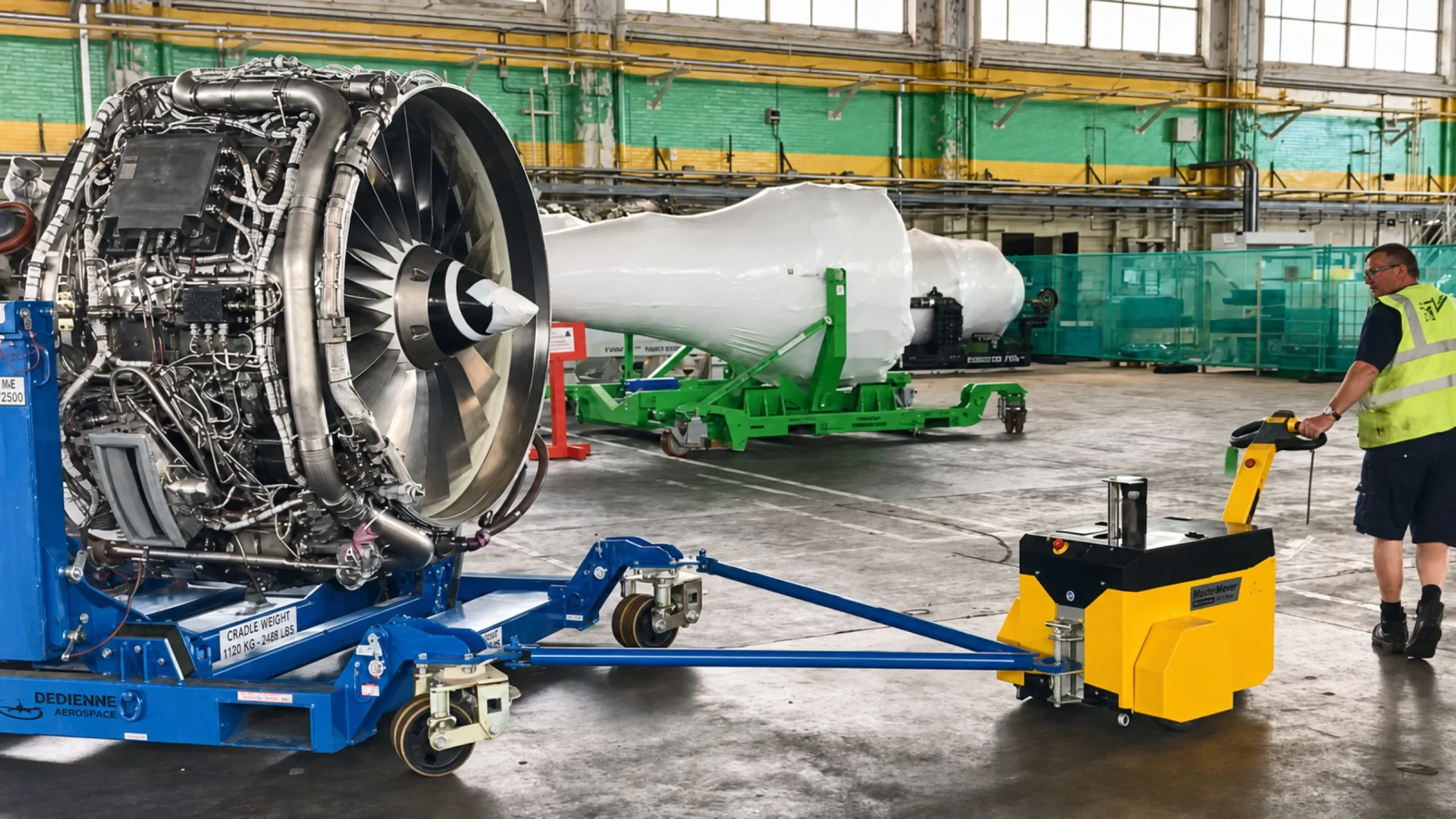
Large or long loads may require remote control, a different operator position or additional checks.
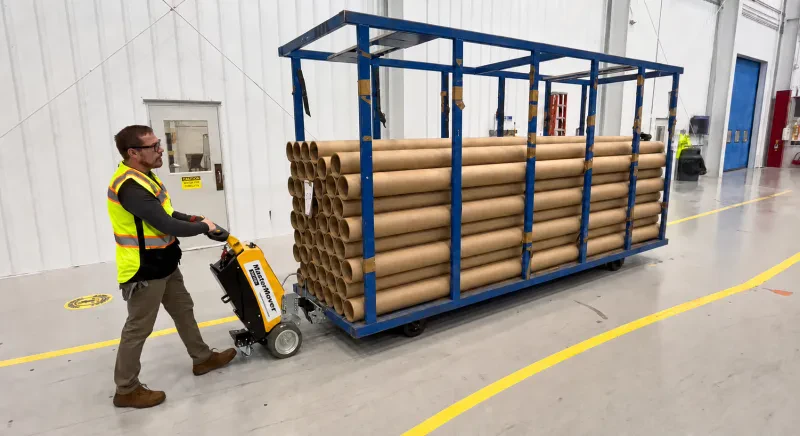
A MasterMover SM200+ case shows how a Fortune 500 plastic packaging manufacturer moved from manual pushing to mechanised movement for heavy carts.
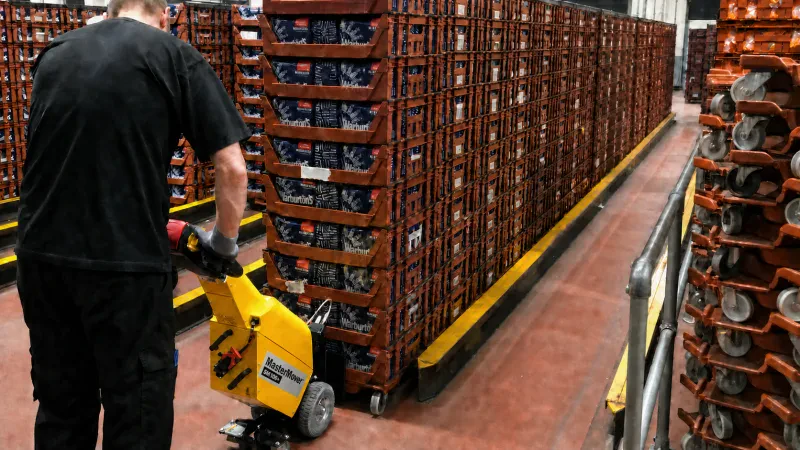
When a wheeled load is pushed or pulled by hand, electric tug selection starts with weight, wheels, floor, gradient, coupling and movement frequency.






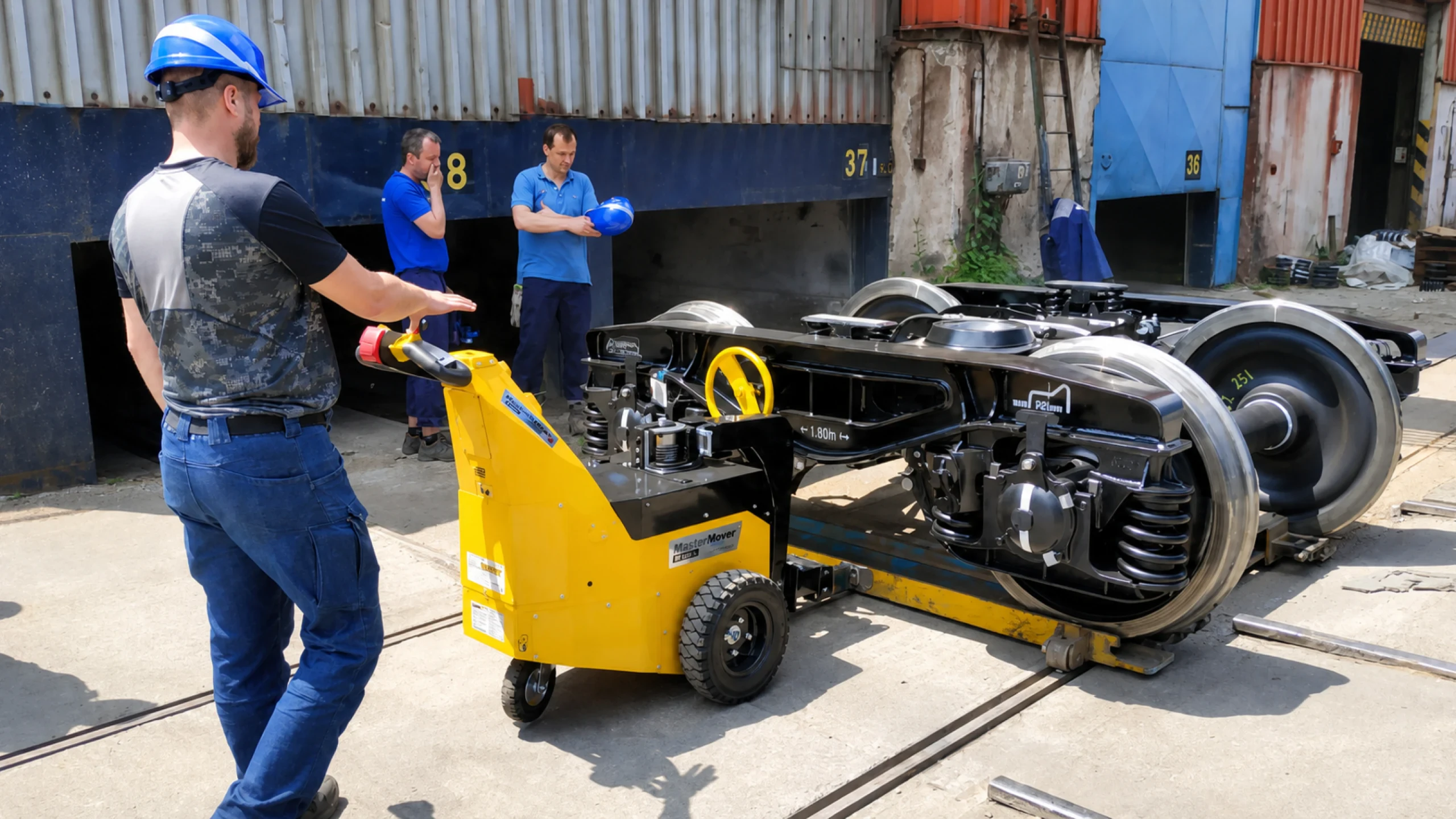
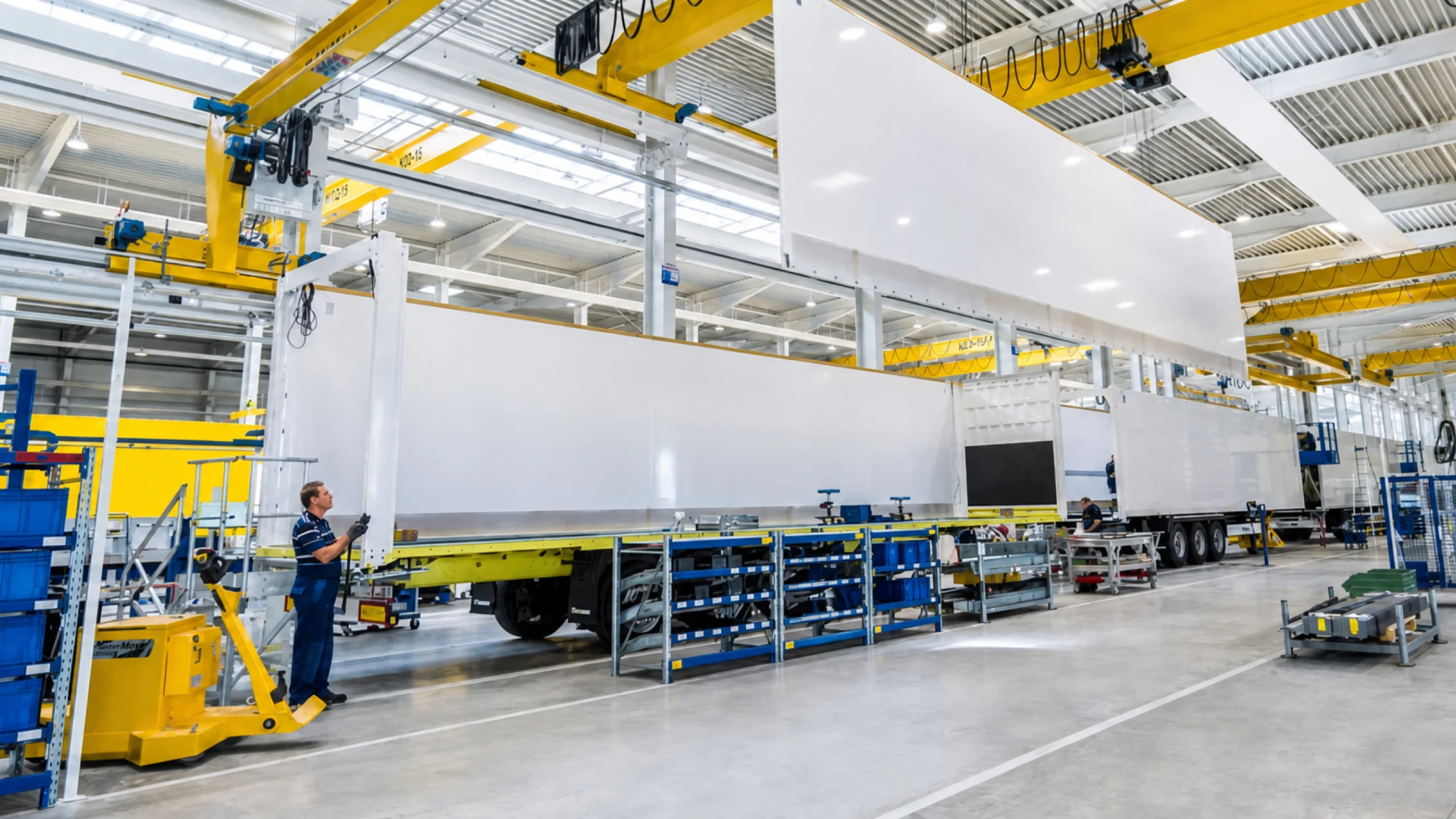
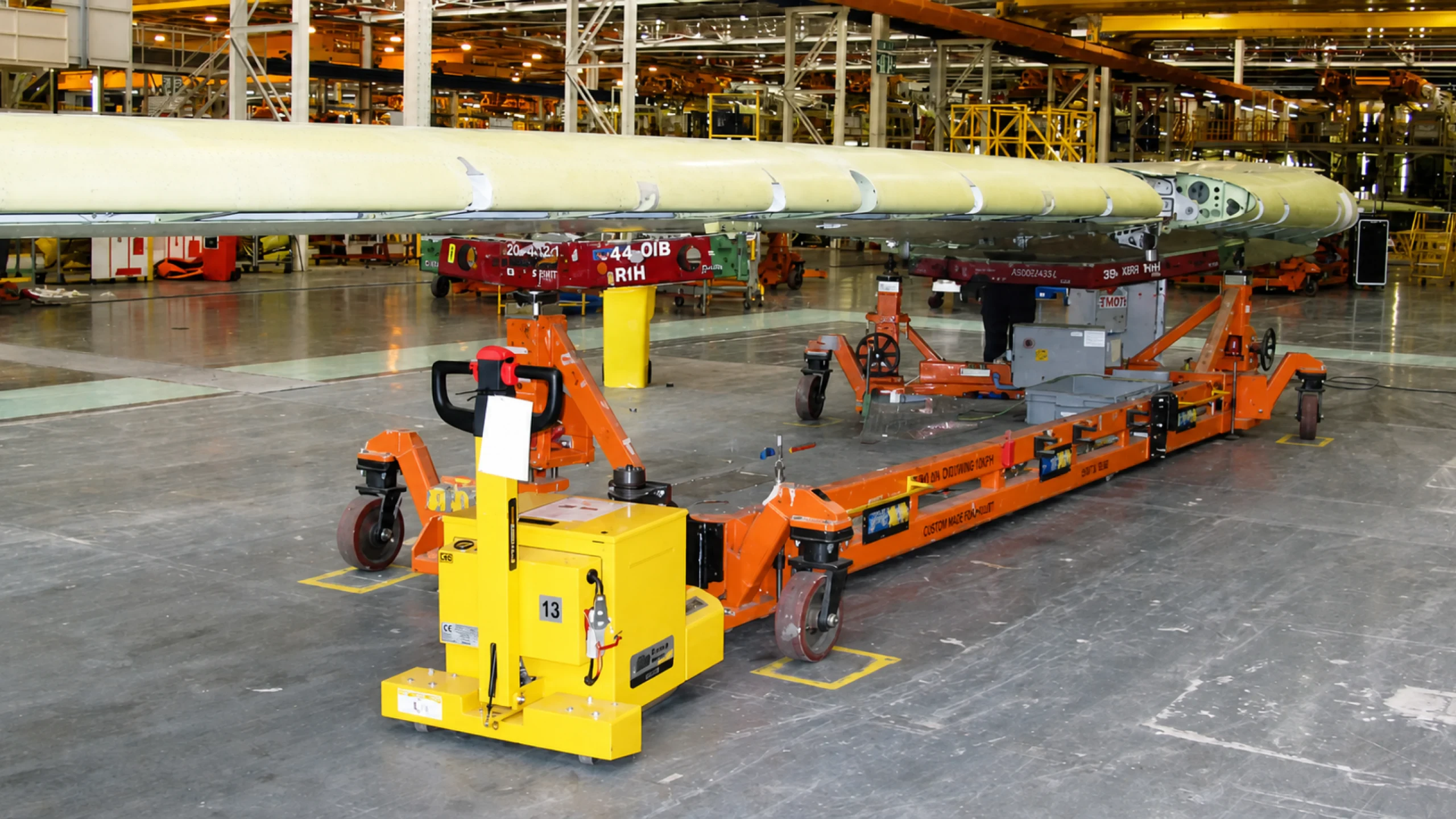
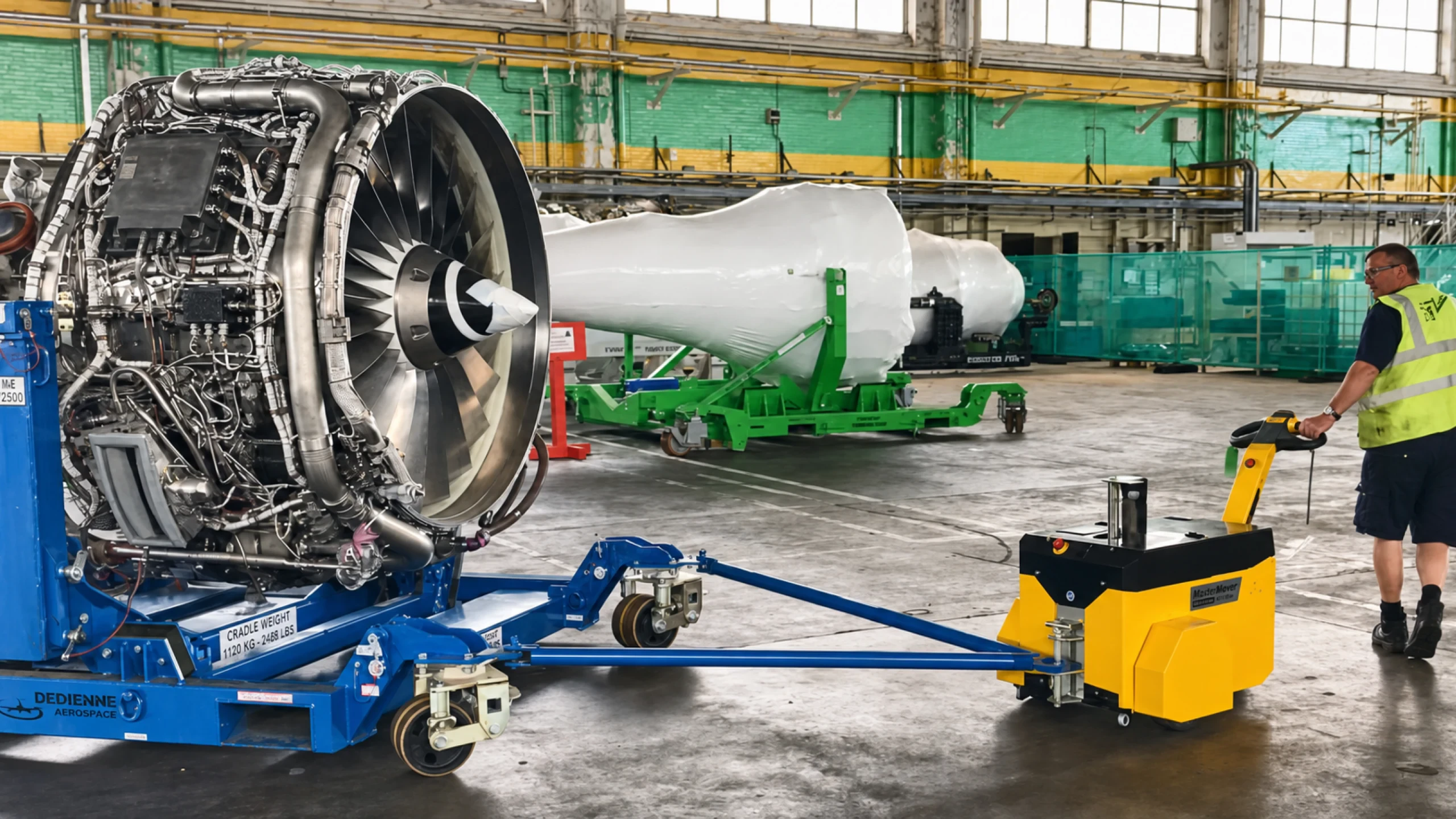
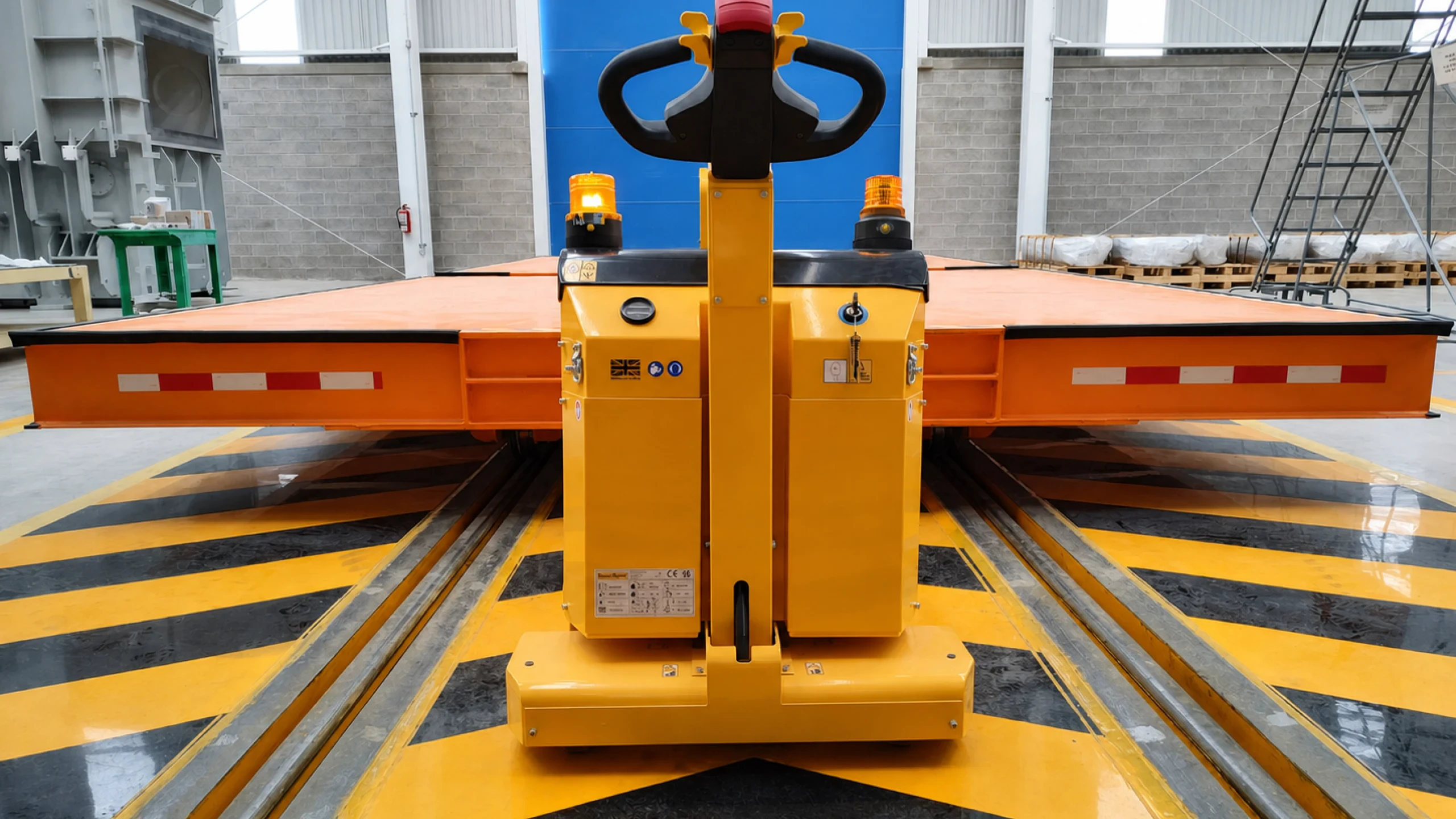
These examples show why a custom direction starts with the load, coupling, route and available space.
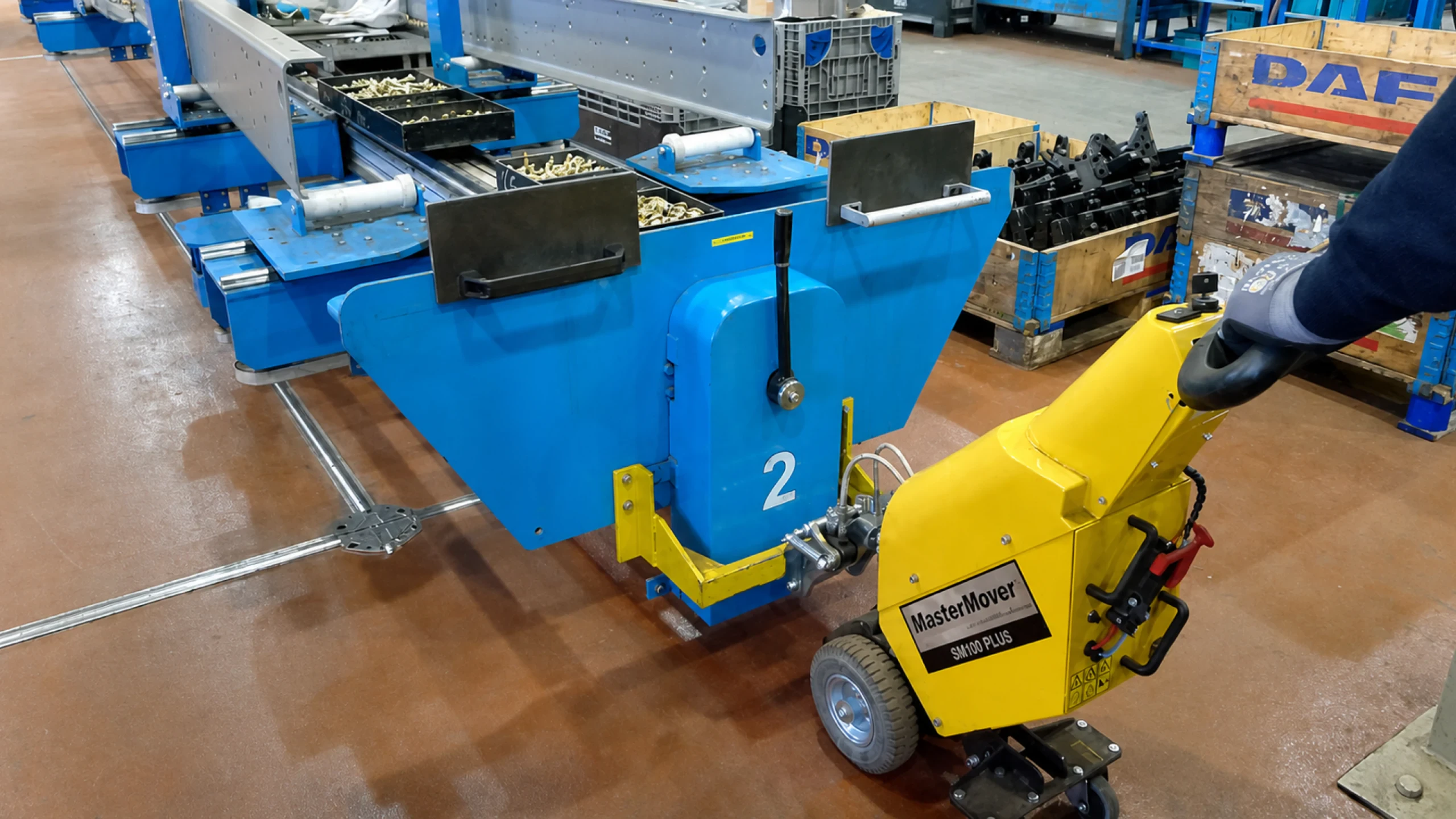
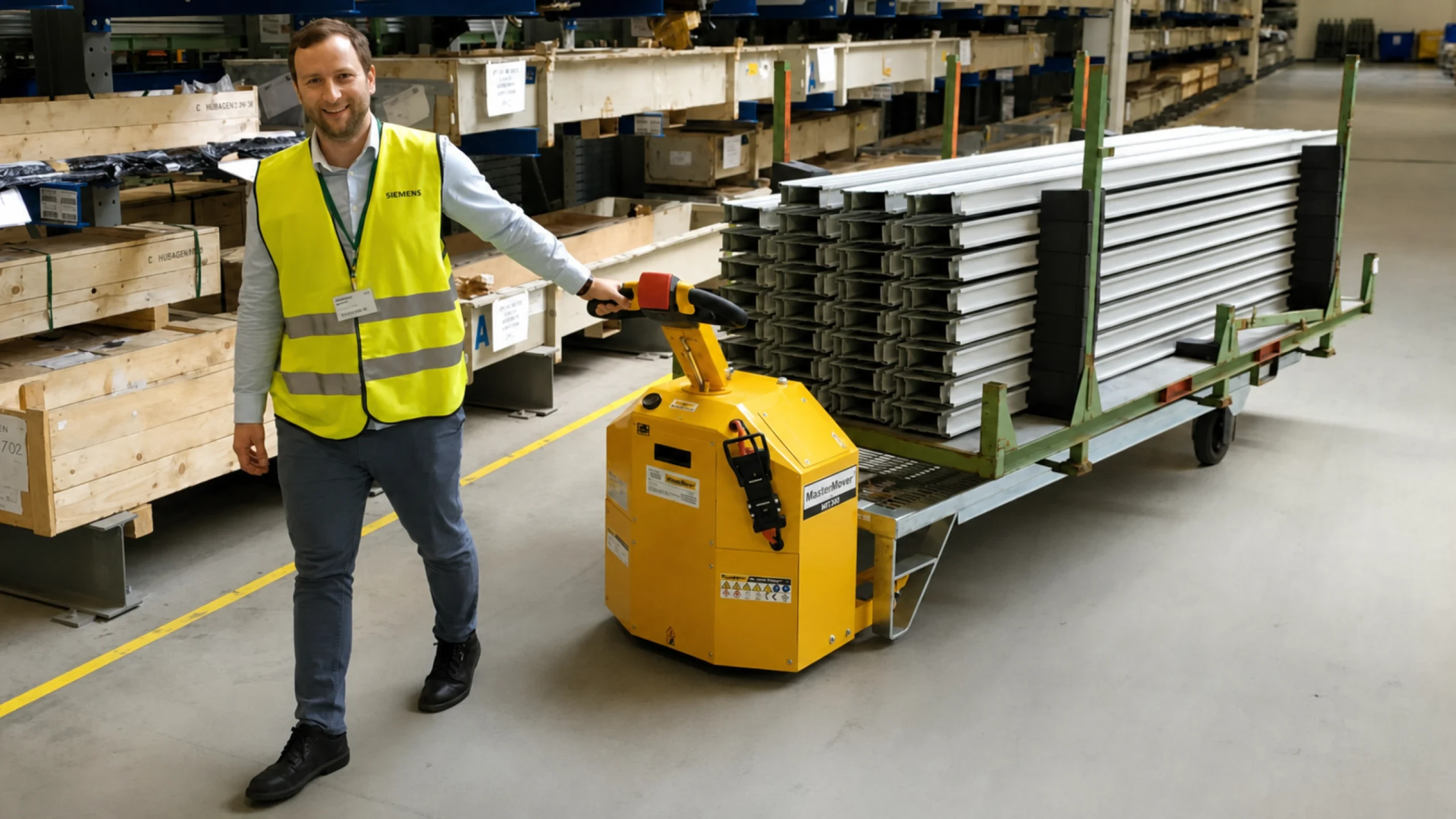
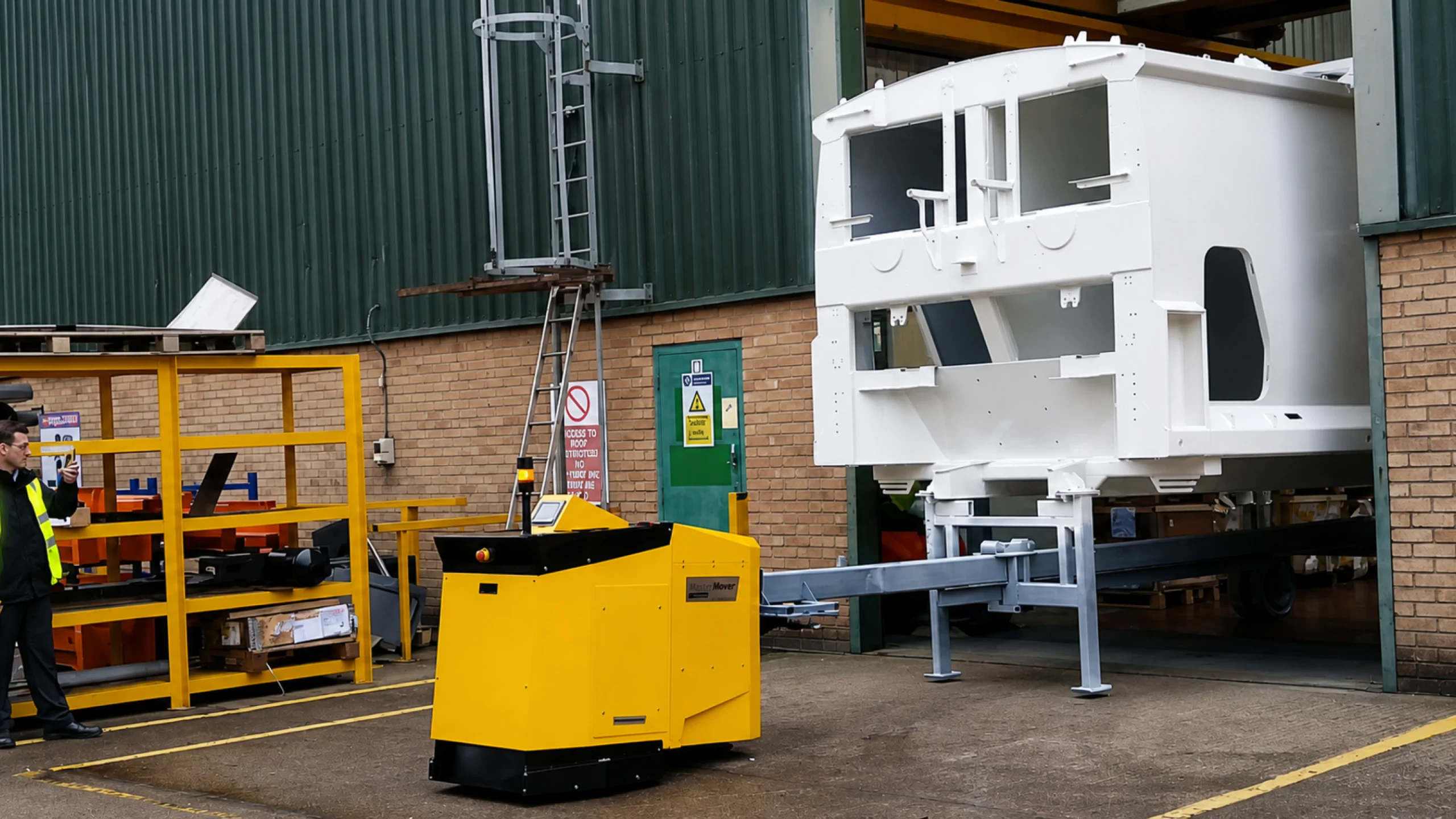
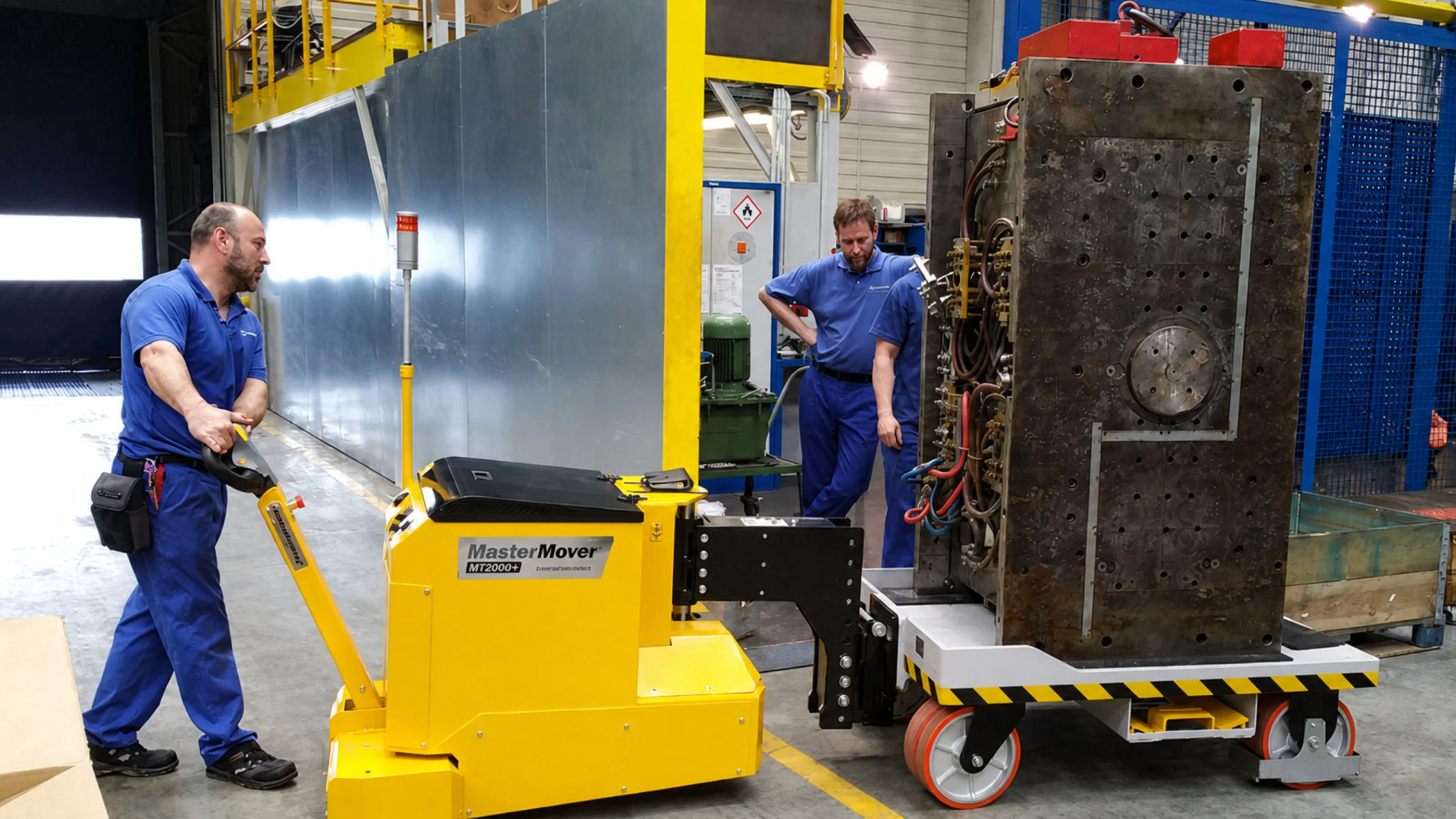
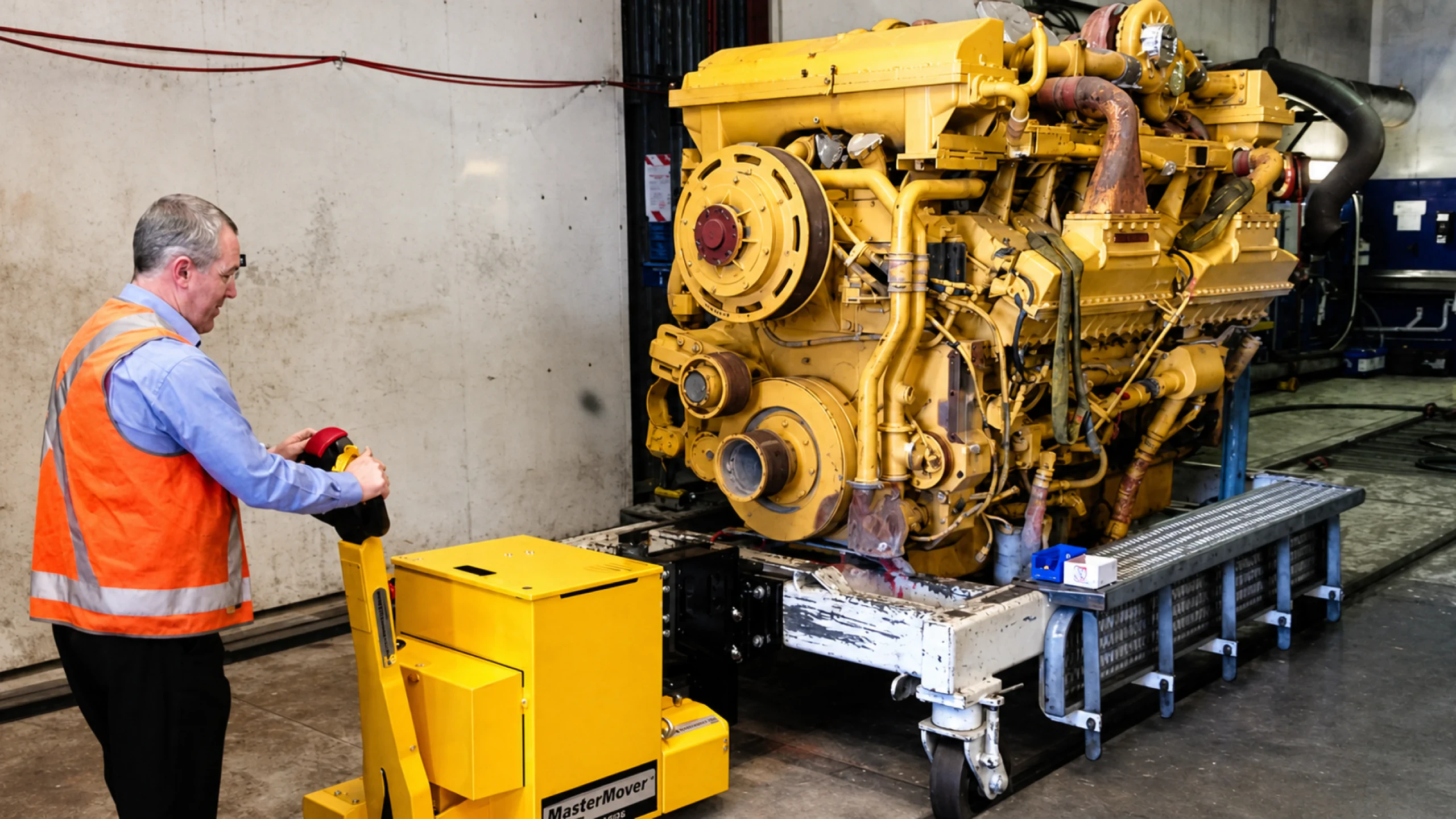
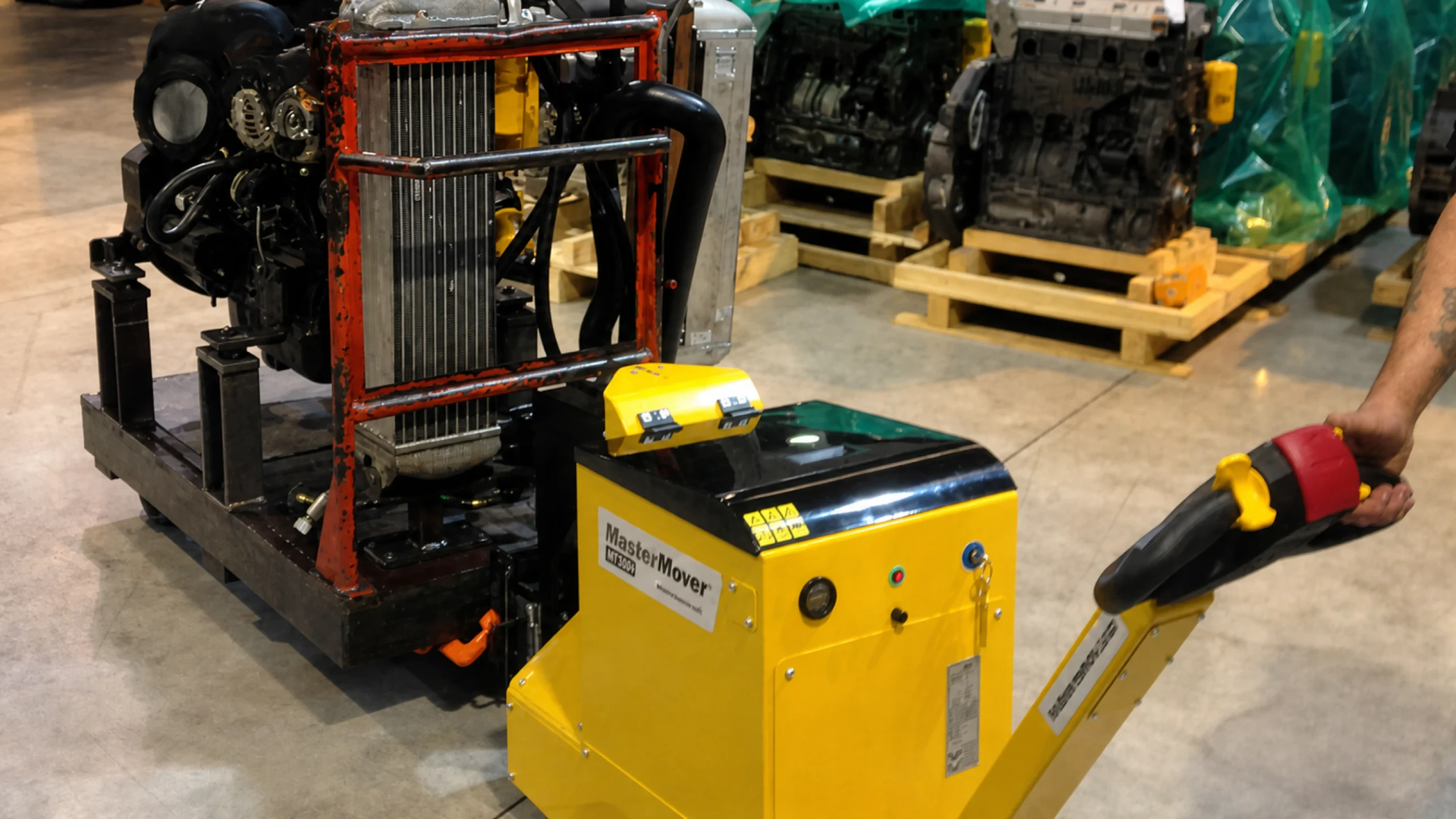
Do you have a load that does not fit a standard setup?

A custom solution becomes relevant when the load, coupling or route does not fit cleanly into a standard product family.
Typical signals are long or unstable loads, weak connection points, poor visibility, very limited space, slope, outdoor routes or operating requirements that change the operator position.
Selection becomes more precise when it starts from the real application, not only from nominal capacity.
The most useful inputs are:
A short video often clarifies how the load starts, turns, resists movement and what the operator does to control it.
The coupling decides how force transfers between the mover and the load. A poor connection can make the load hard to start, loose in turns or difficult to stop.
A good coupling should be secure, realistic for the operator and matched to the load geometry. Some applications fit a standard coupling; others need an adaptor, hydraulic clamp or cart modification.
Custom work is justified when a standard mover cannot realistically control coupling, geometry, visibility or route. Typical signals include very long, unstable or fragile loads, no sound connection point and unusual manoeuvring limits.
First check whether an adaptor or cart change solves the application; special engineering follows only when those options are insufficient.
Engineering needs dimensions, mass and centre of gravity, connection drawings, wheels, route, gradients, stopping points, frequency and operator position.
Photos, a short video of the current method and environmental restrictions help establish the design boundary before technical validation.