
Main entrances and vestibules
Points where pedestrian traffic, weather and door layout decide how much moisture or dirt travels further inside.

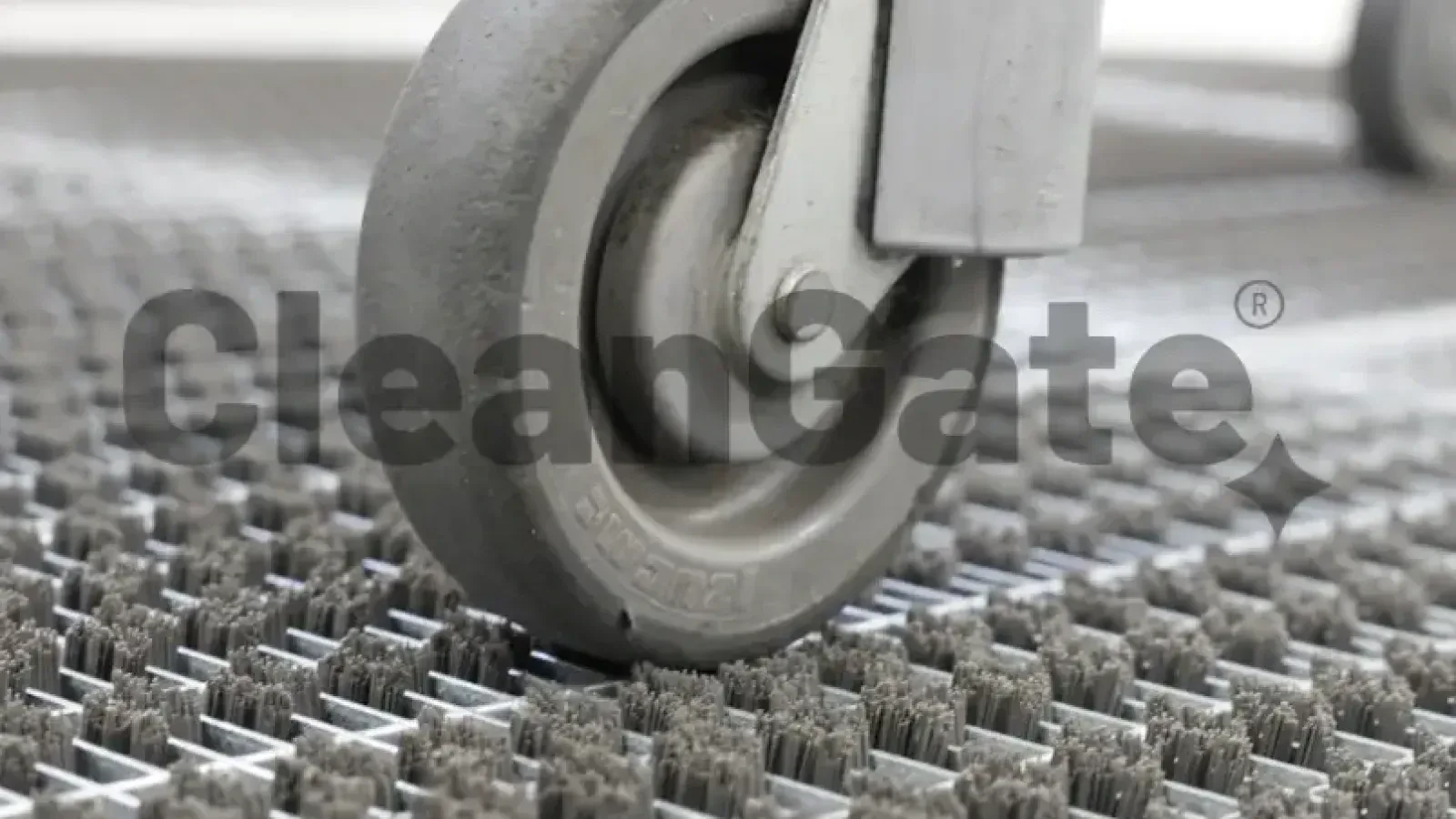
In supermarkets, stores, showrooms, shopping centres and customer reception areas, the entrance is a high-traffic transition point: people, carts, trolleys, small casters, rain, snow, dust and mud meet within a few metres.
In retail, signals become visible quickly: water marks after rainy days, dirt around cart areas, dust carried into aisles, entrance mats that are hard to maintain, customers bypassing the wiping zone or cleaning staff called often to the same point.
The choice starts from the route, not from one mat: how many people enter, how many carts pass, where wheels turn, how much space exists between doors, how the area is cleaned and what appearance needs to be maintained for the customer.
A good direction starts from traffic, weather, small wheels and route: what enters the building, where it becomes visible on the floor and what can be guided without making the entrance awkward for customers.
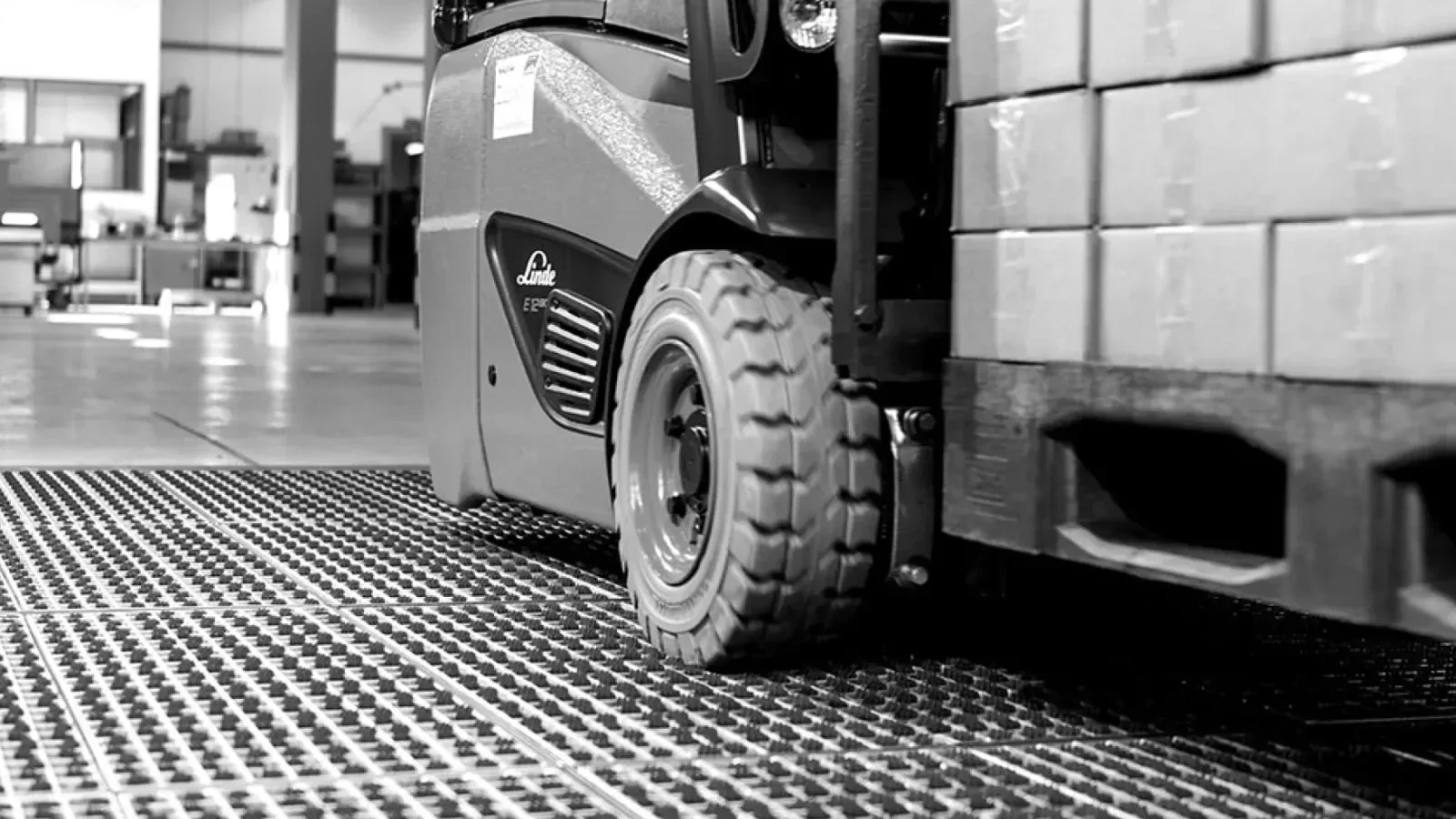
At entrances from parking areas, vestibules or cart zones, water, mud, dust, salt and particles can be carried further by footwear, small wheels and casters. In busy periods, the effect is visible in the public area before the cause is clear.
Available length, direction of travel, bypass risk, cart frequency, wheel rotation, daily cleaning and whether the control point can be integrated without blocking the entrance all need checking.

CleanGate is relevant for supermarket, retail and high-traffic entrances where soles and casters need contact with an active cleaning area before dirt travels further inside.
Fit depends on placement, width, length, traffic, cart type, how customers move through the entrance, access for cleaning and the operator requirements for evacuation, fire behaviour and maintenance.
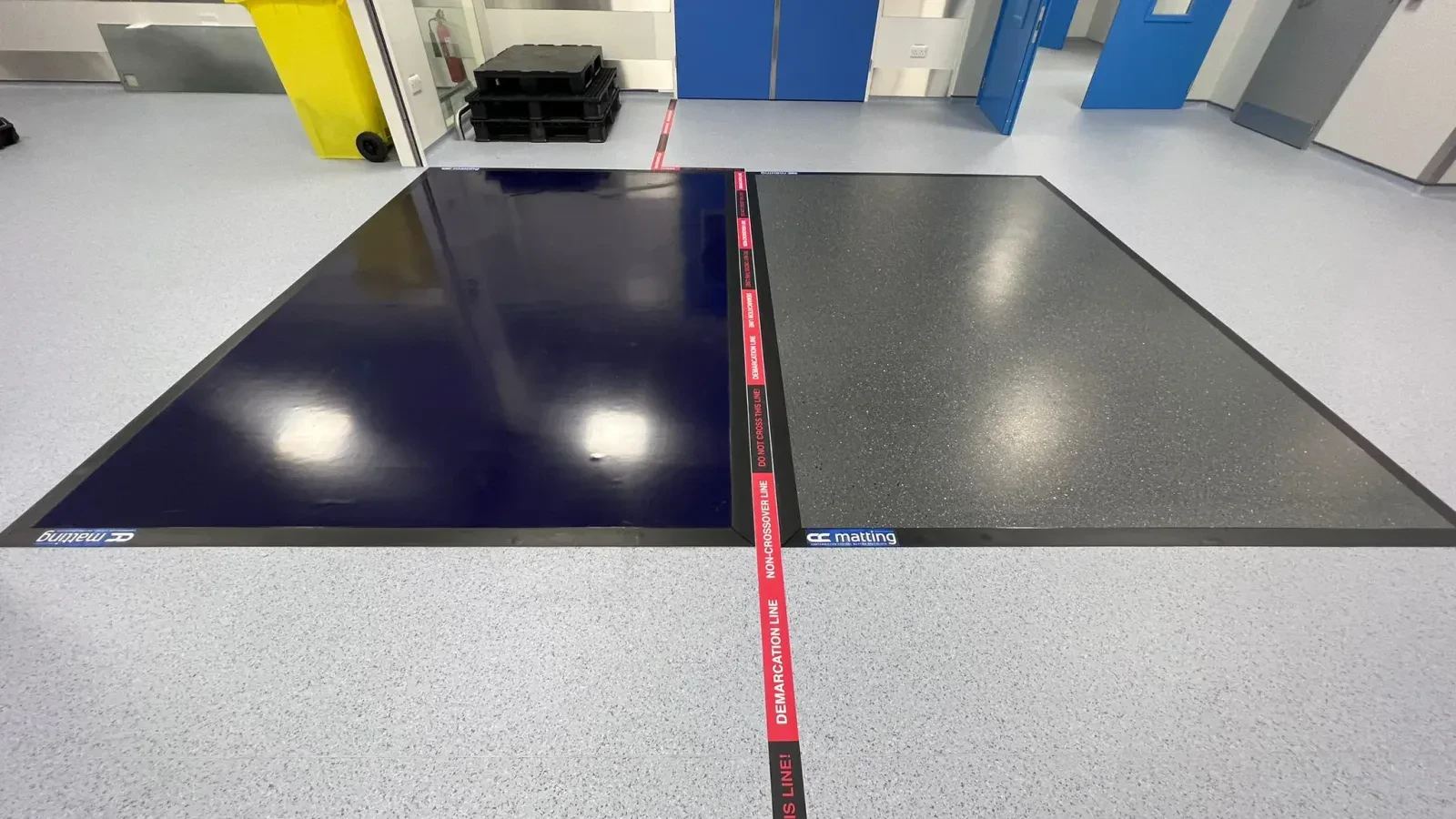
Not every entrance needs the same surface. In some spaces, textile mats remain useful as drying or finishing zones; in others, a reusable or modular surface can help retain visible particles.
Selection is checked against season, pedestrian traffic, small wheels, moisture, space between doors, surface cleaning and how customers actually cross the entrance.
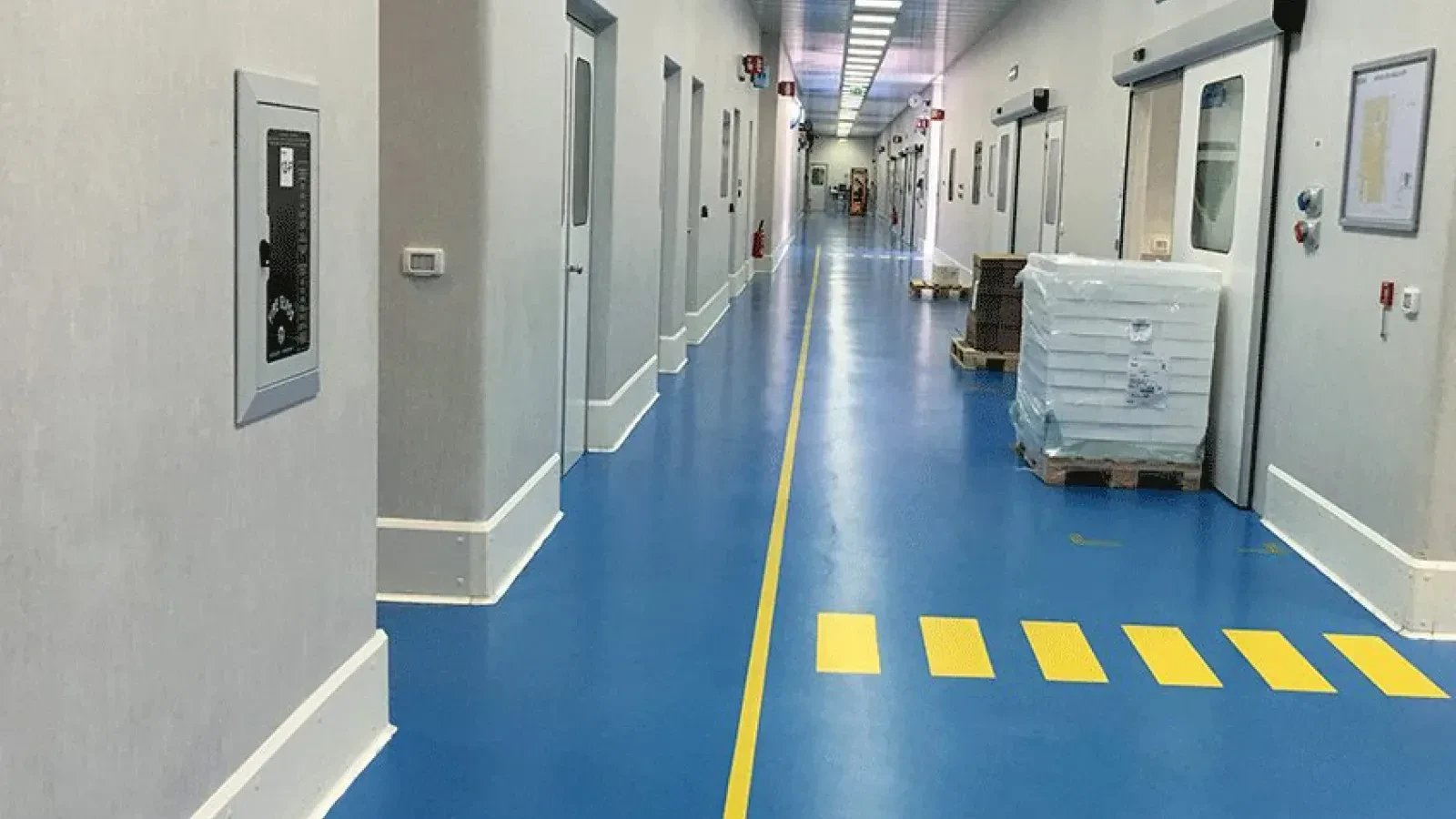
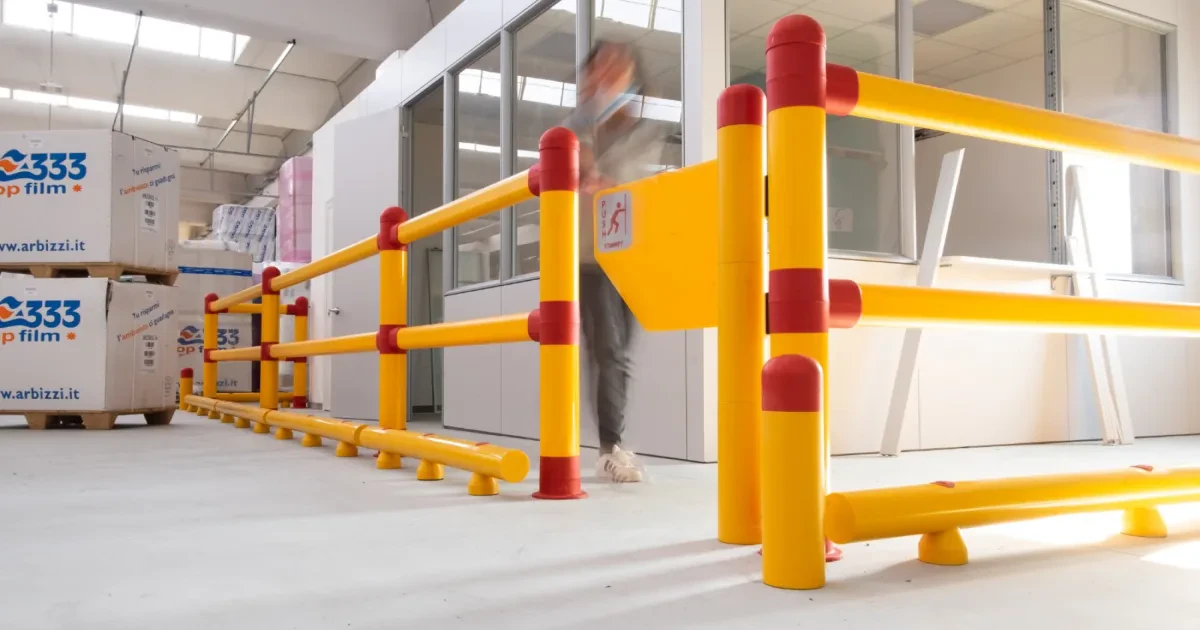
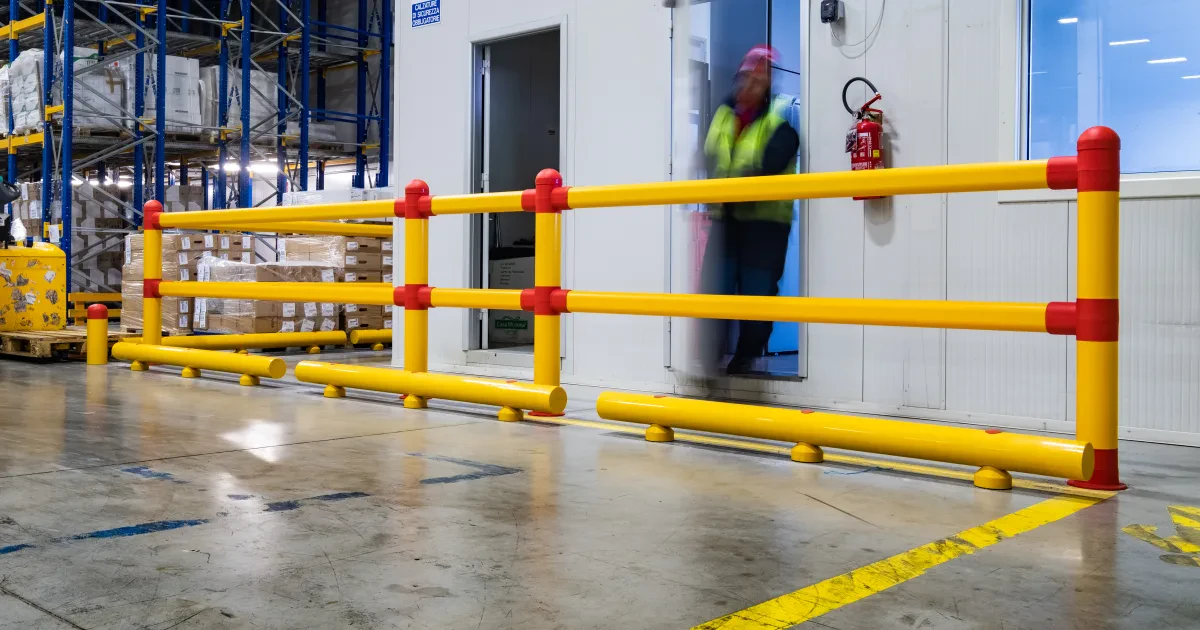
A retail entrance is not only a cleanliness zone. Carts, promotional pallets, light deliveries, staff, customers and mobile equipment can create unclear proximity near doors, lifts, reception or busy aisles.
Route guidance, discreet separation, protection for exposed points or active warning should be checked against flow, visibility, speed, available space and the effect on the customer experience.
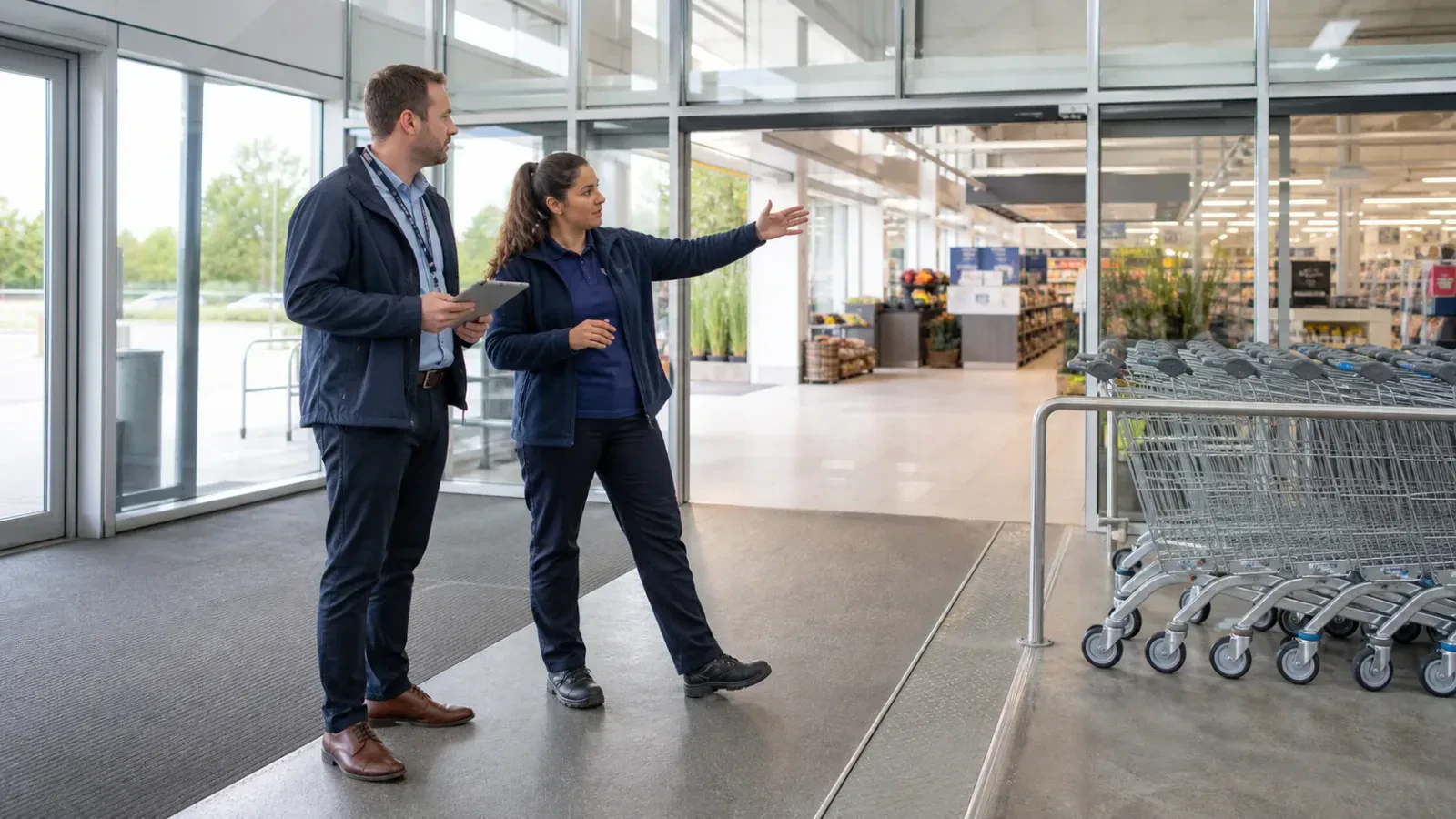
Before choosing, the real route needs to be visible: entrance, vestibule, cart area, parking connection, passage width, turning points, where floor marks appear and how cleaning is done.
Photos from different traffic and weather conditions, area dimensions, cart type, cleaning routine and installation constraints help separate the options: CleanGate, mats, drying zones, route changes or a combination of these.









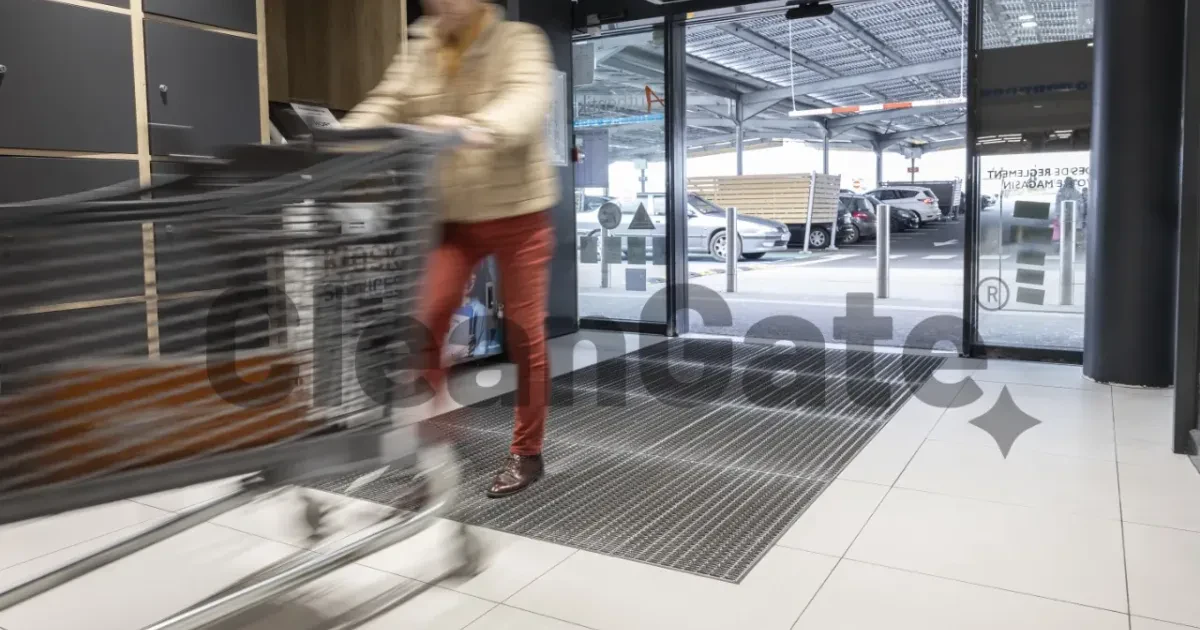
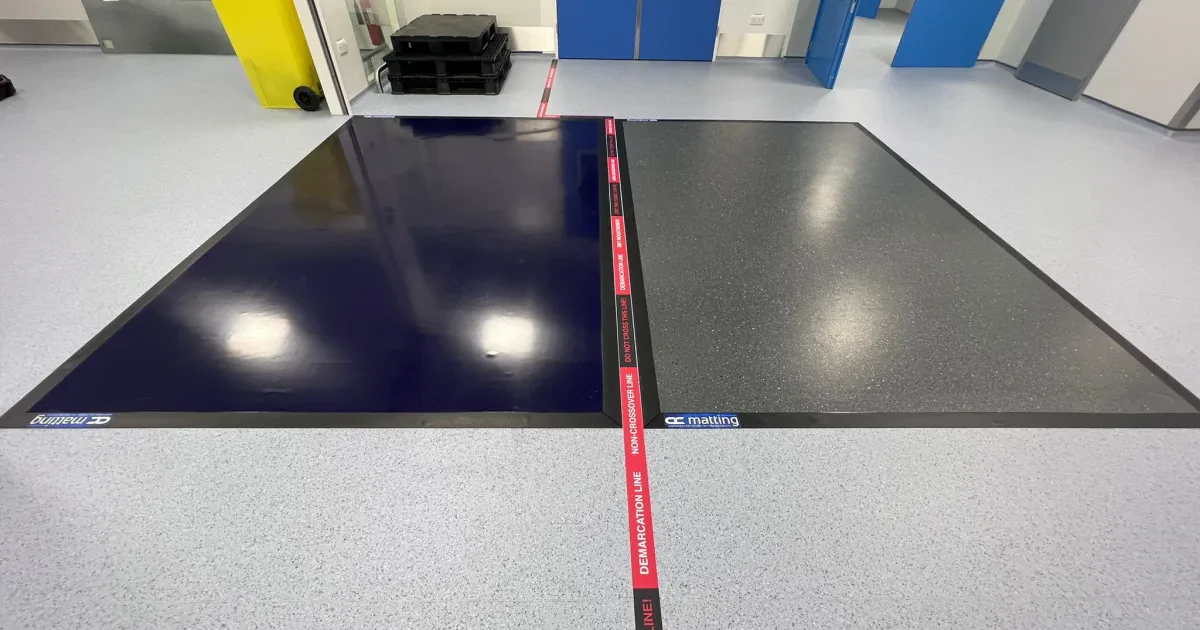
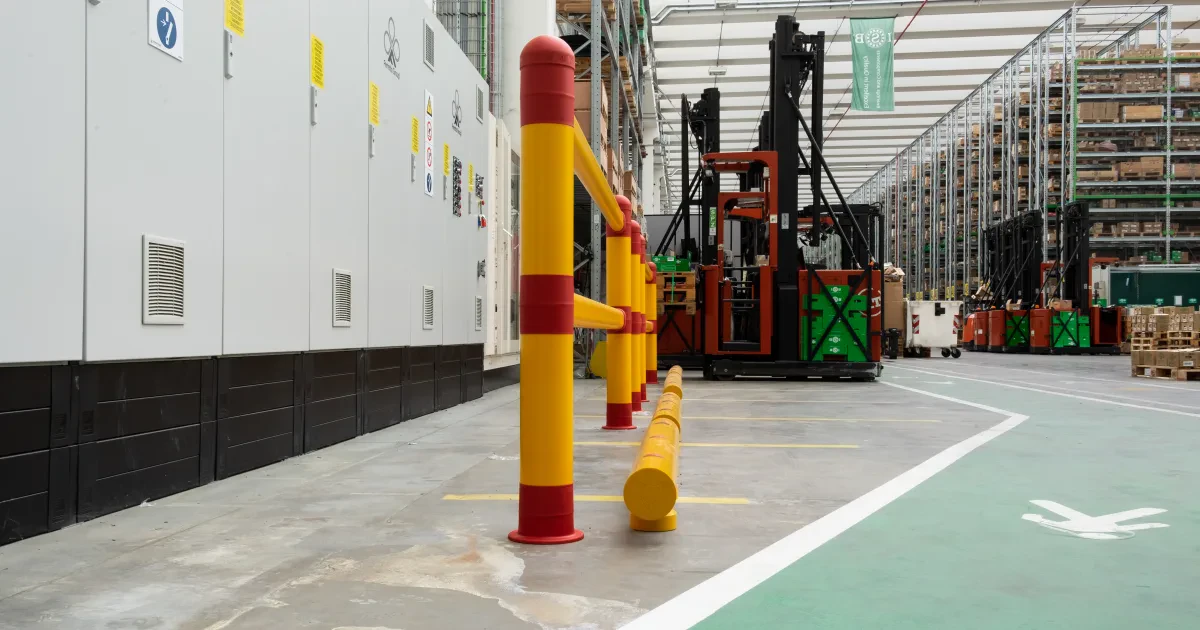
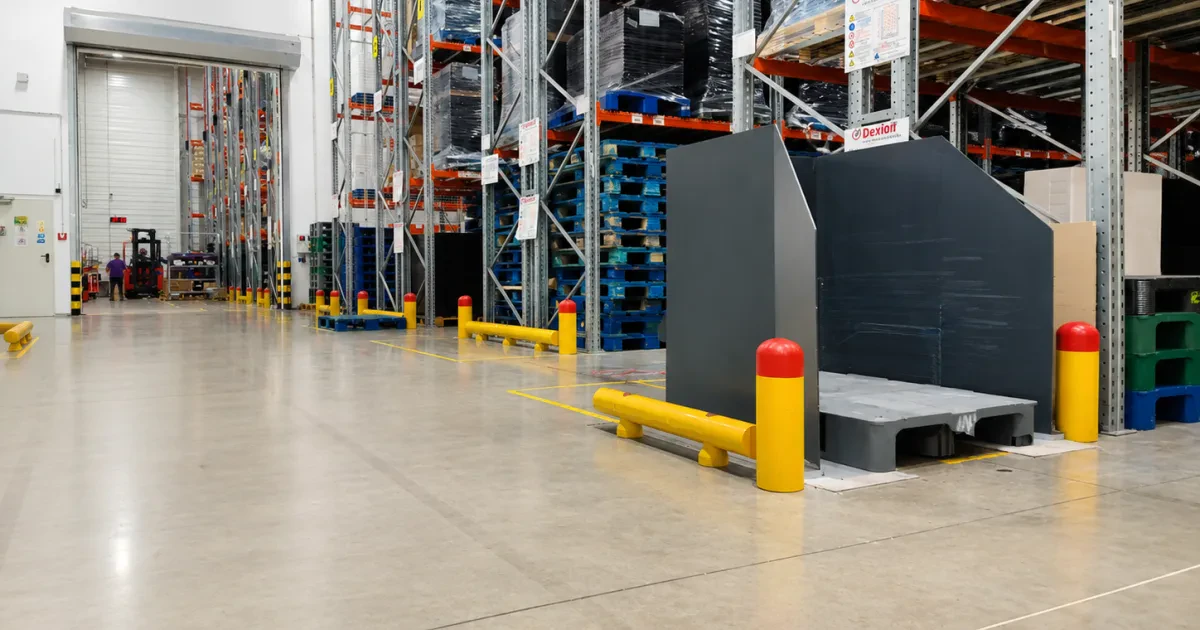
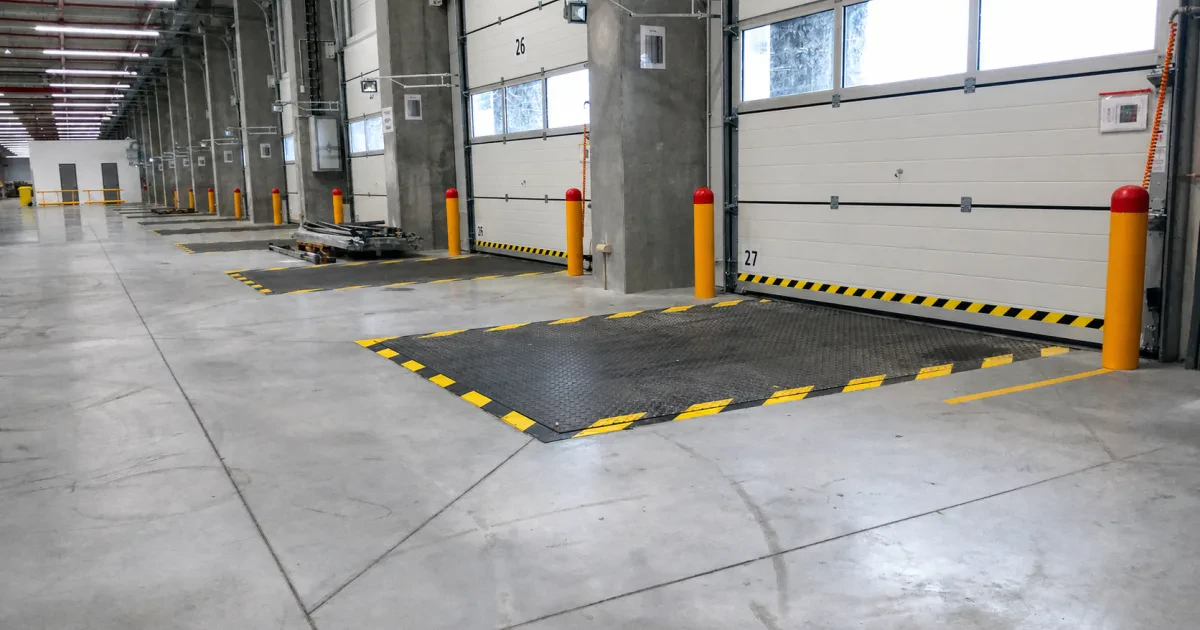
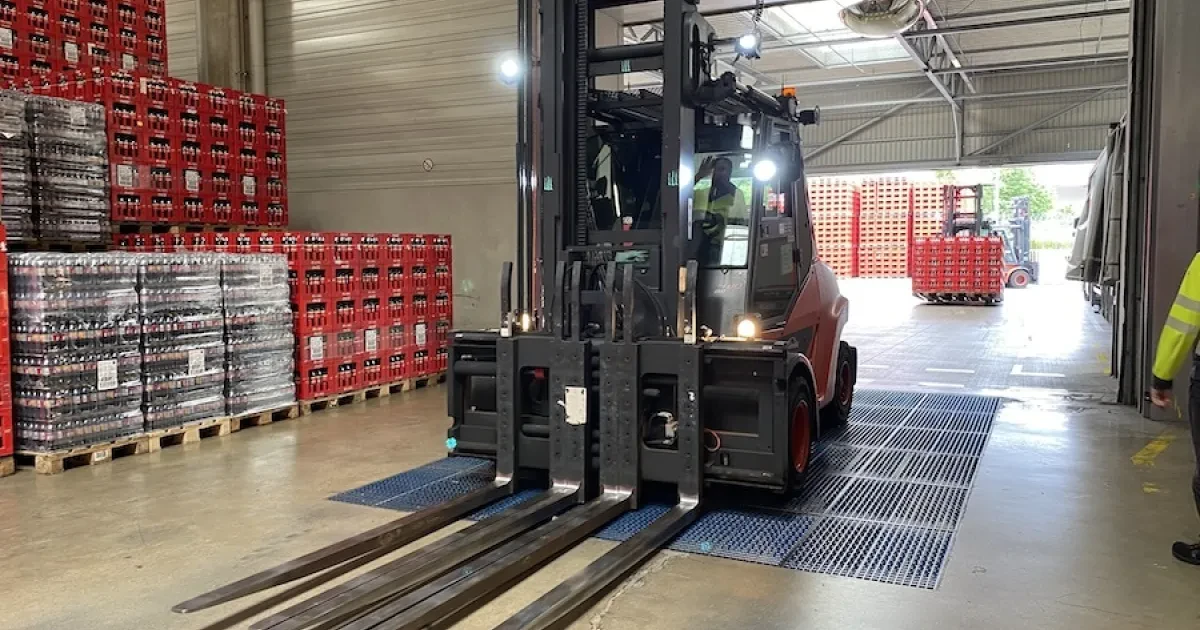
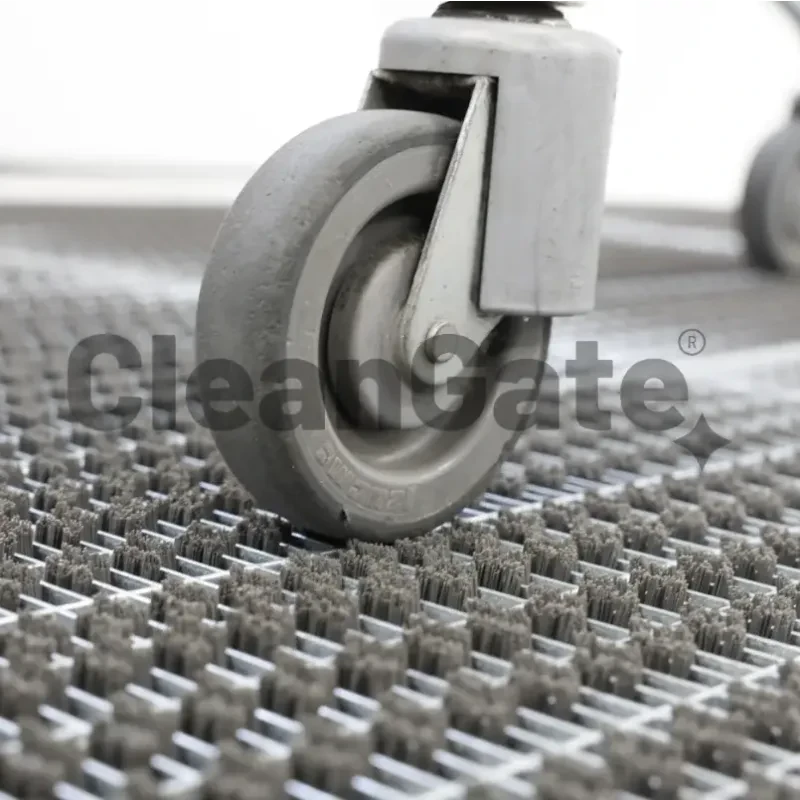
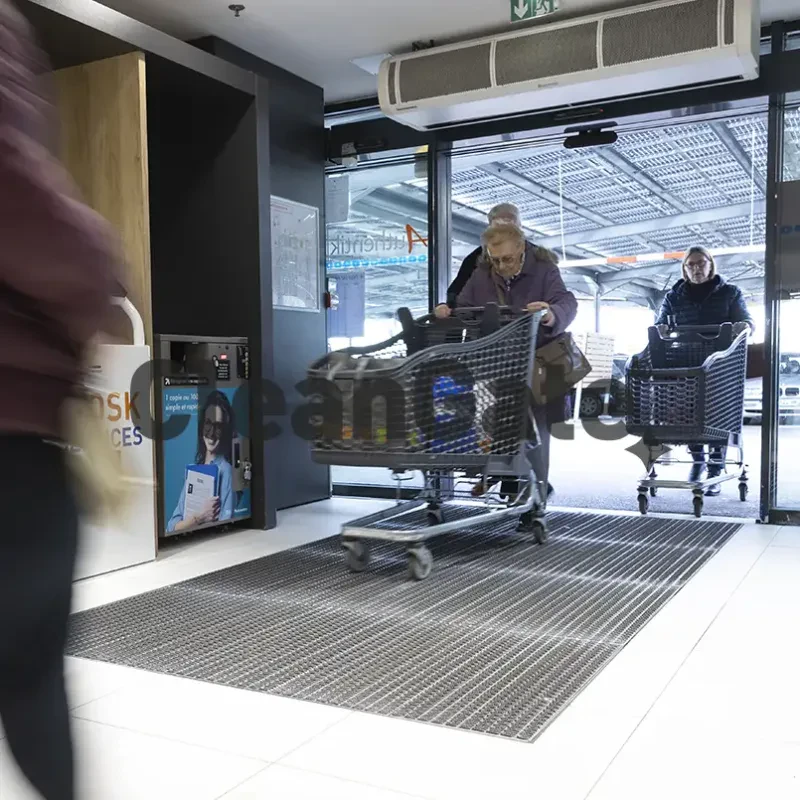
A CleanGate supermarket entrance shows what can be controlled before dirt reaches the store: customer traffic, carts, small wheels, 880 visitors per day and 8.7 kg collected over 3 months.
Water marks, dirt or cart traffic right at the store entrance?

Signals usually appear on the floor and in the cleaning routine: water marks after rain, dust or mud near doors, dirt carried into aisles, mats that saturate quickly or carts bypassing the wiping zone.
If these signals appear in the space customers see immediately, the entrance should be reviewed as a complete route: outdoors, vestibule, doors, carts, flooring, cleaning and possible bypass.
In many stores, small wheels pass through the same zones as footwear, but they contact the floor differently and can carry dirt further through turns, parking areas and fast routes inside.
That is why the entrance should be checked for mixed traffic: people, carts, trolleys, light deliveries and possibly roll cages. A soles-only measure can leave dirt carried by small wheels uncontrolled.
CleanGate fits where the route can be arranged so people and small wheels naturally cross the active cleaning area, usually at the entrance, in the vestibule or at the transition between outdoors and the public area.
The exact position depends on doors, available length, cart traffic, bypass risk, cleaning access and the operator requirements for evacuation, fire behaviour, maintenance and access.
Textile mats can remain useful where the priority is final drying, visual comfort or complementing an active zone that retains dirt earlier in the route.
In many entrances, the combination matters more than one single element: where coarse dirt is retained, where moisture is reduced and where the floor needs to look clean for customers.
Check actual behaviour: where customers enter, where they take carts, where wheels turn, how much space exists between doors, whether the zone can be bypassed and whether crossing feels natural.
Dimensions can look right on a plan, but a cleaning area works only if traffic uses it consistently and staff can clean it without blocking the entrance.
The supplier documentation for CleanGate indicates use in supermarket and shopping-centre entrances, cleaning-efficiency verification by Fraunhofer IPA, emergency-exit usability verified by WAZ and flame-resistance testing according to DIN 13501-1 Bfl-s1.
These references help frame the right questions. Selection for a real location still depends on route, traffic, installation, cleaning, operator requirements and actual conditions of use.
Visible moisture at the entrance can affect customer comfort, cleaning discipline and how staff react during busy periods.
The review should separate cleanliness, drying, route, signage and proximity between customers, carts or equipment. Not every situation needs the same type of intervention.
Useful details include photos of the entrance, vestibule, cart area, floor marks, existing mats, the route from parking and available width.
Customer traffic, cart type, days with the most visible marks, cleaning routine, installation constraints and any special evacuation or access requirements also help.