

Controlled pedestrian crossings in warehouses and production
Workplace Safety

Controlled pedestrian crossings in warehouses and production

A good pedestrian crossing is not just a line on the floor. It must be visible, logical for people on foot, predictable for vehicle operators and supported by the right level of control for the area.

Explore crossing products

When pedestrian and vehicle routes cross every day

In many facilities, pedestrians and vehicles cannot be separated completely. People need to reach offices, changing rooms, production lines, picking areas or loading bays, while vehicle traffic must keep operations moving. The crossing becomes critical when the same point has frequent traffic but visibility, speed or route discipline are not clear enough.

A controlled crossing should reduce improvisation. If people bypass the marking, take a shortcut or vehicle operators have to guess pedestrian intent, the issue is not only missing signage. It may be crossing position, distance, visibility, gate design, physical guidance, active warning or vehicle speed.

How to choose a crossing people can follow every day

The crossing point should follow real movement, not only the ideal layout drawing. Position, visibility, pedestrian behaviour and the justified control level need to be clarified together.

Position on the natural route

Position on the natural route

A crossing works best where people naturally arrive, not at the end of a detour nobody will follow during daily work. If the marked crossing is too far away, shortcuts will return.

Before adding gates or barriers, observe real movement: where people come from, where they rush to, which doors they use and where they meet vehicles.

  • pedestrian doors opening into traffic aisles;
  • routes between offices, changing rooms, production and warehouse;
  • points where people already cross without clear marking;
Visibility and reaction time

Visibility and reaction time

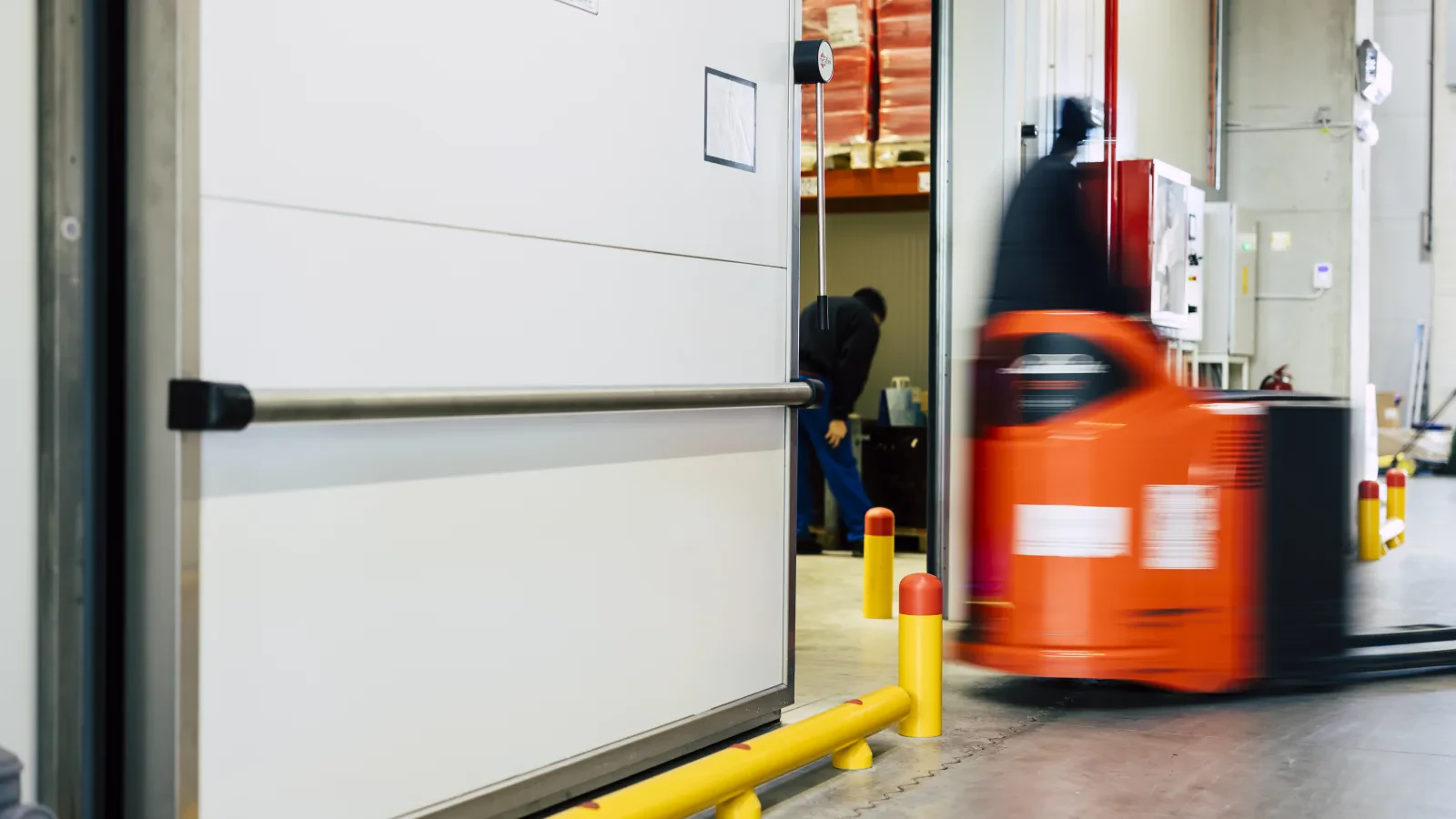
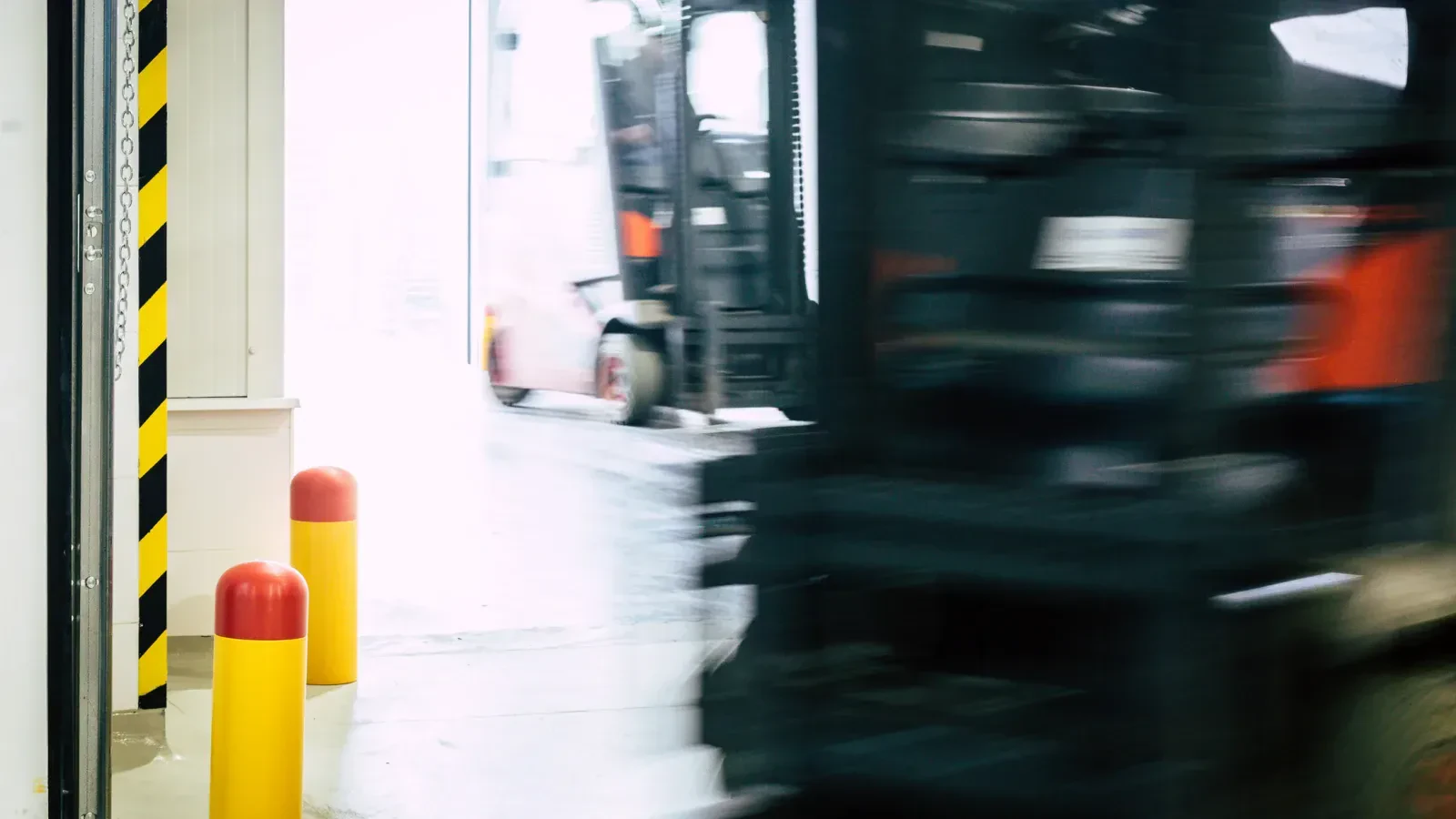
A crossing must be visible early enough to both pedestrians and vehicle operators. Racks, stacks, corners, noise, poor lighting or reversing traffic can turn a marked crossing into an unpredictable point.

Mirrors, signals, stop points, active warning or speed reduction may help, but only when they change behaviour at the right point.

  • blind corners;
  • aisle exits or welfare-area exits;
  • vehicles turning, reversing or changing direction;
Physical guidance toward the right point

Physical guidance toward the right point

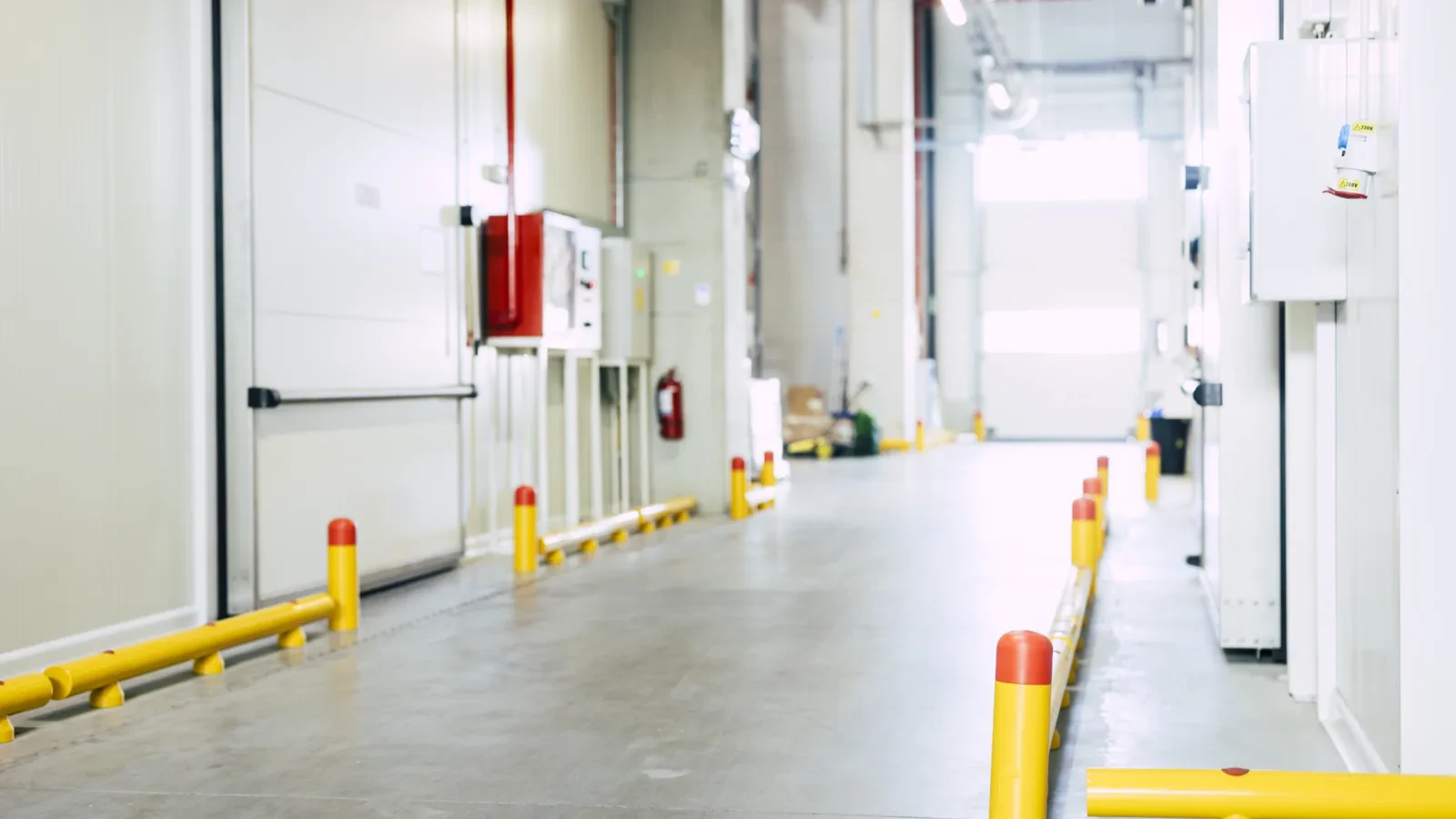
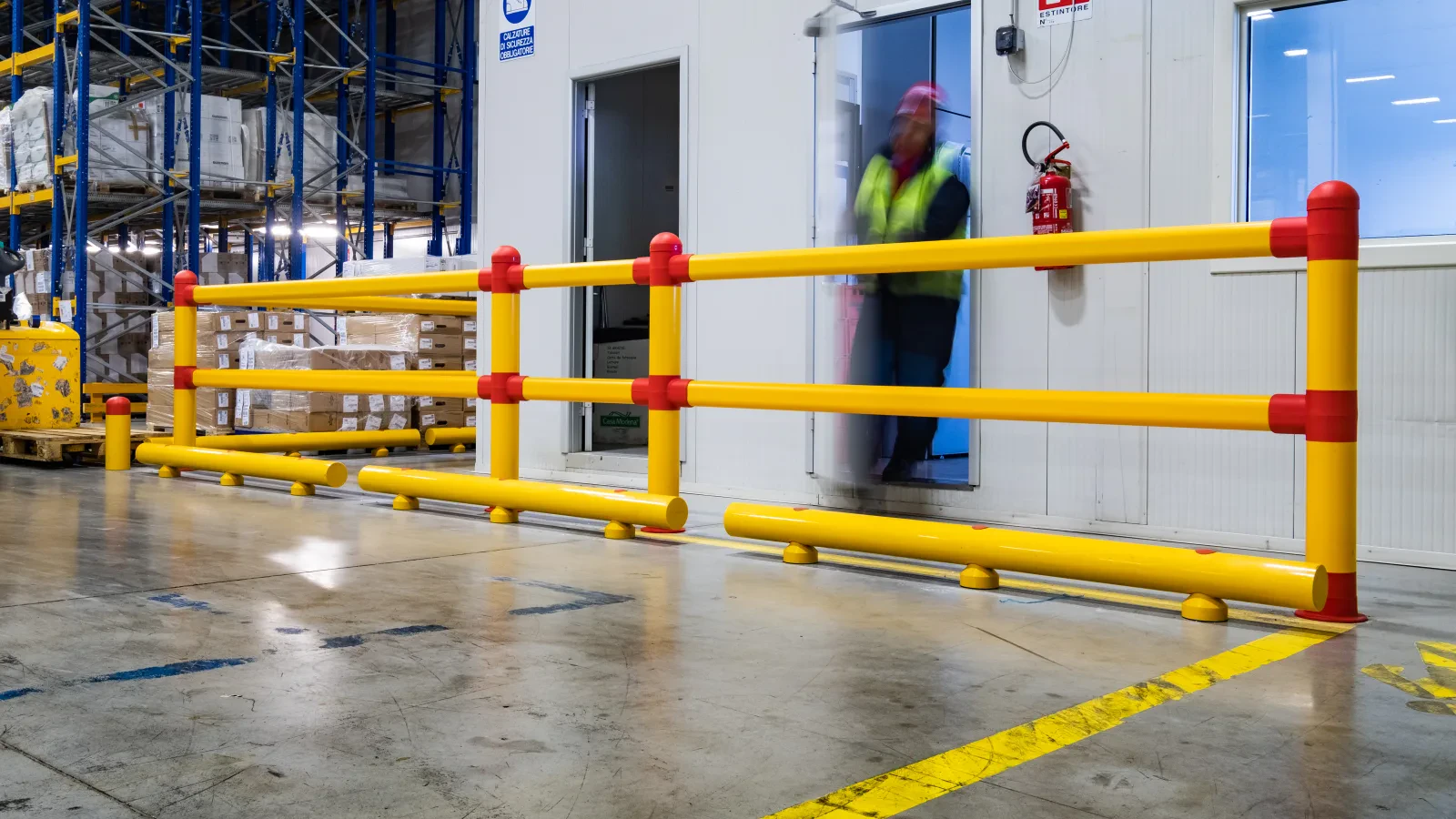
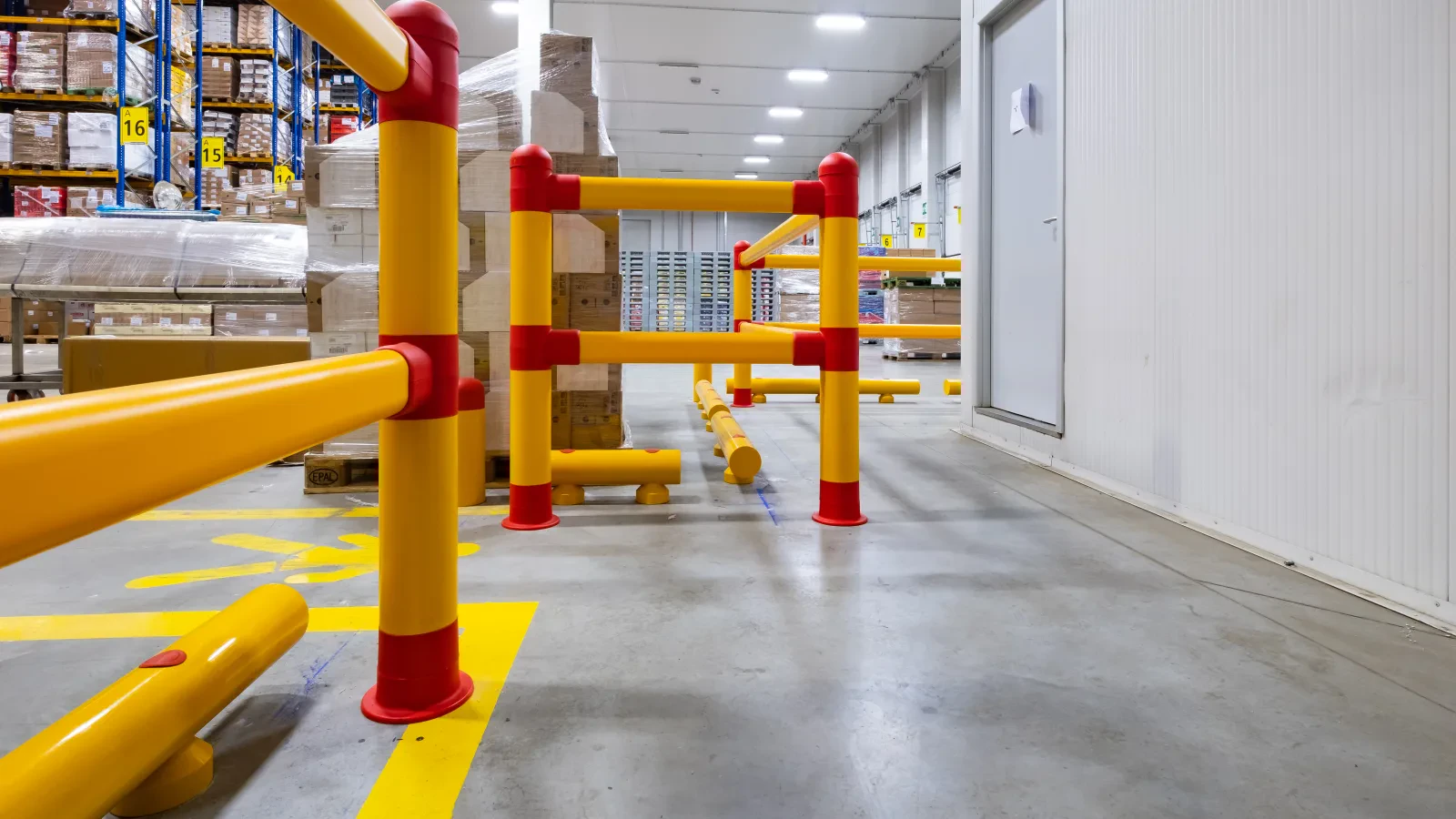
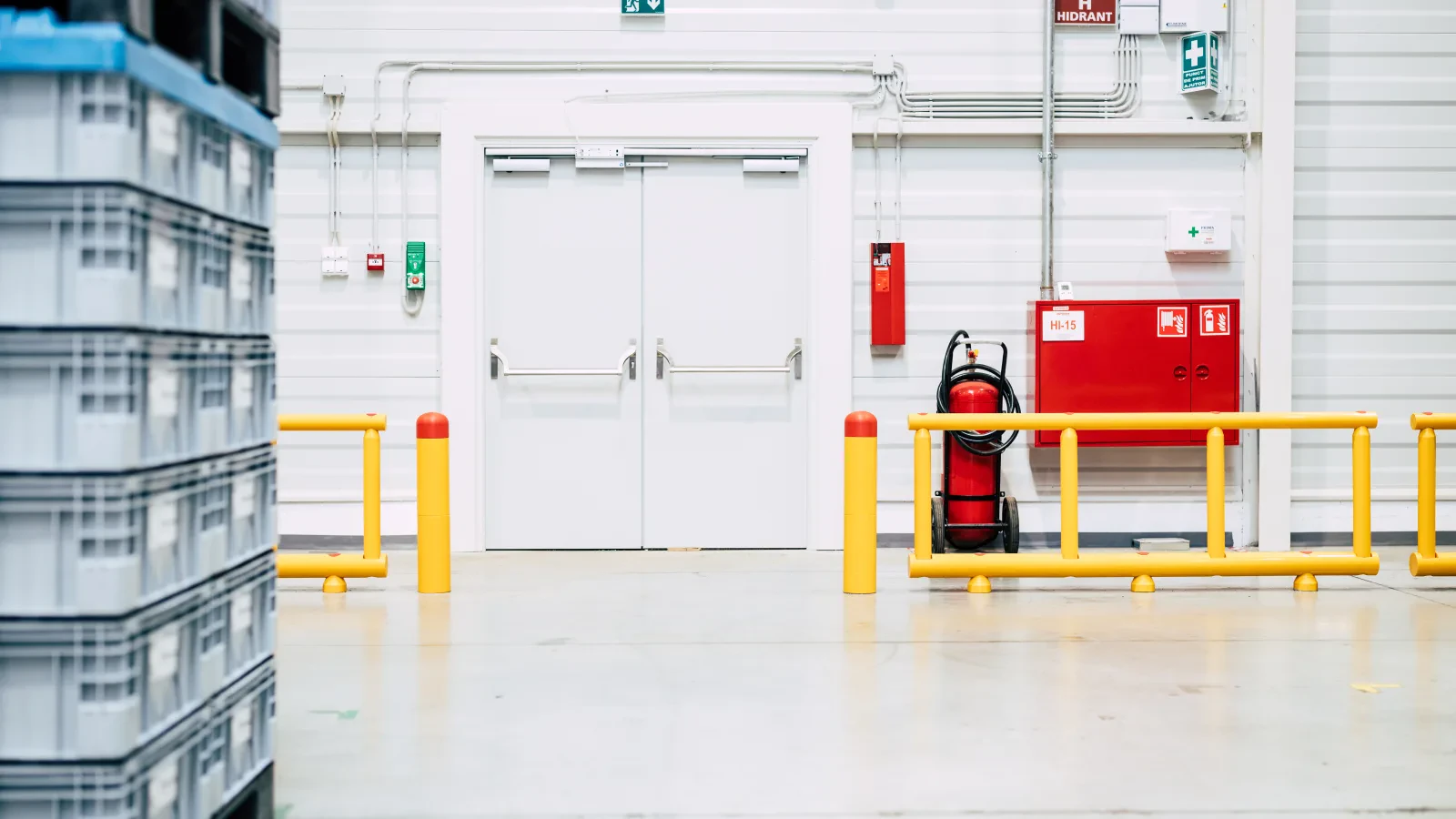
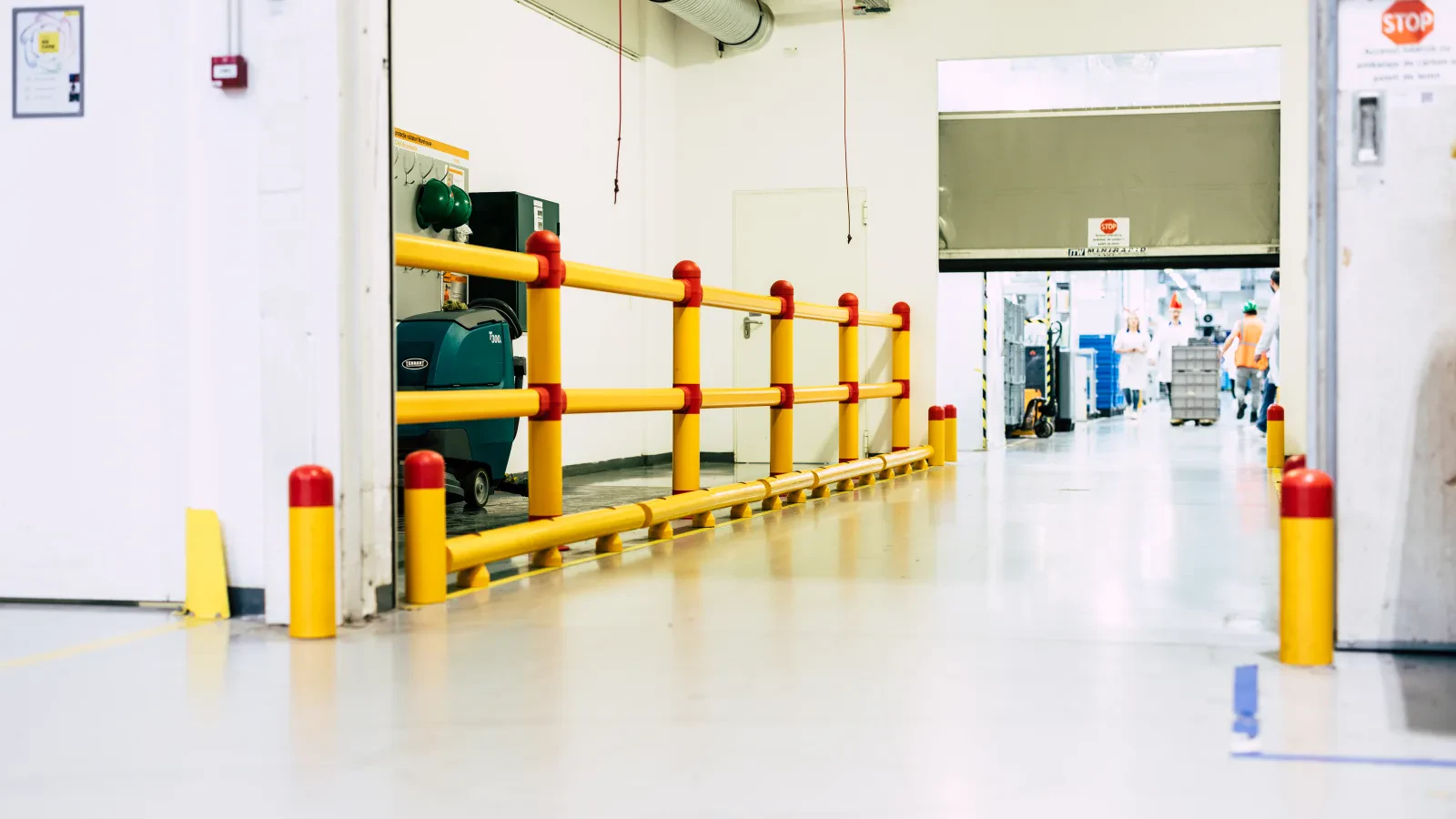
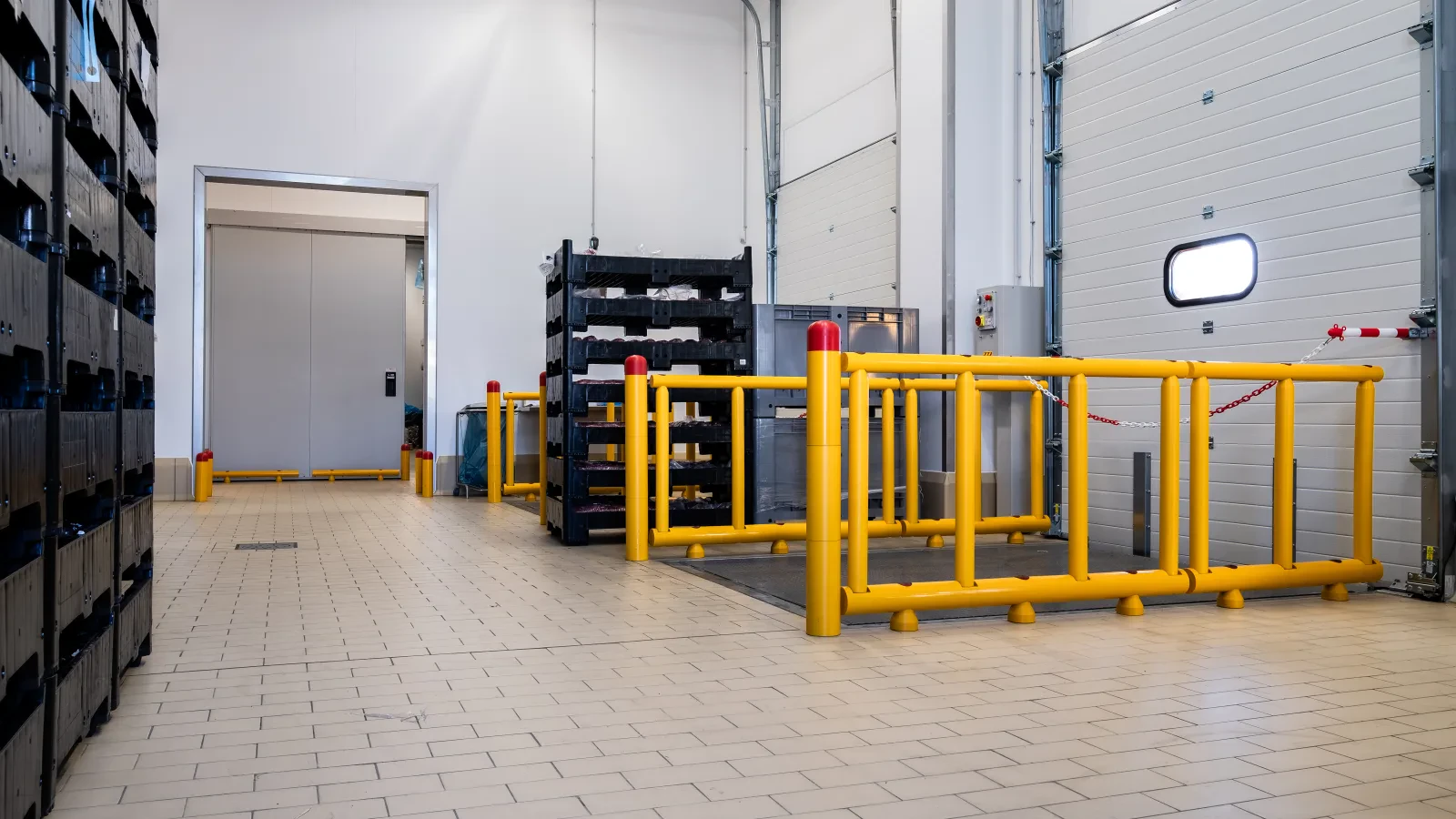
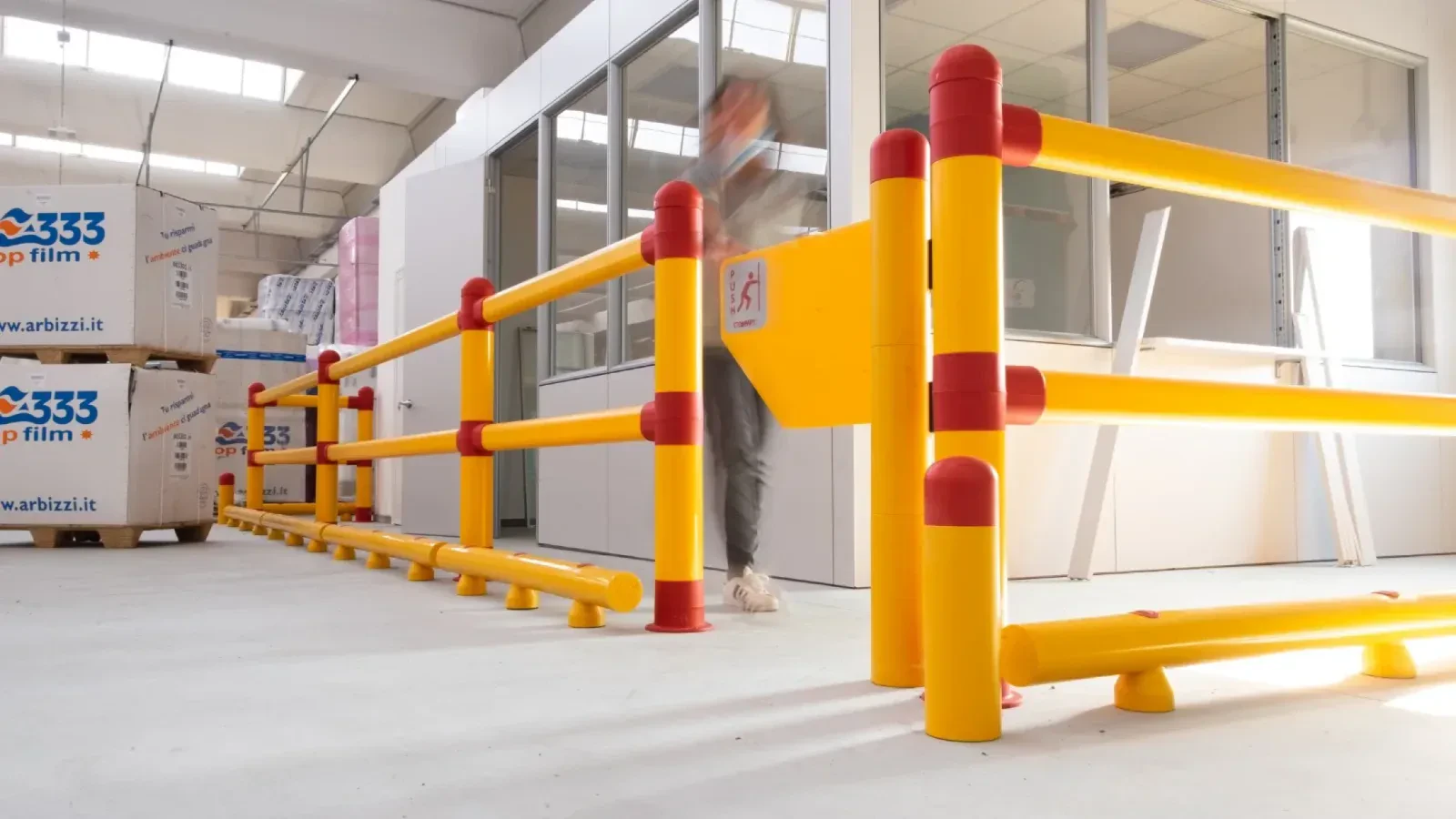
If pedestrians can cross anywhere, the marking remains only a suggestion. Pedestrian guardrails, gates and physical separation can guide people to the place where the crossing is easier to see and manage.

The aim is not to overload the area with barriers, but to make the right route easier to follow than the risky shortcut.

  • pedestrian guardrails for guidance;
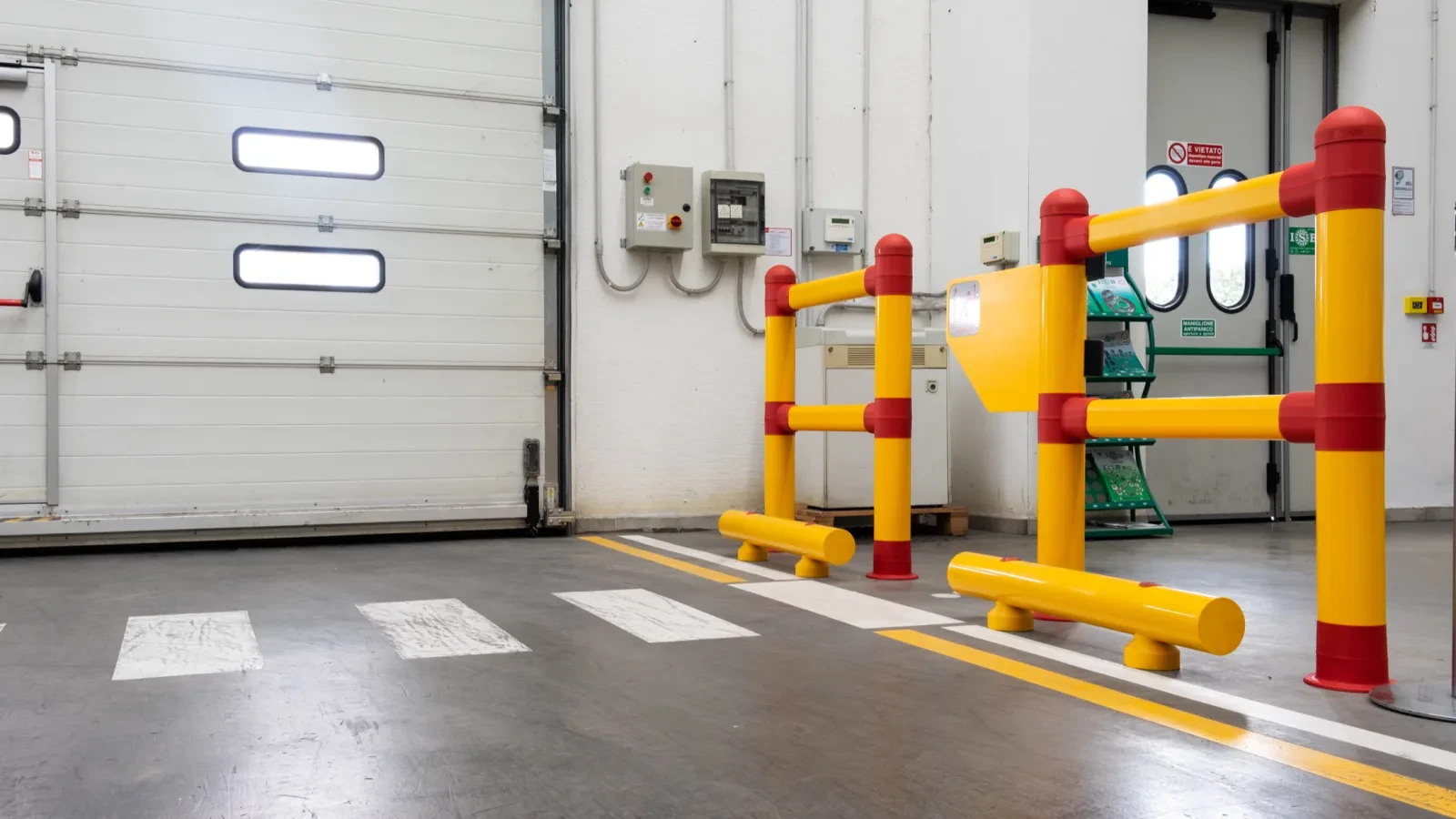
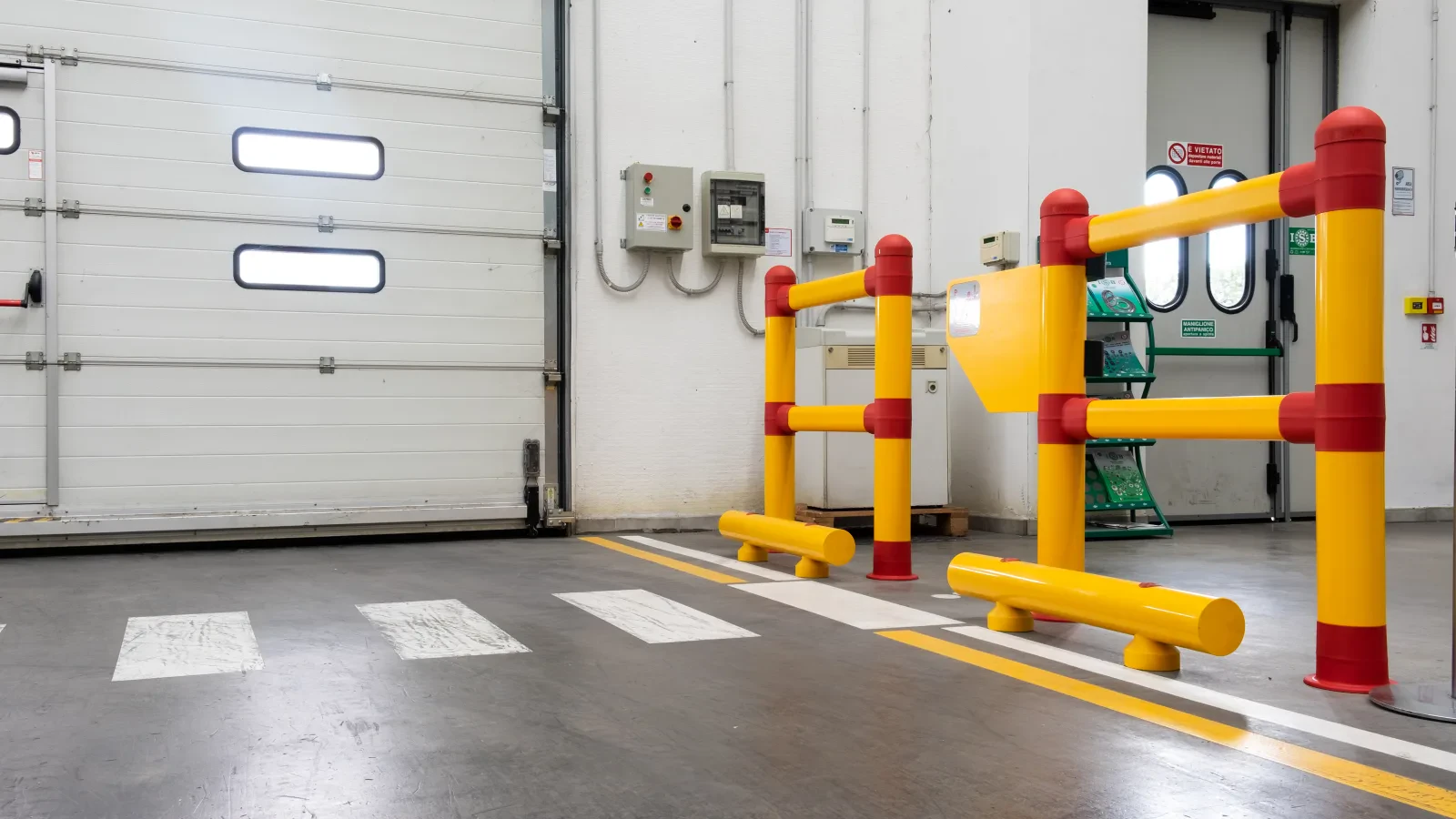
  • gates that slow entry into the crossing;
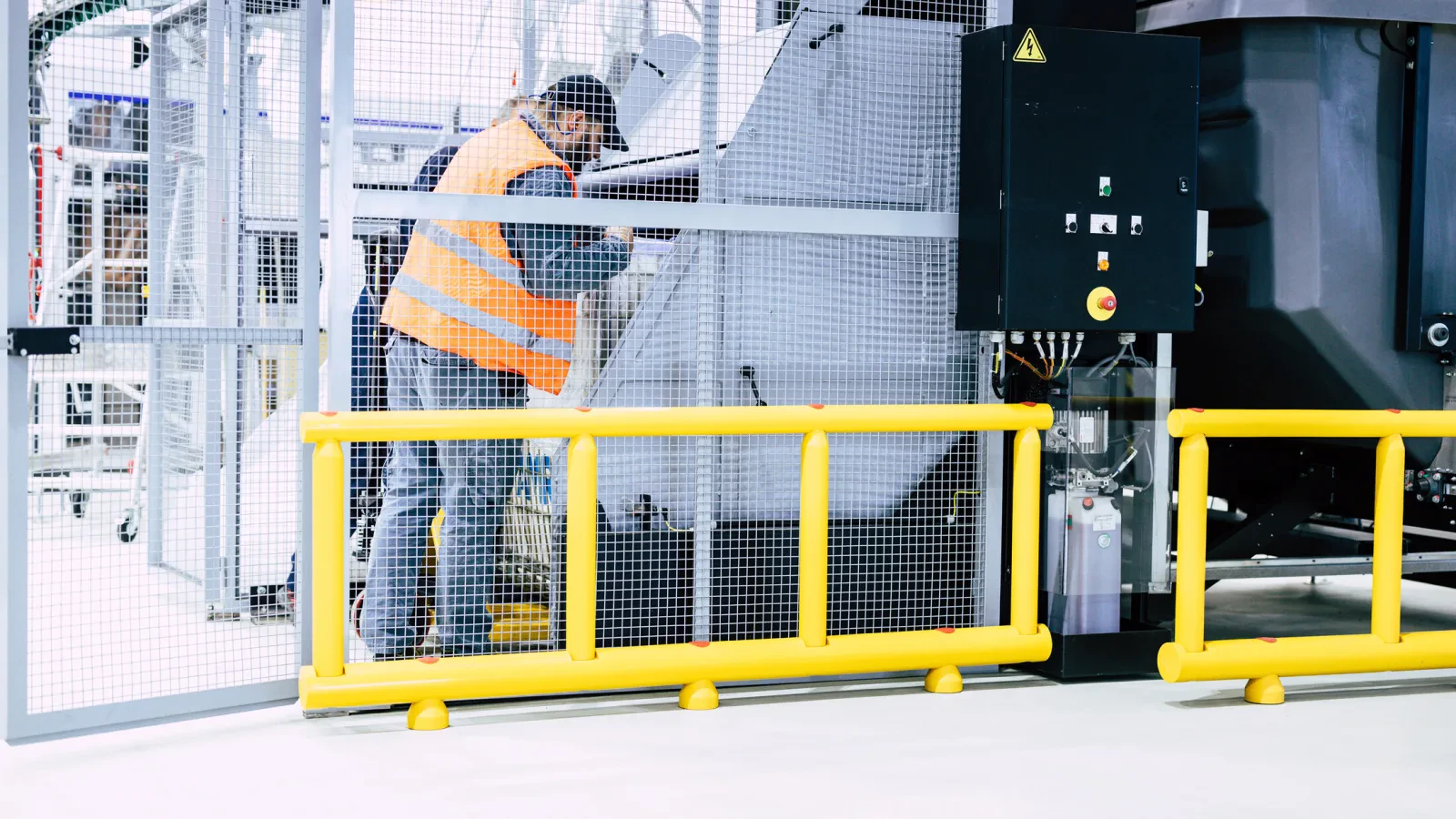
  • separation between walking area and vehicle route;
Active control when visibility is not enough

Active control when visibility is not enough

At busy intersections, noisy areas, high-speed doors, blind corners or AGV/AMR routes, passive control may not provide enough reaction time. Active warning, traffic lights, detection or speed control may then become relevant.

Define the operating situation clearly: what the system detects, who it warns and what behaviour it needs to change.

  • signal when a pedestrian enters the zone;
  • operator alert before an intersection;
  • speed reduction at conflict points with frequent traffic;

Elements that can form a controlled crossing

Correctly positioned crossing point

Placed on the route people naturally use, not in a location that daily operation will ignore.

Visible markings and signals

Show the crossing, stop point and priority logic; where exposure is high, physical guidance remains the primary control.

Pedestrian guardrails

Guide people toward the crossing point and reduce shortcuts through vehicle routes.

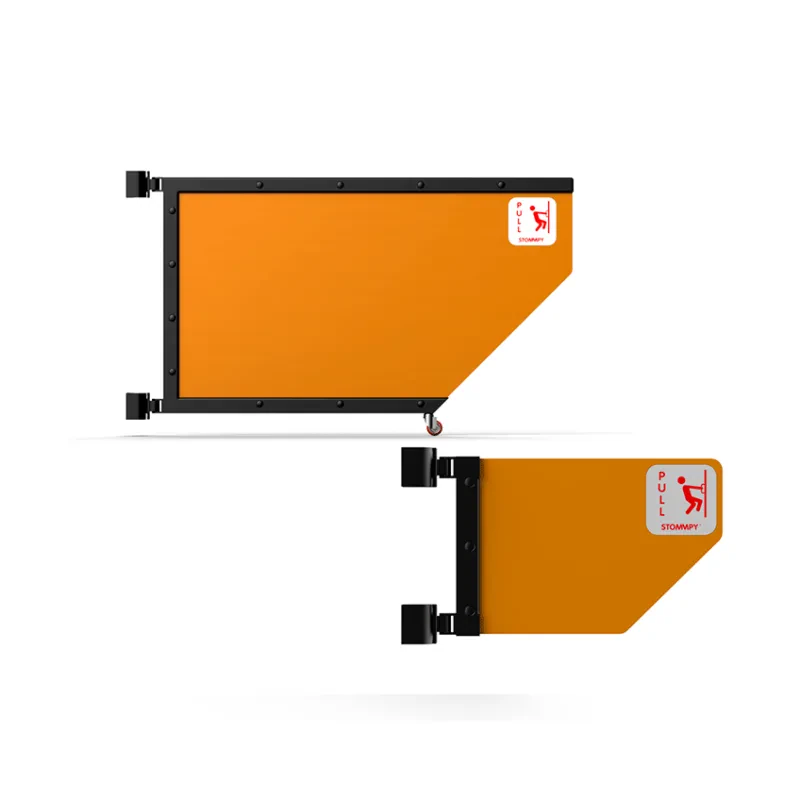
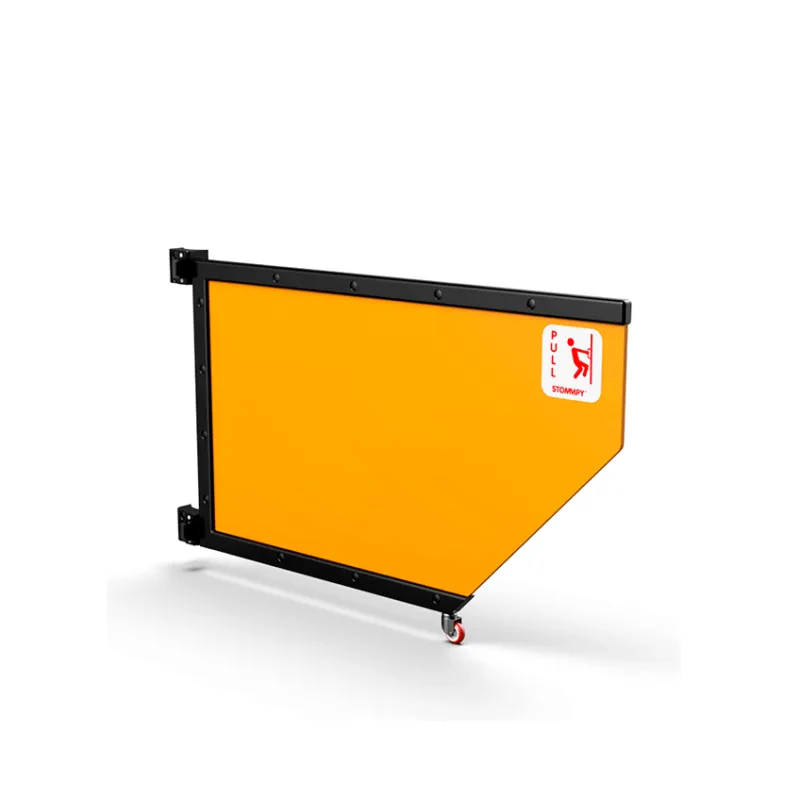
Pedestrian gates

Slow entry into the crossing zone and make the change of direction more deliberate.

Active warning

Useful at corners, intersections, fast exits and points with limited visibility or reaction time.

Impact protection around the crossing

Protects nearby exposed assets: doors, racks, columns, walls or equipment.

Products for controlled pedestrian crossings

Gates, pedestrian-segregation barriers and visual warnings can support a correctly positioned crossing. Configuration depends on the natural route, visibility, width, vehicle speed and the behaviour required before entering the crossing.
Two-way swing gate
Two-way swing gate
Material
Tecklene®
Hinge system
Hydraulic
Pull force
100 kg
Height options
475 mm – 780 mm / 830 mm – 1 630 mm
Operating temperature
-40 °C – +50 °C
One-way swing gate
One-way swing gate
Material
Tecklene®
Hinge system
Hydraulic
Pull force
100 kg
Height options
370 mm – 775 mm / 730 mm – 1 630 mm
Operating temperature
-40 °C – +50 °C
Triple pedestrian traffic segregation barrier
Material
Reinforced engineering polymer
Modularity
Yes
Module lengths
1 500 mm / 3 000 mm
Height options
1 100 mm
Operating temperature
-40 °C – +50 °C
Double pedestrian traffic segregation barrier
Material
Reinforced engineering polymer
Modularity
Yes
Module lengths
1 500 mm / 3 000 mm
Height options
1 205 mm
Operating temperature
-40 °C – +50 °C
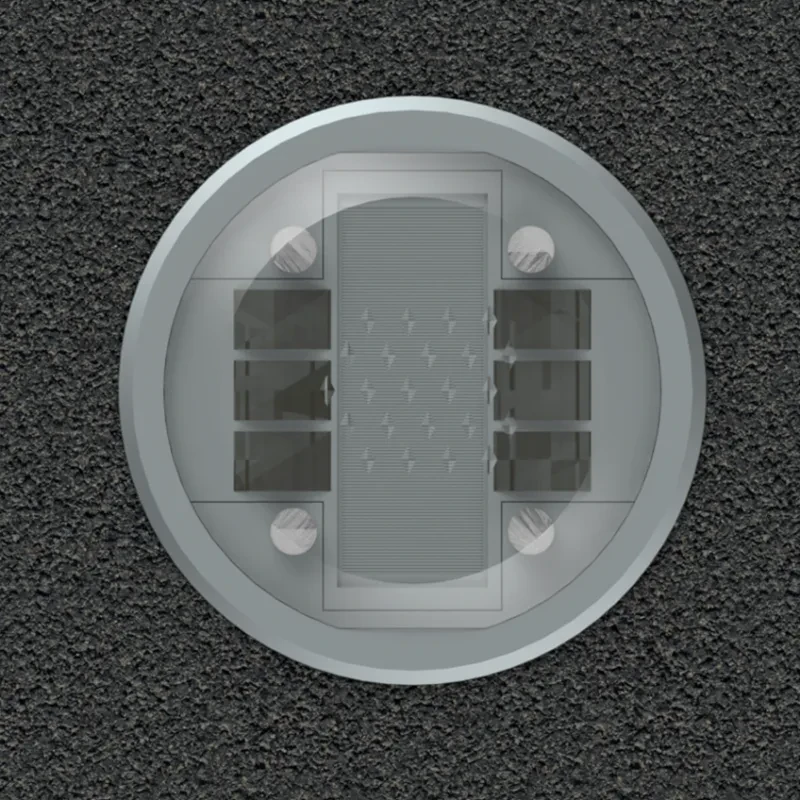
LED warning spotlight
Material
Aluminiu turnat
Light colour
Rece
Light type
Intermitentă / crepusculară
IP rating
IP68
Power supply
Panou fotovoltaic

Do you have a crossing where pedestrians enter the vehicle route?

Request a crossing review

Send a few details about the point where pedestrians cross the vehicle route. The first step is to clarify position, visibility, routes, vehicle types and the appropriate control level.

Request a crossing review

Send a few details about the point where pedestrians cross the vehicle route. The first step is to clarify position, visibility, routes, vehicle types and the appropriate control level.

Frequently asked questions

Useful questions before moving, marking or protecting a pedestrian crossing point.

It should be reviewed when pedestrians frequently cross a route used by forklifts, pallet trucks, tugger trains, AGV/AMR, trucks or vans. The useful signal is concrete: uncertain stops, shortcuts, EHS observations or hesitation between operators and pedestrians at the same point.

A controlled crossing does not automatically mean traffic lights or barriers. It may mean repositioning, clearer markings, a gate, pedestrian guardrails, active warning, speed reduction or a combination matched to the area.

Safety remains tied to the site traffic plan as a whole: separation, visibility, training, speed, maintenance and daily route discipline. The crossing is one controlled point in that system, not the whole system.

Markings are useful when the point is visible, speed is low, traffic is predictable and pedestrians naturally use that route. In those conditions, they can clarify the crossing and support daily route discipline.

Where there are blind corners, reversing, doors opening into traffic, busy loading bays or shortcuts, markings usually need support from physical guidance, gates, active warning or a better crossing position.

A good position is close to the real pedestrian route but visible early enough for vehicle operators. If the point is too far from the natural route, people will cross closer to their destination. If it is too close to a door, corner or rack exit, reaction time may be too short.

In practice, review where people come from, where they need to go, which vehicles pass through, their speed, turning or reversing behaviour and whether pedestrians can be guided toward the selected point.

A pedestrian gate makes sense when entry into the crossing needs to be slowed and people need to be guided toward a safer point. It can make the change of direction more deliberate and reduce spontaneous crossing directly from a door or welfare area.

A gate should not be selected only because it looks orderly. Available space, pedestrian flow, emergency access, cleaning, maintenance and whether the gate pushes people toward a riskier route all matter.

Active warning can help when visibility or reaction time is limited: corners, intersections, high-speed doors, noisy aisles, AGV/AMR routes or points where vehicles appear from directions that are hard to anticipate.

Before selecting it, clarify what the system detects, who receives the signal, when the alert appears and what behaviour must change. A generic light or alarm does not automatically fix a poorly positioned crossing.

Useful inputs include pedestrian and vehicle routes, vehicle types, approximate speed, blind spots, doors or areas where people exit, and any history of EHS observations, impacts, sudden stops or improvised crossings.

A simple layout and a few photos help set the first direction. The full assessment still belongs to the site context: real traffic, internal EHS rules, daily behaviour and how route discipline is maintained.

The right choice separates position, visibility, physical guidance, active warning, speed and impact protection instead of treating every crossing as the same layout task.

Sending…