
Cleaner commercial entrances under heavy traffic
Cleanliness & Contamination Control

Cleaner commercial entrances under heavy traffic

When weather and constant pedestrian or cart traffic carry water and dirt beyond the door, the entrance needs to work as part of the route. CleanGate and the right setup reduce transfer before tracks reach public areas.

View entrance systems

Entrance dirt becomes an indoor cost

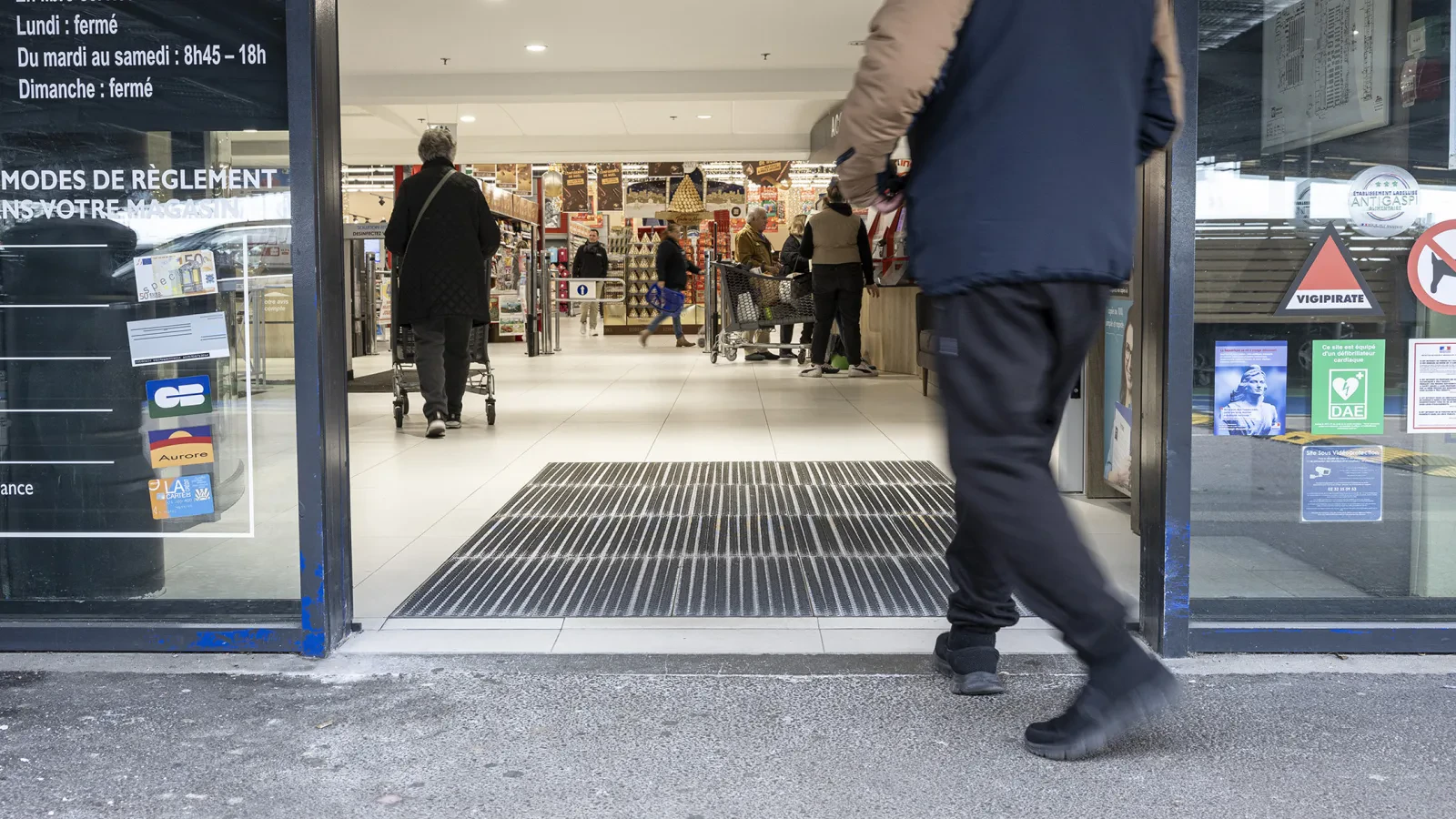
In a store, office, hospital, showroom, hotel or public building, the entrance is exposed throughout the day to weather, traffic and daily routines. If the first zone does not retain enough, the signs appear beyond the entrance: dirty floors, moisture tracked further inside, repeated cleaning and slip risk.

Entrance configuration depends on pedestrian flow, carts or trolleys, the number of steps on the control surface, available space and the cleaning routine after peak traffic. For commercial traffic, compare this direction with polymer contamination-control mats; for industrial wheel routes, continue with route-based transfer control.

What changes when the entrance captures more dirt and moisture from incoming traffic

A well-chosen entrance zone reduces how much water, mud and particles travel further into the building and makes cleaning routines more predictable.

Less moisture carried inside

Water and dirt are retained earlier, before tracks appear on floors, in lifts or in sales areas.

More predictable cleaning after peaks

The cleaning team faces fewer recurring tracks after each traffic peak and can plan interventions more clearly.

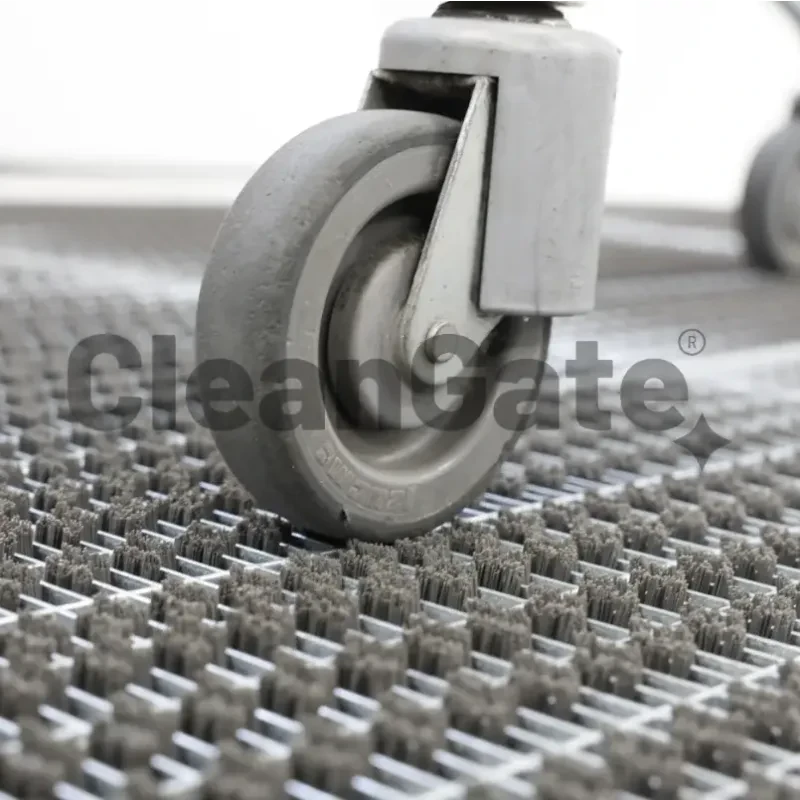
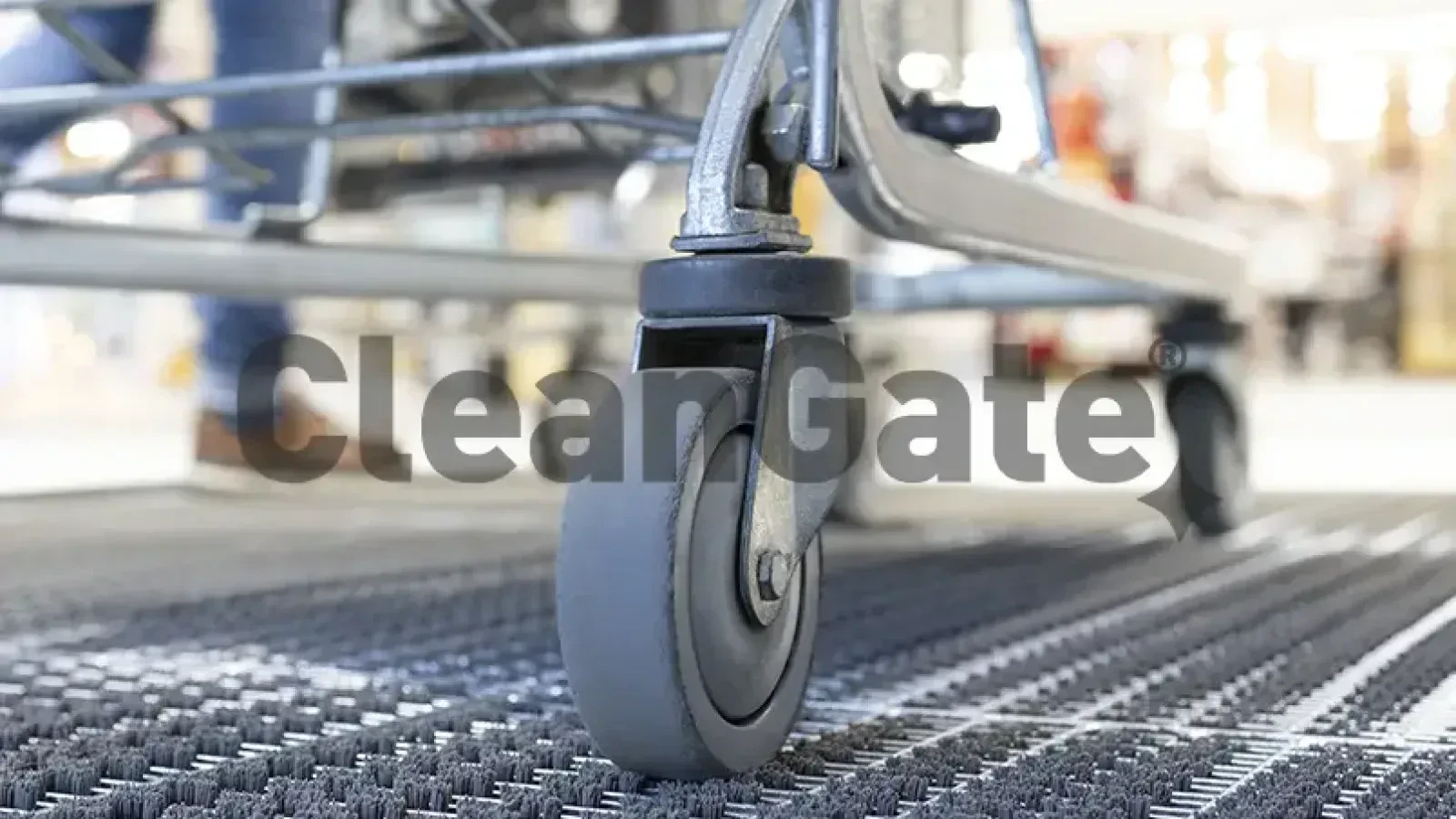
Better contact with small wheels

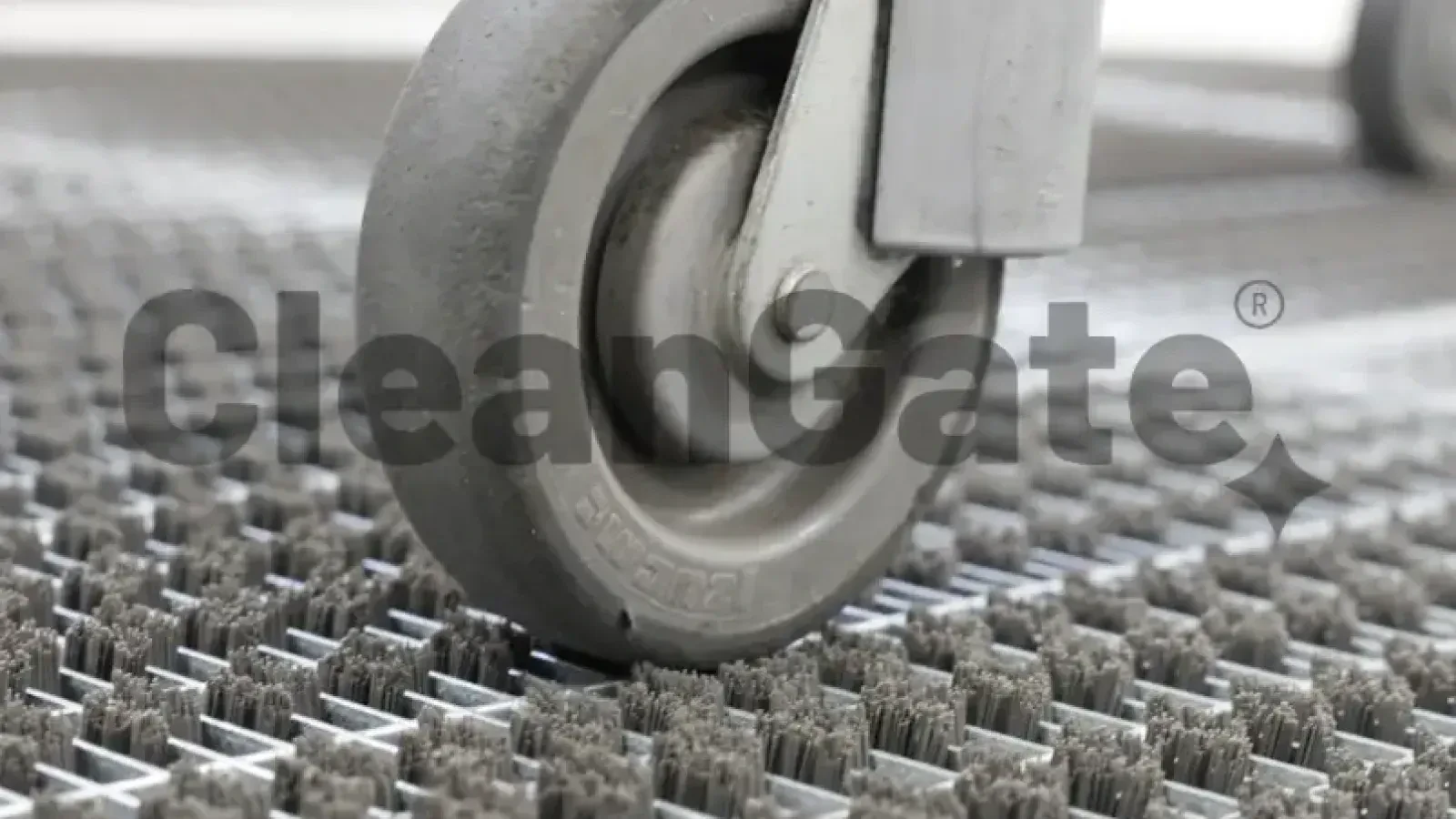
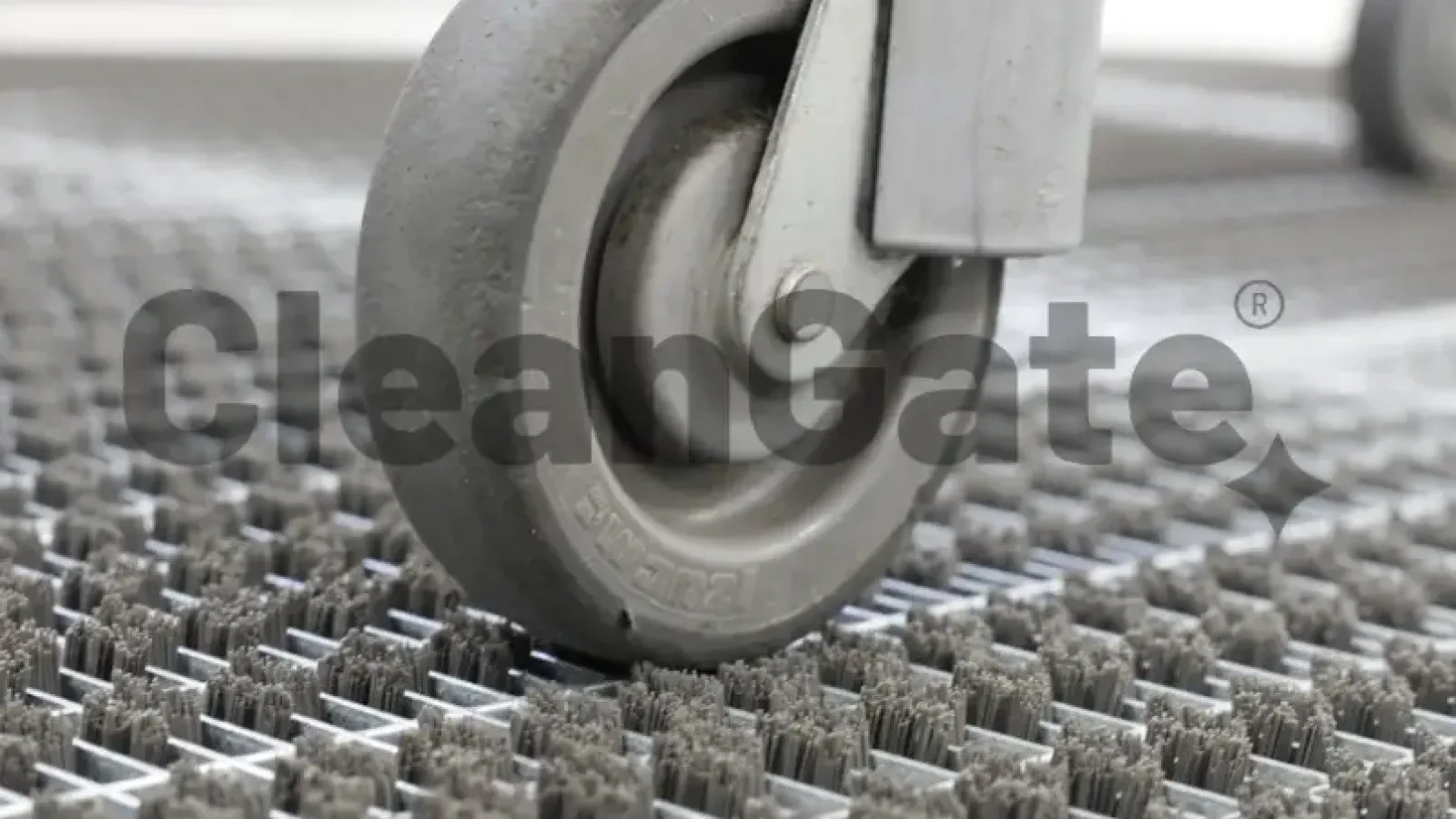
Carts, trolleys and wheelchairs can be included in the control logic instead of treated as secondary traffic.

More stable appearance in visible areas

The entrance is easier to keep presentable for customers, visitors or patients, especially during difficult weather.

Clearer maintenance routine

The system still needs cleaning and checks, but the routine can be defined more clearly than with surfaces that are frequently moved or replaced.

A clearer comparison between options

It becomes easier to choose between an active system, textile zones, aluminium entrance mats, combined zones or a change to the entrance route.

How to compare an active system with entrance matting options

The right system is selected based on flow, weather, small wheels, available space and cleaning routine. Textile mats, aluminium entrance mats and active systems can work differently or together depending on the entrance.

When active contact is needed at the entrance

When active contact is needed at the entrance

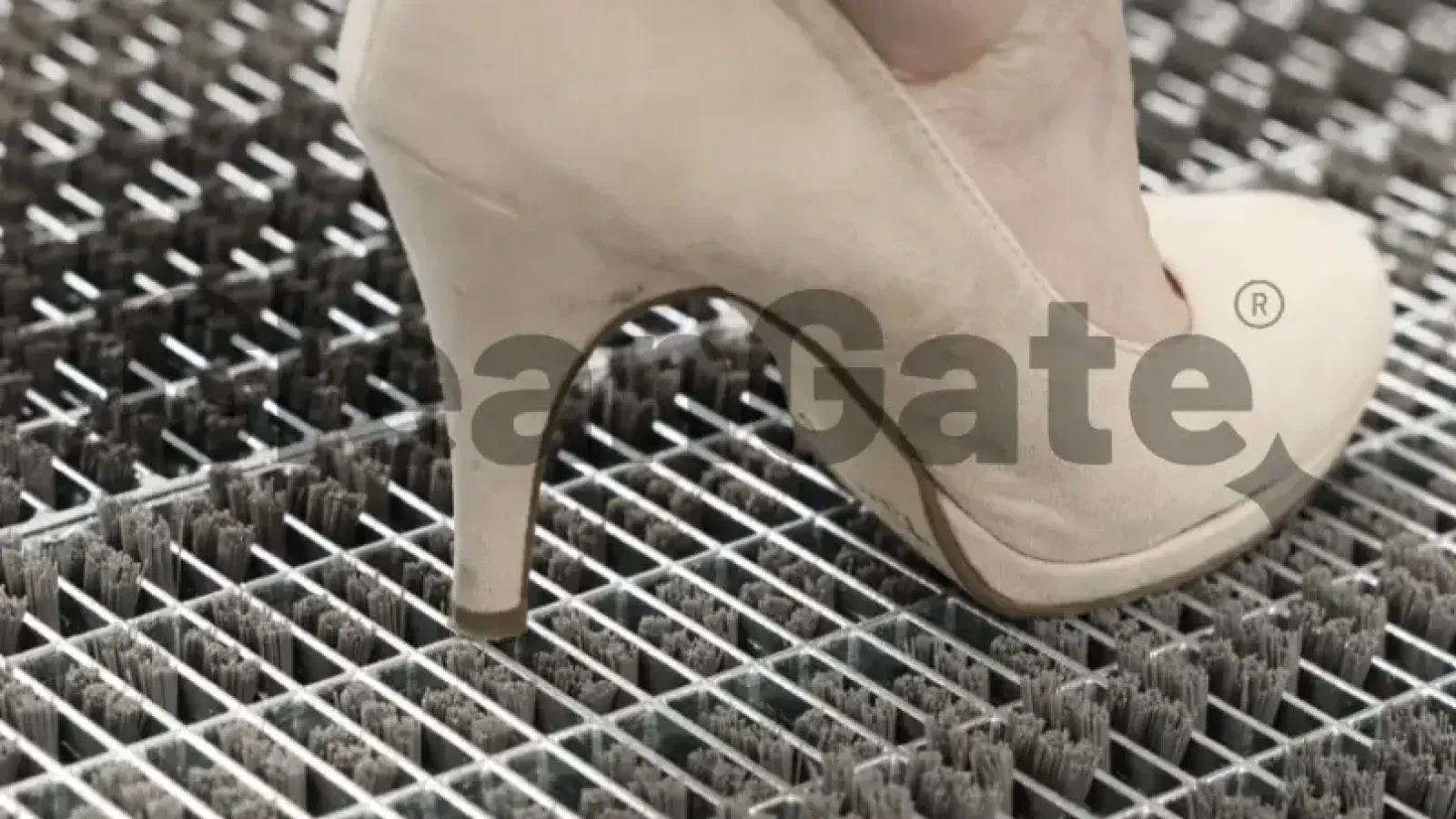
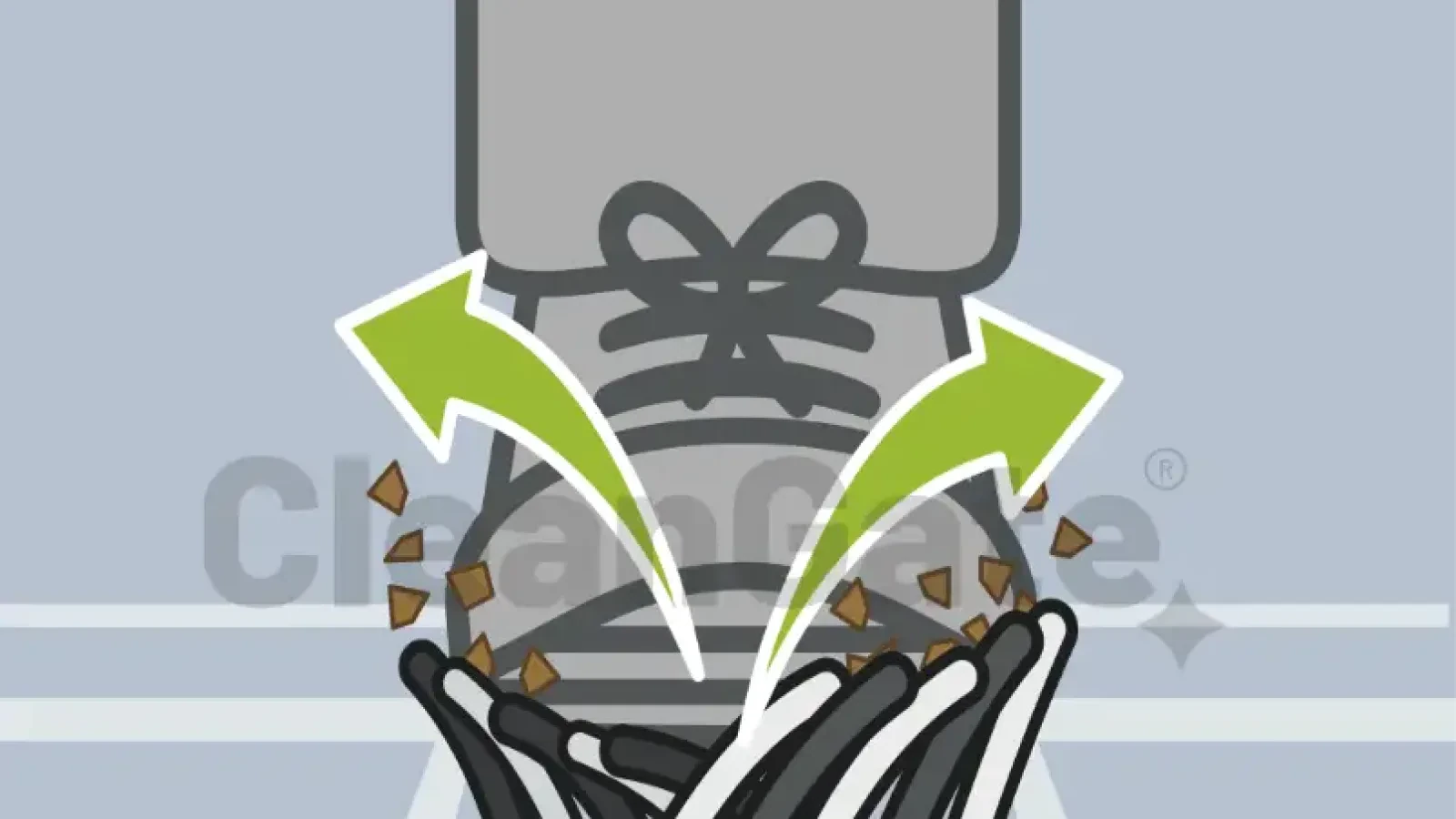
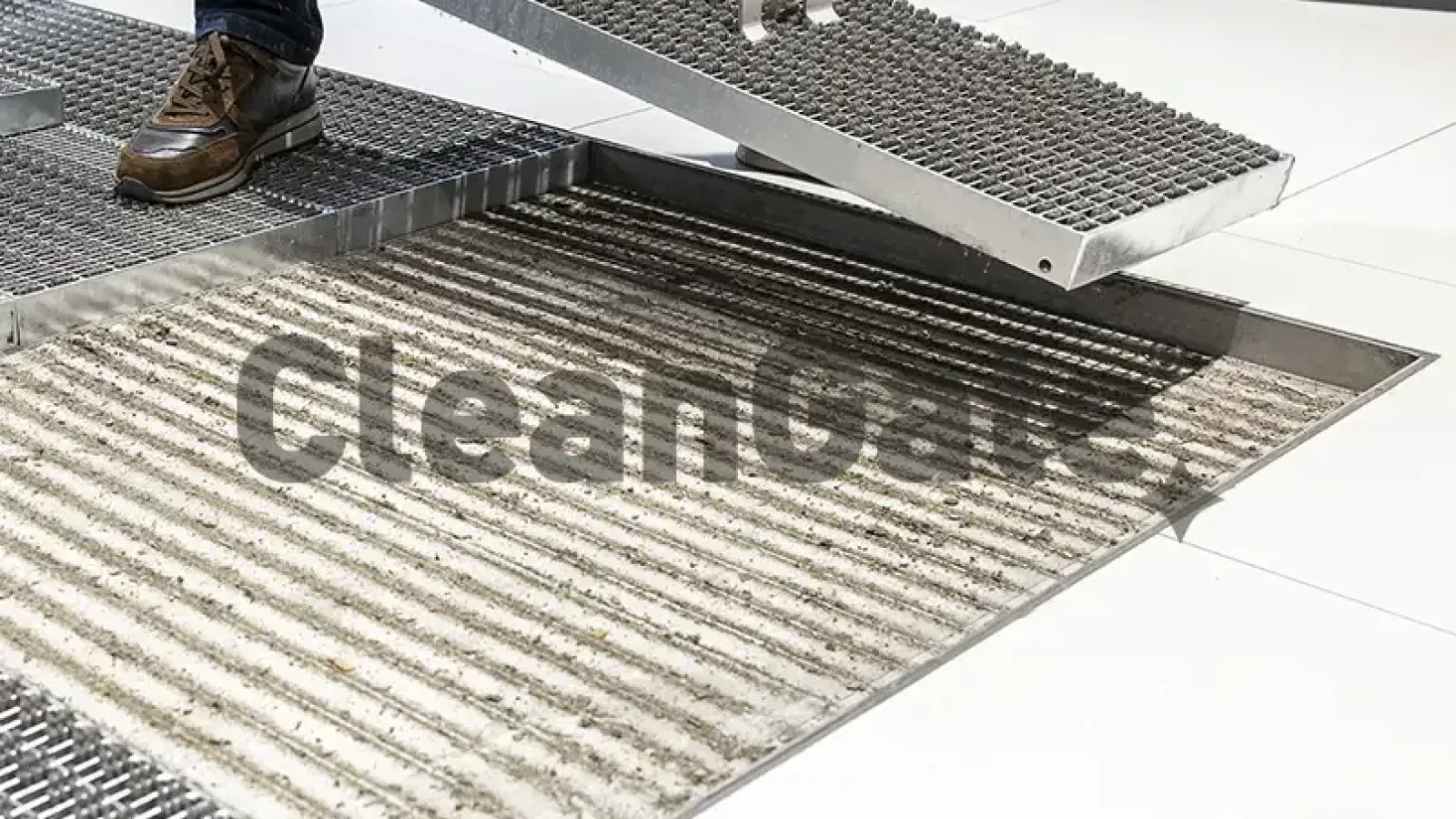
An active system becomes relevant when the entrance has constant traffic, small wheels, carts, moisture or dirt that visibly moves beyond the first access zone. The important difference is controlled contact with footwear and wheels, not only passive absorption.

  • high traffic in short time windows;
  • carts, trolleys or small wheels;
  • water, mud, grit, salt or fine dust;
When textile or aluminium may be enough

When textile or aluminium may be enough

Textile mats and aluminium entrance mats can work well when traffic is more predictable, small wheels are rare, and the zone is long enough for scraping, absorption and drying. They still need timely cleaning, replacement or maintenance.

  • interior or semi-protected entrances;
  • mostly pedestrian traffic;
  • enough space for wiping and drying;
When a combination is stronger

When a combination is stronger

In many buildings, a single surface is not always enough. An active system can reduce dirt and moisture earlier, while a textile or aluminium zone can support drying, appearance and comfort at the entrance.

  • exposed outside area plus vestibule;
  • pedestrian traffic and carts at the same point;
  • high visual expectations at the entrance;
What to check before installation

What to check before installation

Before choosing, check the real route, entrance direction, available length, floor, drainage, cleaning method and maintenance owner. A good system can underperform if it is too short, easy to bypass or difficult to clean after busy periods.

  • photos from both directions;
  • traffic types and peak hours;
  • current cleaning and maintenance routine;

Where it matters most

Retail and supermarkets

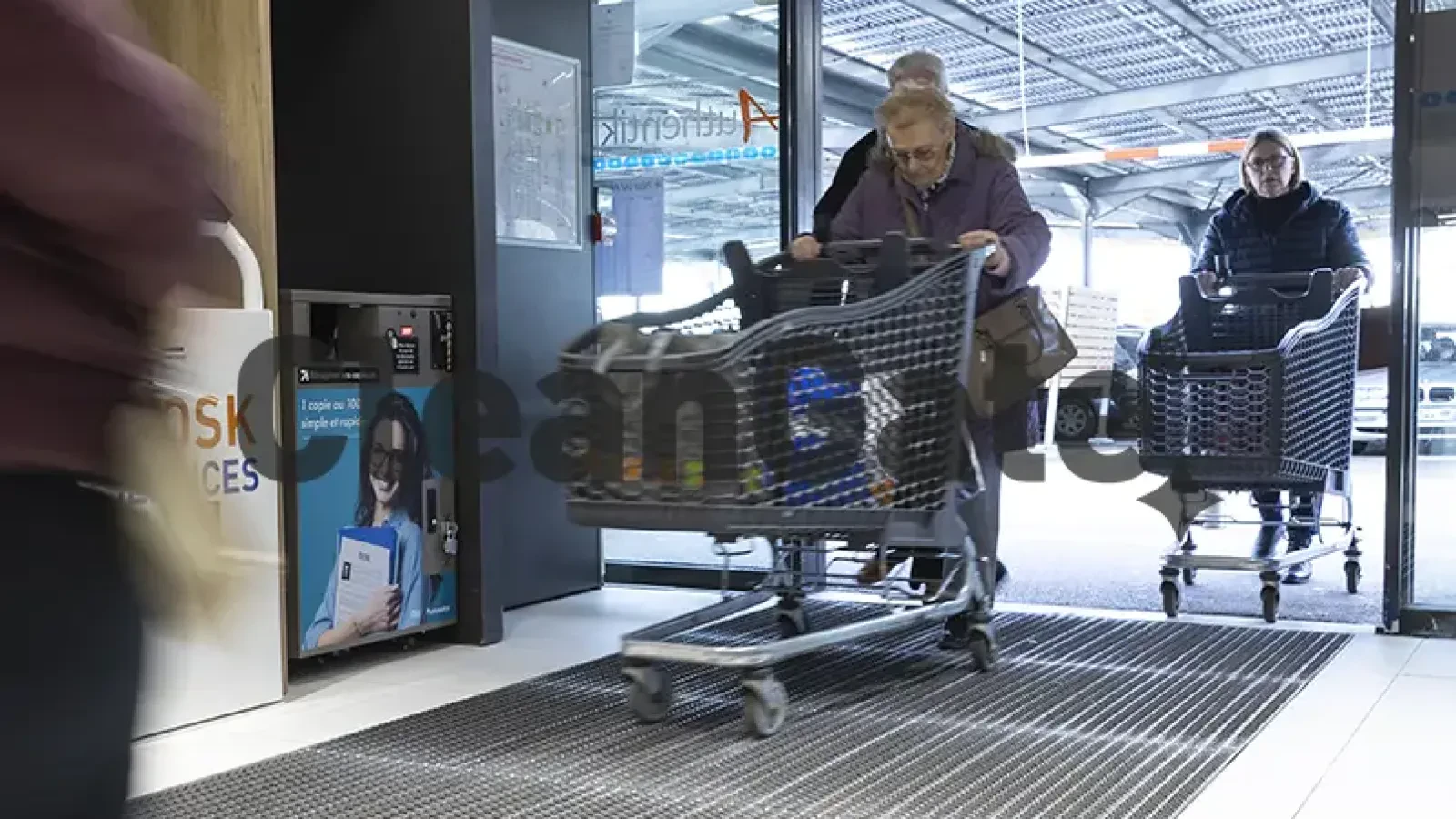
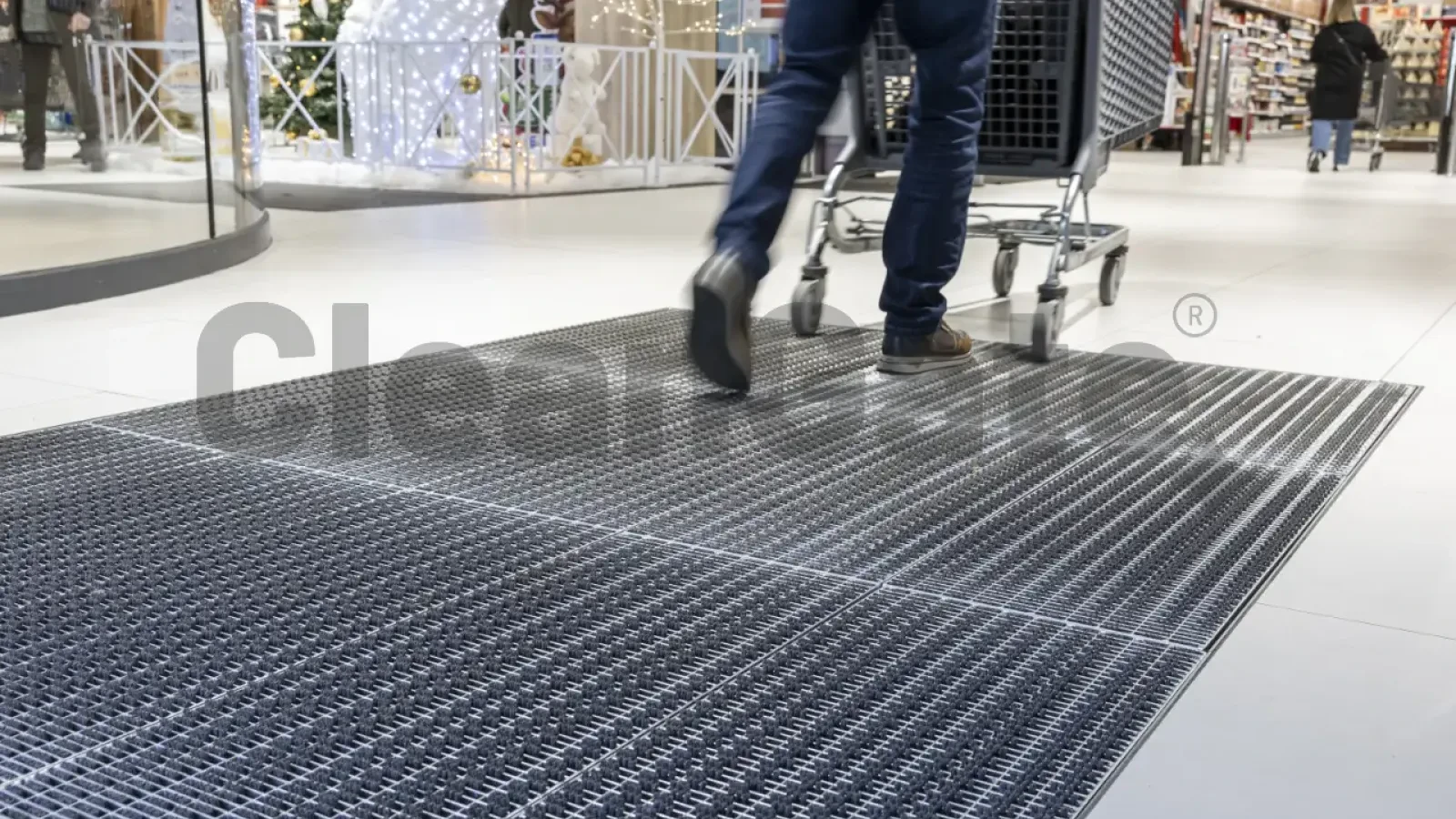
Entrances where heavy customer and cart traffic quickly carries weather-borne dirt onto the floor.

Showrooms and commercial spaces

Places where first impressions fade quickly when water or mud marks appear.

Hospitals and clinics

Daily access with high traffic, visitors and visible cleanliness expectations.

Public buildings

Large flows of people, changing weather and repeated cleaning.

Hotels and hospitality

Entrances where appearance, moisture and cleanliness shape the first step.

Carts, trolleys and small wheels

Routes where wheels can carry water, dust and fine dirt further inside.

Useful resources for this category

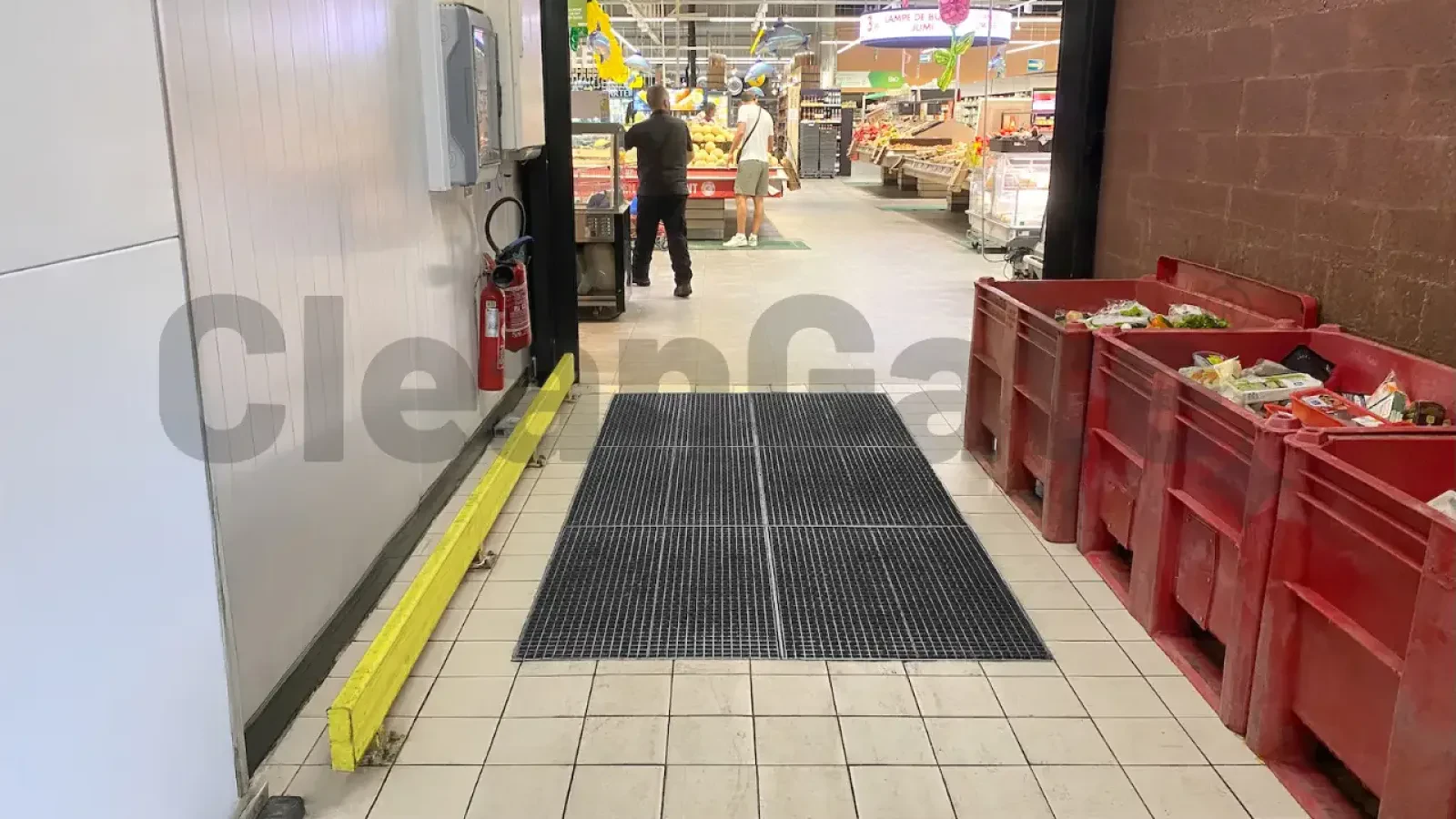
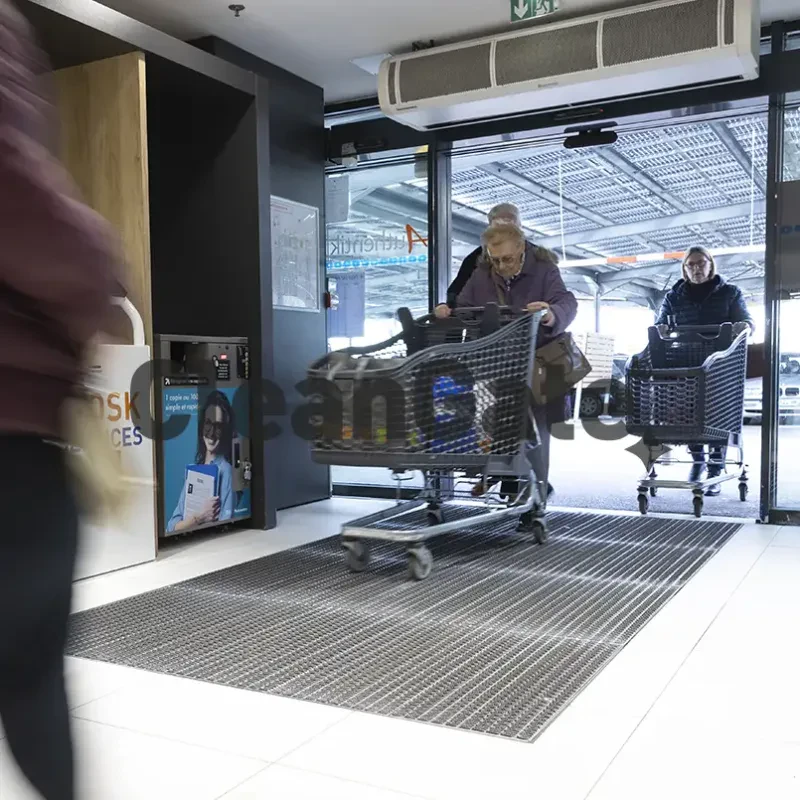
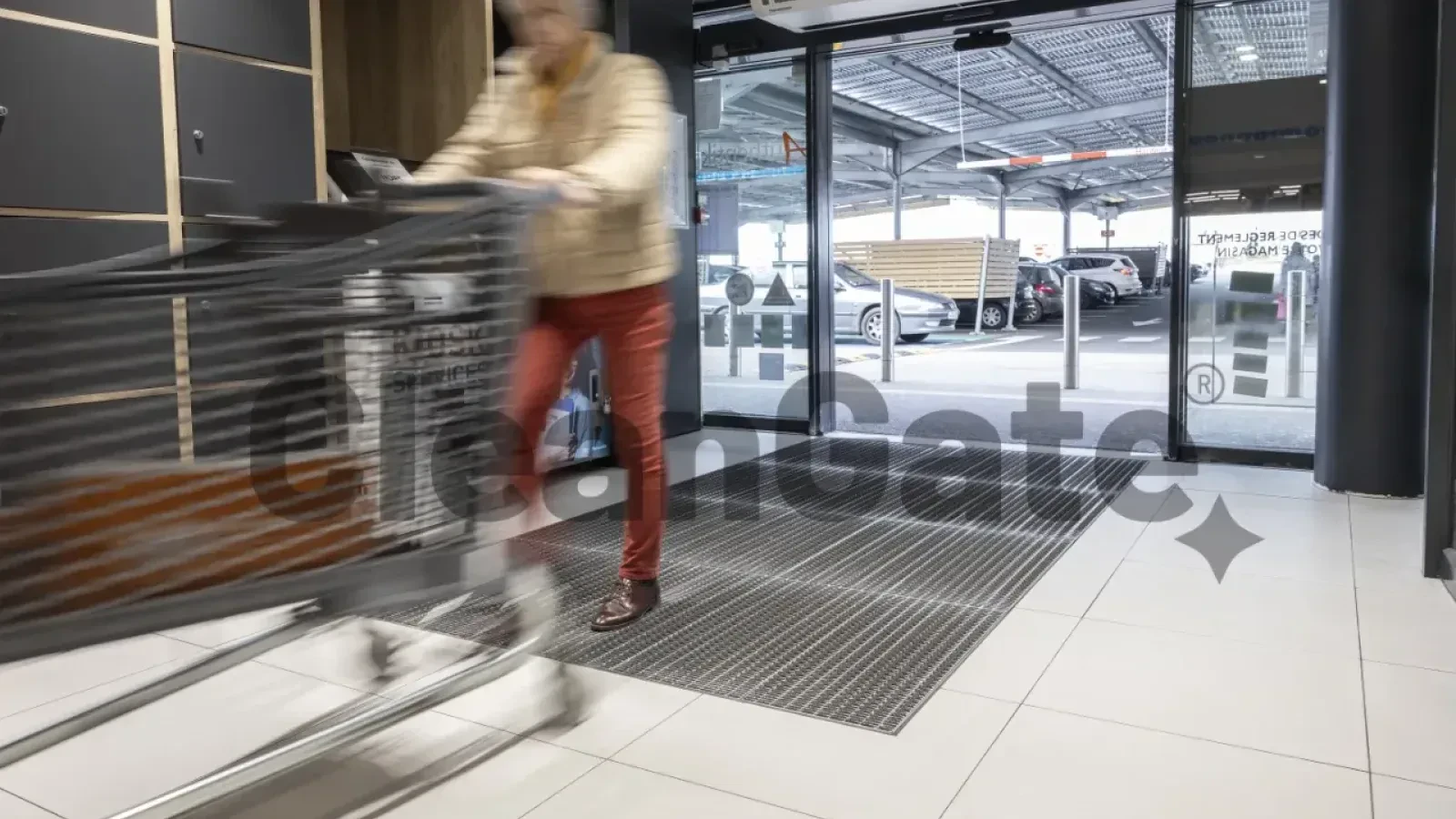
E.Leclerc: a cleaner supermarket entrance with CleanGate
Commercial entrance cleaning systems
E.Leclerc: a cleaner supermarket entrance with CleanGate

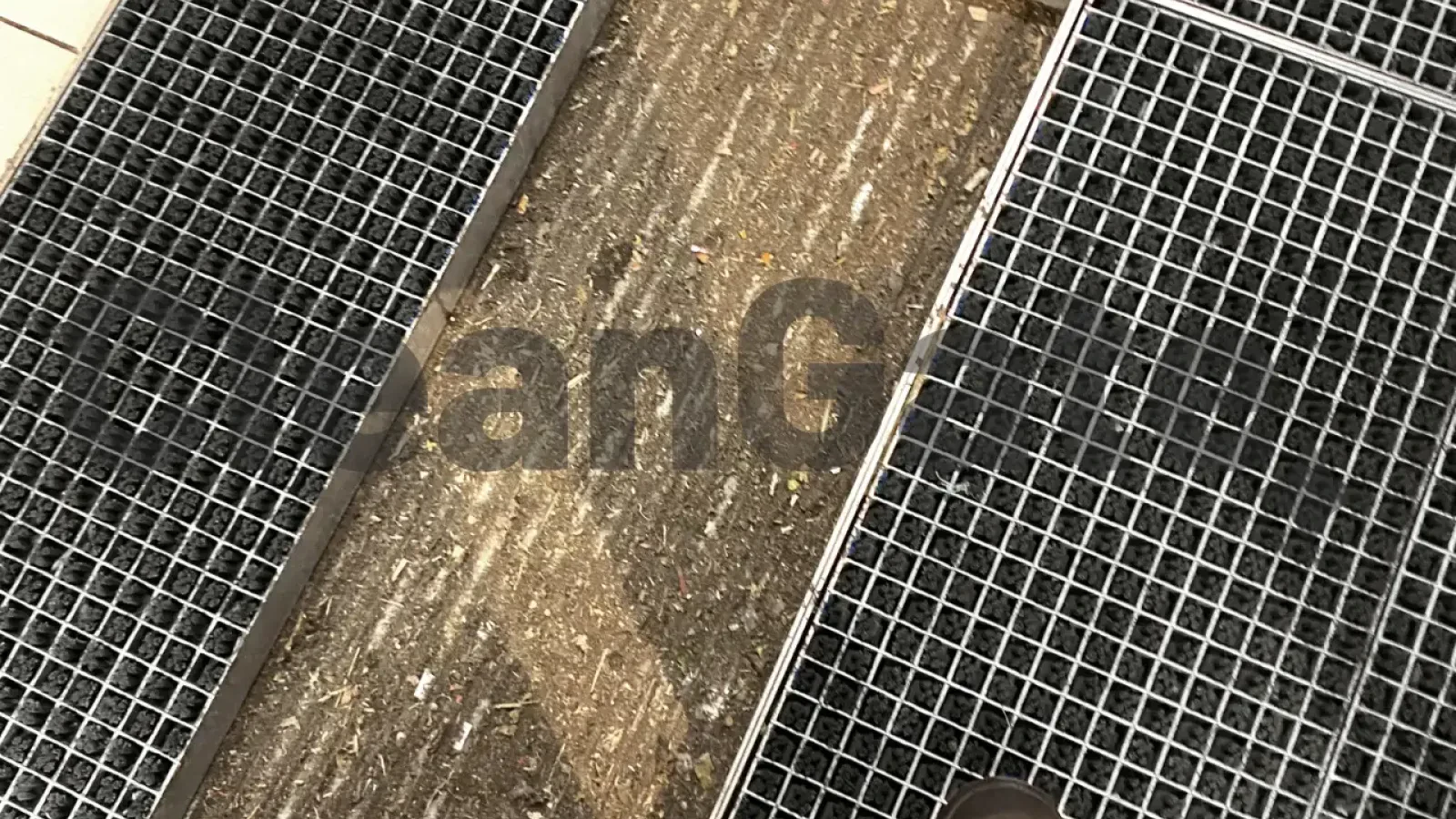
A CleanGate supermarket entrance shows what can be controlled before dirt reaches the store: customer traffic, carts, small wheels, 880 visitors per day and 8.7 kg collected over 3 months.

Learn more

Local and international references

  • Barilla
  • Coca-Cola
  • Danone
  • Nestlé
  • PepsiCo
  • Unilever

Active and passive options for entrance dirt control

CleanGate adds active contact for constant traffic, carts and small wheels. CCM Heavy Duty is the polymer contamination-control mat for points where a passive, reusable mat and its washable surface fit the route and cleaning routine better.
CleanGate
CleanGate
Traffic type
Shopping carts, soles and commercial entrance traffic
Place of application
Retail entrances and shopping centres
Dirt type
Coarse and fine dirt
Cleaning process
Mechanical cleaning for commercial entrances
Tray depth
Configured by project
CCM Heavy Duty - polymer contamination-control mat
Material documentation
ISO Class 5 material documentation
Load resistance
130 kg/cm2
Thickness
2.9 mm
Weight
3.3 kg/m2
ESD
10^10 Ohms

Do you have an entrance where water, dirt or small wheels quickly show on the floor?

+36 30 013 5510

Request an entrance check

Send a few details or photos of the entrance, traffic, weather exposure, floor and what you see in the access area. This clarifies what kind of control makes sense for that entrance.

Request an entrance check

Send a few details or photos of the entrance, traffic, weather exposure, floor and what you see in the access area. This clarifies what kind of control makes sense for that entrance.

Frequently asked questions

Useful questions when you want to reduce dirt and moisture carried further inside from the entrance.

It makes sense when the entrance is no longer just a passage point, but the place where dirt, water and particles enter the building every day. The signs usually appear quickly: visible tracks after peak traffic, wet areas near doors, repeated cleaning in the same zone and concerns around appearance or slip risk.

The comparison usually becomes relevant when there is:

  • high traffic in short time windows;
  • entrances exposed to rain, snow, mud or dust;
  • shopping carts, trolleys, wheelchairs or small wheels;
  • repeated cleaning in the same area without a stable result.

In these cases, an active system can be compared with textile mats, aluminium entrance mats or the current setup. The goal is not to replace cleaning altogether, but to reduce how much dirt and moisture is carried further into the public space.

A textile mat mainly works with absorption and drying. An aluminium entrance mat can support scraping, drainage and architectural integration. Both can be useful when the zone is long enough and traffic is mostly pedestrian.

The difference appears when the entrance includes carts, trolleys, light deliveries, wheelchairs or small wheels moving quickly through the vestibule. Here, controlled contact with moving wheels and footwear matters more than simply having a surface at the door.

In many buildings, the better setup is a combination: an active system where dirt and moisture should be reduced, then textile or aluminium zones for drying, finishing and appearance. Selection starts from flow, space, weather, small wheels and maintenance routine.

The priority depends on what creates the highest cost for that location. On rainy days, moisture may be the most visible signal because it appears immediately on the floor and can increase slip risk. In winter, water, grit, salt and mud can quickly mark the access routes.

In other buildings, the main signal is fine dust or dry dirt. It may not look as dramatic as mud, but it can be carried further by wheels and footwear, collect in traffic areas and increase cleaning frequency.

That is why the entrance should be reviewed across seasons and real traffic flows, not only on a good day. Some buildings need stronger moisture control; others need particle retention; many commercial entrances need to manage a combination of water, dust, mud and small wheels.

Length matters because the system needs real contact with footwear and wheels. If a person only takes one or two steps on the control surface, or if a cart crosses it only partly, the effect is limited. A short zone can look correct on a drawing but still do too little in real traffic.

In practice, check:

  • how many steps people take before reaching the main floor;
  • whether cart wheels fully cross the control surface;
  • whether the area can be easily bypassed;
  • whether doors, vestibules and entrance flow guide traffic naturally across the system.

A good product installed in a zone that is too short or poorly positioned will perform below its potential. This is why entrance evaluation matters as much as product selection.

Before choosing, it should be clear what needs to be reduced and where the effect appears inside the building. Sometimes the main signal is entrance appearance. In other cases it is cleaning cost, moisture carried toward sales areas, slip risk or dirt brought in by small wheels.

The most useful points to clarify are:

  • building type and expected visual standard;
  • approximate daily traffic and peak hours;
  • exposure to rain, snow, mud, dust or salt;
  • floor type and available space for the control zone;
  • presence of carts, trolleys, wheelchairs or light deliveries;
  • current cleaning routine and recurring costs.

A few photos of the entrance, vestibule and floor marks are usually enough for an initial orientation. From there, it becomes easier to decide whether an active system, a combination with textiles, a longer control zone or a change in the entrance route makes sense.

Sending…