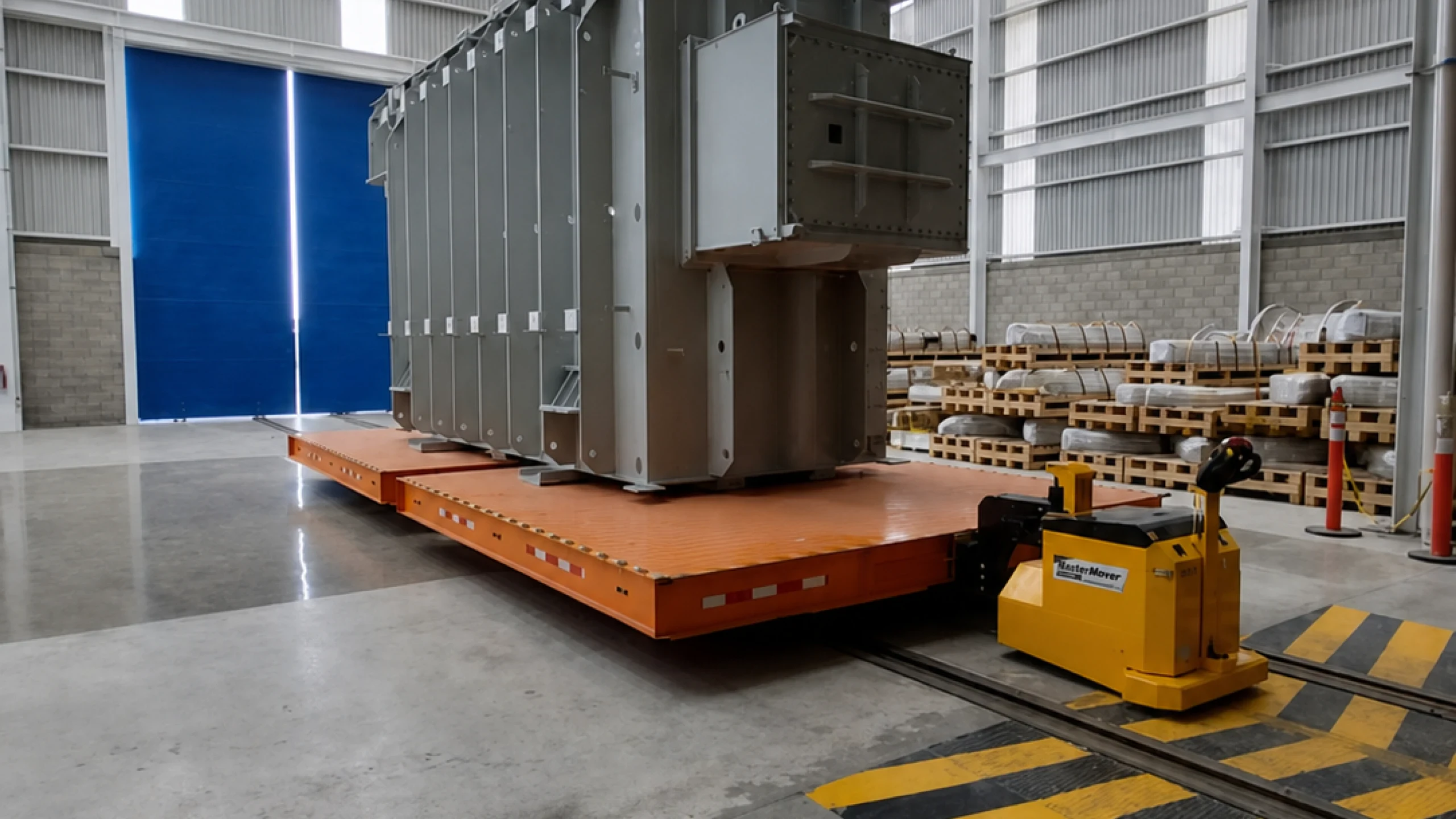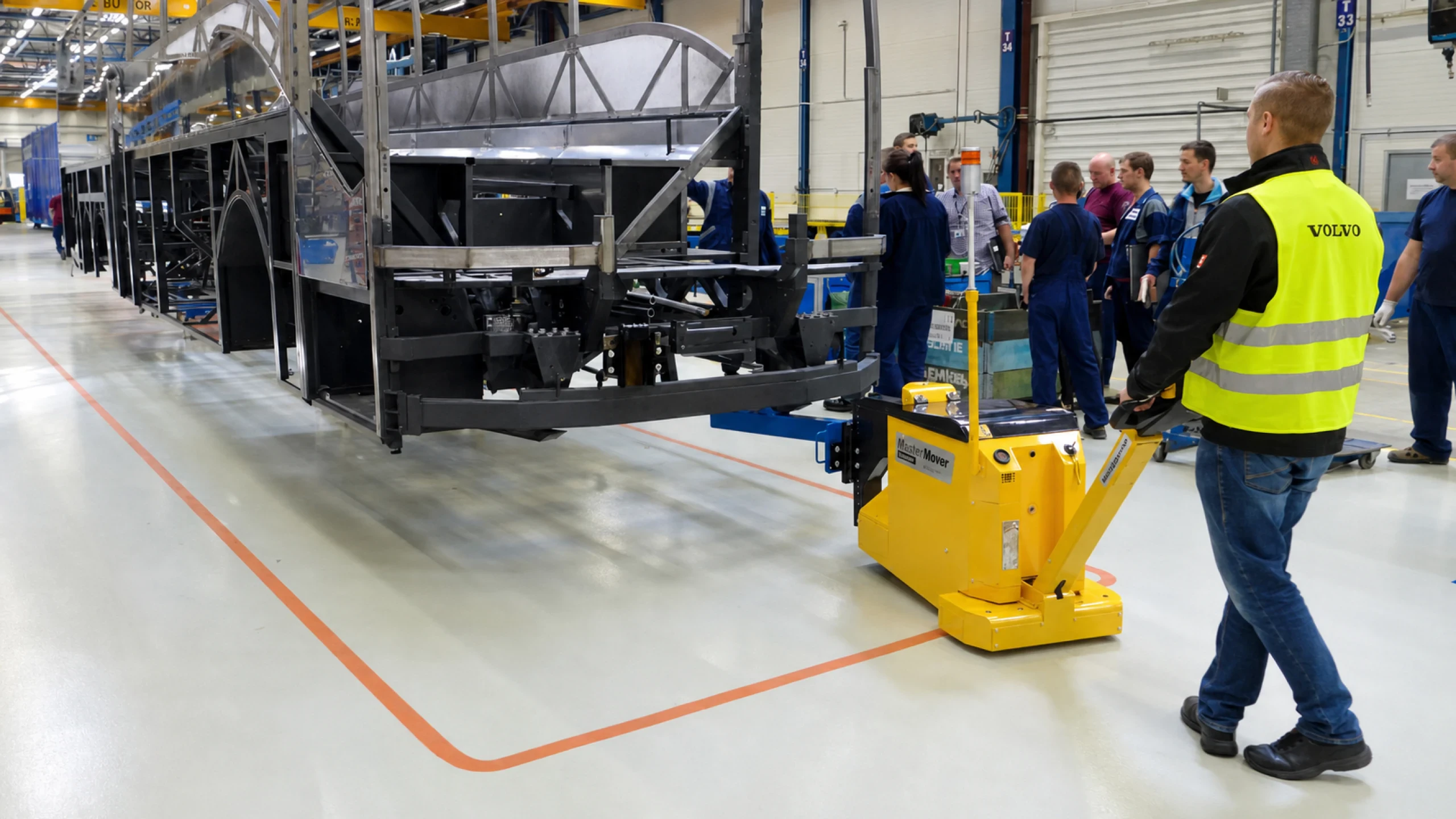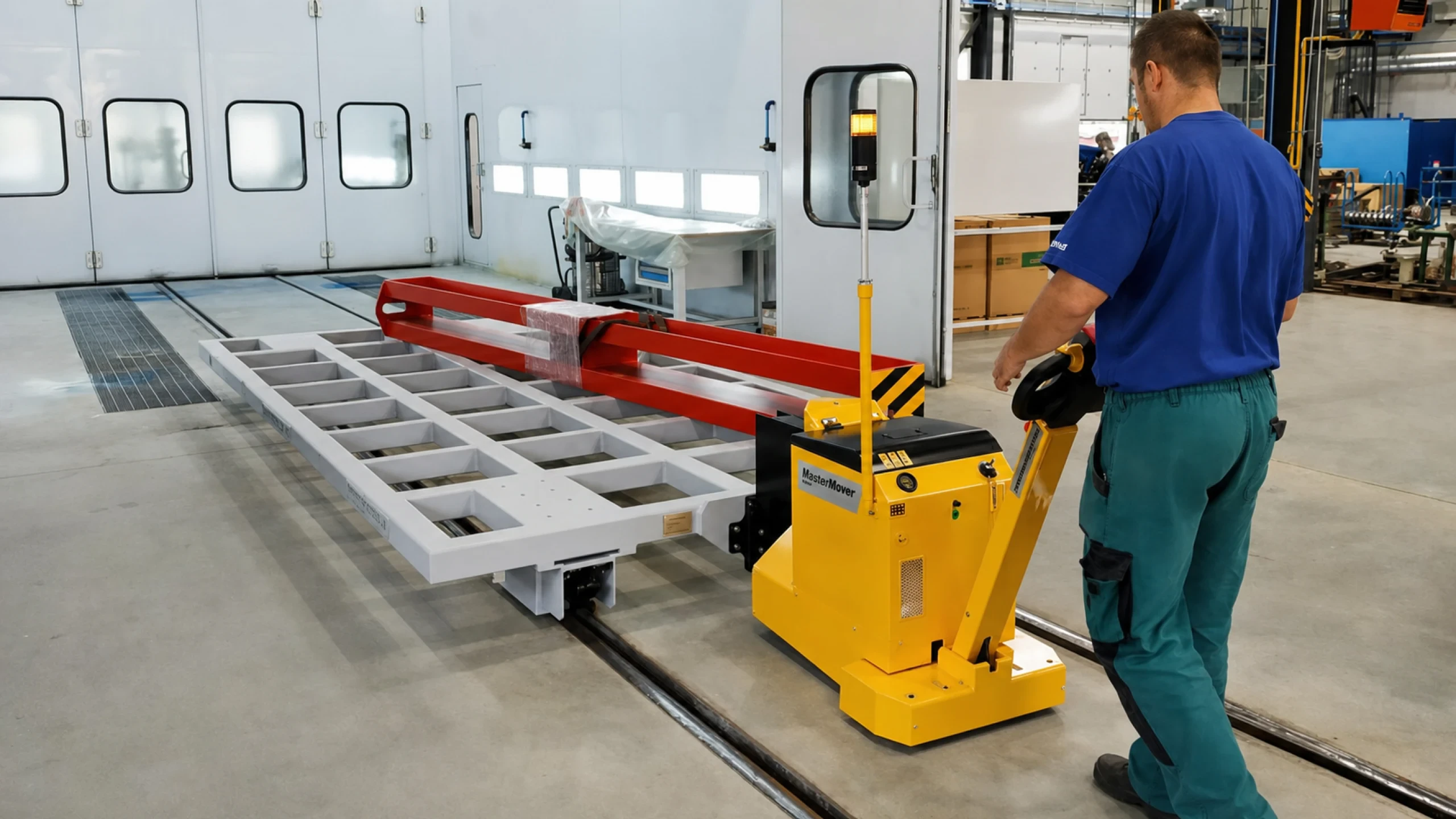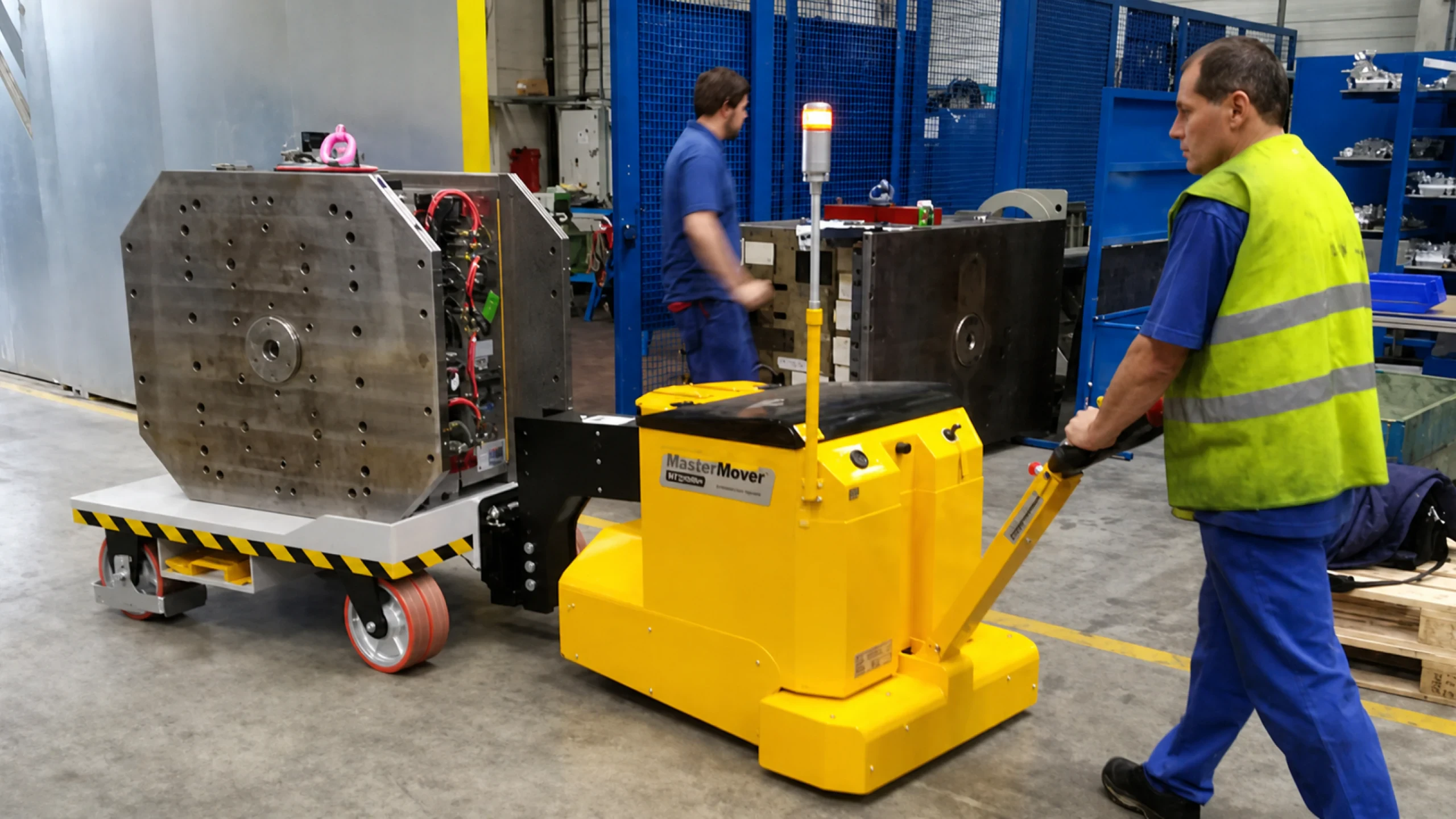
Heavy-duty electric tug systems, up to 70,000 kg
Heavy-load movement

Heavy-duty electric tug systems, up to 70,000 kg

Move heavy loads precisely, without relying on tiring or improvised manoeuvres along the route.

See selection criteria

For heavy loads, stopping matters as much as starting

With heavy wheeled loads, nominal capacity is only the first filter. Traction, braking, slope, turning, visibility and coupling decide whether one operator can control the movement on the real route.

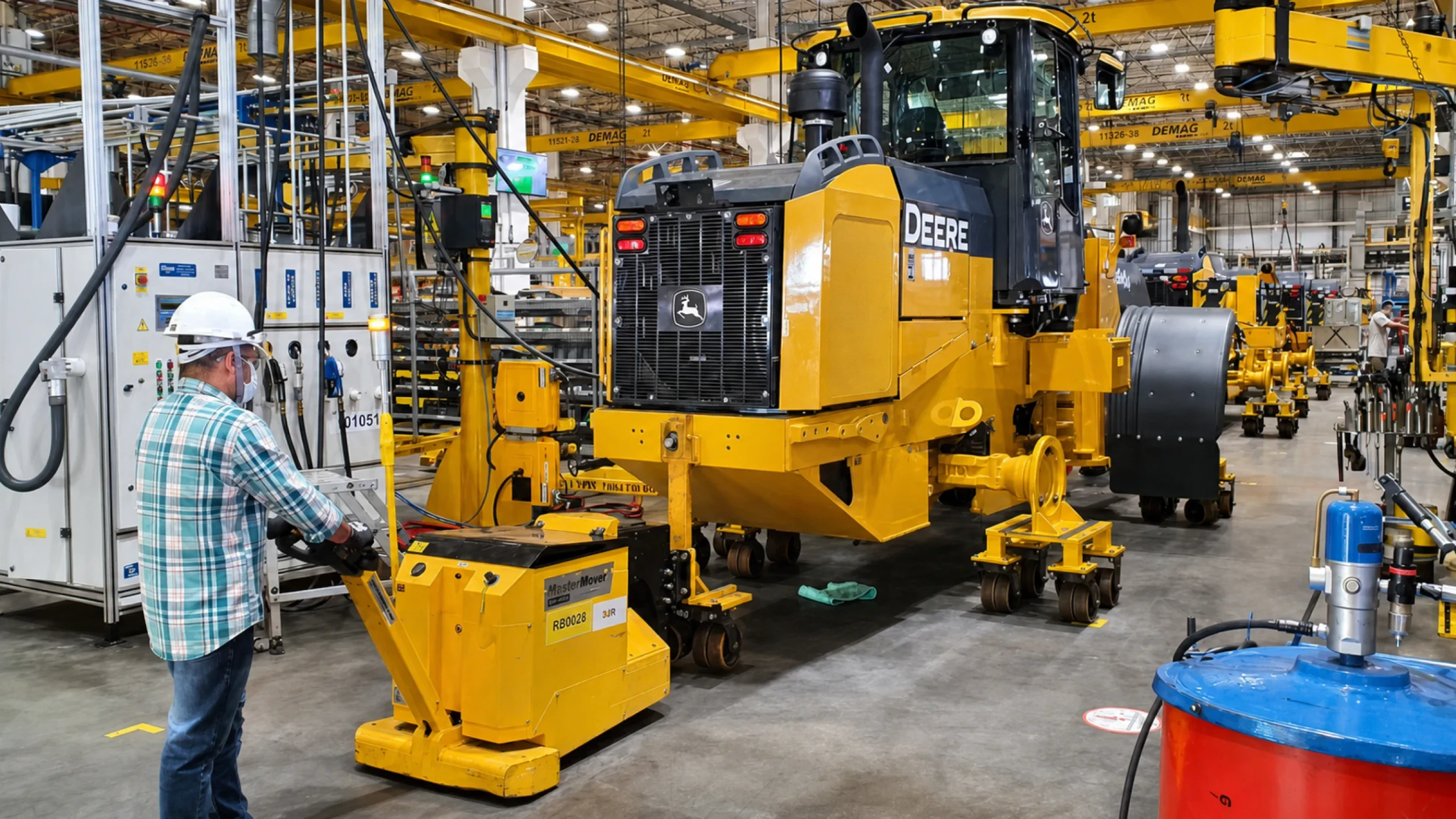
The heavy-duty range in motion

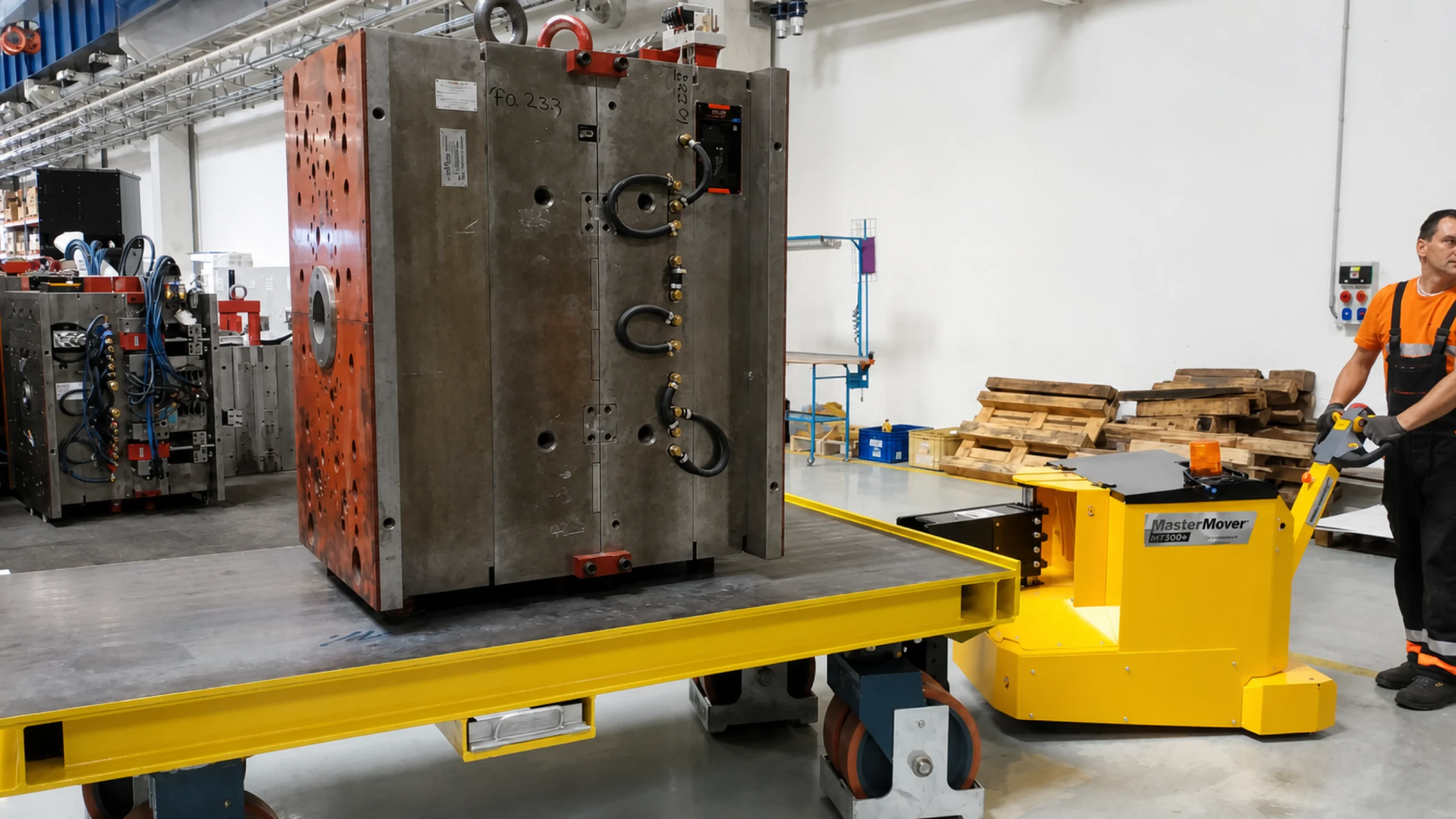
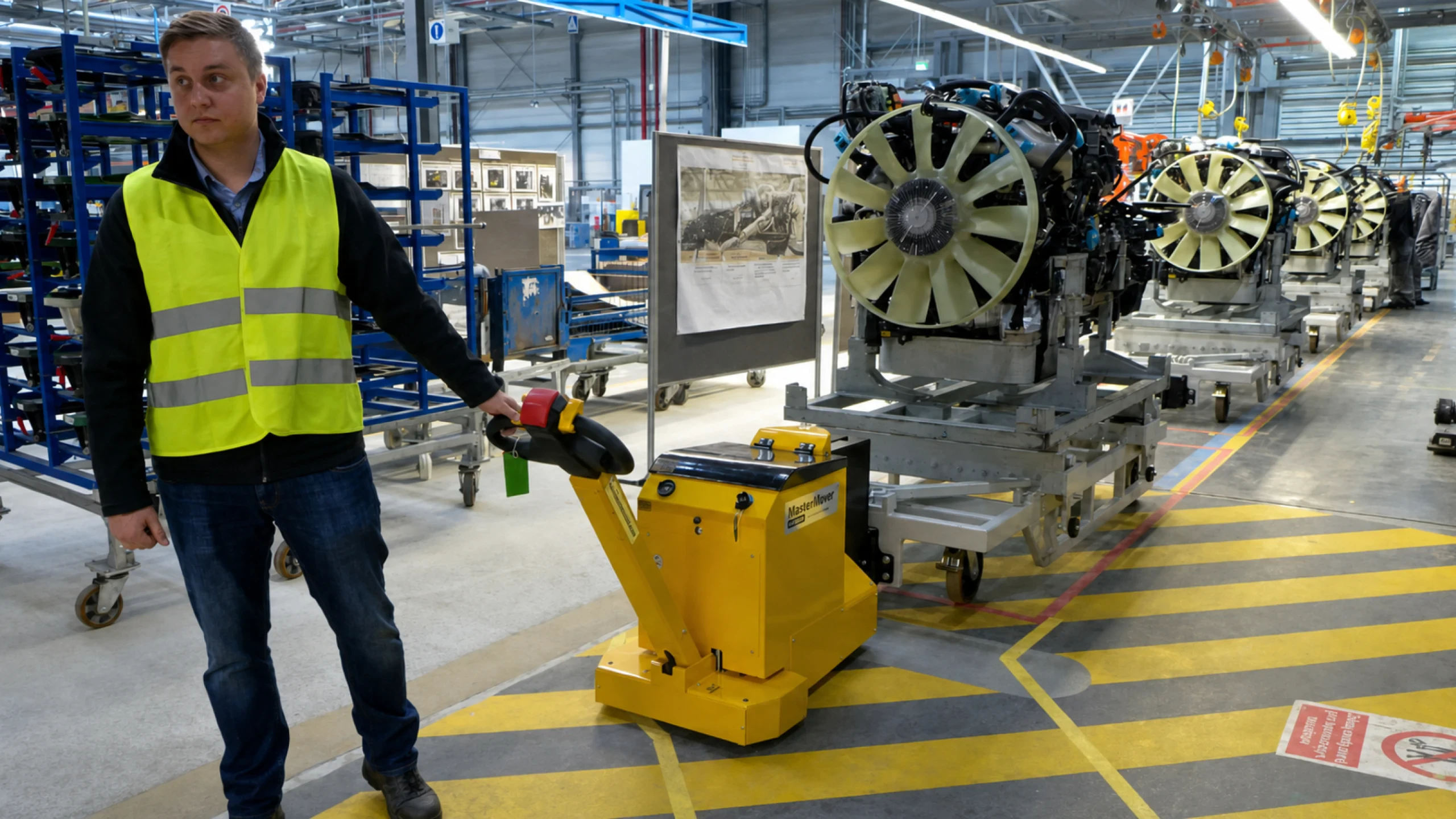
The film puts a heavy industrial application into context. Traction, stopping, coupling and manoeuvring space need to be checked together with total mass.

What changes when the mover fits the application

When load, route and coupling are clear, selection becomes more precise and movement becomes easier to control.

Better control when starting and stopping

The application is checked against traction, braking, slope and wheel behaviour.

Lower dependency on larger handling equipment

Where lifting is not needed, horizontal movement can be separated from forklift or crane work.

Clearer direction for heavy applications

MasterTug, PowerSteered or special configurations can be compared against the real route.

What to check before choosing the mover

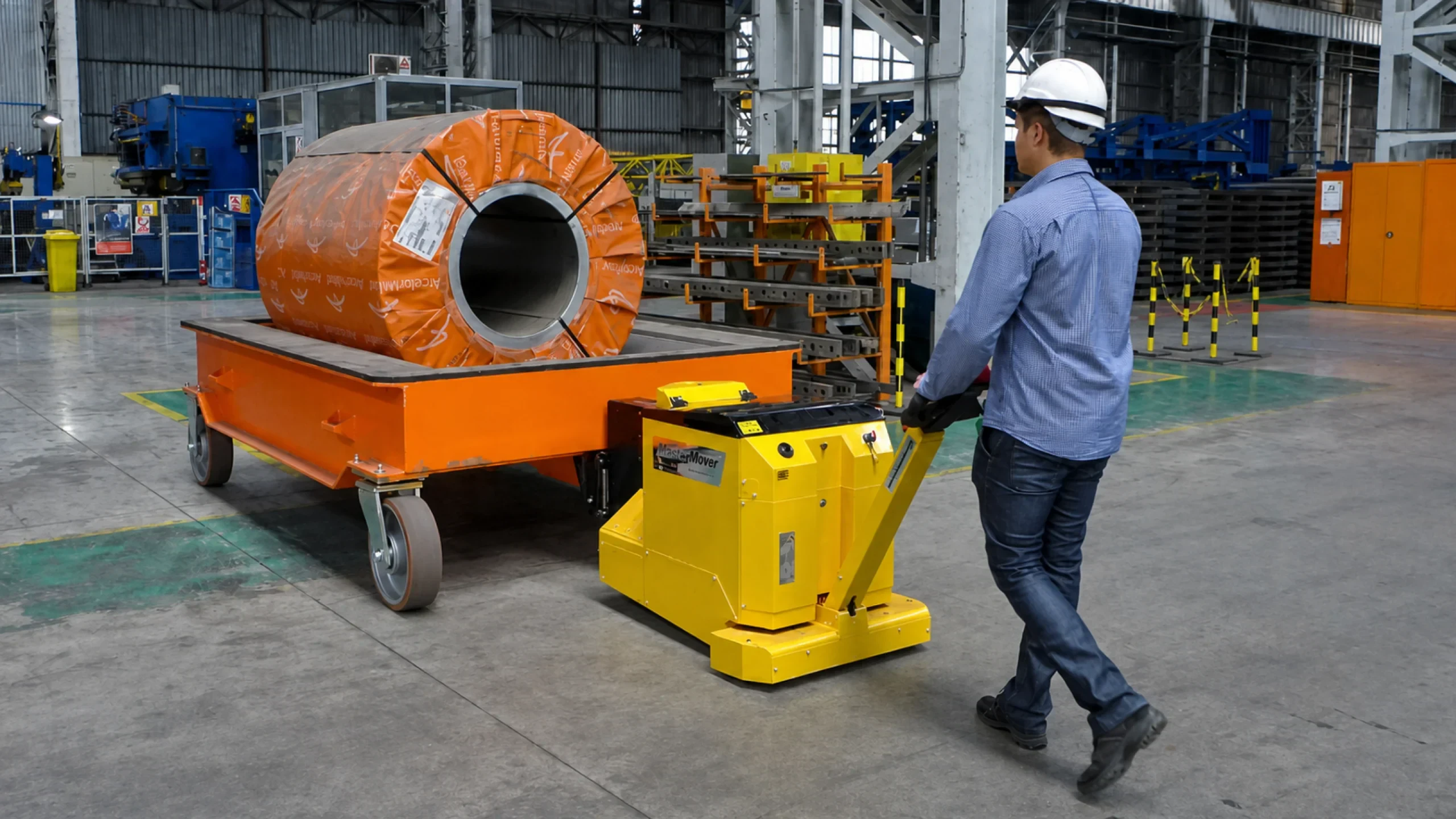
These criteria separate compact, heavy-duty, stainless, trailer and adapted configurations.
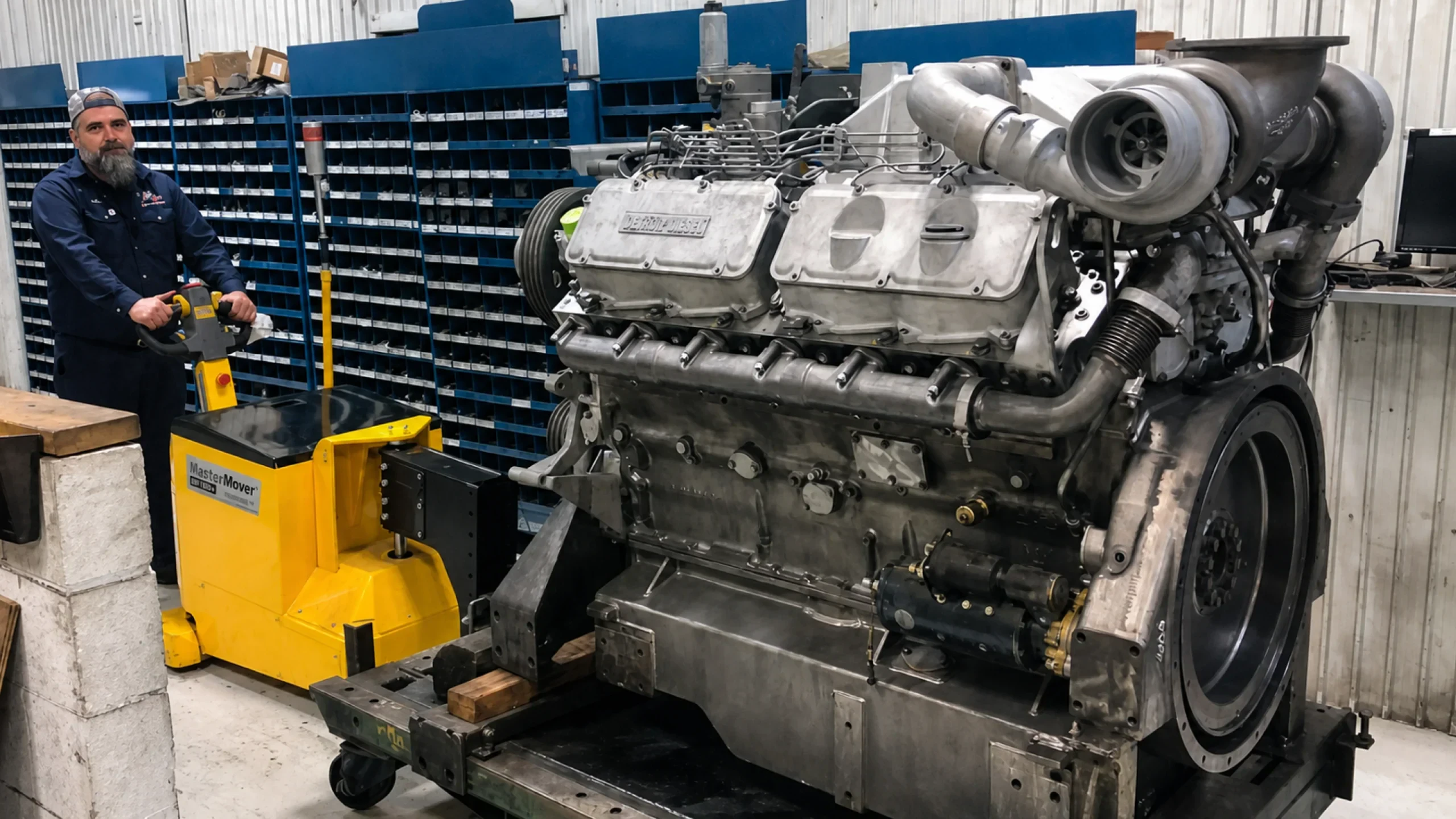
Mass and rolling resistance

Mass and rolling resistance

Weight, wheel diameter, bearing condition and floor quality shape the required starting force.
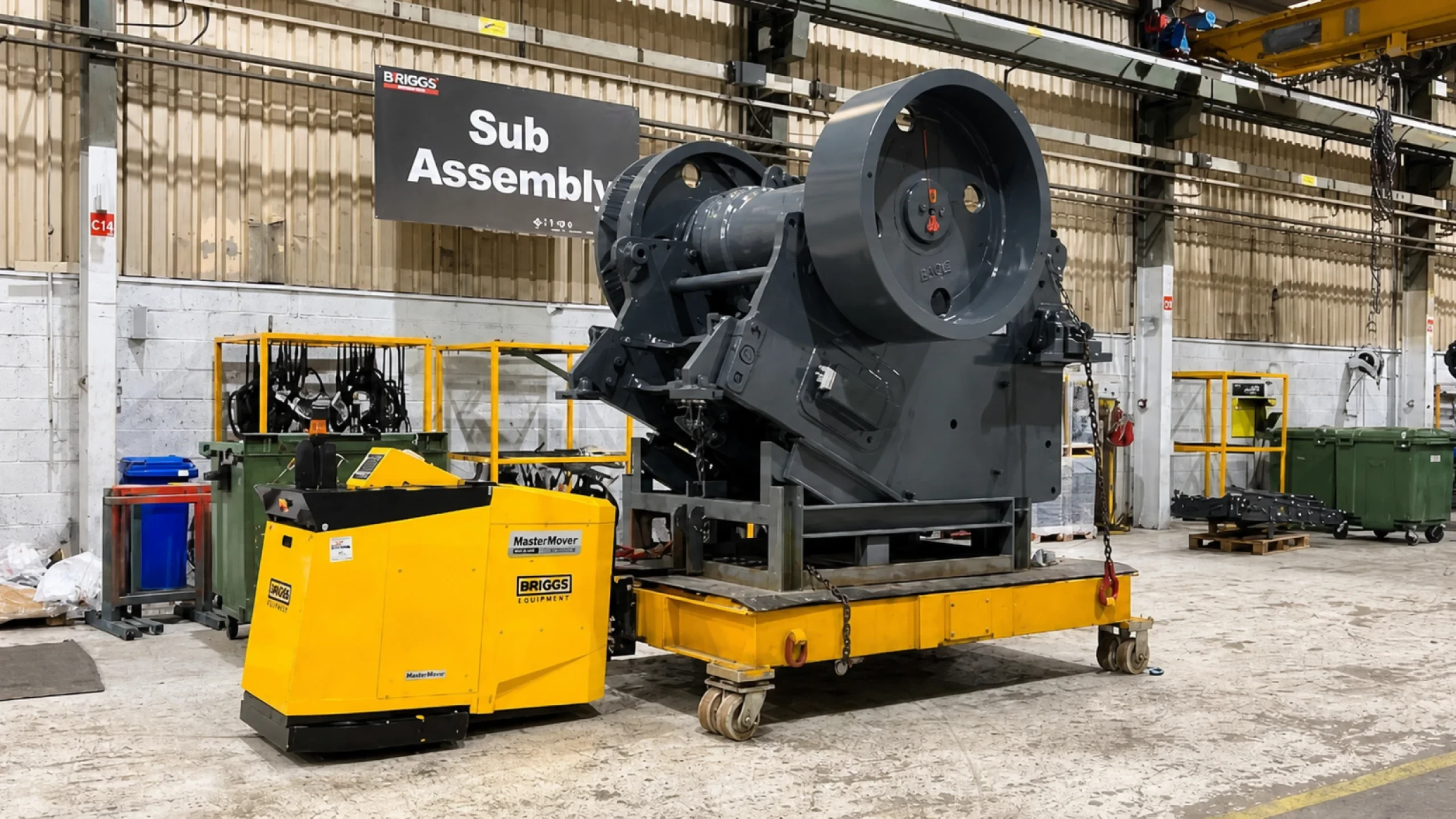
Stopping, slope and stability

Stopping, slope and stability

A heavy application must remain controllable when stopping, especially on ramps, thresholds and tight turns.
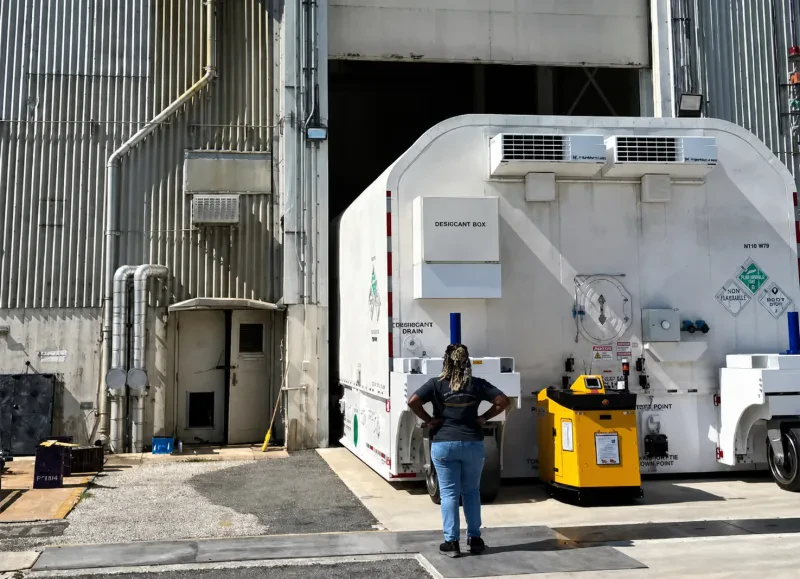
Visibility and operator position

Visibility and operator position

Large or long loads may need a different operator position or remote-control logic.
Useful resources for this category

When a wheeled load needs control, not manual force
Heavy-duty electric tug systems, up to 70,000 kg
When a wheeled load needs control, not manual force

A guide for wheeled loads that are difficult to start, steer or stop by manual pushing and pulling.
Learn more
Plastic manufacturer: heavy carts moved without manual pushing
Heavy-duty electric tug systems, up to 70,000 kg
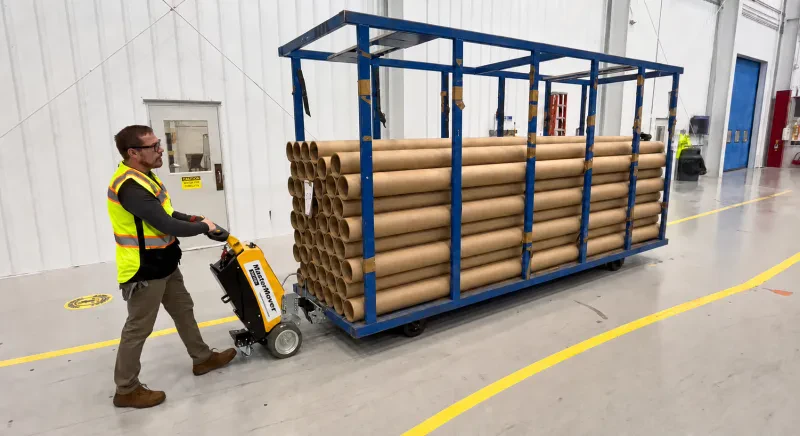
Plastic manufacturer: heavy carts moved without manual pushing

A MasterMover SM200+ case shows how a Fortune 500 plastic packaging manufacturer moved from manual pushing to mechanised movement for heavy carts.
Learn more
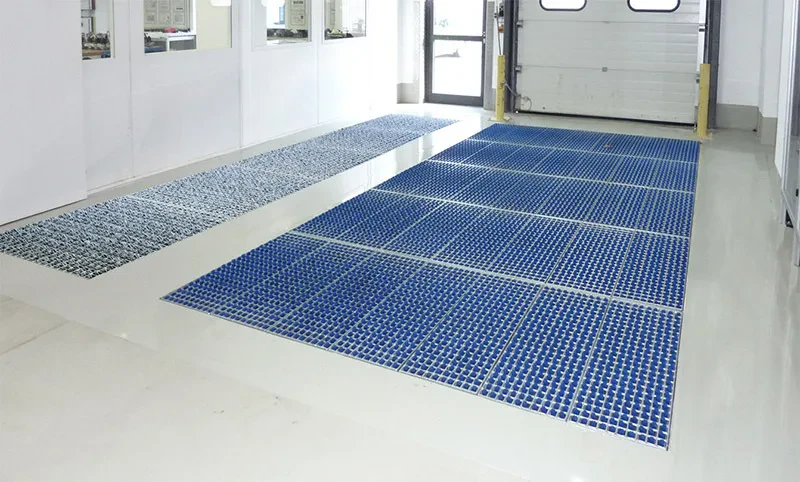
Where to intervene in the flow: cleaning, protection or controlled movement
Heavy-duty electric tug systems, up to 70,000 kg
Where to intervene in the flow: cleaning, protection or controlled movement

How to tell whether the intervention belongs at the entrance, near production, at a rack, at a loading bay or in the way a wheeled load is moved.


Learn more

Local and international references

  • Boeing
  • BP
  • Fluor
  • JCB
  • Nissan Motor Manufacturing UK
  • Terex

Movers for heavy wheeled loads

These models should be discussed after validating real load, route, slope, stopping, floor and coupling.
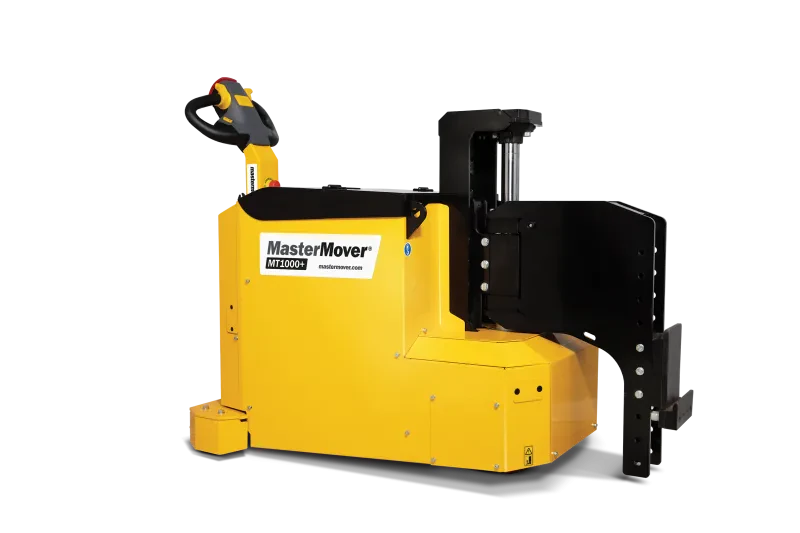
MT1000+ - electric tug
Traffic type
Sarcini grele pe roți; operare pietonală
Load capacity
10,000 kg | 40,000 kg
Maximum slope
Runtime
9.5 km
Charge time
6 h
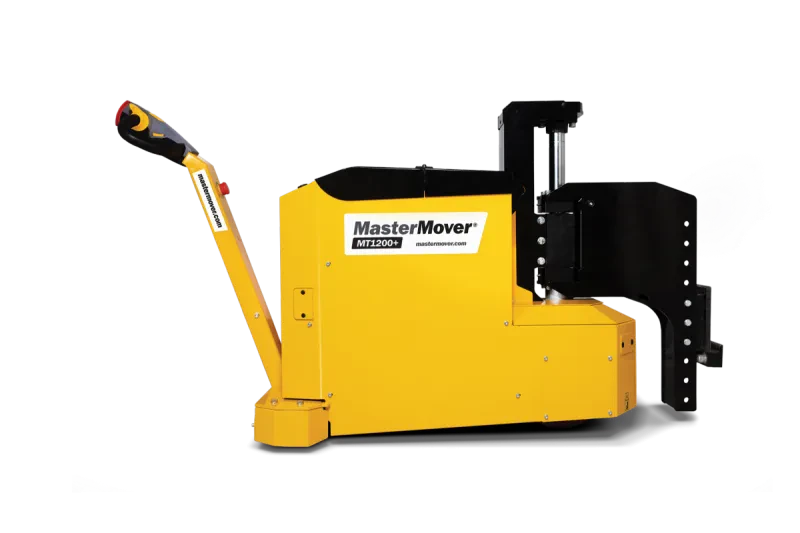
MT1200+ - electric tug
Traffic type
Sarcini grele pe roți; operare pietonală
Load capacity
12,000 kg | 48,000 kg
Maximum slope
Runtime
8 km
Charge time
6 h
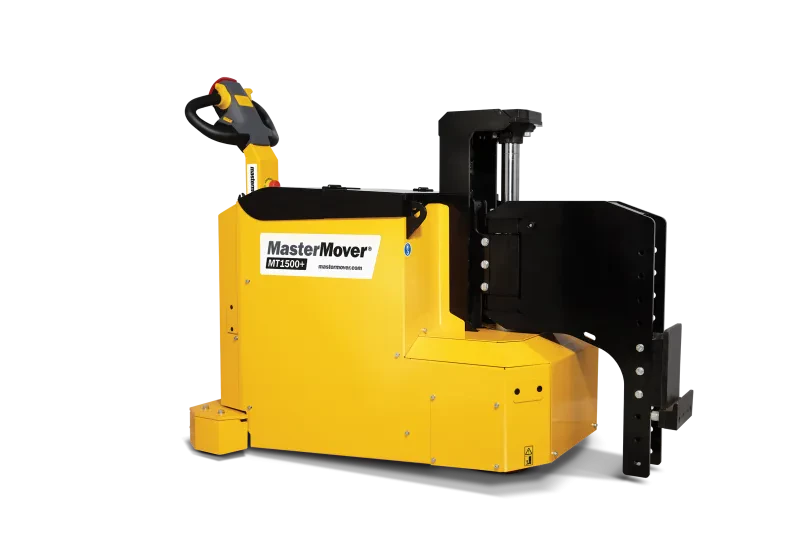
MT1500+ - electric tug
Traffic type
Sarcini grele pe roți; operare pietonală
Load capacity
15,000 kg | 60,000 kg
Maximum slope
Runtime
6.5 km
Charge time
6 h
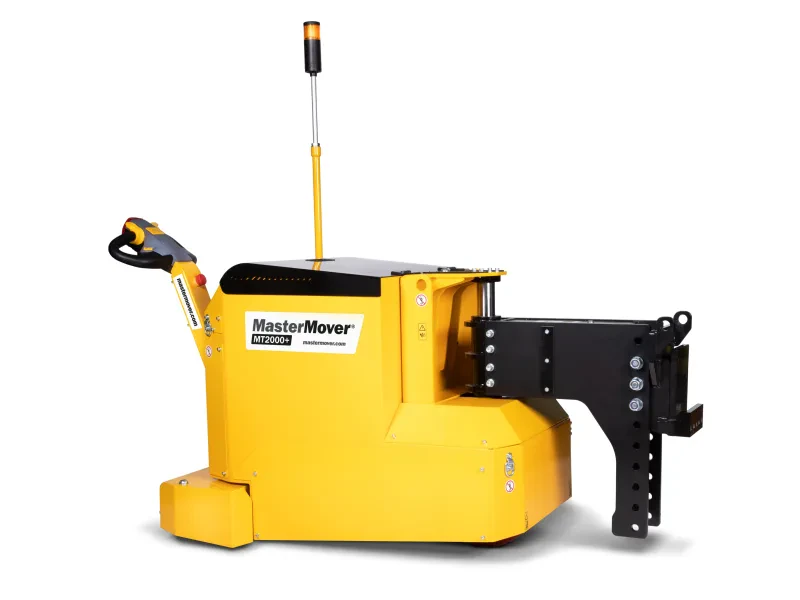
MT2000+ - electric tug
Traffic type
Sarcini grele pe roți; operare pietonală
Load capacity
20,000 kg | 80,000 kg
Maximum slope
Runtime
5.1 km
Charge time
7 h
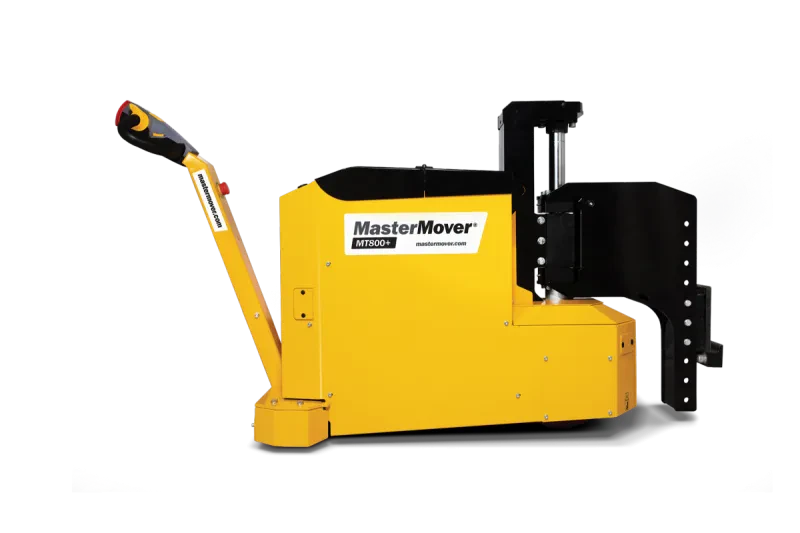
MT800+ - electric tug
Traffic type
Sarcini grele pe roți; operare pietonală
Load capacity
8,000 kg | 32,000 kg
Maximum slope
Runtime
11.7 km
Charge time
6 h
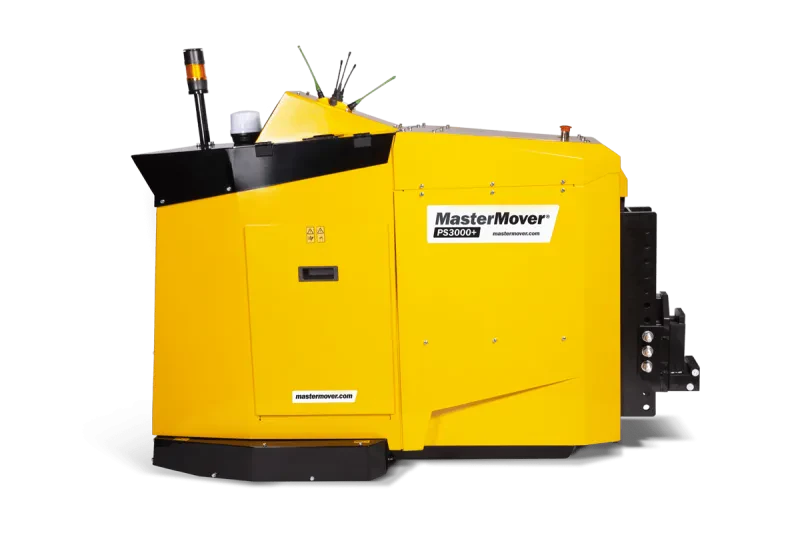
PS3000+ - remote-controlled electric tug
Traffic type
Sarcini grele telecomandate
Load capacity
30,000 kg | 120,000 kg
Runtime
4 km
Charge time
6 h
Maximum push/pull force
18,632 N
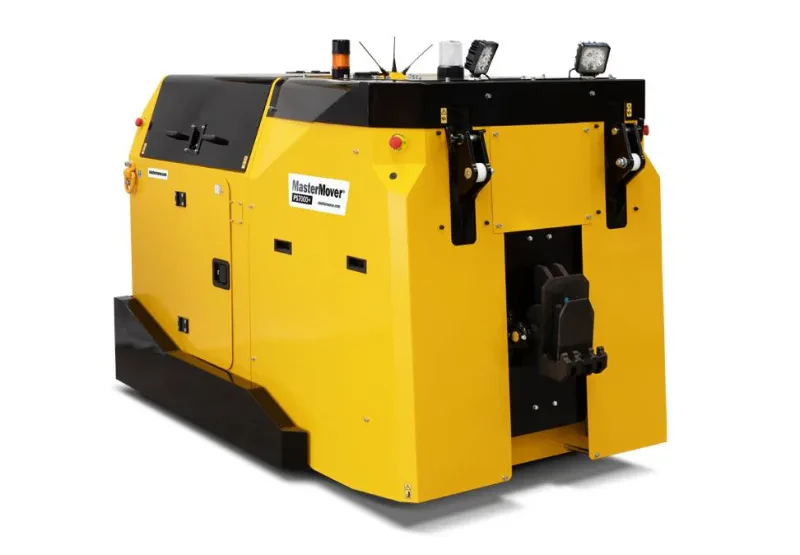
PS7000+ - remote-controlled electric tug
Traffic type
Sarcini grele telecomandate
Load capacity
70,000 kg | 280,000 kg
Maximum slope
Runtime
5 km
Charge time
8 h
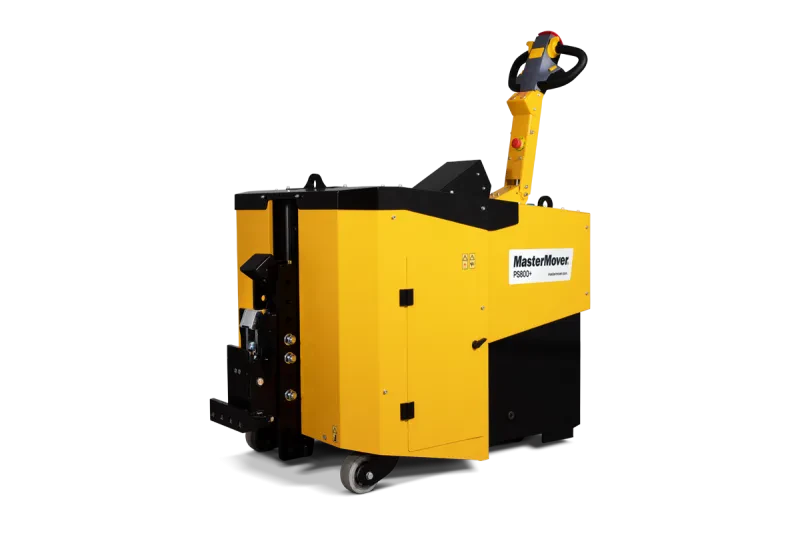
PS800+ LH - remote-controlled electric tug
Traffic type
Sarcini grele telecomandate
Load capacity
8,000 kg | 32,000 kg
Runtime
11.7 km
Charge time
8 h
Maximum push/pull force
5,493 N
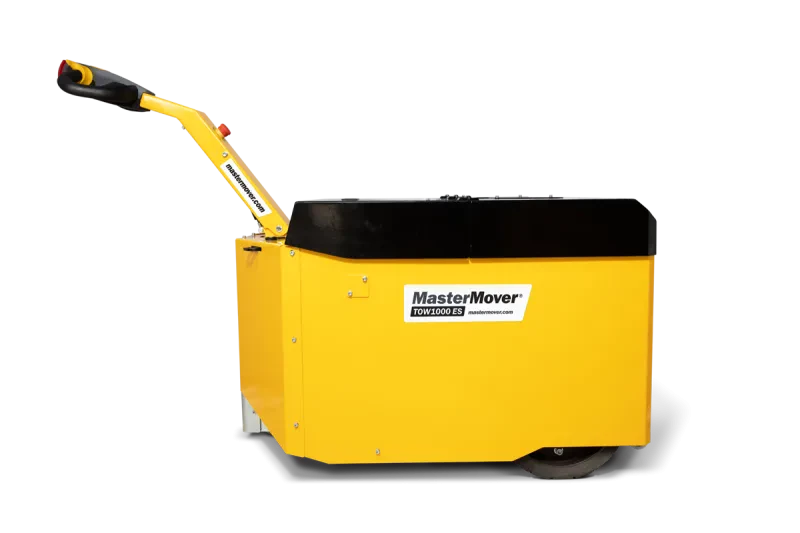
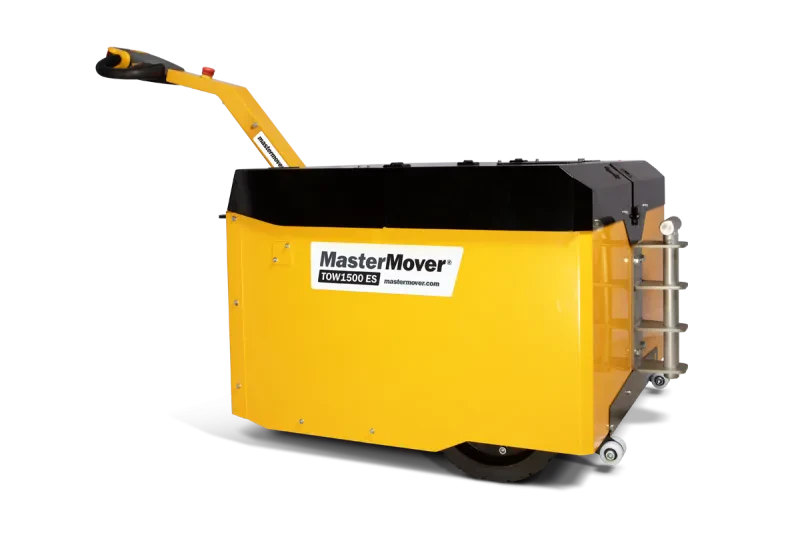
TOW1000 ES - electric tow tug
Traffic type
Remorcare cărucioare și trenuri logistice
Load capacity
10,000 kg | 40,000 kg
Maximum slope
Runtime
10.2 km
Charge time
7 h 30 min | 10 h 30 min
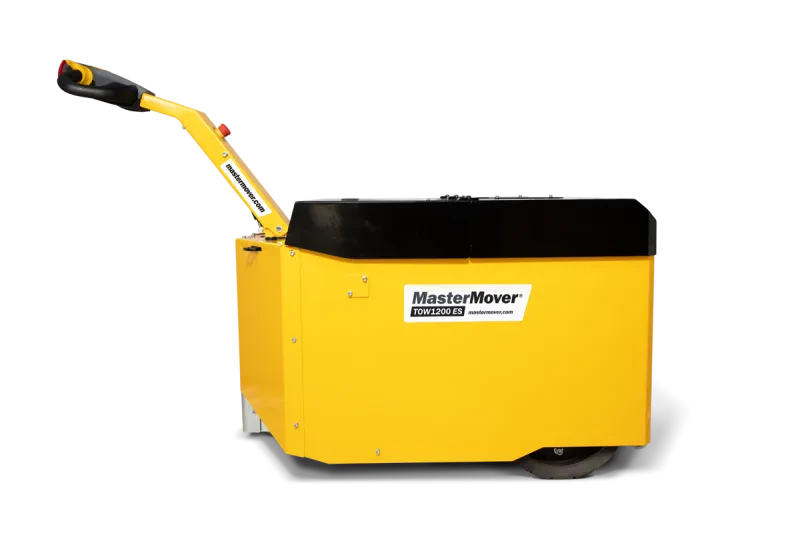
TOW1200 ES - electric tow tug
Traffic type
Remorcare cărucioare și trenuri logistice
Load capacity
12,000 kg | 48,000 kg
Maximum slope
Runtime
8.6 km
Charge time
7 h 30 min | 10 h 30 min
TOW1500 ES - electric tow tug
Traffic type
Remorcare cărucioare și trenuri logistice
Load capacity
15,000 kg | 60,000 kg
Maximum slope
Runtime
6.9 km
Charge time
7 h 30 min | 10 h 30 min
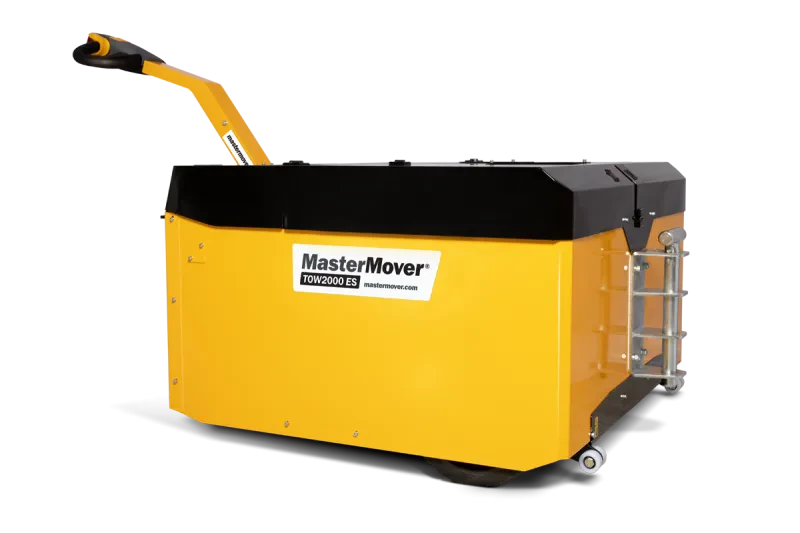
TOW2000 ES - electric tow tug
Traffic type
Remorcare cărucioare și trenuri logistice
Load capacity
20,000 kg | 80,000 kg
Maximum slope
Runtime
5.9 km
Charge time
8 h 30 min

Do you have a heavy wheeled load that needs more control?

+36 30 013 5510

Request an application assessment

Send load, route, wheels, floor, coupling and current movement method. We check the right direction before selecting equipment.

Request an application assessment

Send load, route, wheels, floor, coupling and current movement method. We check the right direction before selecting equipment.

Frequently asked questions

Useful questions before choosing equipment for moving wheeled loads.

Heavy-duty becomes relevant when weight, slope, wheels, manoeuvring space or stopping control put a compact mover at the edge of its useful range.

Typical signals include several people involved today, difficult stopping, load drift in turns, outdoor sections or a need for better visibility. The system has to be checked as equipment, coupling, route and routine together.

Selection becomes more precise when it starts from the real application, not only from nominal capacity.

The most useful inputs are:

  • total moved mass, including cart, frame, trailer or carrier;
  • dimensions, centre of gravity and fragile points;
  • wheel type, diameter, material and bearing condition;
  • floor, slope, thresholds, turns, outdoor sections and manoeuvring space;
  • coupling point, frequency and current movement method.

A short video often clarifies how the load starts, turns, resists movement and what the operator does to control it.

The coupling decides how force transfers between the mover and the load. A poor connection can make the load hard to start, loose in turns or difficult to stop.

A good coupling should be secure, realistic for the operator and matched to the load geometry. Some applications fit a standard coupling; others need an adaptor, hydraulic clamp or cart modification.

For heavy loads, starting is only half of the application. Gradient and length, floor condition, rolling resistance, manoeuvring space and the load behaviour during a route stop all need to be checked.

Capacity and slope figures help screen the range, but final selection stays conditional on the load, wheels, coupling and real route.

A large or long load can hide a turn, route edge or stopping point. The operator position must support control without awkward walking angles or blind movement.

If visibility remains poor, a different operating position, remote-control configuration or adapted route procedure should be assessed.

Sending…