
Contamination Control

Reduce dirt tracked in on forklift tyres

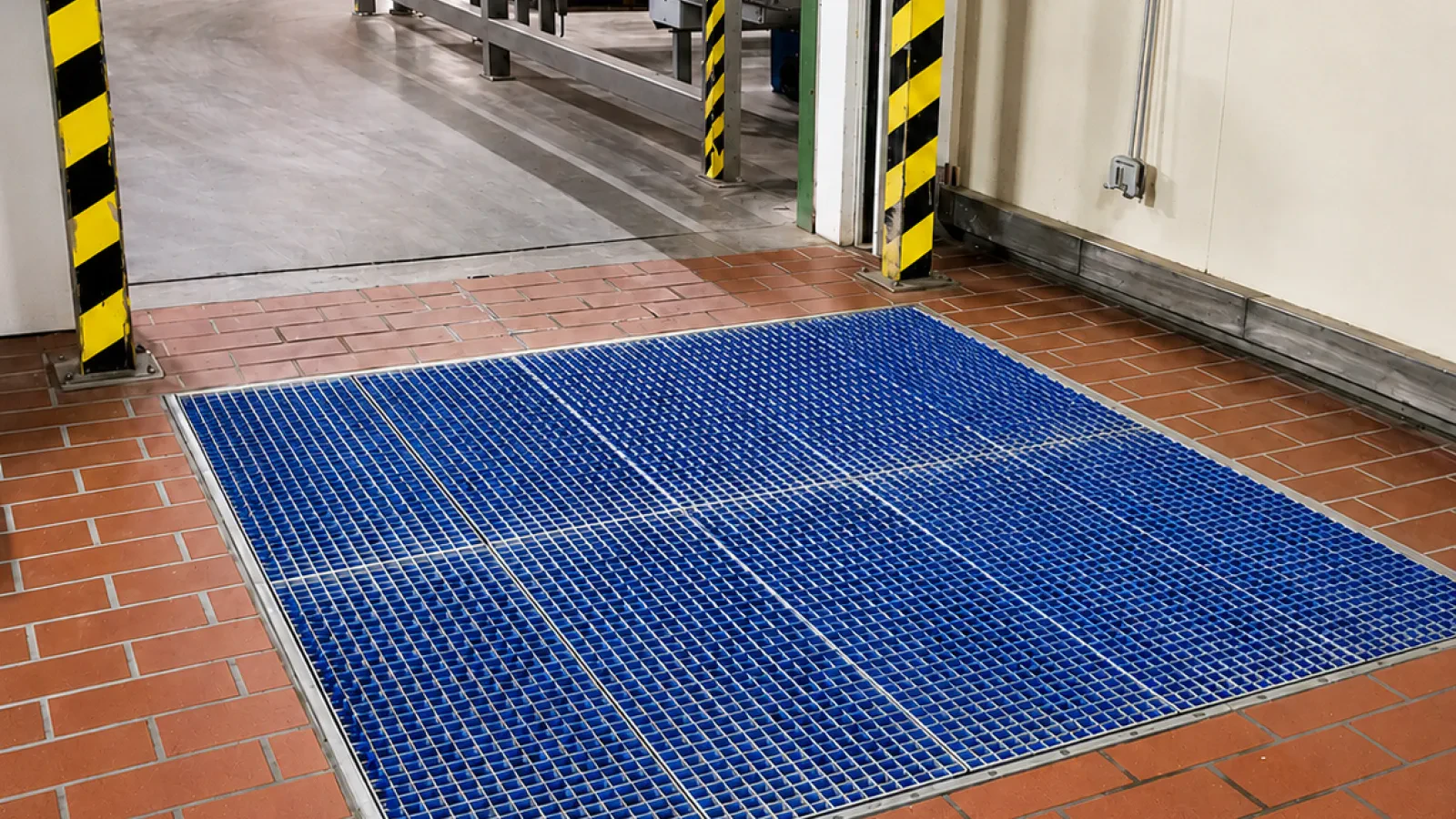
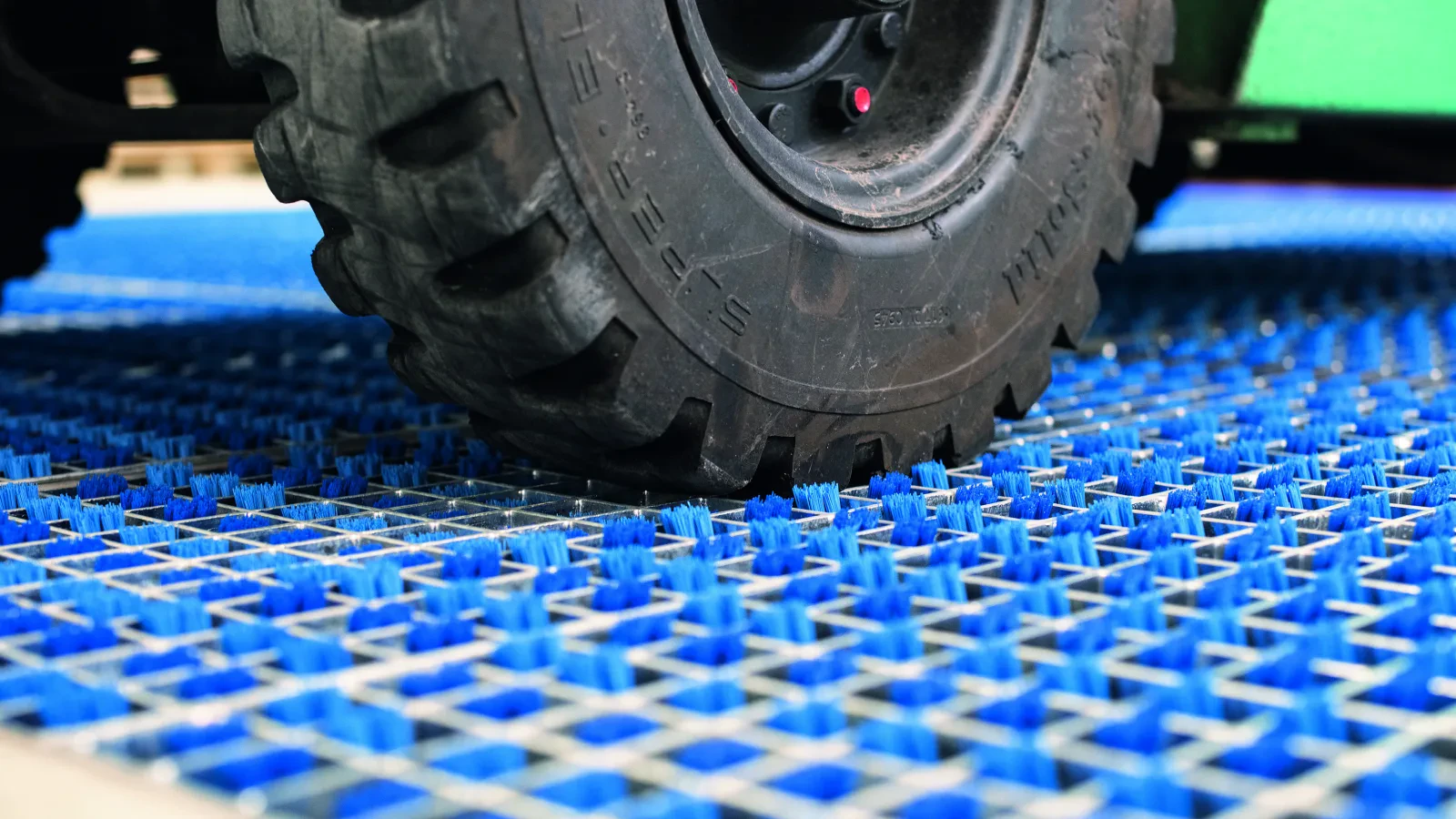
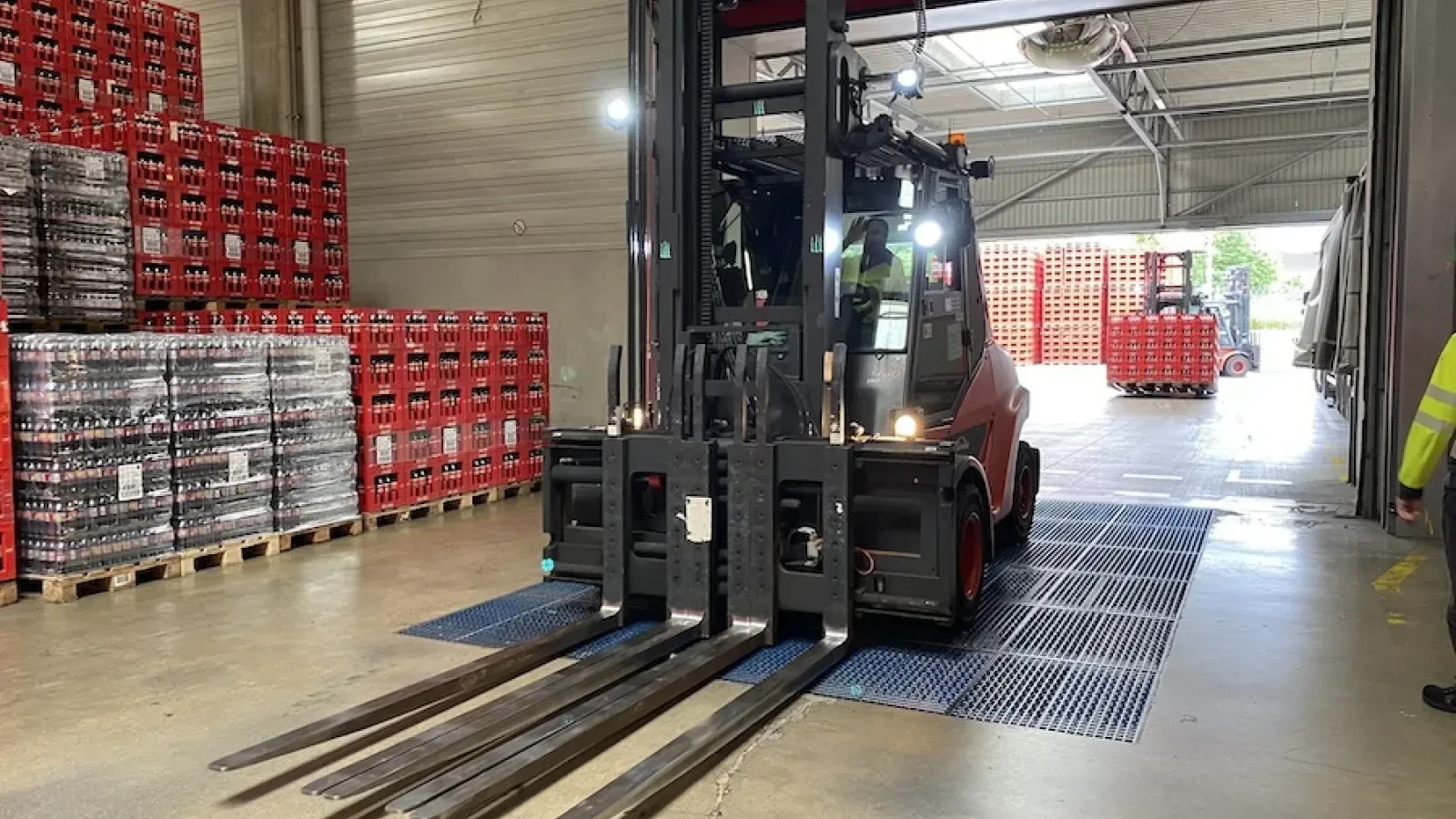
Forklift tyres can carry dust, sand, moisture and foreign matter from outdoor areas into warehouses and production. Choose the active cleaning system around the route, traffic level and maintenance routine.

Discover our solutions

What forklift tyres carry along the route

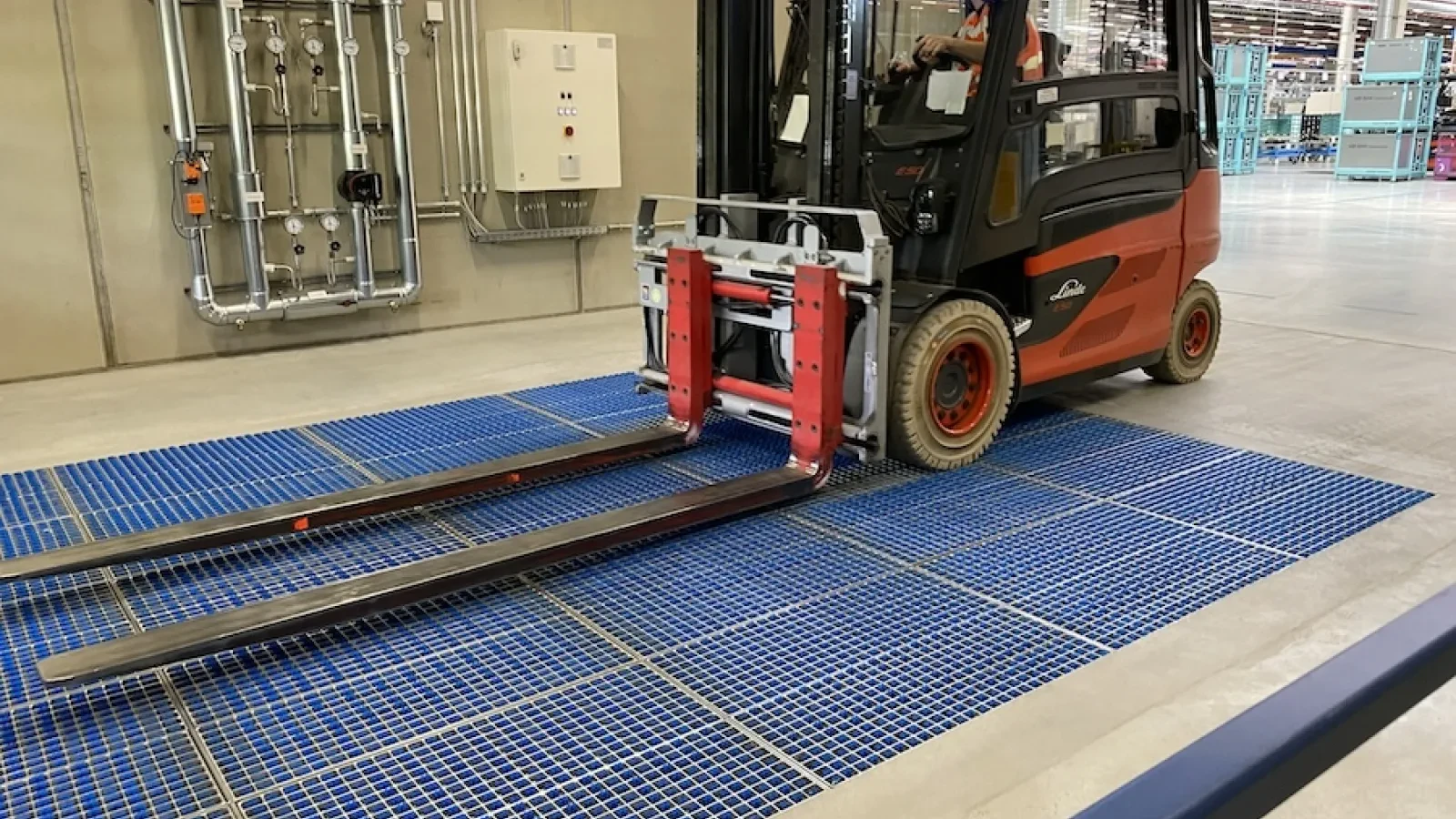
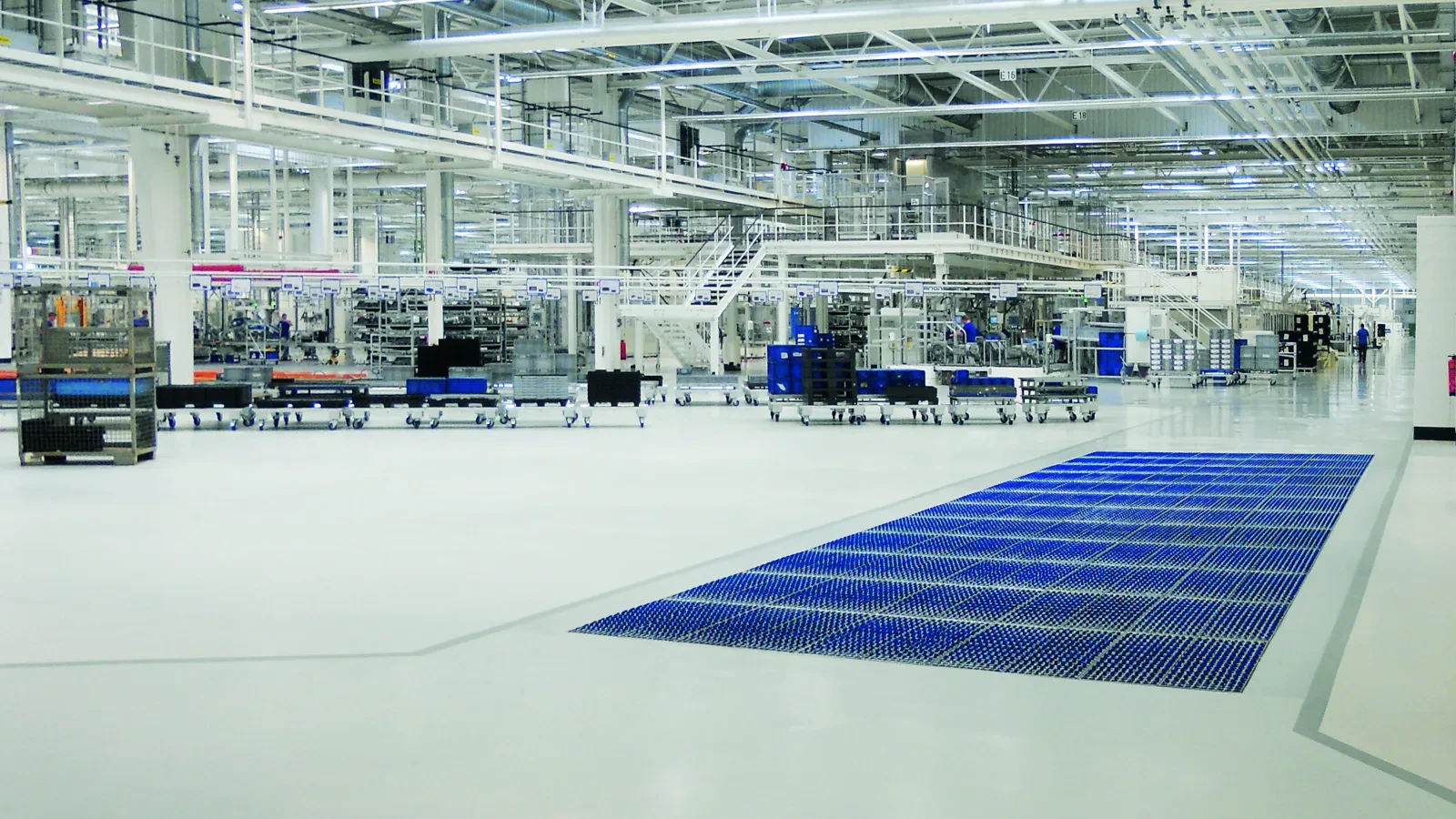
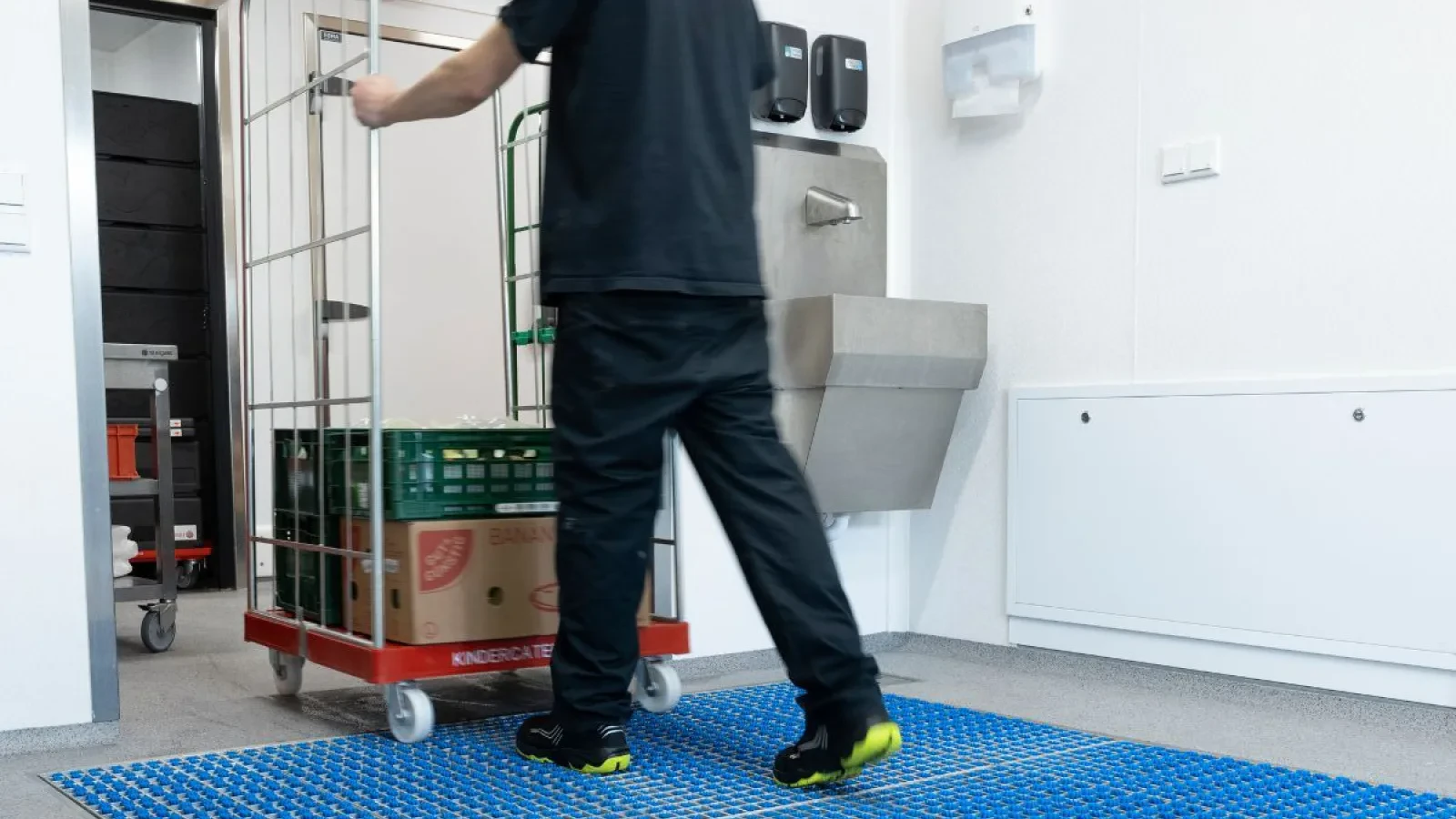
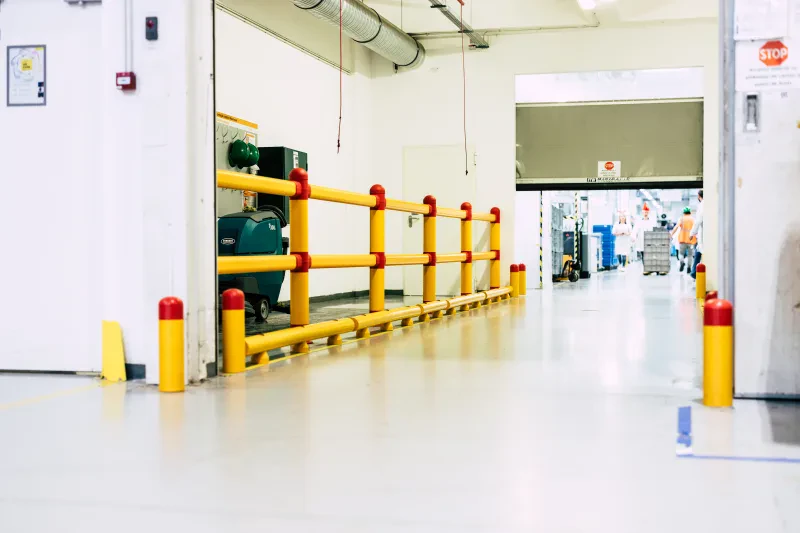
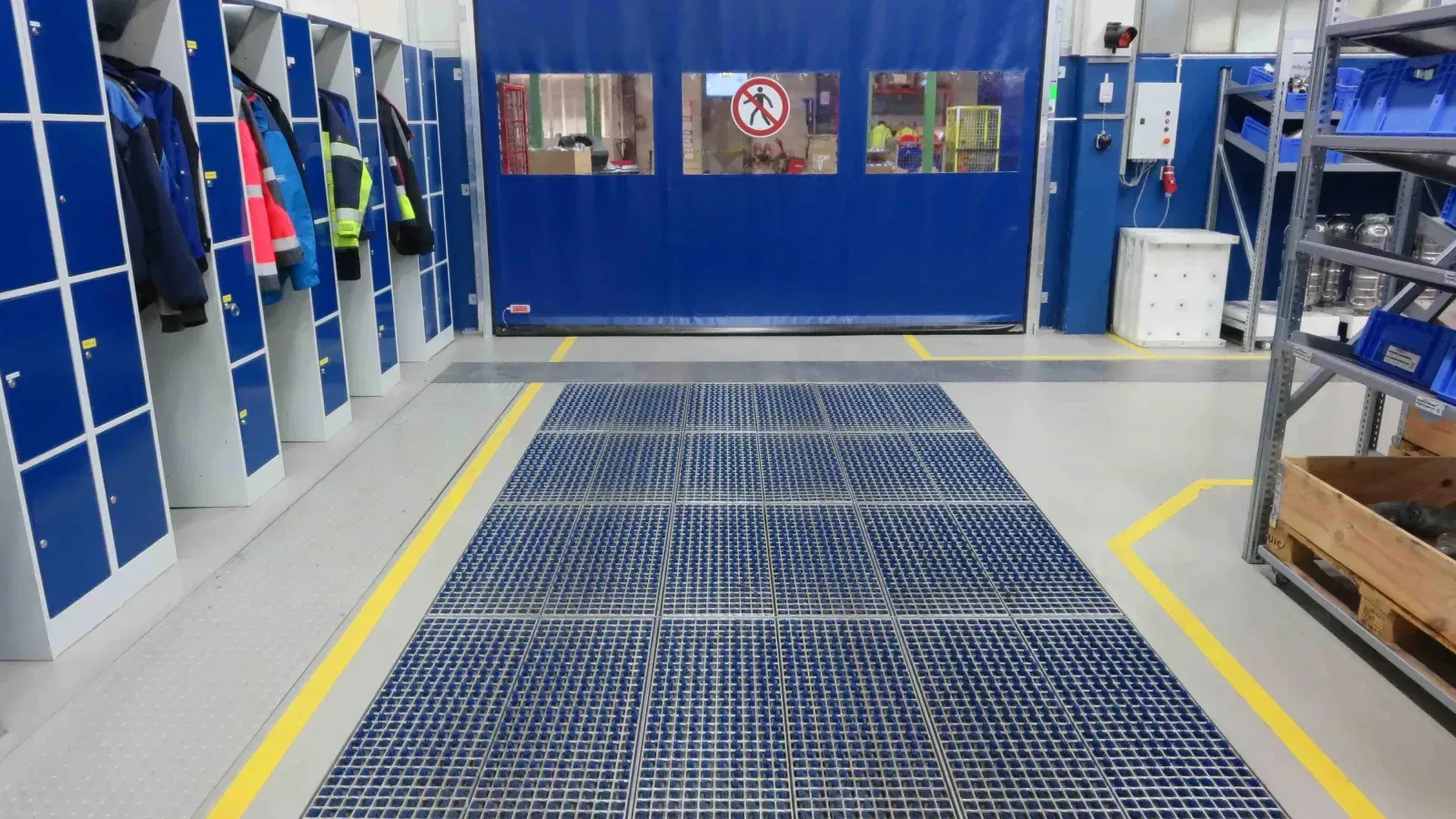
Forklift tyres can carry dirt well beyond the building entrance. In many facilities, the marks appear along routes between the warehouse and production, from hall to hall, towards packing or before an area with technical cleanliness requirements.

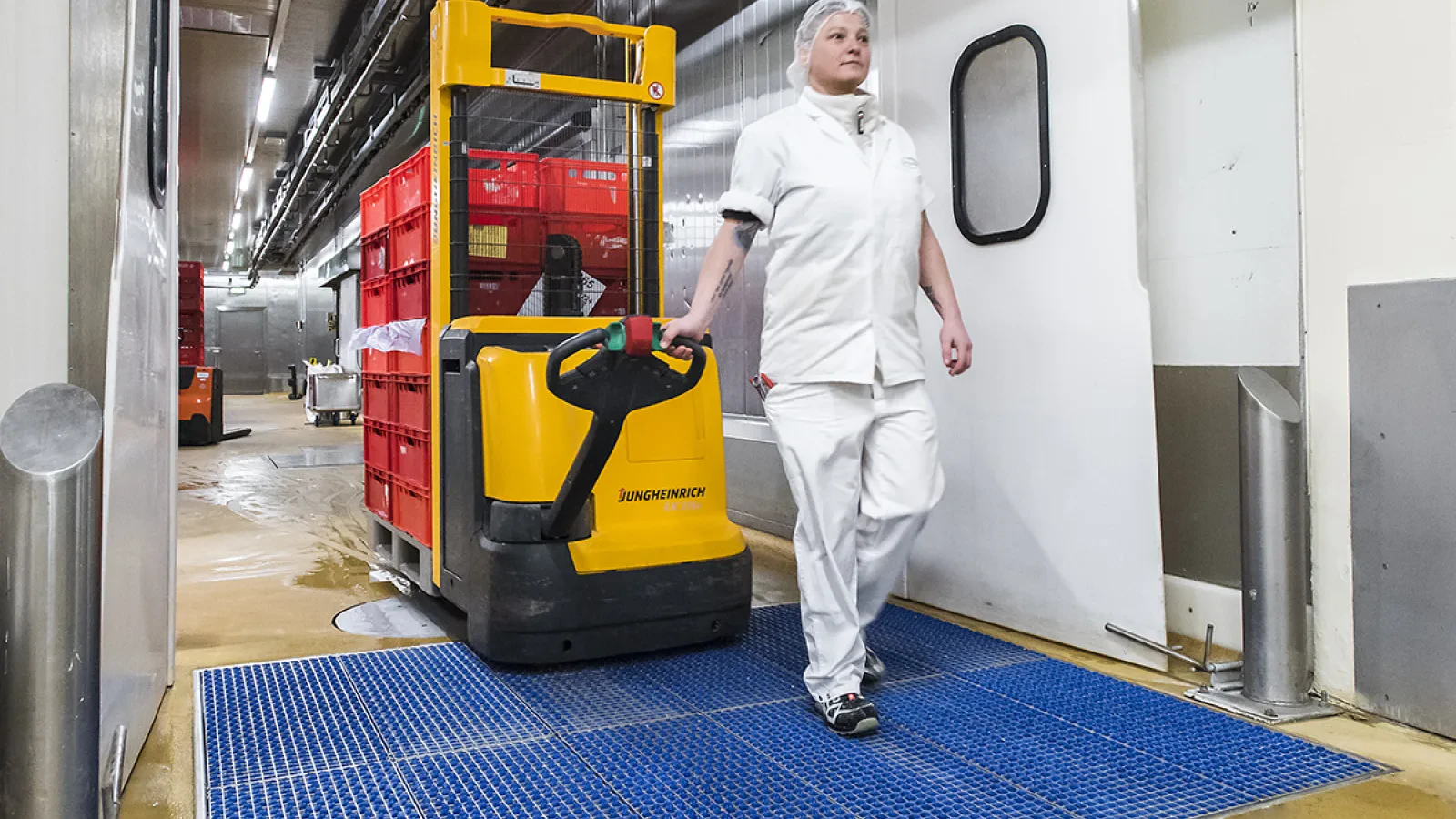
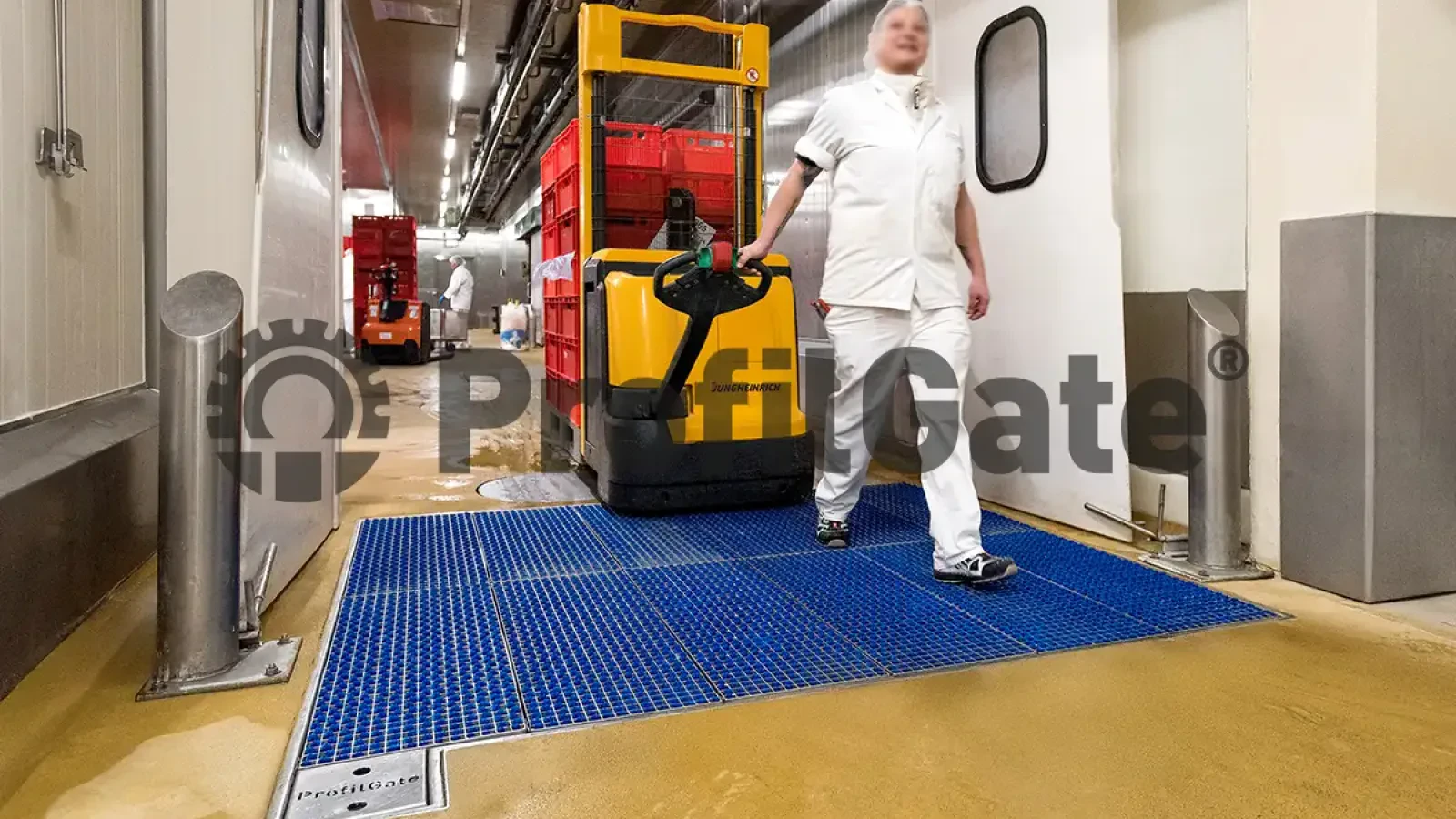
The forklift is often the most visible vehicle, but the same route may also be used by pallet trucks, trolleys, AGVs/AMRs, pedestrians and equipment running on small wheels or rollers. The route shows which tyres, wheels or soles need cleaning and where contamination can be intercepted.

What improves when dirt is stopped at the right point

When the cleaning point is specified for the route, traffic level and maintenance routine, it does more than reduce visible marks. It clarifies where contamination should be intercepted, who maintains the system and what operators should check each shift.

Less dirt carried towards production

Smaller amounts of dust, sand, moisture and particulate matter are carried onwards on forklift tyres.

Less downstream floor cleaning

The cleaning team spends less time repeatedly removing wheel marks and debris further along the route.

A clear choice between dry cleaning and wet disinfection

The choice between removing physical contamination and meeting wet-disinfection requirements becomes clearer.

Routines that are easier to maintain

Installation, vehicle movement, system cleaning and day-to-day responsibility can be defined before choosing the configuration.

Support for audits and technical cleanliness

The cleaning point can support the site’s checks for particulate contamination, foreign matter and hygiene-procedure compliance.

Fewer changes after installation

In new builds or expansions, the system can be integrated before the floor build-up, drainage, recessed installation area and AGV routes are finalised.

How to choose the right cleaning point

The route, tyre characteristics, contamination type and maintenance routine determine the model, effective cleaning length and installation method. They also show whether vehicles can drive straight across the system and whether the routine will work in daily operation.

The route between zones

The route between zones

Where forklifts come from, where they go and how heavy the traffic is all matter. A route used a few times per day is different from an aisle with almost continuous traffic. If operators can bypass the cleaning area, the traffic-management plan also needs attention.
Tyres and vehicle movement

Tyres and vehicle movement

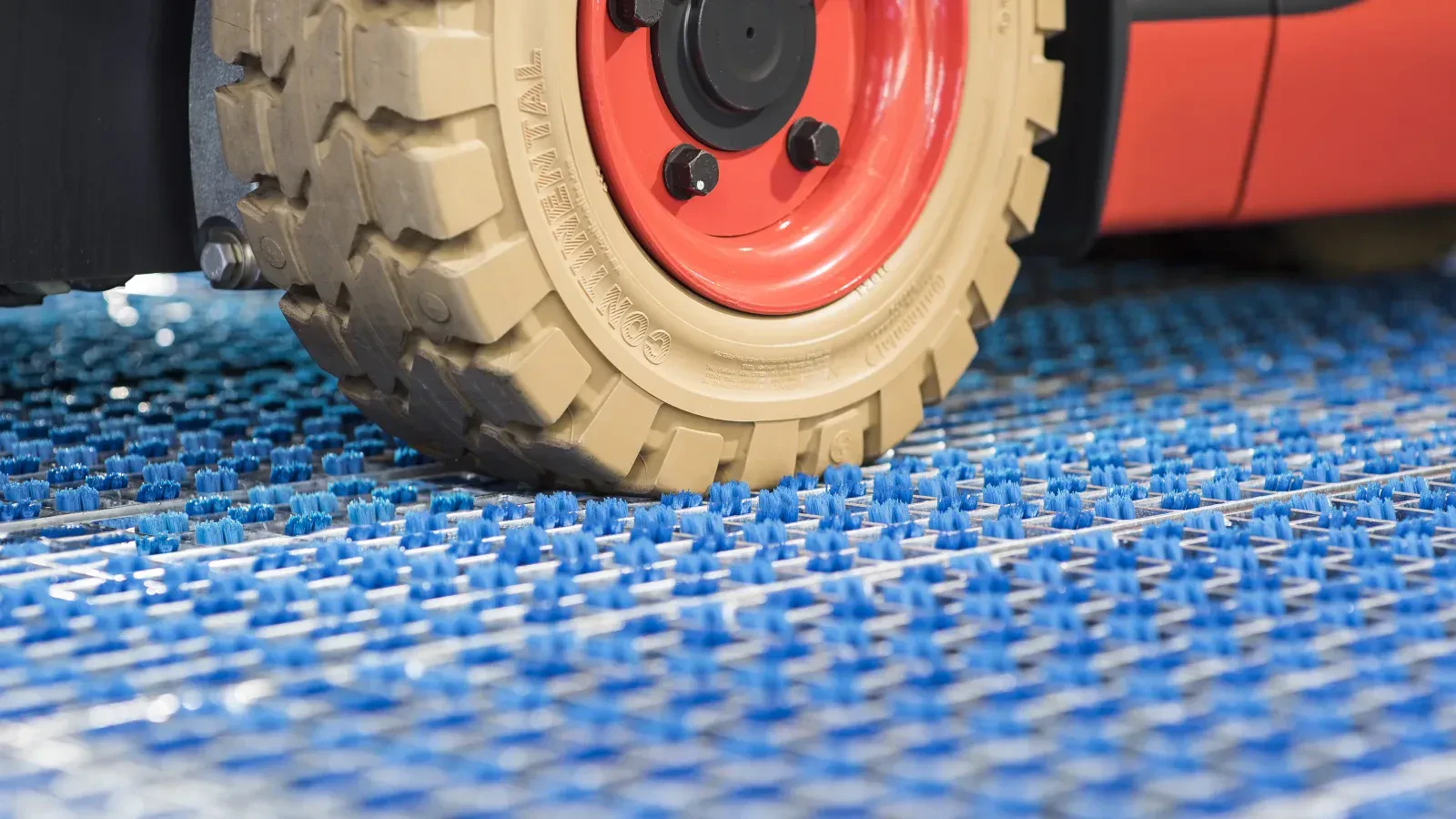
Tyre diameter, width, tread material, load and speed affect contact with the system. It also matters whether the vehicle can drive straight across the full cleaning length or turns, brakes or changes direction there. These details affect the effective length, installation and on-site performance checks.

Contamination carried along the route

Contamination carried along the route

Fine dust, sand, grit, powders, moisture and foreign matter behave differently. Dust, grit and particles call for mechanical cleaning and maintenance. Microbiological requirements may call for disinfectant liquid, drainage, chemical management and internal verification.

Installation, cleaning and responsibility

Installation, cleaning and responsibility

The system needs more than free floor space. The site requires room for recessed or ramp-mounted installation, straight entry and exit, drainage where liquid is involved, and a named person responsible for cleaning and maintenance. Performance will decline if the daily routine is not followed.

Applications for controlling dirt carried on wheels

Outdoor routes into the warehouse

Entrances where tyres can bring dust, mud, water, snow, salt or sand into the building.

Warehouse, goods-in and production

Frequently used internal routes where tyre marks and moisture need to be reduced before they spread.

Automotive, electronics and technical cleanliness

Areas where particles can affect quality, not only how the floor looks.

Food production and packaging

Routes where foreign matter, moisture and hygiene at the transition into production determine whether dry cleaning or a wet process is required.

New routes and expansions

The cleaning point is easier to plan before the floor build-up, drainage, recessed installation area and AGV routes are finalised.

Wet cleaning or disinfection

A separate process involving disinfectant liquid, drainage, chemical management, cleaning and internal verification.
Two directions for wheels, tyres and castors

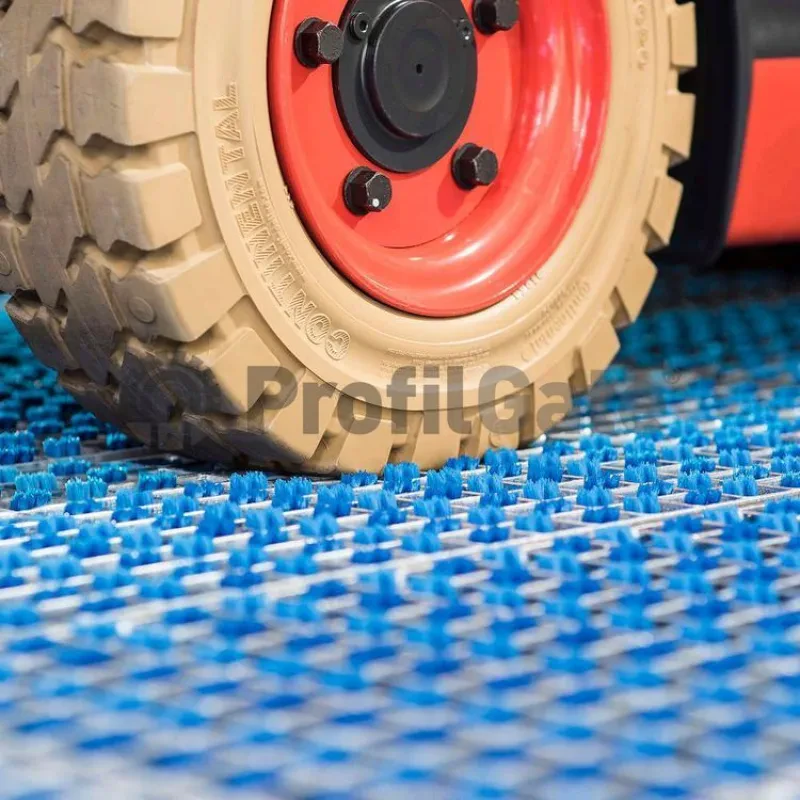
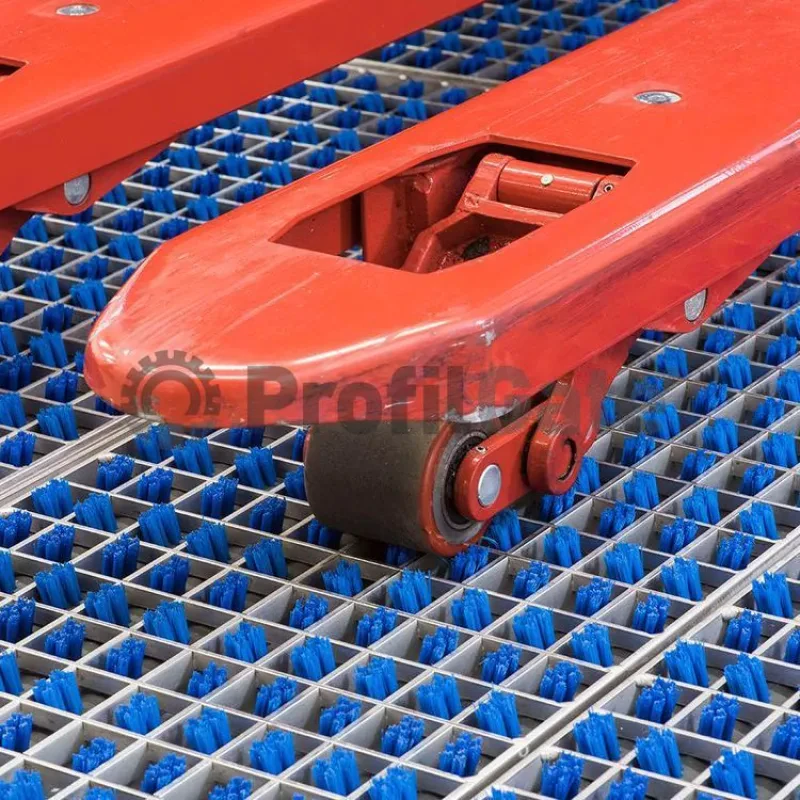
ProfilGate: active cleaning on the route

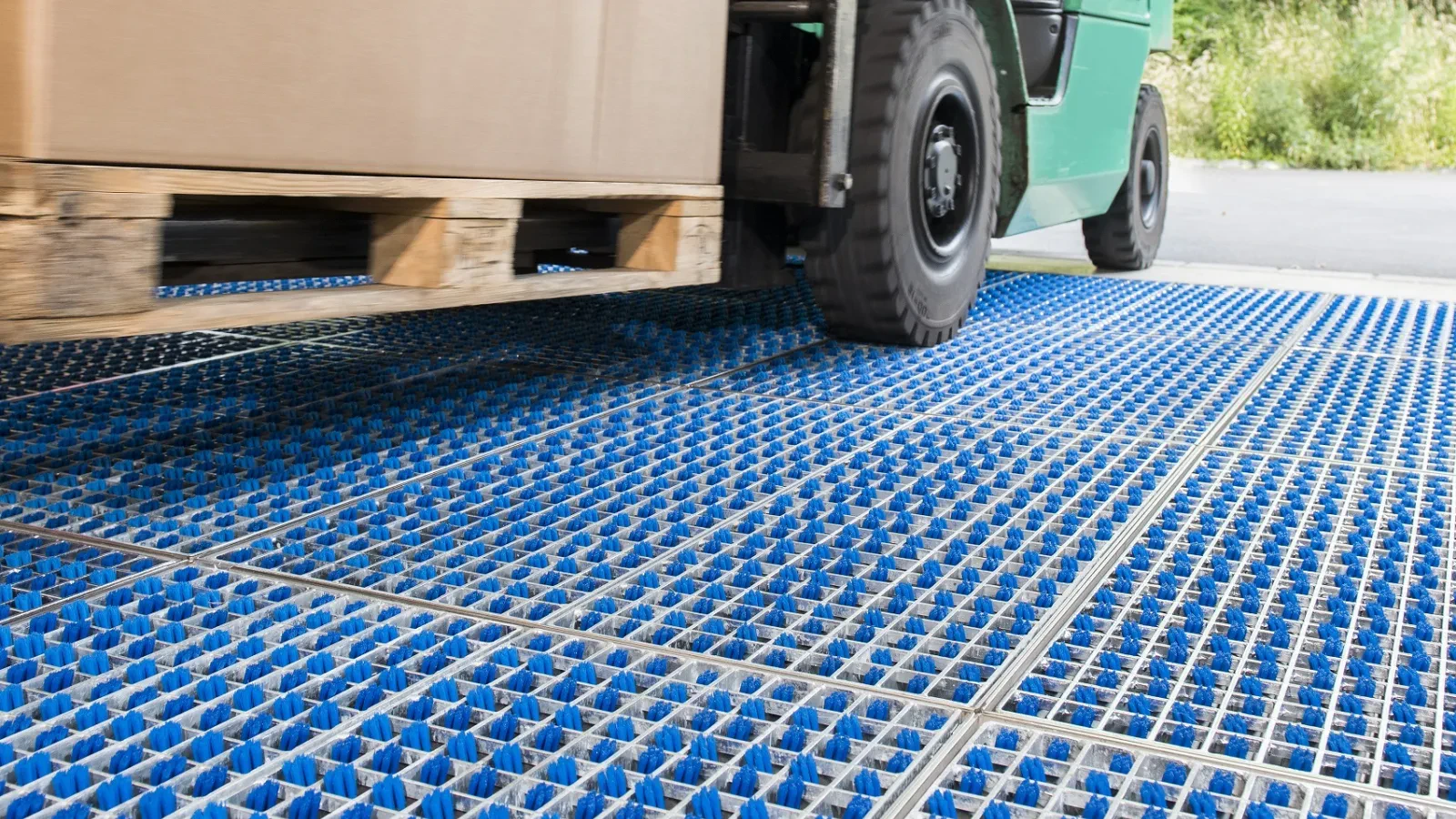
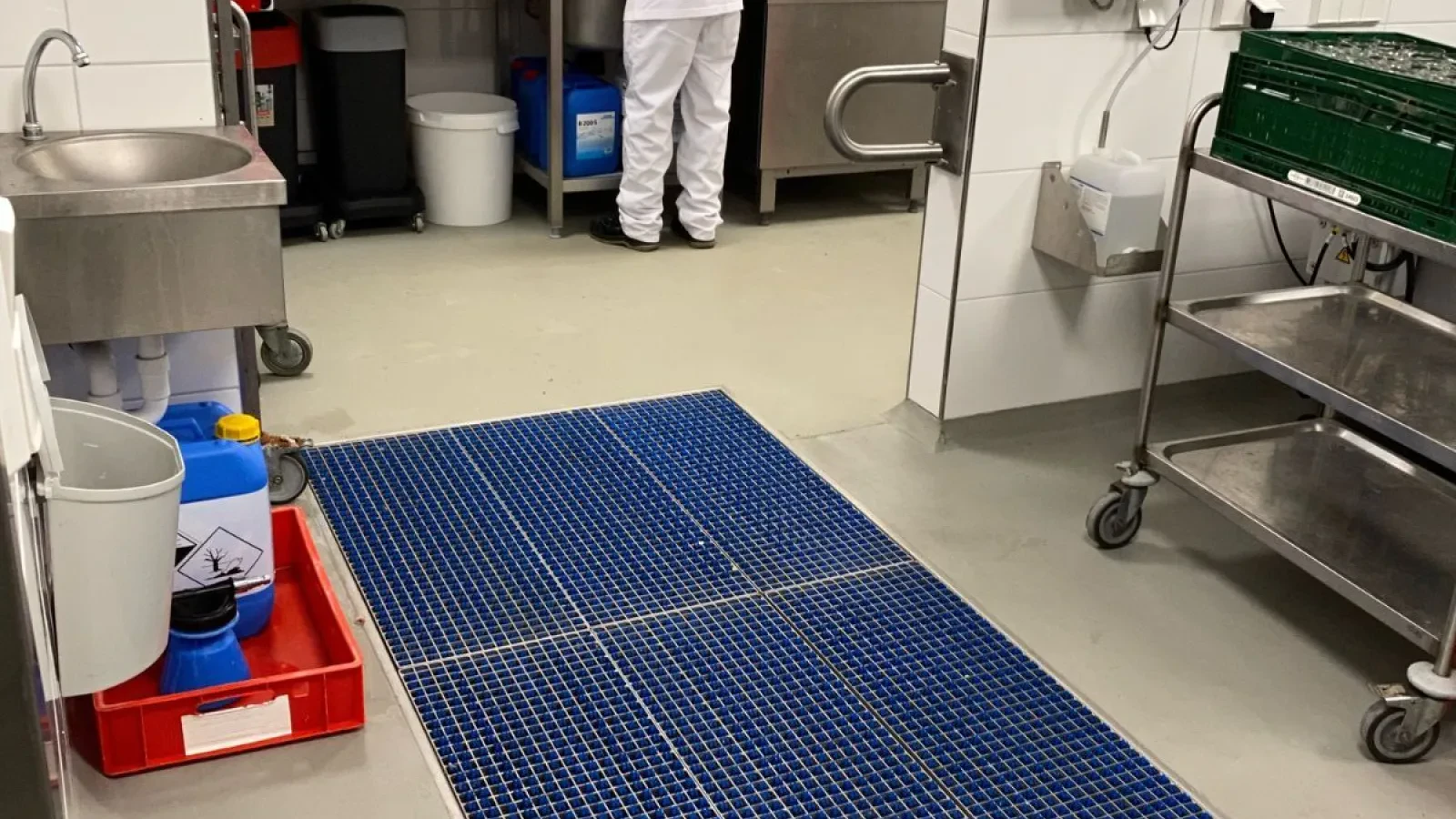
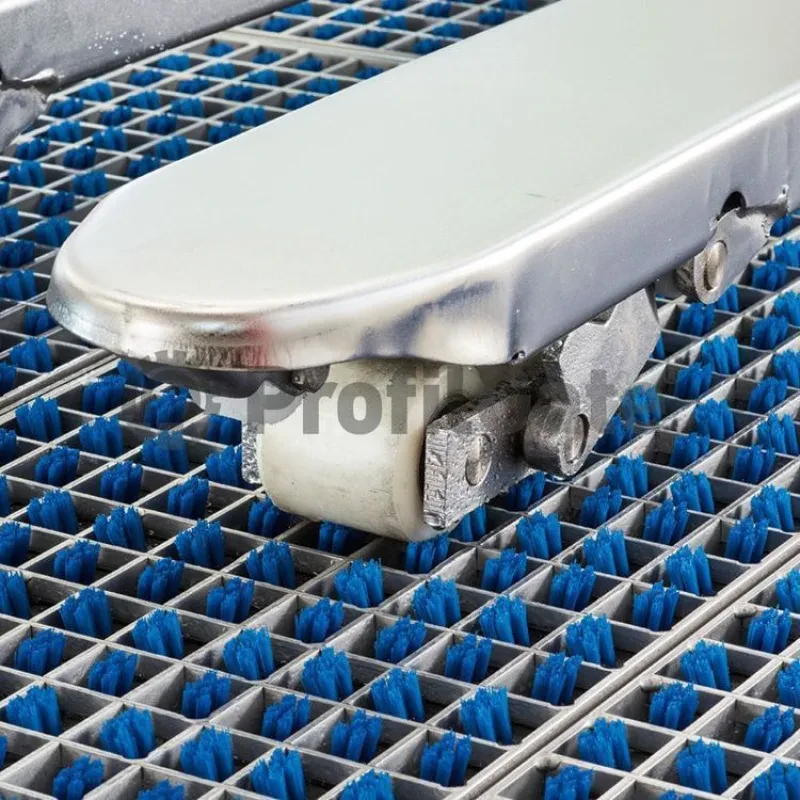
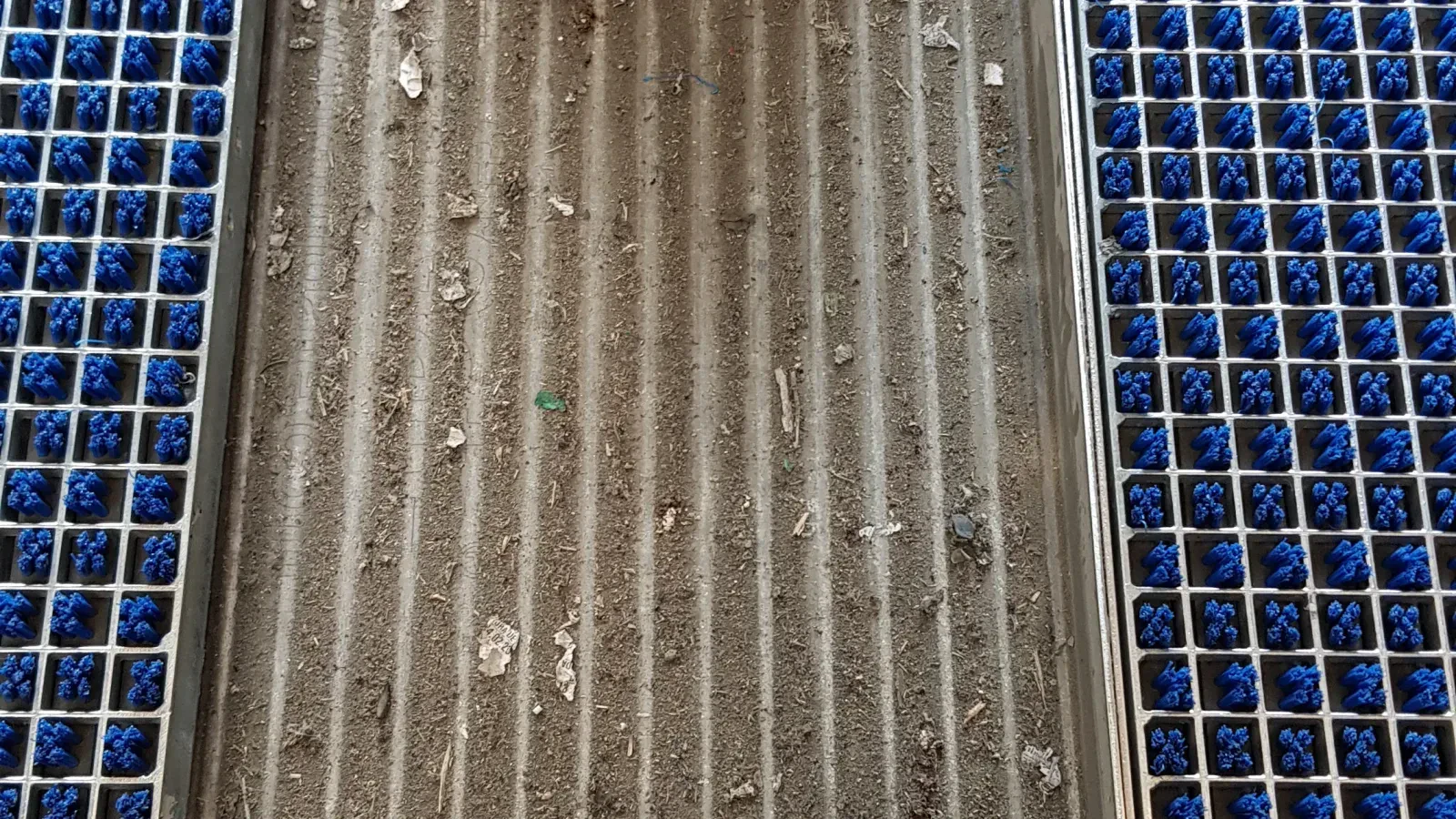
Active brushes suit dust, grit, moisture and coarser dirt carried by forklifts, pallet trucks, AGVs/AMRs and other mobile equipment. ProfilGate aqua adds a liquid process where the area procedure calls for that stage.

Contact length, wheel type, contamination, traffic frequency and the cleaning routine determine the configuration. Supplier test results describe defined conditions and still need to be checked against the real route.

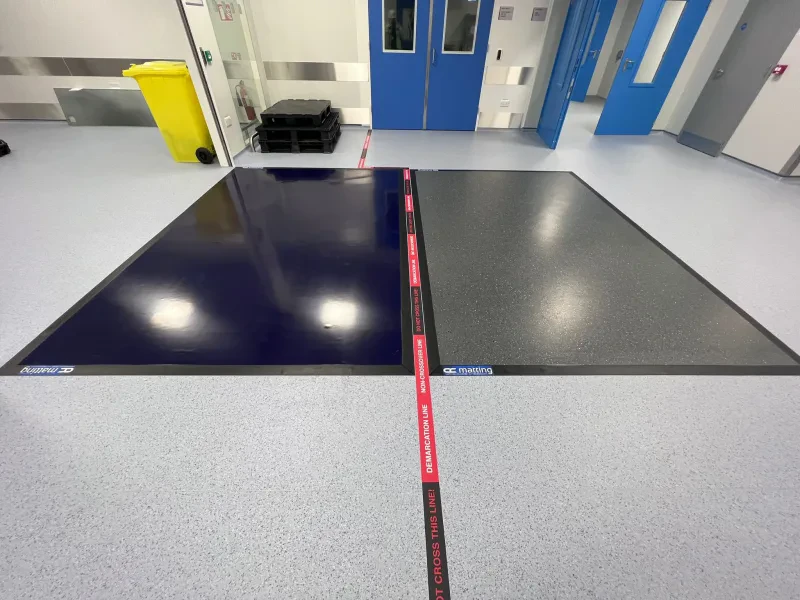
CC Matting Heavy Duty: polymer contamination-control mat

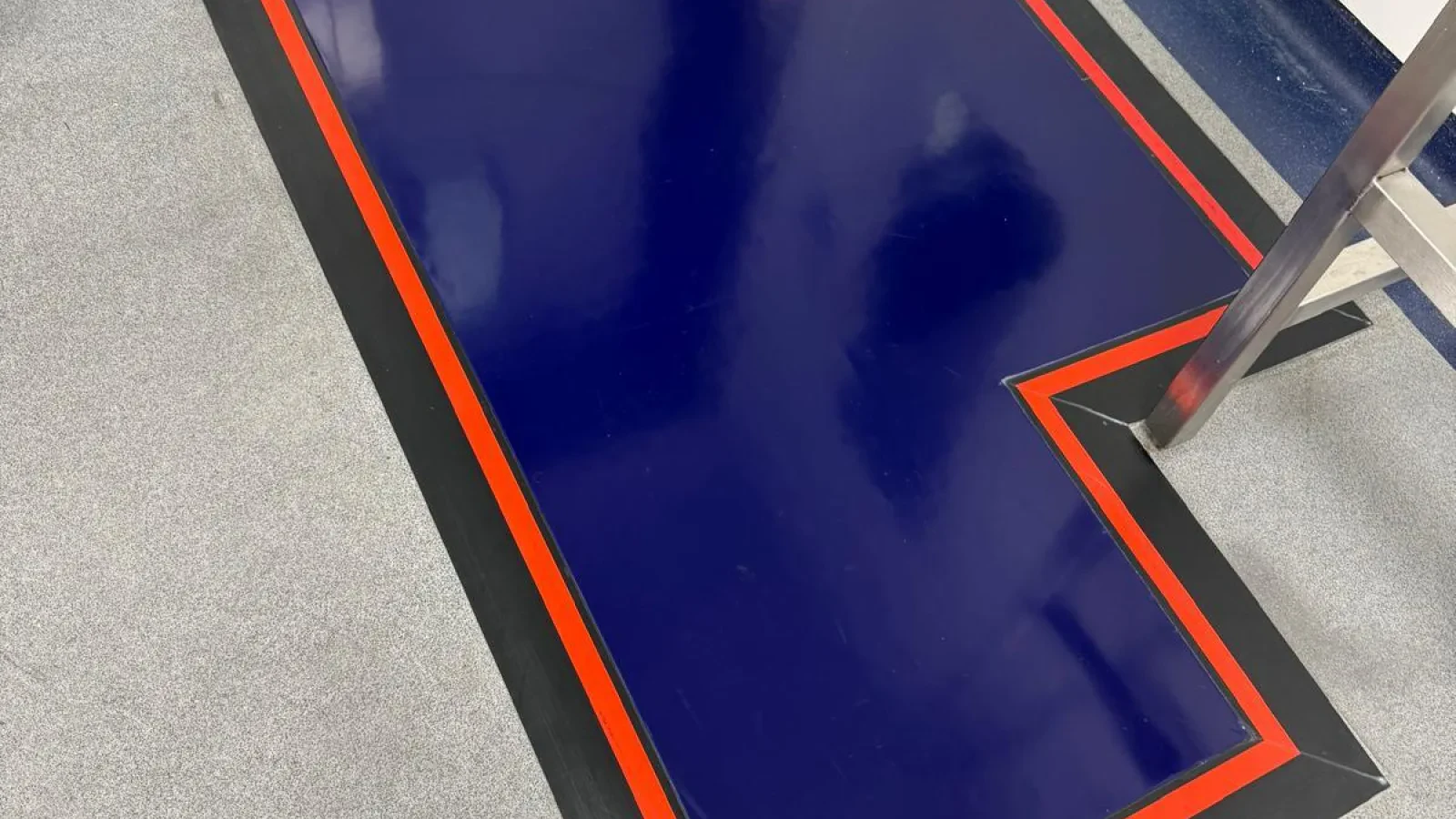
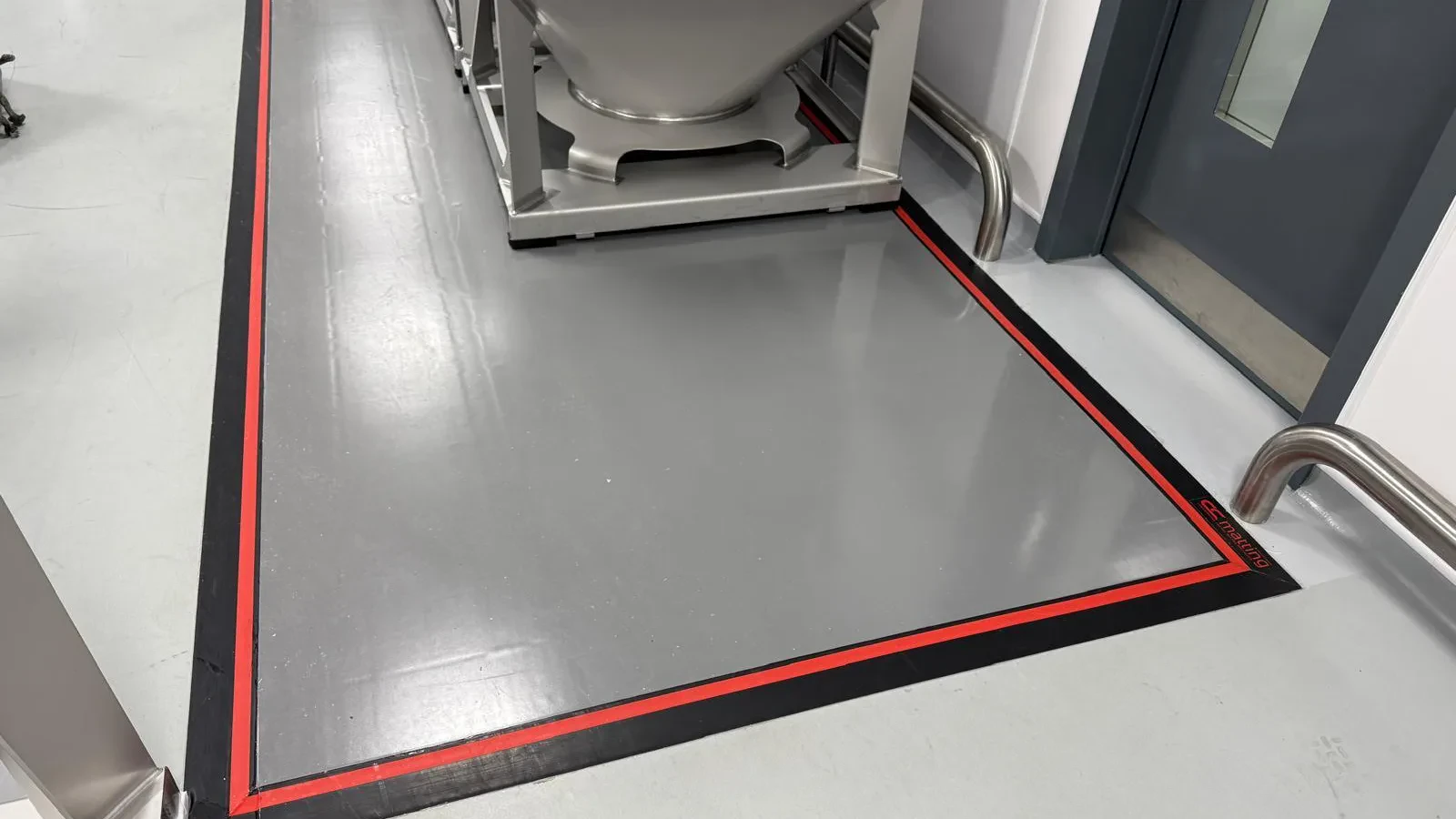
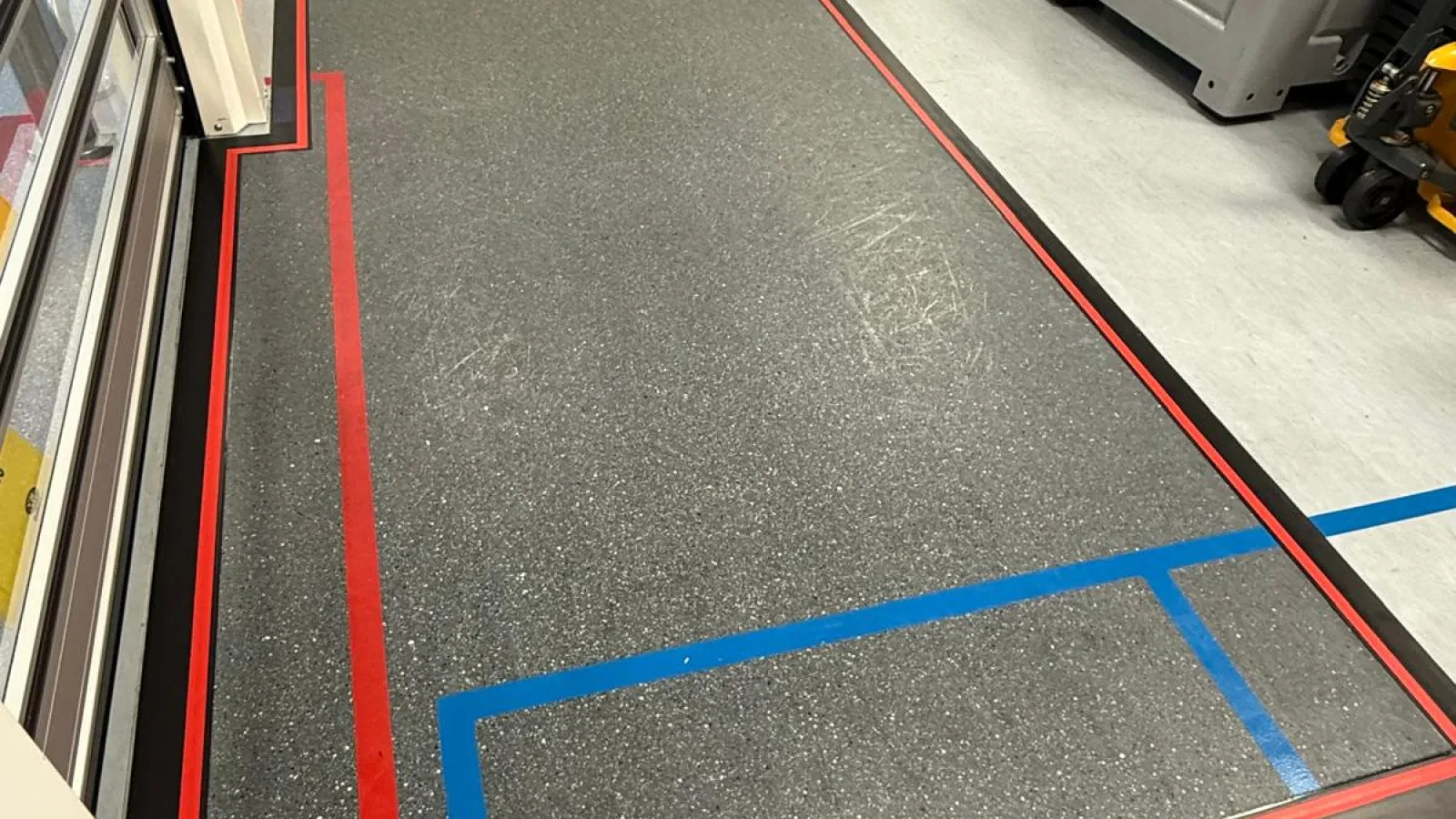
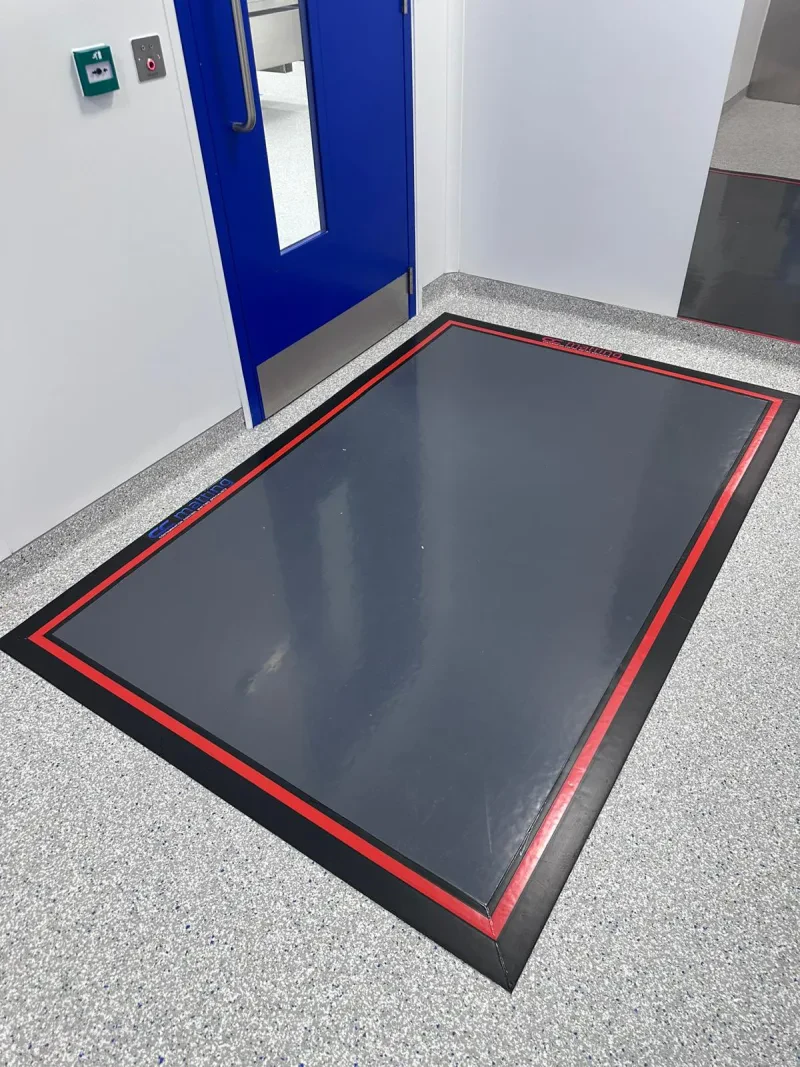
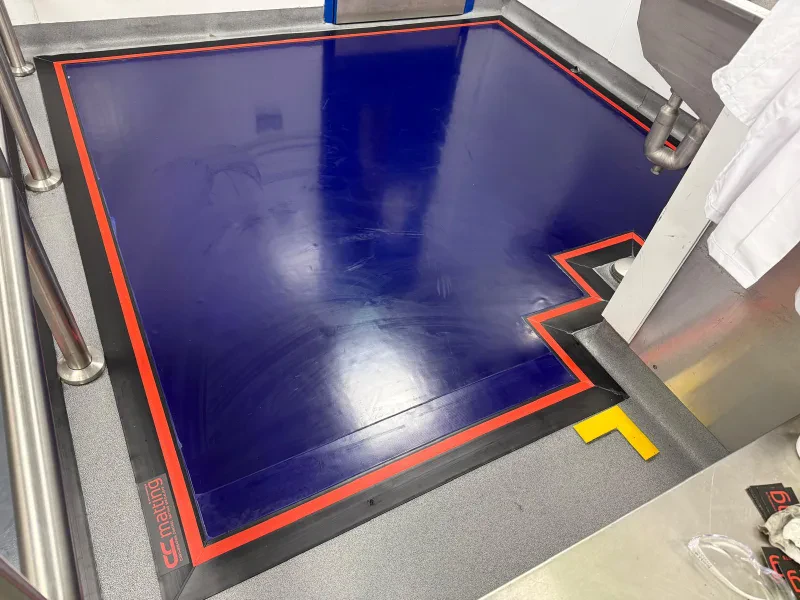
CC Matting Heavy Duty fits routes where fine particles are the priority and wheels, castors, trolleys or heavy traffic can cross the polymer mat in a straight line. The supplier states suitability for forklifts, motorised pallet trucks and heavy trolleys, with point-load bearing of 130 kg/cm².

The contact zone is laid out without turning, twisting or braking on the mat. Load, shear, substrate, contact length and washing routine all need checking. For mud or coarse dirt, compare an active cleaning system instead.

Active systems and polymer contamination-control mats for wheels

ProfilGate covers active mechanical cleaning, including liquid configurations. CCM Heavy Duty is a polymer contamination-control mat for fine particles and traffic that can cross in a straight line. Choose based on wheel type and load, the dirt present, turning or braking, required contact length, installation constraints and the cleaning routine.
CCM Heavy Duty - polymer contamination-control mat
Material documentation
ISO Class 5 material documentation
Load resistance
130 kg/cm2
Thickness
2.9 mm
Weight
3.3 kg/m2
Product documentation
CE/DoP documentation: I.S. EN 14041:2004 + AC:2006
ProfilGate b
ProfilGate b
Traffic type
Forklifts, trucks, pallet trucks and mixed wheeled traffic
Place of application
Outdoor access routes and internal passageways
Dirt type
Coarse and fine dirt
Cleaning process
Dry mechanical cleaning
Tray depth
55 mm / 65 mm
ProfilGate i
ProfilGate i
Traffic type
Forklifts, pallet trucks and wheeled traffic in areas requiring stainless-steel construction
Place of application
Outdoor access routes and internal passageways
Dirt type
Coarse and fine dirt
Cleaning process
Dry mechanical cleaning, stainless-steel version
Tray depth
55 mm
ProfilGate i aqua
ProfilGate i aqua
Traffic type
Forklifts, pallet trucks, pedestrians and mixed traffic at hygiene transitions
Place of application
Outdoor access routes and internal passageways
Dirt type
Microbiological contamination addressed through a wet disinfection process
Cleaning process
Mechanical cleaning with a wet disinfection stage
Tray depth
45 mm / 55 mm

Useful resources for this category

Wheel cleaning in a new factory: choose the point before routes and floor details are final
Wheel and tyre cleaning systems
Wheel cleaning in a new factory: choose the point before routes and floor details are final

A guide to integrating wheel cleaning before doors, floors, drainage and routes are fixed.

Learn more
CC Matting Heavy Duty: when the transfer point needs ISO Class 5 material documentation
Wheel and tyre cleaning systems
CC Matting Heavy Duty: when the transfer point needs ISO Class 5 material documentation

How to use CC Matting Heavy Duty documentation when the area needs ISO Class 5 material, particle control, clear cleaning and quality traceability.

Learn more
CC Matting at SEVENSEAS: certified polymer mats for controlled entrances
Wheel and tyre cleaning systems
CC Matting at SEVENSEAS: certified polymer mats for controlled entrances

Why SEVENSEAS added CC Matting: washable, reusable polymer contamination-control mats with documentation checked against the application’s hygiene or ESD requirements.

Learn more

Local and international references

  • Audi
  • BMW
  • Bosch
  • Continental
  • HiPP
  • Mercedes-Benz
  • Nestlé
  • OSI
  • Procter & Gamble
  • Siemens
  • AB InBev
  • Airbus
  • Barilla
  • BASF
  • Bavaria
  • Bayer
  • Bayernland
  • Beiersdorf
  • Bitburger
  • Coca-Cola

Are wheels, castors or trolleys carrying dirt further into the flow?

+36 30 013 5510

Request a route assessment

For an initial assessment, describe the forklift route, traffic type, visible tyre marks or contamination and number of passes. These details help determine whether wheel cleaning is appropriate, or whether rerouting traffic or positioning the cleaning stage elsewhere would be more effective.

Request a route assessment

For an initial assessment, describe the forklift route, traffic type, visible tyre marks or contamination and number of passes. These details help determine whether wheel cleaning is appropriate, or whether rerouting traffic or positioning the cleaning stage elsewhere would be more effective.

Frequently asked questions

It becomes relevant when forklifts move from outdoor areas, goods-in areas or warehouses into production or packing halls, automotive manufacturing areas, cleanrooms or other zones with technical cleanliness requirements.

Dust, sand or moisture marks appearing after each shift help identify the door, loading bay or corridor where the route and cleaning-point location should be assessed.

Floor cleaning removes contamination only after it has entered the area. If the route and traffic remain unchanged, the team repeatedly cleans downstream deposits without addressing how they are being carried in.

Place the cleaning area before dirt reaches the sensitive zone. Route, travel direction, available space, bypass risk and maintenance responsibility all shape the installation.

The figure indicates the scale of reduction observed in the test. Fraunhofer IPA analysed ProfilGate cleaning efficiency under defined conditions, with sand contamination and repeated contact on soles and tyres.

Always present the figure with its test conditions: contaminant, number of passes or wheel rotations and the conditions under which the system was crossed. Site fit depends on tyres, route, contamination and the system cleaning routine.

Dry mechanical cleaning and wet disinfection are separate processes. A dry system removes physical contamination such as dust, sand, particulate matter and foreign material carried on tyres or wheels. Microbiological reduction requires a wet configuration with disinfectant liquid, drainage and chemical management, supported by a defined procedure and internal verification.

The ProfilGate aqua results reported by IBELIN were obtained under a defined microbiological test setup using a specified liquid and procedure. For HACCP, IFS, BRCGS, GMP or cleanroom applications, the cleaning point must be incorporated into the site’s hygiene procedure, validation plan and internal verification.

Treat the location as a mixed-traffic route. The forklift may be the most visible vehicle, but pallet trucks, trolleys, AGVs/AMRs, pedestrians and equipment on small wheels or rollers may use the same route. Wheel type, load, vibration, turning and frequency can change the selection.

The chosen configuration must match what actually passes over the system: large forklift tyres, small trolley wheels, footwear or a mixed route.

In automotive and component manufacturing, floor appearance is only one signal. Particles and dirt carried on wheels can reach zones where technical cleanliness, flow discipline and particle control matter for quality.

ISO 16232 and VDA 19.2 provide methods and guidance for assessing technical cleanliness and particle contamination in automotive production. The cleaning point still has to connect to the actual route, the site procedure and internal verification.

Sizing starts with the route in both directions, the source zone, the receiving zone, visible marks and available installation space.

  • vehicle types: forklifts, pallet trucks, trolleys, AGV/AMR or mixed traffic;
  • tyre diameter, width and tread material, if available;
  • load, number of passes, turning and whether vehicles can drive straight across the full cleaning length;
  • observed contamination: dust, sand, grit, powders, moisture or foreign matter;
  • installation conditions: floor, space, ramp or recessed installation, drainage and maintenance.
Sending…