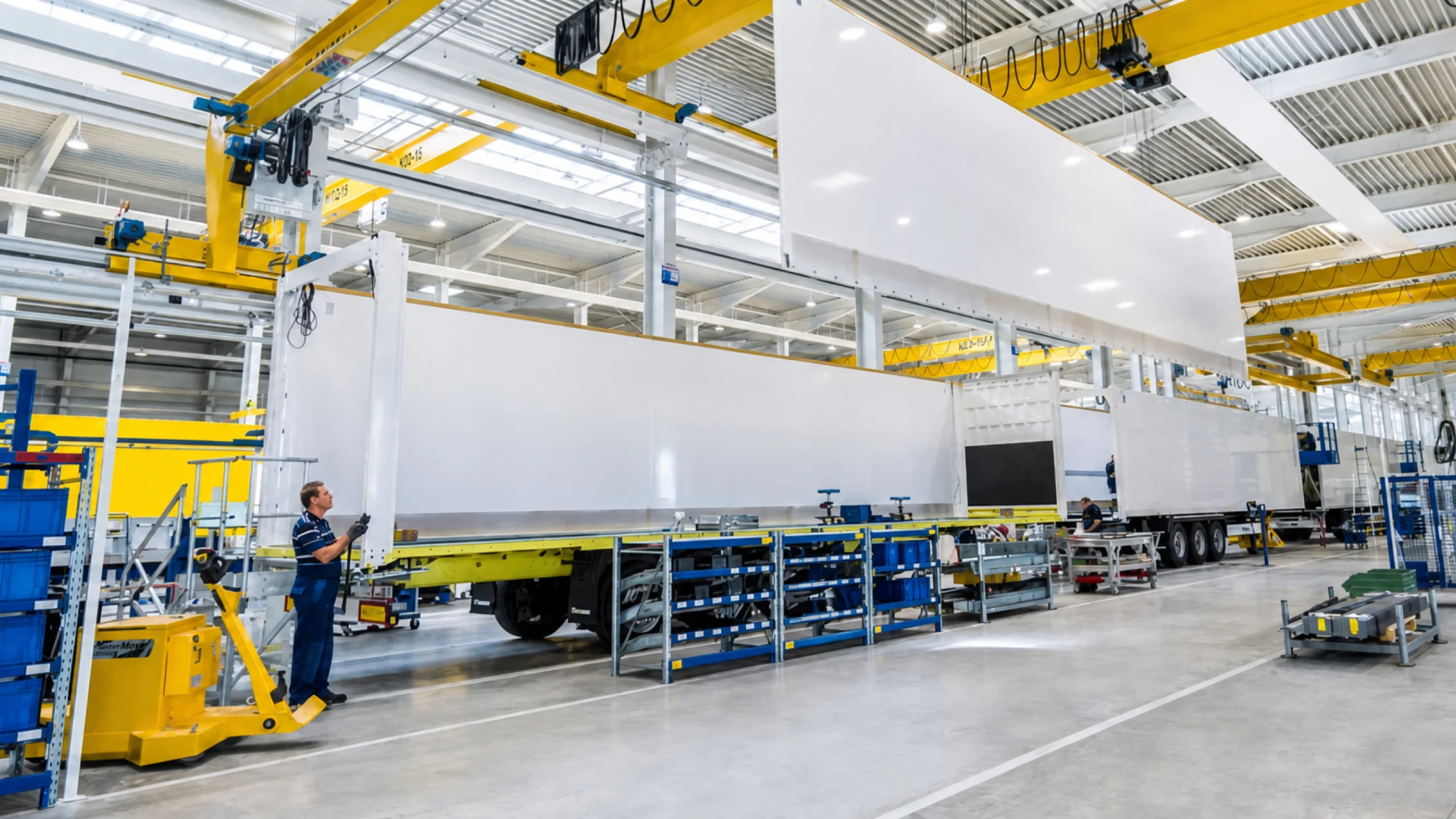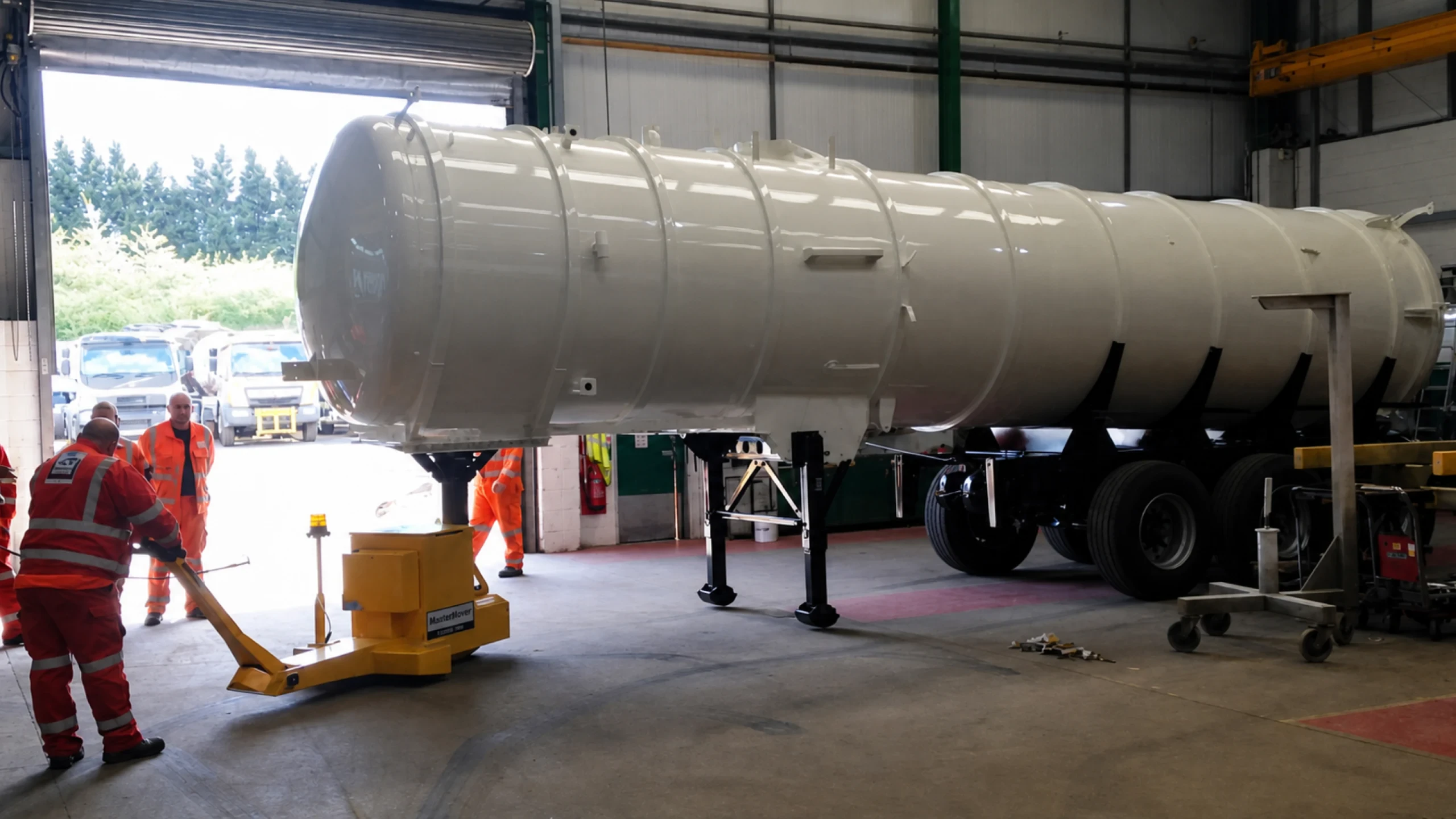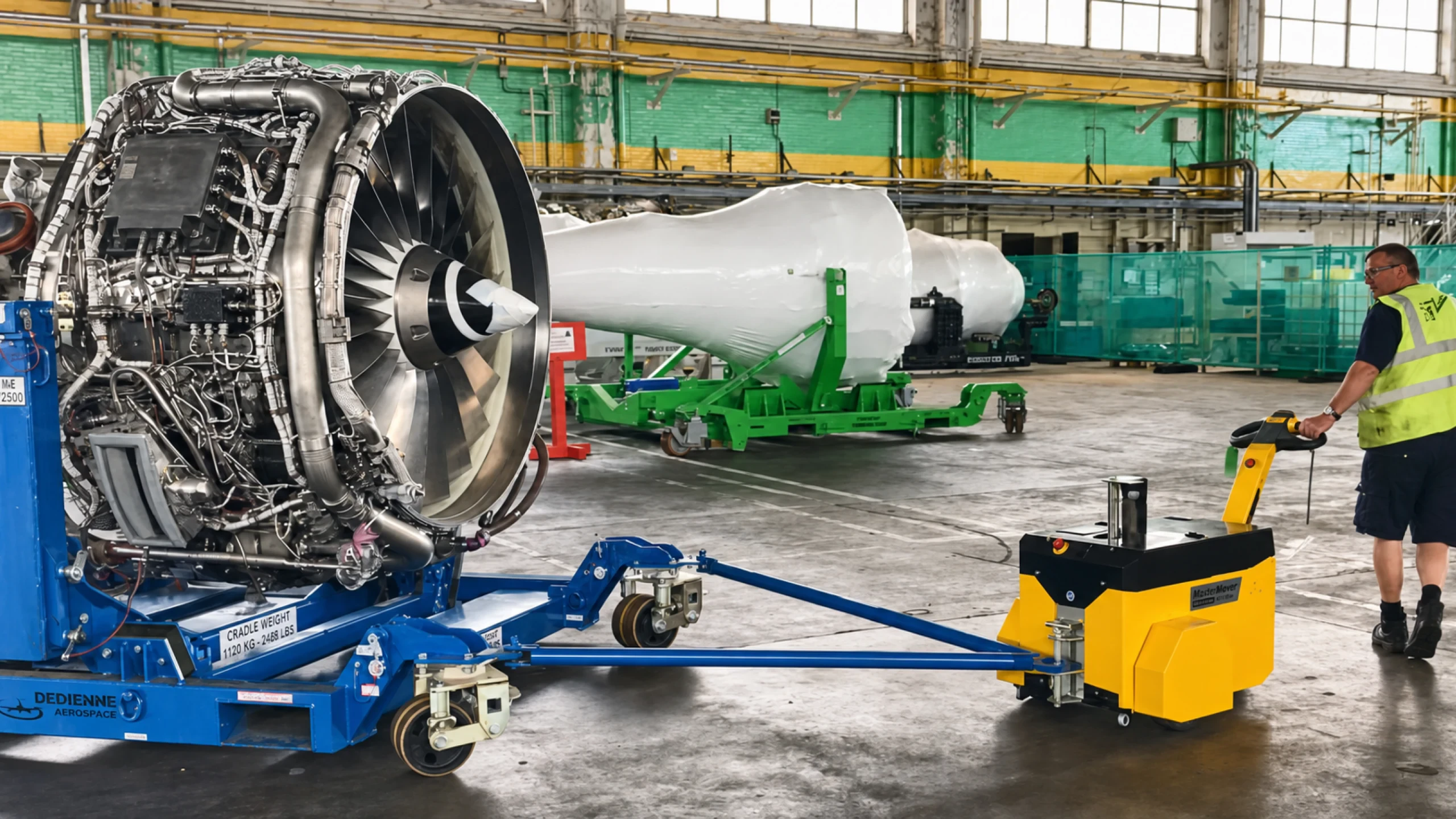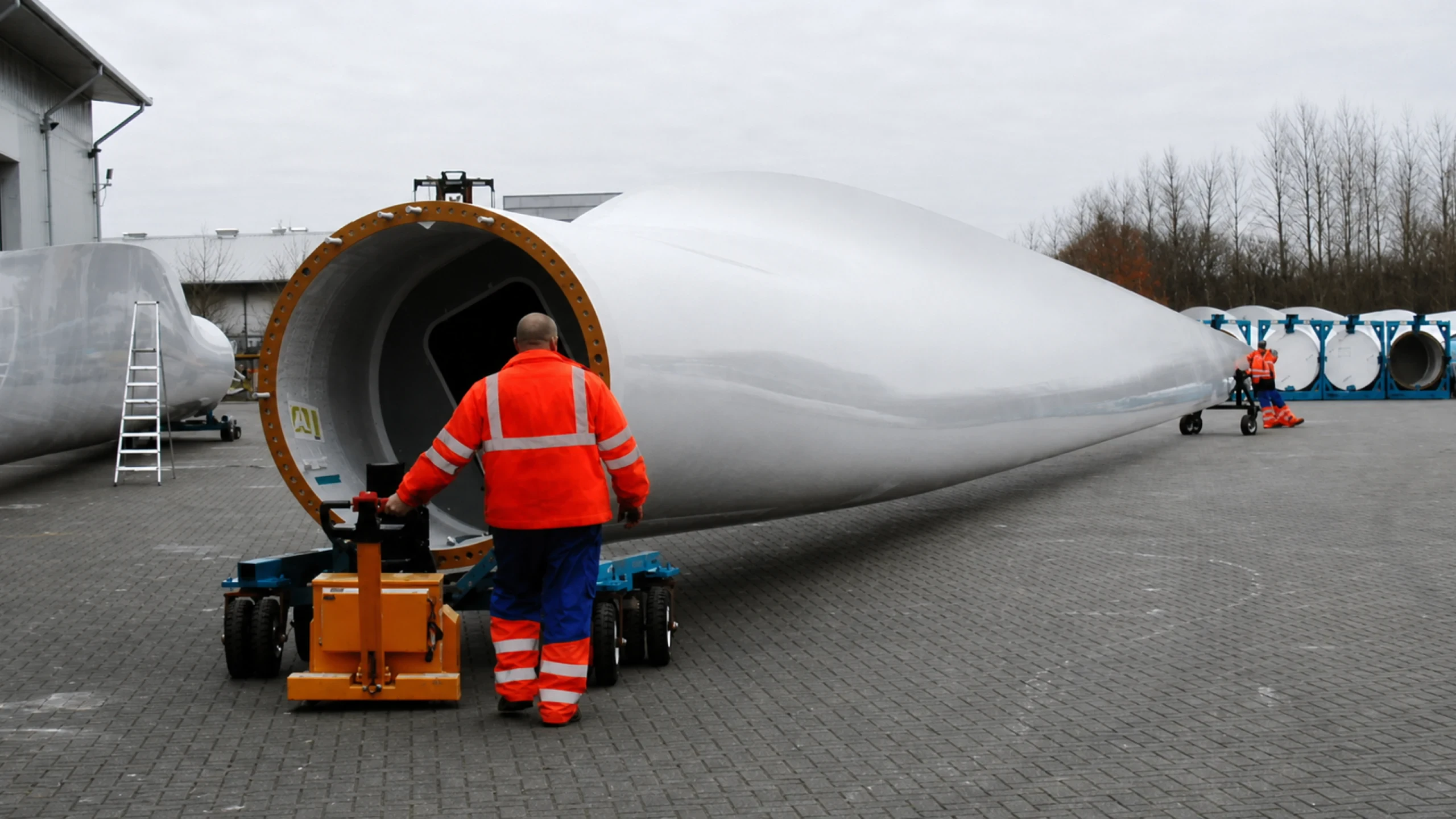
Less manual effort, more control when moving heavy loads
Efficiency Through Movement

Less manual effort, more control when moving heavy loads

When heavy loads move frequently, manual effort and using a forklift for simple movement can slow the flow.

See movement families
The load and real route determine the direction

The load and real route determine the direction

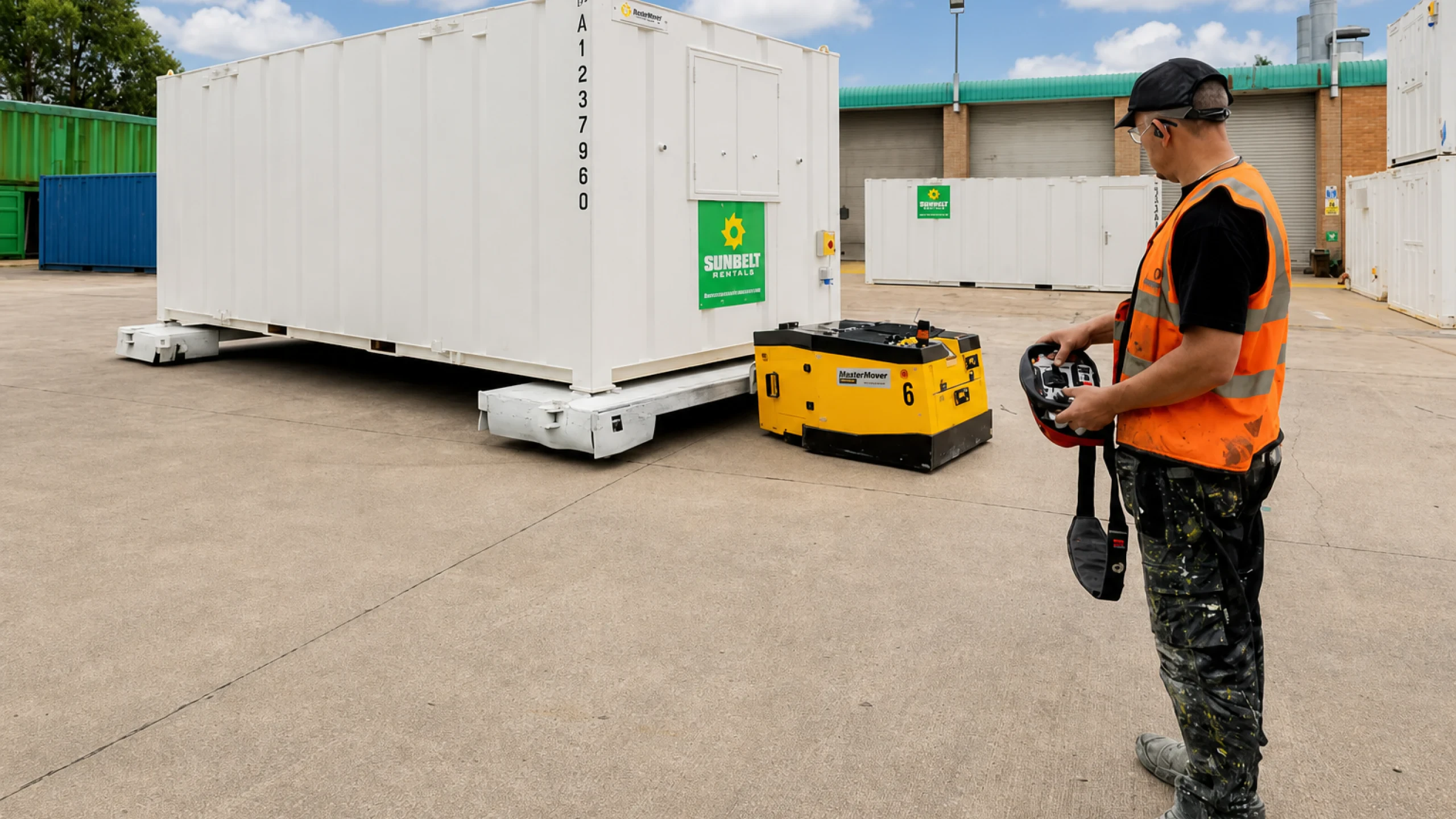
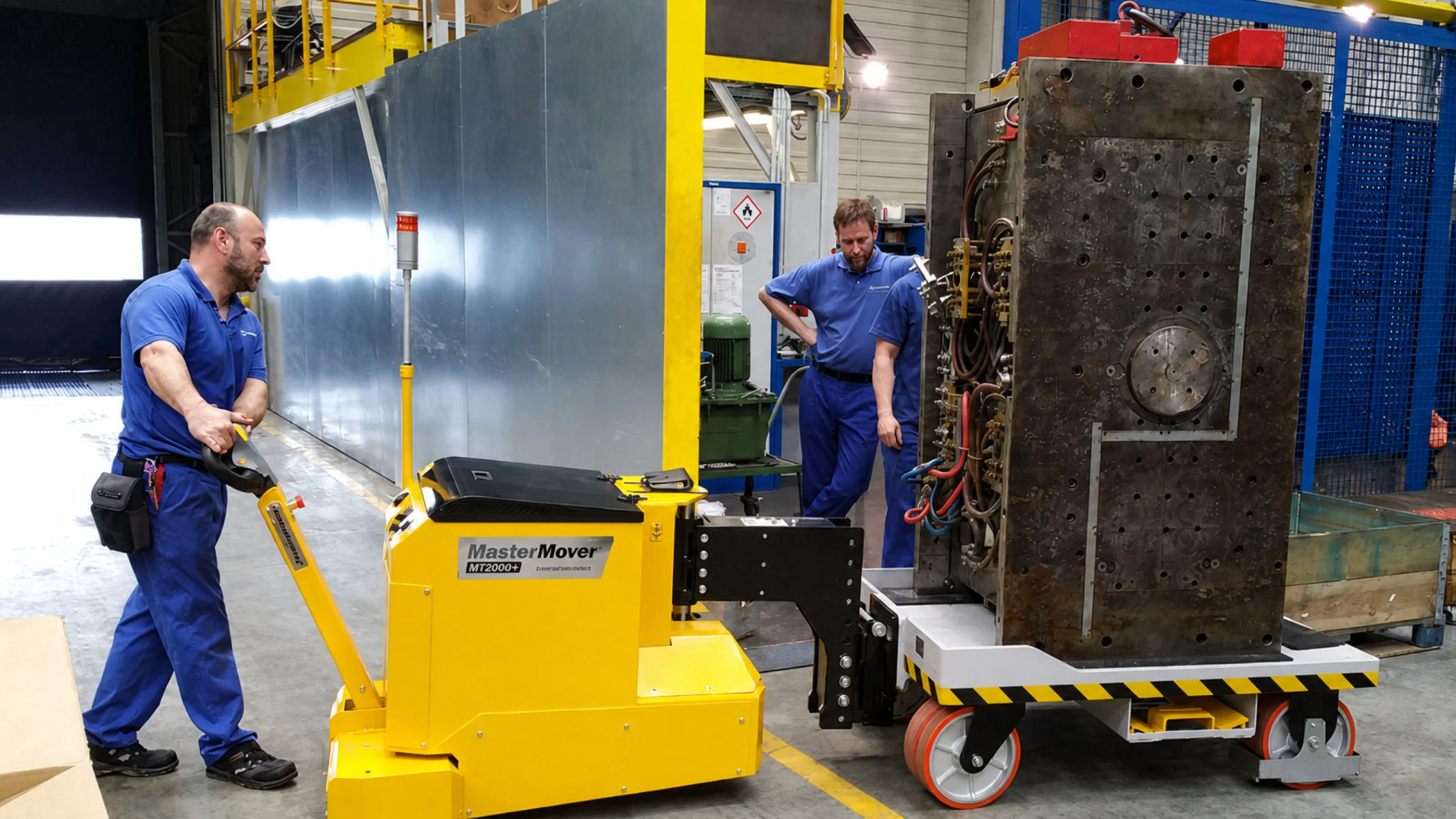
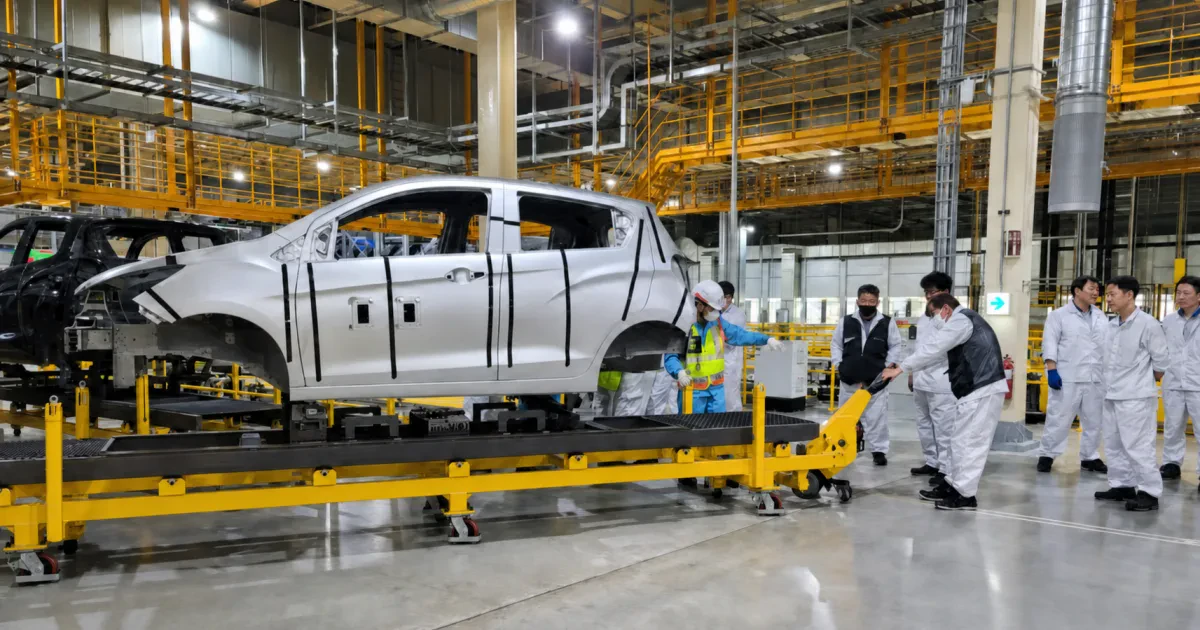
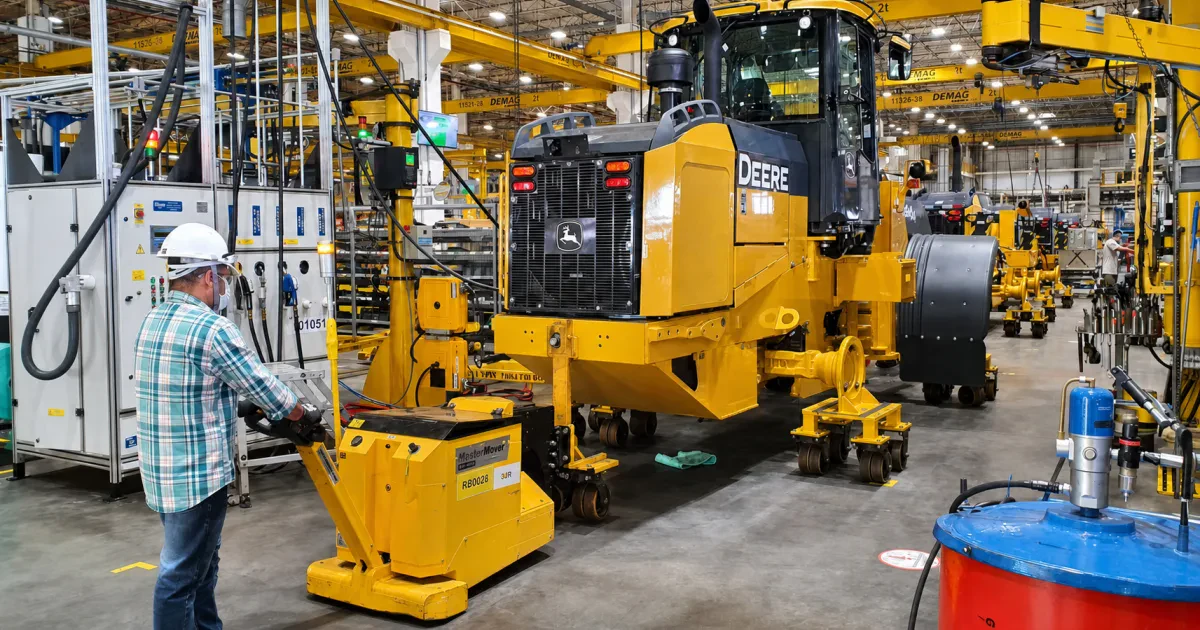
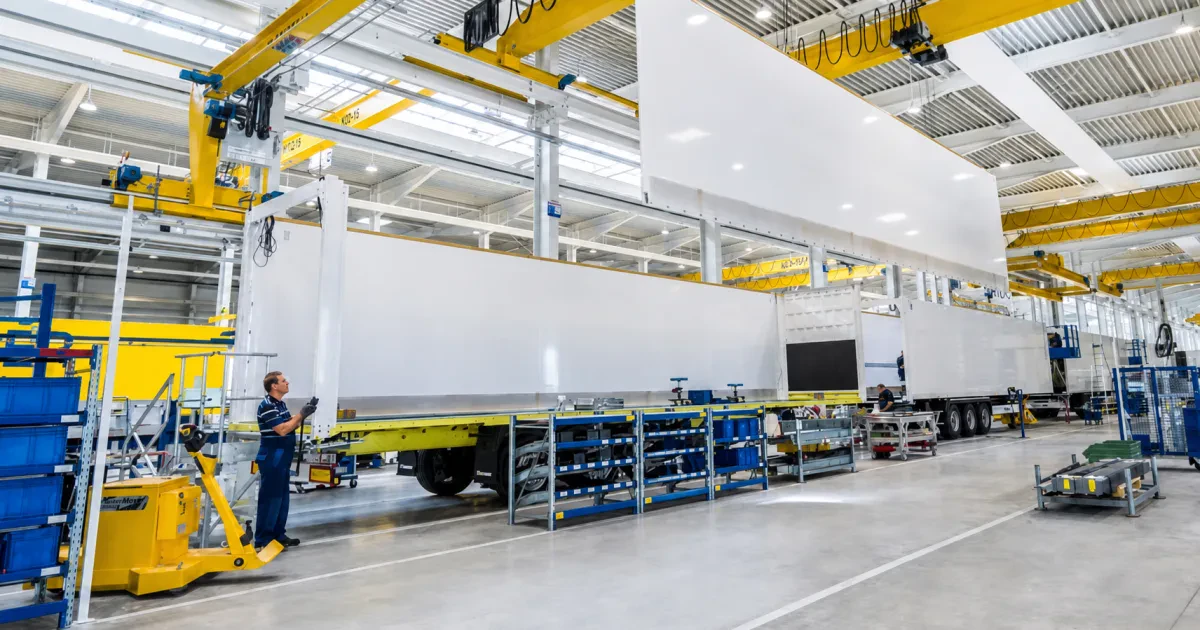
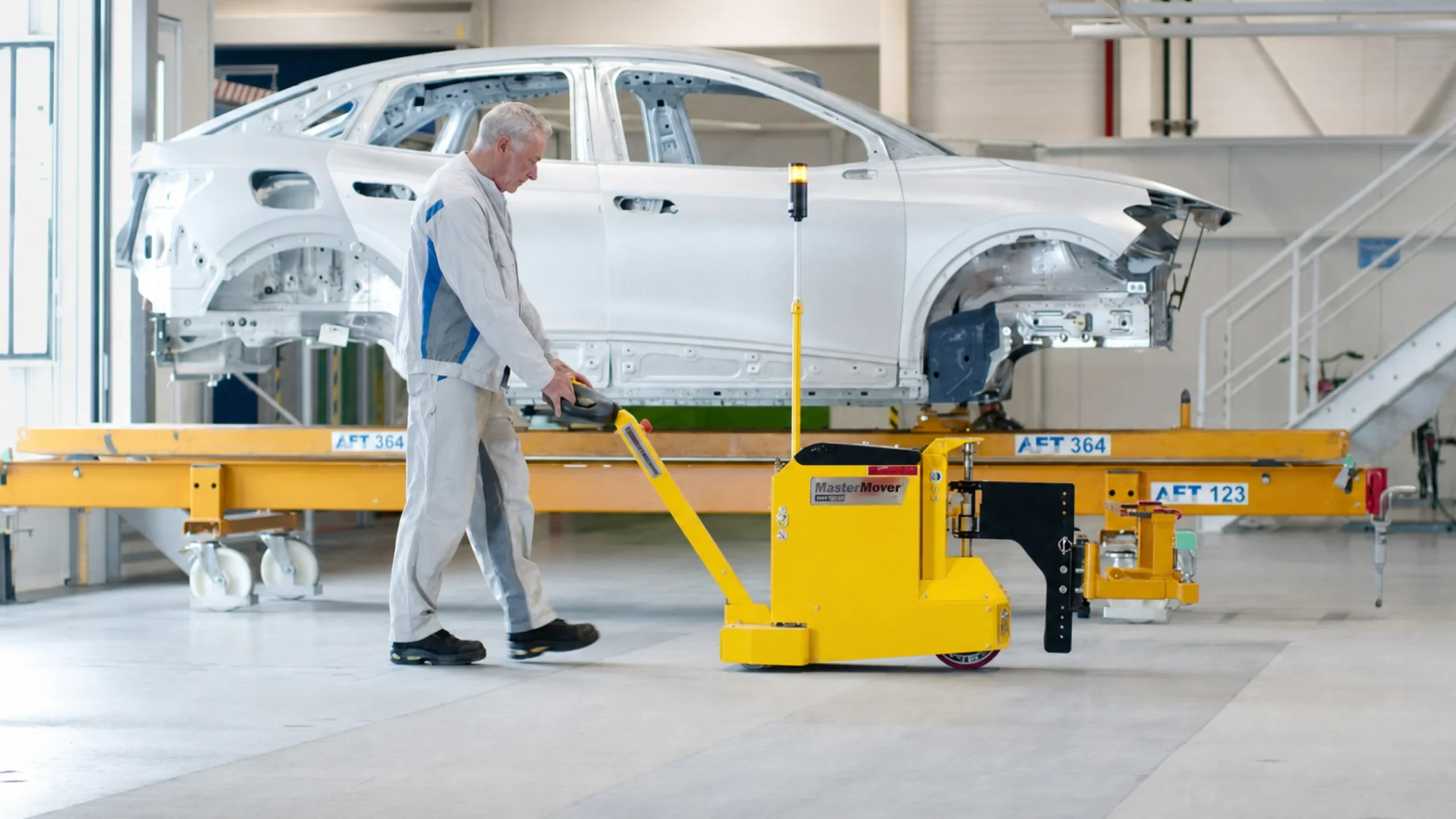
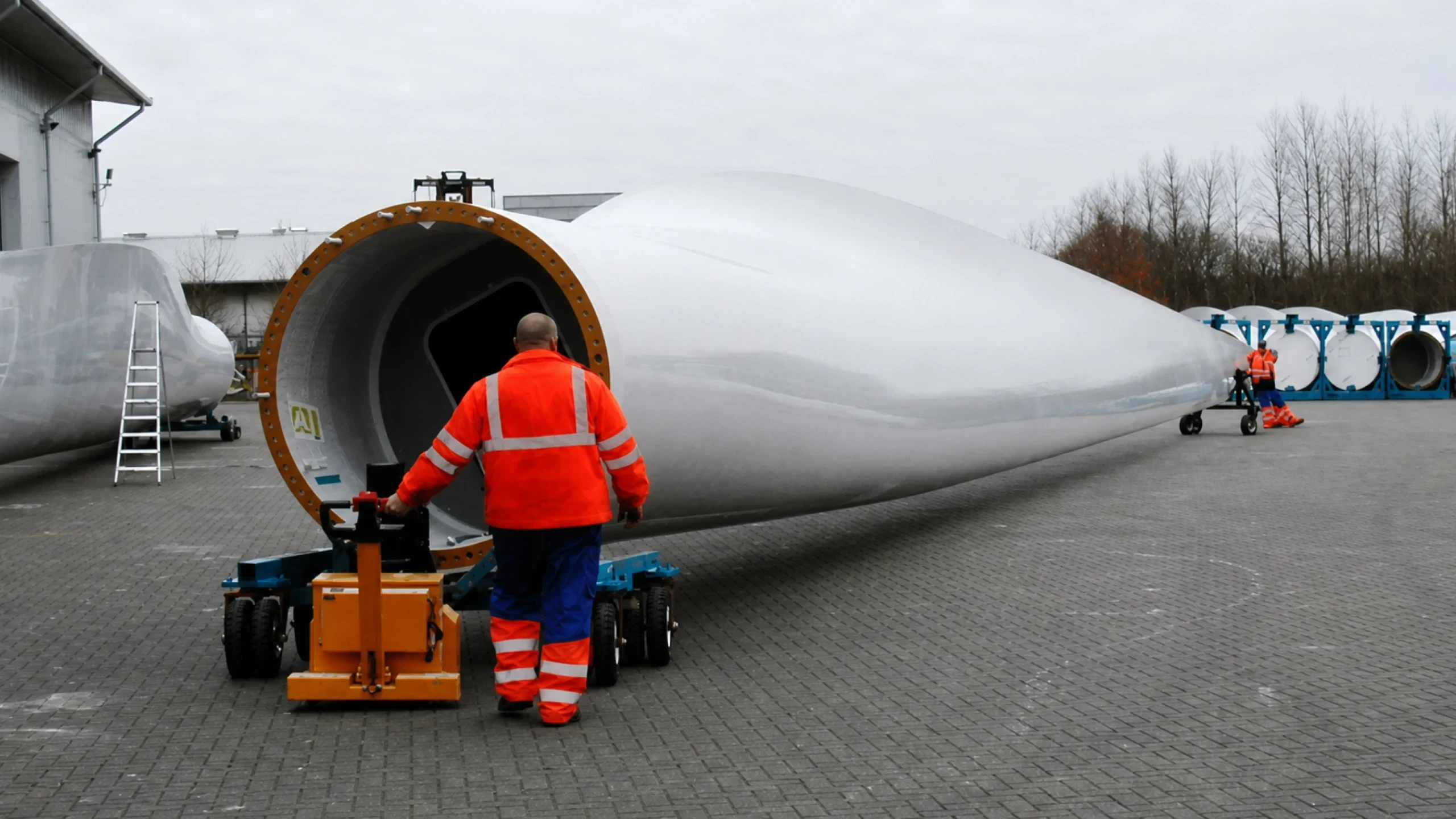
In many factories and logistics areas, the load does not need to be lifted. It needs to move on wheels with less manual effort and more predictable control. The signal appears when people push too hard, wait for a forklift, need two operators for one movement or struggle to stop and steer the load on the real route.

A useful choice starts from the full load, wheels, floor, slope, distance, coupling, stopping points and movement frequency. The equipment family comes later, after the movement is clear.
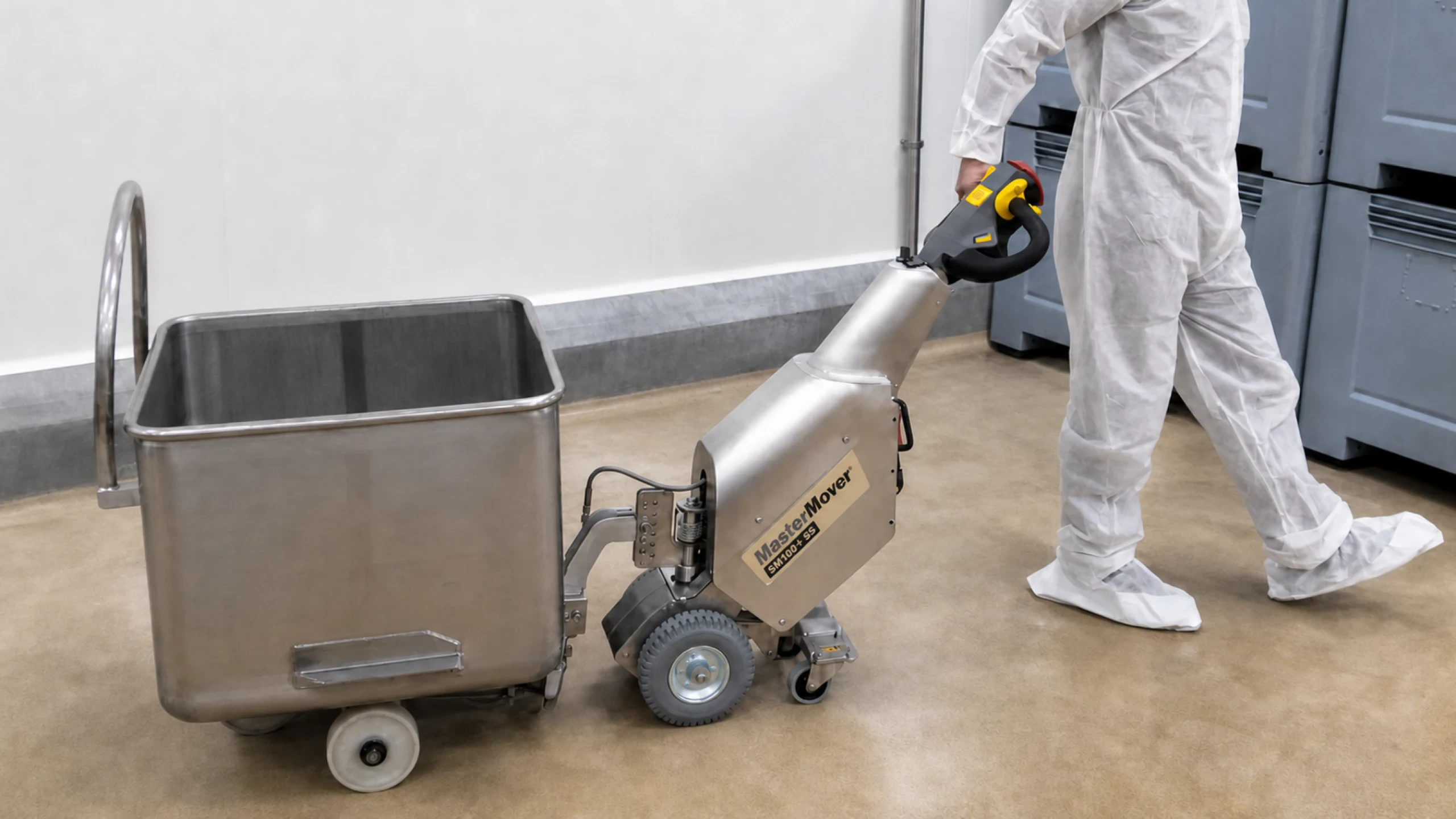
What improves when heavy-load movement is controlled

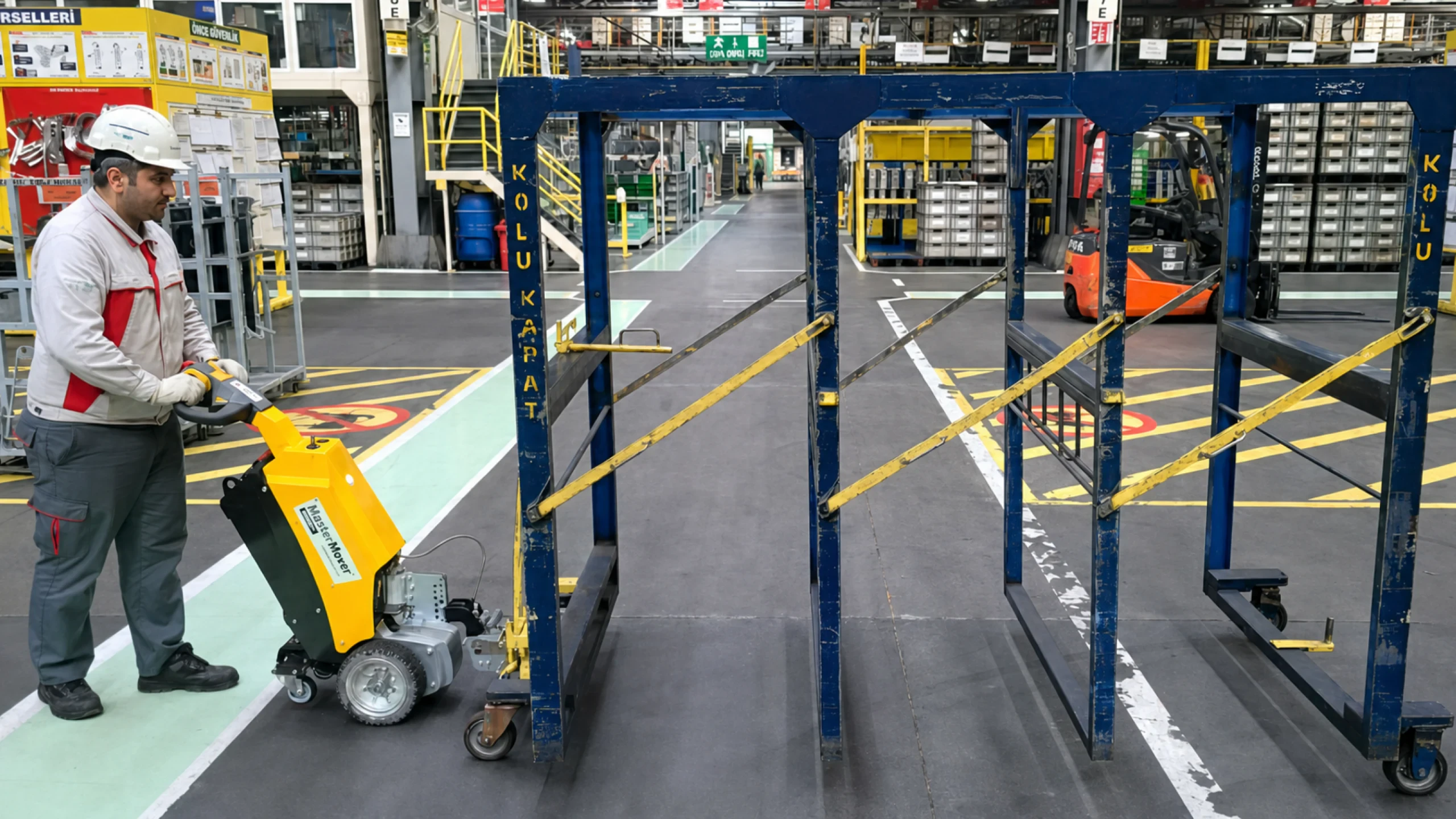
When the load, route and coupling are clear, movement can become safer to manage, easier to repeat and less dependent on manual force or forklift availability.

Less manual effort

Operators no longer need to rely on body weight, several people or local workarounds for the same movement.

More predictable starting and stopping

The selection takes traction, stopping points, slope, floor condition and wheel behaviour into account, not only nominal load capacity.

Lower forklift dependency where lifting is not needed

Forklifts can stay focused on lifting, racking and loading while wheeled loads are reviewed for controlled horizontal movement.

Better control on the real route

Turns, thresholds, outdoor sections, tight spaces and visibility are considered before a product family is selected.

Clearer fit between load and mover

The choice between compact, heavy-duty, stainless, trailer or custom systems becomes easier when the application is defined.

More useful data for technical selection

Photos, route details, wheel condition, coupling and frequency give the discussion a practical basis.

Choose the movement direction after the load and route are clear

Useful resources for heavy-load movement

When a wheeled load needs control, not manual force
Heavy-load movement
When a wheeled load needs control, not manual force

A guide for wheeled loads that are difficult to start, steer or stop by manual pushing and pulling.

Learn more
Plastic manufacturer: heavy carts moved without manual pushing
Heavy-load movement
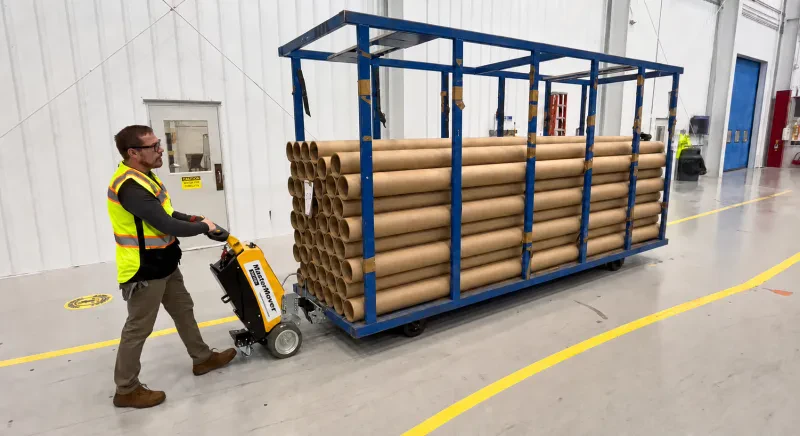
Plastic manufacturer: heavy carts moved without manual pushing

A MasterMover SM200+ case shows how a Fortune 500 plastic packaging manufacturer moved from manual pushing to mechanised movement for heavy carts.

Learn more
Where to intervene in the flow: cleaning, protection or controlled movement
Compact electric tug systems, up to 6,000 kg
Where to intervene in the flow: cleaning, protection or controlled movement

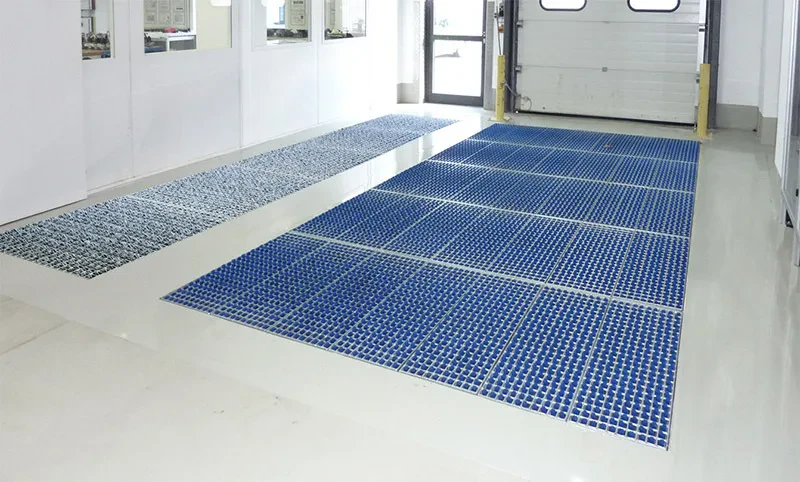
How to tell whether the intervention belongs at the entrance, near production, at a rack, at a loading bay or in the way a wheeled load is moved.

Learn more

Local and international references

  • Amazon
  • Boeing
  • BP
  • Cadbury
  • DHL
  • Fluor
  • GSK
  • JCB
  • Nissan Motor Manufacturing UK
  • Pfizer
  • Sodexo
  • Terex
  • Toyota Motor Manufacturing
  • Toyotetsu
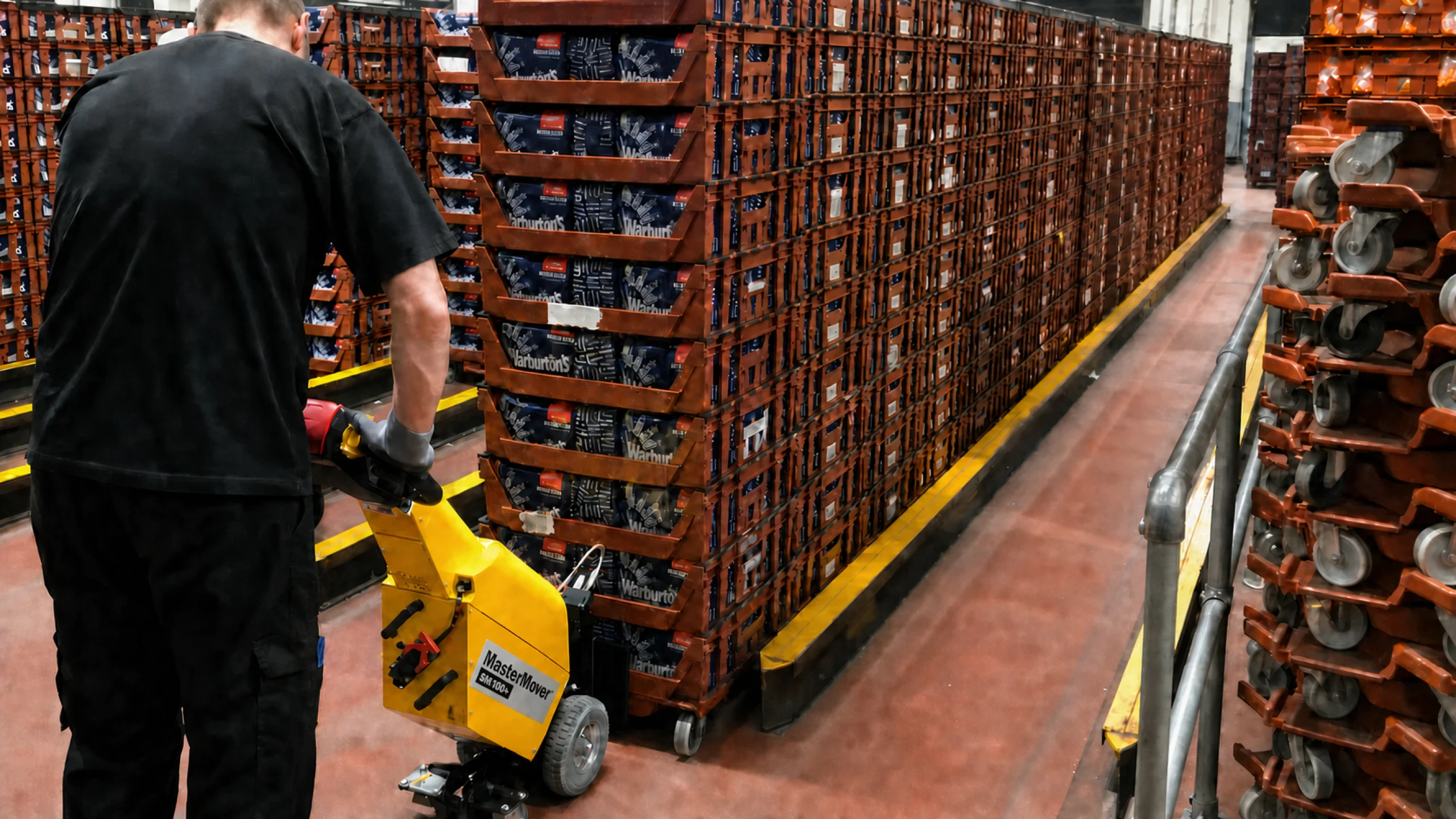
  • Warburtons

Do you have heavy loads that still depend on manual effort or improvised movement?

+36 30 013 5510

Request an application assessment

Send the load, weight, route, wheels, floor, coupling and current movement method. We check which movement direction fits the application.

Request an application assessment

Send the load, weight, route, wheels, floor, coupling and current movement method. We check which movement direction fits the application.

Frequently asked questions

Useful questions when you want to reduce manual effort and make heavy-load movement more controlled.

The decision starts before the machine. The first question is what load must move, how it moves today and where the current method loses control.

In MasterMover applications, the common point is controlled horizontal movement of a heavy wheeled load. That may mean compact carts, production equipment, tooling, frames, trailers, containers, roll cages or loads with swivel castors.

Only after that does it make sense to discuss the technical family:

  • SmartMover for compact carts and lighter wheeled loads;
  • MasterTug for heavier wheeled loads where traction and coupling matter;
  • MasterHandler for loads that need better control of swivel castors;
  • Trailer Moving System for trailers and similar applications;
  • PowerSteered or custom when weight, route, visibility or coupling needs a more serious configuration.

It can reduce forklift dependency in specific workflows, but not by treating electric tugs as replacements for every forklift task. Forklifts remain right for lifting, racking, loading and unloading.

The opportunity appears when a forklift is used mainly as a transport helper for a load that is already on wheels. In that case, the site often pays for waiting time, licensed-operator dependency, congestion and a larger vehicle on a route that only needs controlled horizontal movement.

A better approach separates the lifting task from the movement task. Keep forklifts where lifting is needed, and review whether wheeled loads can move with a more compact, pedestrian-controlled system on the real route.

The application sets the direction: load behaviour, wheels, route, slope, stopping and coupling all matter alongside rated capacity.

The most useful details are:

  • total moved mass: load, cart, frame, trailer or tooling together;
  • wheel type, diameter, material, bearing condition and fixed or swivel castors;
  • route distance, turns, aisle width, thresholds, ramps and indoor or outdoor sections;
  • movement frequency: occasional, daily, per shift or continuous flow;
  • current method: manual, forklift, pallet truck, tractor or local workaround;
  • available coupling point, or the lack of one.

Photos or a short video usually clarify more than a technical sheet alone. They show how the load starts, turns, resists steering and stops.

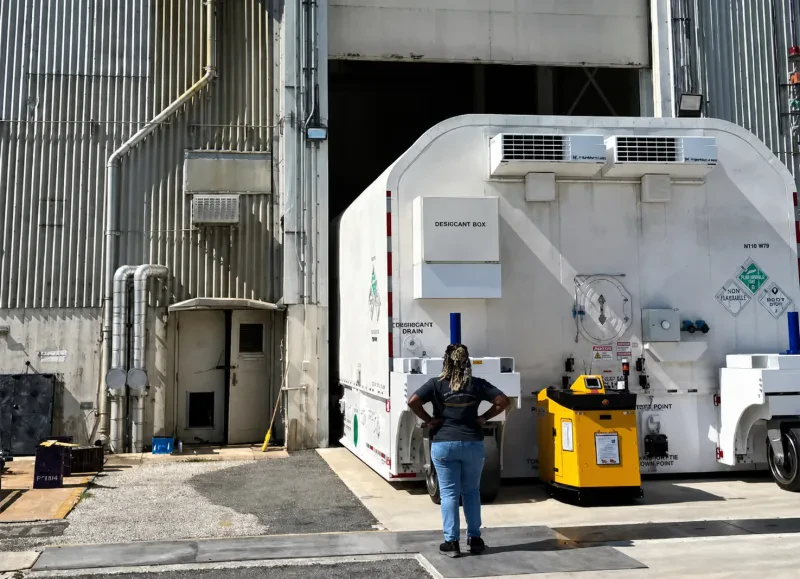
They can matter as much as the load itself. The same wheeled load can be simple on a smooth industrial floor and difficult on a ramp, damaged concrete, thresholds, expansion joints, wet areas or outdoor routes.

The practical question is not only whether the system can start the load. The load also has to stop under control, maintain traction, avoid overloading the operator in turns and remain stable through the full route.

This is why nominal capacity is only an initial filter. Slope, rolling resistance, wheel condition and stopping points can move the selection from a compact unit toward a heavier system, a different coupling or a custom configuration.

Capacity alone does not decide the model. It is the first filter, not the final choice.

Two loads with the same weight can behave completely differently. One may run on large, well-maintained wheels along a straight route. Another may have small castors, worn bearings, thresholds, tight turns and a poor coupling point. On paper they look similar; in the factory they are different applications.

Selection should also consider starting force, stopping control, manoeuvring space, coupling height, cycles per shift, operator visibility, ergonomics and how predictable the load is when turning.

The coupling decides how force transfers between the mover and the load. It affects traction, steering, stopping control and how safely the operator can connect and disconnect the system during daily work.

A good coupling should:

  • keep the load securely connected without dangerous play;
  • allow controlled starting, turning and stopping;
  • fit the operator routine without becoming slow or awkward;
  • match the height, geometry and strength of the load frame.

In some applications, a standard coupling is enough. In others, an adaptor, hydraulic clamp, different connection point or cart modification may be the difference between a product that looks suitable and a system that actually works.

A compact mover can be the right answer for carts, roll cages or moderate loads. It becomes risky to choose only by size when the task is difficult because of mass, slope, poor wheels, tight turns or demanding duty cycle.

Signals that the review should move toward MasterTug, Performance, PowerSteered or custom engineering include:

  • several people needed for the same movement today;
  • the load is hard to stop, not only hard to start;
  • the route includes ramps, outdoor sections or difficult floors;
  • the load drifts in turns or visibility is poor;
  • the coupling needs a special grip or adapted connection;
  • the movement happens many times per shift.

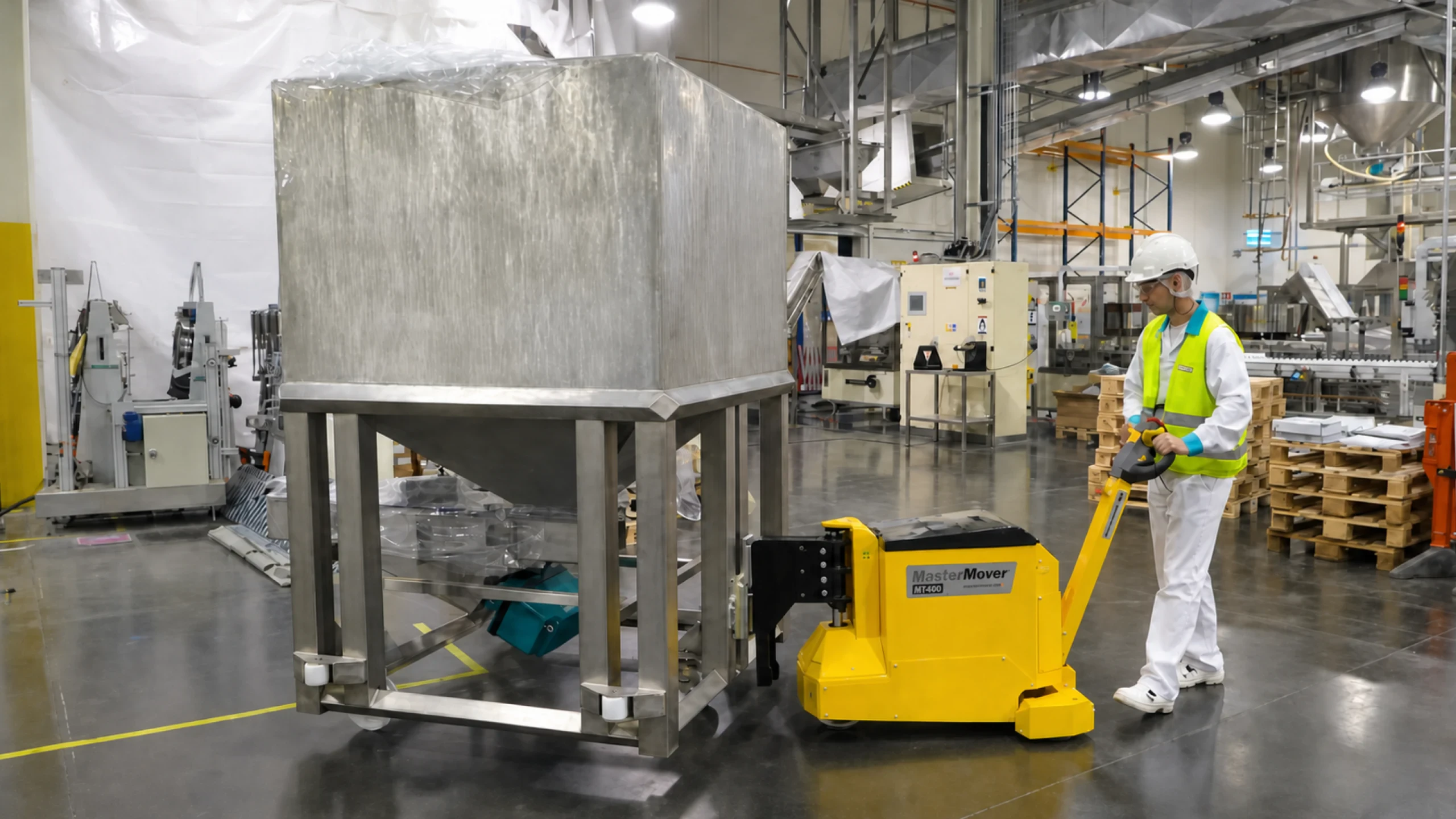
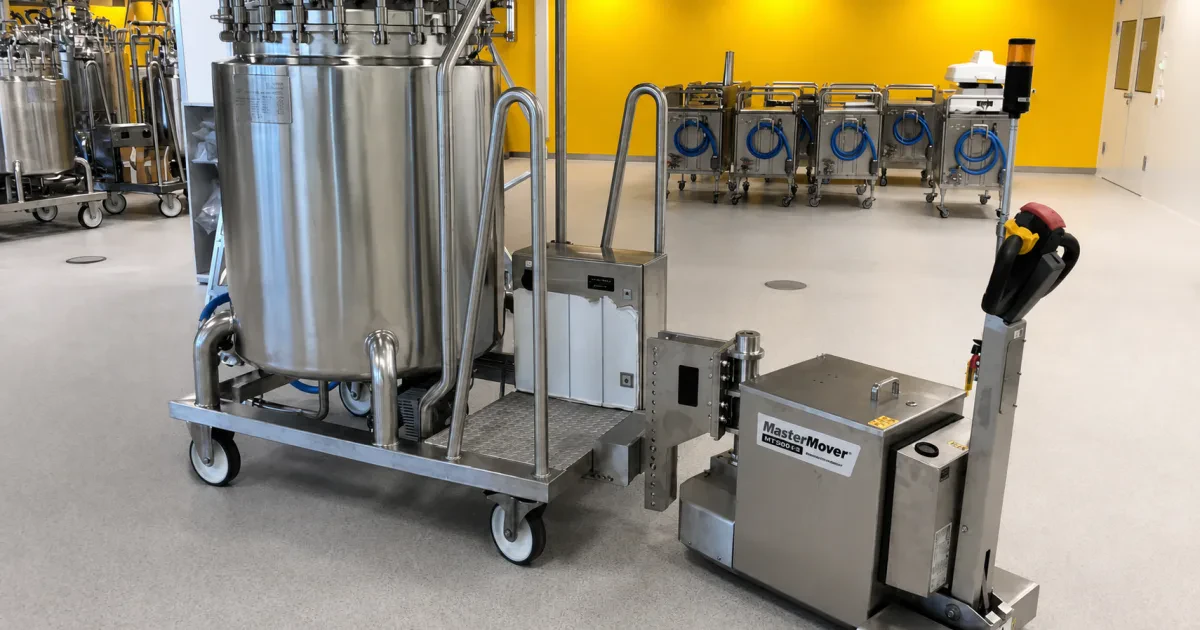
Stainless steel is not an aesthetic upgrade. It makes sense when the equipment enters hygienic, washdown, humid, chemical or corrosion-sensitive areas.

Typical applications include food and beverage, pharmaceutical manufacturing, laboratories, washdown zones or controlled production spaces where material expectations and cleaning routines matter.

Not every food or pharmaceutical site needs stainless everywhere. The decision should be tied to where the mover actually enters, how it is cleaned, which chemicals are used and whether internal hygiene or audit rules apply to that movement route.

Sending…