
Pedestrian guardrails and access gates for safer routes
Workplace Safety

Pedestrian guardrails and access gates for safer routes

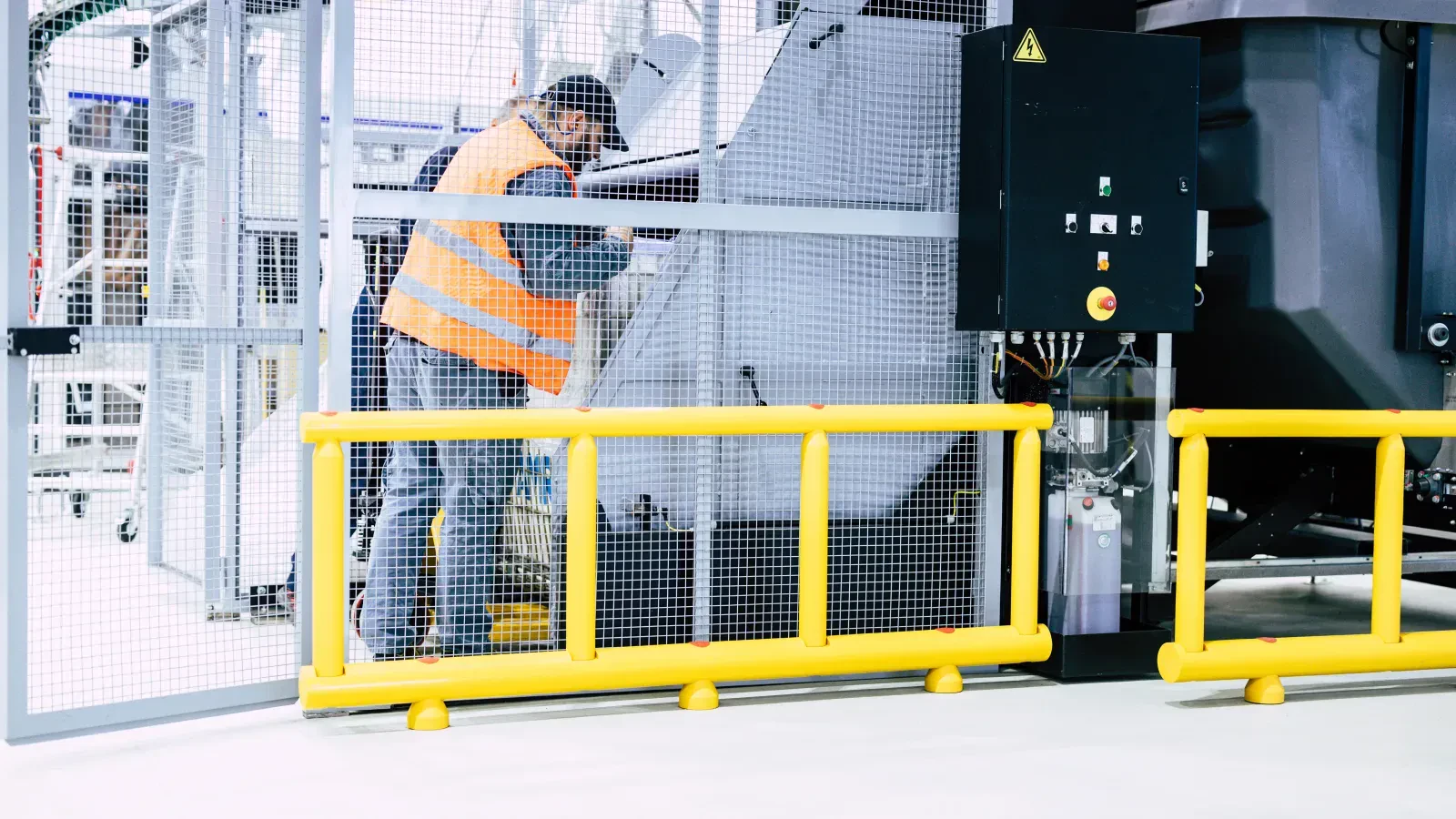
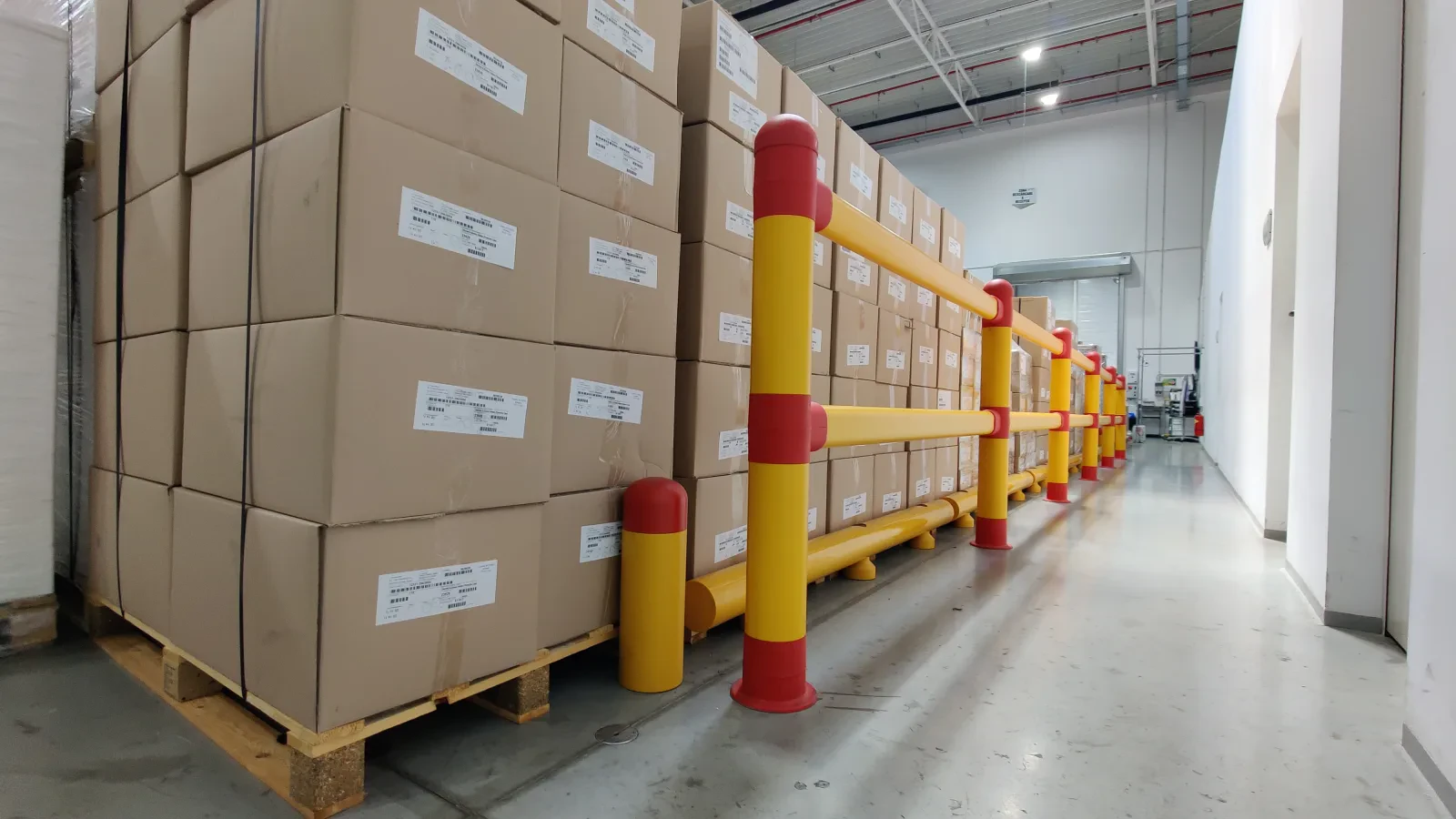
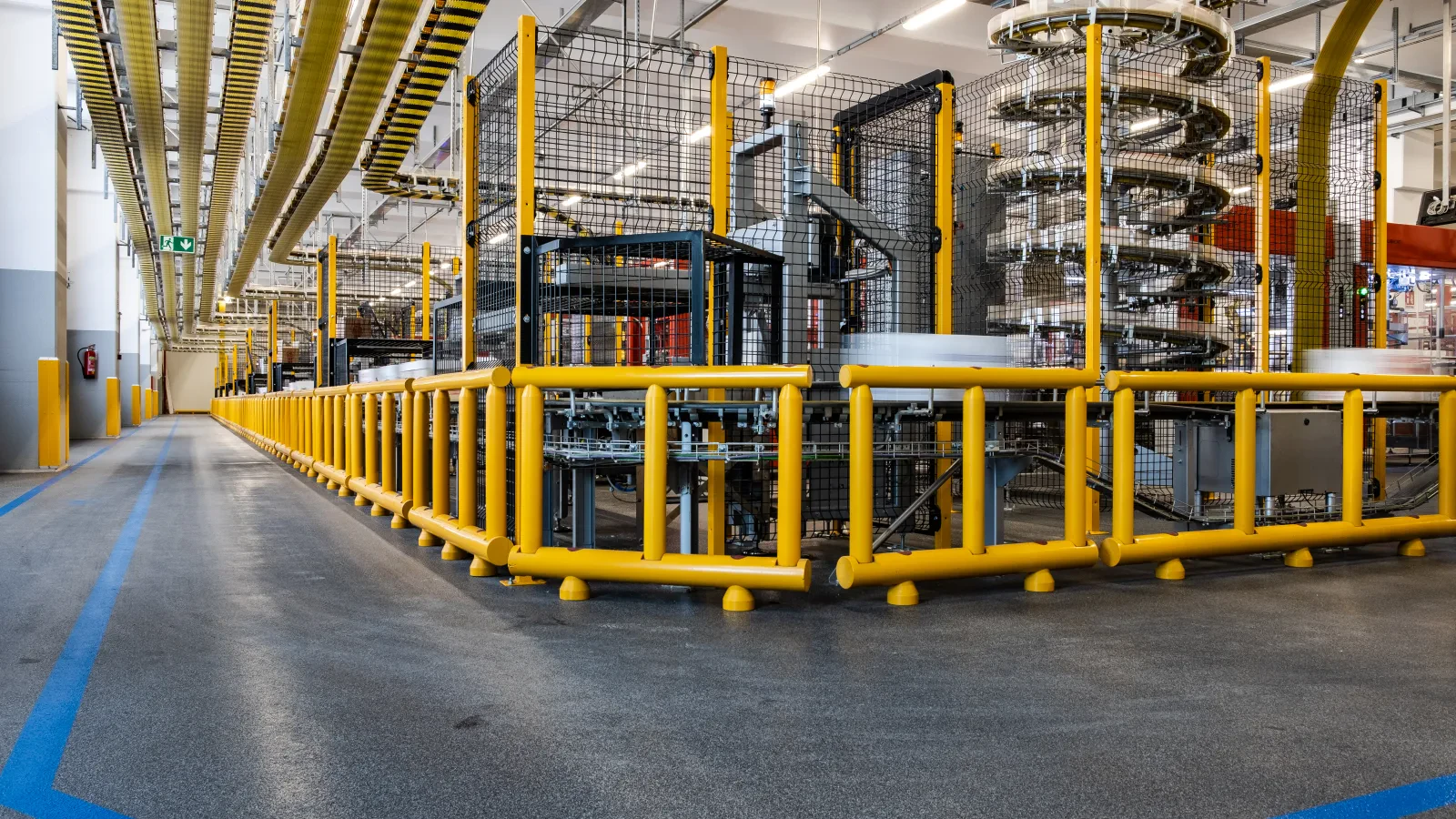
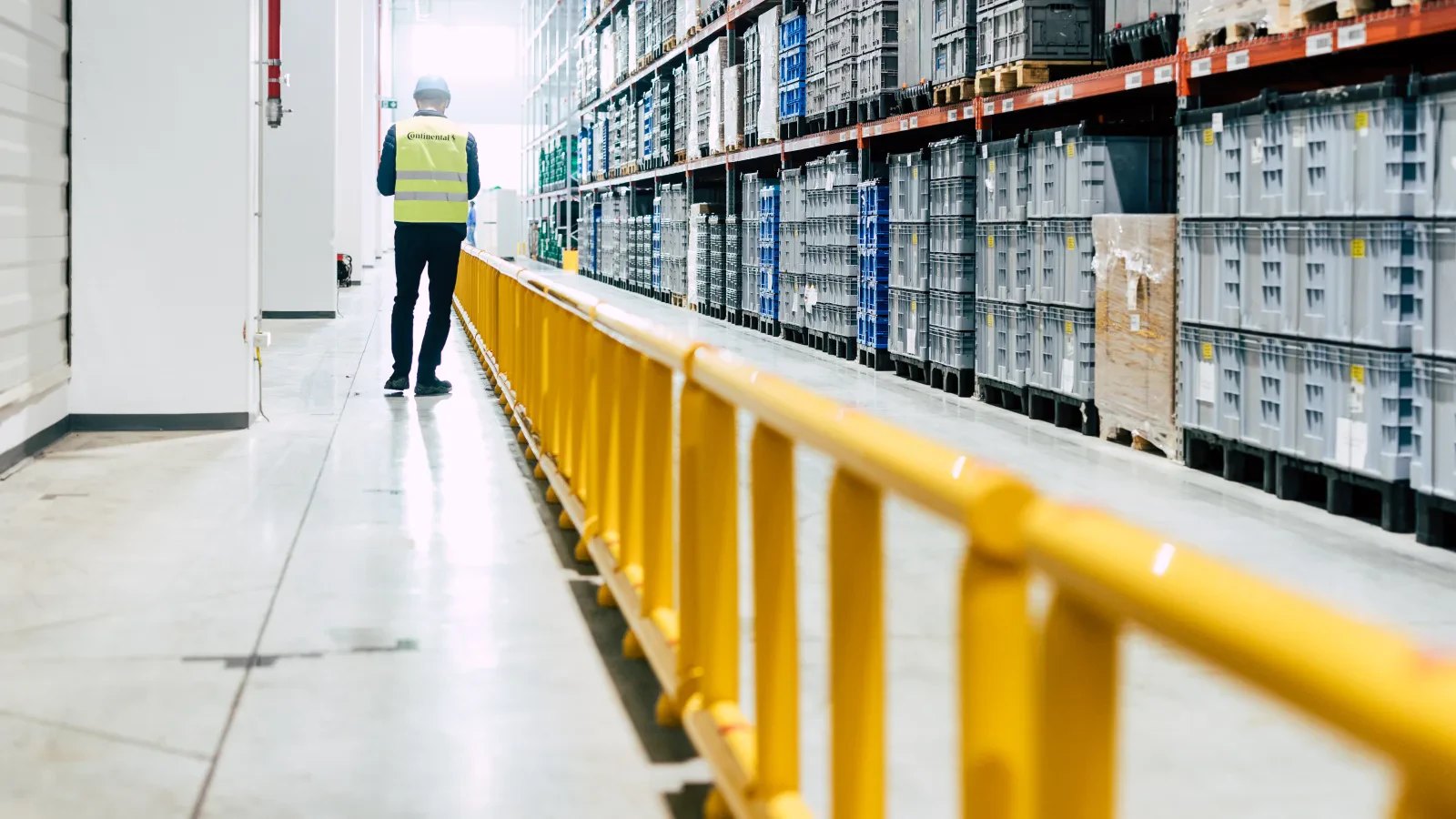
When pedestrians can step directly into vehicle routes, floor markings are easy to ignore. Pedestrian guardrails and access gates help guide people toward points where movement is more visible, slower and easier for vehicle operators to anticipate.

Explore guardrails and gates

When a route needs physical guidance

In an industrial area, people do not always choose the route drawn on the layout. They choose the shortcut, the nearest door, the open aisle or the point that feels faster. If the pedestrian route is not clear and easy to follow, shortcuts through vehicle aisles, spontaneous crossings and direct exits in front of vehicles start to appear.

Physical guidance should not be treated as a row of barriers. It should make the correct route feel more natural than the risky shortcut: people see where to walk, slow down before crossing and arrive at a point where operators can notice them in time.

How to choose the right guardrails and gates

A good choice starts with real pedestrian movement, the vehicles using the area and the space still needed for work, maintenance, cleaning and emergency access.

Real routes and shortcuts

Real routes and shortcuts

Start by observing where people walk today, not only where they should walk on the drawing. If a shortcut appears every day, a badly placed guardrail will be bypassed or will move the issue a few metres further along.

The correct route must be visible, coherent and convenient enough. Otherwise people will look for a faster path again.

  • exits from offices, changing rooms, welfare areas or production;
  • shortcuts through forklift aisles;
  • points where people step directly in front of vehicles;
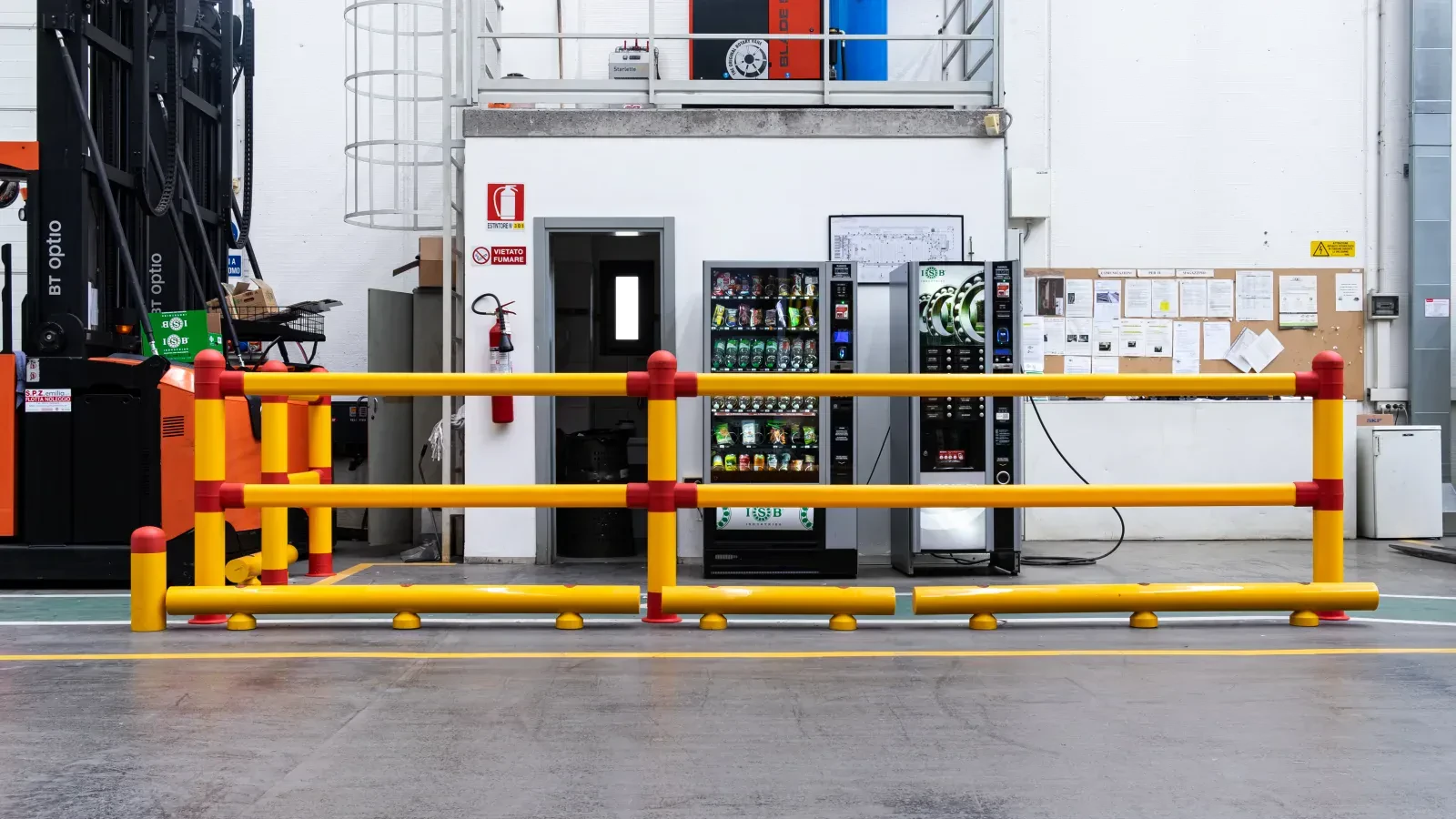
Guardrails for guidance, not only separation

Guardrails for guidance, not only separation

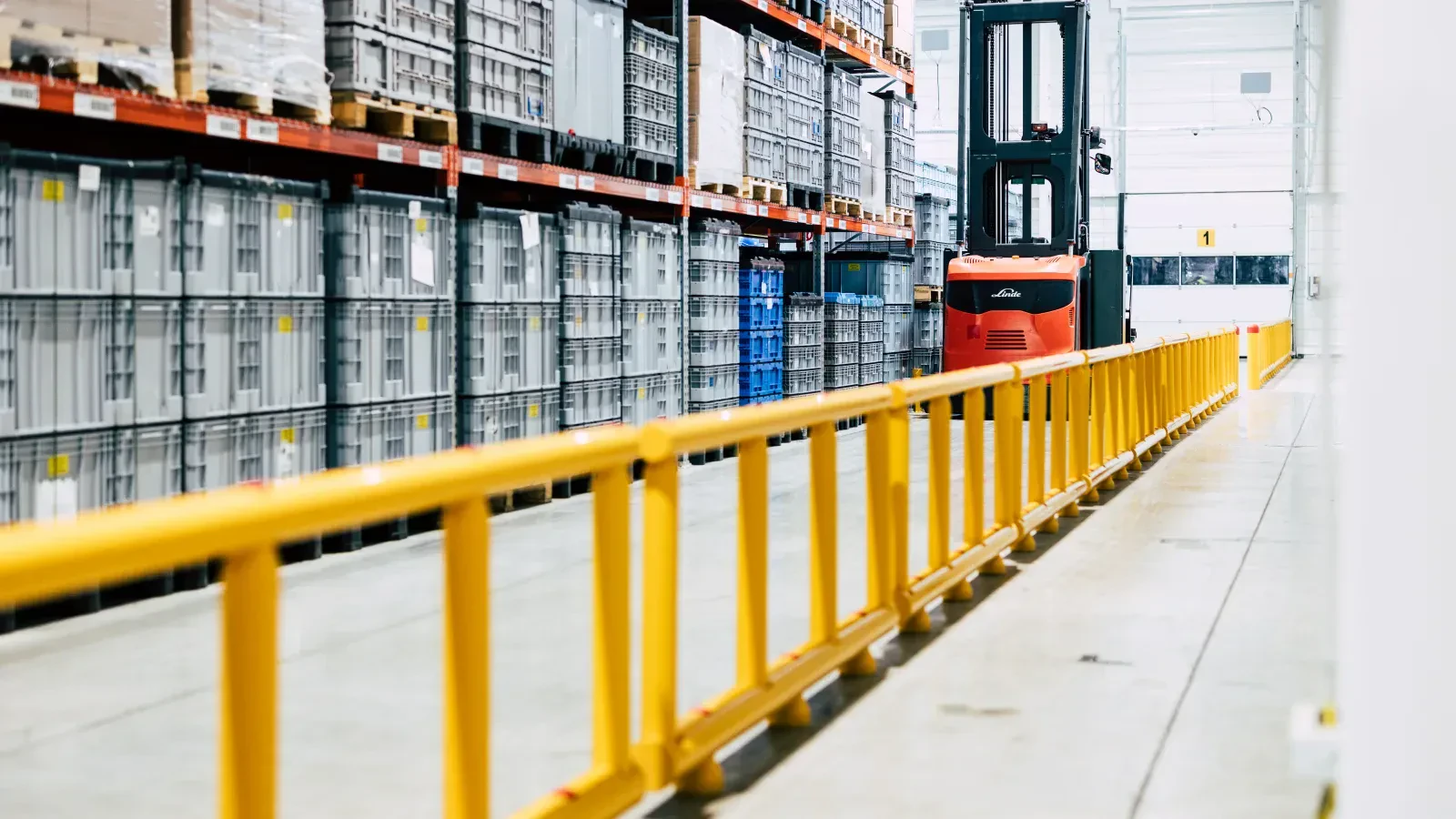
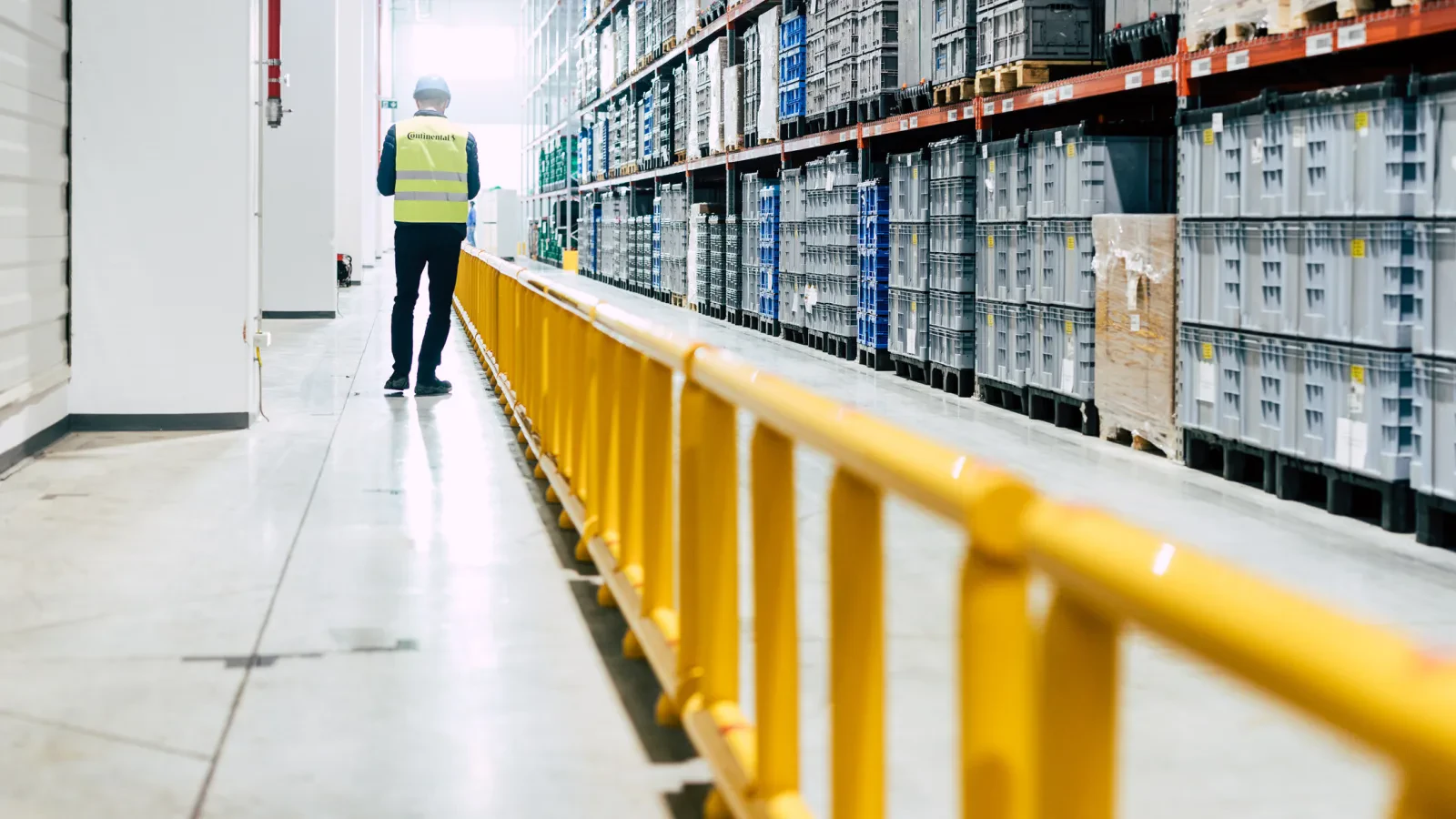
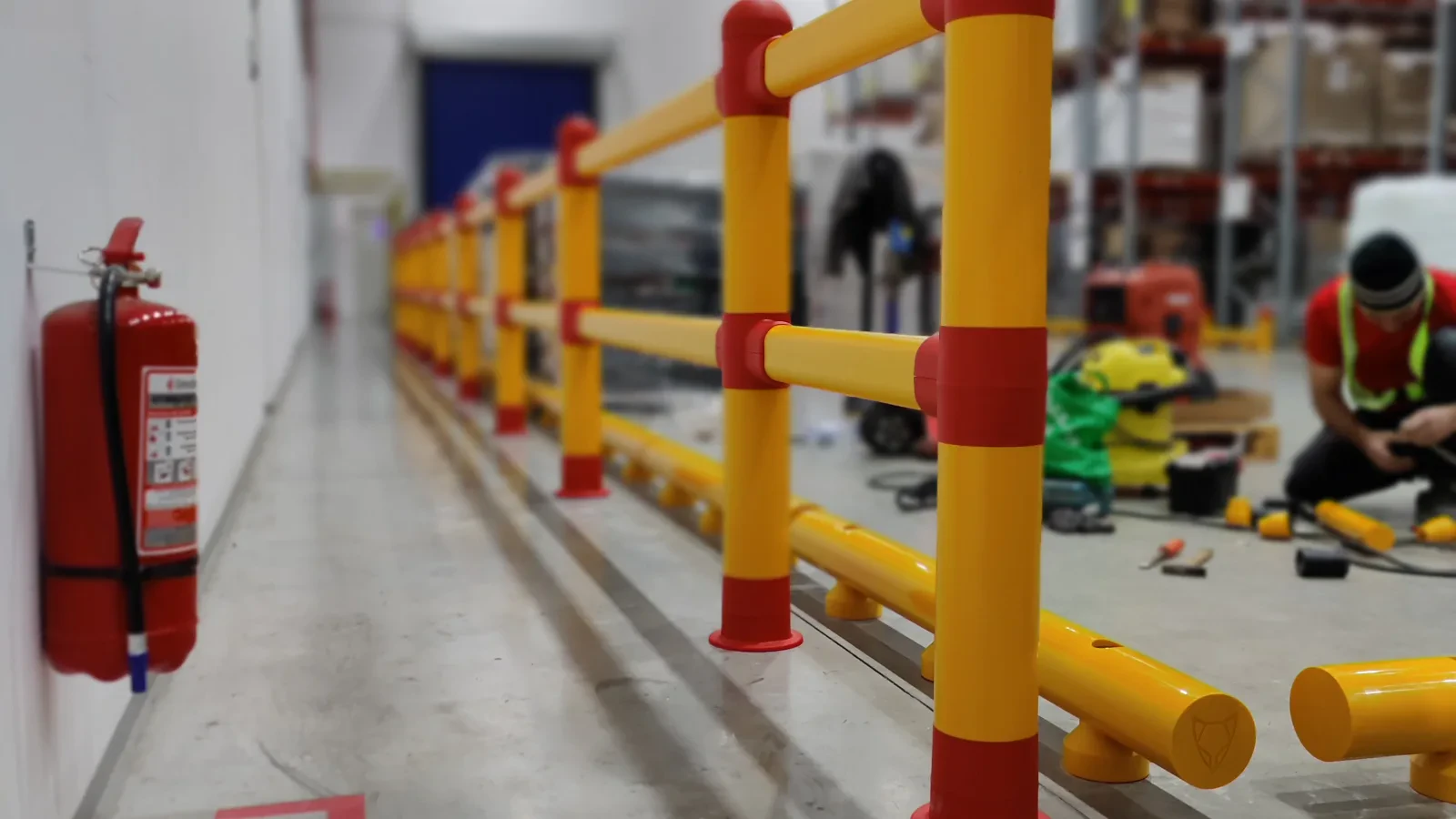
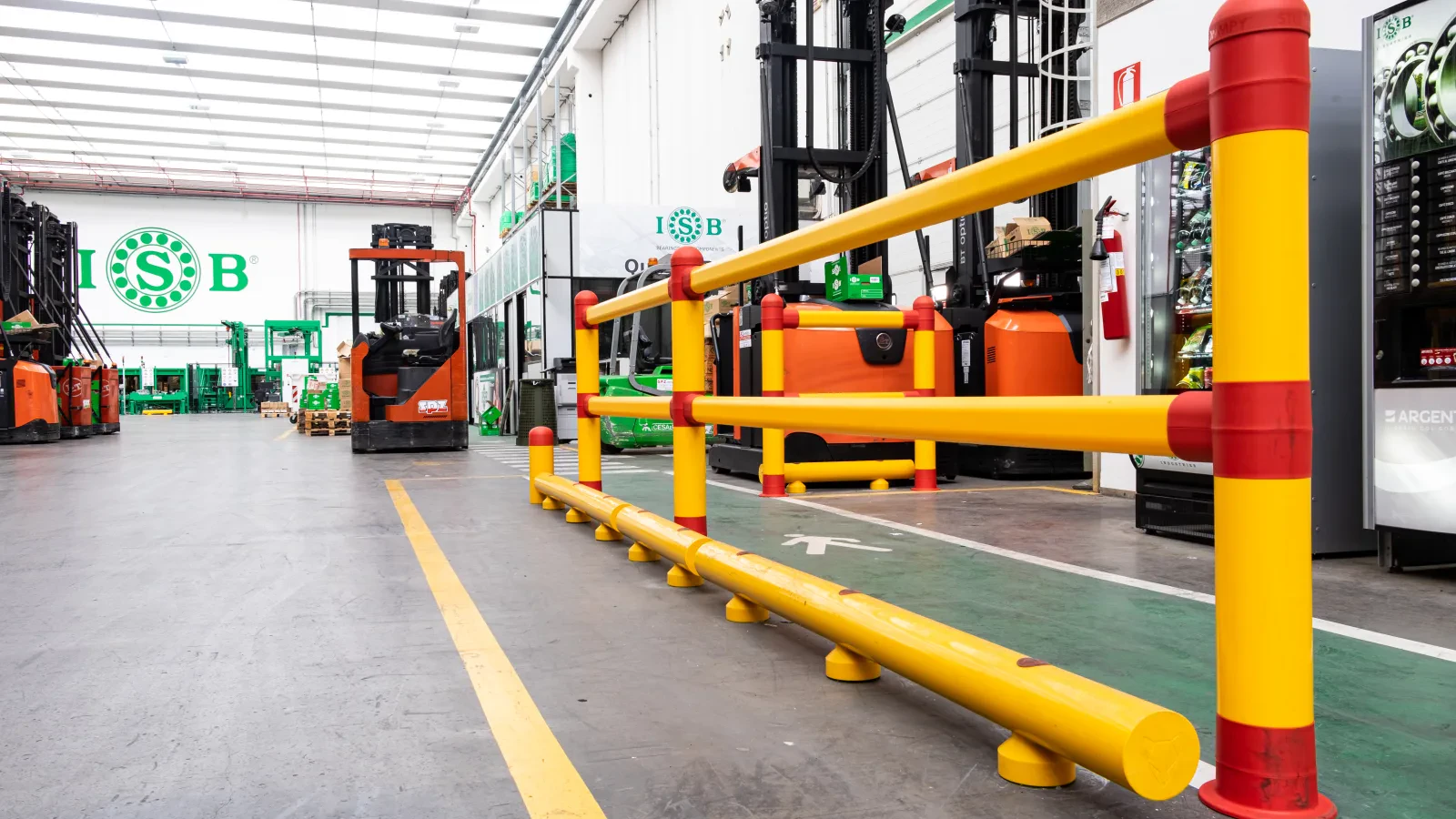
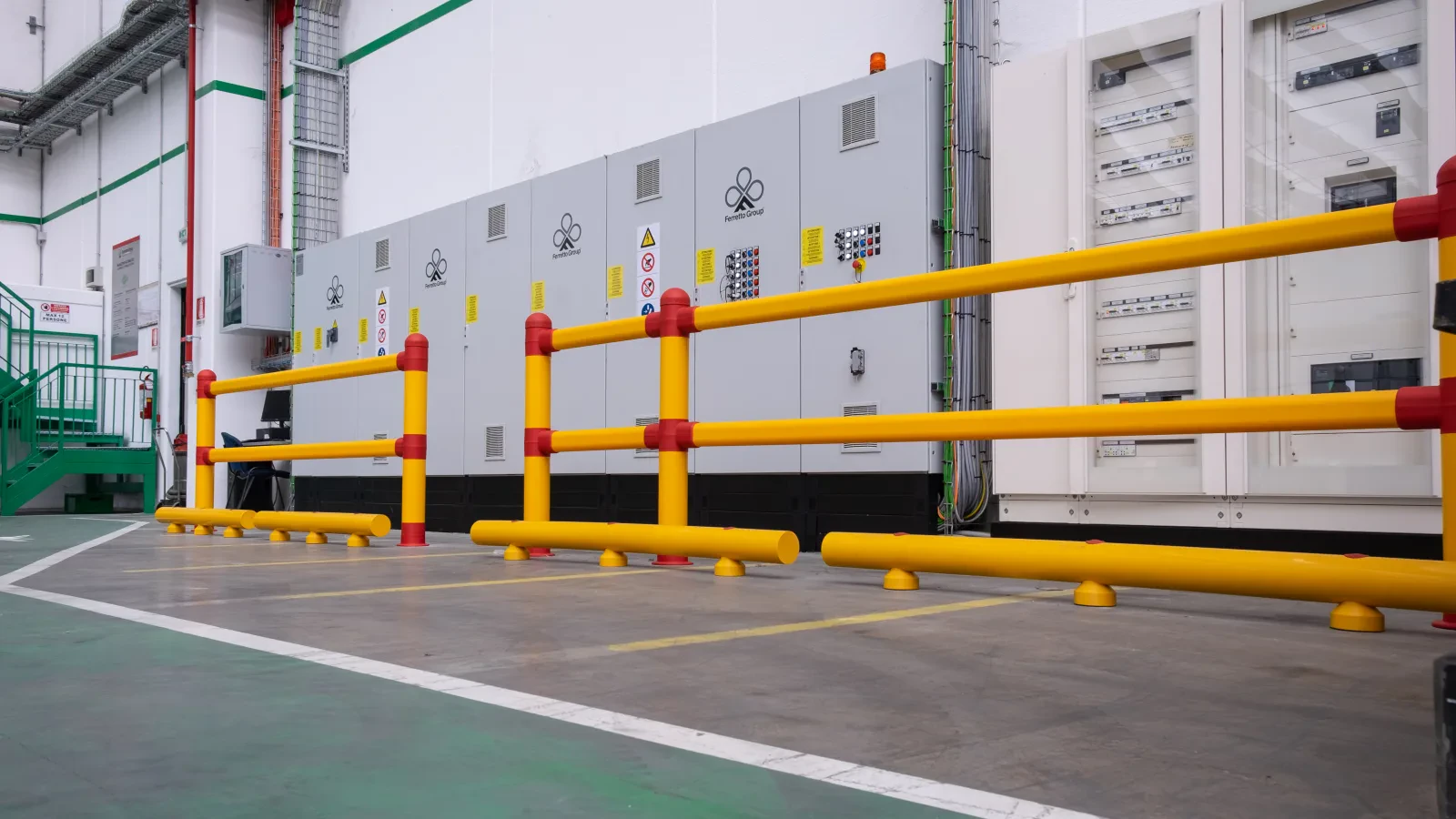
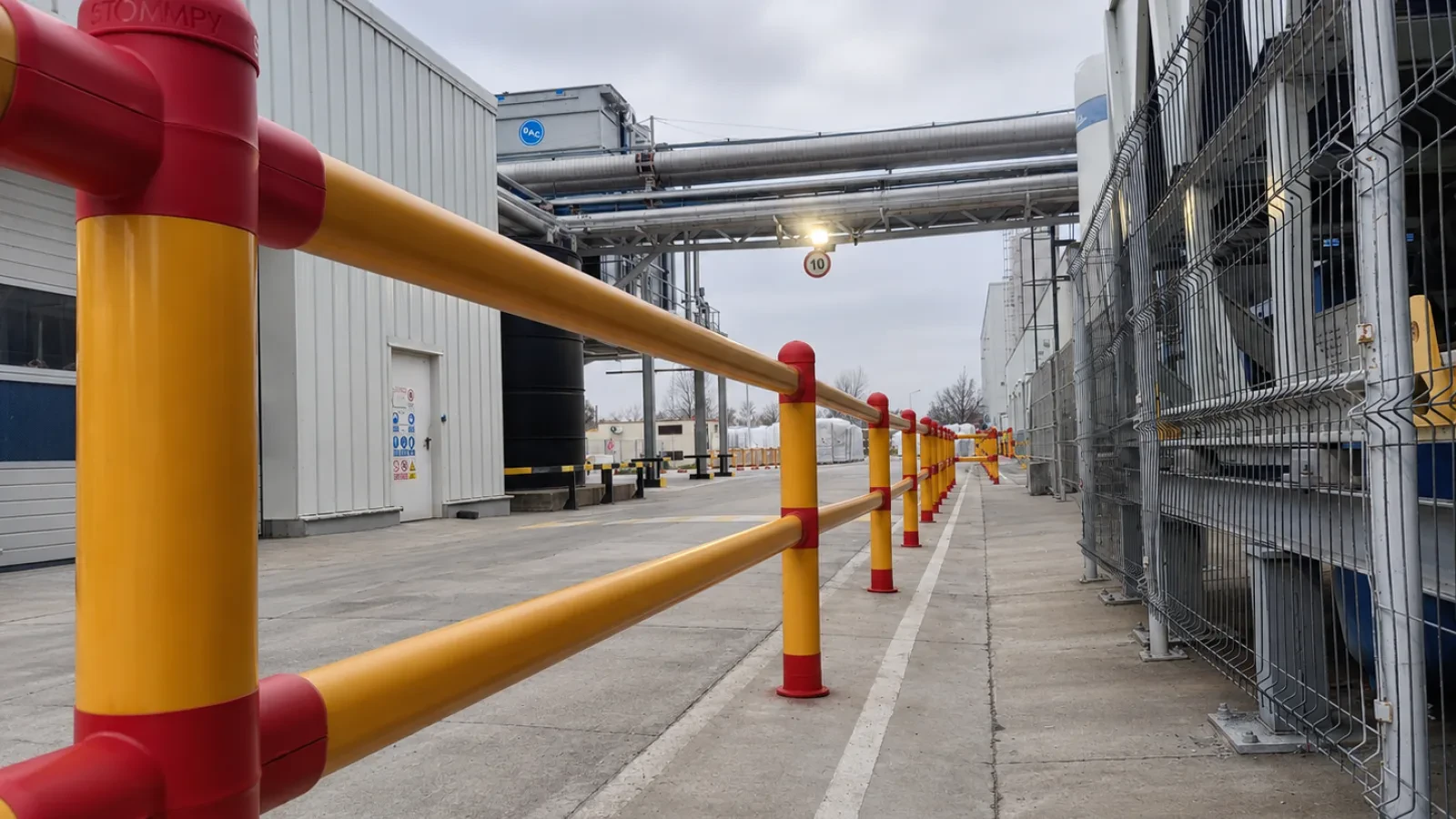
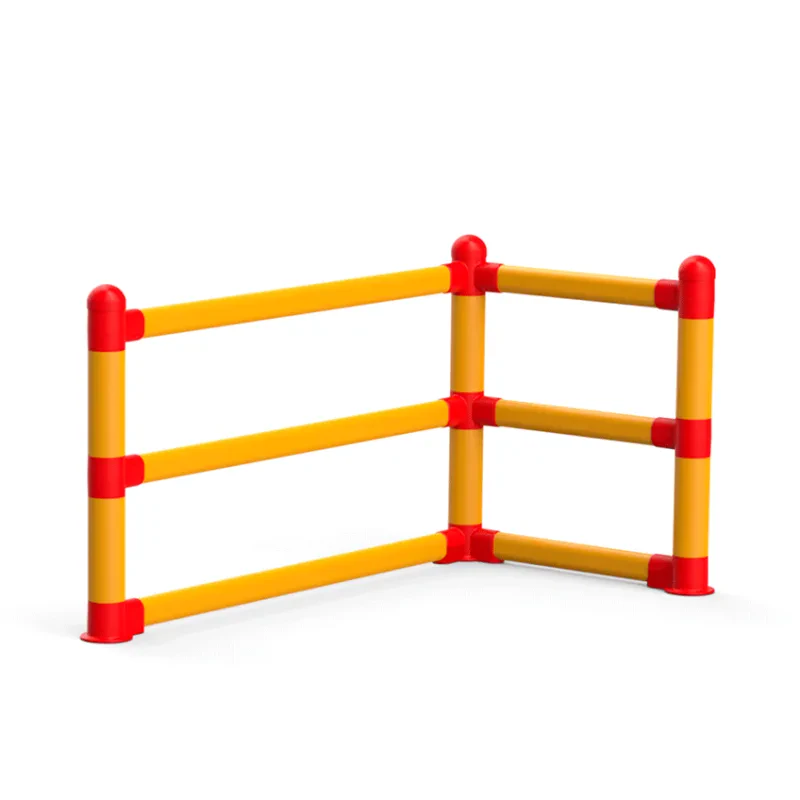
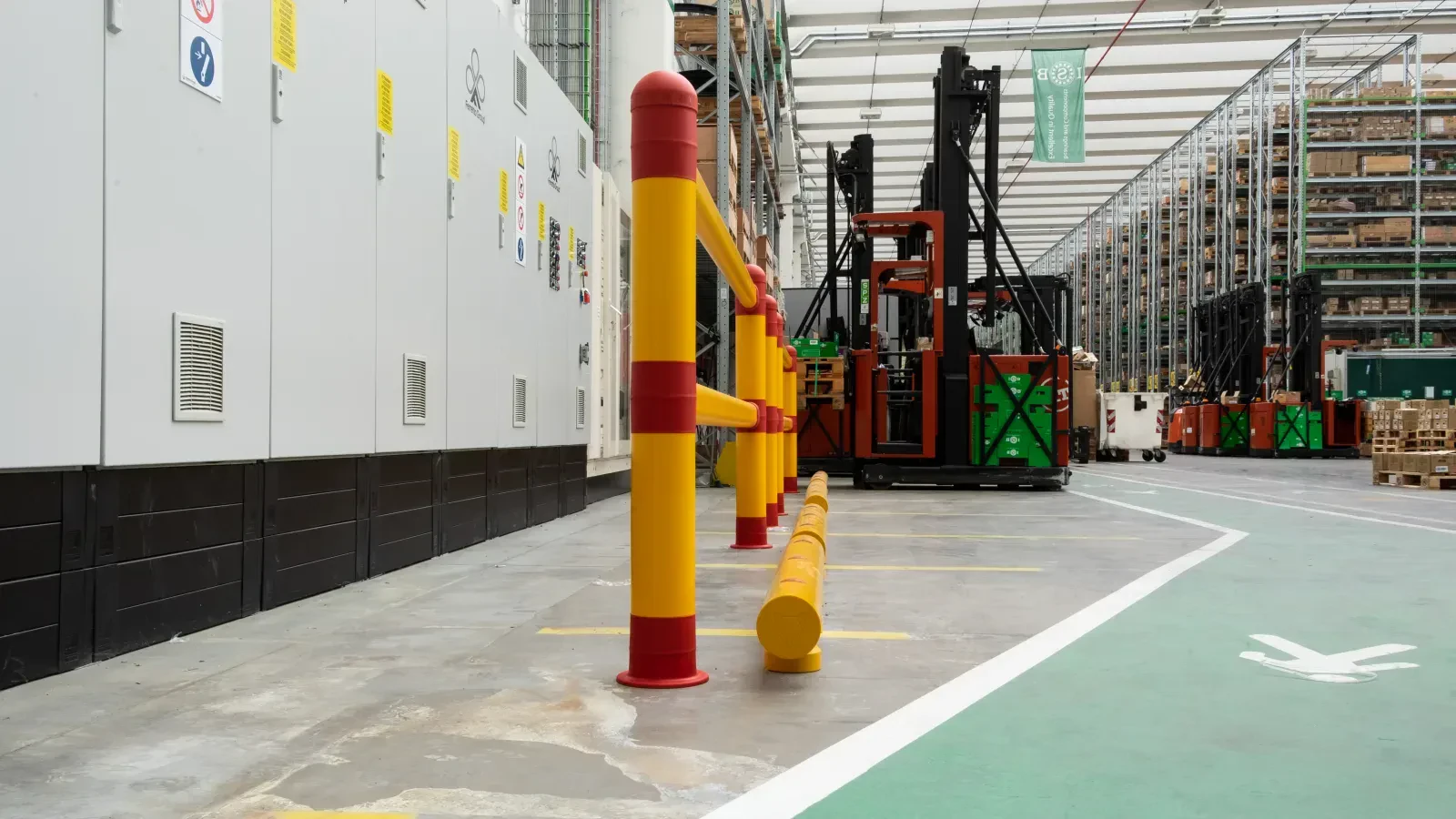
A pedestrian guardrail guides people toward the intended route and discourages spontaneous entry into vehicle areas. Continuity, route ends, visibility and the connection to gates, crossings and work zones all matter.

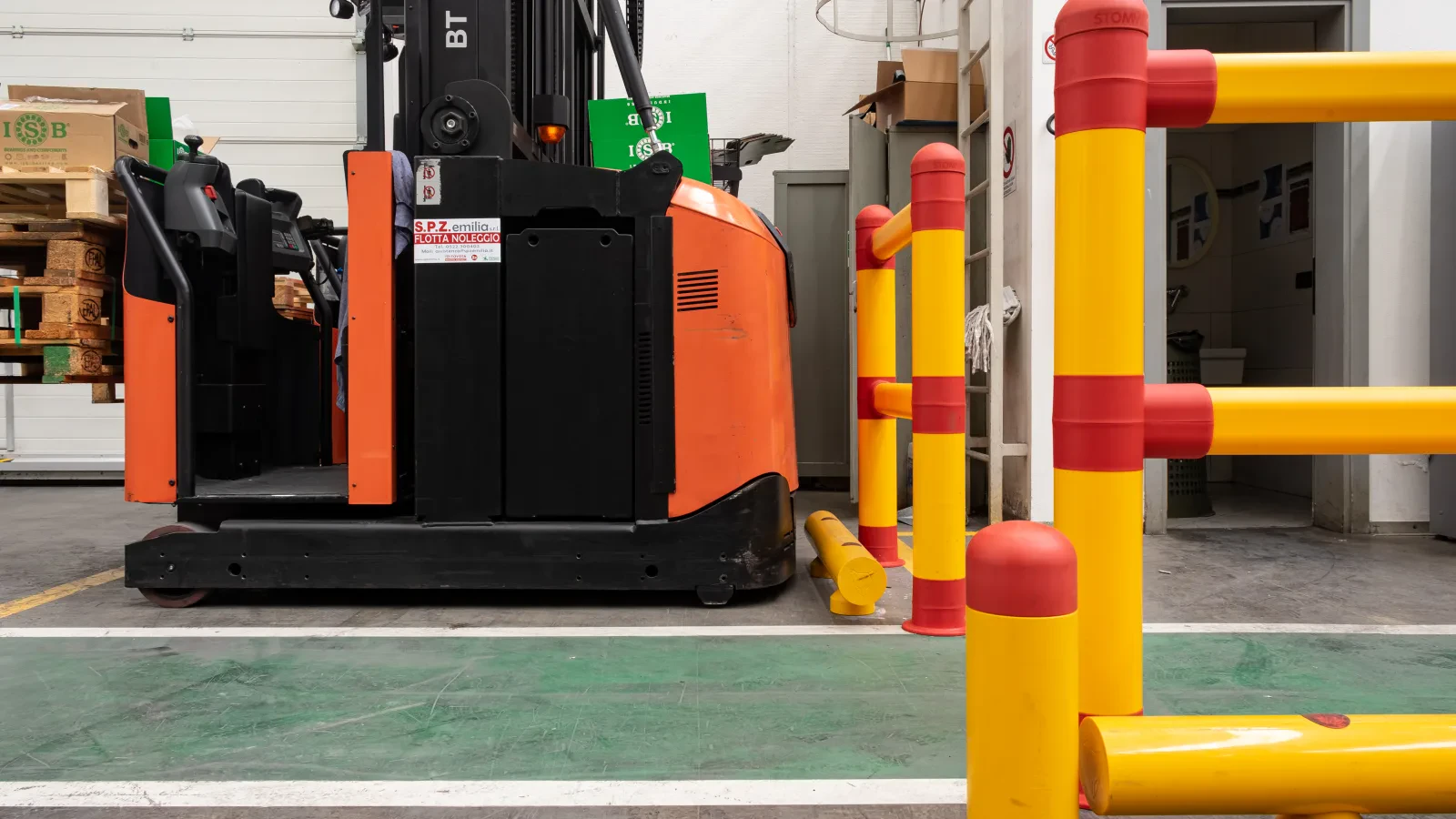
Standard pedestrian guardrails guide the route. Where vehicles can reach the pedestrian area, use a layered arrangement with impact-rated protection on the vehicle side. Double and triple pedestrian-segregation variants are the impact-capable exception and can combine both jobs when the application is verified.

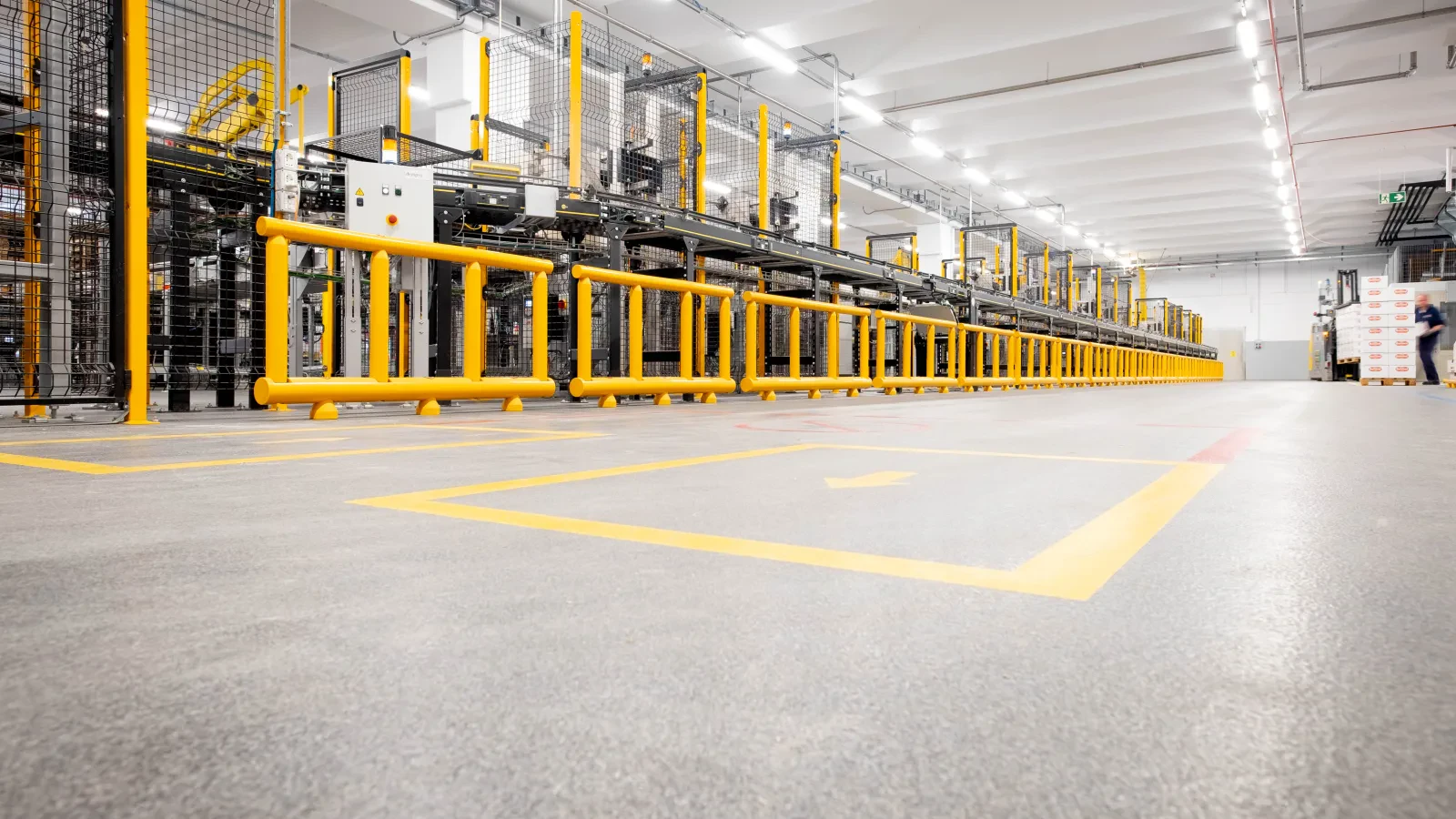
  • guidance along aisles;
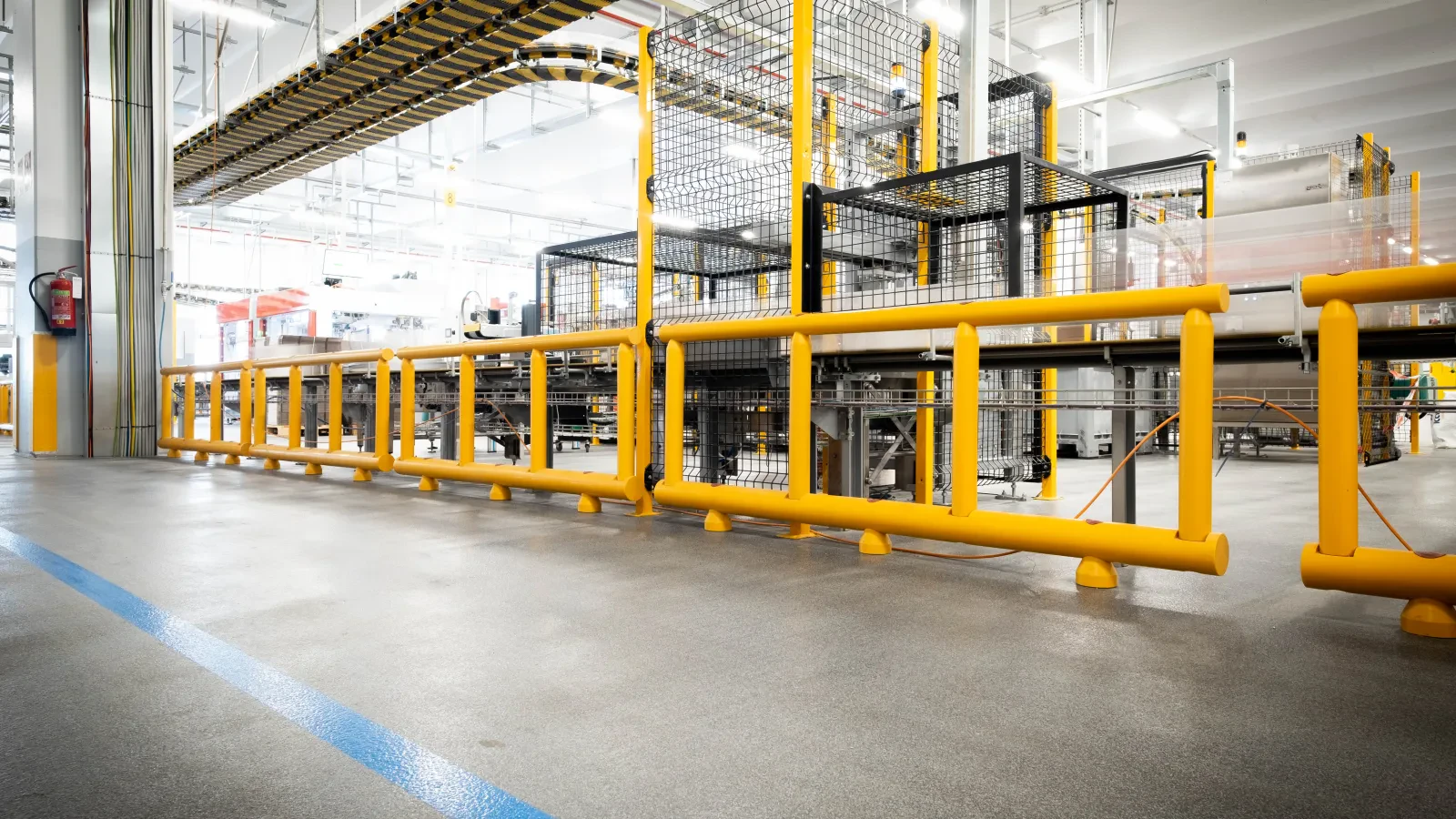
  • separation between pedestrian area and vehicle route;
  • direction toward controlled crossings;
Gates before vehicle-route crossings

Gates before vehicle-route crossings

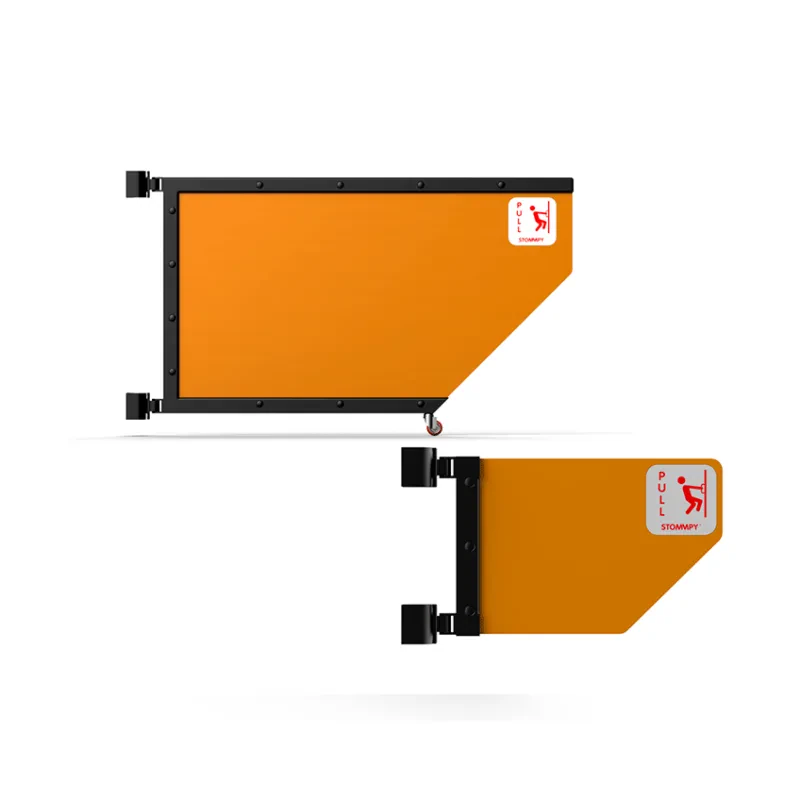
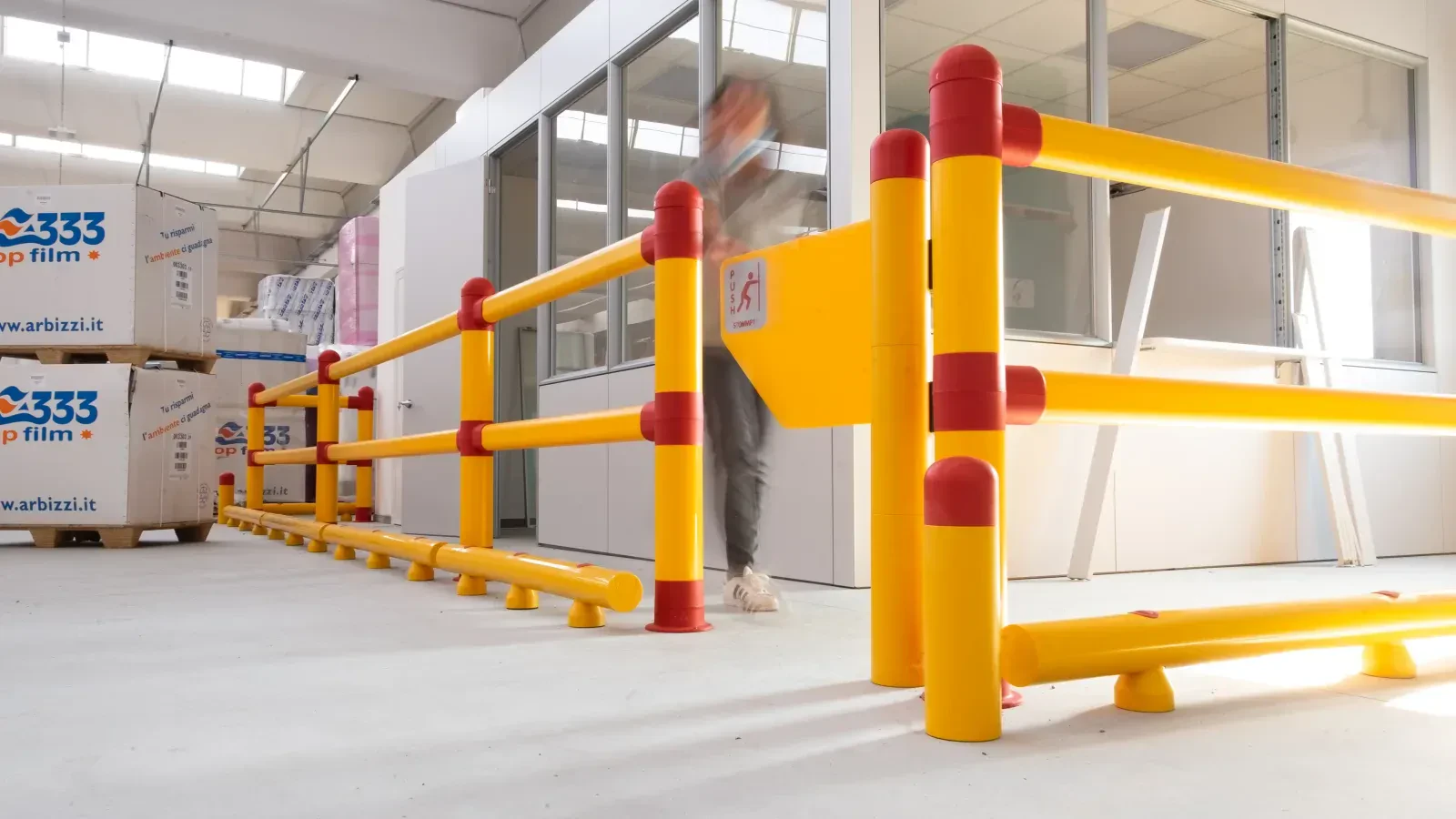
A pedestrian gate can help where people leave a protected area and need to look, change direction or cross a vehicle route. It creates a short pause, especially useful near doors, corners and exits from welfare areas.

Selection must consider flow, width, emergency access, cleaning, maintenance and pedestrian behaviour. If the gate feels awkward, another shortcut may appear.

  • exits toward traffic aisles;
  • entry points into crossings;
  • areas where people step too quickly in front of vehicles;
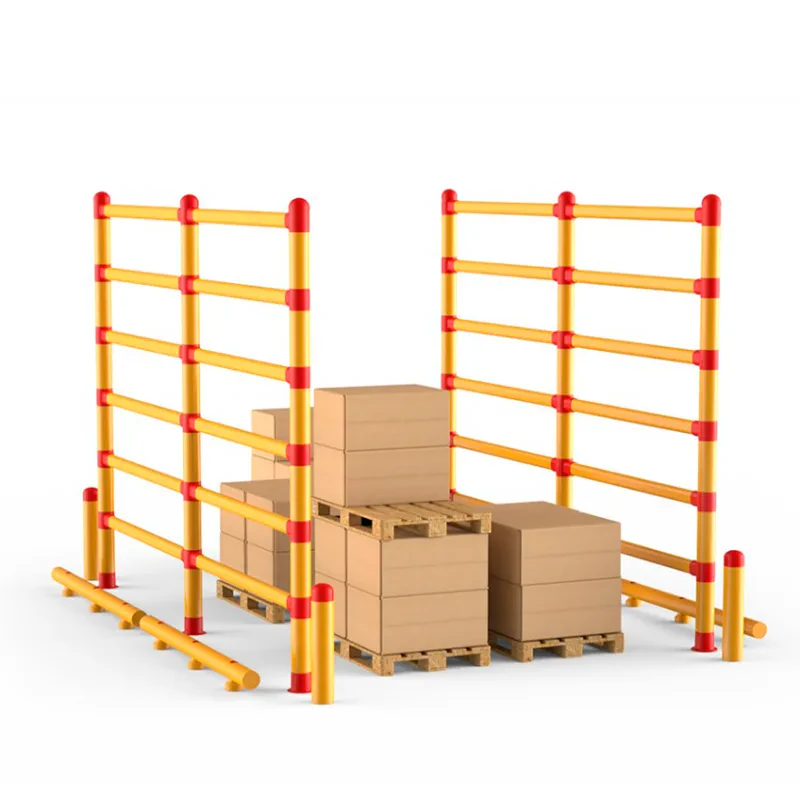
Space, impact and maintenance

Space, impact and maintenance

Physical guidance must leave enough space for walking, operation, cleaning, intervention and evacuation. At the same time, it must be clear what can happen if a vehicle strikes the area: people, gates, guardrail ends, racks, doors or equipment may be exposed.

The choice may stay with pedestrian guidance only, include impact protection at exposed points or combine route, gate, guardrail, marking and warning.

  • walking width and pedestrian volume;
  • anchoring, floor condition and cleaning;
  • points where impact protection is needed, not only guidance;

Elements that can guide the pedestrian route

Pedestrian guardrails

Guide people along the intended route and reduce spontaneous entry into vehicle aisles.

Pedestrian gates

Slow entry at crossings, welfare exits or access points before vehicle traffic aisles.

Route ends and turns

The start and end of a guardrail must not invite bypassing or risky crossing.

Markings and signage

Help people understand the route, but high-exposure points usually need physical support.

Impact protection

Relevant where vehicles can strike people, gates, route ends, racks or infrastructure.

Active warning

Can support guidance at corners, fast exits and intersections with limited visibility.

Products for pedestrian guardrails and access gates

The models below help organise pedestrian routes and access control. Configuration should be checked against flow, passage widths, vehicle traffic and crossing points.
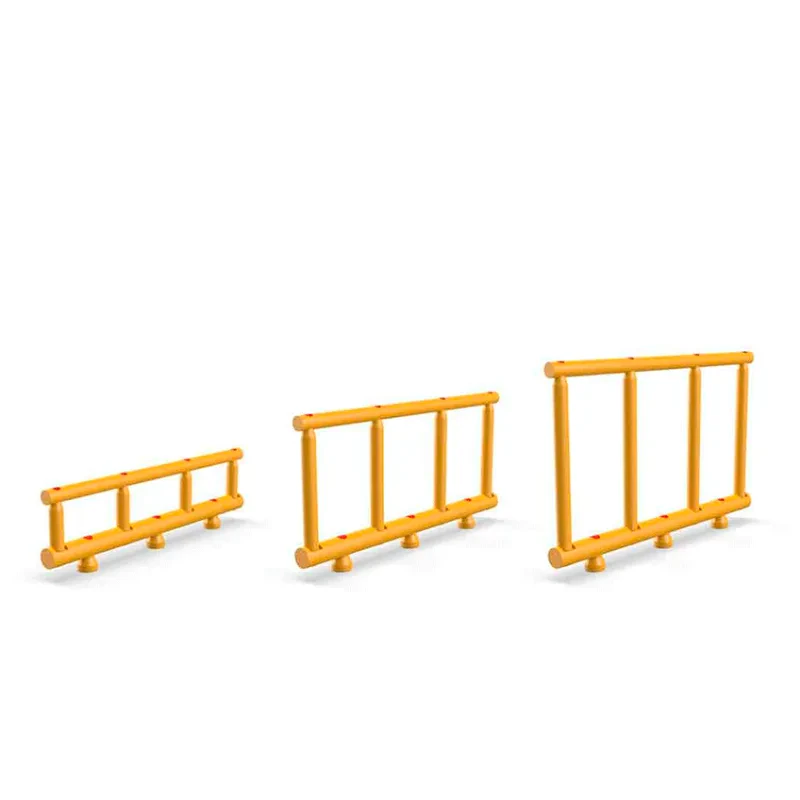
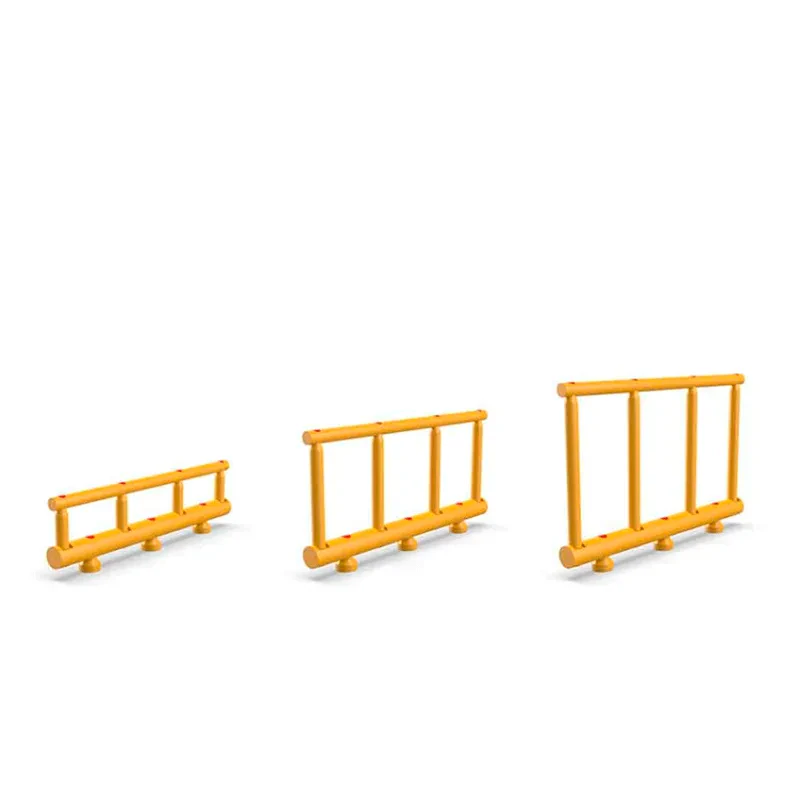
Anti-tip barrier
Anti-tip barrier
Material
Reinforced engineering polymer
Modularity
Yes
Module lengths
1 000 mm / 2 000 mm
Height options
1 100 mm / 1 600 mm / 2 100 mm / 2 600 mm / 3 100 mm
Operating temperature
-40 °C – +50 °C
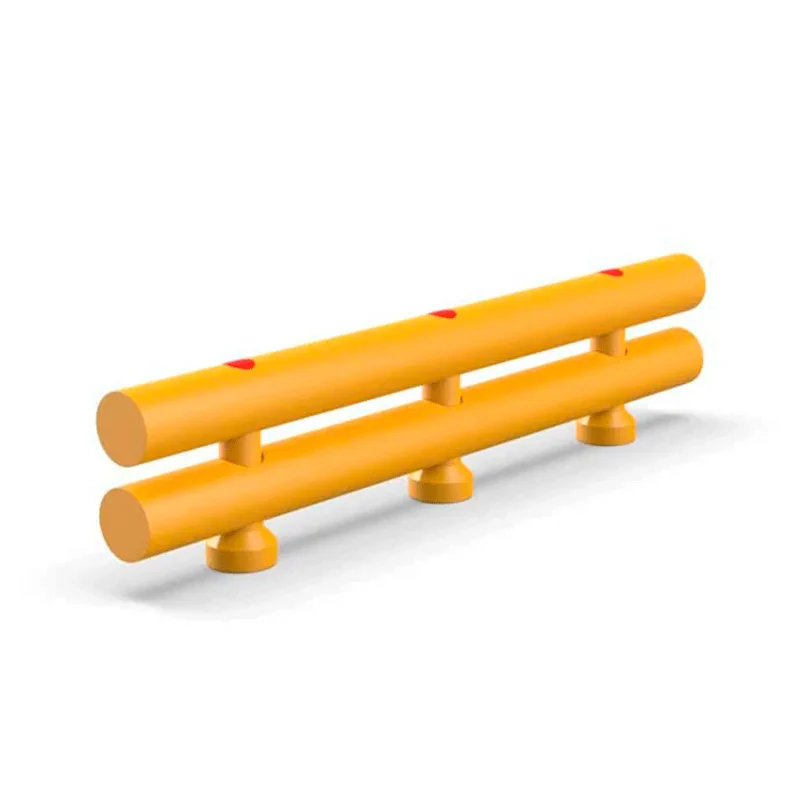
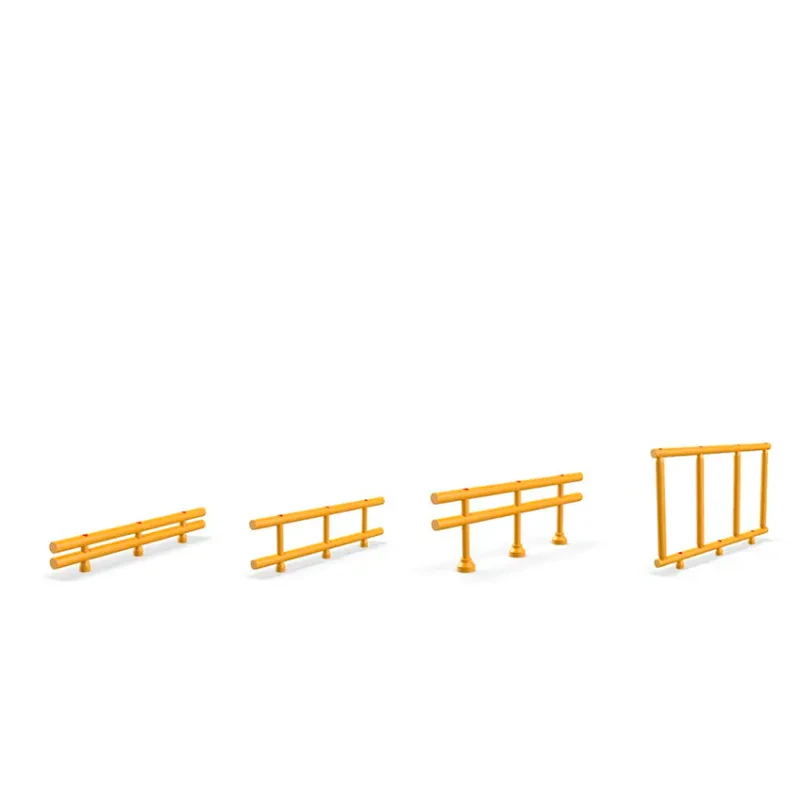
Double impact safety barrier Ø100/70
Height options
440 mm / 770 mm / 1 000 mm
Length options
1 000 mm / 1 500 mm / 2 000 mm
Diameter
100 mm / 70 mm
Mounting
FIXA Block System®
Material
Tecklene®
Double impact safety barrier Ø120/120
Tested impact energy
35,000 J
ASI
0.50
Height options
340 mm
Length options
500 mm / 1 000 mm / 1 500 mm / 2 000 mm
Diameter
120 mm
Double impact safety barrier Ø120/70
Height options
440 mm / 770 mm / 1 000 mm
Length options
1 000 mm / 1 500 mm / 2 000 mm
Diameter
120 mm / 70 mm
Mounting
FIXA Block System®
Material
Tecklene®
Double impact safety barrier Ø70/70
Height options
230 mm / 410 mm / 530 mm / 1 000 mm
Length options
500 mm / 1 000 mm / 1 500 mm / 2 000 mm
Diameter
70 mm
Mounting
FIXA Block System®
Material
Tecklene®
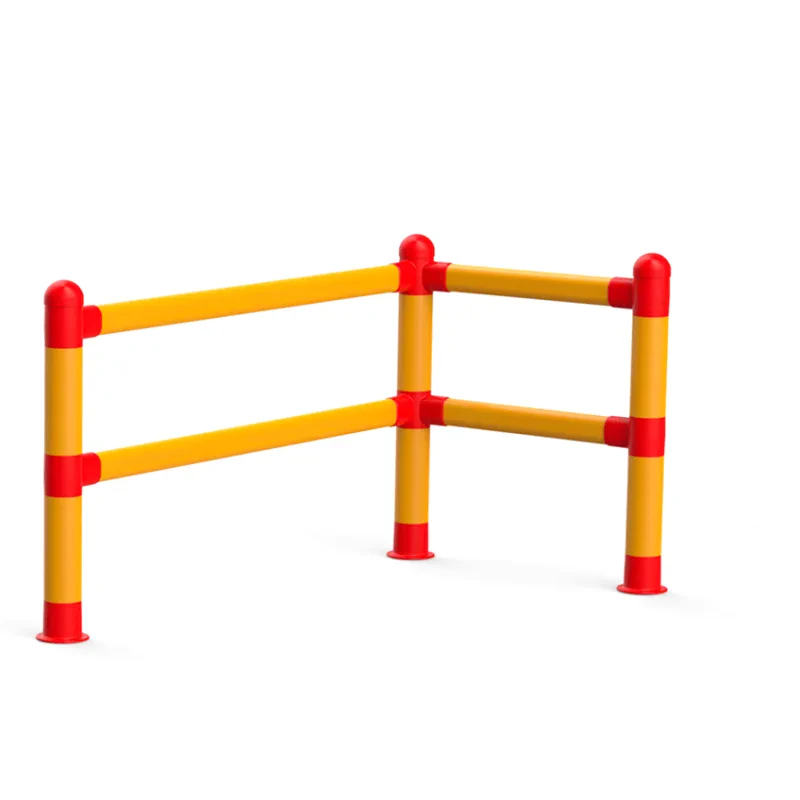
Double pedestrian traffic segregation barrier
Material
Reinforced engineering polymer
Modularity
Yes
Module lengths
1 500 mm / 3 000 mm
Height options
1 205 mm
Operating temperature
-40 °C – +50 °C
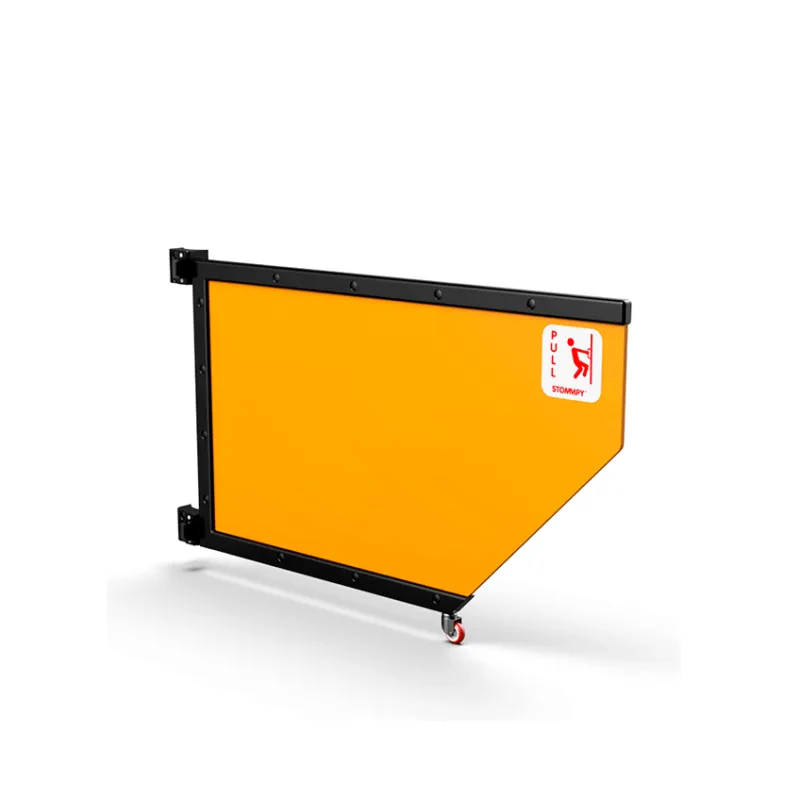
One-way swing gate
One-way swing gate
Material
Tecklene®
Hinge system
Hydraulic
Pull force
100 kg
Height options
370 mm – 775 mm / 730 mm – 1 630 mm
Operating temperature
-40 °C – +50 °C
Triple pedestrian traffic segregation barrier
Material
Reinforced engineering polymer
Modularity
Yes
Module lengths
1 500 mm / 3 000 mm
Height options
1 100 mm
Operating temperature
-40 °C – +50 °C
Two-way swing gate
Two-way swing gate
Material
Tecklene®
Hinge system
Hydraulic
Pull force
100 kg
Height options
475 mm – 780 mm / 830 mm – 1 630 mm
Operating temperature
-40 °C – +50 °C

Do you have a pedestrian route people bypass in practice?

Explore controlled crossings +36 30 013 5510

Request a pedestrian route review

Send a few details about the area where pedestrians come close to vehicles. We review the real route, shortcuts, crossings, available space and appropriate control level.

Request a pedestrian route review

Send a few details about the area where pedestrians come close to vehicles. We review the real route, shortcuts, crossings, available space and appropriate control level.

Frequently asked questions

Useful questions before choosing pedestrian guardrails, gates or route protection.

Pedestrian guardrails help where people walk alongside vehicle routes or can easily enter traffic aisles. They support guidance, route discipline and movement towards clearer crossing points.

Where vehicle impact is credible, impact protection also needs separate review. A pedestrian guardrail can guide people, but it should not automatically be presented as an impact barrier.

A pedestrian gate is useful where people leave a relatively safe area and need to stop, look and enter a crossing or vehicle traffic zone. It can reduce impulsive movement directly from a door, changing room, office or welfare area.

The gate still has to be easy to use. If it slows the flow too much, blocks cleaning or pushes people toward another shortcut, the point remains hard to control.

Markings and signs help when the route is already logical, visible and easy to follow. They clarify the route, but they do not physically prevent a shortcut or create more reaction time at a blind corner.

When people frequently cross at unsuitable points or step directly in front of vehicles, physical guidance should be reviewed: guardrails, gates, crossing repositioning, impact protection or active warning.

Physical guidance should help the route, not turn the area into a maze. Review walking width, pedestrian volume per shift, trolleys or manually moved equipment, maintenance access, cleaning and emergency escape.

A good pedestrian route feels intuitive: people understand it immediately, do not lose unnecessary time and do not feel the need to bypass it.

Floor condition, anchoring method, concrete quality, joints, cleaning, nearby traffic and surrounding assets all matter. Route ends, corners and gates are sensitive points because direction changes there and impacts or bypassing can appear.

Where vehicles can reach the protection, impact level needs to be reviewed separately, not only guardrail shape or height.

Before comparing options, collect the site details that describe real movement:

  • the pedestrian route and observed shortcuts;
  • vehicle types and points where they come close to people;
  • the doors, aisles and crossings involved;
  • space needed for walking, work, cleaning and emergency access.

These details show whether the site needs route changes, physical guidance, a gate, better visibility, impact protection or a combination.

Sending…