Heavy carts and frames
Wheeled loads moved often between areas, lines, cells or interim storage points, where manual effort changes with weight, wheels and floor condition.

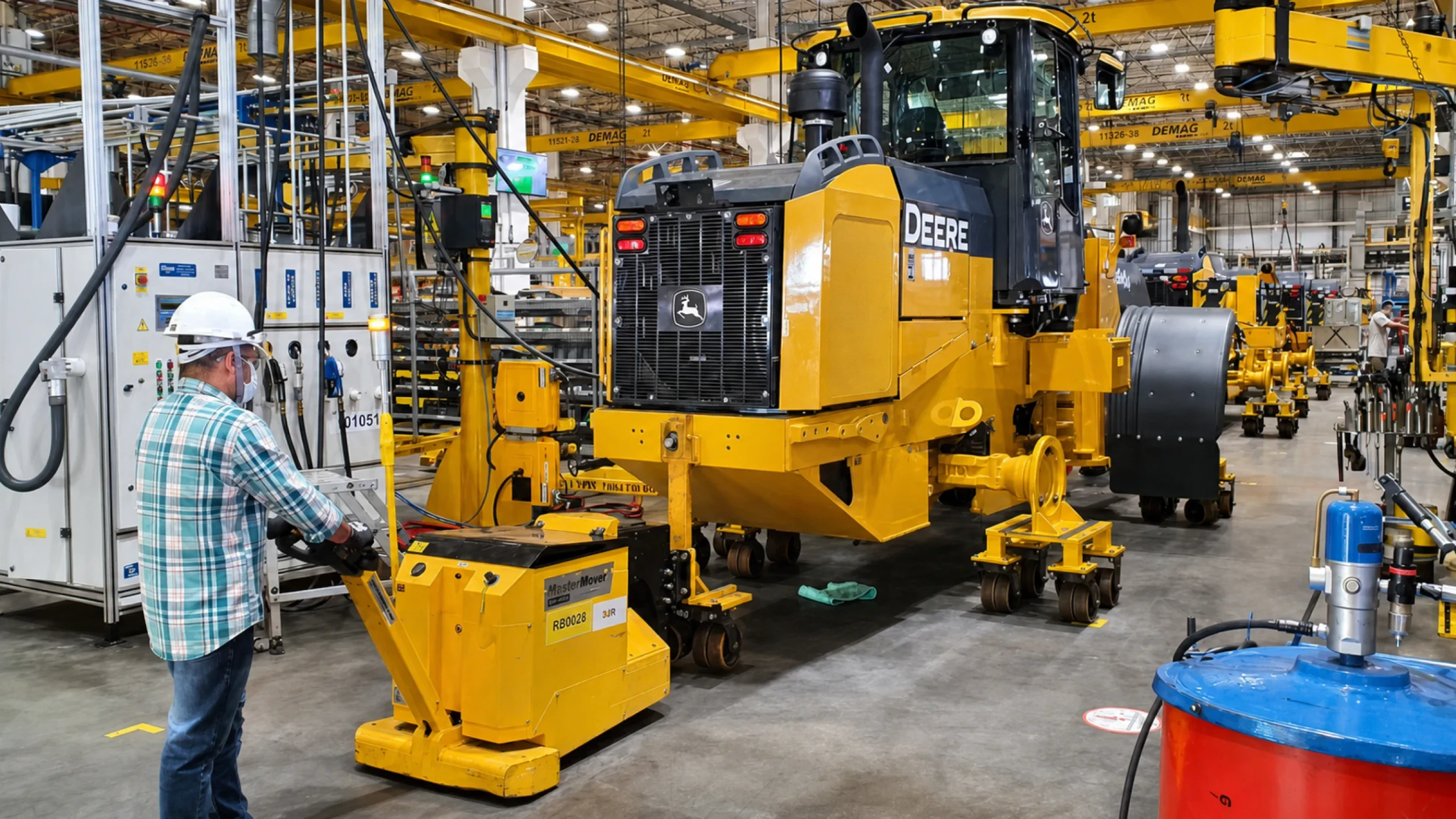
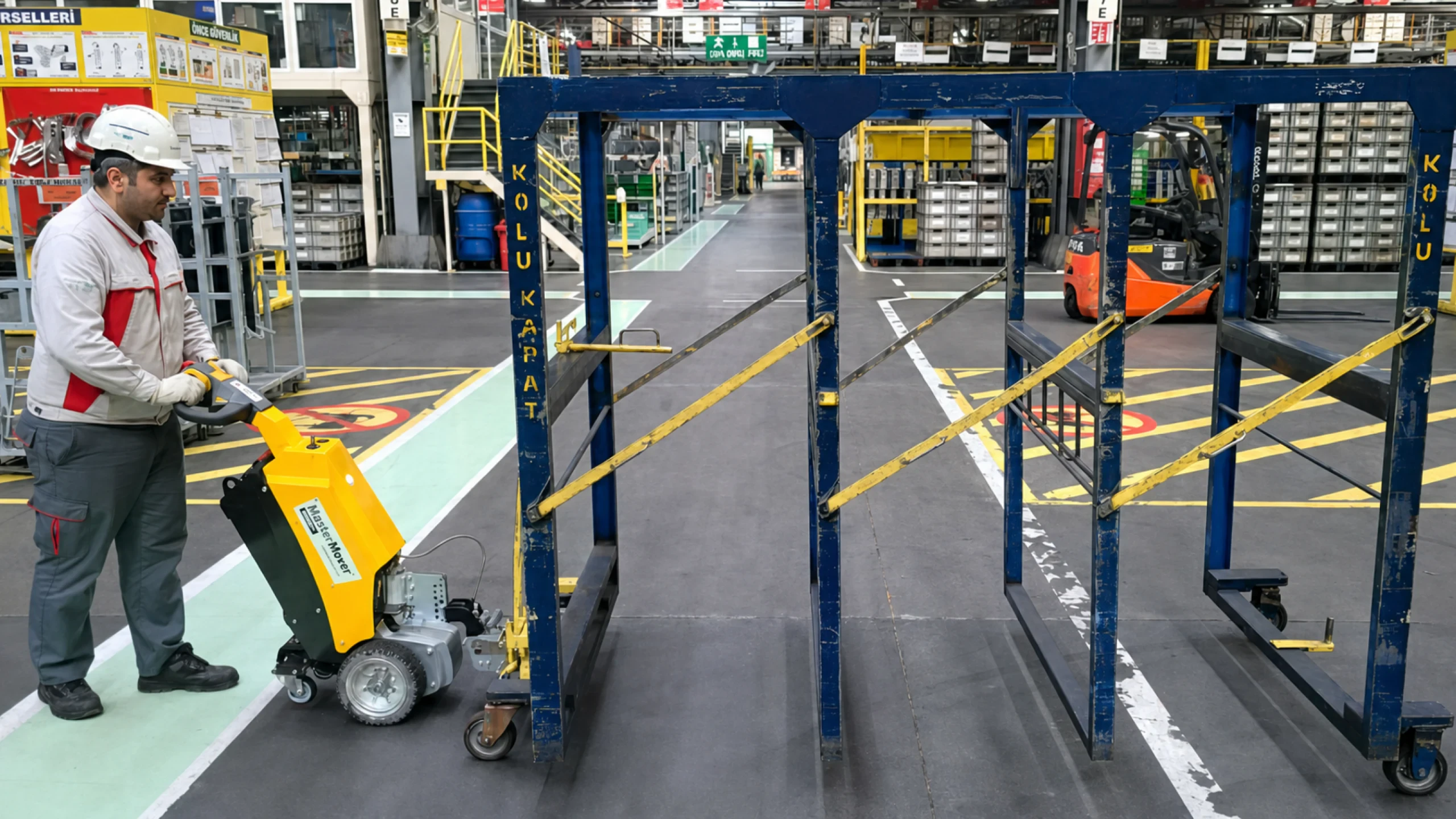
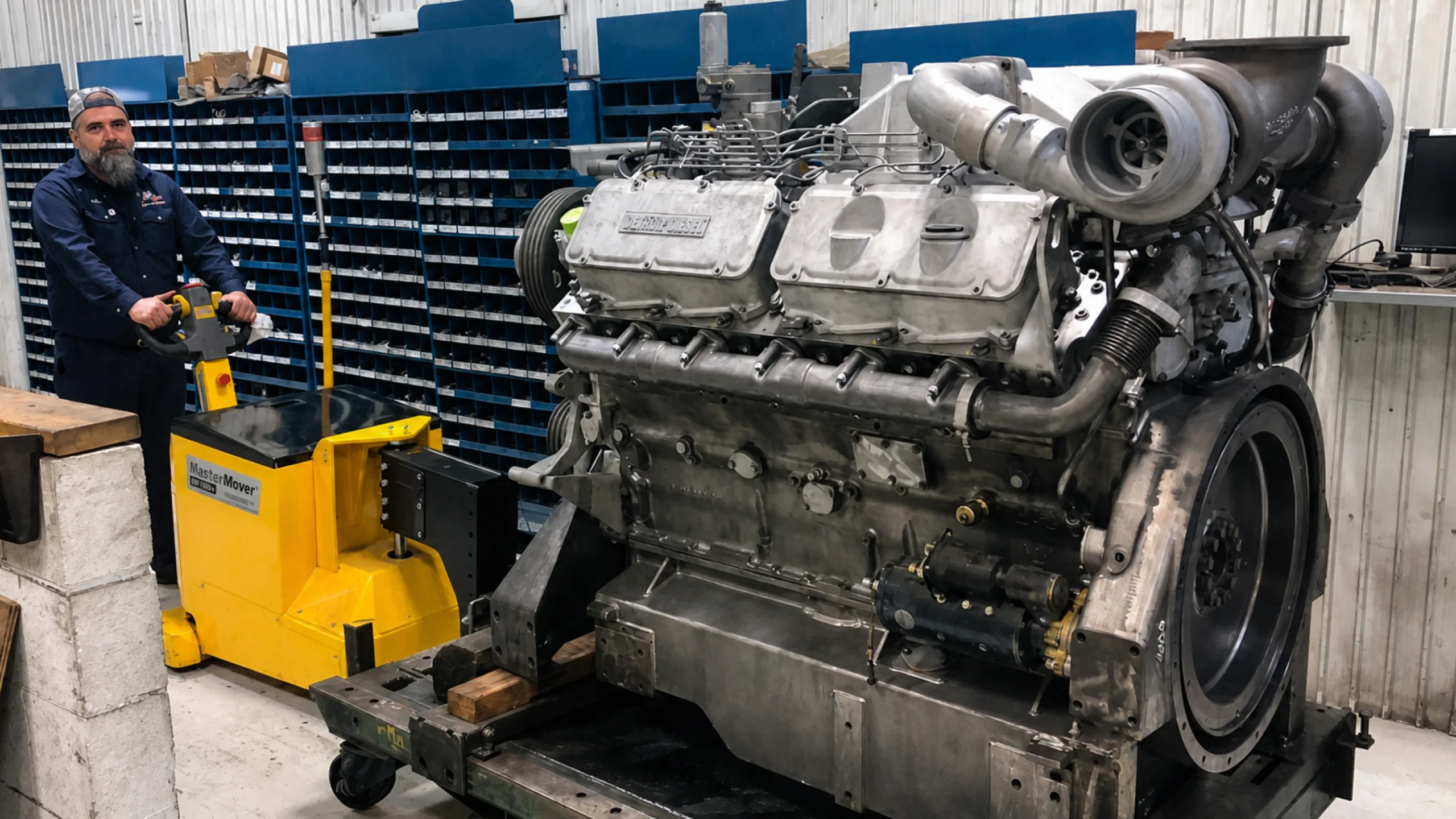
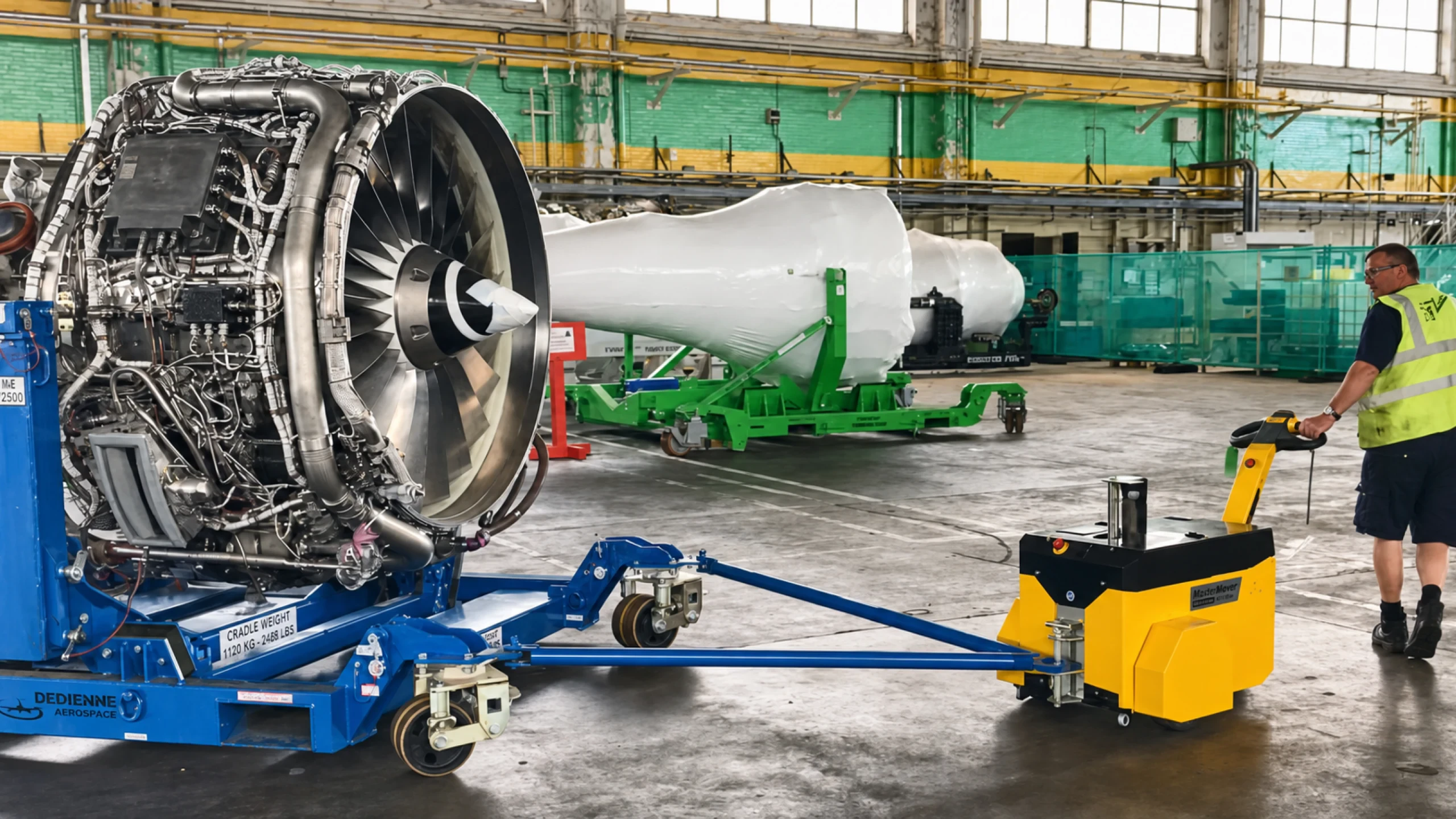
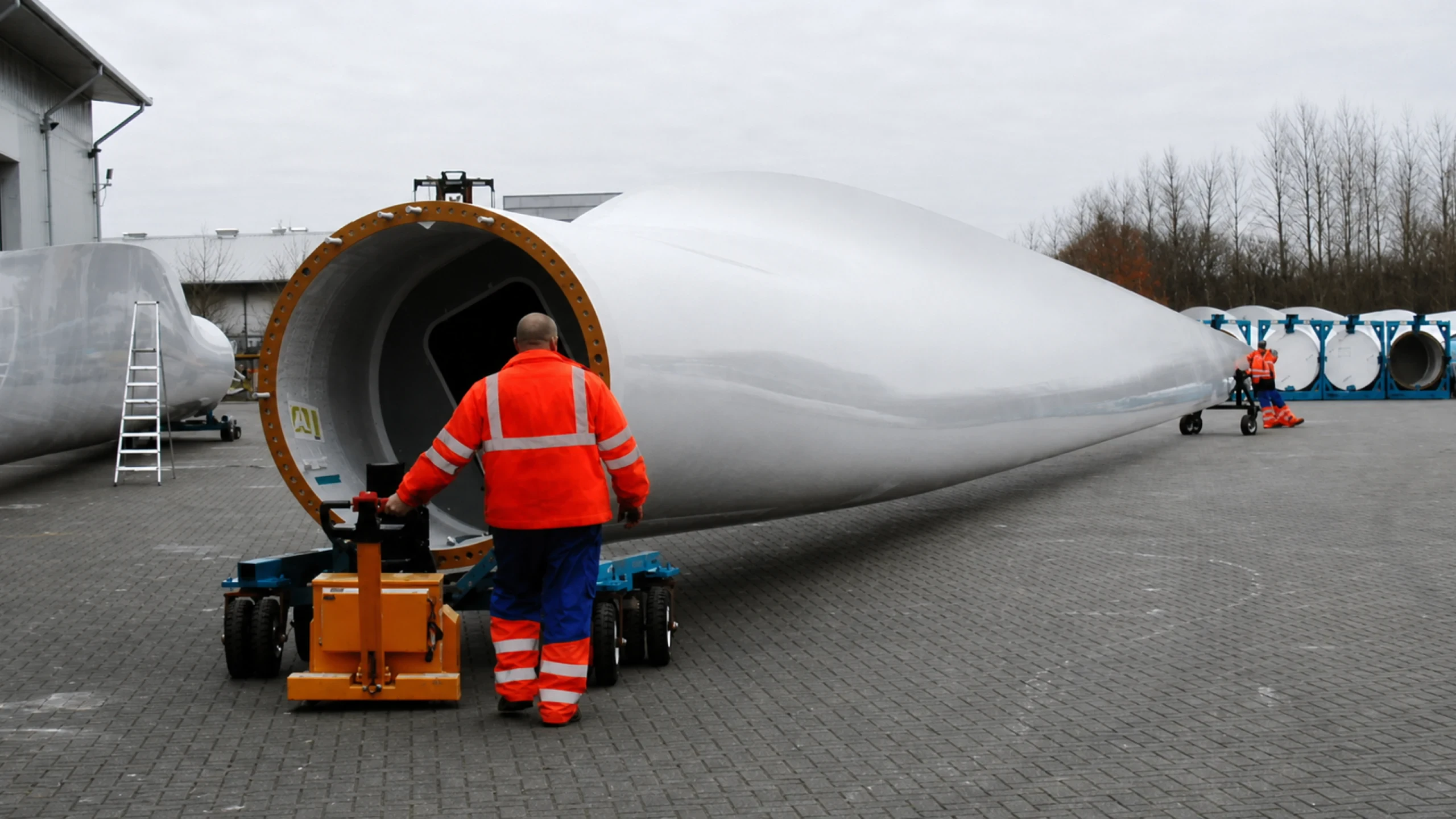
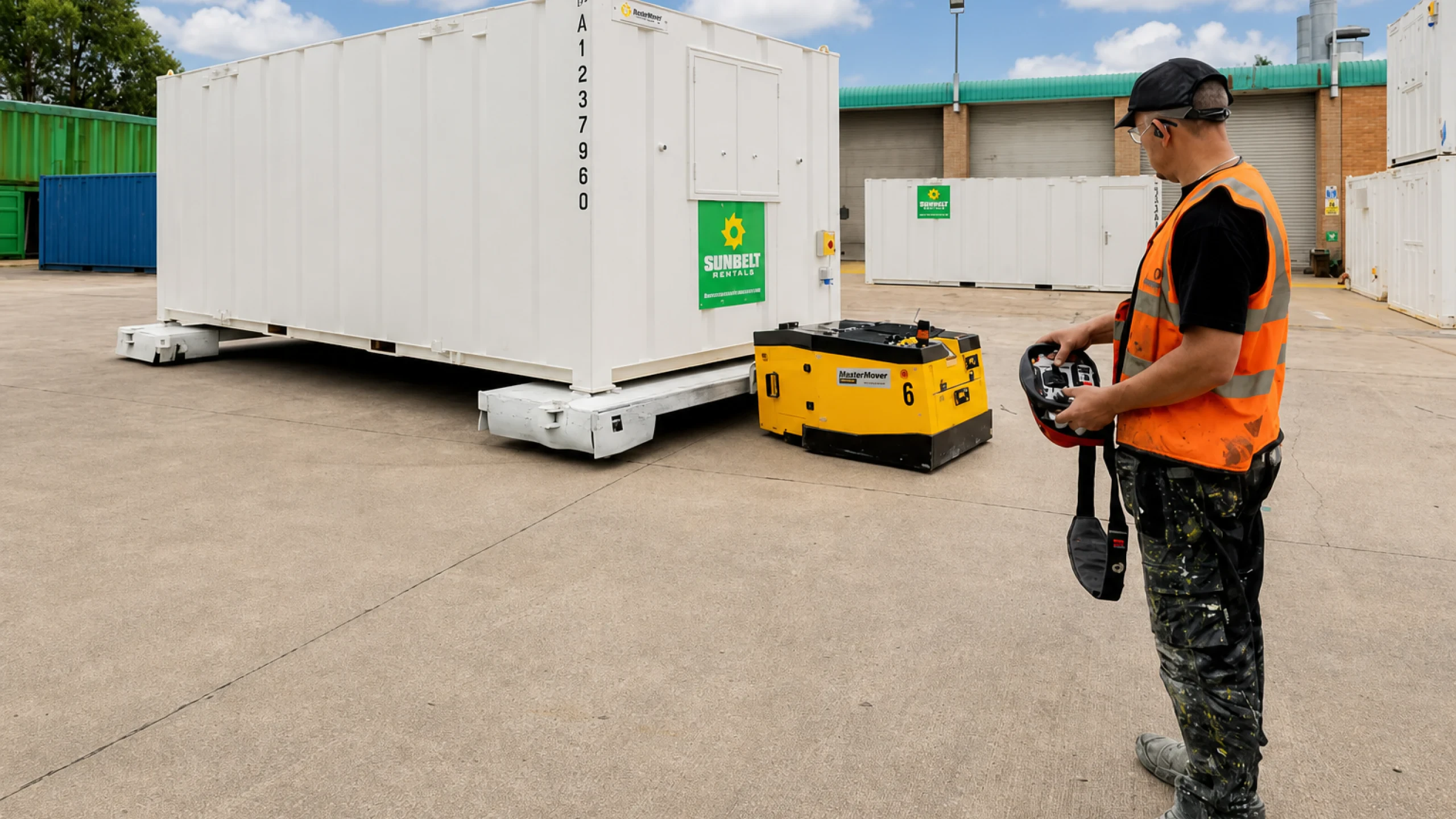
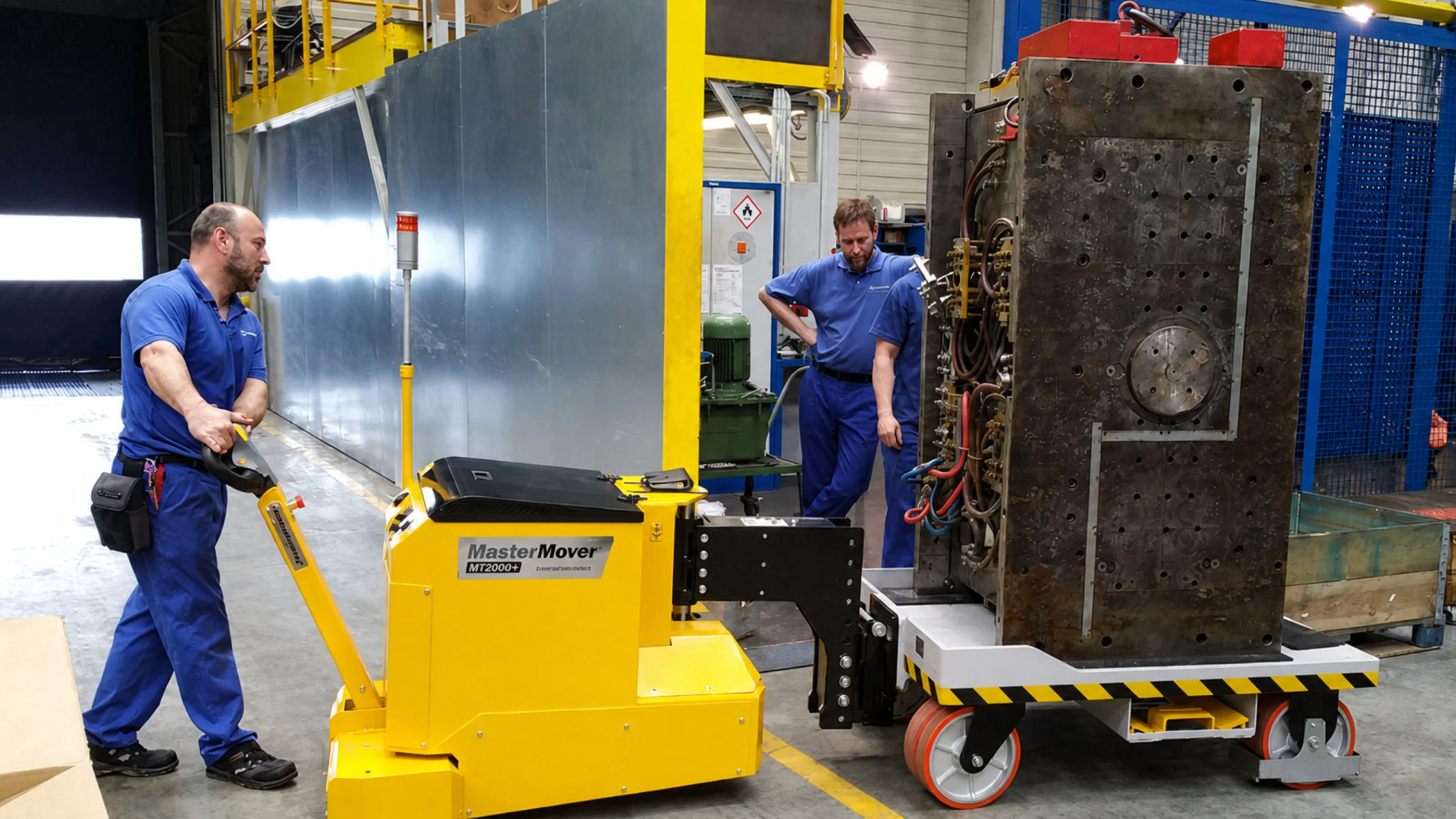
MasterMover fits when a heavy load stays on the floor, is already on wheels or can be adapted for coupling, and manual pushing or forklift use makes the route difficult to control.

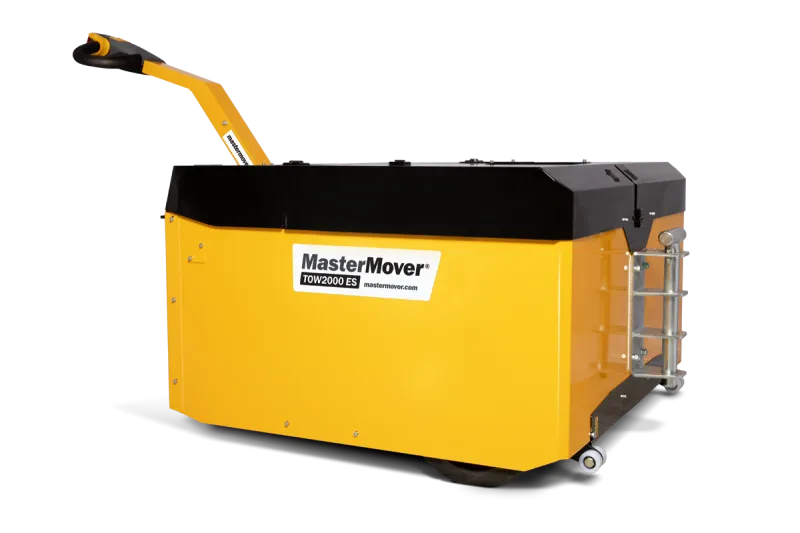
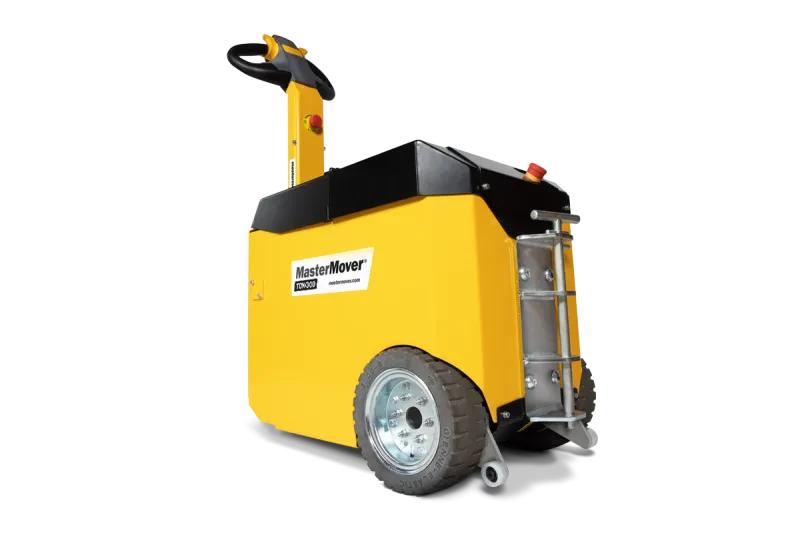
MasterMover manufactures electric pedestrian tugs and controlled movement solutions for heavy, large or unconventional loads. Based in Ashbourne, Derbyshire, the UK company designs and manufactures equipment for applications where a wheeled load needs to start, manoeuvre and stop safely and precisely. Through SEVENSEAS, selection stays tied to the real application: weight, wheels, route, slope, coupling and work rhythm.
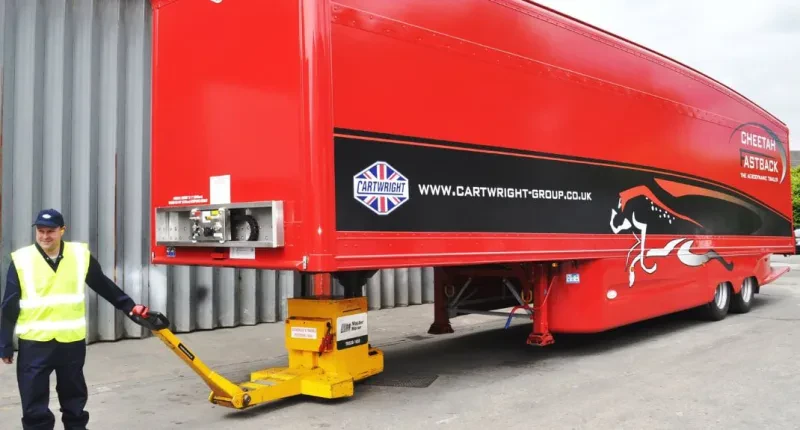
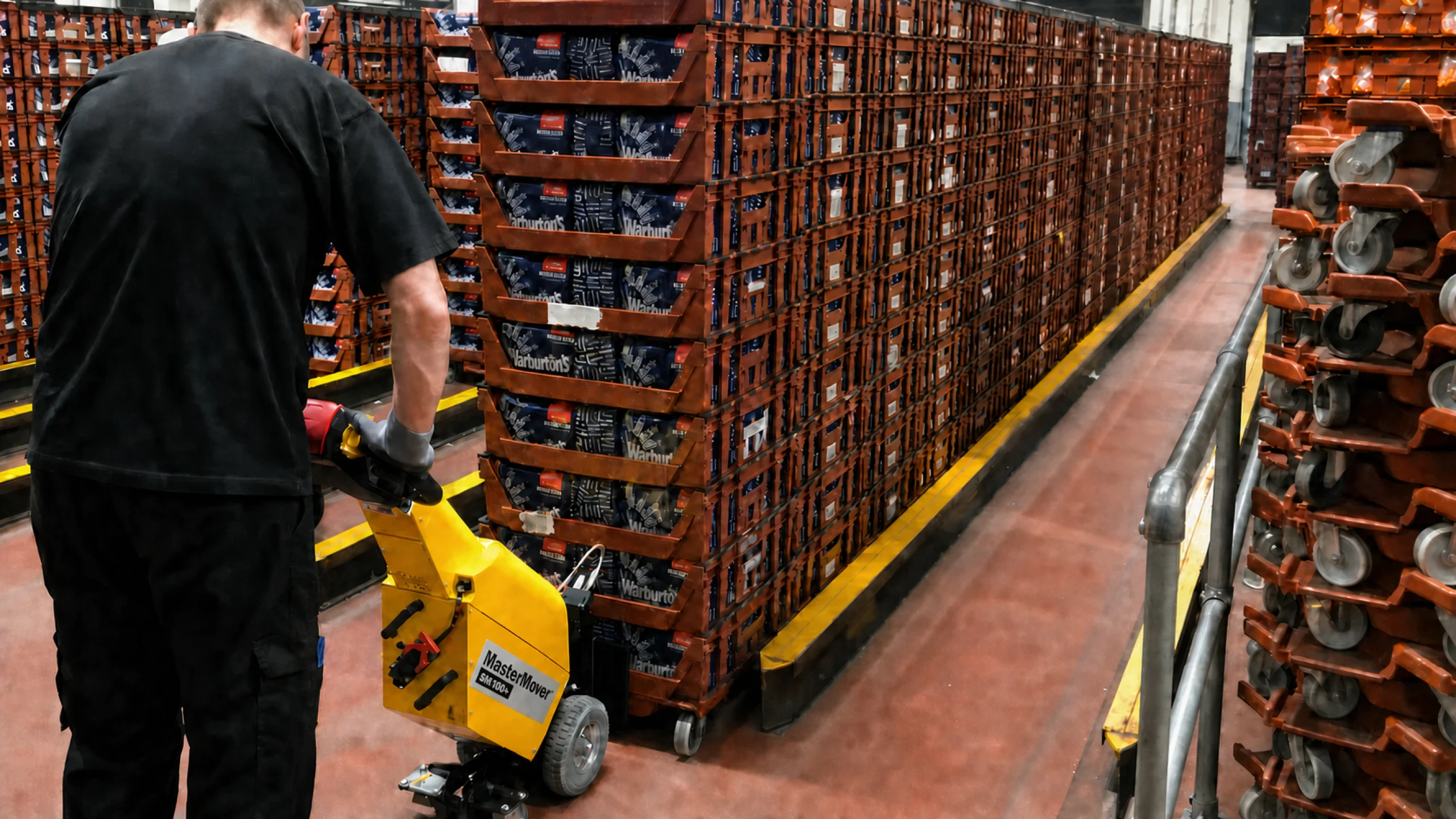
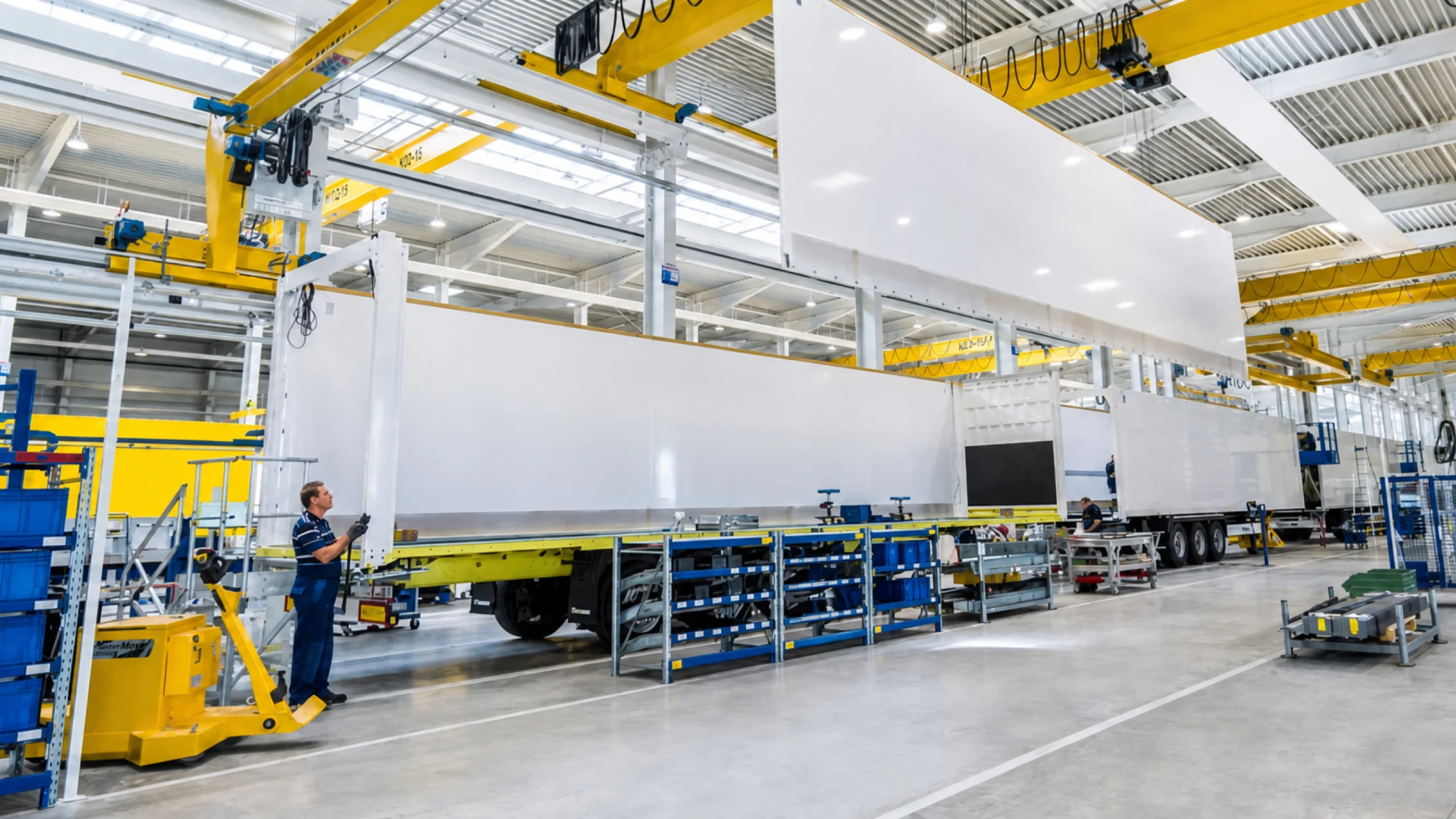
In production, maintenance, internal logistics or assembly, heavy wheeled loads slow the flow when they are pushed by hand, towed with a forklift or manoeuvred in tight spaces. Short stops, occupied operators, imprecise turns, trailers that are hard to align and movement that depends too much on physical force all become part of the routine.
MasterMover turns that movement into a controlled operation: the operator can start, steer and stop the load with more precision, while the forklift stays available for lifting and handling. Model choice starts from the real application: weight, wheels, route, slope, coupling, manoeuvring space and work rhythm.
The right model is not decided by kilograms alone. The same weight can behave differently when wheels, slope, thresholds, coupling, stopping or route frequency change.
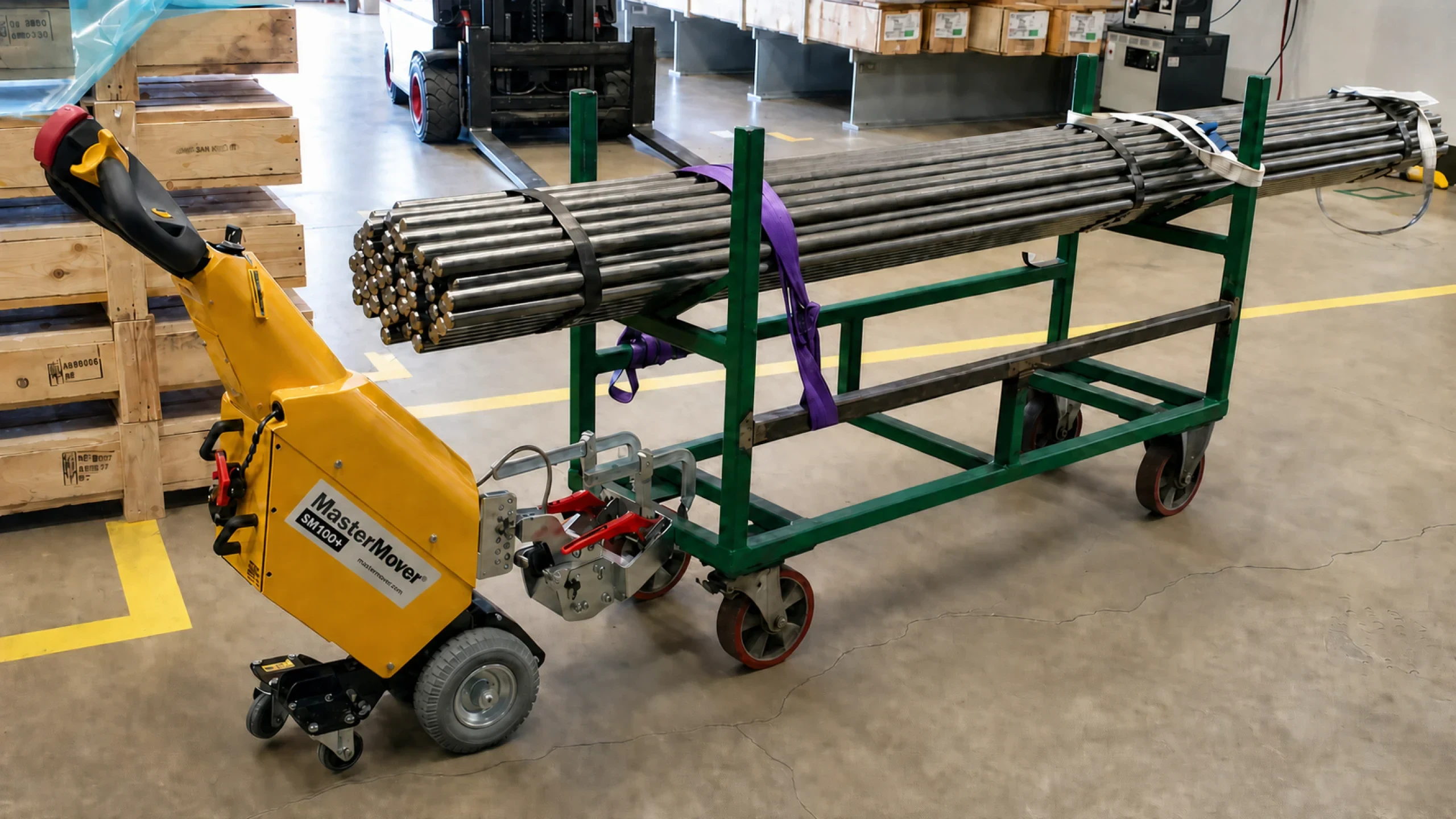
The first thing to clarify is the complete assembly: maximum weight, cart weight, centre of gravity, wheel type, diameter, material, bearings and wheel condition.
Two loads with the same weight may start very differently. It matters whether the load has fixed or swivel castors, whether it must be pushed, pulled or both, and whether the operator needs directional correction in tight space.
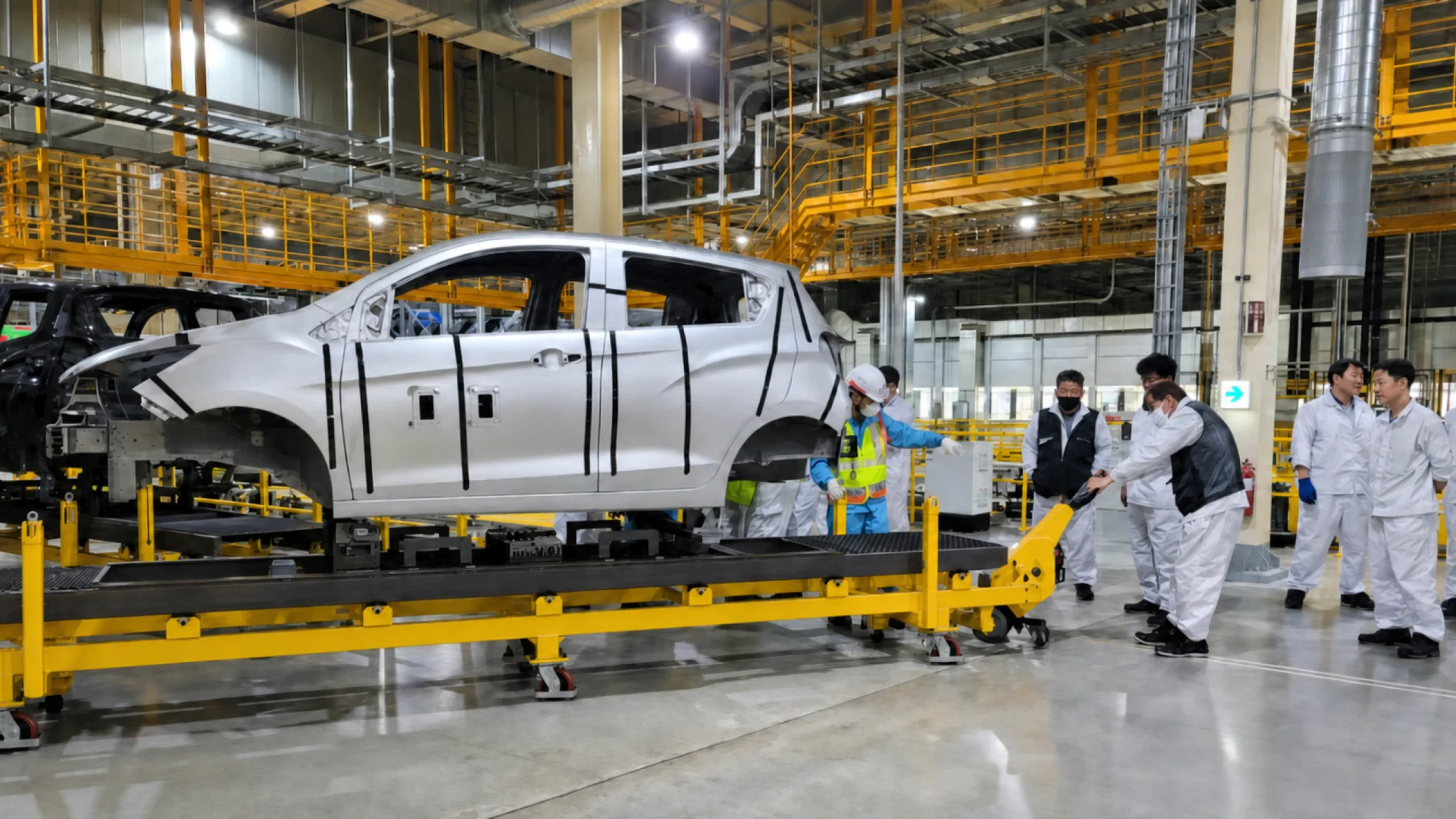
The route clarifies more than nominal capacity: distance, travel direction, turns, thresholds, joints, doors, lifts, busy areas, slope and floor condition.
Where stopping, visibility or stability matter, selection should be tied to realistic working speed, operator control and available manoeuvring space.
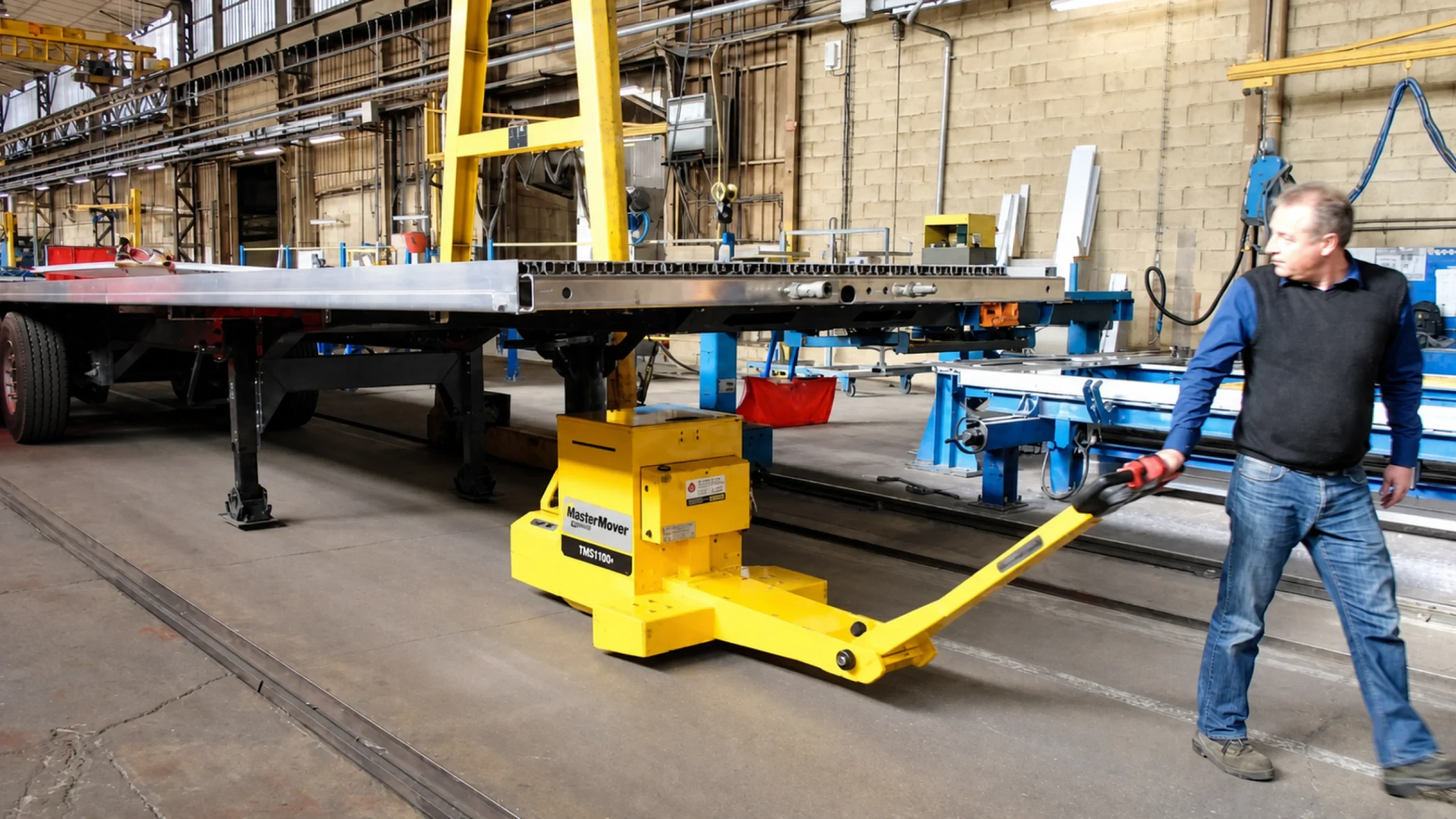
Coupling decides how force transfers between the mover and the load. A weak or awkward connection can make the load hard to start, unstable in turns or slow in daily use.
The coupling point, height, operator access, repeatability, work time, autonomy and whether a standard adaptor is enough all matter.
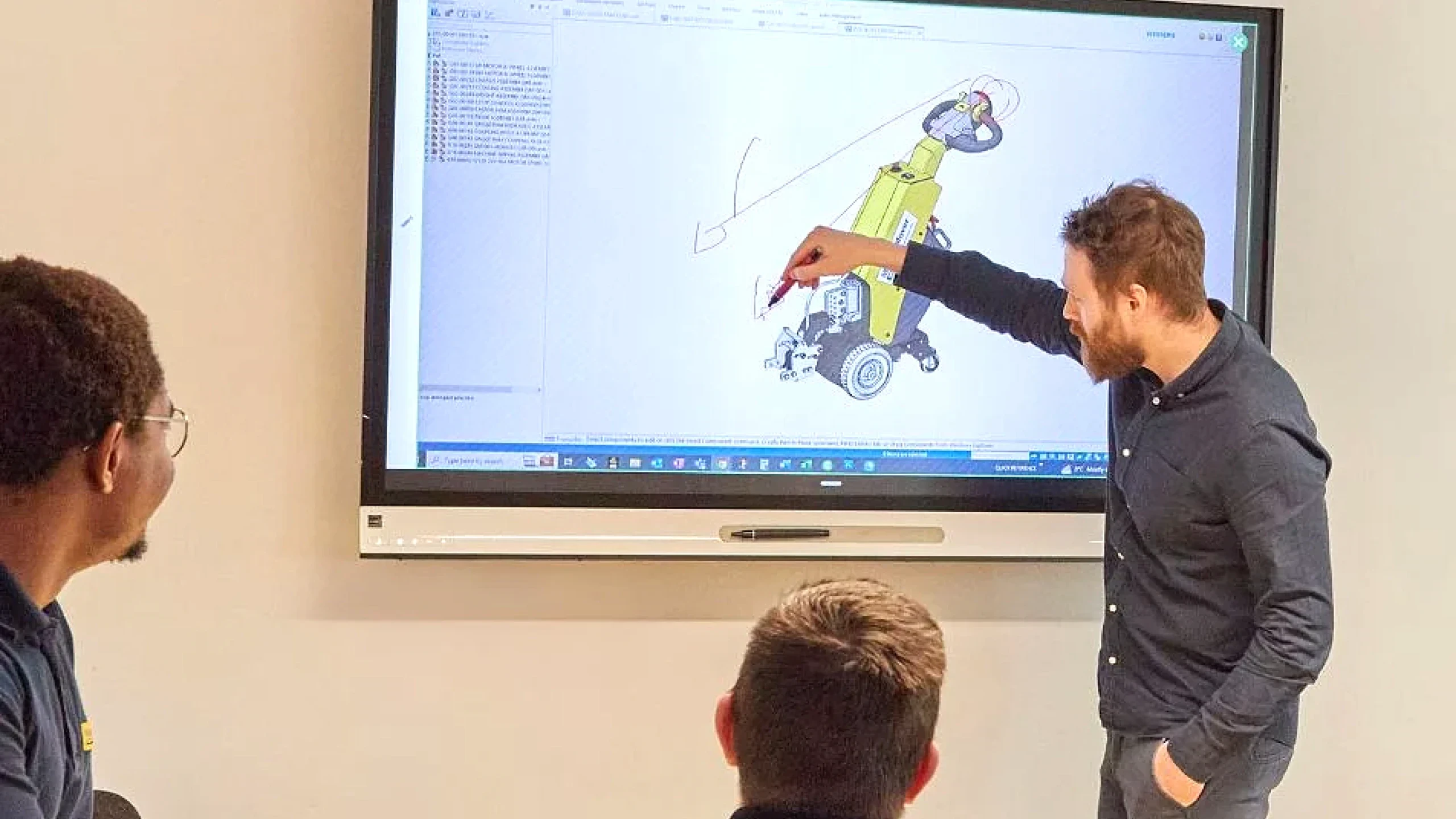
Photos or a short video of the load, route, wheels, obstacles and current work method help. A simple sketch with distances, slope and stopping points can shorten clarification.
After route and load are clear, the quote can include product family, coupling accessories, battery options, use limits and testing steps with the operators.















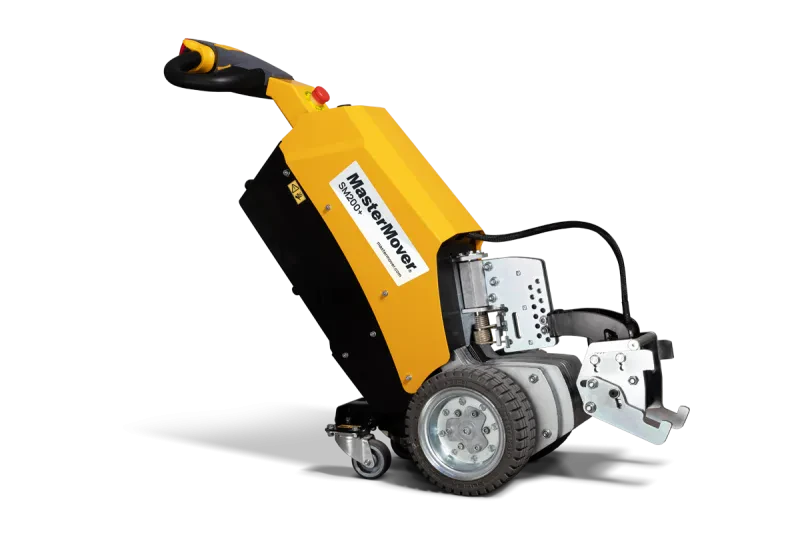
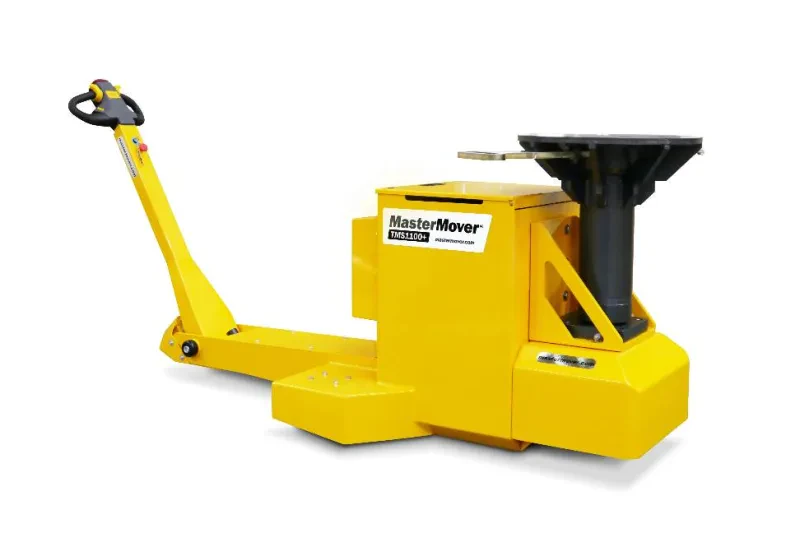
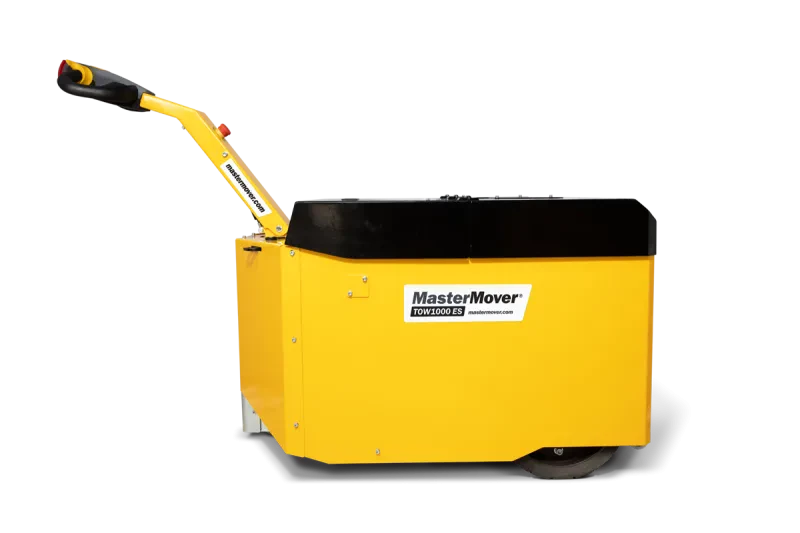
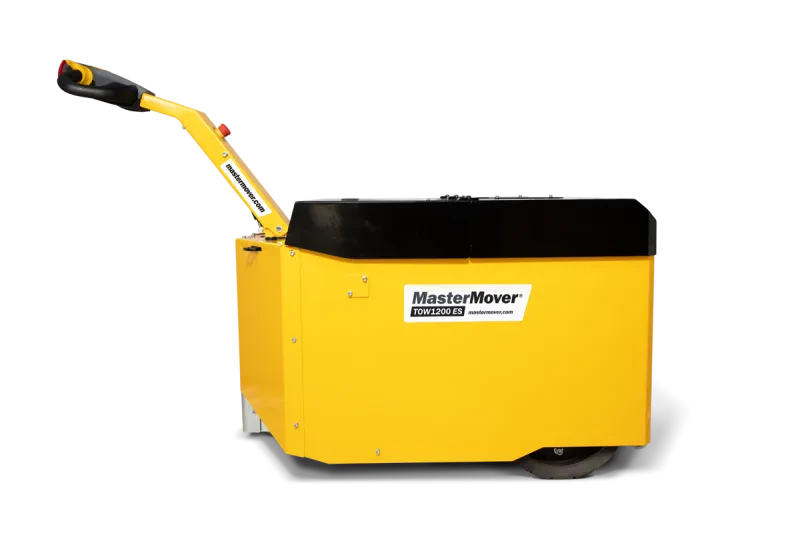
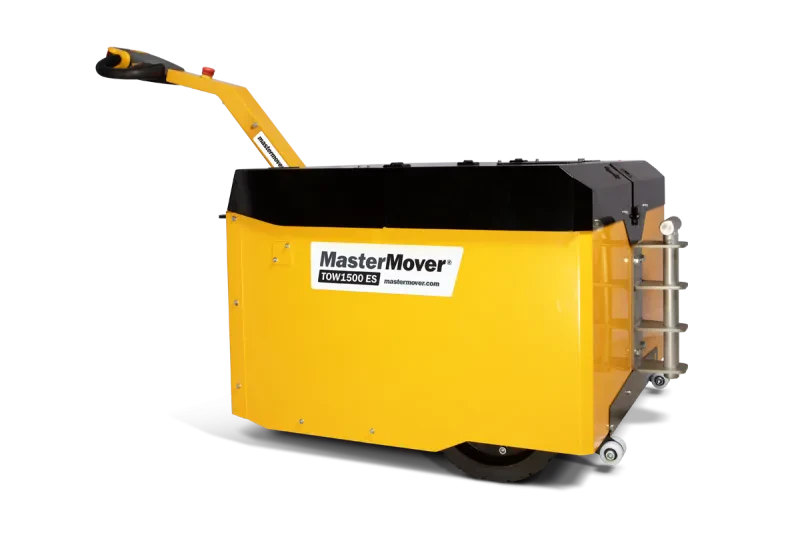
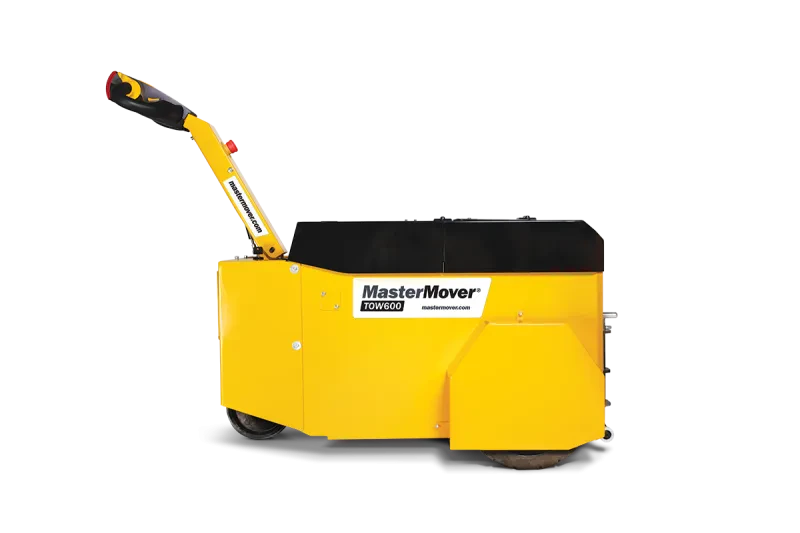
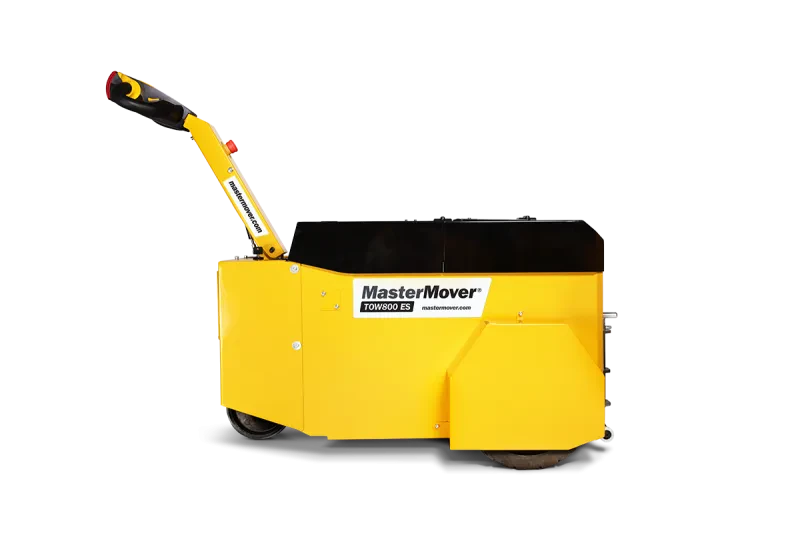
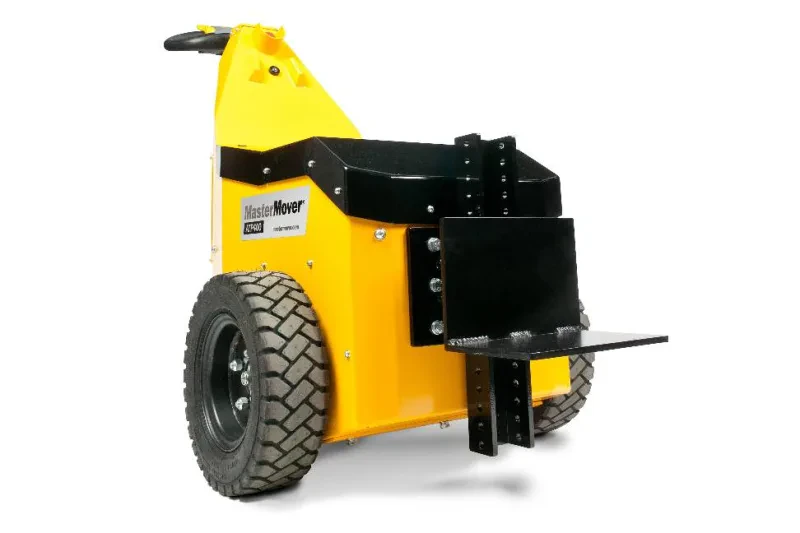
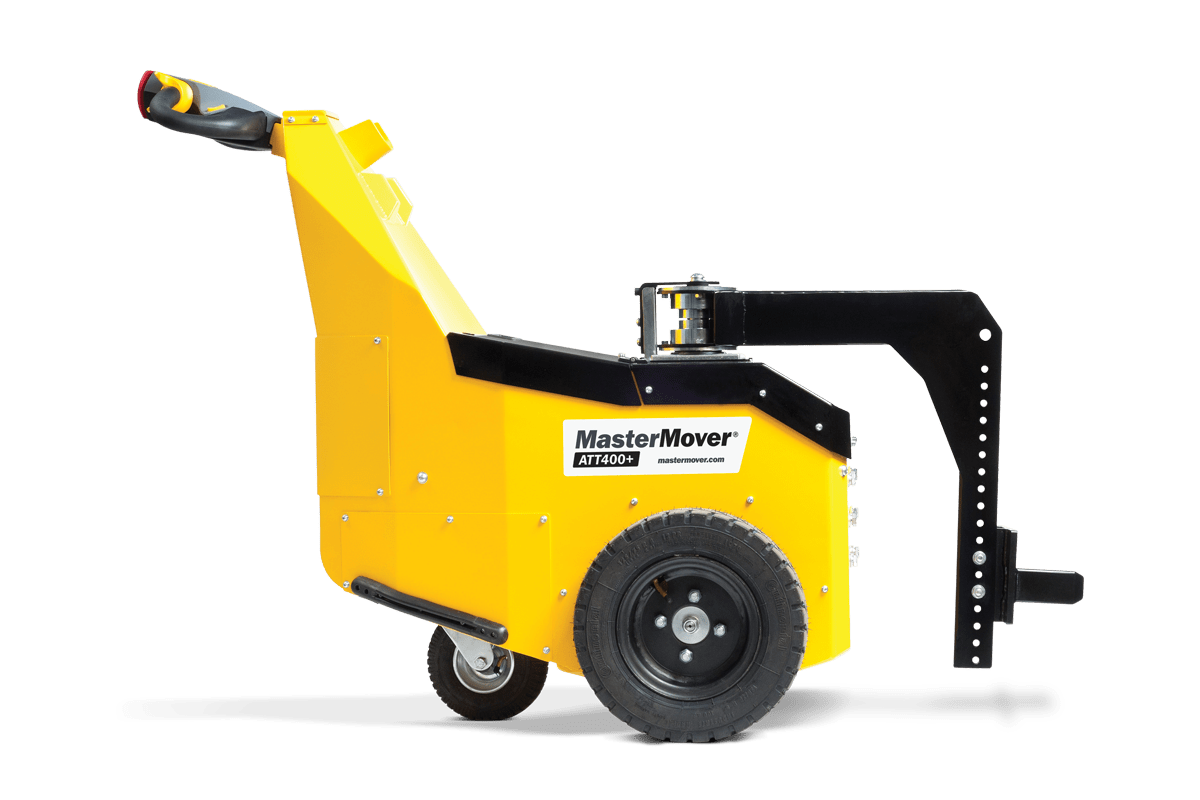
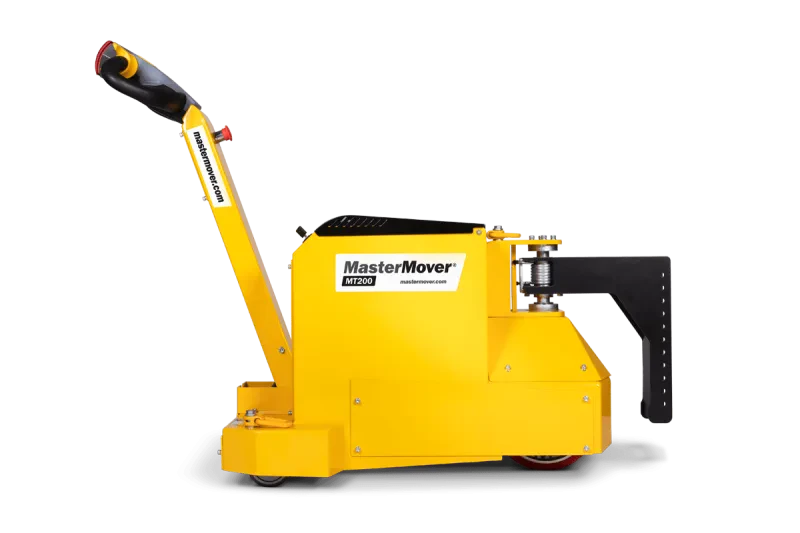
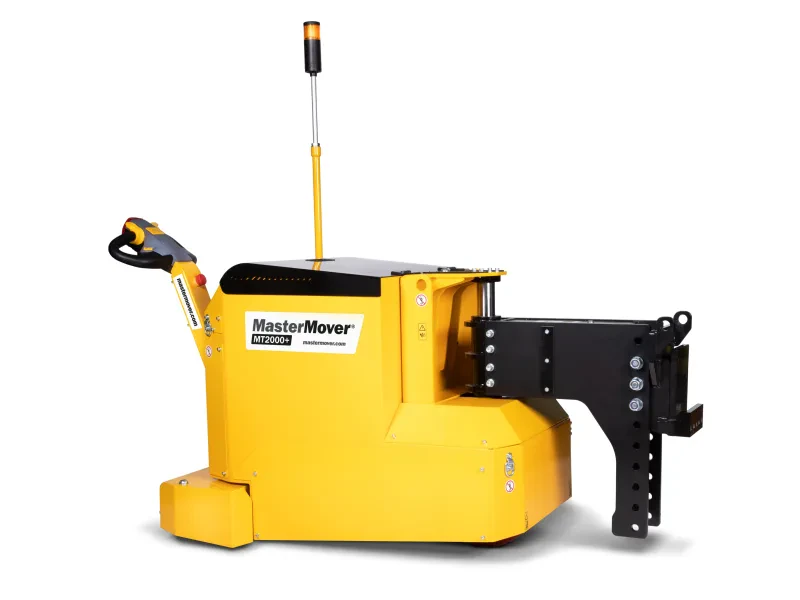
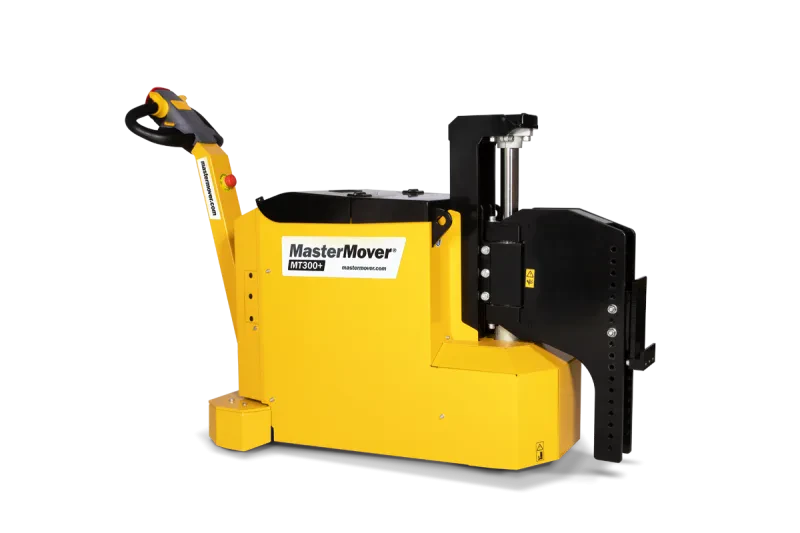
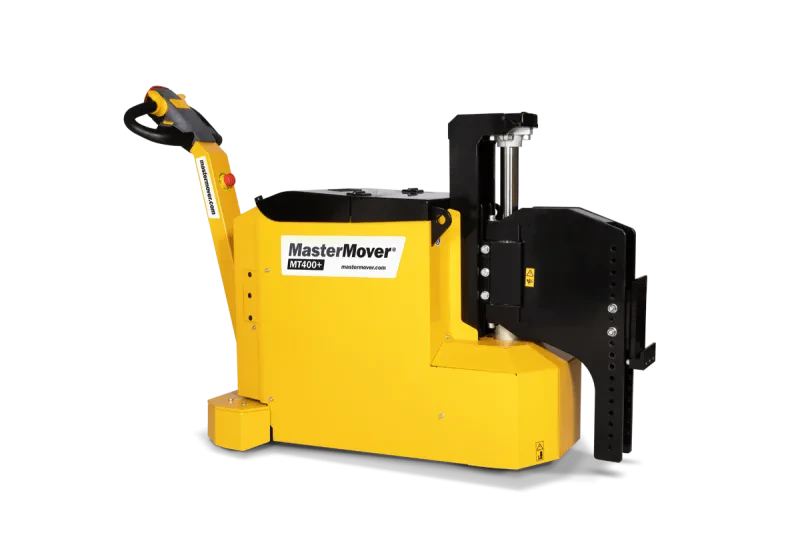
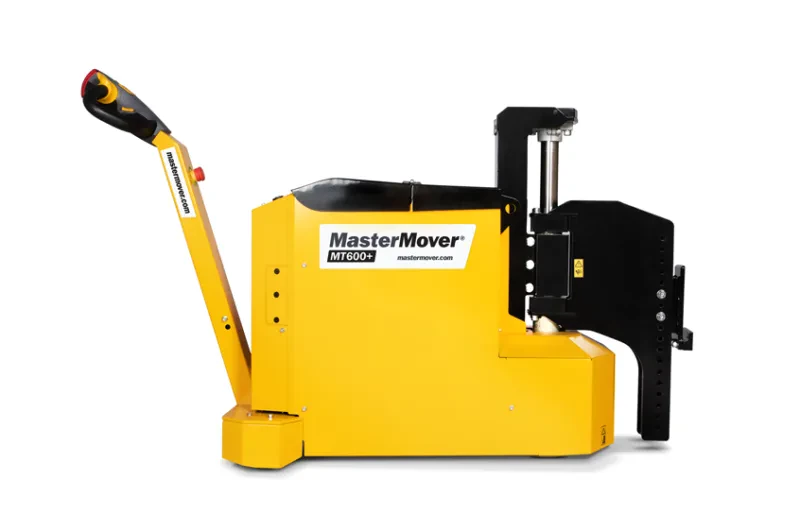
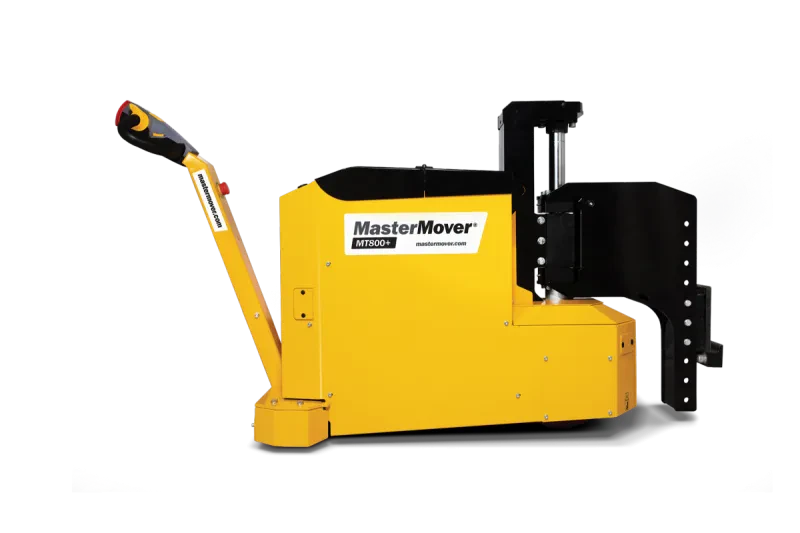
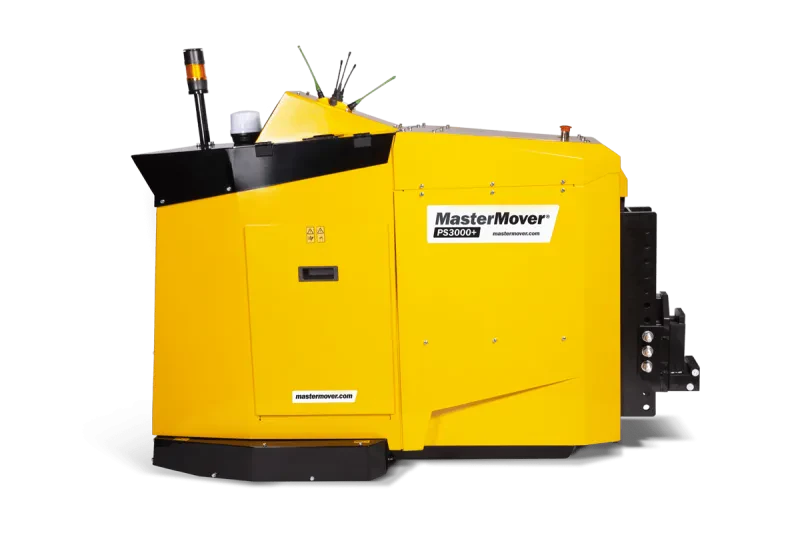
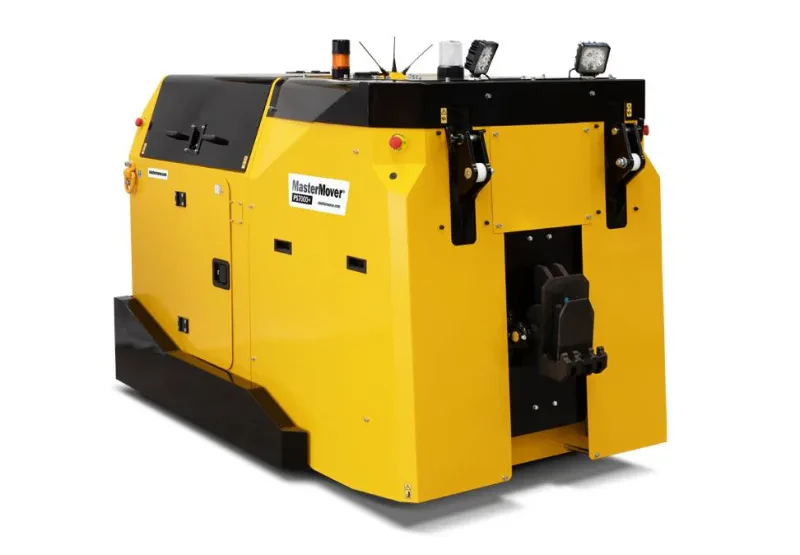
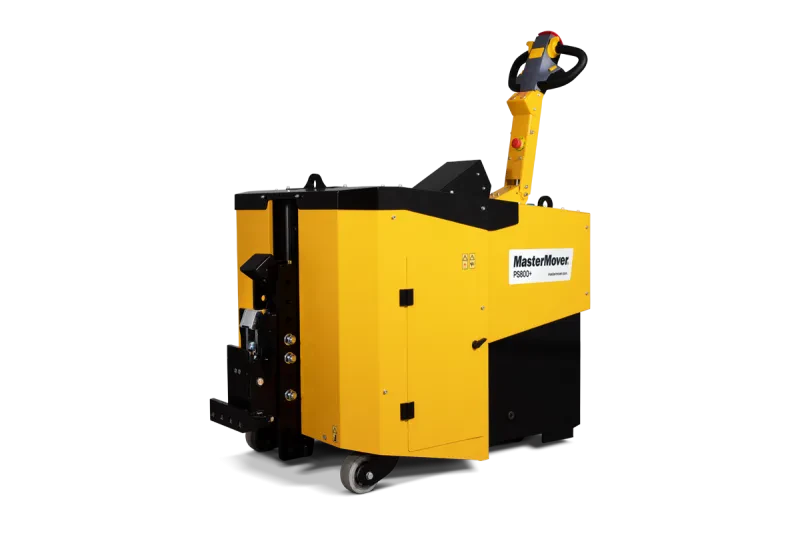
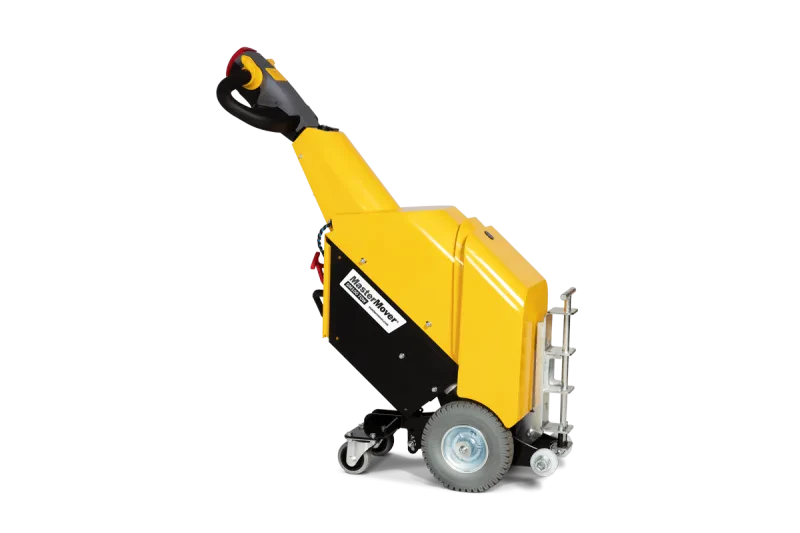
Not every wheeled load needs the same mover. Some applications need manoeuvrability in tight areas, while others need strong starting traction or precise stopping control. The Compact, Performance and Ultra families help narrow the right direction quickly.
-800.webp)
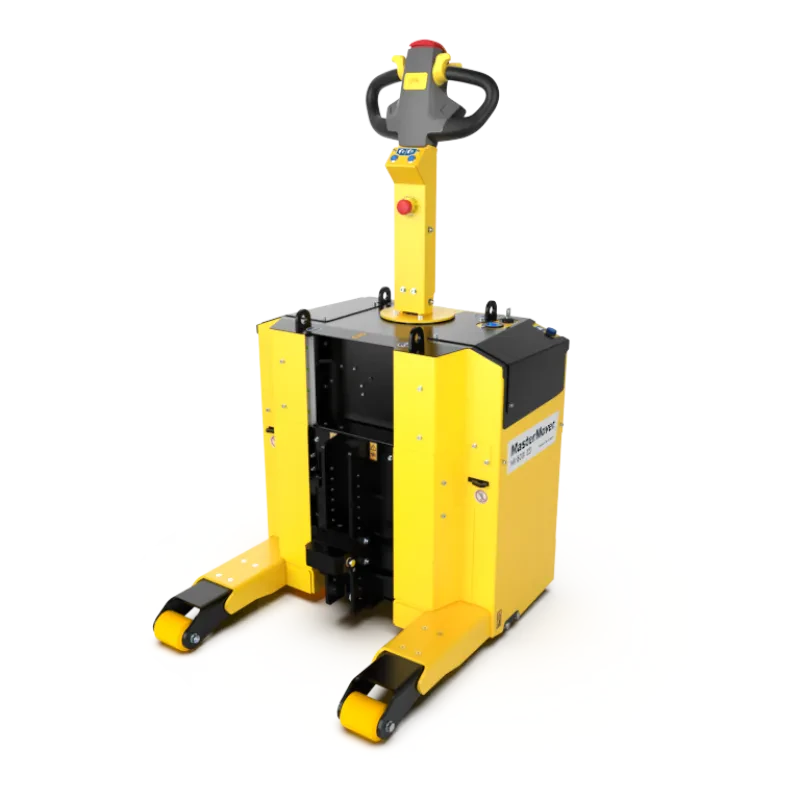
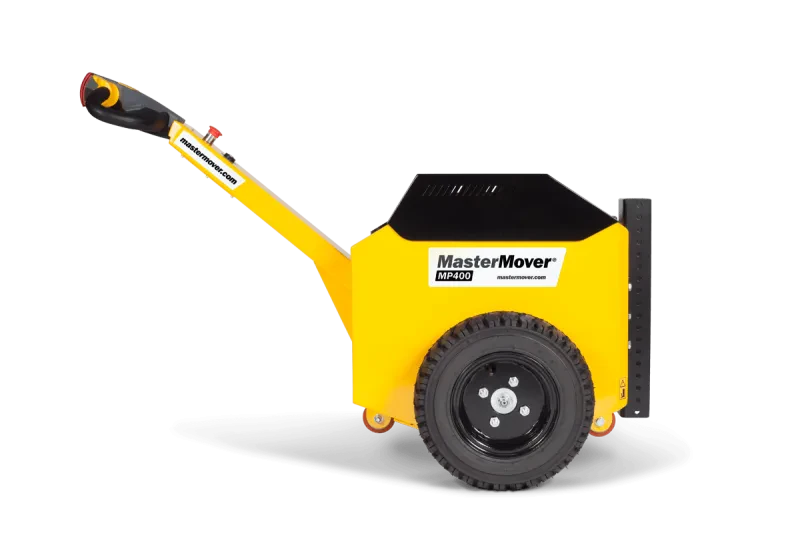
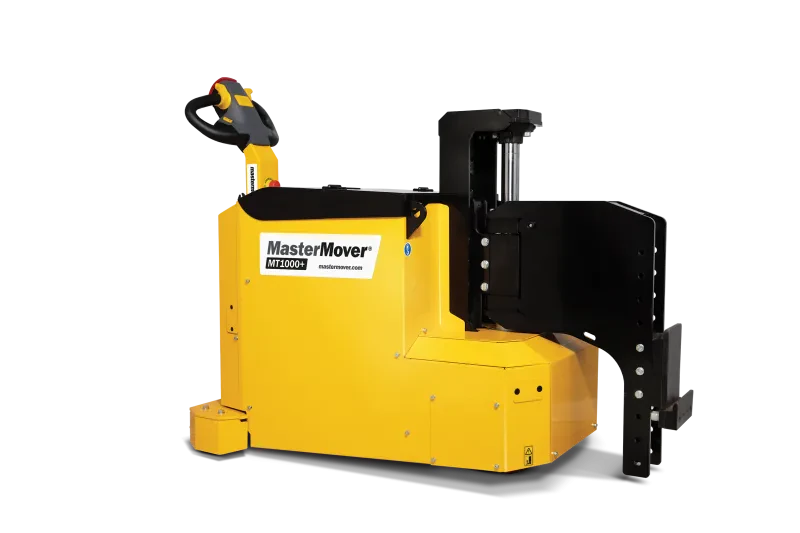
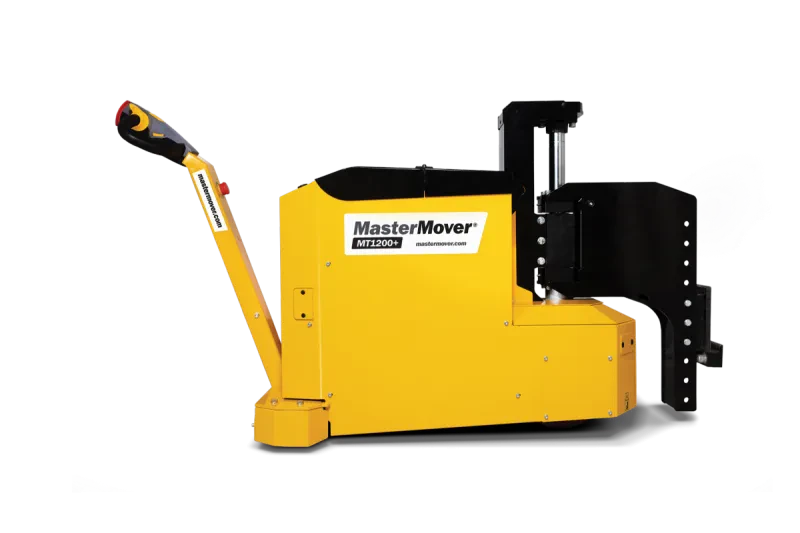
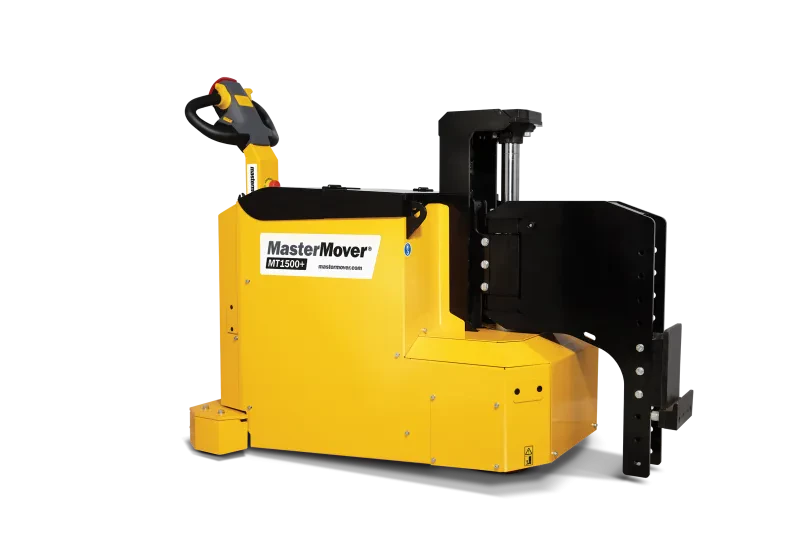
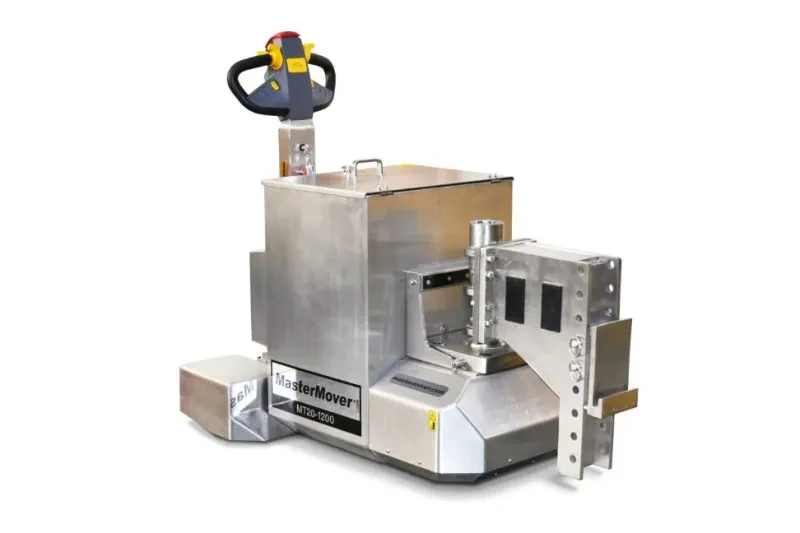
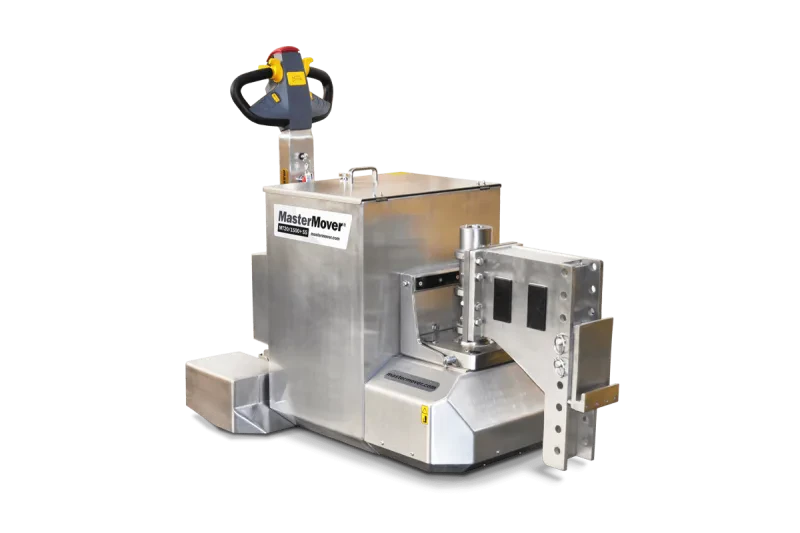
Do you have a wheeled load that needs more control than manual pushing or improvised towing?

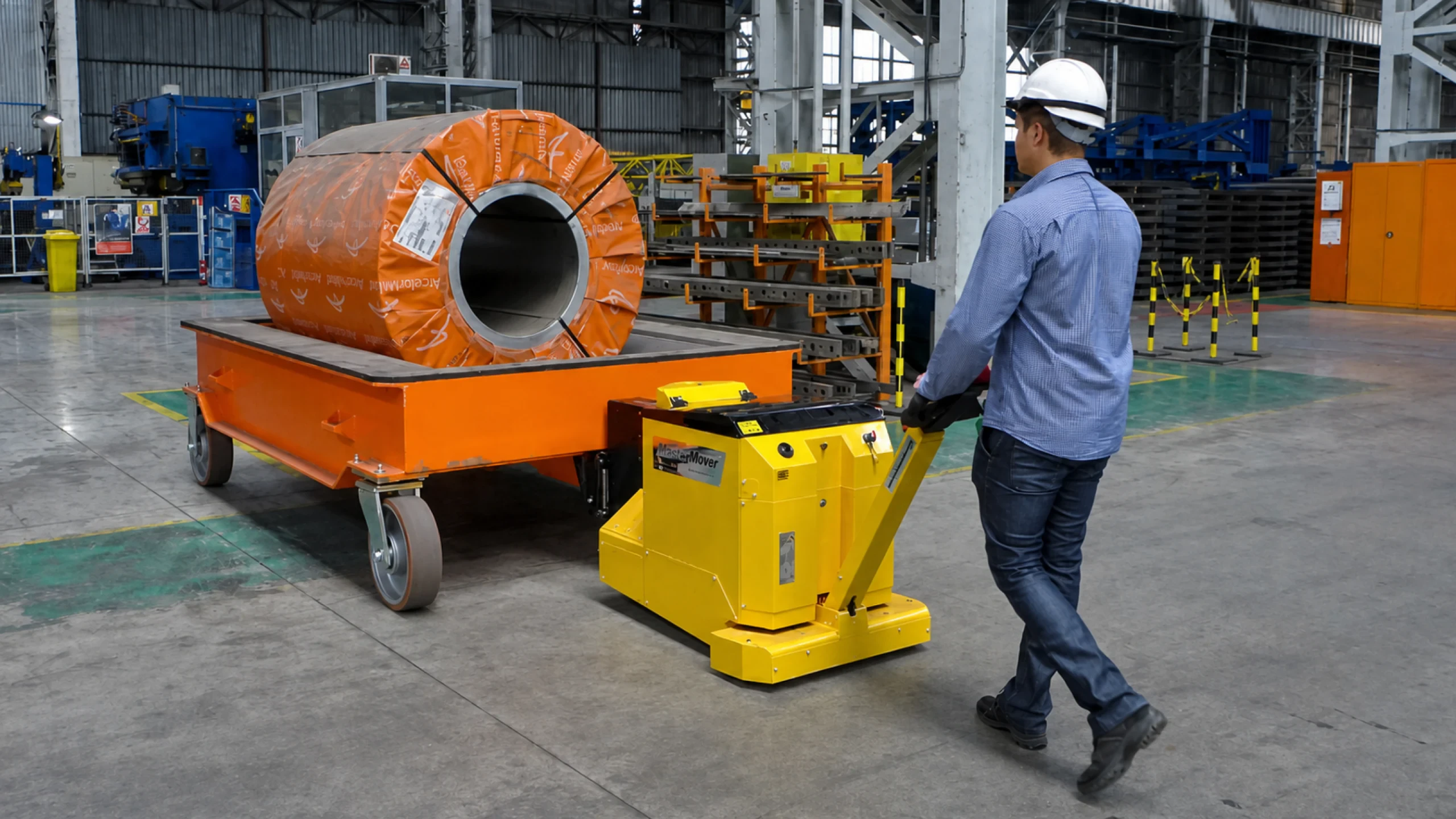
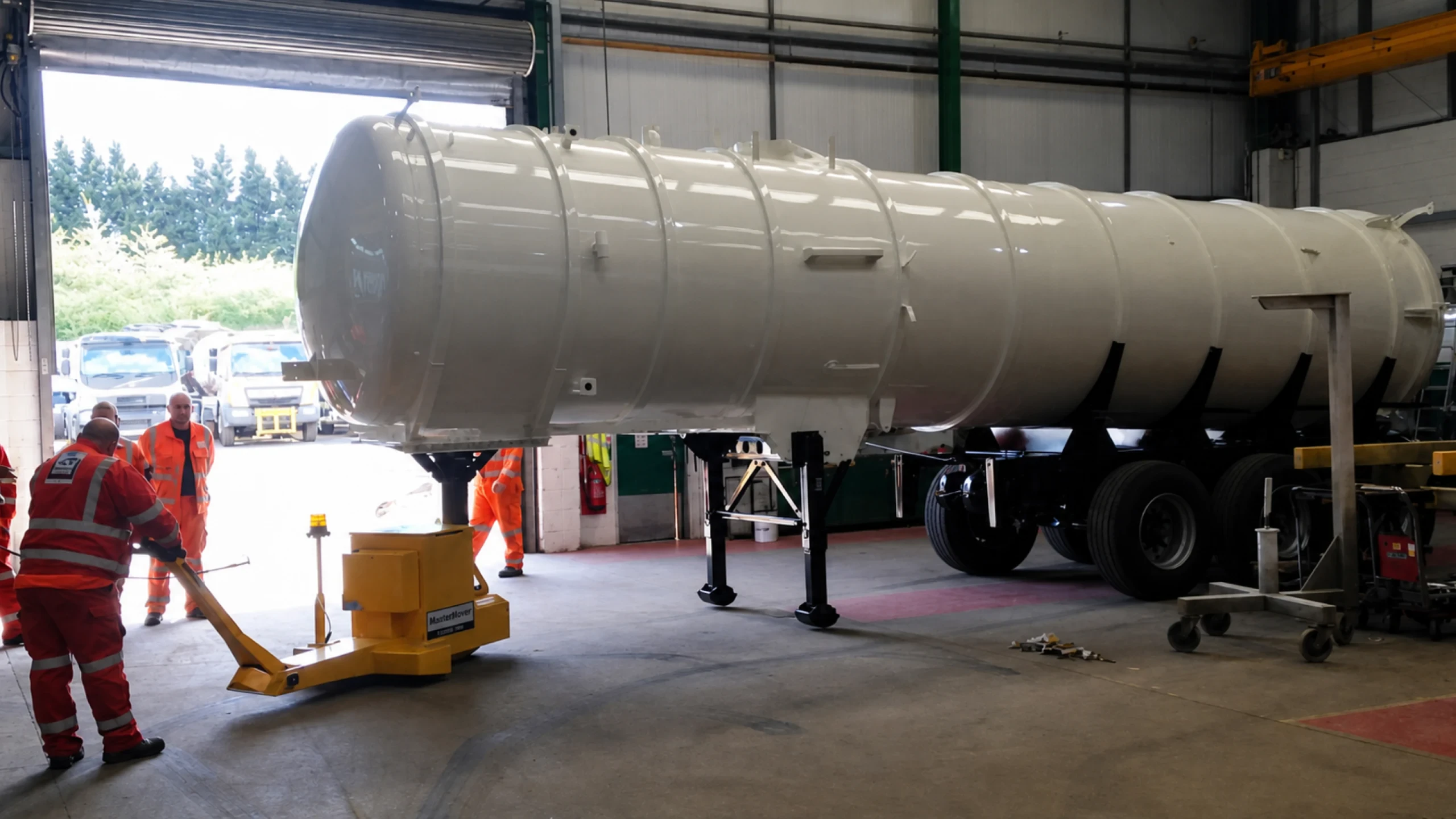
MasterMover mainly fits wheeled loads or assemblies that can be adapted for coupling: heavy carts, frames, trailers, stands, production aids, wheeled containers or large maintenance components.
Weight alone does not decide fit. Starting behaviour, turning, wheel type, route, slope and movement frequency all matter.
Nominal capacity is only the first filter. A load with the same weight may need another configuration when wheels are small, bearings are worn, the centre of gravity differs, or thresholds, slope and tight turns are present.
Selection checks starting, traction, steering control, stopping, autonomy, manoeuvring space and how the operator couples and uncouples the load in real work.
MasterMover helps where a forklift is used for horizontal movement of a wheeled load without a real need to lift.
Forklifts still fit lifting, stacking and specific operations. MasterMover fits routes where ground-level control, space, frequency and reduced forklift traffic matter more than lifting.
Floor, slope and wheels influence starting resistance, stability, autonomy and stopping behaviour. Smooth concrete, joints, thresholds, wet surfaces or ramps can change the application significantly.
That is why route details and, where possible, photos or video of the load in motion are useful. They quickly show resistance, sway or operator corrections.
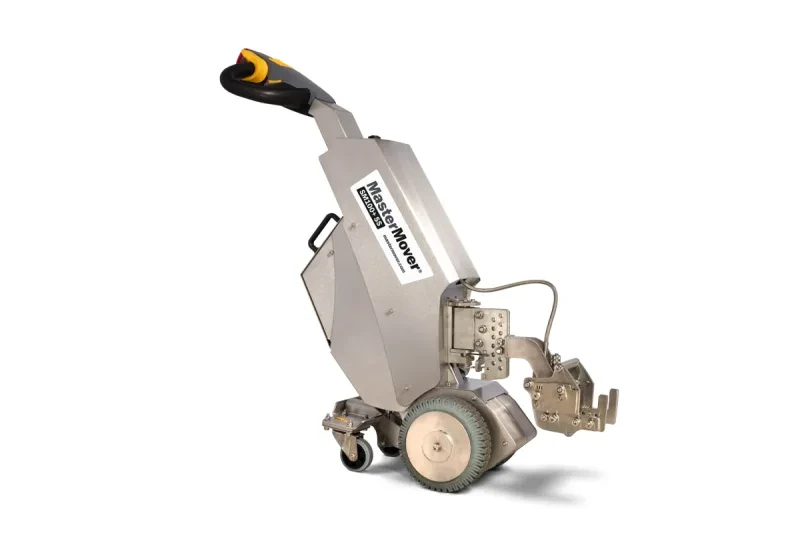
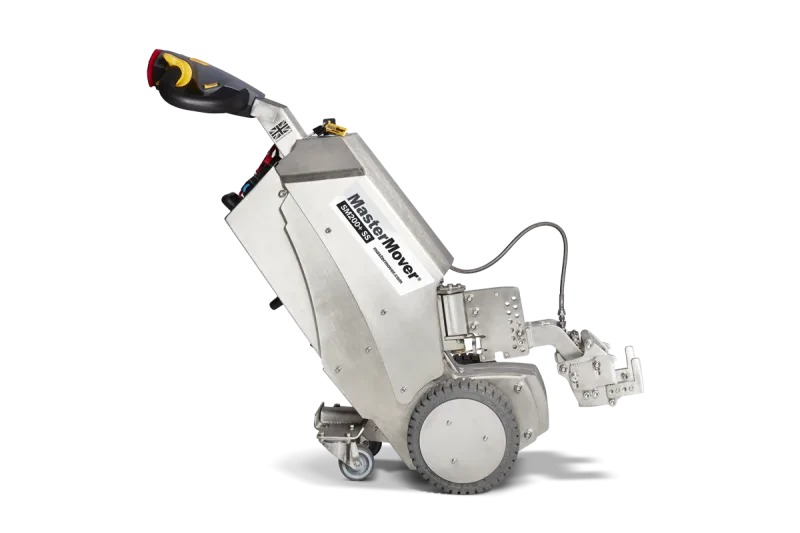
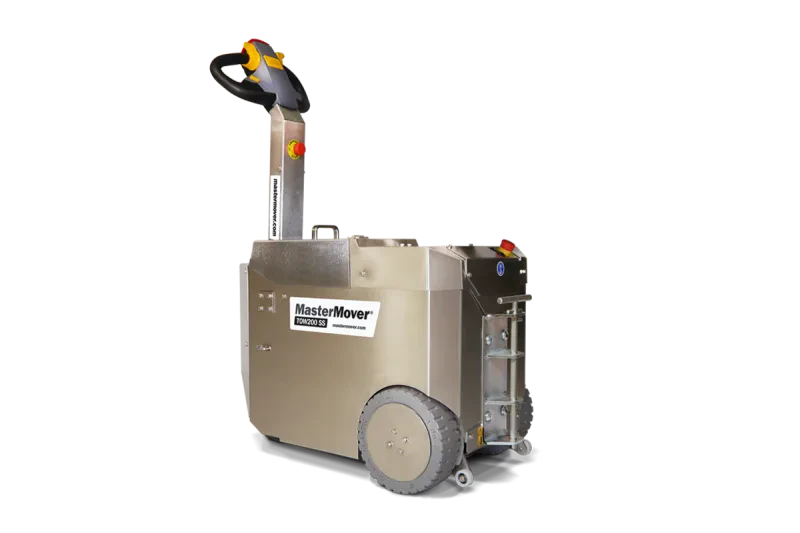
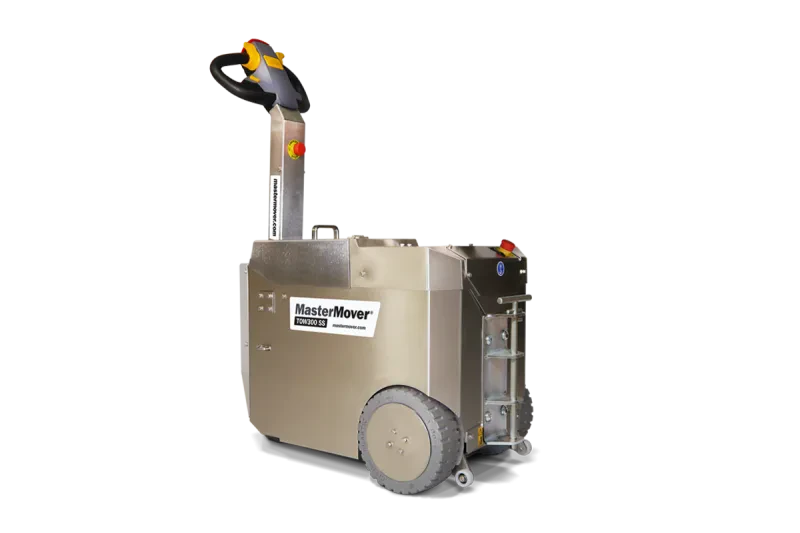
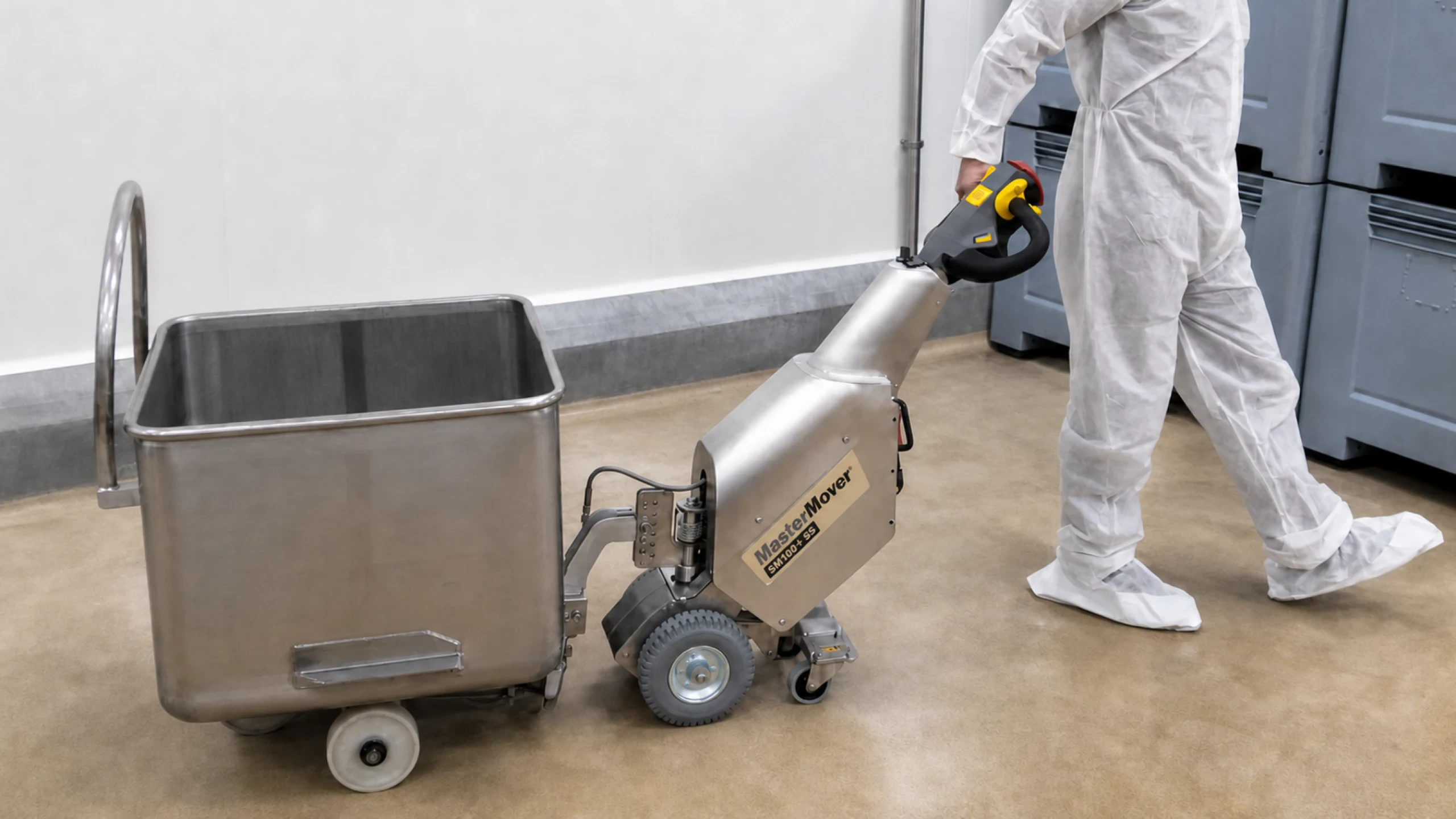
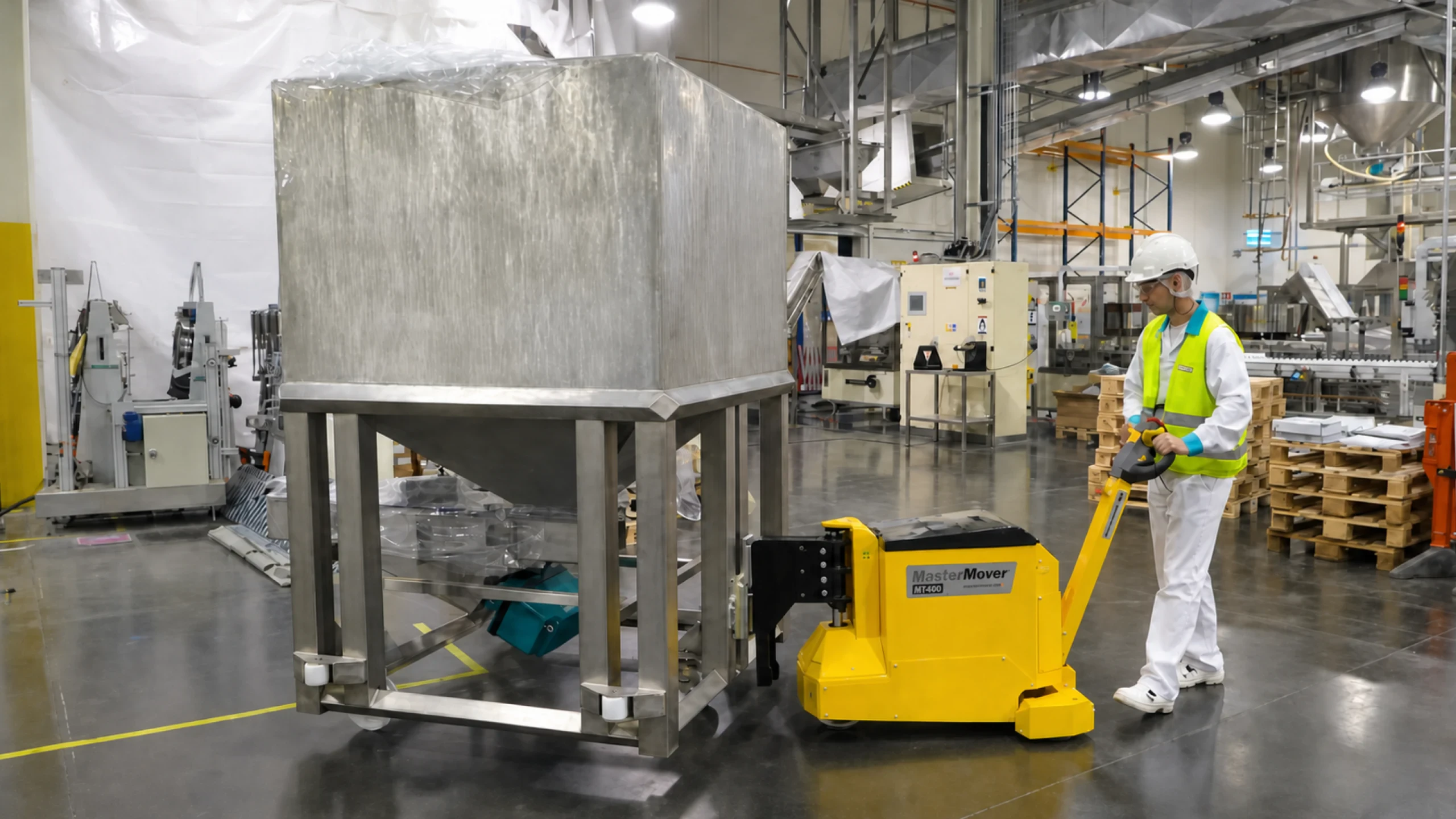
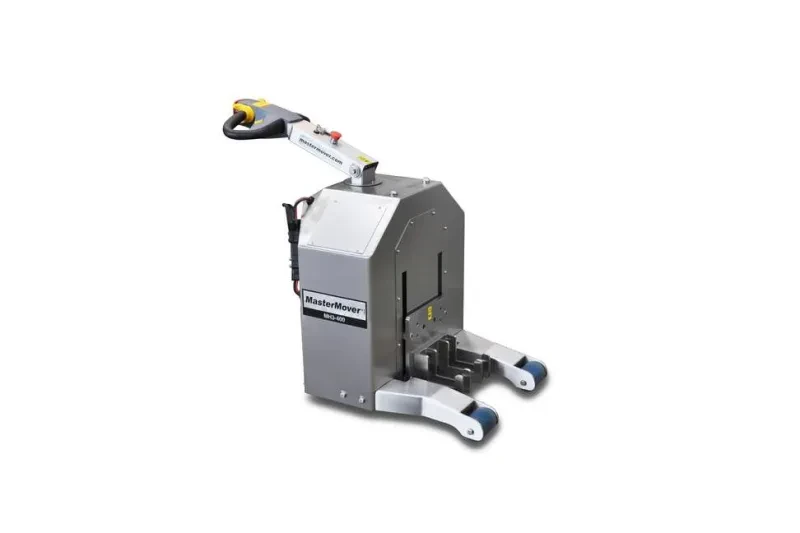
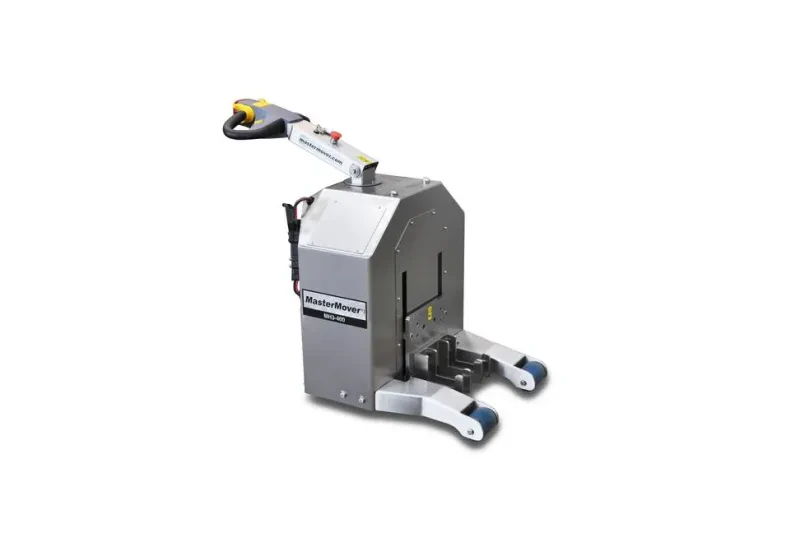
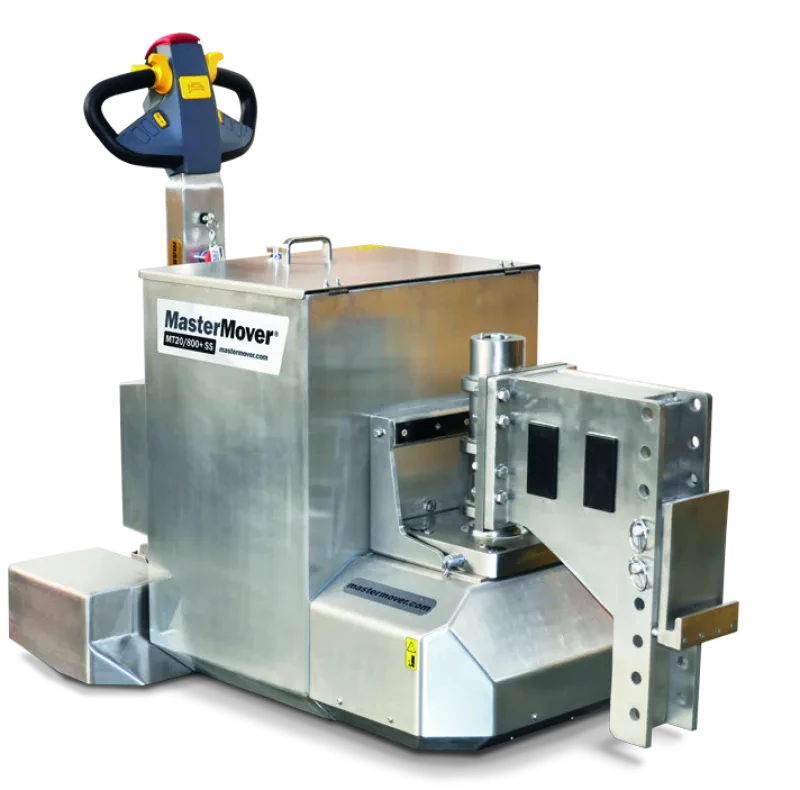
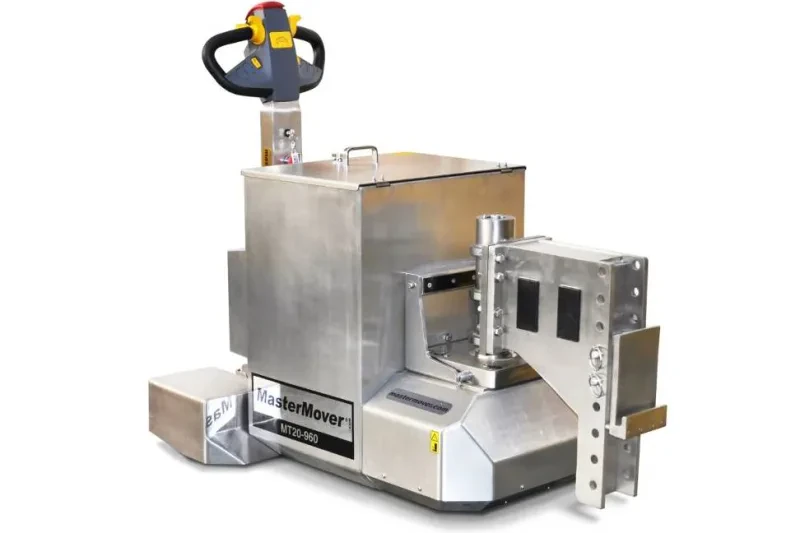
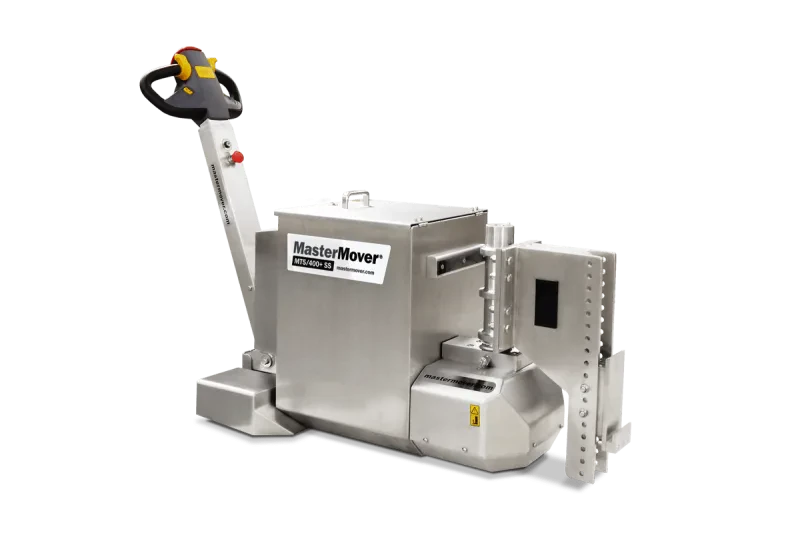
The stainless range is relevant in food, pharmaceutical or hygienic areas where the movement equipment should fit cleaning expectations and the work environment.
Cleaning agents, frequency, moisture, work zone, coupling accessories and the operator procedure all matter. Material is part of the choice, not the only criterion.
Coupling transfers force to the load and influences control during starting, turning and stopping. A poor coupling can make the application slow or awkward even when capacity is correct.
The coupling point, height, load shape, operator access, connection time and the need for an adaptor, clamp, hook or cart modification all need checking.
A route review shortens the technical discussion and reduces the risk of comparing models that do not answer the same application.
With weight, wheels, slope, distance, turns, stops and frequency clear, the quote can include the right family, coupling options, use limits and testing steps with the operators.
Photos of the load, wheels, coupling point, route, floor, thresholds and turning areas help. A short video of the current movement method is even more useful.
Maximum weight, whether cart weight is included, work frequency, distance, slope, obstacles, use environment and what should improve are important: effort, control, time, traffic or stability.
.png)