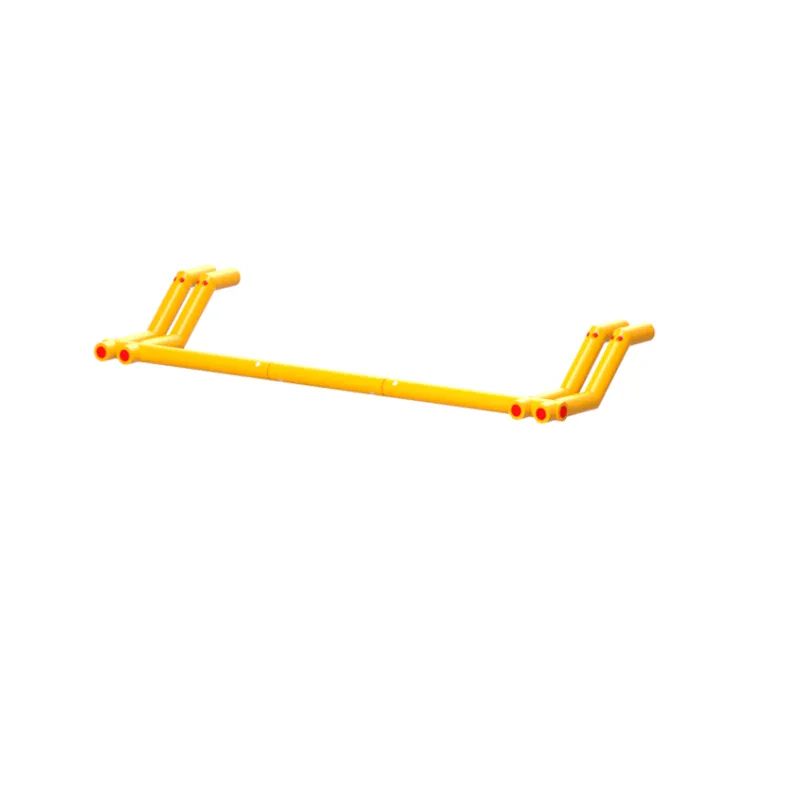
Rack ends and aisle turns
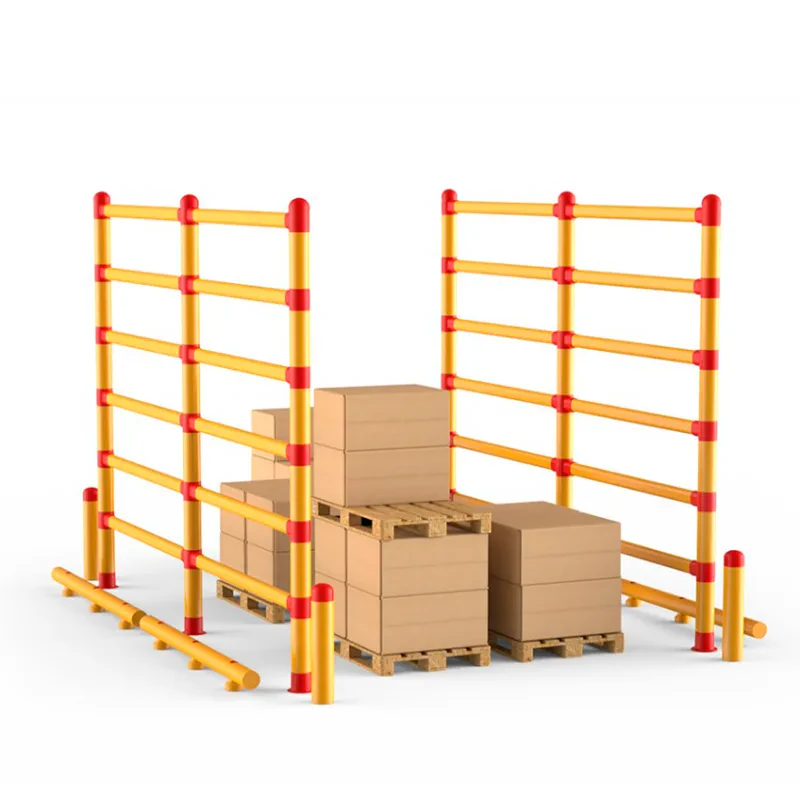
Protect racks and warehouse structures where forklifts turn, align pallets or enter aisles with limited visibility.

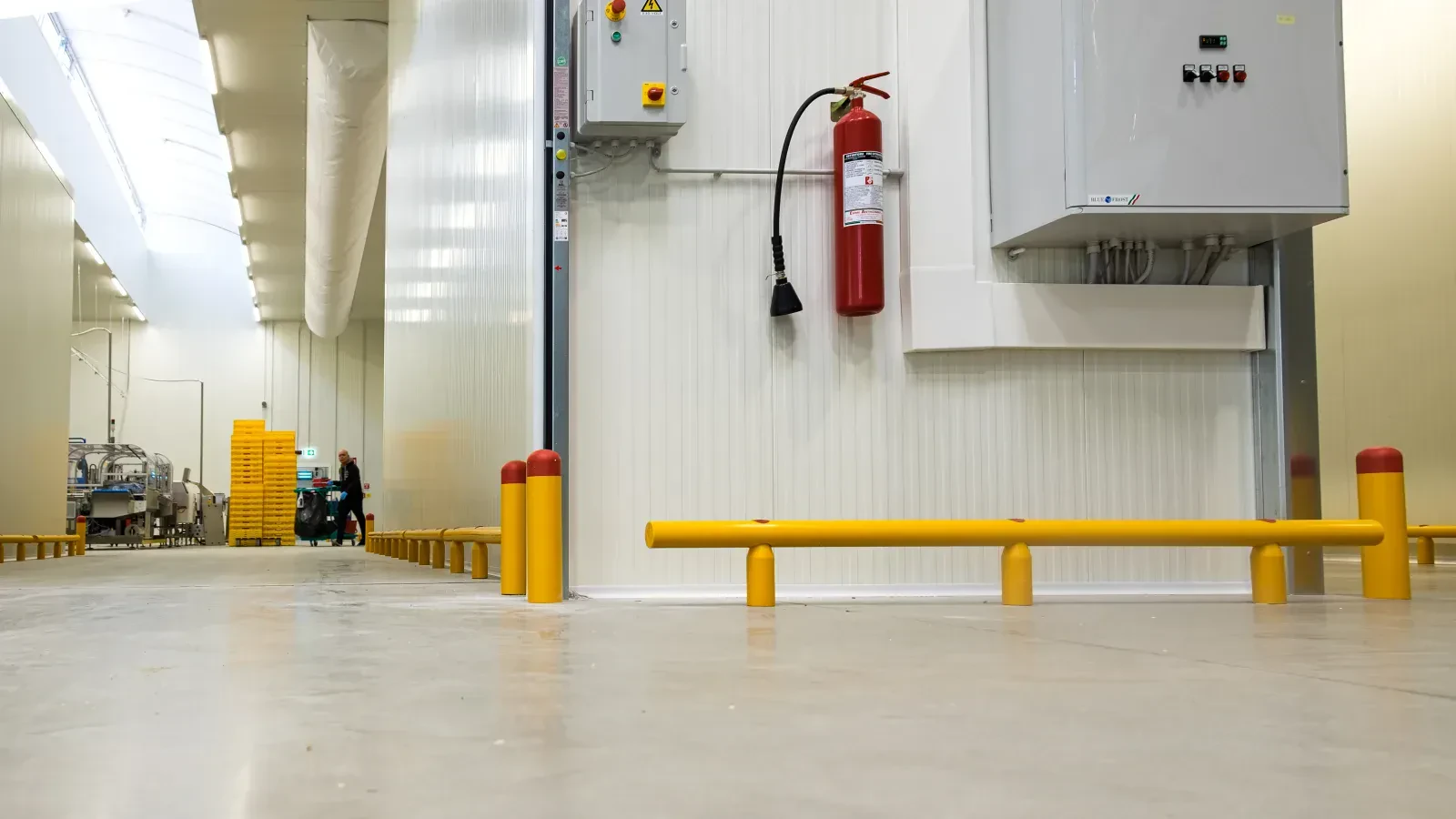
In warehouses, production and loading areas, STOMMPY protects racks, doors, machinery and infrastructure where vehicle traffic can cause damage and downtime.

STOMMPY manufactures industrial impact-protection systems in Italy for infrastructure, equipment and pedestrian routes. Based in Rubiera, the company develops proprietary technologies such as Tecklene and the patented FIXA Block system. Through SEVENSEAS, projects are clarified locally: exposed area, traffic, floor, anchoring, installation, documentation and quotation.
A forklift-hit door, a rack end repaired often, an exposed conveyor or a pedestrian aisle too close to traffic is not solved by any visible barrier. The important questions are what gets hit, why, by which vehicle and what happens when that point fails.
With STOMMPY, the exposed area becomes a protected, guided or properly separated point. Selection may move towards bollards, guardrails, rack protection, wheel guides, dock buffers, wall panels, height restrictors or pedestrian separation, depending on the real impact scenario.
The right protection is not the heaviest, cheapest or most visible option. It is the configuration that controls the real scenario: what is hit, by which vehicle, with which energy, in how much space and with which anchoring.
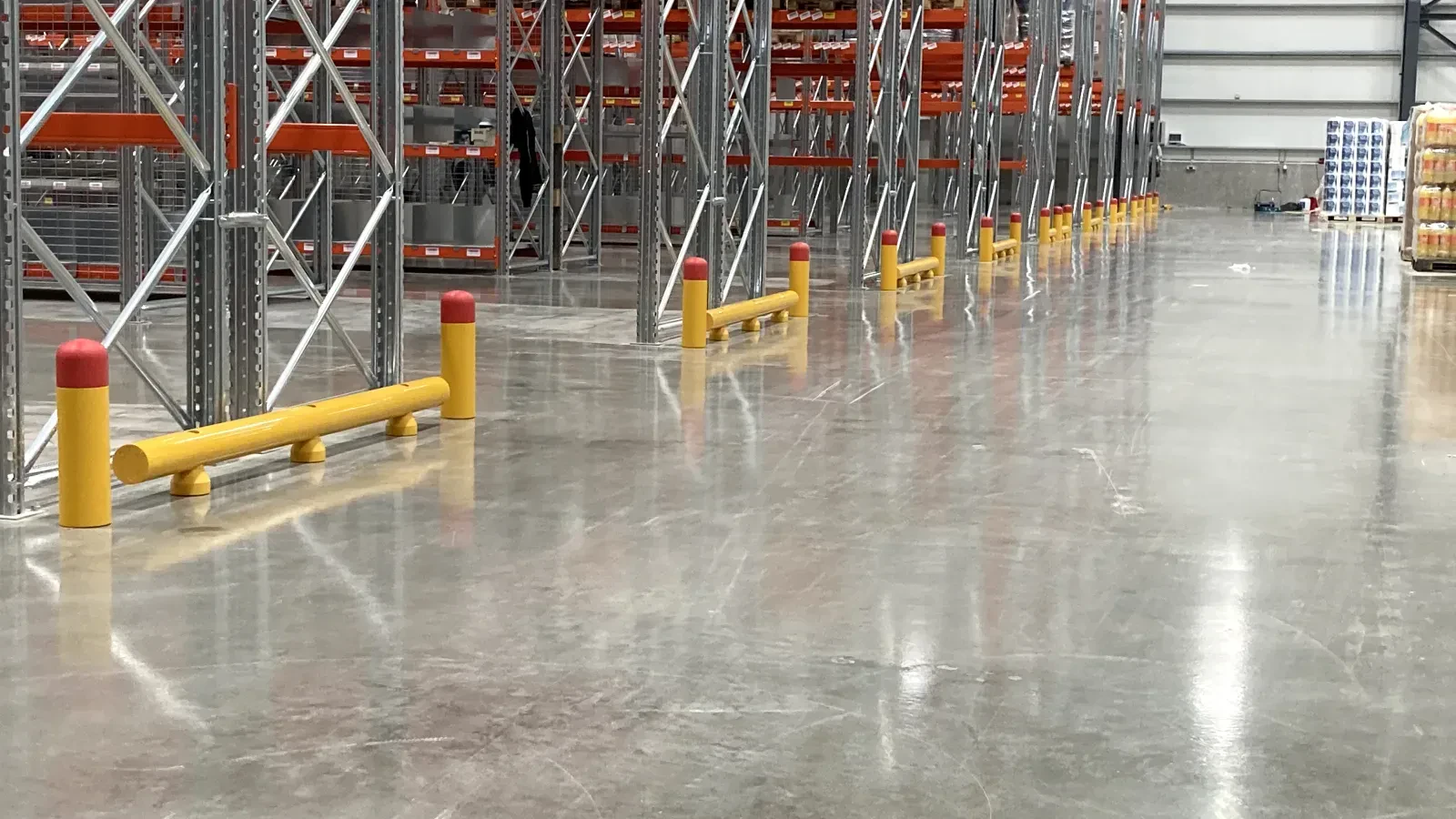
The first criterion is the protected asset: rack, door, column, machine, conveyor, wall, panel, loading bay or pedestrian route. Each exposed point creates a different consequence.
If the result is only a mark on a wall, the direction may differ from an area where impact blocks a door, stops a line, affects a rack or places pedestrians close to forklift traffic.
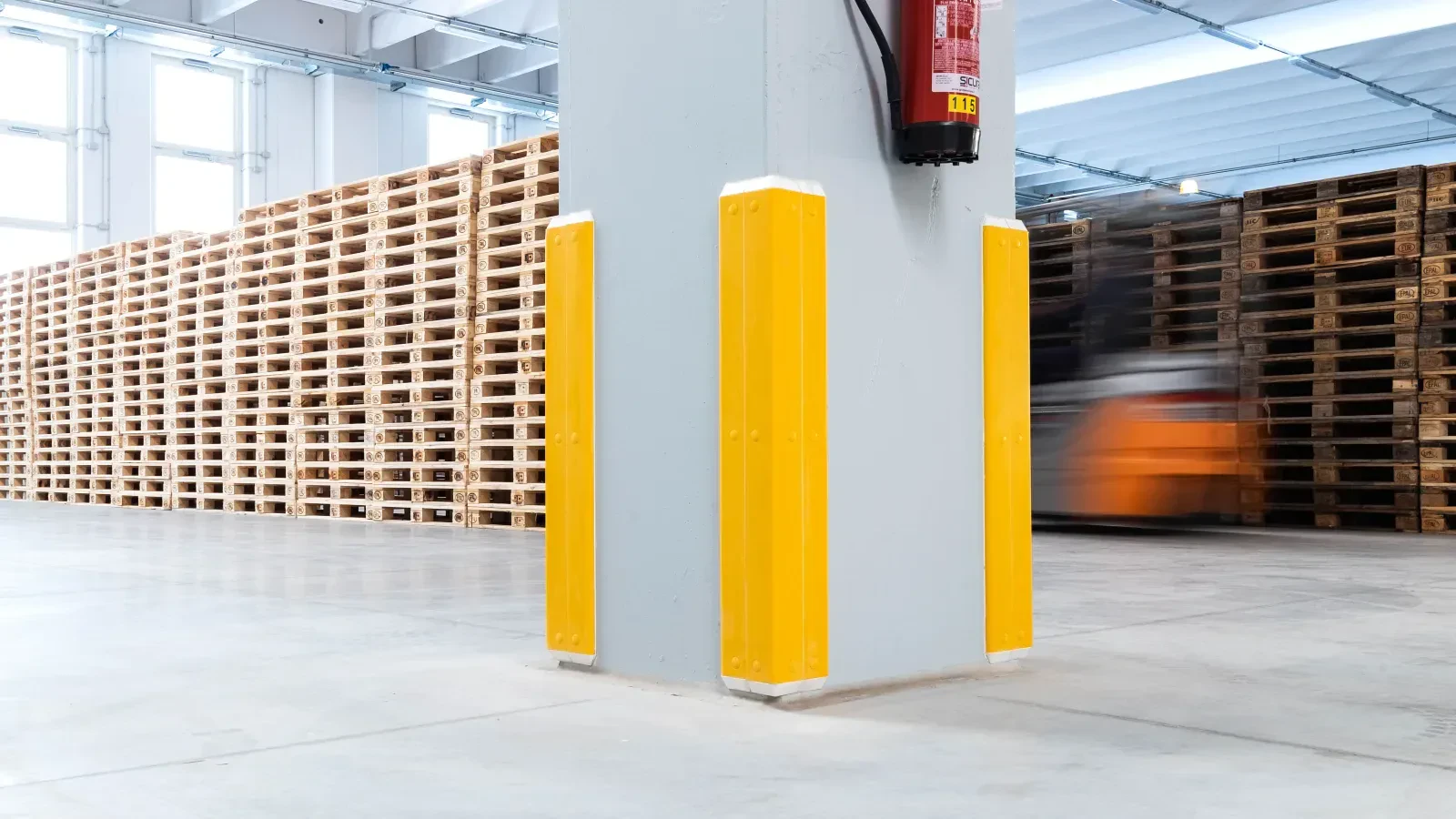
A forklift, pallet truck, tugger, outdoor vehicle or handling machine will not behave the same way. Vehicle weight, carried load, real speed and impact angle change the protection level.
This quickly separates a point protection from a continuous line, a wheel guide from a dock buffer or pedestrian separation from an impact barrier.
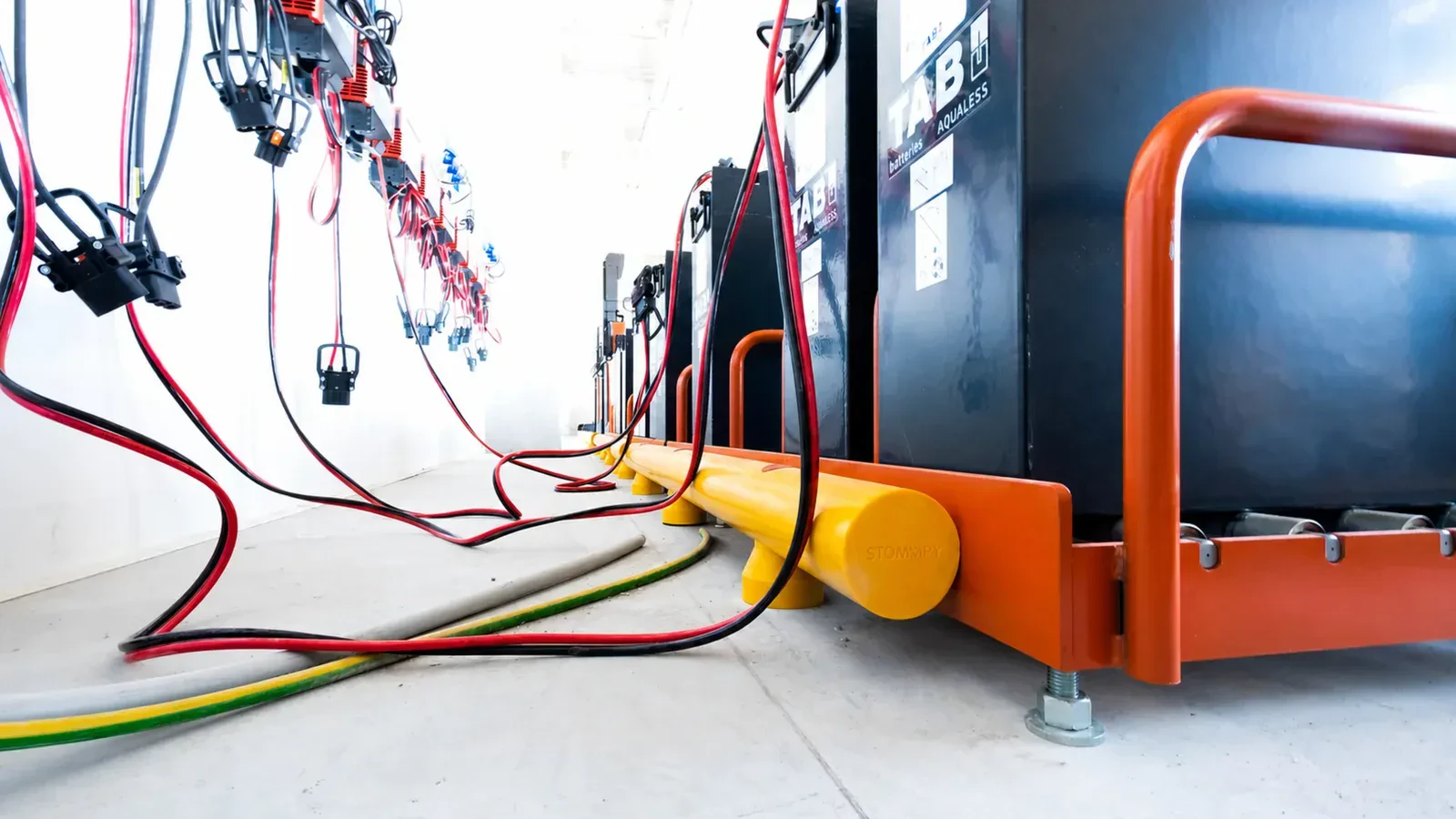
Performance is not only about the product. Floor condition, concrete thickness, anchoring method, distance from the asset and the space in which the protection can work are part of the decision.
If space is tight or anchoring must change from the standard method, the configuration should be reviewed before quotation. This avoids protection that looks right but does not fit the site.
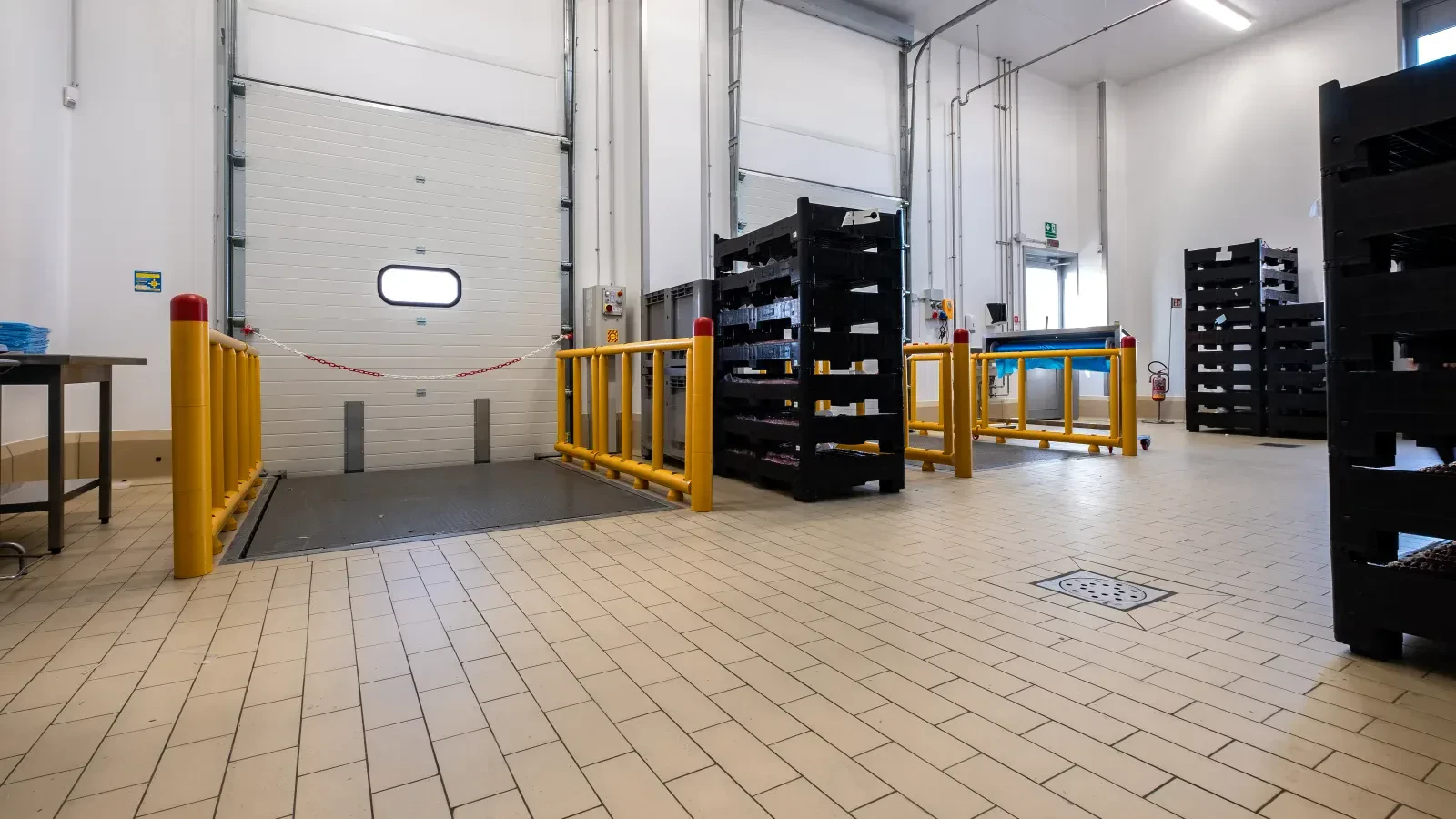
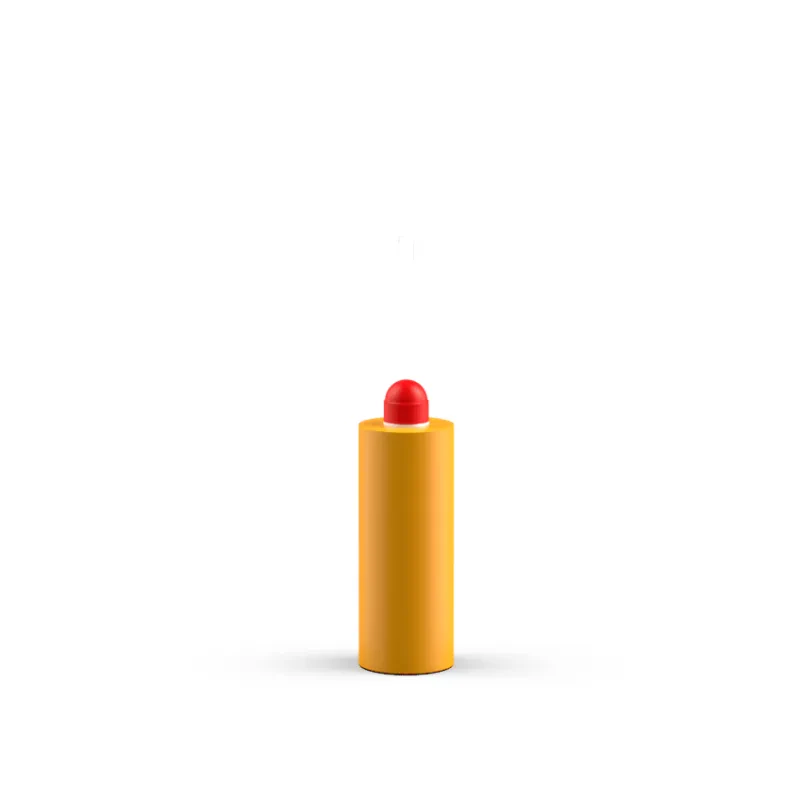
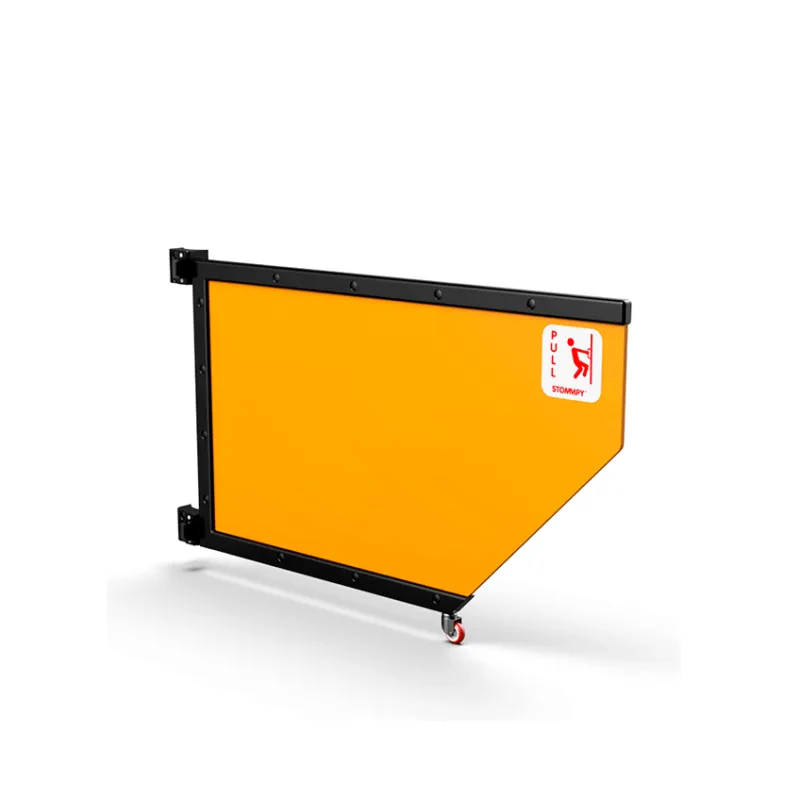
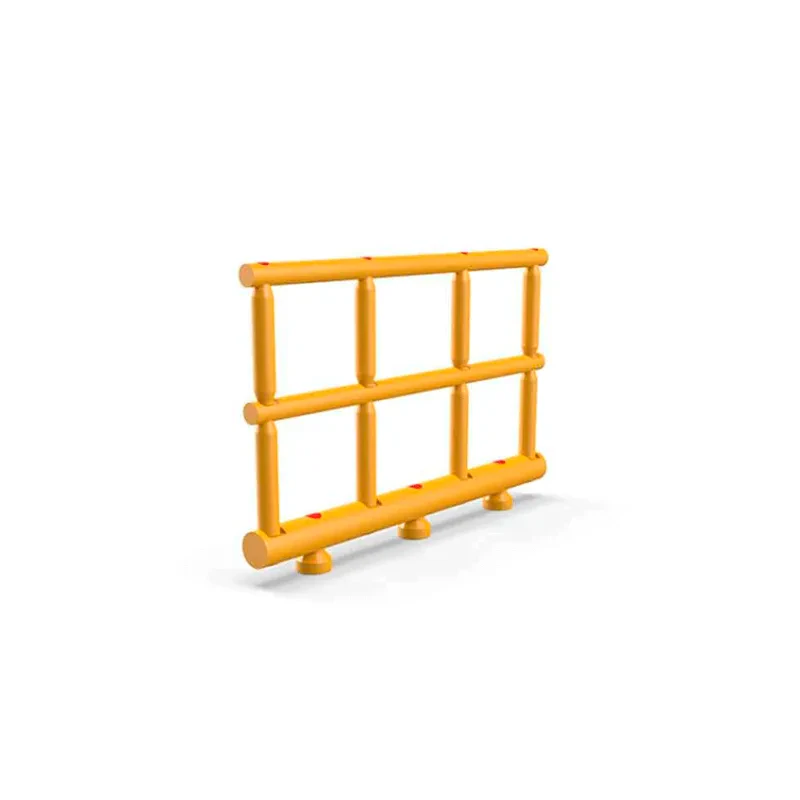
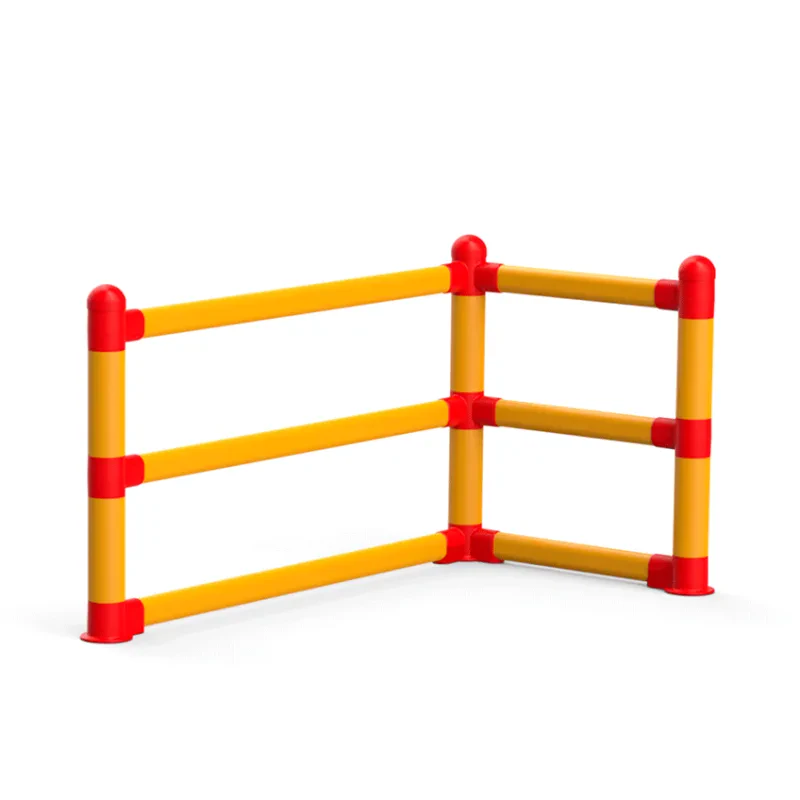
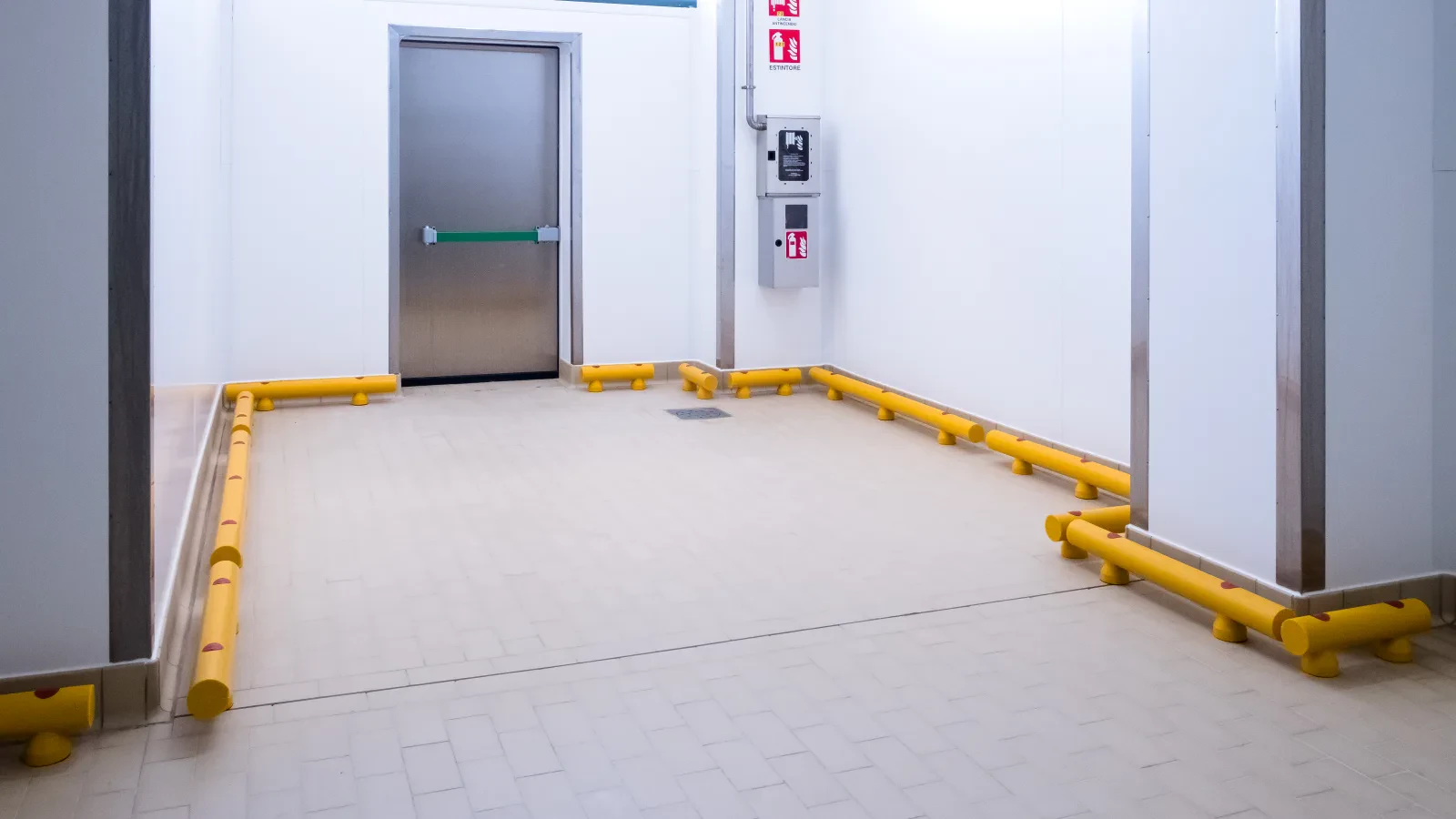
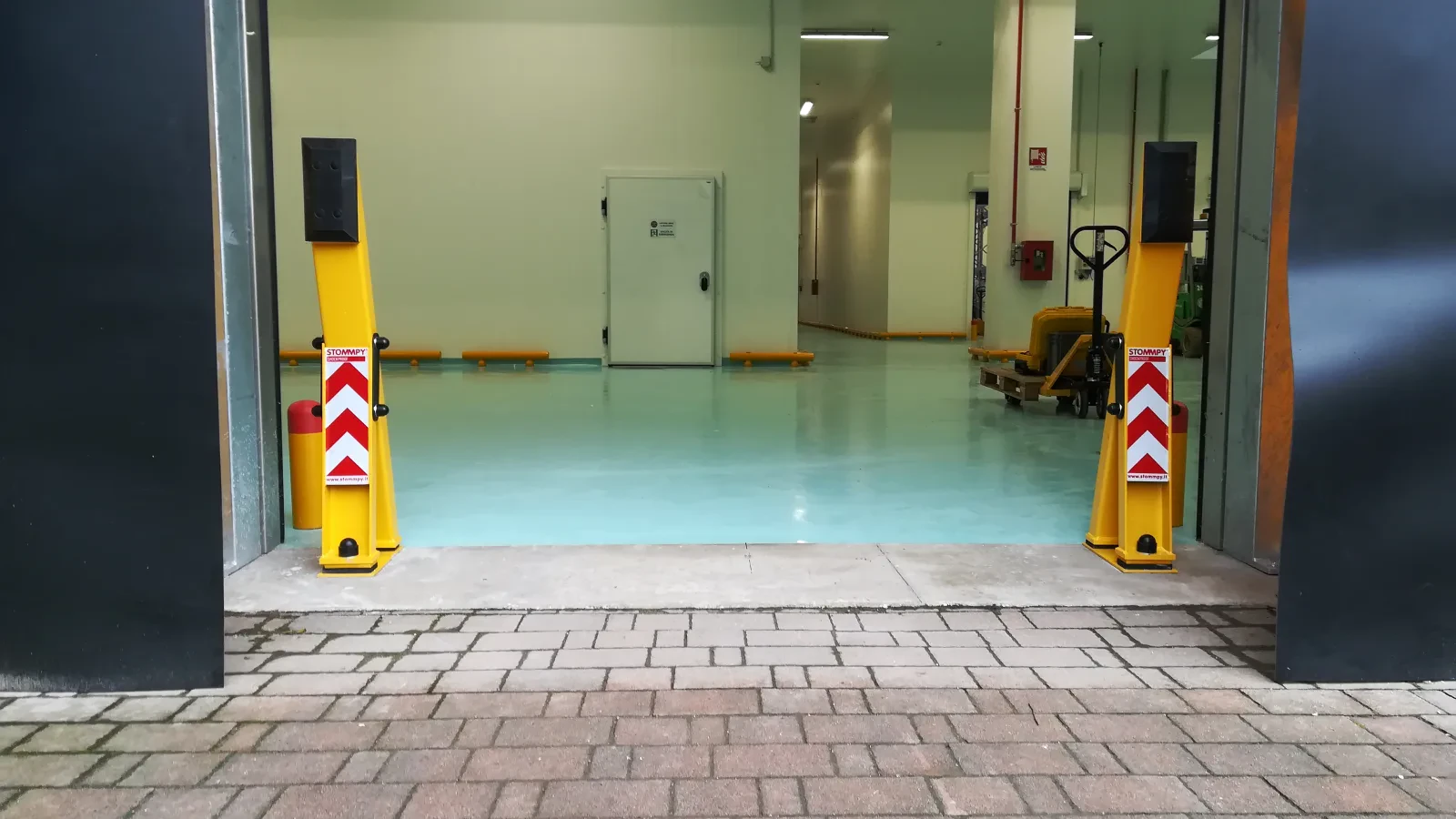
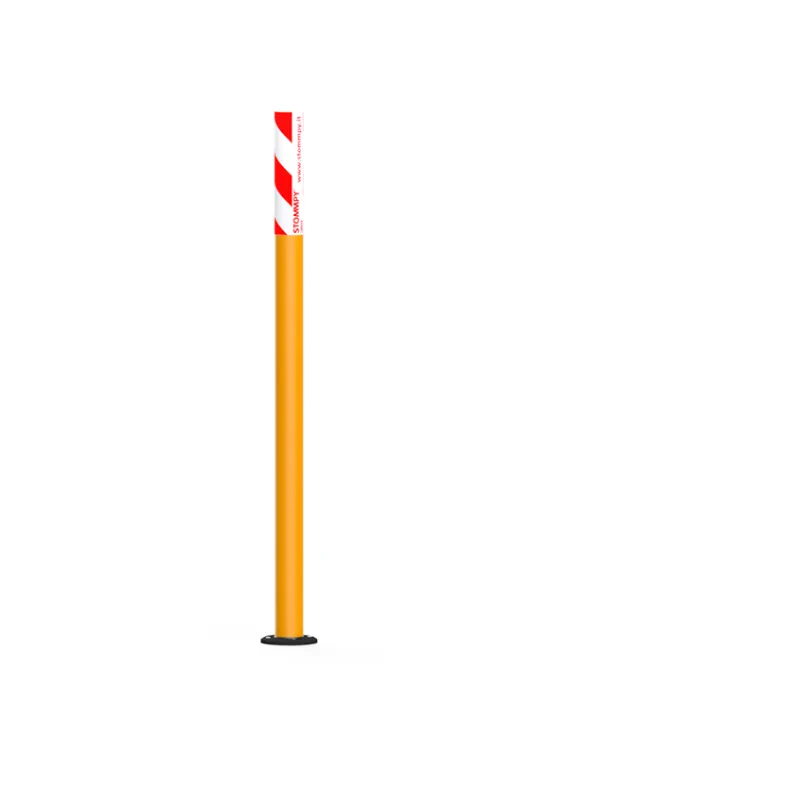
Bollards protect localised points, guardrails keep vehicles away from exposed lengths, wheel guides help alignment, and wall panels protect surfaces and hygiene-sensitive areas.
For people and vehicles, the difference between pedestrian guidance, route separation and impact resistance matters. The right choice keeps the flow usable instead of simply adding obstacles.
Every exposed point looks different inside a facility: rack ends, doors, pedestrian aisles, machinery, loading bays and food areas. Configuration becomes clearer when the area, traffic and manoeuvring space are reviewed together.













Do you have an area where impacts create repairs, downtime or risk for people?

Signals usually appear around the asset: marks on racks, columns, doors or walls, improvised protection, panels replaced often, doors that no longer align well, hit rack ends or pedestrian routes too close to vehicles.
Another signal is the operational cost behind it: repairs, short stops, maintenance interventions, extra cleaning, blocked access or EHS discussions that return to the same area. At that point, protection should be tied to consequence, not to a catalogue.
Two products that look similar can perform differently when vehicle, load, speed, impact angle, floor or working space changes. Diameter and price are visible filters, but they do not describe what happens in a real impact.
A useful comparison starts from the protected area and what should be avoided: a hit rack, blocked door, stopped equipment, exposed pedestrian or damaged wall. Only then should the STOMMPY family, anchoring and protection level be checked.
Impact energy changes significantly with moving mass and real speed at the impact point. An unloaded forklift, a loaded forklift, an electric pallet truck or an outdoor vehicle may point to different directions.
The entry angle, whether the vehicle approaches straight or in a turn, braking near the point, movement frequency and available protection space all matter. These details separate bollard, guardrail, wheel guide and pedestrian separation decisions.
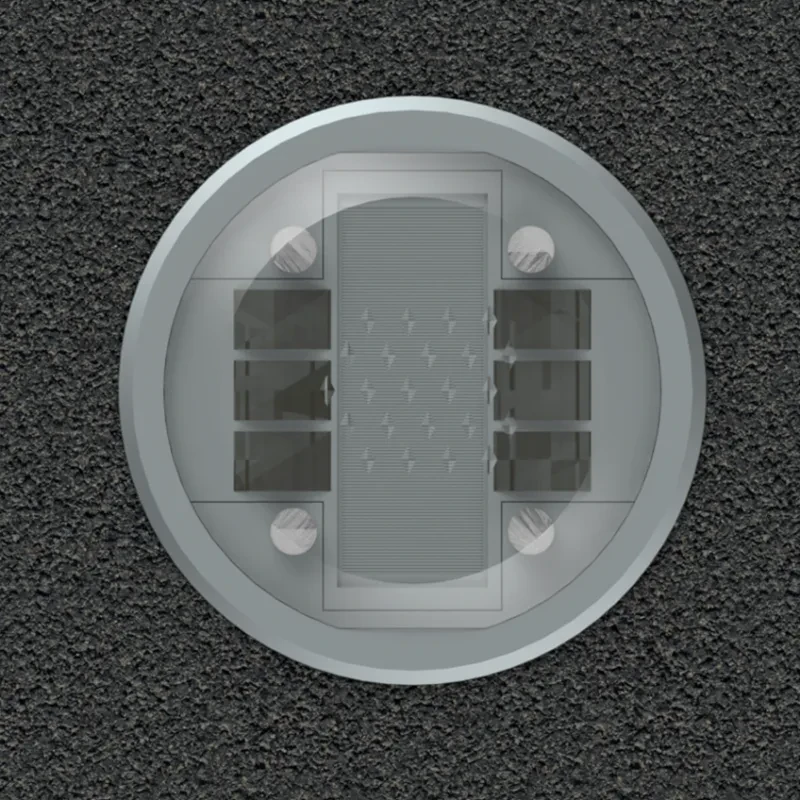
Floor and anchoring are critical in areas with real impact: rack ends, loading bays, doors, machinery, columns and heavy-traffic aisles. The protection works with concrete and fixing, not separately from them.
If concrete is thin, damaged, recently poured, resin-coated or drilling is limited, the configuration should be reviewed before quotation. A changed anchoring method can also change the resistance assumption.
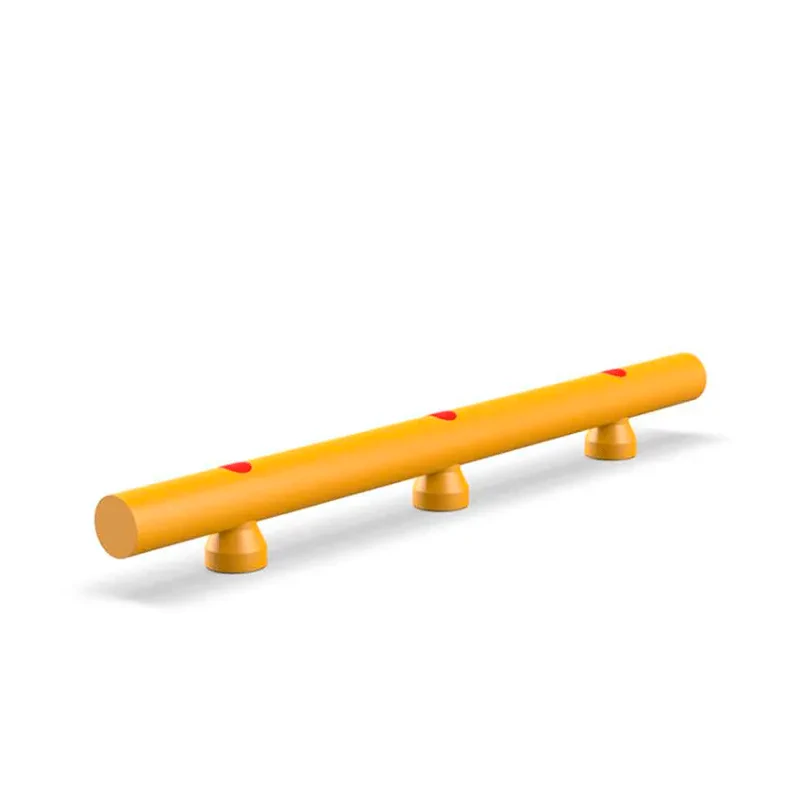
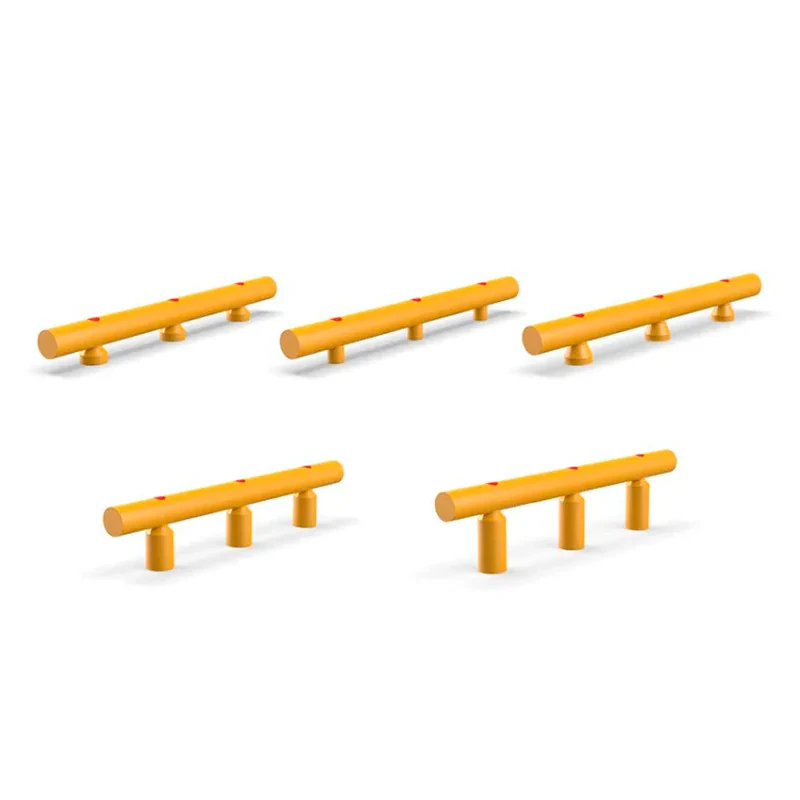
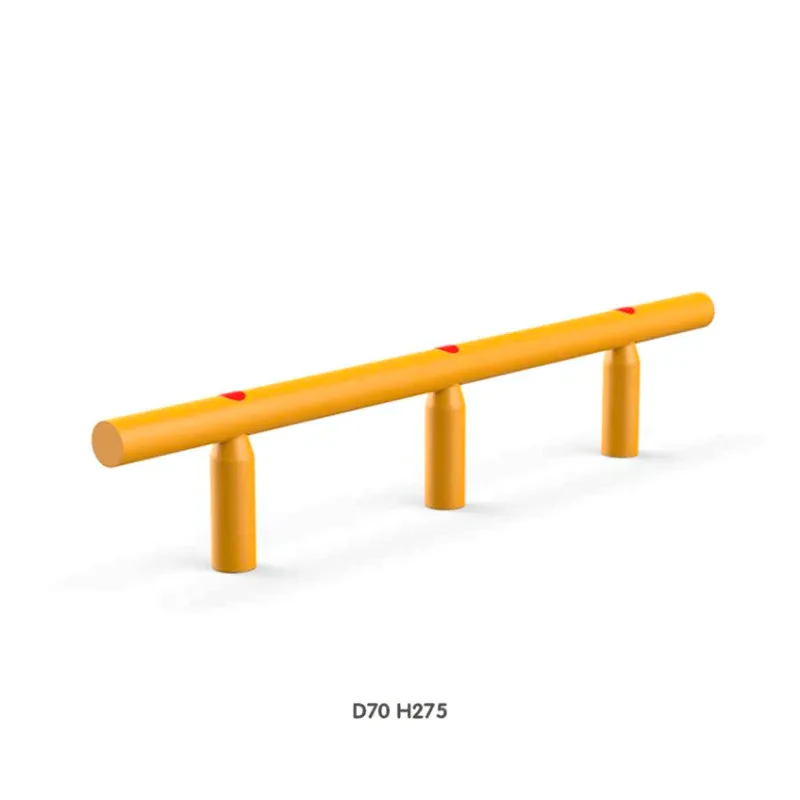
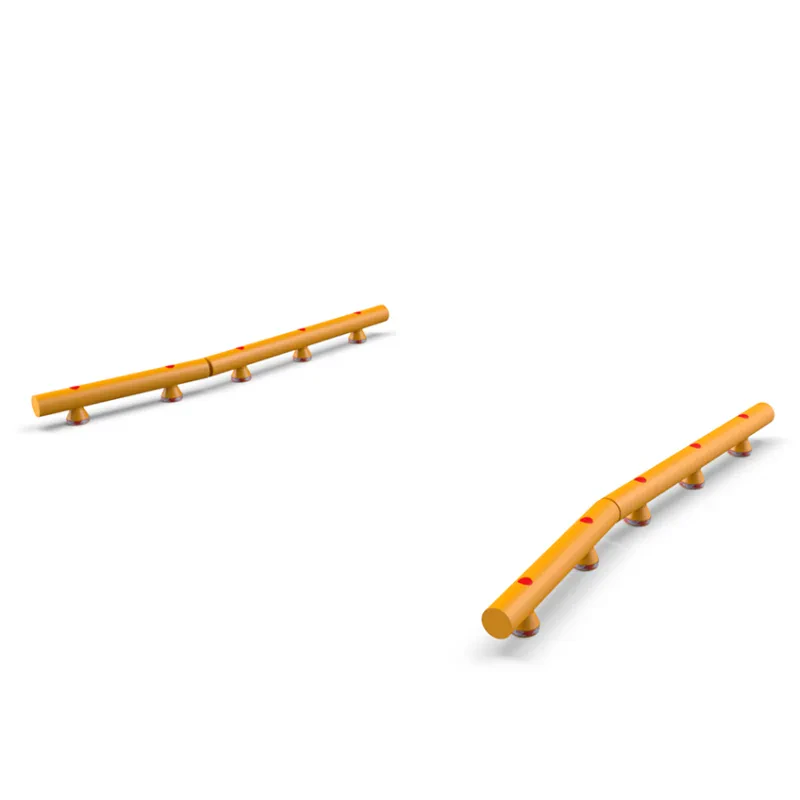
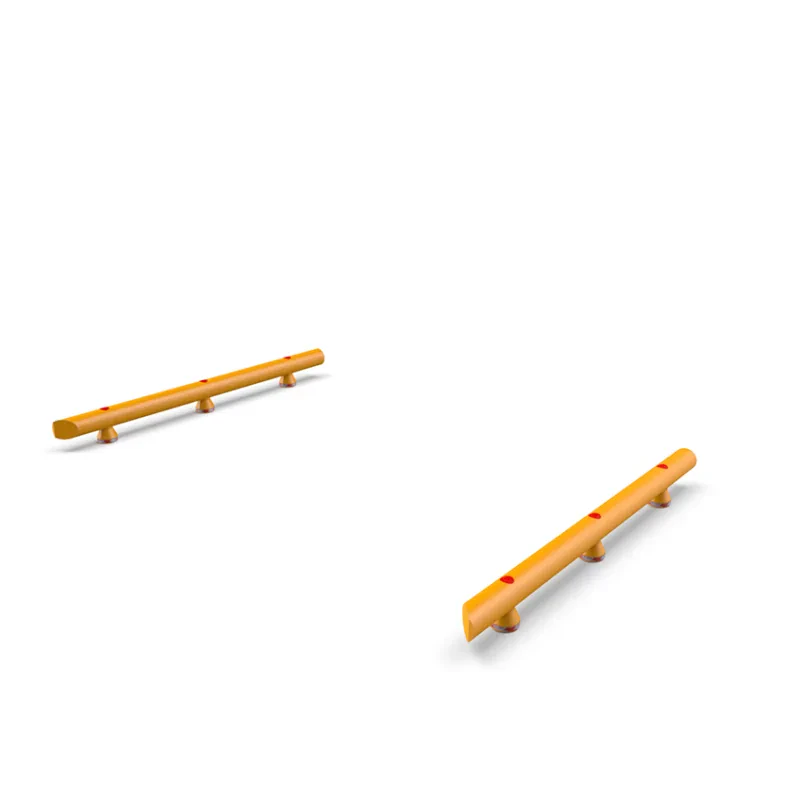
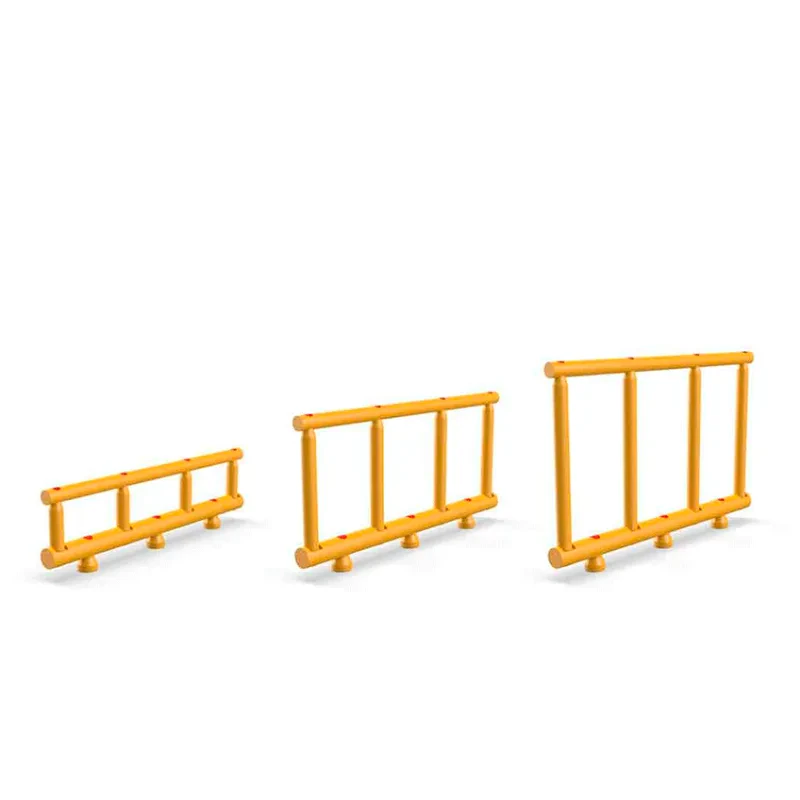
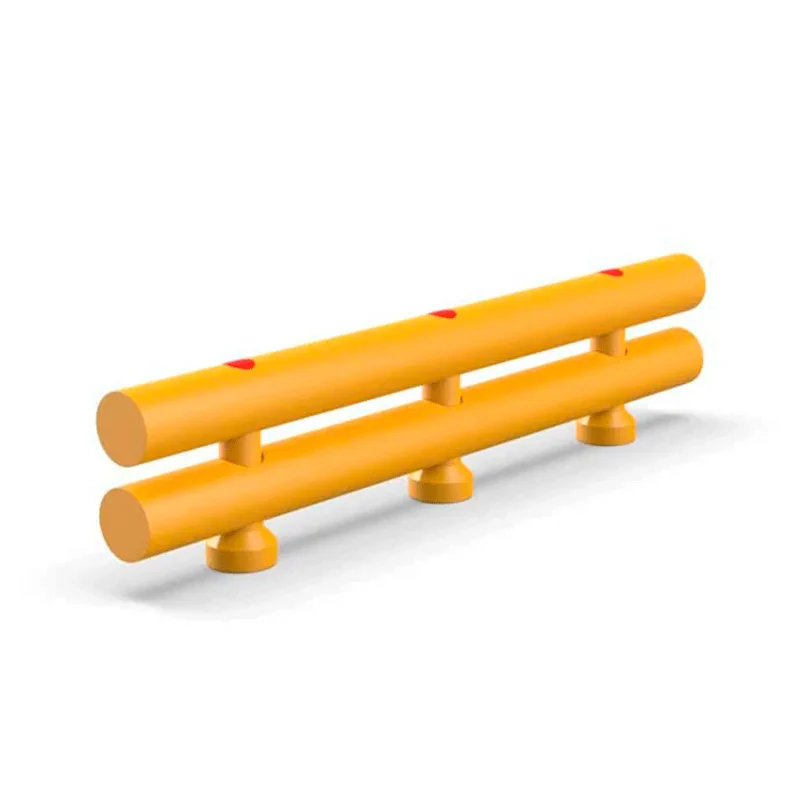
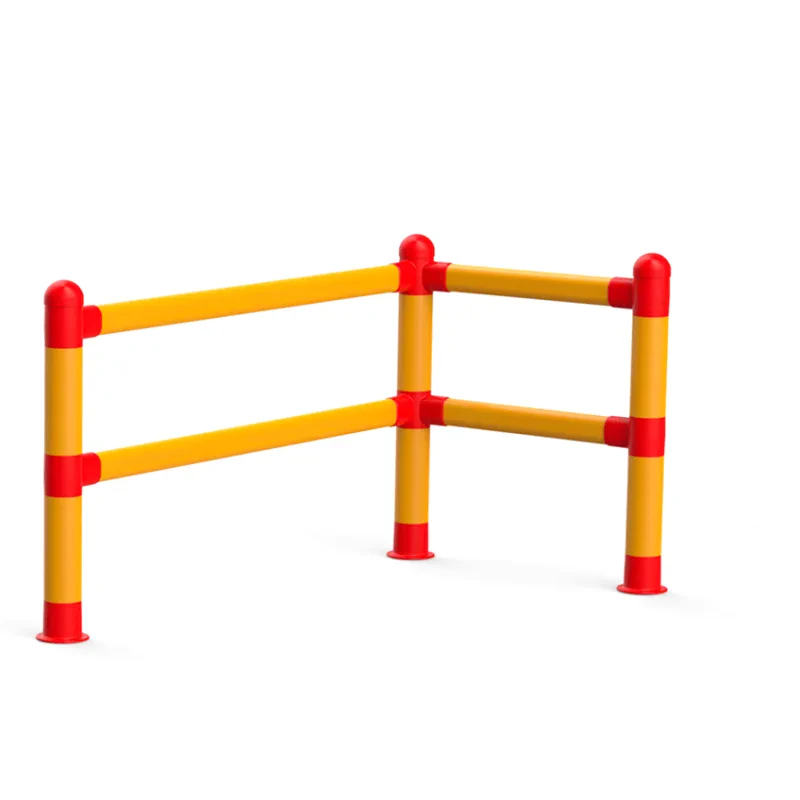
A bollard fits a localised point: corner, door, building column or machine edge. A guardrail fits exposed lengths, rack ends, lines or zones where vehicles should be kept away across a continuous section.
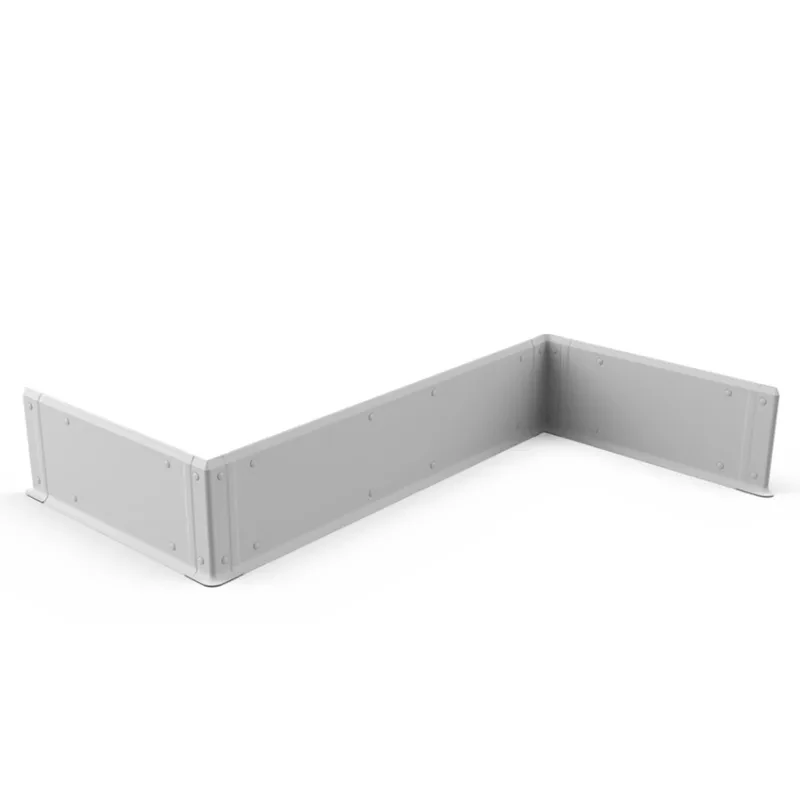
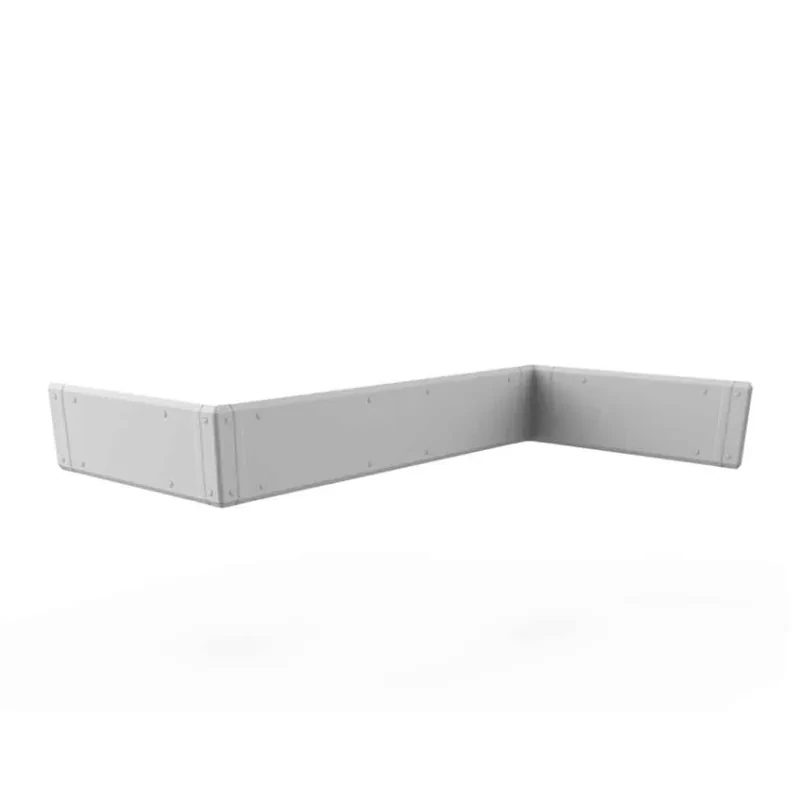
A wheel guide or dock buffer helps when the goal is alignment or controlled contact at loading. Wall guards and panels belong to surface protection, cleaning and local damage, not as an automatic replacement for an impact barrier.
In these areas, material matters for cleaning, compatibility, hygiene and the operator documentation file. STOMMPY has material and component context for these discussions, but selection remains tied to the exact application.
Product family, environment, cleaning agents, washdown frequency, possible contact, protected zone and customer-required documents should be checked together. The impact scenario remains the basis for final fit.
These references make the discussion more technical and easier to justify internally. They help clarify impact energy, working width, severity, traffic route, installation method and the data that should be confirmed.
In practice, standards and sheets do not choose the product by themselves. They help the buyer check whether protection fits the real scenario, floor, anchoring and the operator internal responsibilities.
Photos or video of the area, hit asset, vehicle route, aisle width, obstacles, floor and existing protection help most. If impact marks are visible, they quickly show direction and impact angle.
Vehicle, load, estimated speed, frequency, available space, cleaning requirements and whether the area must stay accessible for maintenance, picking, pedestrians or emergency traffic are also useful.