
Cleaner routes and protected impact points in automotive production
Case study

Cleaner routes and protected impact points in automotive production

In automotive-component production, traffic-borne contamination and exposed impact points need different controls. The route shows where wheels should be cleaned and where infrastructure needs protection.

Industry

Automotive electronics

Location

Industrial site

Number of employees

Industrial site with mixed traffic

For the customer, the project connected route cleanliness with infrastructure safety: the same area needed to stay easier to clean, clearer for traffic and better protected at exposed points.

Where the signal appears in the flow

In automotive electronics, technical cleanliness is also felt on the routes leading into production. Particles can arrive from receiving, warehouse, packaging, wheels, soles, carts and support routes. When the same point is crossed by people and equipment, the customer sees the effect in housekeeping, internal audits, floor marks and recurring conversations between production, facility and quality.

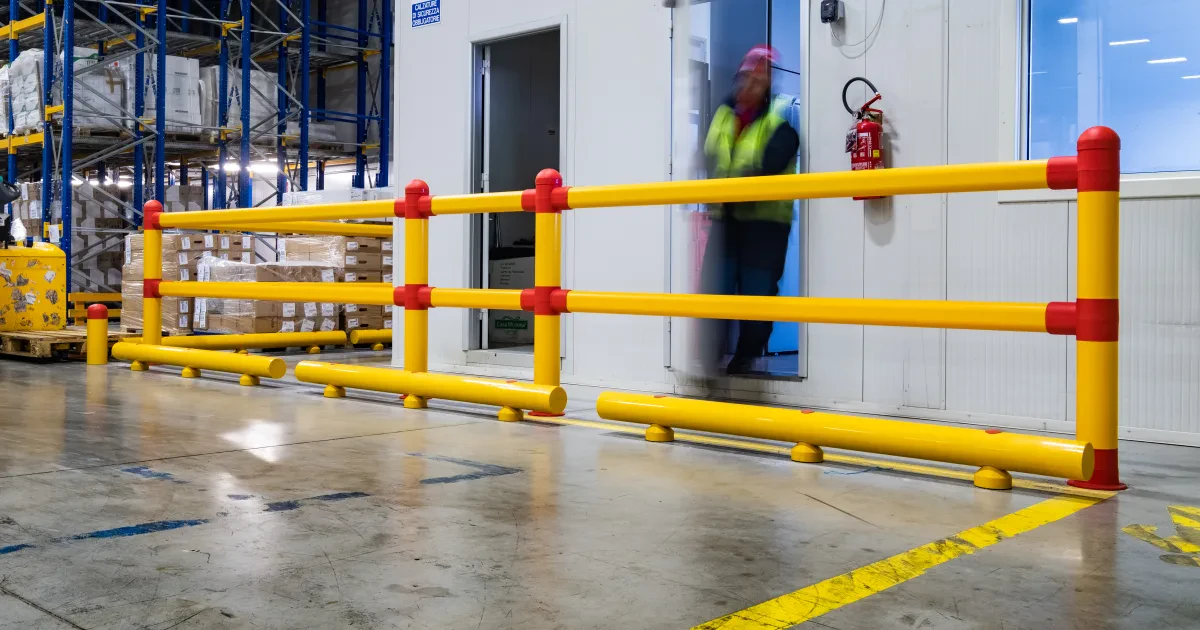
At the same time, logistics routes close to production can expose doors, panels, racks, corners, conveyors or technical stations to impacts. A damaged point is not only a visual mark; it can mean maintenance work, local stoppage, reconfiguration, temporary blocked access or additional risk for people working near the flow.

References such as ISO 16232 and VDA 19.2 help frame questions about particles, environment, logistics, personnel and equipment. Measure selection is checked inside the operator procedure: what is monitored, who cleans, how the control point is maintained and where consistency is needed.

Two themes meeting on the same route

In real applications, contamination control and impact protection rarely appear as completely separate projects. They are often two effects of the same internal traffic.

Particles carried by wheels, soles and carts

Particles carried by wheels, soles and carts

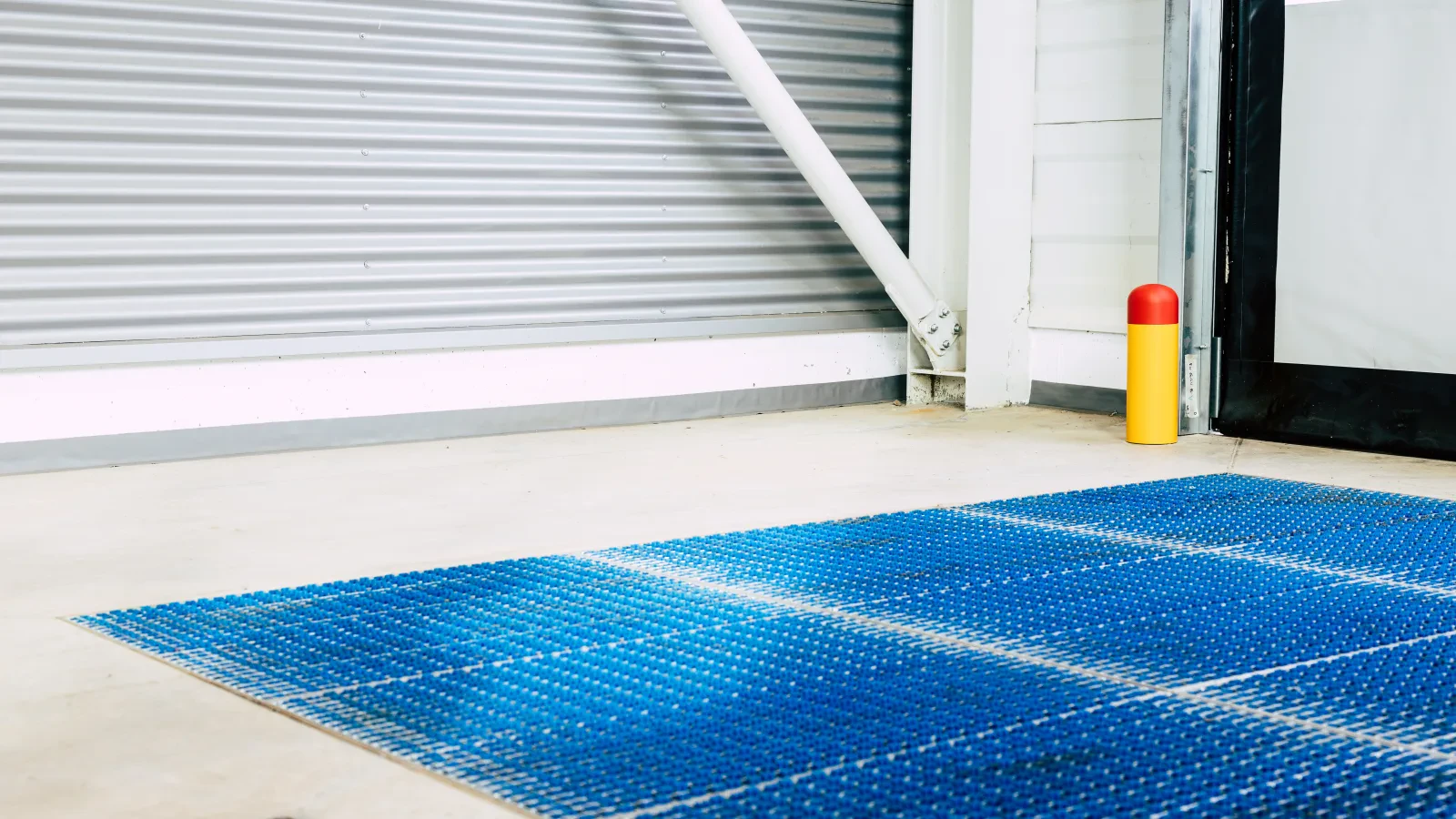
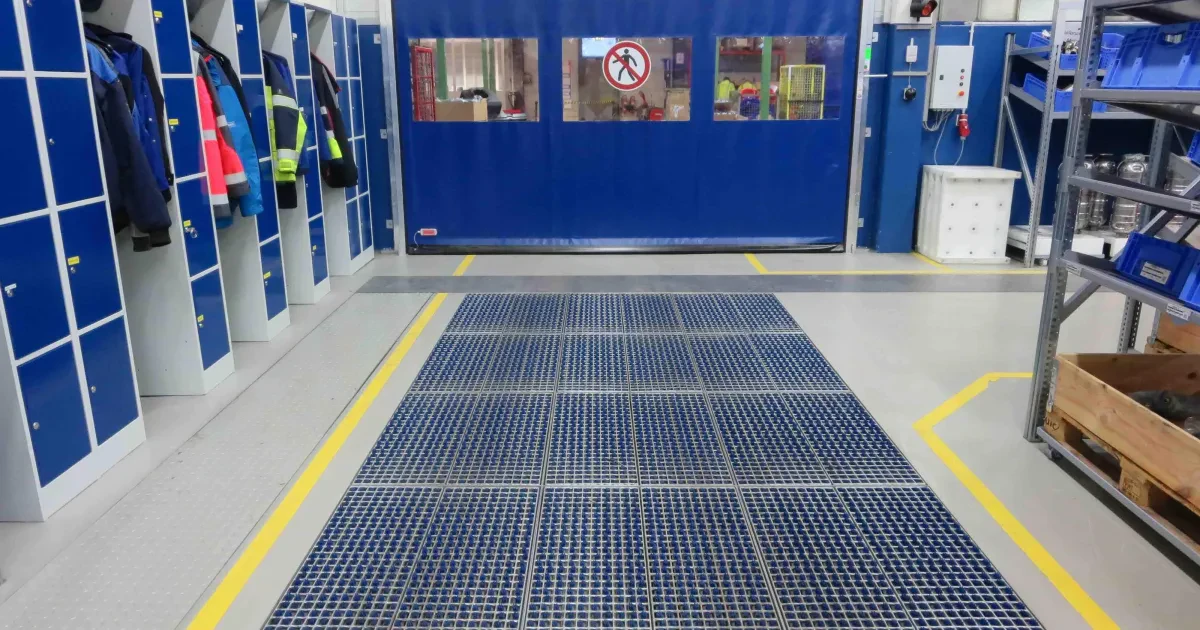
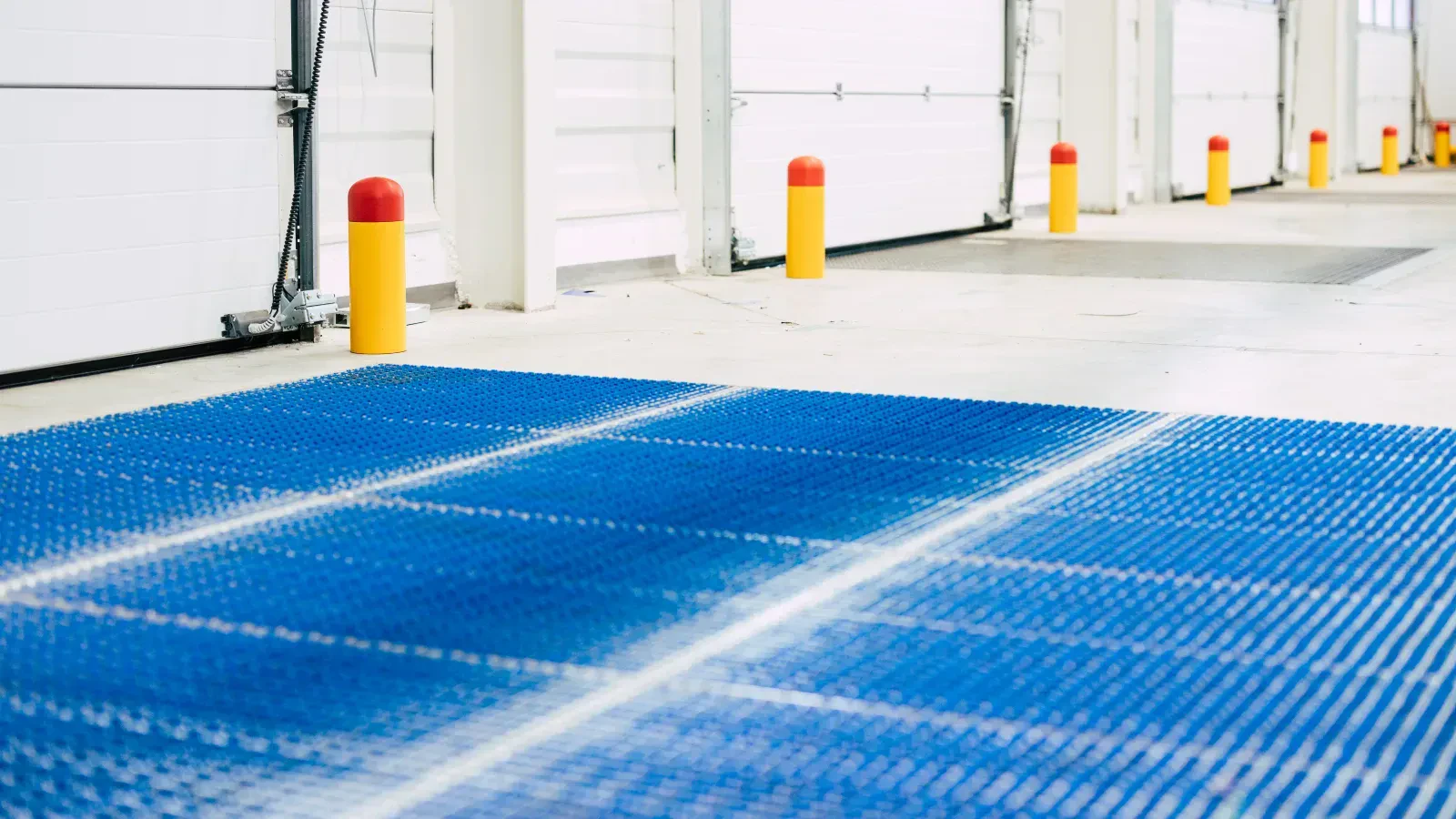
On routes between warehouse and production, different wheels cross the same surface: forklifts, pallet trucks, carts, small wheels and work footwear. If particles move further into a sensitive area, cleaning only after the transfer leaves too much pressure on housekeeping.

The technical direction can include active route cleaning, with ProfilGate-type systems positioned where crossing is natural and difficult to bypass. Fit depends on contamination, frequency, wheel type, contact, space and maintenance routine.
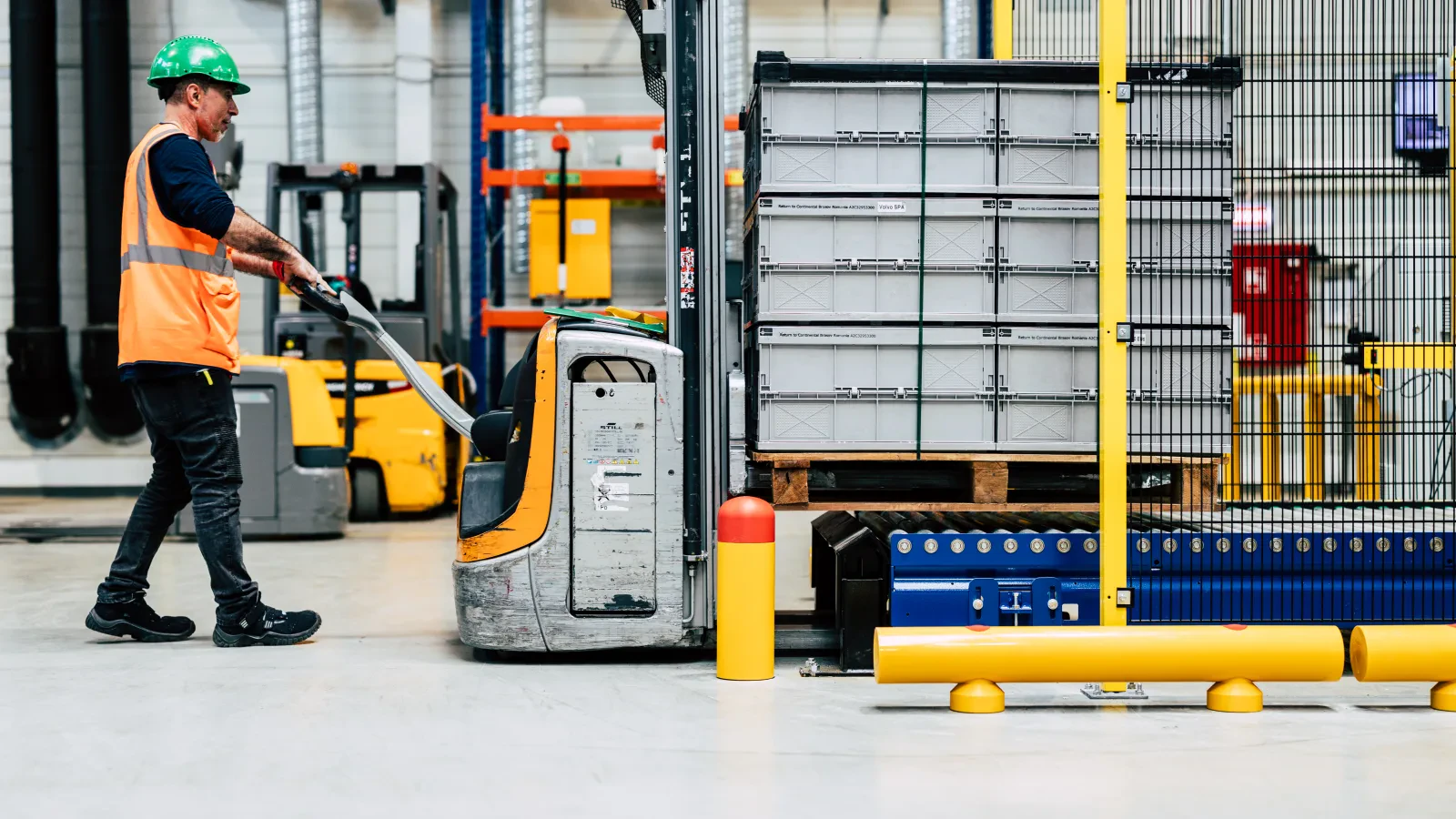
Impact-exposed points in internal logistics

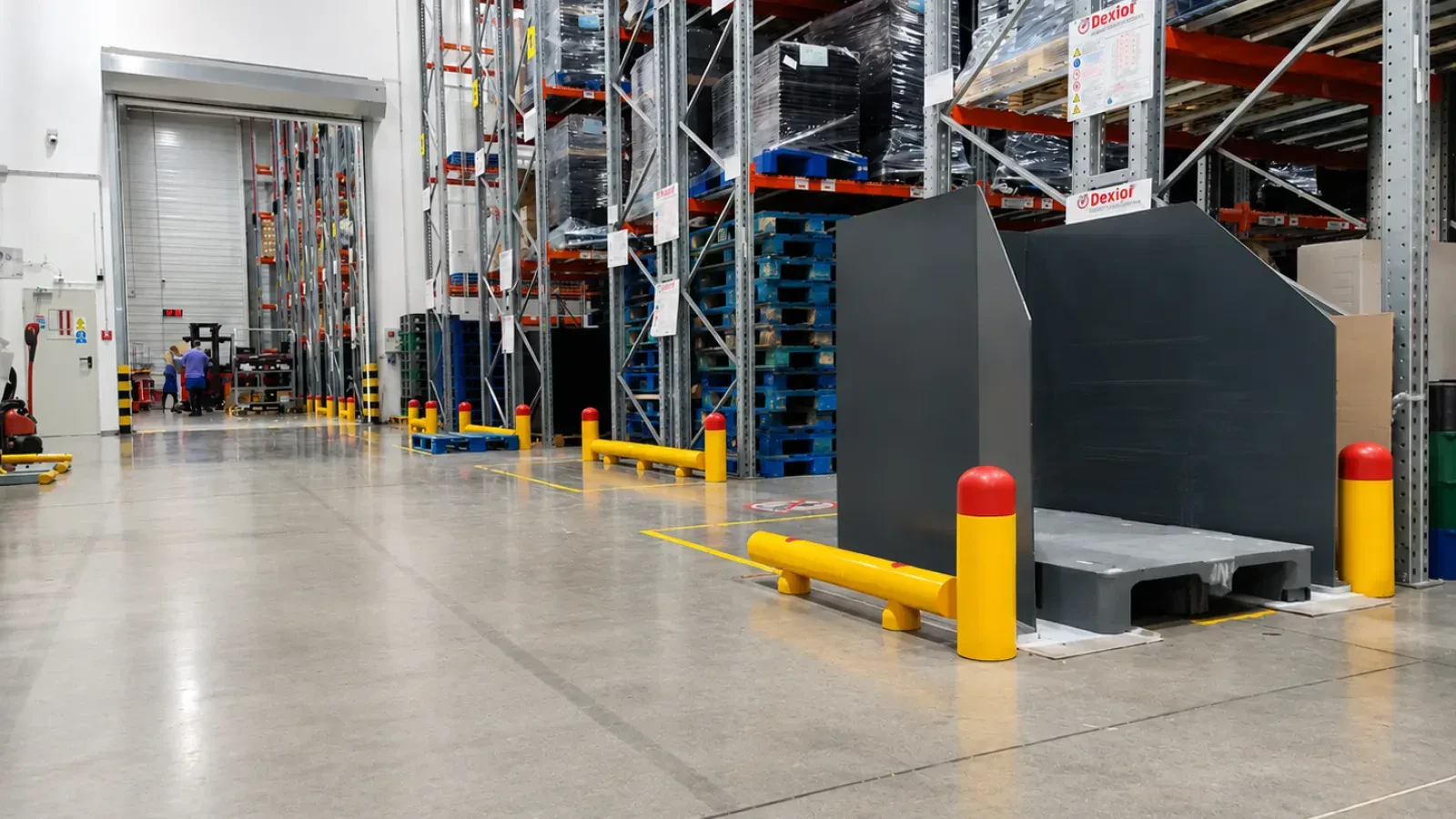
Impact-exposed points in internal logistics

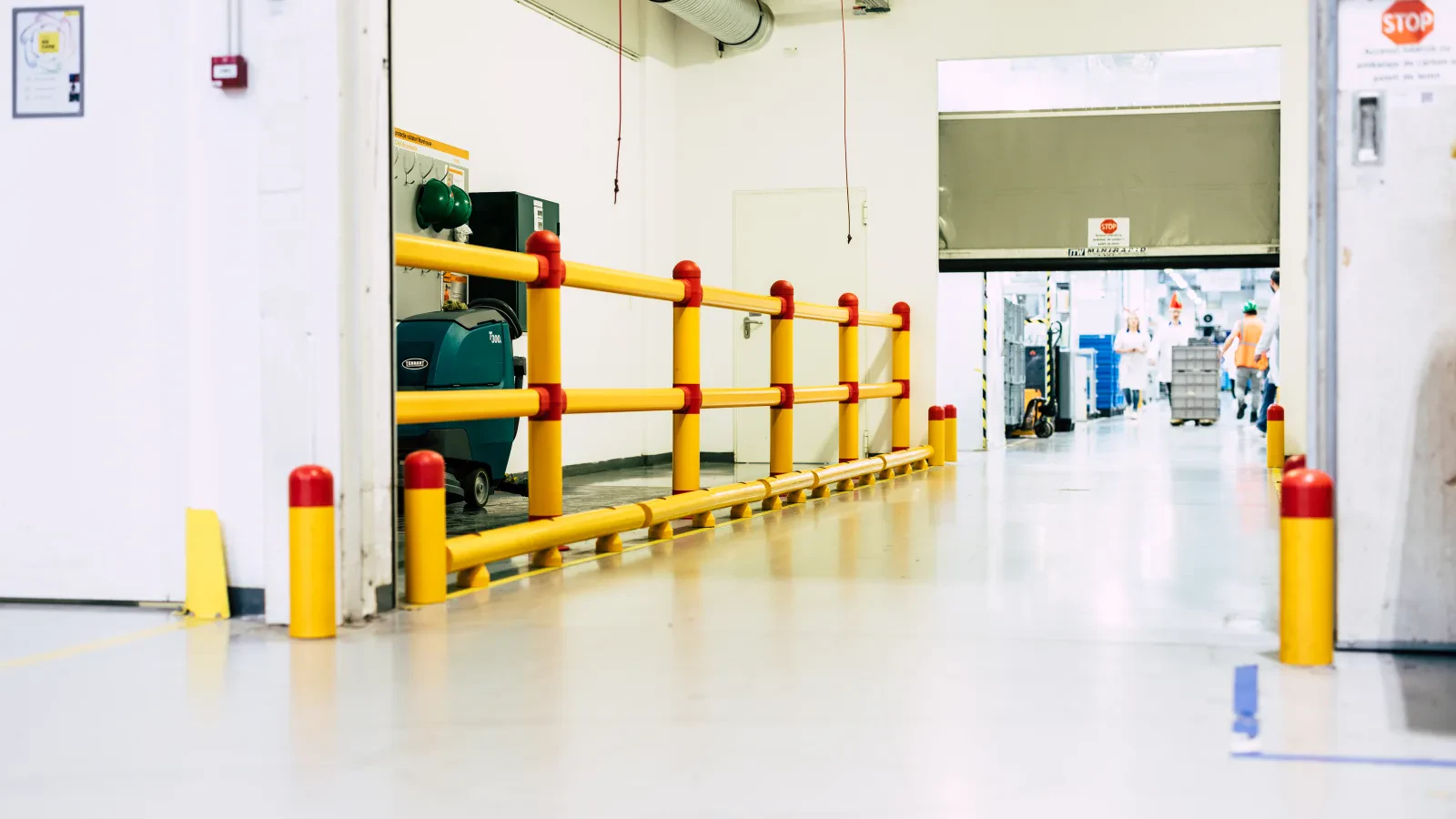
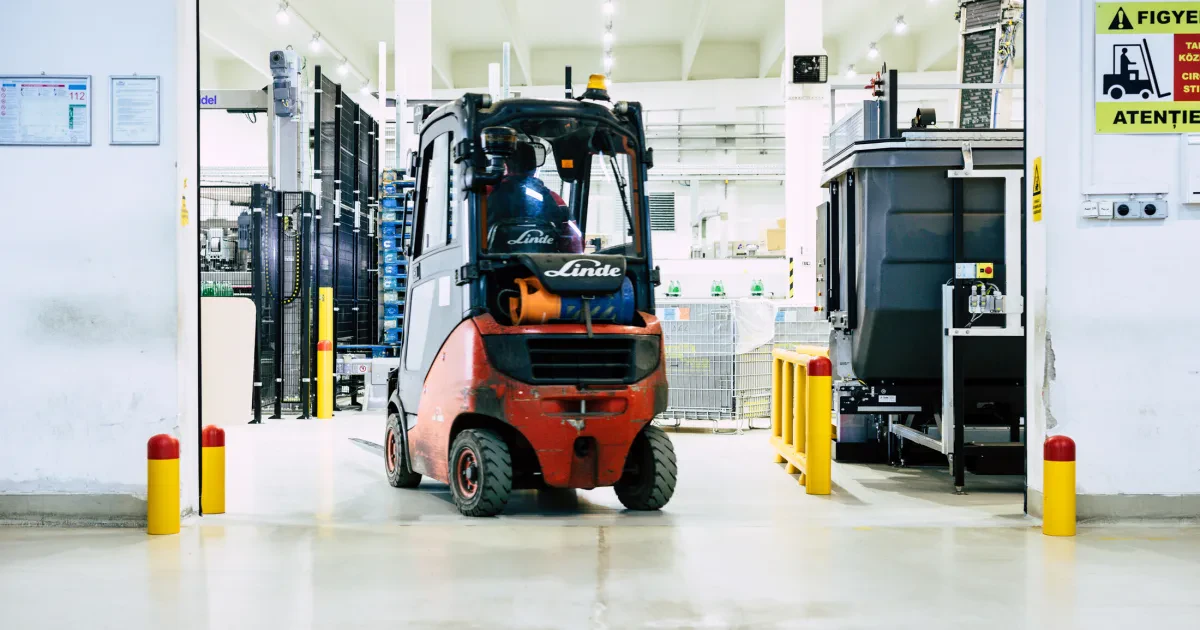
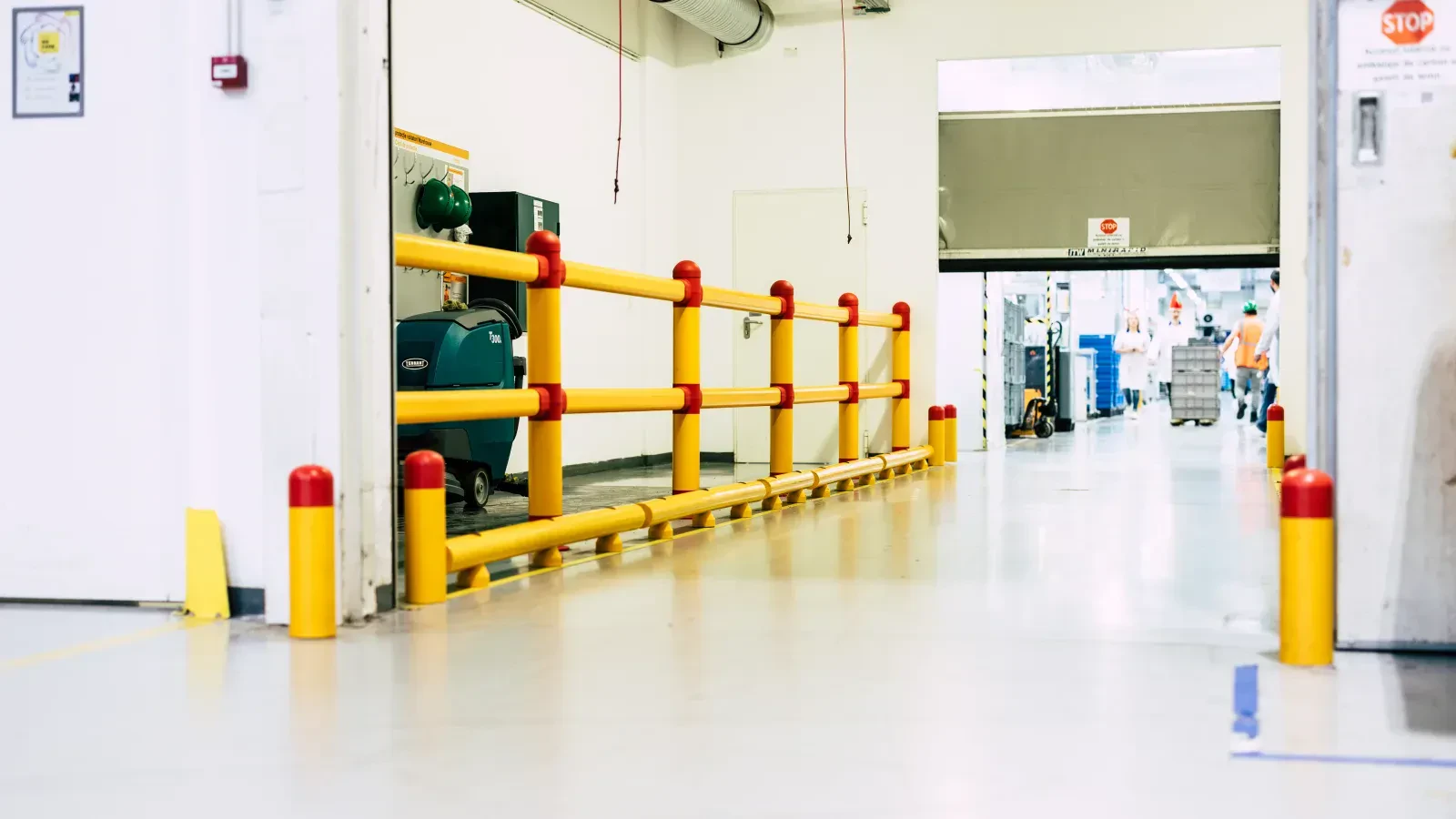
Where mobile equipment moves close to production, vulnerable points become visible: corners, doors, racks, panels, columns, conveyors or line edges. If impacts appear on the same route, protection should be selected against the real scenario, not against a catalogue.

Flexible STOMMPY protection systems become relevant when impact energy needs to be controlled without blocking access or maintenance. Vehicle, mass, speed, angle, deflection space, floor and anchoring all need to be clarified.

How to choose the direction

Good selection starts with the route, not the product name.

For particles, useful questions are: what is transferred, on which wheels or soles, how often, at which point intervention is possible and how the system is cleaned after use. In technical-cleanliness areas, the control point needs to connect to the site monitoring and internal verification routine.

Not every entrance needs the same level of control. Sometimes visible dirt matters most; elsewhere the concern is fine particles, moisture, packaging, carts or bypass behaviour.

For impact, selection starts from impact energy and direction: vehicle, load, speed, angle, height, distance from equipment and what needs protection. Good protection must remain compatible with access, cleaning and area maintenance.

If people and equipment intersect, separation, marking or active warning may also be needed. Physical protection and behaviour control should be decided together against the flow.

What becomes easier to control

The value of the project is not in one installed product, but in making the area easier to read and manage. Production, maintenance, EHS, facility and quality can discuss the same route, each with its own criterion.

  • where particles enter the flow and where they can be reduced before moving further;
  • which points are exposed to impact and which scenario should be considered;
  • how the control point is maintained without creating bypasses or bottlenecks;
  • which observations can be followed after implementation in the internal routine.

Solution types used in the project

Do you have a route where particles and impact should be reviewed together?

+36 30 013 5510

Discuss your plant application

Send a few details about the route, vehicles, wheels, sensitive area and exposed points. We will come back with the right technical questions for a first selection.

Discuss your plant application

Send a few details about the route, vehicles, wheels, sensitive area and exposed points. We will come back with the right technical questions for a first selection.

Useful questions for similar projects

Selection questions for automotive, electronics, ESD, internal logistics and technical-cleanliness areas.

The route should be reviewed when the same area creates observations from several teams: quality sees particles or marks, facility sees extra cleaning, maintenance sees impact points, and EHS sees crowded crossings or difficult-to-control behaviour.

Useful first signals are concrete:

  • particles, dust, wheel marks or moisture after a frequent crossing;
  • doors, panels, racks, columns or line edges hit at the same point;
  • operators bypassing the route because the crossing does not fit the flow;
  • extra cleaning or inspection before production, ESD or quality-control areas.

Active cleaning becomes relevant when wheels, soles or carts can pass naturally through a controlled point without a separate stop and without creating a route people avoid. In these applications, the system works with the existing flow.

For ProfilGate, check real contact with wheels or soles, crossing frequency, contamination type, available space, bypass risk and who maintains the cleaning field.

In automotive production, these references help the team connect particles with environment, logistics, personnel and equipment. Cleanliness classification and compliance remain tied to the operator process and internal verification; route measures should be selected to support that strategy.

In selection, the practical question is where the route can better support existing discipline: control point, maintenance method, observations to follow and internal owner.

Protection is selected by the impact scenario, not by product shape. A post, rail, corner guard or pedestrian barrier may look simple in a catalogue, but in the plant it matters which vehicle hits it, with which load, from which angle and with how much deflection space.

For STOMMPY review, useful data includes:

  • vehicle or mobile equipment: pallet truck, forklift, AGV, cart or tugger train;
  • mass, estimated speed, impact direction and contact height;
  • what needs protection: door, equipment, panel, rack, corner, pedestrian route or technical station;
  • floor, anchoring, working space and maintenance access.

A complete technical brief is not needed for the first orientation. A compact set of information is enough to show how the area actually works.

  • photos from both directions of the route and the damaged or dirty points;
  • a simple sketch with receiving, warehouse, production, sensitive area and return route;
  • wheel, sole, cart, forklift or pallet-truck types crossing the point;
  • approximate crossing frequency and moments when the area becomes crowded;
  • internal requirements: quality, EHS, maintenance, housekeeping, audit or controlled-area access.

After implementation, the customer should not only check whether the product looks good installed. The area should become easier to manage: the route is used naturally, cleaning ownership is clear, protection does not block work and teams know which observations to follow.

  • fewer visible marks or particles after the control point;
  • fewer impacts in the same exposed points;
  • clearer cleaning and maintenance routines for the responsible team;
  • fewer unclear discussions between production, maintenance, EHS and facility about the same area.
Sending…