BRCGS, IFS and HACCP: how to review wheel and sole traffic in food production
Standards and verification

BRCGS, IFS and HACCP: how to review wheel and sole traffic in food production

In food production, standards and audits examine how access into a sensitive area stays under control. What enters, which route it follows and how it is checked all matter.

Standards show where better questions are needed

BRCGS, IFS and HACCP help food sites connect relevant risks with controlled routes, hygiene boundaries and verification responsibilities.

Where traffic crosses between outside, warehouse, low-care, high-care, open production, packaging or washdown areas, the real movement should be reviewed. Sometimes dry mechanical cleaning is enough; sometimes a wet process with liquid, drainage, dosing, ownership and internal verification is needed.

What appears on the route before choosing a measure

Before product selection, clarify the mechanism: particles, visible dirt, moisture, microbiology, mixed traffic or a hygiene procedure that needs documentation.

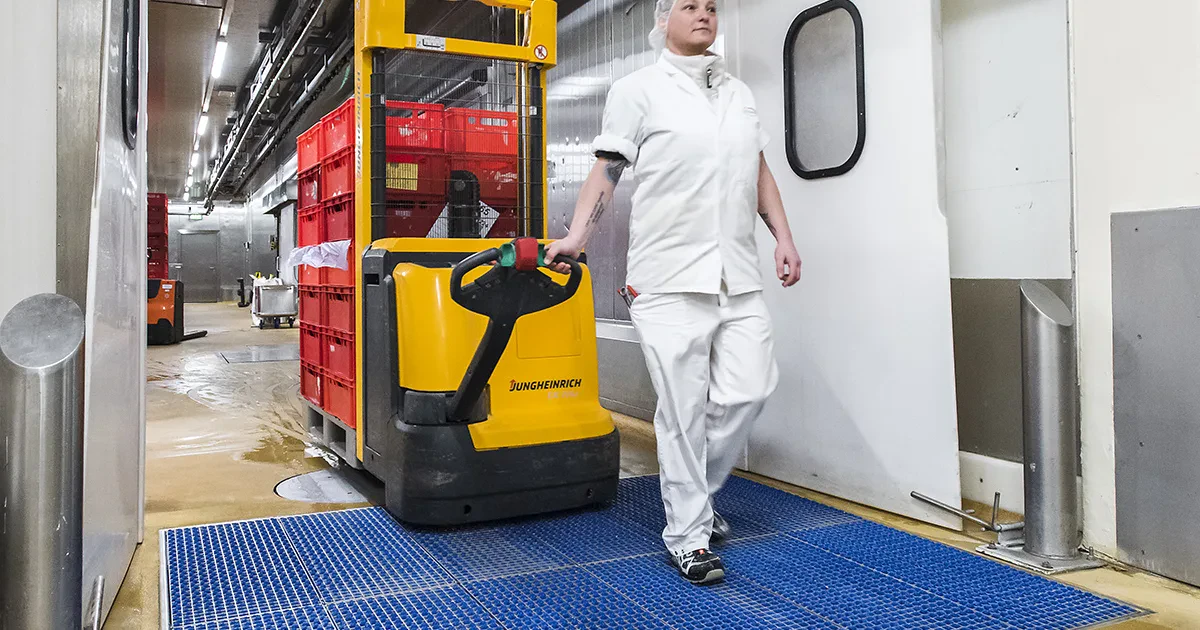
Wheels, casters and carts crossing between zones

Wheels, casters and carts crossing between zones

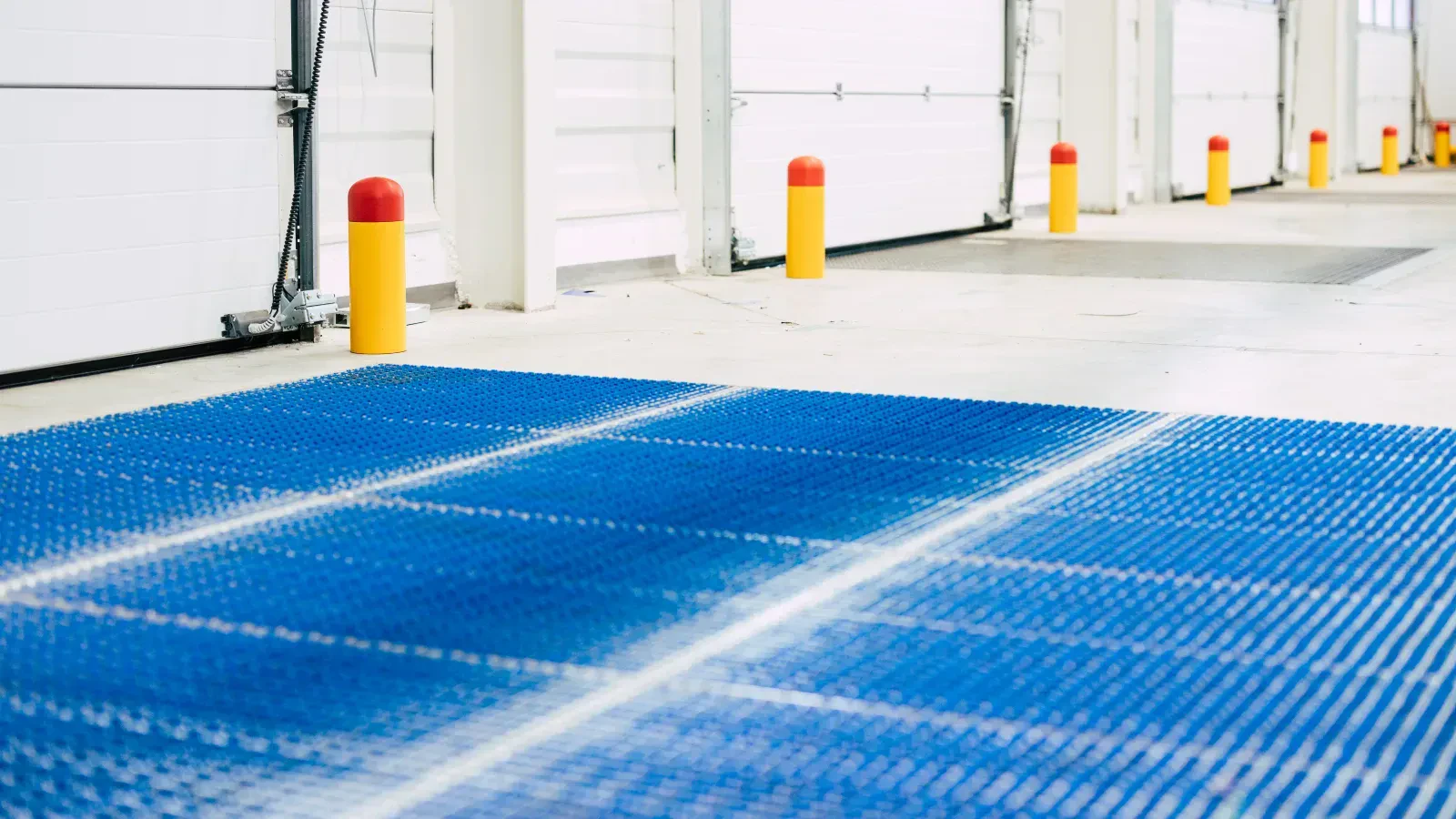
In many food factories, the same equipment crosses warehouse, production, packaging or washdown areas. If the route crosses a hygiene boundary, the site needs to know what can be transferred and where it can be reduced before moving further.

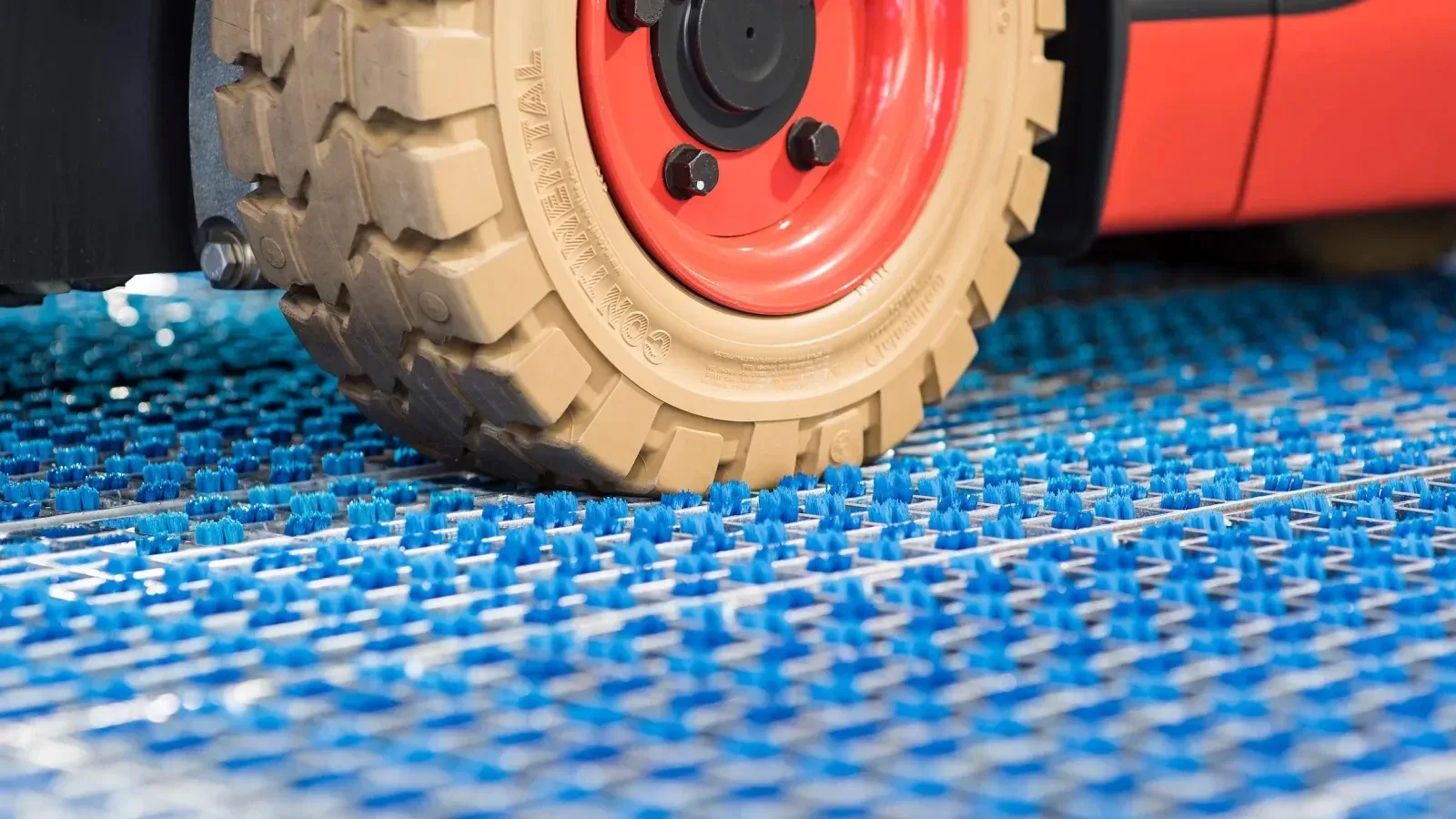
Active wheel or caster cleaning systems can be reviewed when the crossing point is natural, repeated and controllable enough for installation, cleaning and verification.
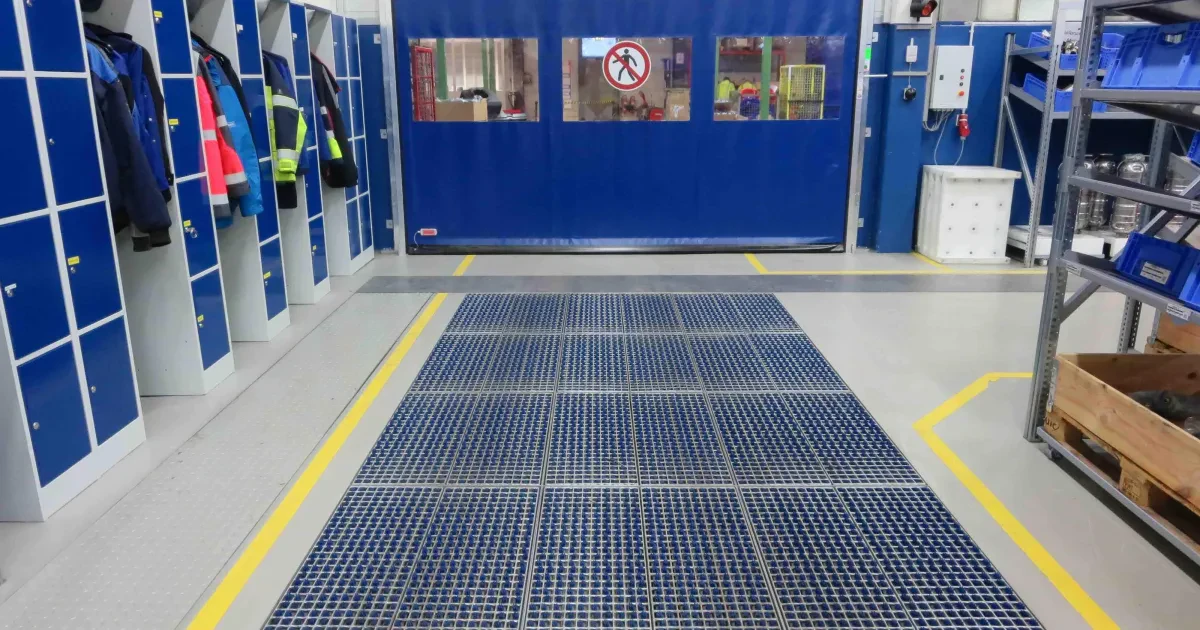
Soles and personnel access points

Soles and personnel access points

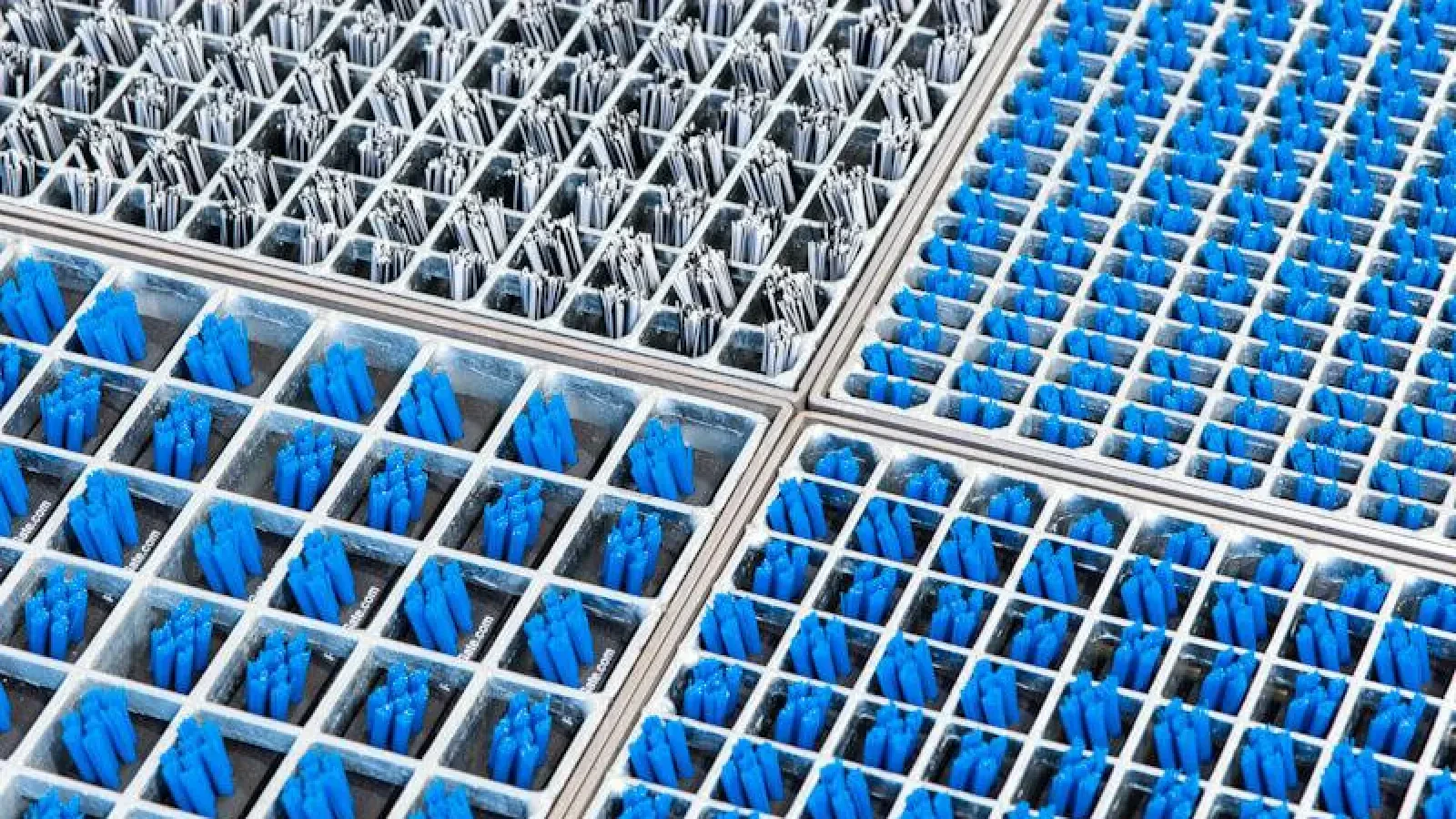
Personnel crossings need a different logic from forklifts or pallet trucks. Footwear, frequency, access discipline, possible bypasses and the need for dry cleaning or liquid disinfection all matter.

If liquid is used, the discussion also includes chemistry, concentration, refill, drainage, realistic contact time, station cleaning and records ownership.

How BRCGS, IFS and HACCP guide route checks

Standards help frame selection questions and document responsibilities. The technical direction connects to the operator procedure, validation and monitoring.

BRCGS

BRCGS Food Safety Issue 9 is relevant to discussions about flow, segregation, contamination and mobile equipment control in food areas. For a crossing point, ask what equipment enters, where it comes from and what risk it can carry further.

A ProfilGate field or hygiene entrance should connect to the hygiene plan, cleaning procedure and internal verification defined by the operator.

IFS

IFS Food creates pressure around product-contamination control, hygiene, cleaning, disinfection and infrastructure. For wheels and soles, the route needs to connect to the real risk: dirt, water, particles, foreign material or microbiological contamination.

A measure only makes sense if the owner, cleaning frequency, verification method and internal acceptance criteria can be defined.

HACCP

HACCP and general hygiene principles start from hazard identification and control measures. The HACCP team decides how the route fits the site system: control point, hygiene routine, monitoring step or supporting measure.

For SEVENSEAS, the practical discussion is where repeated transfer exists and which measure can better support the control already defined by the factory.

What should remain verifiable inside the factory

A cleaning or hygiene point is valuable when it can be maintained and explained in the factory routine. The standards connection is built through flow, ownership, cleaning, monitoring and internal data.

  • the exact route: outside, warehouse, production, packaging, high-care or washdown area;
  • the traffic: forklift, pallet truck, cart, casters, mobile containers or personnel;
  • the mechanism: dry particles, visible dirt, moisture, organic material or microbiological risk;
  • the procedure: dry cleaning, liquid disinfection, dosing, drainage, frequency, owner and records;
  • the verification: what quality, hygiene, production or facility teams will follow after installation.

Relevant directions for discussion

Do you have a hygiene transition where traffic needs clarification?

+36 30 013 5510

Review the wheel and sole route

Send the route, traffic type, hygiene zone and what needs to be documented internally.

Review the wheel and sole route

Send the route, traffic type, hygiene zone and what needs to be documented internally.

Useful questions for audits and route hygiene

Practical prompts for food factories, food packaging, high-care/low-care areas and crossings where mobile traffic moves between different expectations.

Start with crossings between zones with different hygiene expectations, or with recurring observations from audit, cleaning or quality. The route matters more than the zone name.

  • outside or warehouse entries into production;
  • pallet truck, cart or mobile-container routes;
  • personnel access into high-care or packaging areas;
  • crossings where water, dirt or particles appear after traffic.

BRCGS and IFS make visible the points where flow, mobile equipment, cleaning and responsibility need to be controlled and documented. A crossing point for wheels, casters, carts or soles can support that system when it reduces transfer on a defined route and becomes part of cleaning, checking and internal monitoring routines.

  • what crosses the point and where it comes from;
  • which dirt, water, particles or organic material can be transferred;
  • how the point is cleaned and maintained;
  • who checks it and how records are kept.

Dry mechanical cleaning can be relevant when the aim is to reduce particles, visible dirt or dust carried by wheels, casters or soles. Contact, crossing frequency, particle type and the system cleaning routine all need to be checked.

Wet logic becomes relevant when the factory has a real hygiene requirement at the crossing and can manage the whole process: liquid, concentration, refill, drainage, cleaning, maintenance, verification and an internal owner.

  • internally approved chemistry;
  • controlled concentration and refill;
  • realistic contact time for traffic speed;
  • station drainage and cleaning;
  • records accepted by quality/hygiene.

Photos and a simple route sketch help more than a generic description. SEVENSEAS can understand the direction faster when the area, traffic and hygiene boundary are visible.

  • simple plan or sketch of the crossing point;
  • wheel, caster, sole and load types;
  • traffic frequency and bypass possibility;
  • current observation: dust, dirt, water, organic material;
  • current procedure and who verifies it.

The HACCP or quality team defines relevant hazards, zone boundaries, acceptance criteria and how cleaning or hygiene is checked in the procedure. The SEVENSEAS technical discussion brings clear data about route, traffic, contamination type, dry or wet operation and maintenance.

That connection helps the internal team decide where the measure best supports the existing system and what should be followed after installation.

Sending…