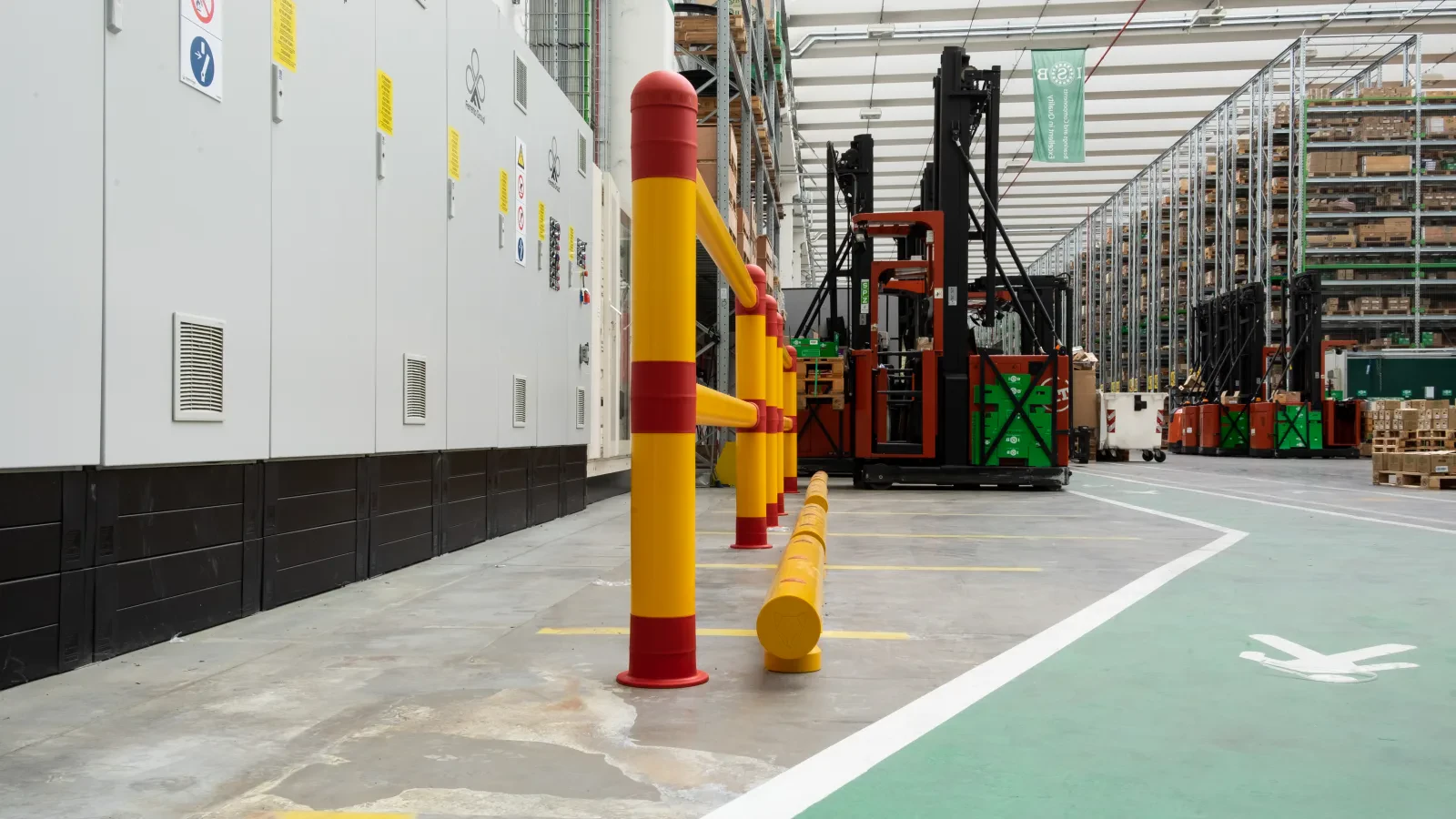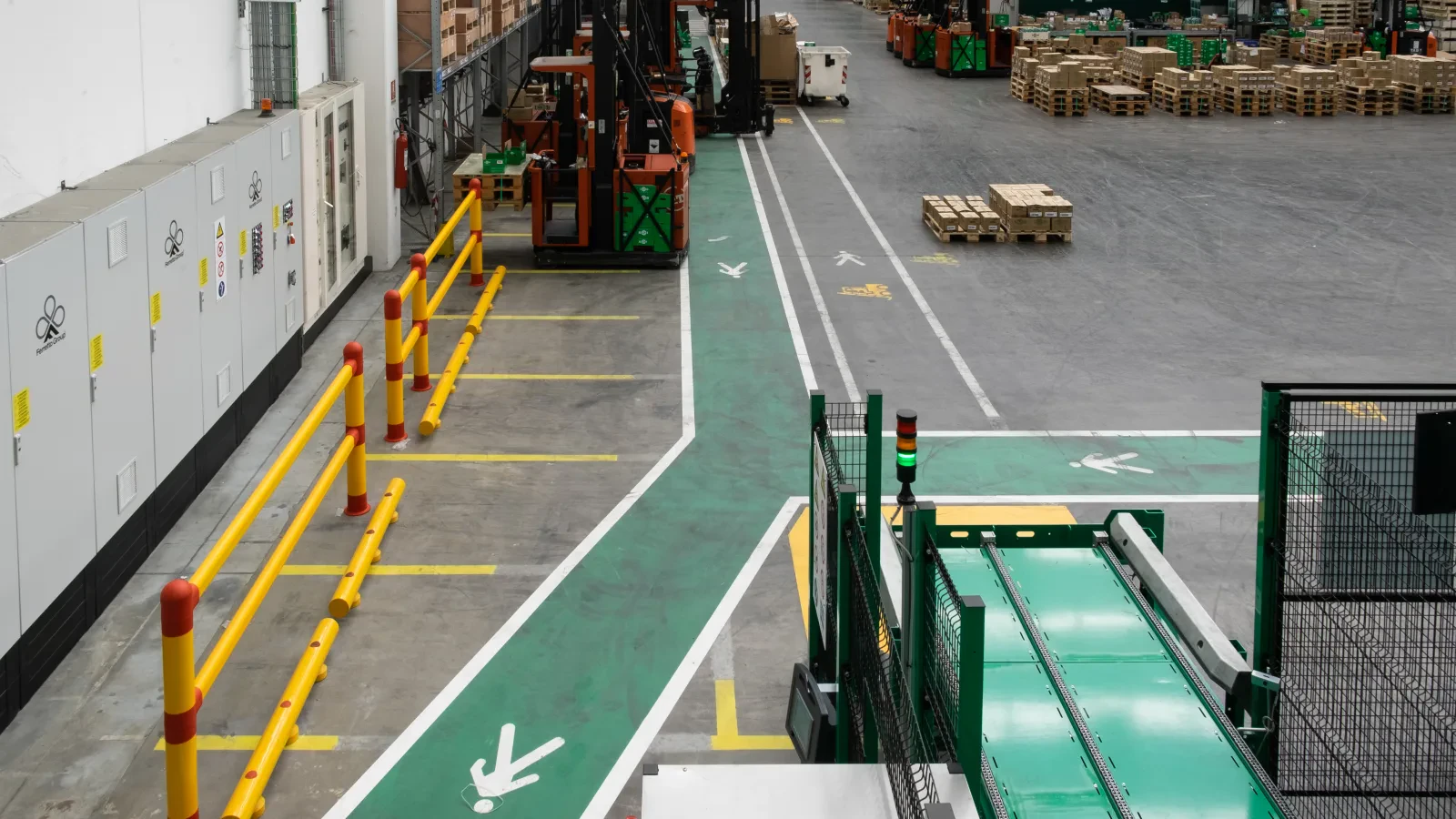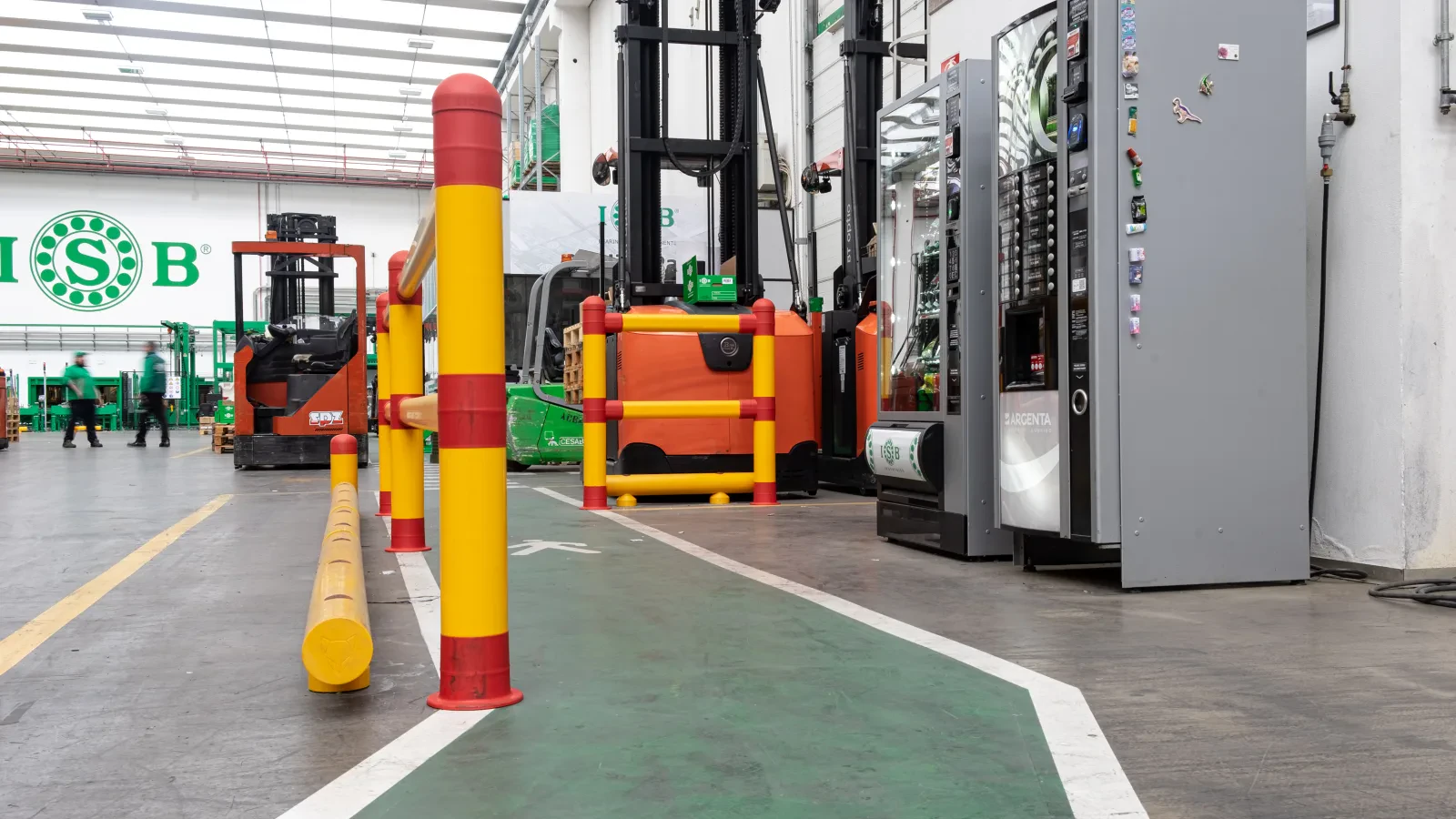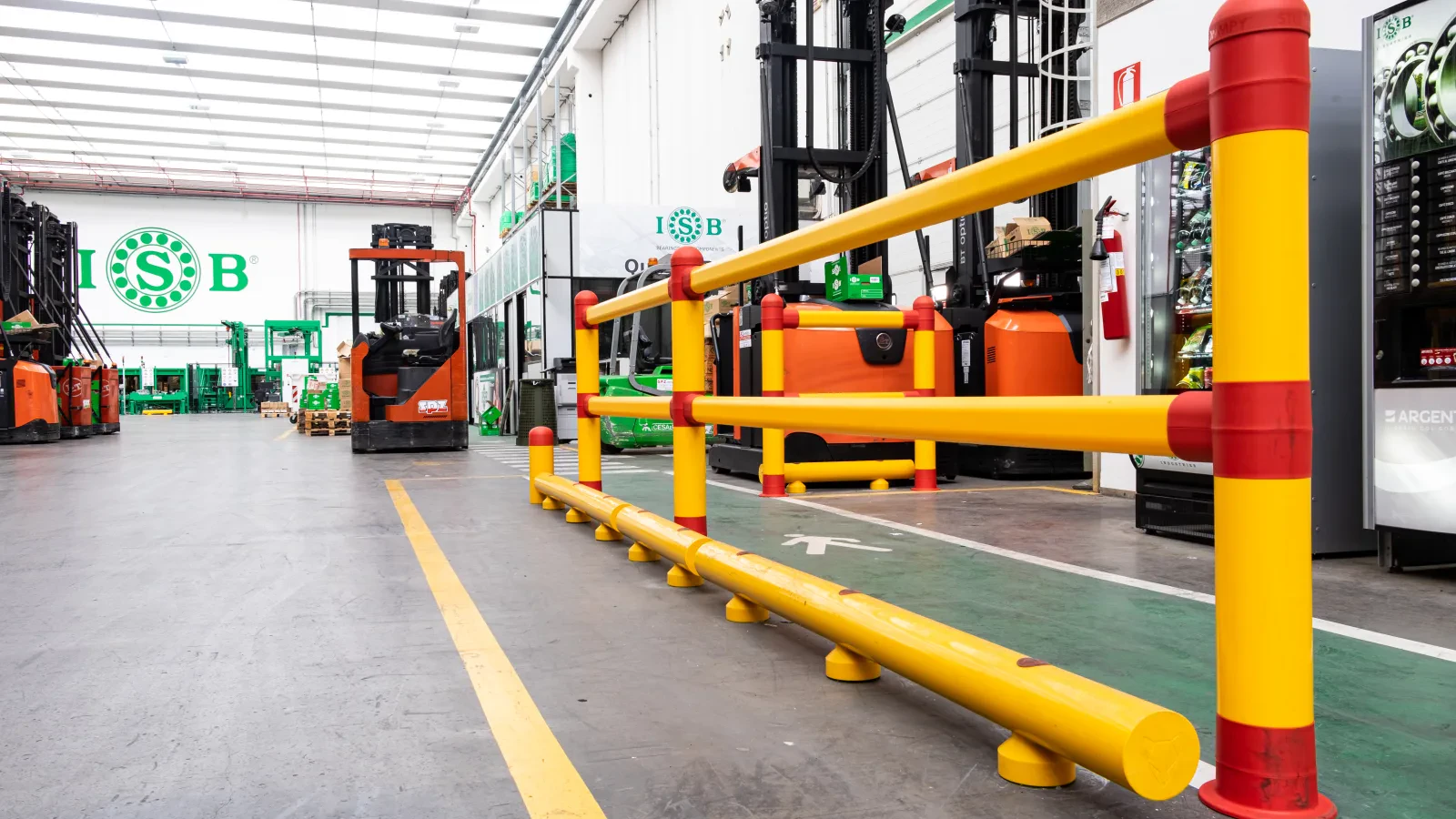

Outdoor pedestrian and vehicle separation in logistics yards
Workplace Safety

Outdoor pedestrian and vehicle separation in logistics yards

Outdoors, pedestrians, vehicles and visitors often use the same gates, loading bays and yards. Separation needs to follow real movement, visibility and manoeuvres.

Explore outdoor-route products

Outdoor areas change the control logic

In a logistics yard, people do not always come from a clear direction. They get out of trucks, walk towards offices, move towards loading bays, or step around pallets, containers, trailers and temporary zones. Vehicles turn, reverse, enter through gates, wait or change direction in a space that shifts during the day.

Painted markings can help, but they are rarely the whole control. Rain, snow, lighting, speed, blind spots, parked trailers and operational pressure can weaken route discipline. That is why pedestrian routes, vehicle routes, crossing points, physical protection, gates, warning and areas where pedestrian access should be discouraged need to be reviewed together.

How to choose separation for outdoor traffic

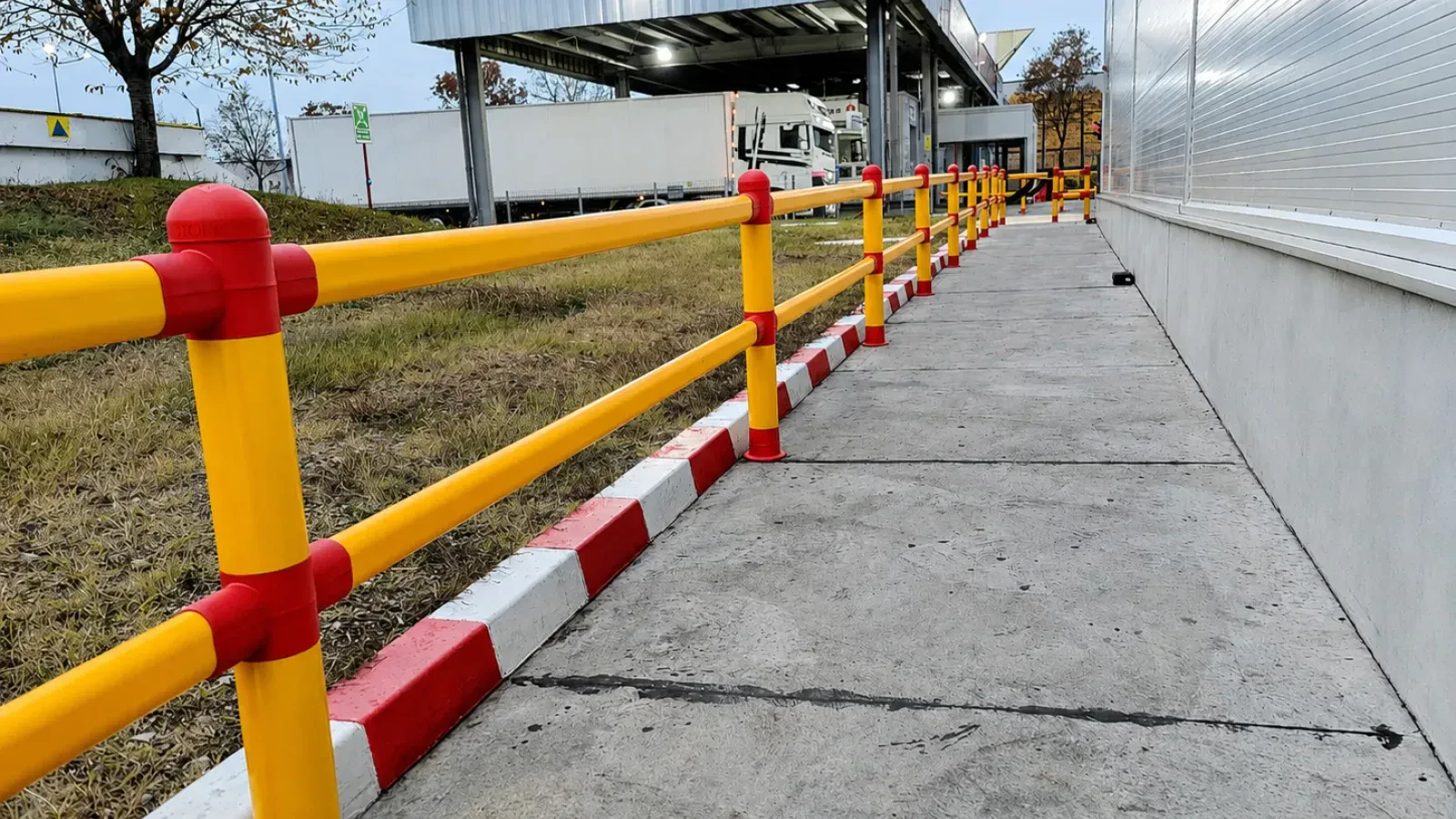
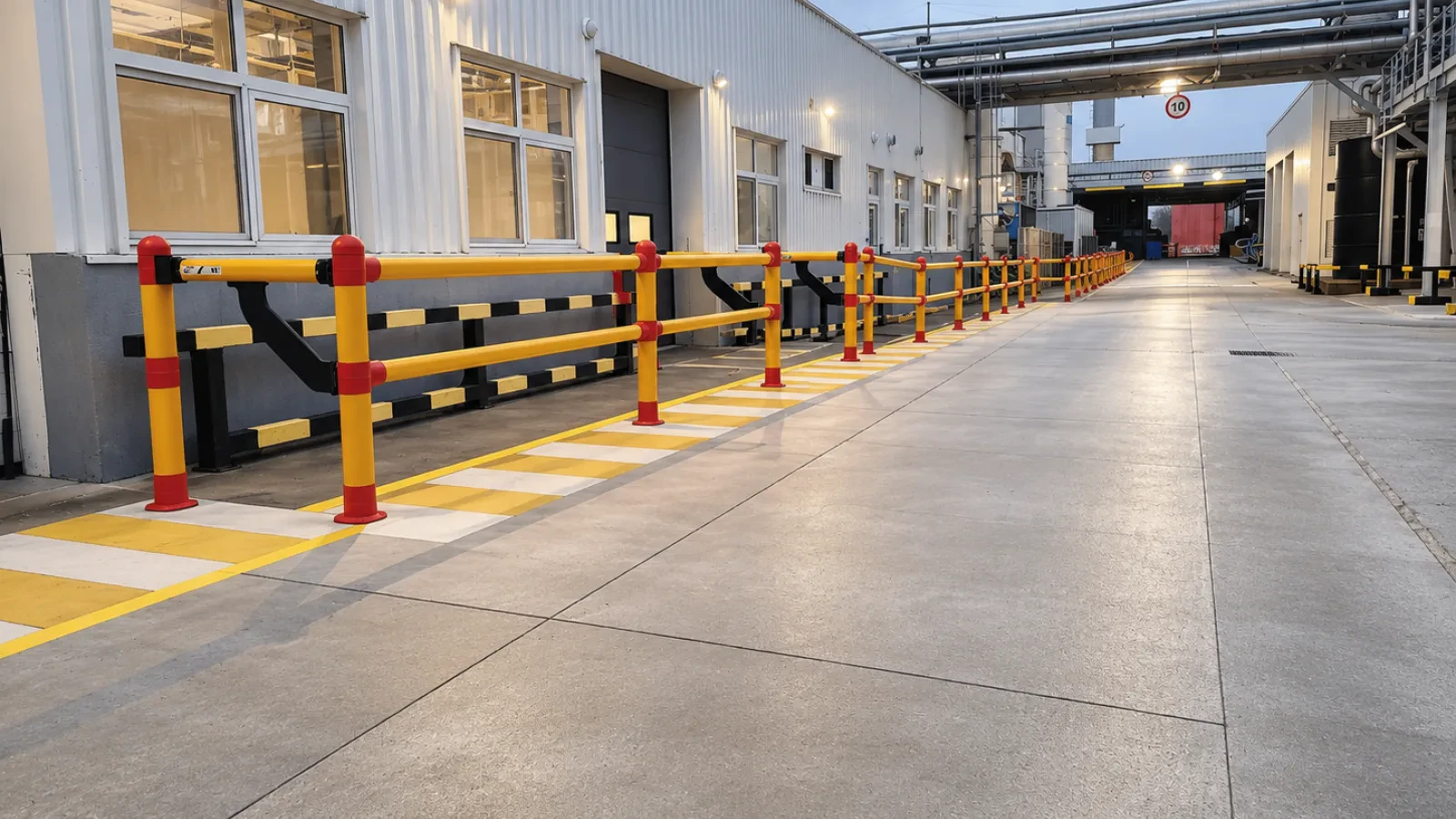
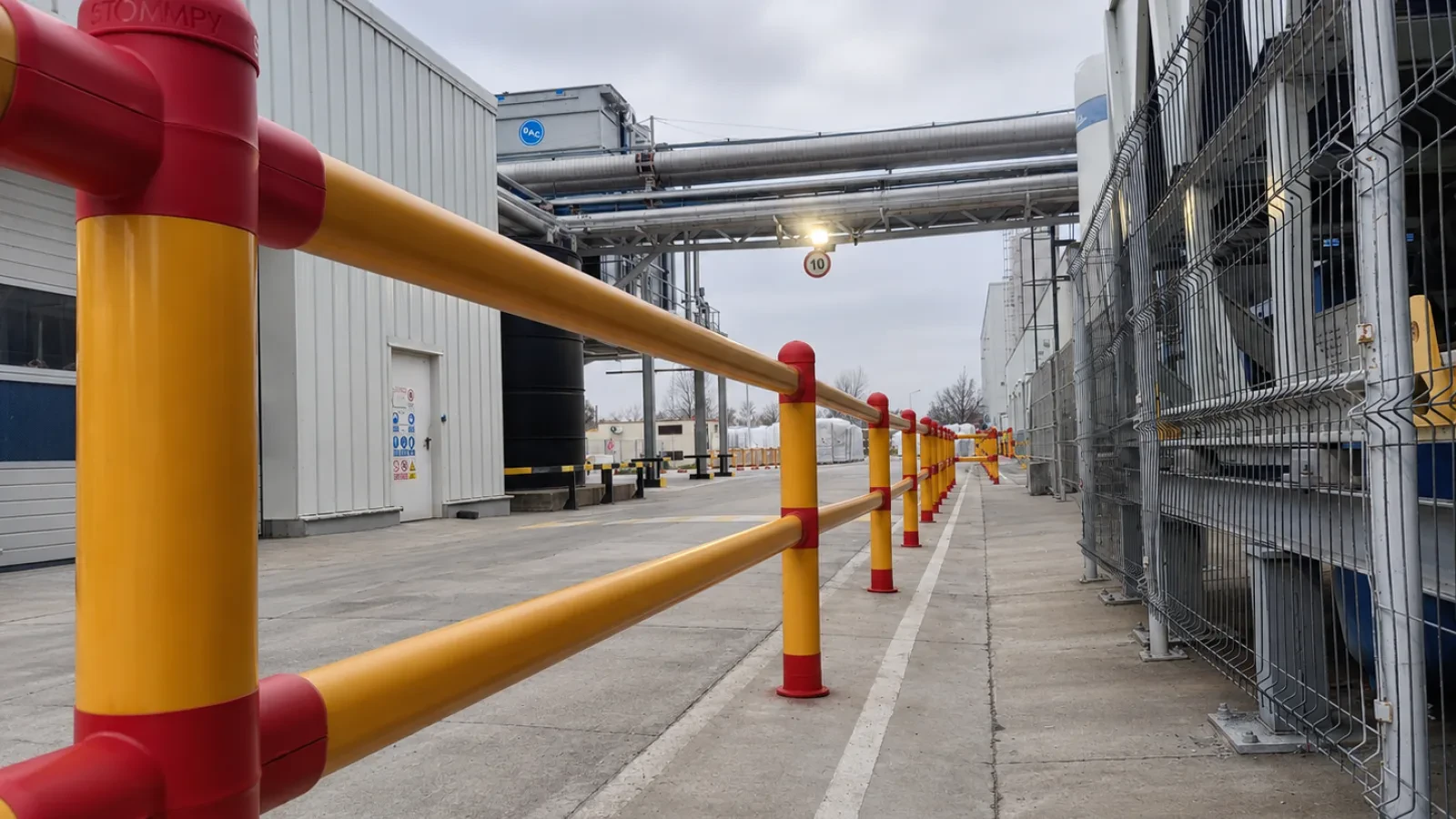
Across outdoor areas, pedestrian routes should connect parking, reception and buildings without unnecessarily crossing manoeuvring, turning or reversing zones.

Pedestrian routes people will actually use

Pedestrian routes people will actually use

A pedestrian route works when it is more logical than the shortcut. If people need to detour too far, cross through manoeuvring areas or walk next to trucks, the issue is route design, not only markings.

Outdoor routes need to consider entrances, changing rooms, offices, waiting areas, loading bays, parking and points where external drivers leave their vehicles.

  • parking-to-building access;
  • route towards loading bay or goods reception;
  • crossing points for drivers and visitors;
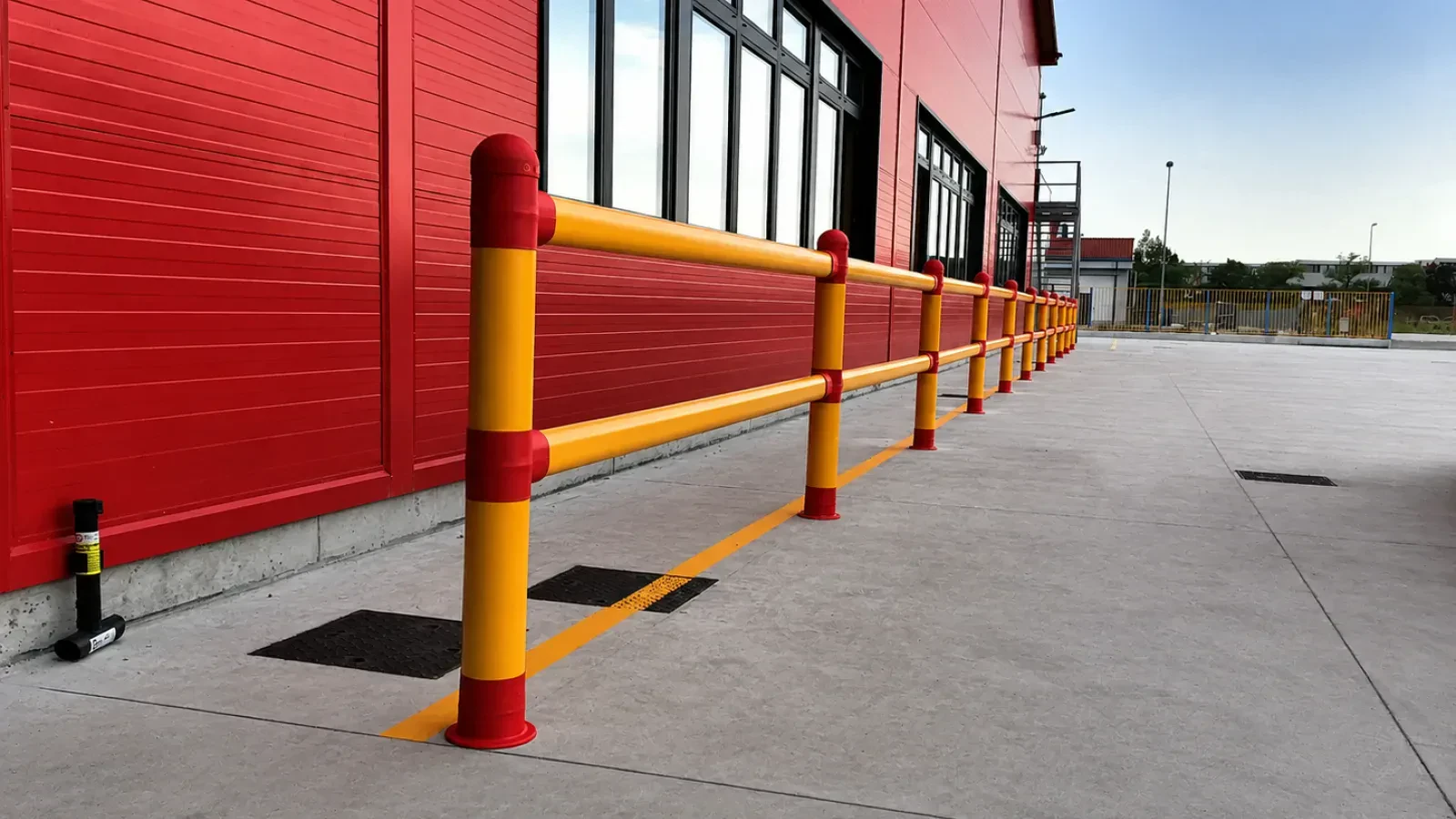
Manoeuvring, reversing and wide turns

Manoeuvring, reversing and wide turns

Logistics yards include points where vehicles do not move in straight lines: they turn, reverse, align with loading bays or enter through gates. In those areas, a pedestrian can be in the wrong place even when the route looks clear on a drawing.

Control may mean physical separation, bollards, barriers, pedestrian gates, mirrors, warning or clear zones where pedestrians should not enter during manoeuvres.

  • loading bays and docks;
  • tight corners or wide turning arcs;
  • frequent reversing points;
Visibility, weather and lighting

Visibility, weather and lighting

Outdoor areas bring variables that are less stable than inside a hall: rain, snow, dirt, strong light, darkness, shadows and parked trailers that cut visibility. A zone that works in daylight can become weakly controlled at night or in winter.

Check signs, lighting, contrast, marking maintenance, walking-surface condition and whether the route stays visible when the yard is busy.

  • lighting at gates and intersections;
  • markings visible in poor weather;
  • points hidden by trucks or containers;
Zone control, not only painted lines

Zone control, not only painted lines

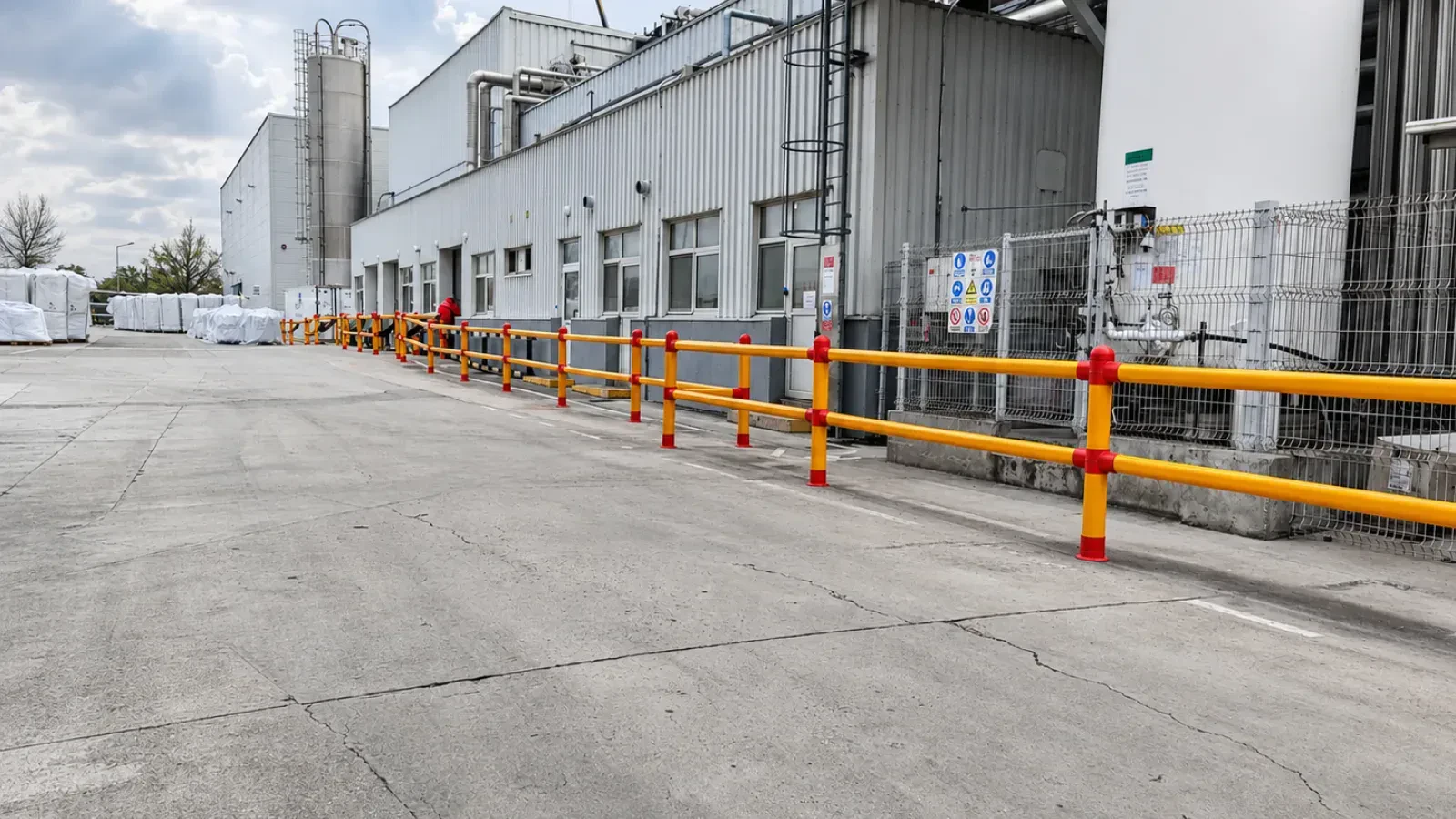
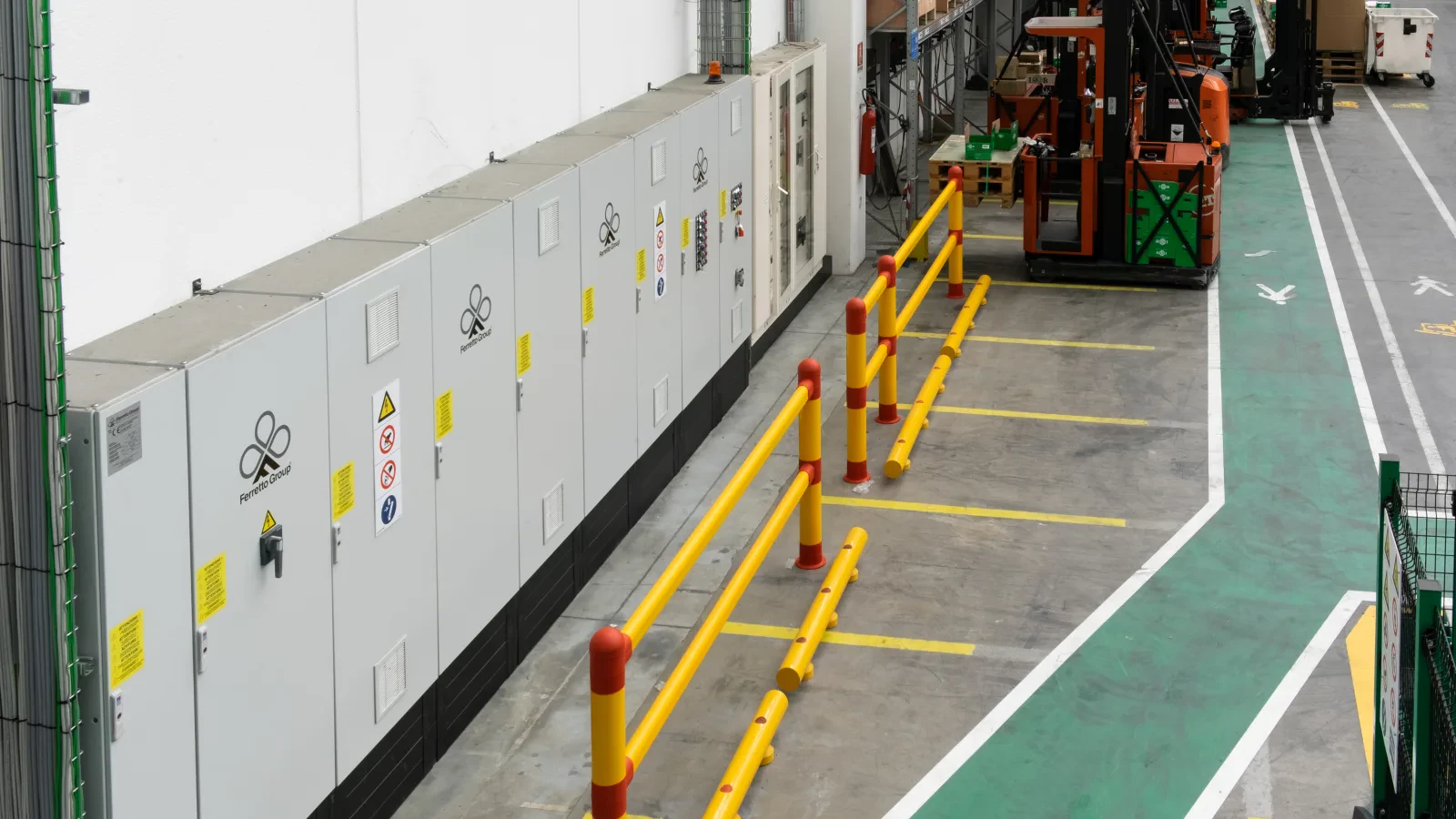
In logistics yards, some zones need guidance, while others need protection or restricted access. A painted line can indicate a route, but it does not stop a vehicle, protect a door or prevent pedestrians from entering a manoeuvring area.

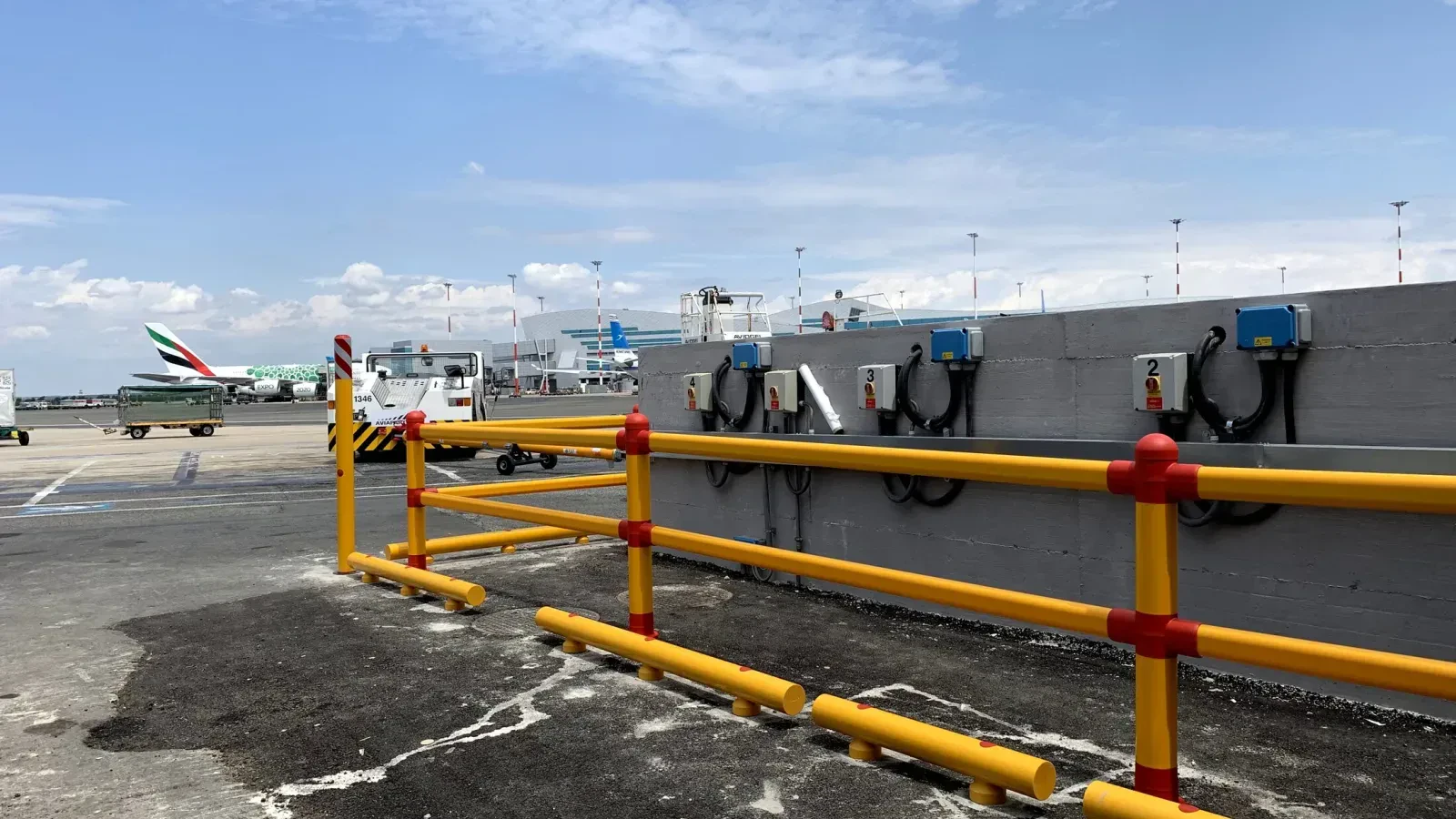
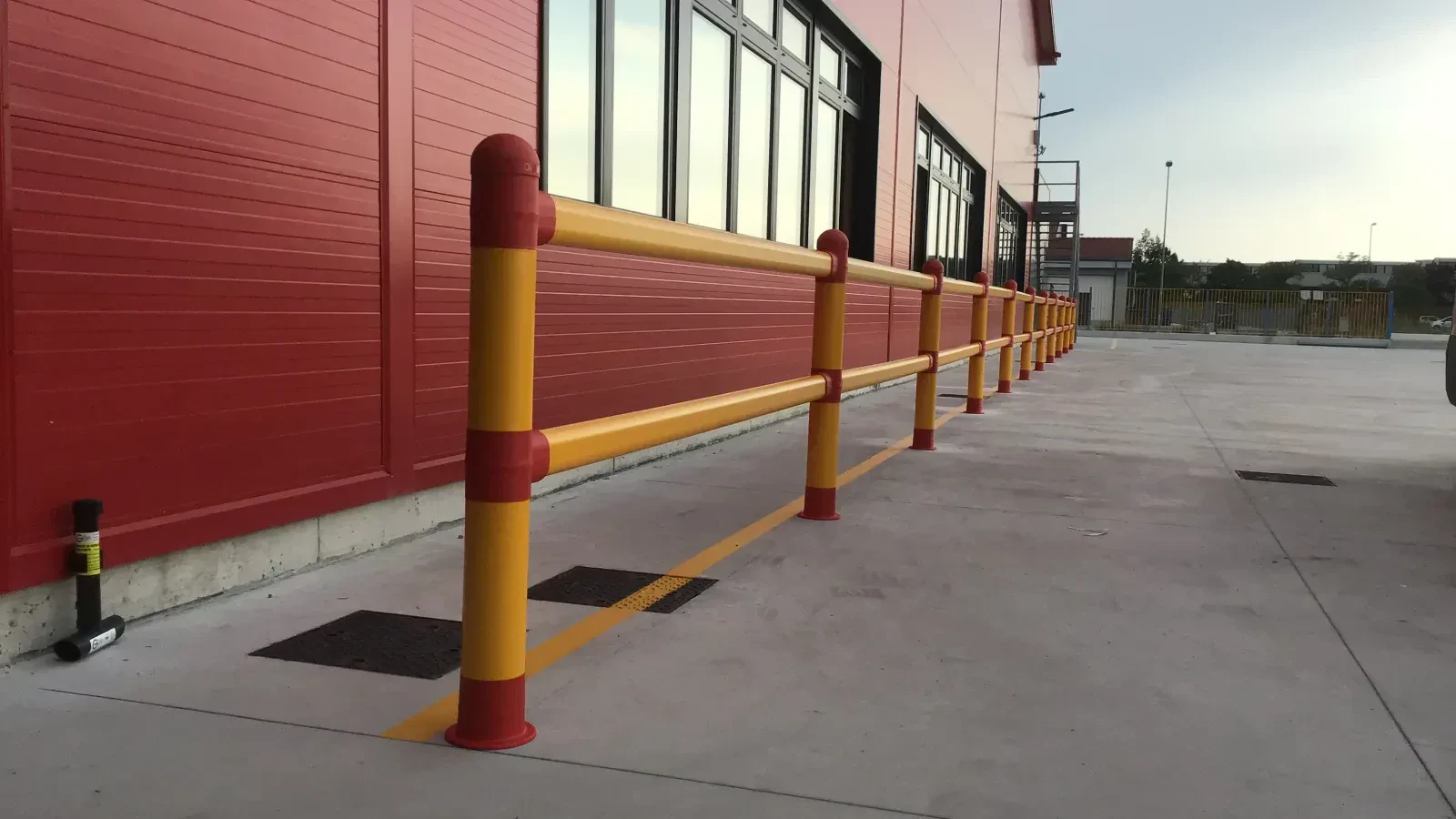
The right direction may combine pedestrian routes, fencing, gates, bollards, impact barriers, infrastructure protection and active warning at low-visibility points.

  • guided pedestrian zones;
  • areas closed to pedestrians during manoeuvres;
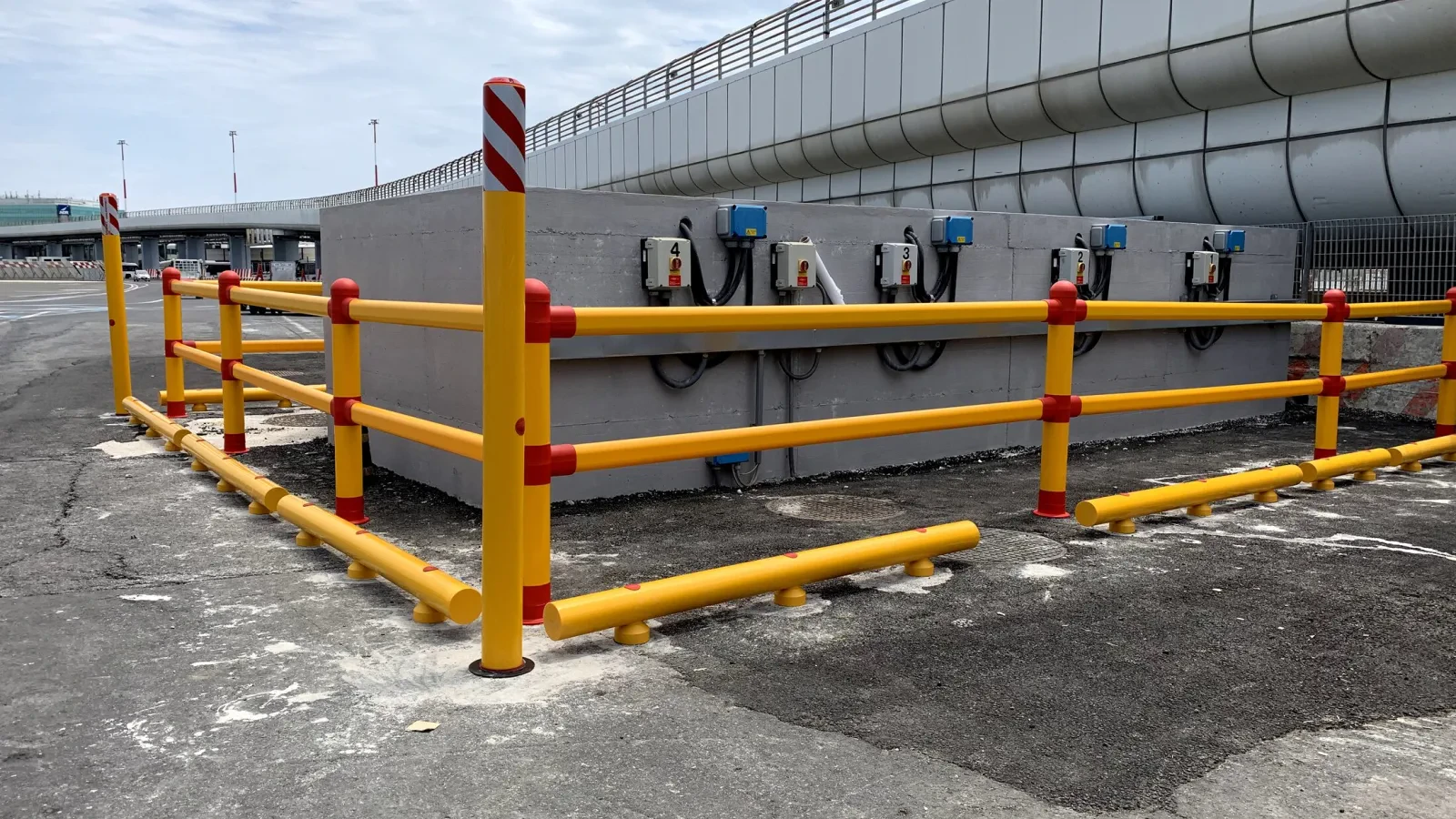
  • protection for doors, corners, gates and equipment;

Outdoor zones to check

Access gates

Where vehicles, pedestrians, external drivers and visitors enter the same flow.

Loading bays and docks

Points with manoeuvring, reversing, doors, exposed edges and operational pressure.

Truck parking areas

Zones where people leave vehicles and walk towards offices or goods reception.

Manoeuvring yards

Spaces where turns, trailers, containers and loading activity can change visibility.

Routes between buildings

Walking routes that must stay clear in poor weather and across different shifts.

Exposed infrastructure

Doors, gates, corners, walls, equipment and existing protection with impact history.

Products for outdoor routes and exposed edges

The barriers, bollards and segregation elements below can support outdoor routes, access points and the edges of manoeuvring areas. Fit depends on the vehicle, speed, possible impact angle, surface, drainage, weather and space needed for operations.
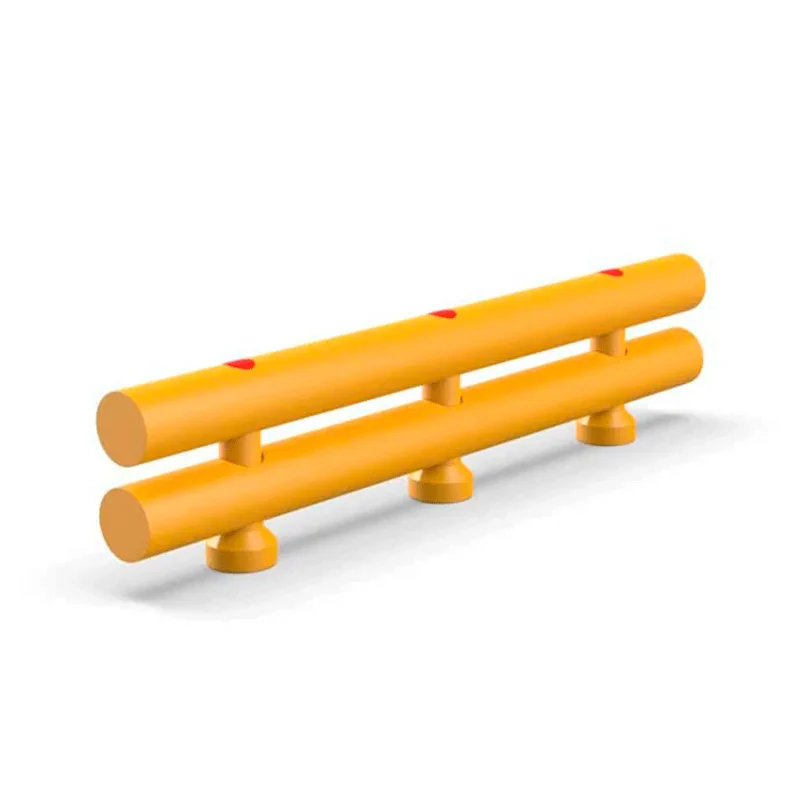
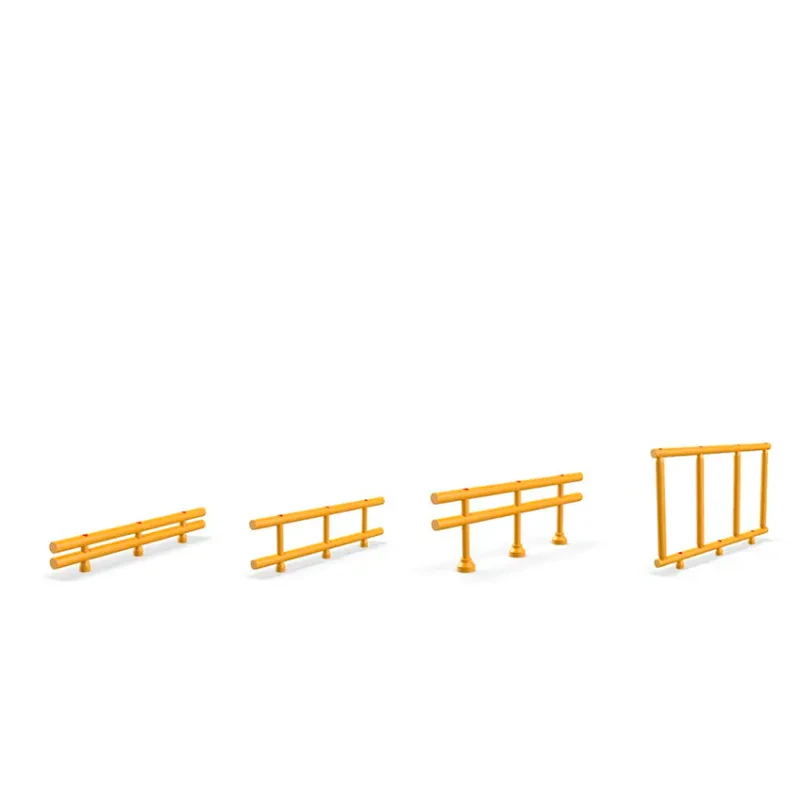
Double impact safety barrier Ø100/70
Height options
440 mm / 770 mm / 1 000 mm
Length options
1 000 mm / 1 500 mm / 2 000 mm
Diameter
100 mm / 70 mm
Mounting
FIXA Block System®
Material
Tecklene®
Double impact safety barrier Ø120/120
Tested impact energy
35,000 J
ASI
0.50
Height options
340 mm
Length options
500 mm / 1 000 mm / 1 500 mm / 2 000 mm
Diameter
120 mm
Double impact safety barrier Ø70/70
Height options
230 mm / 410 mm / 530 mm / 1 000 mm
Length options
500 mm / 1 000 mm / 1 500 mm / 2 000 mm
Diameter
70 mm
Mounting
FIXA Block System®
Material
Tecklene®
Double impact safety barrier Ø120/70
Height options
440 mm / 770 mm / 1 000 mm
Length options
1 000 mm / 1 500 mm / 2 000 mm
Diameter
120 mm / 70 mm
Mounting
FIXA Block System®
Material
Tecklene®
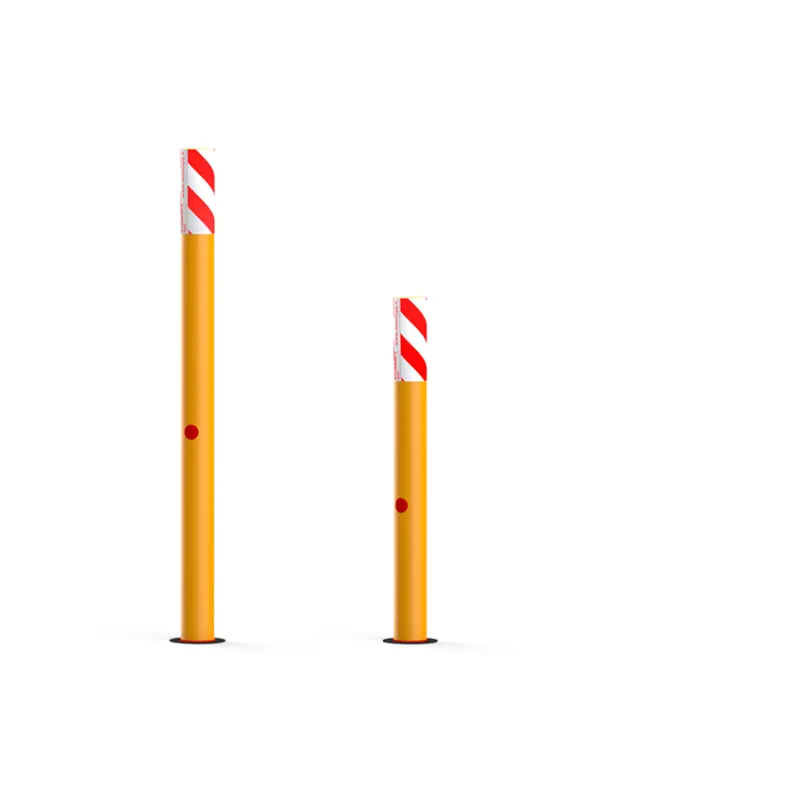
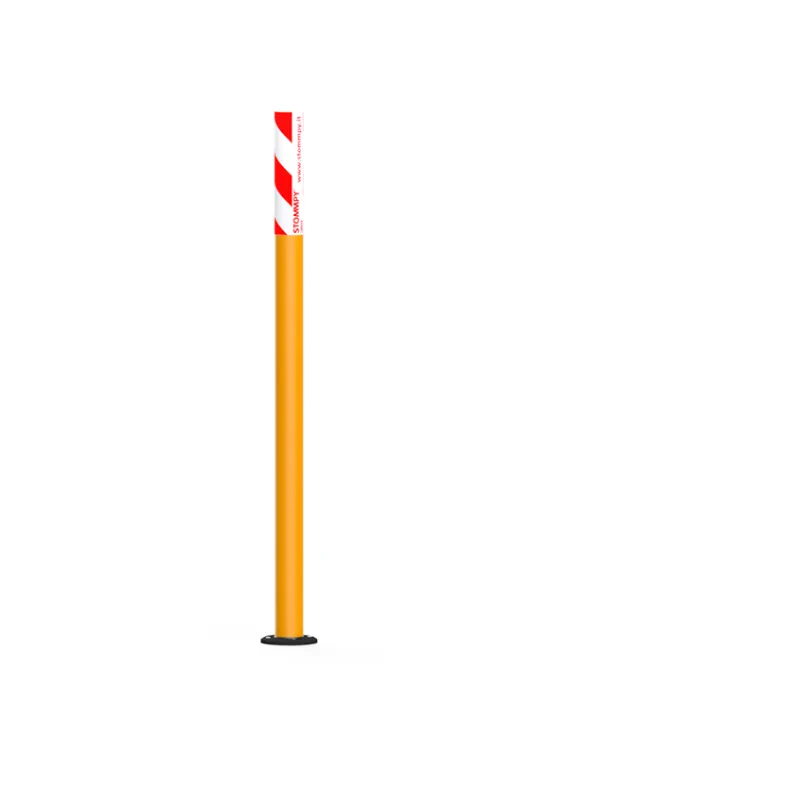
High-visibility protection bollard Ø120
Material
Tecklene®
Mounting
Cupa de fixare sigilată cu flanşă
Height options
1 750 mm
Operating temperature
-40 °C – +50 °C
UV resistance
DIN EN ISO 877 7-8 blue scale
High-visibility protection bollard Ø70
Material
Tecklene®
Mounting
Cupa de fixare sigilată cu flanşă
Height options
1 300 mm
Operating temperature
-40 °C – +50 °C
UV resistance
DIN EN ISO 877 7-8 blue scale
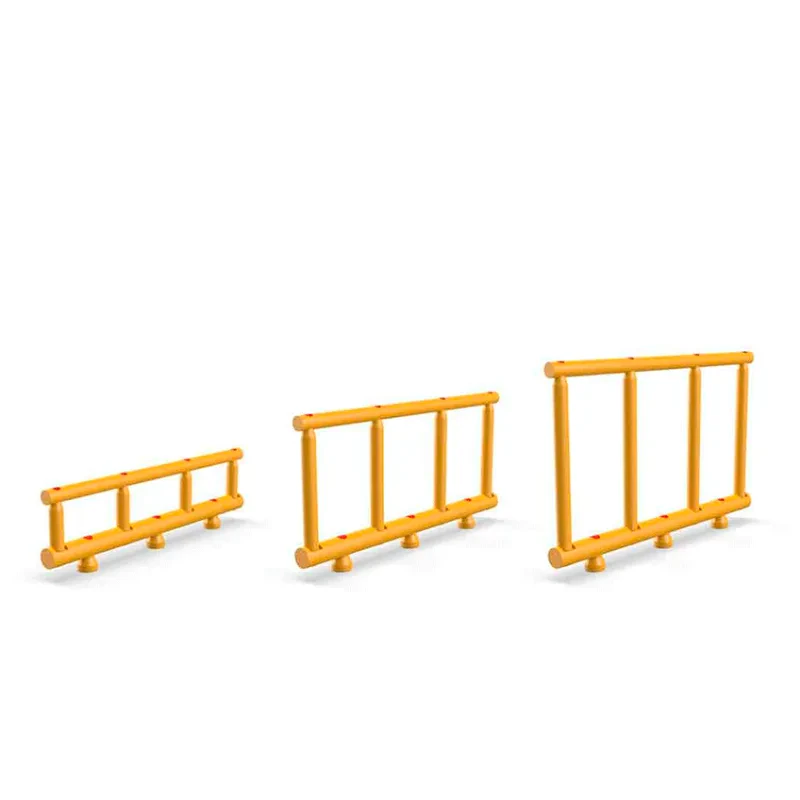
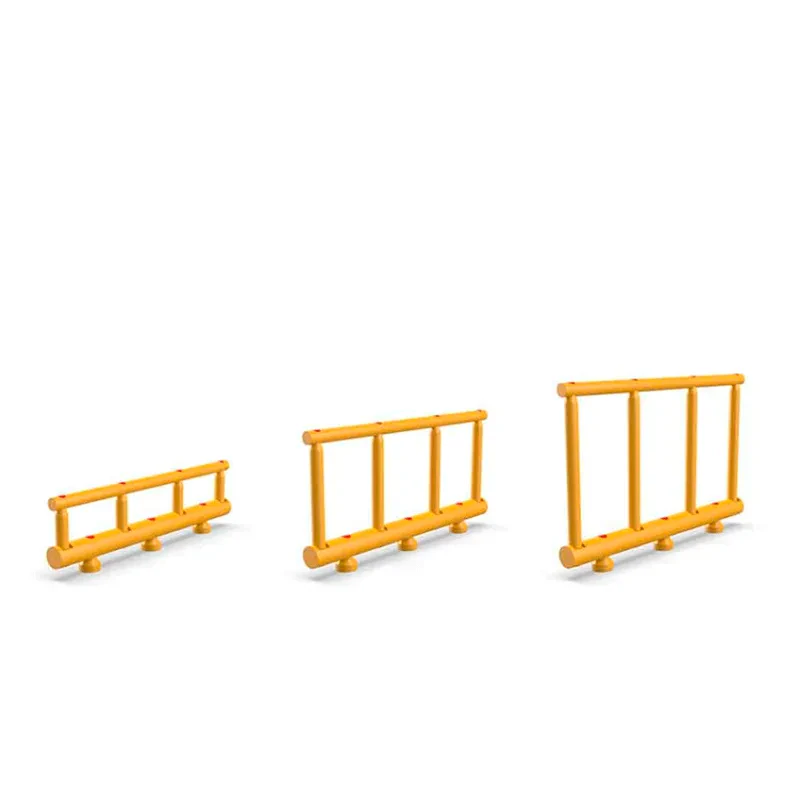
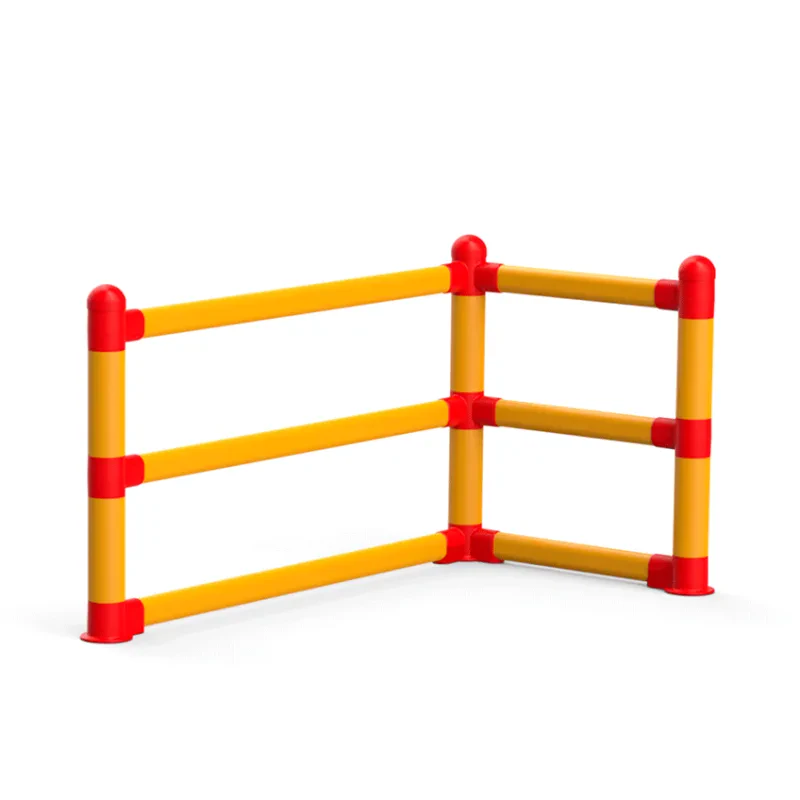
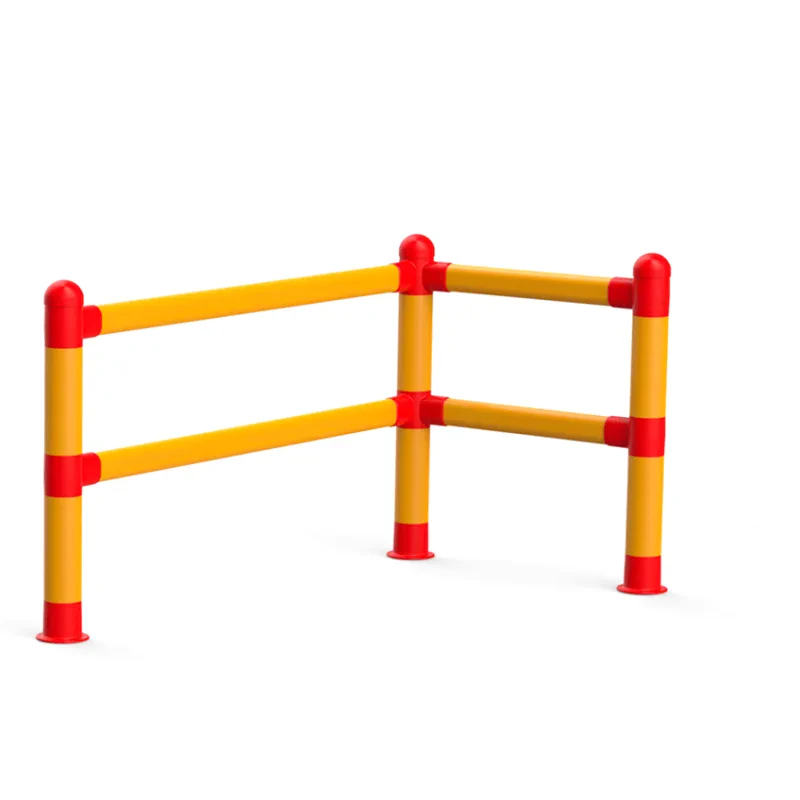
Triple pedestrian traffic segregation barrier
Material
Reinforced engineering polymer
Modularity
Yes
Module lengths
1 500 mm / 3 000 mm
Height options
1 100 mm
Operating temperature
-40 °C – +50 °C
Double pedestrian traffic segregation barrier
Material
Reinforced engineering polymer
Modularity
Yes
Module lengths
1 500 mm / 3 000 mm
Height options
1 205 mm
Operating temperature
-40 °C – +50 °C

Do you have an outdoor area where people, trucks and site vehicles get too close?

Explore loading-bay safety +36 30 013 5510

Request an outdoor route review

Send a few details about the yard, gate, loading bay or manoeuvring area. We review pedestrian routes, vehicle movement, visibility and points where separation or protection can reduce risk.

Request an outdoor route review

Send a few details about the yard, gate, loading bay or manoeuvring area. We review pedestrian routes, vehicle movement, visibility and points where separation or protection can reduce risk.

Frequently asked questions

Useful questions before choosing routes, physical separation or protection for outdoor areas.

Observe real movement before drawing the route:

  • where people come from and where they need to go;
  • which shortcuts they use in practice;
  • which vehicles cross the same area;
  • how the route connects parking, changing rooms, offices, goods reception and gates.

A route that is too long or hard to understand will be bypassed. Route logic should therefore be combined with visibility, lighting, markings, physical separation and protection of exposed points.

Painted markings may be enough when traffic is slow, visibility is good, the route is logical and the consequence of deviation is low. They help with discipline and orientation, especially when maintained and visible in poor weather.

When vehicles manoeuvre, reverse, turn widely, enter through gates or move close to pedestrians, physical separation, impact protection, access control or active warning should also be reviewed.

The choice depends on what needs to be controlled. If the goal is guiding pedestrians, handrails, fencing or pedestrian gates may fit. If vehicle impact is part of the risk, the discussion moves towards bollards, barriers and protection for corners, doors or infrastructure.

Outdoor areas also need speed, vehicle mass, possible impact angle, remaining manoeuvring space, anchoring, snow clearing, drainage and emergency or maintenance access to be considered.

Visiting drivers may not know site routes, and trucks can block visibility or change the flow of a yard. Waiting areas, the path from truck to reception, document-signing points and access to offices or welfare facilities should therefore be clear.

Good separation reduces improvisation: drivers understand where to walk, site vehicles have fewer unexpected pedestrian movements, and manoeuvring zones do not become informal walkways.

Weather and light can change outdoor behaviour completely. Markings may be covered by dirt or snow, asphalt can become slippery and parked trailers can create blind spots. At night, lighting and contrast become as important as the route itself.

The choice should consider maintenance, cleaning, snow clearing, drainage, lighting, visibility of signs and whether the route will still be followed in weak conditions, not only on a good day.

Active warning can make sense at low-visibility points, gates, intersections or areas where vehicles appear from directions that are hard to anticipate. It can complement routes and protection when reaction time needs to be created before people and vehicles reach the same point.

The choice should be tied to the specific situation: what is detected, who receives the signal, whether the signal is visible or audible outdoors and what behaviour it needs to change.

Sending…