Impact protection systems
Loading bays, industrial doors and cold rooms: where protection should be checked
A practical guide to protecting areas where vehicles approach doors, racks and loading-bay edges.


A practical guide to protecting areas where vehicles approach doors, racks and loading-bay edges.
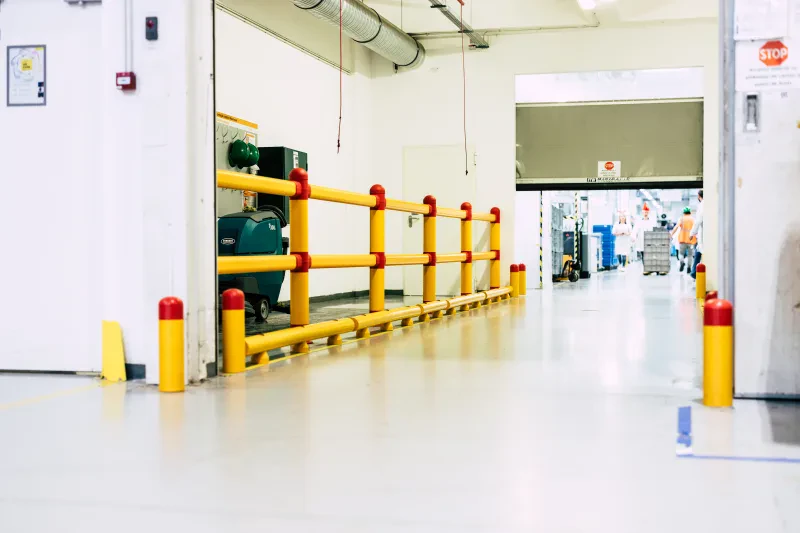
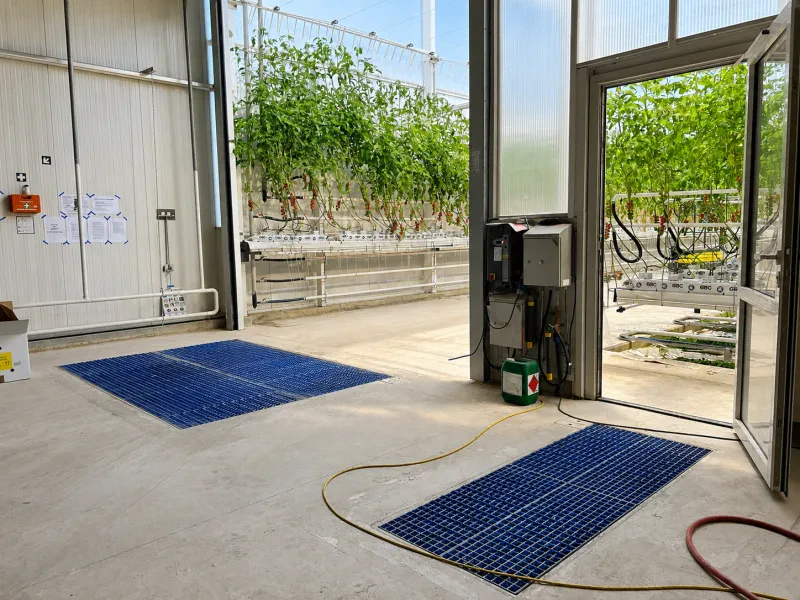
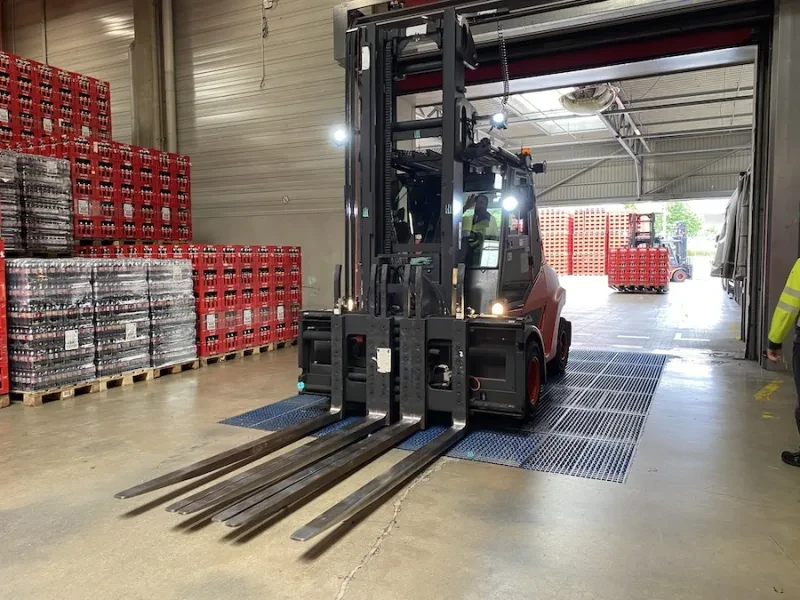
A guide to integrating wheel cleaning before doors, floors, drainage and routes are fixed.
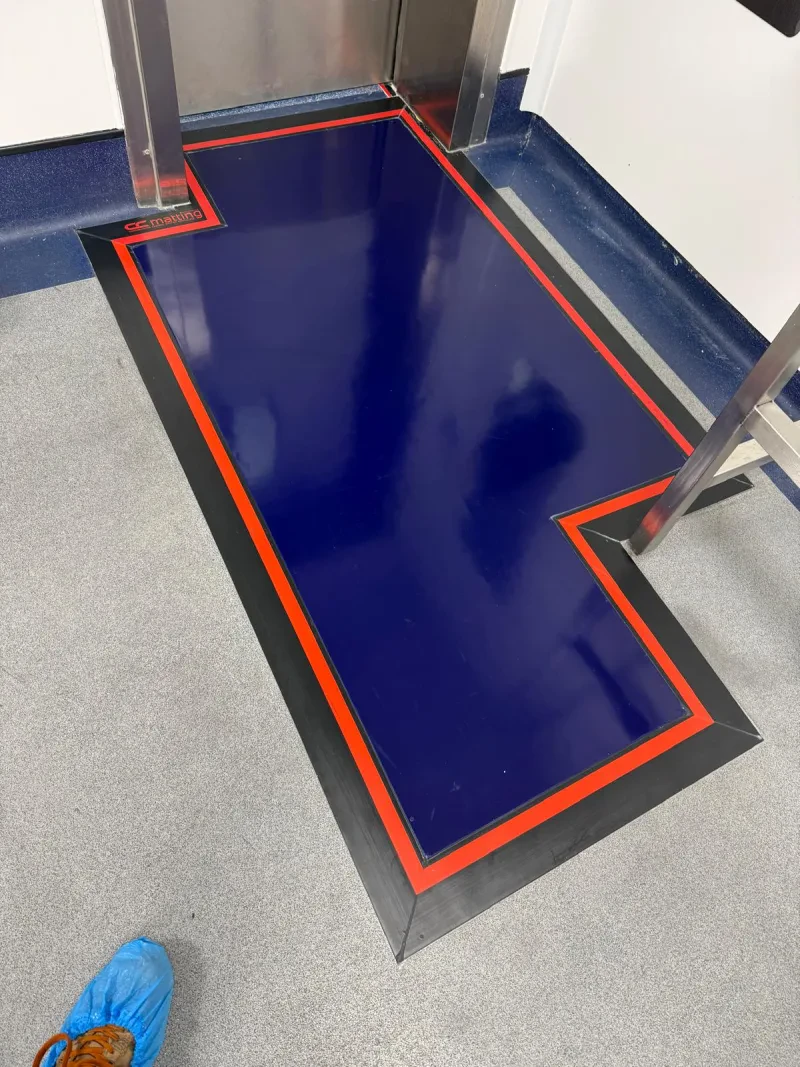
A guide to choosing polymer-mat length, width and position from successive sole contacts, wheel rotations, traffic and cleaning.
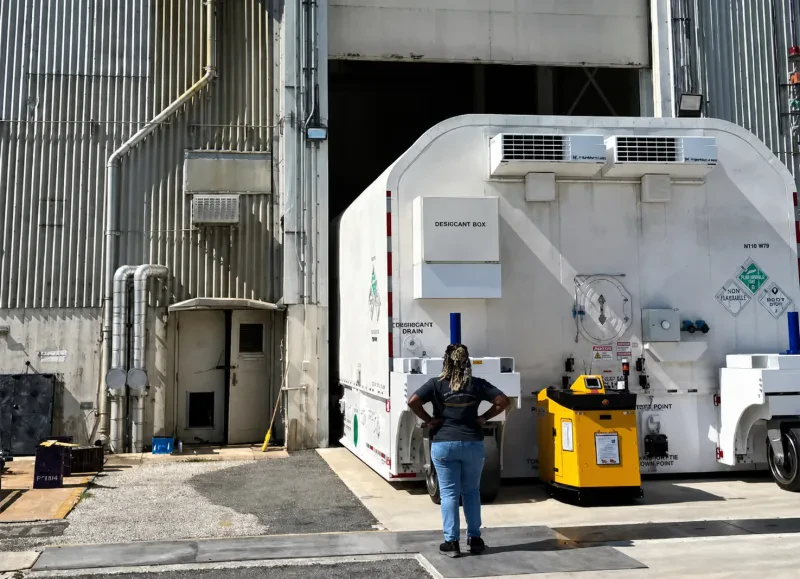
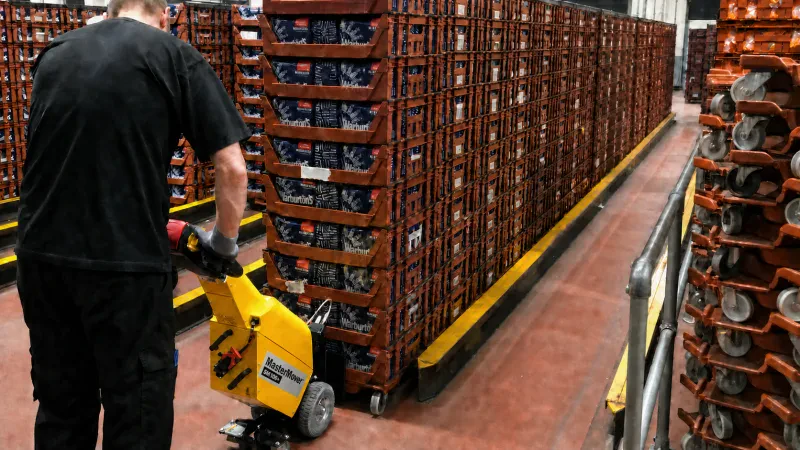
A guide for wheeled loads that are difficult to start, steer or stop by manual pushing and pulling.
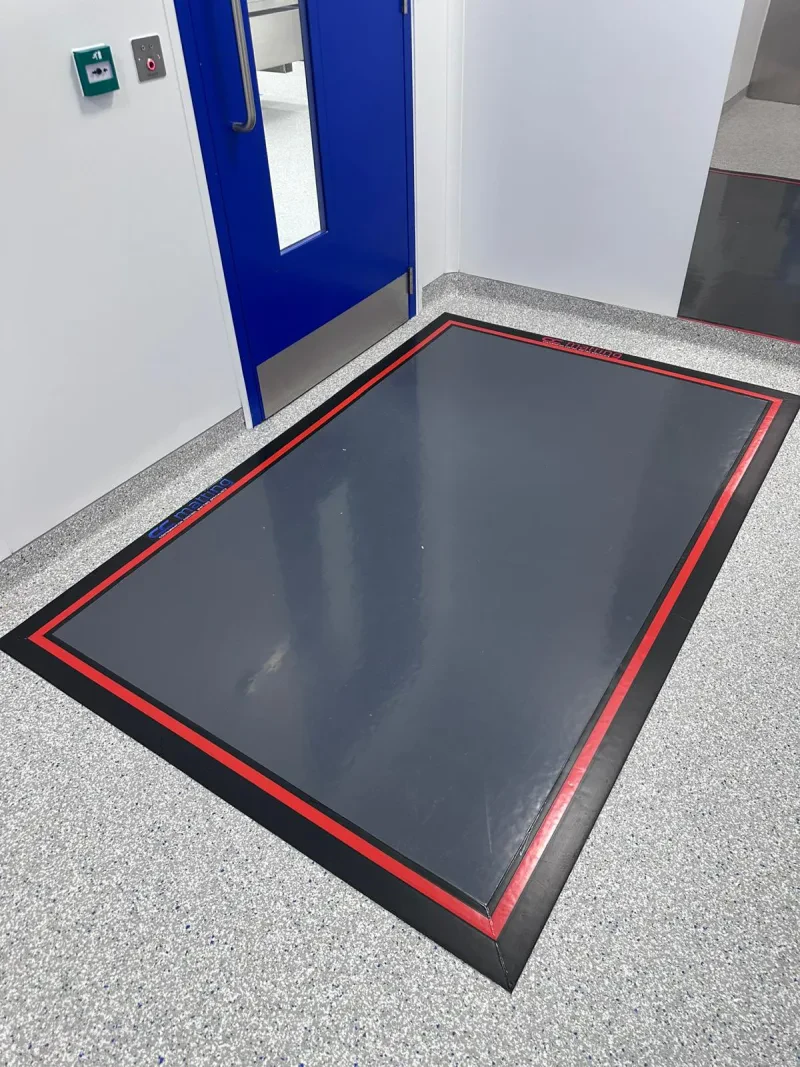
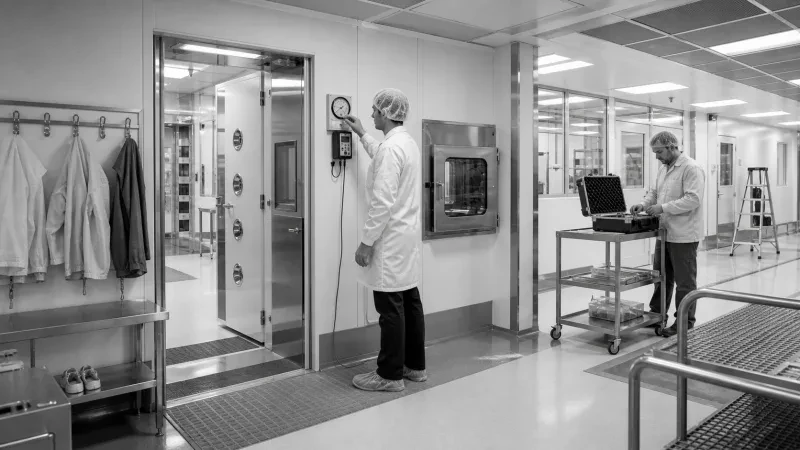
How to use CC Matting Heavy Duty documentation when the area needs ISO Class 5 material, particle control, clear cleaning and quality traceability.
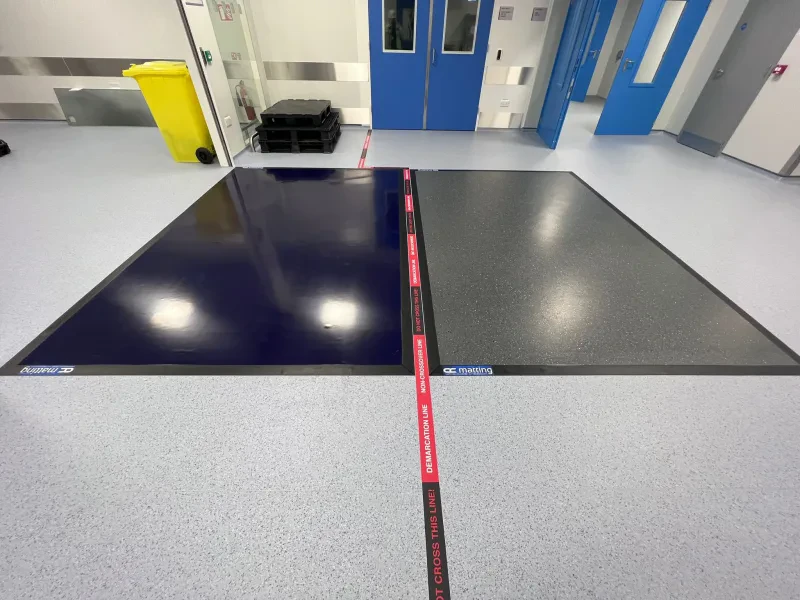
How to choose between peel-off adhesive mats, reusable polymer matting and active route cleaning in cleanrooms and controlled environments.
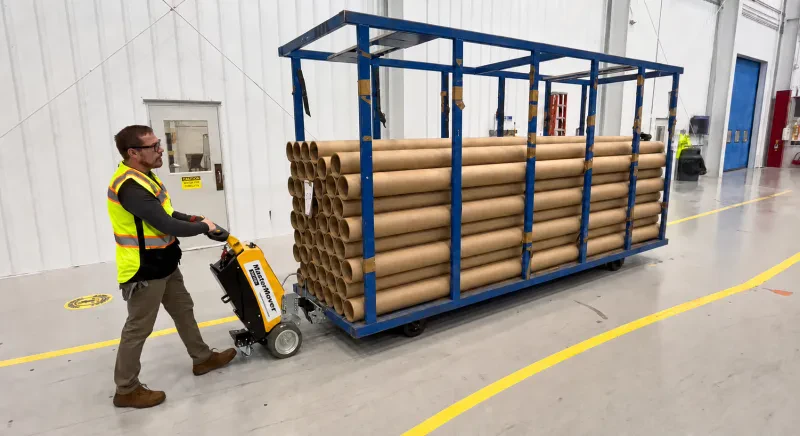
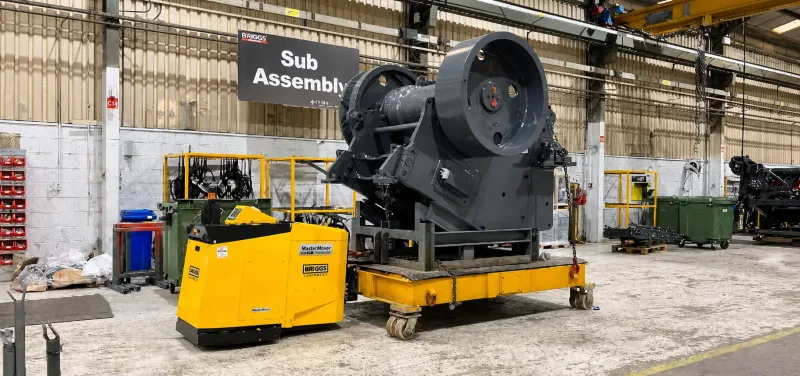
A MasterMover SM200+ case shows how a Fortune 500 plastic packaging manufacturer moved from manual pushing to mechanised movement for heavy carts.
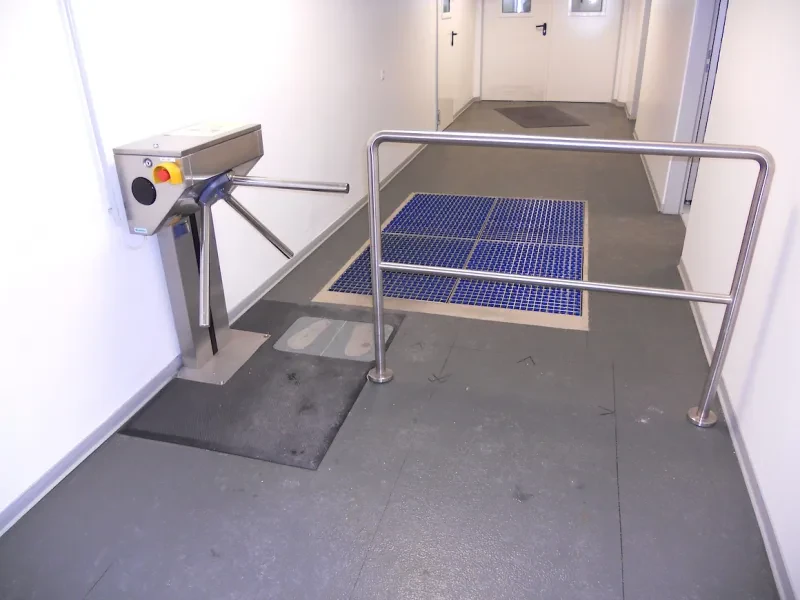
How to connect dirt on soles with access into an EPA area without confusing mechanical sole cleaning with validation of the ESD programme.
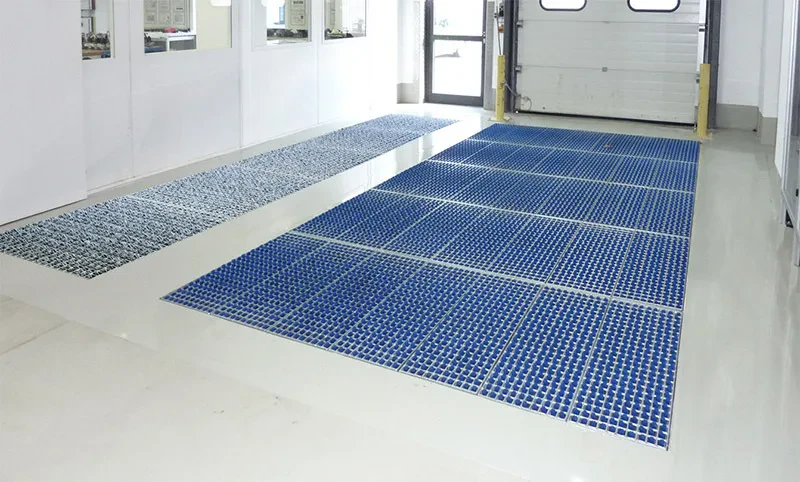
How to tell whether the intervention belongs at the entrance, near production, at a rack, at a loading bay or in the way a wheeled load is moved.
Tell us what you’d like to improve

In most cases, the instinct is to jump straight to a solution. In practice, results come from asking the right questions first.
These points are not always obvious, because many processes seem to “work” — but are not optimized.
The first step is not implementation, but understanding.
Process transitions, high-traffic areas and intersections between people, vehicles or equipment concentrate many useful signals.
The route, frequency and consequence show whether the next step is a local measure or a broader flow change.
Wheels, footwear and mobile equipment can carry particles from logistics into production or toward an area with tighter requirements.
Impact is checked through signals relevant to the process: route marks, additional cleaning, monitoring results, internal non-conformities or quality variation.
The selected measure must fit the operator procedure, cleaning routine and the way the change will be verified internally.
Safety is not just a compliance requirement — it directly affects efficiency.
Incidents and accidents lead to:
Even smaller risks can disrupt workflows and create uncertainty in daily operations.
A preventive approach, focused on protecting infrastructure and controlling flows, reduces these risks and leads to more stable operations.
Losses are not always obvious and are often accepted as part of the process.
The most common ones appear in:
There are also indirect losses:
Over time, these losses accumulate and have a significant impact on both cost and performance.
Compare directions by what must be controlled and by the real operating conditions, not only by product name.
The right direction is one that can be integrated, maintained and verified in the existing process.
Processes appear optimized when they run consistently, without disruptions or frequent interventions.
Signs that improvement is needed include:
In many cases, optimization does not require major changes, but adjustments in critical points of the workflow.
Practical experience helps expose the gap between a specification and the real operating environment.
Compare references that match the relevant conditions:
A reference supports the shortlist only when its conditions are comparable. The final fit still needs to be checked against the site data and the operator’s verification process.